
Reviewed · MARANGU ROUTE CLIMBS
Best 5 Days Kilimanjaro Bike Trek Tour via Marangu Kilema Route
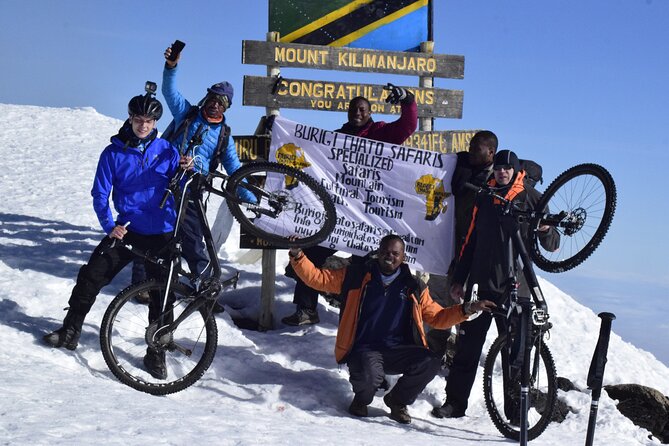
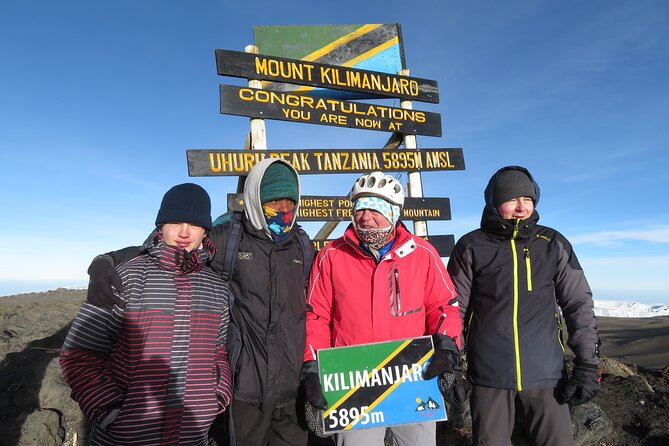
The unusual part comes immediately: this is not a scenic bike ride at Kilimanjaro’s base. You are aiming for Uhuru Peak at 5,895 meters, using a mountain bike on the Kilema Route, the only Kilimanjaro route designed to reach the summit by bicycle. The ride begins on forest roads, gets rough and stony near Horombo, and eventually gives way to a hard summit push over loose ground and ice.
I like two things here. First, the bike adds a genuine challenge for experienced cyclists rather than simply shortening a normal hike. Second, the route gives you a clear change of scenery, from Marangu’s farms and rainforest to alpine desert and the summit icecap. The main caution is simple: this is a serious high-altitude trek, not a five-day cycling holiday. You will hike much of the steepest section, and mountain bike hire, personal gear, flights, visas, and insurance are not included.
Key points before you book
- Reach Uhuru Peak by bike: You carry or ride your mountain bike on selected summit sections, including the ride from Gilman’s Point toward Uhuru Peak.
- Use the Kilema Route: The 19-kilometer route is Kilimanjaro’s cycling approach and joins the regular mountain system at Horombo.
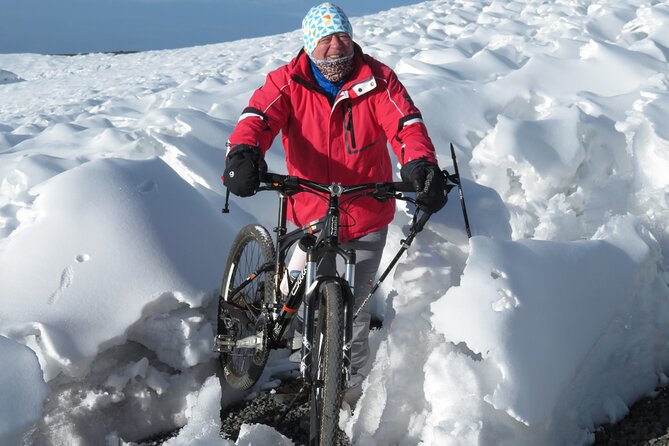
- Prepare for mixed movement: You will cycle, push, carry, and hike. The bike does not remove the mountain’s steepest work.
- Allow for a demanding summit night: Day four includes a pre-dawn climb, the summit attempt, a descent to Horombo, and substantial riding.
- Check your equipment carefully: Bike hire is extra, and one useful practical tip is to use a professional mountain bike with strong tires and carry repair supplies.
- Pay for a package rather than a simple transfer: The $3,292 price includes park costs, guide services, meals, and private transport, but accommodation arrangements and your bike need careful confirmation.
Why the Kilema Route is different
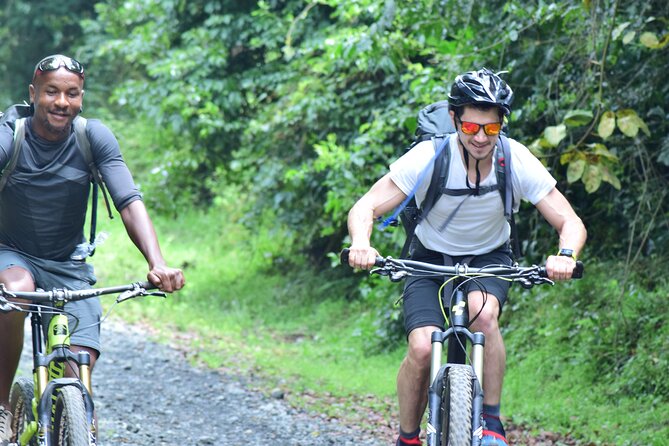
Most people who think of Kilimanjaro picture a long walk along one of the mountain’s established trekking routes. The Kilema Route changes the rhythm. You cover selected sections on two wheels, then continue on foot when the surface becomes too steep, loose, or narrow for practical riding.
That makes the route attractive if you already enjoy mountain biking and want something more unusual than a standard summit trek. It also explains why the advertised five days should not be judged by distance alone. At high altitude, a short climb can take hours, and the effort of managing a bike adds work to your arms, legs, and attention.
The route starts at Kilema Gate at roughly 1,950 meters. From there, you climb through the mountain’s lower forest before reaching Horombo Hut at about 3,700 meters. Porters meet you around Horombo, and the upper part of the trip becomes a shared effort between cycling and hiking.
The route is not described as a continuous ride to the summit. You will ride where the trail allows it, but you should expect to walk with the bike in difficult sections. The final ascent is particularly demanding. The bike is taken from the porters near Gilman’s Point, and you ride selected portions toward Uhuru Peak before returning toward Stella Point and Kibo.
That combination is the central appeal. You are not simply hiring a bike for a ride near Moshi. You are using cycling as one part of a high-altitude summit attempt.
More Marangu Route Climbs in Kilimanjaro
- Kilimanjaro climb, Marangu route (6-day)
★ 5.0 · 72 reviews - Climbing Kilimanjaro – Marangu Route
★ 5.0 · 65 reviews - Best Kilimanjaro Adventures 6 Days Marangu Route Experience
★ 5.0 · 18 reviews
Day 1: From Marangu Gate to Horombo by bike
Your morning begins at 8:00 a.m. with a transfer from Moshi toward Marangu Gate. The drive takes about 45 minutes and passes through Marangu village on the lower slopes of Kilimanjaro.
At Marangu Gate, you register with the park authorities. This is also the point for a final check of your day pack and clothing. Keep your water, packed lunch, and extra layers with you rather than buried in a duffel bag. After registration, transport continues to Kilema Gate, where the cycling begins.
The first route section covers about 16 kilometers and takes around six hours. Your guide rides with you on a mountain bike, which is useful on a rough route where pace and line choice matter. The lower part of the mountain offers the most natural cycling of the trip, but you should not expect a smooth road.
The climb toward Horombo is your first real test. You are gaining altitude while handling uneven ground, so a steady pace matters more than speed. One useful piece of advice from the cycling reports is to avoid rushing. Strong riders can be tempted to push early, but the mountain rewards restraint.
Horombo is an important turning point. It is high enough for altitude to affect your sleep, appetite, and energy, yet the route still includes rideable sections. Your porters meet you here, and the practical arrangements for the upper mountain become easier from this point onward.
The drawback is the length of the first day. Six hours on a bike may not sound extreme at sea level, but the climb and rough surface change the equation. You should arrive with enough energy to eat, drink, and rest rather than treating day one as a race.
Day 2: Alpine desert and the Mawenzi Hut area
After breakfast, you cycle through alpine desert vegetation toward the Mawenzi Hut area and return to Horombo. The cycling distance is about 10 kilometers, and the day takes roughly five hours.
The route is described as about 90 percent riding, making this the most bike-focused day of the trip. That matters because it gives you time to settle into the bike, understand how the surface feels, and test your clothing and water system before the summit attempt.
The alpine desert is a sharp change from the lower forest. Plant life becomes sparse, the ground more exposed, and the mountain feels less forgiving. You get a useful acclimatization day without the full strain of moving to Kibo Hut.
Returning to Horombo instead of sleeping higher makes this a planned adjustment day. The ride toward Mawenzi gives you time at altitude, while the return allows your body to adapt before the next ascent. Do not waste the day by sprinting. The real test is still ahead.
This is also the best point to inspect your bike. Check tires, rims, brakes, and gears. Bike rental is not included in the price, so confirm in advance exactly what is supplied and what condition it will be in. A professional mountain bike with suitable tires is a sensible requirement, especially because a puncture or mechanical fault high on the mountain can become a major problem.
Day 3: Horombo to Kibo Hut and summit preparation
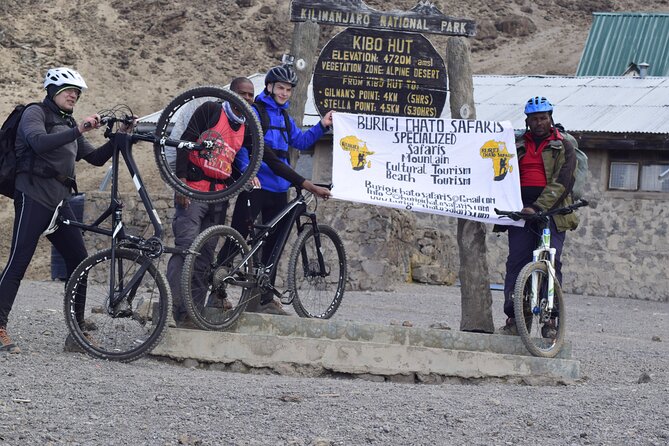
Day three starts early, with your duffel packed before breakfast. You head toward Kibo Hut, first covering about three kilometers on the more difficult part of the route, followed by roughly seven kilometers of better biking trail.
The day takes around six hours. The distinction between the first three and final seven kilometers is useful. You should expect to push or manage the bike carefully at the start, then find more practical riding as the route improves.
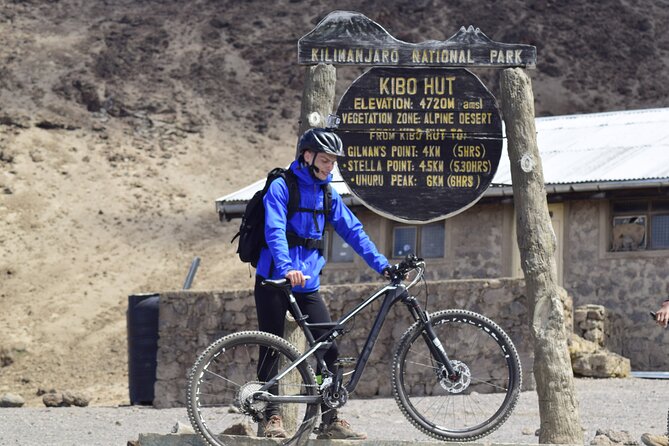
Kibo Hut sits in barren alpine desert at around 4,700 meters. It is a stone building with bunk beds for 60 climbers, and it serves as the staging point for the summit attempt. From here, Uhuru Peak is about 1,195 vertical meters higher.
After lunch, the schedule allows time to rest. Depending on how you feel, the guide may take you partway up the summit route around 4:00 p.m. This short orientation walk can help you understand the trail before the main climb. It also lets you check how your body reacts to the altitude.
Use the afternoon for practical work. Lay out your thermal layers, gloves, headlamp, water, and summit clothing. At Kibo, rest is not a luxury. You have an early start and a long descent ahead, so avoid treating the afternoon as spare sightseeing time.
The sleeping arrangements are basic. A shared bunk room is a functional mountain shelter, not a private lodge. If you need a quiet night or extra comfort, this is an important part of the decision.
More Marangu Route Climbs in Moshi:
- Kilimanjaro Private Climbing in 6 Days Marangu Route
★ 5.0 · 16 reviews - 6 Days Climb Kilimanjaro Through Marangu Route
★ 4.5 · 15 reviews - Top 6 Days Mt. Kilimanjaro Bike trek Tour by Marangu-Kilema Route
★ 5.0 · 15 reviews - 6 Days Mount Kilimanjaro Trek Marangu Route
★ 5.0 · 15 reviews
Day 4: The summit push from Kibo Hut
The hardest day begins around 4:00 a.m. You climb a zigzag trail over a long scree slope. After about two hours, you reach Hans Meyer’s Cave, where the gradient becomes steeper.
The climb to Gilman’s Point takes about three more hours. This is the section where the bike becomes more burden than benefit. You will be hiking on loose, steep ground, and the high altitude makes every movement costly. The trip is called a bike trek, but the summit morning is largely a mountaineering effort.
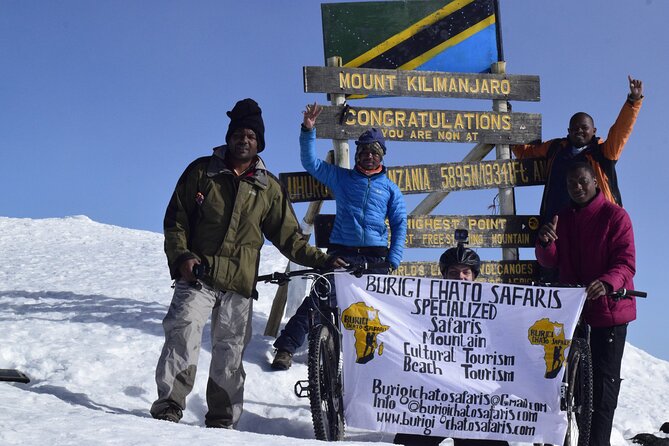
At Gilman’s Point, you take the bike from the porters and begin the ride toward Uhuru Peak. The exact amount of riding depends on the surface, weather, and how you are feeling. The plan is to reach Uhuru Peak, spend a few minutes taking photographs, and then ride down toward Stella Point.
This is the most distinctive moment of the tour. You have climbed through the night, reached one of Kilimanjaro’s major summit points, and then used the bike on the upper mountain. It is also the point where fitness and judgment matter most. The summit is not the place to force a ride simply to complete a promise made in advance.
After Stella Point, the route continues to Kibo for lunch, then onward to Horombo. The day is listed at about 10 hours, but the sequence is demanding: pre-dawn climb, summit effort, upper-mountain riding, descent, lunch, and a long ride down.
The vegetation description for this section is alpine desert and icecap, which tells you what to expect: cold, exposed terrain with very little shelter. Weather can change the feel of the day quickly, and the tour requires good conditions. If poor weather cancels the activity, you are offered another date or a full refund.
Day 5: Riding back through the forest
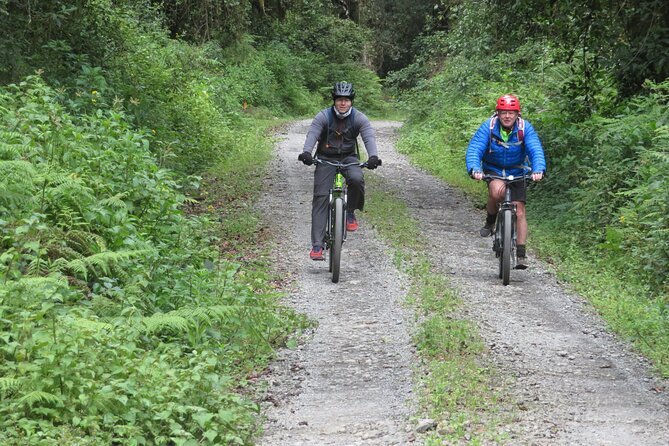
After breakfast, you make the final ride from Horombo to Kilema Gate. The route passes back through alpine terrain and rainforest, giving you a quick visual record of the mountain’s changing altitude zones.
The day is listed at about two hours, although the actual pace will depend on trail conditions and the group. This descent should feel easier than the climb, but rough ground still demands control. Do not assume that downhill riding is risk-free, especially after several tiring days.
At Kilema Gate, a vehicle takes you to Marangu Gate for park check-out. From there, you are transferred back to your hotel in Moshi.
The included transport is useful because it removes the need to arrange separate gate transfers. Airport pickup and drop-off are also included in the package, which can add value if your arrival and departure plans match the operator’s arrangements.
What the $3,292 price really covers
At $3,292 per person, this is a costly trip. The price makes more sense when you count the included services: private gate transfers, airport transfers, an experienced guide, park fees and taxes, five lunches, four dinners, and four breakfasts.
The package also includes hotel accommodation before and after the mountain trip, but the wording allows that accommodation to be booked either directly by you or by the operator. Confirm this point in writing. The headline price may not represent the same hotel arrangement for every booking.
Several major costs remain outside the price:
- International and local flights
- Visa fees
- Medical insurance
- Personal climbing equipment
- Mountain trekking bike hire
Bike hire is the most important omission for this particular tour. Ask about the bike model, tire type, repair kit, helmet, spare parts, and delivery to Kilema Gate. The available trip information specifically advises a strong, professional bike and warns that flat tires are possible. That is practical advice, not a minor detail.
The package offers group discounts and accepts groups of up to 200 people. A large maximum capacity does not mean your actual cycling group will be that size, so ask how riders are divided and how guide support works. One group of 16 cyclists used three escort vehicles on a separate Kilimanjaro-area ride, with guides using radios. That shows the operator has experience coordinating groups, but it does not confirm that the same vehicle setup applies to this five-day summit trip.
Meals, equipment, and physical demands
Meals provided include four breakfasts, four dinners, and five lunches. The exact menus are not specified, so bring any personal snacks or dietary requirements you need to manage, and confirm special meal arrangements before departure.
You need a day pack with drinking water, lunch, and extra clothing on the first day. Your larger duffel is packed before the move to Kibo Hut, so organize your belongings in a way that lets you separate summit gear from items you will not need.
The physical requirement is listed as moderate fitness, but I would treat that label cautiously. The activity includes mountain biking, long climbs, high altitude, loose scree, and a ten-hour summit day. An experienced cyclist may find the riding familiar, but cycling fitness alone does not guarantee comfort at 5,000 meters.
You should be comfortable with both riding and walking. The bike is not an alternative to acclimatization, and it does not make the summit easy. The five-day format is compact, so ask the operator how the guide monitors altitude symptoms and what happens if you need to stop or descend.
Who will enjoy this Kilimanjaro bike trek
This trip suits an experienced mountain biker who wants a demanding personal challenge and accepts that the summit section includes considerable hiking. It also works for a small group of friends who enjoy shared physical goals and are prepared for basic mountain accommodation.
You may prefer a conventional Kilimanjaro trek if you want a slower walking pace, more time for acclimatization, or a simpler equipment plan. You may also want a different option if your main interest is relaxed cycling, since much of the upper mountain is too steep or rough for easy riding.
The trip is less suitable if you are looking for a comfortable lodge-to-lodge holiday, a continuous downhill ride, or a casual introduction to mountain biking. The phrase moderate fitness should not be mistaken for moderate effort.
Booking and cancellation details
Pickup is offered, the start time is 8:00 a.m., and the activity ends back at the meeting point after the return to Moshi. Confirmation is provided when you book, and service animals are allowed.
You can cancel at least 24 hours before the local start time for a full refund. Cancellations or changes made within 24 hours are not accepted for a refund. Since the activity depends on good weather, a cancellation caused by poor conditions comes with the choice of another date or a full refund.
Should you book it?
Book this Kilimanjaro bike trek if the idea of combining a hard summit climb with real mountain biking appeals to you more than a standard route. The Kilema approach, alpine desert riding, porter support from Horombo, and bike section near Uhuru Peak make it a genuinely unusual way to attempt Africa’s highest mountain.
I would book only after confirming three points: exactly what accommodation is included, which bike and repair equipment you will use, and how the operator handles altitude problems or a mechanical failure. At $3,292, the package can offer solid value for a well-supported summit attempt, but the extra cost of bike hire and personal climbing gear needs to be part of your real budget.
If you are fit, patient, and happy to hike when the trail defeats the bike, this is a memorable challenge. If you mainly want to ride, choose a lower-altitude Kilimanjaro cycling tour instead.
FAQ
Where does the Kilimanjaro bike trek start?
The trip starts with a transfer from Moshi to Marangu Gate for park registration, then continues by vehicle to Kilema Gate, where the cycling begins.
How long does the tour last?
The tour lasts approximately five days.
What time does the activity start?
The stated start time is 8:00 a.m.
How high is Uhuru Peak?
Uhuru Peak is at 5,895 meters.
Which Kilimanjaro route does the bike trek use?
The trip uses the Kilema Route, described as a 19-kilometer route that allows a mountain bike approach to Kilimanjaro’s summit.
Is mountain bike hire included?
No. Mountain trekking bike hire is not included in the price.
Are meals included?
Yes. The package includes five lunches, four dinners, and four breakfasts.
Is accommodation included?
Hotel accommodation before and after trekking can be booked directly by you or by the tour operator. Confirm the exact arrangement before paying.
What happens if bad weather cancels the activity?
If poor weather causes cancellation, you are offered a different date or a full refund.
More Cycling Tours in Moshi
- 1-Day Moshi Villages bike tour
★ 5.0 · 59 reviews - Chagga Villages in Mount Kilimanjaro Cycling Day Trip
★ 5.0 · 42 reviews - Moshi city bike day trip
★ 5.0 · 17 reviews - Kilimanjaro bike park safari
★ 5.0 · 16 reviews
More Hiking & Trekking in Moshi
- Private Kilimanjaro Hike 7 Day Lemosho Route
★ 5.0 · 60 reviews - Best Kilimanjaro hiking day trip tour with Kilinge Adventures
★ 4.5 · 54 reviews - #1. Best Kilimanjaro Day hike Tour-Machame Route-ISMANI
★ 4.2 · 47 reviews - Best Kilimanjaro Adventure 7 days Machame route Trekking
★ 5.0 · 42 reviews
Just added around Moshi
- Mt Kilimanjaro 6 days Marangu route hike★ 5.0 · 3 reviews
- Wildlife Extravaganza: Manyara, Tarangire & Ngorongoro in 3 Days★ 5.0 · 3 reviews
- Private Cycle to Kilimanjaro Bike Park Safari★ 5.0 · 6 reviews
- 3 Days Private E-Bike Tour in West Kilimanjaro★ 5.0 · 3 reviews
- West Kilimanjaro cycling Adventures★ 4.5 · 8 reviews
- machame route★ 5.0 · 16 reviews
- Kilimanjaro Climb & Safari – Lemosho Route – 13 Day★ 5.0 · 10 reviews
- Kilimanjaro Climbing Umbwe Route★ 5.0 · 3 reviews
Marangu Route Climbs, compared.



Private Full Day Hiking Experience to Marangu Route
Read our review →
From Arusha/Moshi: Kilimanjaro Hike Marangu Route Day Trip
Read our review →
Mount Kilimanjaro Day Hike Through Marangu Route to Mandara Hut
Read our review →

Best Kilimanjaro Adventures 6 Days Marangu Route Experience
Read our review →
Kilimanjaro Private Climbing in 6 Days Marangu Route
Read our review →Browse the lists this tour appears in