
Reviewed · KILIMANJARO CLIMBS
Chagga Villages in Mount Kilimanjaro Cycling Day Trip
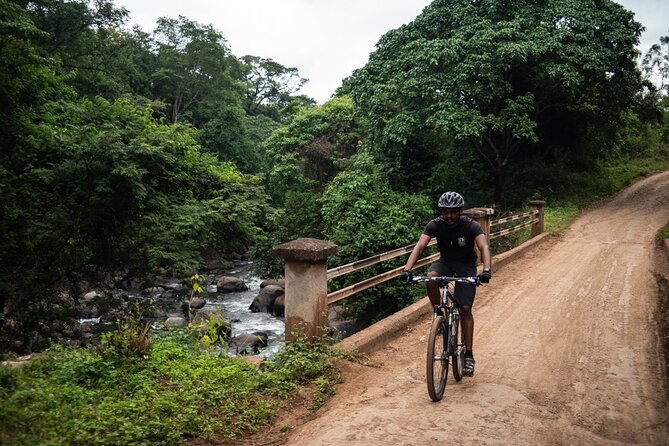
The best part of this ride is not simply seeing Mount Kilimanjaro in the distance. It is the chance to pedal through Chagga villages and working farms, where coffee, bananas, and other crops support everyday life. I like the private format, which lets guides such as Roger or Dennis adjust the pace, and I like that lunch at a local restaurant is included rather than adding another decision to your day.
The main caution is the 39-kilometer route. It is rated moderate, with tarmac, dirt roads, a gradual climb toward Kibosho, and a steeper section near the end. You should have a reasonable level of cycling fitness, and you should be honest about your ability before setting off.
Key points to know before booking
- A 39km ride with real climbing: The route begins fairly flat in Moshi, then rises toward Kibosho before continuing on dirt roads.
- Chagga life is the main attraction: You pass banana and coffee farms and see how small plots support families through mixed farming.
- Private guiding makes a difference: Roger and Dennis are specifically named guides, and the pace can be adjusted to suit you.
- Lunch and cycling essentials are included: You receive a mountain bike, helmet, bottled water, lunch, an English-speaking guide, and all fees and taxes.
- You return to the starting point: Begin and finish at One Bike on MoshiMailimoja Road, with an 8:30 am start.
- The price is reasonable for a private day out: At $101.54 per person, the cost covers equipment, food, guiding, water, and entrance-related fees.
Why this ride shows you more than Kilimanjaro
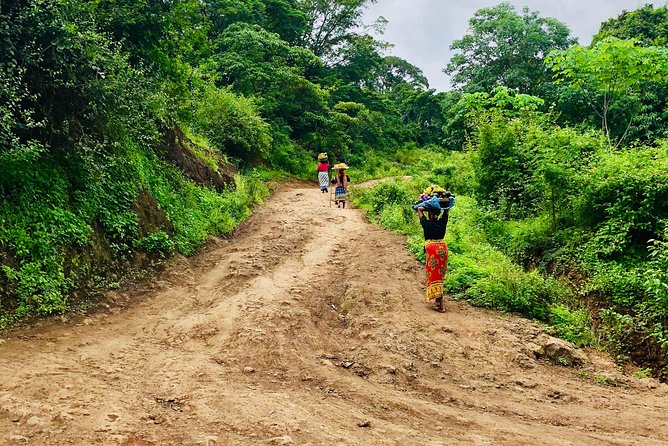
Many activities around Mount Kilimanjaro are built around the mountain itself. This one uses the mountain as a backdrop while focusing on the people who live and farm on its lower slopes.
You ride through the Chagga villages of Moshi, Kibosho, and Lyamungo. The setting changes as you leave town, but the point is not simply scenic variety. Your guide explains how Chagga families manage small pieces of land, growing food for their homes throughout the year through mixed farming.
That makes the ride a useful choice if you want more than a quick photo stop. You see fields in use, pass through village areas, and learn about local food and daily routines at a pace that gives you time to look around. A bicycle also gets you closer to the surroundings than a vehicle, while covering more ground than a walking tour.
I particularly like the focus on food. Banana and coffee farming are not presented as decorative scenery. They are part of how local families use the land, and the guide helps connect what you see in the fields with how people live.
More Kilimanjaro Climbs in Kilimanjaro
- Kilimanjaro climb by Lemosho Route (7-day)
★ 5.0 · 651 reviews - Kilimanjaro climb, Machame Route (7-day)
★ 5.0 · 262 reviews - Kilimanjaro Climbing Lemosho Route 8 Days.
★ 5.0 · 186 reviews
From Moshi town to Shanty Town
The morning starts at One Bike on MoshiMailimoja Road at 8:30 am. After getting your mountain bike and helmet, you set out from Moshi town toward the Shanty Town area.
This first section is relatively flat, which is useful for getting comfortable with the bike and settling into the day. It also gives you a gentle start before the route begins to rise. The ride is not a race, and the private setup means you are not tied to the pace of a large group.
You should use this early stretch to check that the bike feels right and tell your guide how you are managing. Dennis and Roger are both described as kind, patient guides, and Roger is specifically praised for checking that riders were comfortable on harder sections. That matters here because the day combines distance with changing road surfaces.
Moshi is also the practical starting point for the ride. You meet in town rather than relying on private transport from another location. Private transportation is not included, so plan your own way to One Bike and arrive ready for the 8:30 am departure.
The climb toward Kibosho
After Shanty Town, the route heads north toward Kibosho. The climb begins gradually, then becomes steeper toward the end of the road. This is the section that turns an easy sightseeing ride into a moderate physical outing.
Do not read the five to seven hour duration as five to seven hours of hard pedaling. The pace, stops, road conditions, and time spent learning about the villages all affect the total. Still, 39 kilometers is a serious distance if you do not cycle often, and the climb adds work.
Your guide can help you manage the effort. A private tour is useful here because you are not trying to keep up with strangers. If you need a slower pace, a short pause, or reassurance on a harder stretch, say so early. The strongest practical advice from the experience is simple: be honest about your fitness before booking.
The climb also earns its place in the day. You are moving from the flatter town area into the farming communities around the mountain. As the road rises, the ride gives you a better sense of how the foothill villages connect with Moshi below.
Banana and coffee farms around the Chagga villages
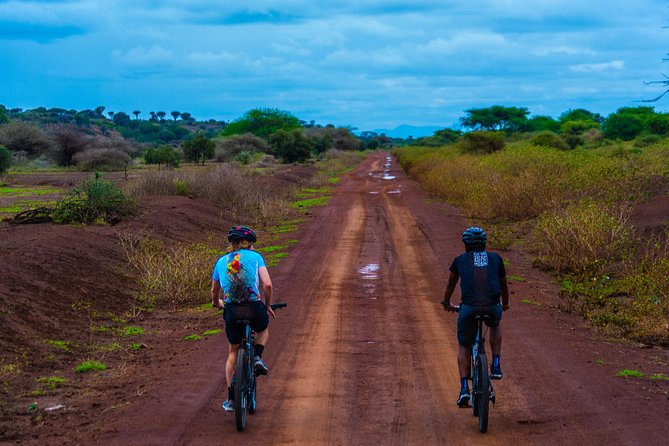
The villages are the heart of the outing. You ride along roads bordered by banana and coffee fields, with the chance to see how Chagga households make use of limited land.
The farming system is especially interesting because it is not just one crop in one field. The tour explains mixed farming, where small plots can produce food for families across the year. That detail turns a pleasant bike route into a lesson in local resourcefulness.
I like this part because you are not asked to treat the villages as a stage set. The farms are working spaces, and the guide provides context about the foods and ways of life you are seeing. Roger was praised for explaining different foods and village life, while Dennis was praised for making the day feel comfortable and enjoyable.
You should keep your eyes open for local flora and fauna as you ride. The information does not promise particular animals, so it is best to treat wildlife as a possibility rather than a central feature. The reliable attraction is the combination of crops, village roads, and the view toward Mount Kilimanjaro.
The road itself is part of the experience. Some of the route is on tarmac, while other sections use dirt roads. That means you get a more varied ride, but it also means the trip is not suited to someone looking only for smooth pavement.
More Kilimanjaro Coffee Farm Tours in Kilimanjaro
- Materuni Waterfall, Coffee Tour and Picnic Hot Lunch
★ 5.0 · 128 reviews - Arusha or Moshi : Hot Spring, Waterfall & Coffee Farm Tour
★ 4.8 · 80 reviews - Materuni Waterfalls, Chemka Hot Springs, &/Or Coffee Tour
★ 4.8 · 76 reviews - Kilimanjaro: Village Walk, Coffee Tour, Waterfall, and Lunch
★ 4.5 · 56 reviews
Dirt roads, Lyamungo, and the return route
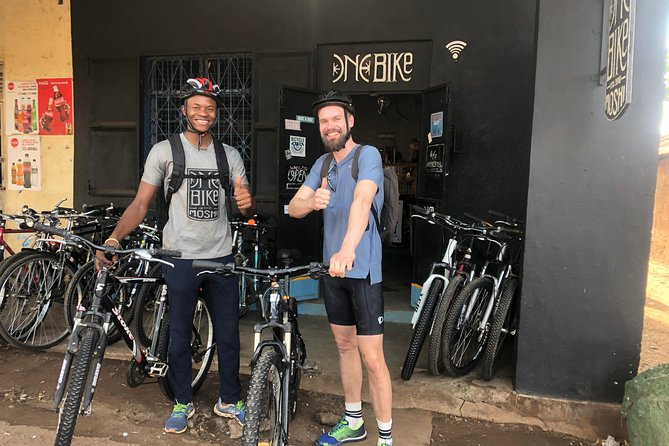
After the climb near Kibosho, the route continues along a dirt road and proceeds through the village areas toward Lyamungo. This section gives the day a more rural feel and puts you closer to the farming areas that are central to the tour.
Dirt roads can make cycling more demanding than the distance alone suggests. You need to pay attention to the surface, keep a comfortable speed, and follow the guide’s advice. The ride is rated moderate, not easy, so proper footwear and clothing for active cycling are sensible choices, even though the supplied details do not specify a required dress code.
Lyamungo adds another village setting to the route rather than repeating the same stretch of road. The value is in seeing how the communities and farms fit together across the lower slopes. You also get a fuller day of cycling instead of a short ride followed by a long vehicle transfer.
The route eventually returns to the meeting point at One Bike. Since the activity ends where it starts, you do not need to arrange a separate pickup from the finish. You should still remember that private transportation to the meeting point is not part of the price.
Lunch at a local restaurant
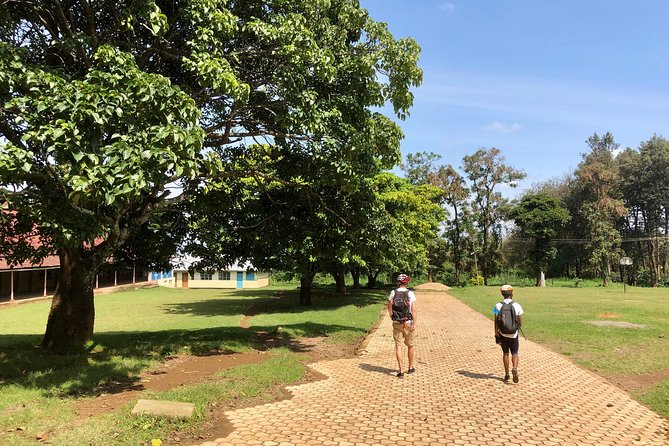
Lunch is included, and it is an important part of the day. After several hours on the bike, a proper meal gives you time to rest and talk with your guide about what you have seen.
The meal is served at a local restaurant. The available information does not give a fixed menu, so do not book this expecting a specific dish or dietary arrangement unless you confirm it in advance. What you can count on is that lunch is included, along with bottled water.
I consider the meal a useful part of the value. You are not buying a ride that ends just as you get hungry, and you do not need to carry the full day’s food yourself. Soda, alcohol, and other beverages are not included, so bring extra money if you want something beyond the supplied water and lunch.
The food also fits the theme of the outing. After seeing bananas, coffee, and other crops in the fields, eating locally gives the day a stronger connection to the farming life around you.
What the private format really adds
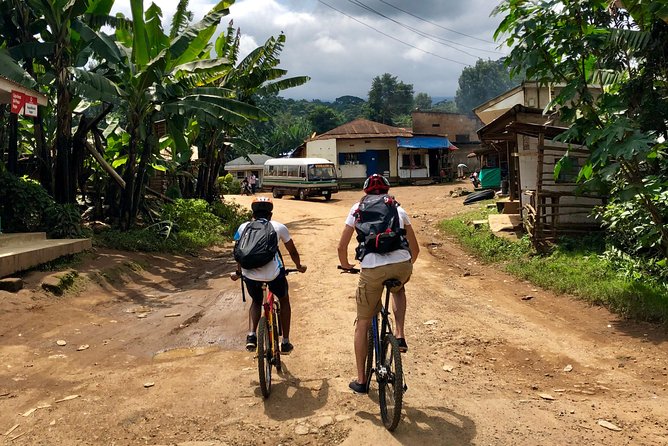
This is a private tour, so only your group takes part. That is more than a comfort feature. It can shape the entire day.
A large group often has to follow one fixed pace. Here, your guide can respond to your energy, cycling experience, and interest in the villages. If you want more explanation about food and farming, you can ask. If the climb is tiring, the pace can be adjusted.
Roger and Dennis are the named guides associated with the experience. Roger is described as patient and attentive on strenuous paths, while Dennis is described as kind and pleasant. Guide quality matters on a route like this because you are depending on the guide for both cultural explanation and practical support on changing roads.
The private format does not make the route physically easy. You still face the distance, climb, and dirt roads. It simply gives you a better chance of completing the ride at a pace that works for your group.
Is $101.54 a fair price?
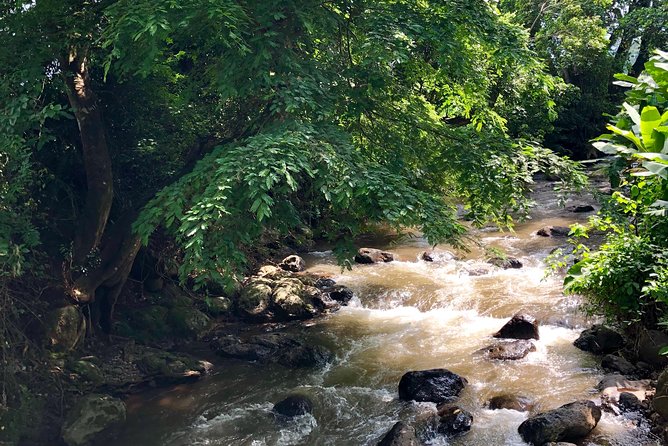
At $101.54 per person, this is not the cheapest way to spend a morning around Moshi. But it is a fair price if you want a private, active outing with the key costs bundled together.
The fee includes:
- Mountain bike and helmet
- English-speaking cycling guide
- Lunch
- Bottled water
- All fees and taxes
That package matters. You are not paying separately for equipment hire, a guide, lunch, and water after booking. The private nature of the tour also adds value for couples, families with capable older children, or small groups who want control over the pace.
The price is less attractive if you are not comfortable cycling for several hours or if you mainly want a short view of Kilimanjaro. In that case, you could spend less time and effort on another local activity. This ride earns its cost through the length of the route, the personal guiding, the village access, and the included lunch.
The activity is booked about seven days ahead on average, so you do not necessarily need to reserve months out. Still, booking in advance is sensible if you have a tight safari or Kilimanjaro schedule.
Who should book this cycling day trip?
You are a good match if you have moderate physical fitness, some cycling experience, and an interest in local life. One of the strongest pieces of practical advice from the experience is that people with some bicycle experience may prefer this to a walking trip.
You should also enjoy a mix of surfaces. The route uses both tarmac and dirt roads, and the climb toward Kibosho gets steeper near the end. If you want a relaxed ride with no hills, this is not the right choice.
It suits you especially well if you want:
- A private guide rather than a large group
- A closer look at Chagga farming
- A full day of activity without a mountain summit attempt
- Local food and village scenery
- A route that begins and ends in Moshi
- A chance to ask questions at your own pace
The ride may be less suitable if you have limited cycling fitness, dislike uneven roads, or are looking for a purely vehicle-based cultural visit. The moderate rating is worth taking seriously.
Practical details to sort out before you go
The activity starts at 8:30 am at One Bike, MoshiMailimoja Road, Tanzania. It lasts about five to seven hours and finishes back at the same meeting point.
Confirmation is provided at booking, and the experience is available with a mobile ticket. The meeting point is near public transportation, but private transportation is not included, so you need to arrange your own way there.
All fees and taxes are included, as are the bike, helmet, water, lunch, and English-speaking guide. Alcoholic drinks and soda are extra, and tips for the guide are not included.
The tour requires good weather. If poor weather causes cancellation, you can choose another date or receive a full refund. You can also cancel for a full refund if you do so at least 24 hours before the start time. Cancellations or changes made inside that 24-hour window are not refunded or accepted.
My call: book it if the bicycle is part of the point
I would book this tour if I wanted to understand the foothill communities around Kilimanjaro rather than simply photograph the mountain. The banana and coffee farms, mixed-farming explanation, private guide, and local lunch give the day a clear purpose.
Book it with confidence if 39 kilometers, a moderate climb, and dirt roads sound appealing. Tell Roger or Dennis about your fitness level, ride at a sensible pace, and treat the route as a cultural outing that happens to use a bicycle.
Skip it if you want an easy, short ride or if cycling is not already comfortable for you. The value depends on being able to enjoy the road, not endure it.
FAQ
Where does the cycling tour start?
It starts at One Bike on MoshiMailimoja Road in Moshi, Tanzania.
What time does the activity begin?
The start time is 8:30 am.
How long does the cycling trip last?
The ride takes approximately five to seven hours.
How far do you cycle?
The total cycling distance is 39 kilometers.
What type of roads does the route use?
The route includes both tarmac and dirt roads. It begins on relatively flat terrain, then climbs toward Kibosho, with a steeper section near the end of the road.
Is the tour private?
Yes. Only your group participates in the private tour or activity.
What is included in the price?
The price includes lunch, a mountain bike, helmet, bottled water, all fees and taxes, and an English-speaking cycling guide.
What happens if bad weather cancels the tour?
If poor weather causes cancellation, you can receive a full refund or choose a different date. You can also cancel at least 24 hours before the start time for a full refund.
More Kilimanjaro Coffee Farm Tours in Moshi
- Private Tour to Materuni waterfalls, coffee tour & Kikuletwa hot- springs
★ 5.0 · 49 reviews - Day Trip Coffee Tour and Materuni Waterfalls
★ 5.0 · 35 reviews - Materuni Waterfall and Coffee Plantation Half Day Tour
★ 5.0 · 30 reviews - Materuni Village Tour | Materuni waterfalls | materuni coffee tour
★ 5.0 · 18 reviews
More Kilimanjaro Climbs in Moshi
- Kilimanjaro climb, Lemosho Route (8-day)
★ 5.0 · 148 reviews - Kilimanjaro climb, Lemosho Route (6-day)
★ 5.0 · 129 reviews - Kilimanjaro climb, Marangu route (6-day)
★ 5.0 · 72 reviews - Private Kilimanjaro Hike 7 Day Lemosho Route
★ 5.0 · 60 reviews
Just added around Moshi
- Mt Kilimanjaro 6 days Marangu route hike★ 5.0 · 3 reviews
- Wildlife Extravaganza: Manyara, Tarangire & Ngorongoro in 3 Days★ 5.0 · 3 reviews
- Private Cycle to Kilimanjaro Bike Park Safari★ 5.0 · 6 reviews
- 3 Days Private E-Bike Tour in West Kilimanjaro★ 5.0 · 3 reviews
- West Kilimanjaro cycling Adventures★ 4.5 · 8 reviews
- machame route★ 5.0 · 16 reviews
- Kilimanjaro Climb & Safari – Lemosho Route – 13 Day★ 5.0 · 10 reviews
- Kilimanjaro Climbing Umbwe Route★ 5.0 · 3 reviews
Kilimanjaro Climbs, compared.



8-Day Small-group Lemosho Kilimanjaro Summit Trekking
Read our review →



7-Day Machame Kilimanjaro Summit Tour from Arusha
Read our review →
Browse the lists this tour appears in