
Reviewed · LEMOSHO ROUTE CLIMBS
Kilimanjaro Climb & Safari – Lemosho Route – 13 Day
Kilimanjaro’s Lemosho Route gives you the mountain in chapters: rainforest, open moorland, the Shira Plateau, lava formations, giant senecios, and a hard pre-dawn push to Uhuru Peak. Tusker Trail has been operating since 1977, and its founder, Eddie Frank, has climbed Kilimanjaro 54 times. That depth of experience matters when the air gets thin and small decisions count.
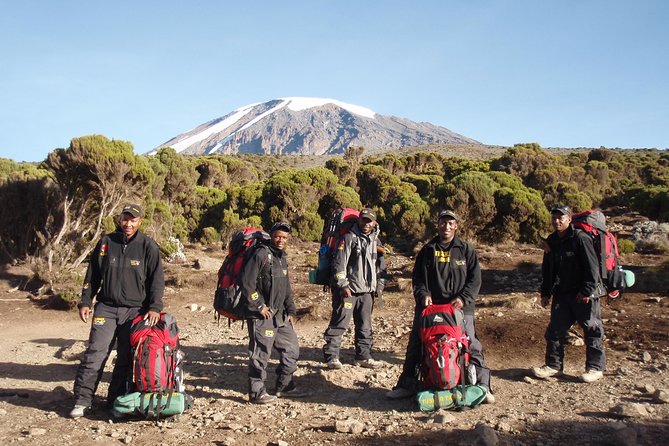
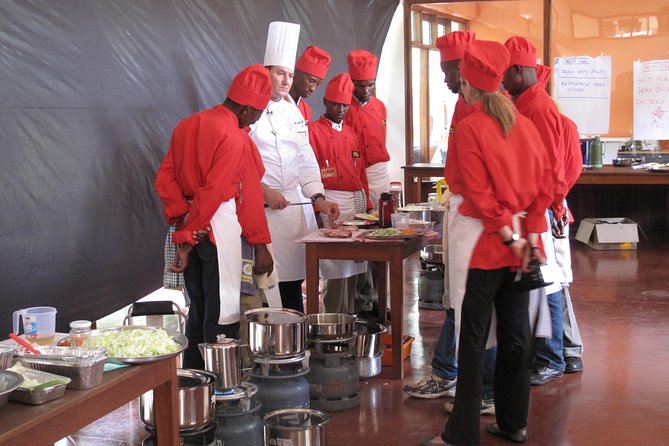
I like the long route pacing and the serious attention to camp life. High Altitude First Responder guides, custom walk-in tents, and Culinary Institute of America trained mountain chefs are useful comforts, not just fancy wording. I also like the company’s reported 99% summit success rate and its higher-pay approach for crew members, including pensions and medical benefits.
The main drawback is the price: $8,188 per person is a major investment, and climbing gear rental is extra. The safari portion also needs close checking before you book, since the final days describe Lake Manyara and possible flights onward rather than one fully detailed safari program.
Key details that shape the climb
- Lemosho starts in Kilimanjaro’s western rainforest, then crosses the Shira Plateau before joining the mountain’s southern trail.
- The itinerary builds altitude gradually, with a high point at Lava Tower before a descent to Barranco Camp.
- Summit day begins before sunrise, reaches the crater rim by midday, and allows a possible Crater Camp option.
- Tusker supplies serious camp support, including custom walk-in tents and mountain chefs trained at the Culinary Institute of America.
- The final two days shift from climbing to safari, with Lake Manyara National Park listed as the main wildlife stop.
- The tour is private, and pickup is offered, with confirmation provided when you book.
Why Lemosho is a smart route choice
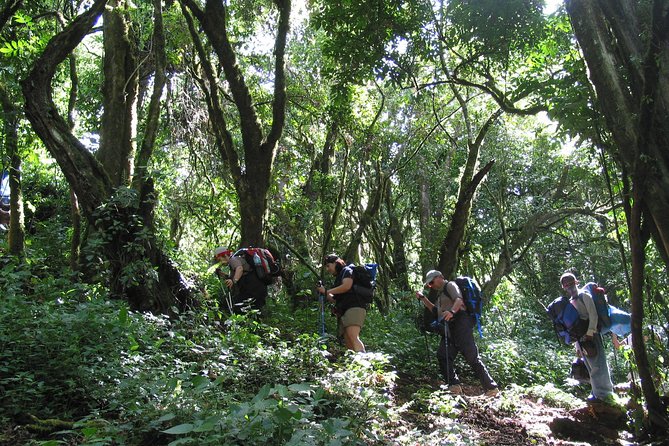
Lemosho is a strong choice if you want more than a quick race to the summit. The first days move through Kilimanjaro’s western side, where the trail passes from montane forest to heath, moorland, and high alpine terrain. That gradual change gives you time to settle into the steady walking rhythm that matters far more than speed.
You begin at Londorossi and enter the Lemosho Glades. The first camp sits in the forest near Mti Mkubwa, after roughly four hours of hiking. Hartlaub’s turacos and colobus monkeys may be part of the scene, and Eddie and Amy Frank’s field guide to Kilimanjaro’s flora can help put names to the plants around you.
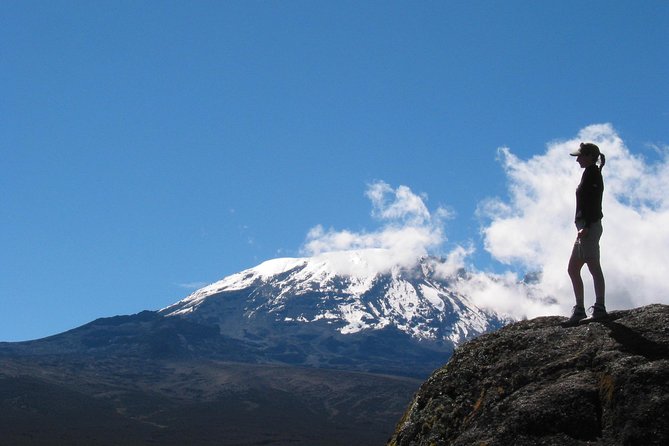
The route then climbs toward the Shira Plateau, one of the defining features of this itinerary. Shira is a caldera formed when one of Kilimanjaro’s original three peaks collapsed. At about 11,560 feet, you get your first broad views toward Kibo, the mountain’s highest cone.
The advantage is clear: you spend several days gaining height instead of tackling the summit from a low starting point. The tradeoff is that the walking is long. Day 4 and Day 5 each run about eight hours, so you need to be comfortable spending most of the day on foot.
More Kilimanjaro Climbs in Kilimanjaro
- Kilimanjaro climb by Lemosho Route (7-day)
★ 5.0 · 651 reviews - Kilimanjaro climb, Machame Route (7-day)
★ 5.0 · 262 reviews - Kilimanjaro Climbing Lemosho Route 8 Days.
★ 5.0 · 186 reviews
From rainforest to the Shira Plateau
Day 3 is a gentle introduction by Kilimanjaro standards. A three-hour walk through the forest leads to camp, giving you a first look at how Tusker organizes the mountain routine. The short distance does not mean the day is unimportant. It lets you meet the guides, watch how camp works, and begin adjusting to the altitude.
Day 4 is a bigger effort. You leave the trees and enter heath and moorland, then climb along a steep ridge toward the Shira caldera. The route combines a long walking day with some of the best early views of Kibo. You should expect the trail to feel more exposed and the air to feel noticeably thinner.
Day 5 crosses the Shira Plateau toward Moir Camp. A hot lunch at Fisher Camp breaks up the eight-hour day, and the route passes beneath a large lava flow before reaching a gorge at Moir. This section gives the climb a more rugged feel than the forest opening.
I would pay attention to your energy here. The scenery is dramatic, but consecutive long days can catch up with you. Tusker’s emphasis on hot meals is especially useful at this point. Food is not a small detail on a climb of this length. A warm lunch and a proper dinner can make the next morning feel manageable.
Lava Tower and the Barranco Wall
Day 6 is one of the best-designed altitude days. You climb toward Lava Tower at 15,200 feet, eat lunch near the base, then descend about 2,000 feet into Barranco Canyon. This high climb followed by a lower camp gives your body useful exposure to altitude without forcing you to sleep at the highest point reached that day.
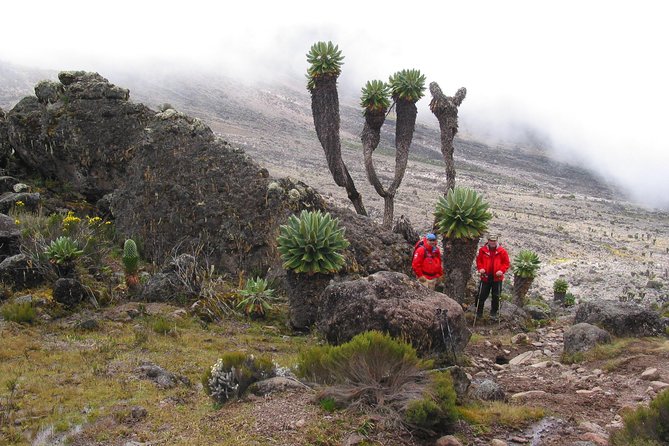
The Lava Tower itself is a 320-foot volcanic formation. The setting changes again as giant senecios and lobelias appear in the Barranco area. Camp sits below the Barranco Wall, which becomes the next morning’s main task.
The Barranco Wall looks intimidating, but this is not described as a technical rock-climbing trip. It is a steep mountain scramble where endurance, balance, and careful movement matter. You should still take the warning seriously: the trail is demanding, and the thin air makes ordinary exertion feel harder.
Day 7 takes about five hours and includes the climb over Barranco Wall, a sharp descent into Karanga Valley, and a final climb to Karanga Camp. This is a shorter day on paper, but the terrain makes it count. The reward is a close view of Kibo and the satisfaction of clearing one of the route’s best-known obstacles.
Barafu Camp and the final push
Day 8 is only about four hours, but the rocky route to Barafu High Camp can feel slow. Barafu means ice in Swahili, and the camp is cold, exposed, and charged with the knowledge that summit day is next.
This is where Tusker’s camp setup may make the biggest practical difference. Custom walk-in tents offer more room to organize yourself, while an experienced support crew can keep meals and camp tasks moving when you are tired. Still, no tent removes the cold or the altitude. Bring suitable clothing, and remember that clothing and climbing gear rental are not included in the listed price.
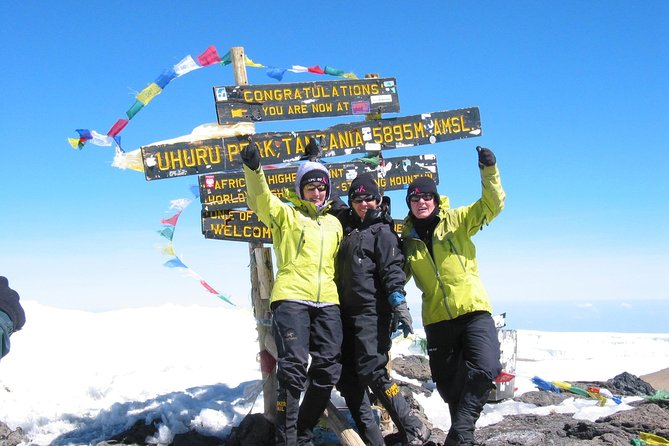
Summit day begins before sunrise. The ascent is steep, and the itinerary allows about seven hours to reach the crater rim and continue to Uhuru Peak. You reach the rim around midday, then have about an hour to the summit, according to the planned schedule.
At the top, Mawenzi Peak lies behind you and the ice walls of the crater are ahead. Uhuru Peak is Africa’s highest point, so this is the emotional center of the trip. The route does not treat the summit as the end of the day. You can either descend toward Barafu Camp or choose to spend the night below the summit in the crater, if that option is available for your departure and conditions.
The Crater Camp choice deserves careful thought. It adds a rare high-altitude experience, but it also means spending the night in a much harsher setting. The supplied itinerary presents it as an option rather than a guaranteed inclusion, so ask Tusker exactly how it affects cost, permits, timing, and safety.
More Kilimanjaro Climbs in Moshi:
- Kilimanjaro climb, Lemosho Route (8-day)
★ 5.0 · 148 reviews - Kilimanjaro climb, Lemosho Route (6-day)
★ 5.0 · 129 reviews - Kilimanjaro climb, Marangu route (6-day)
★ 5.0 · 72 reviews - Private Kilimanjaro Hike 7 Day Lemosho Route
★ 5.0 · 60 reviews
Descent through Millennium Camp
After the summit, you descend through scree to Barafu, where lunch provides a needed pause. The descent continues to Millennium Camp, your last night on Kilimanjaro.
This is a useful overnight rather than an afterthought. A summit day followed by a long descent is tiring, and Millennium Camp breaks the trip into a more sensible finish. The next downhill walk leads to the national park gate, where you sign out and return by vehicle to Bristol Cottages Hotel in Moshi.
A hot shower, a cold drink, and a group dinner follow. That return to ordinary comforts is part of the experience. It also gives you a chance to mark the achievement before shifting gears for the safari portion.
What the 13-day schedule feels like
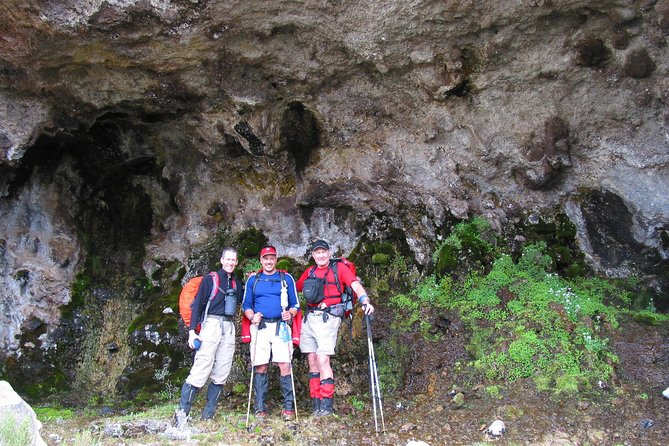
The schedule is active almost every day. The listed walking times range from about three hours to eight hours, with summit day adding steep altitude gain and a long descent. You should be ready for early starts, basic mountain camping, cold conditions, and limited personal space.
The two Moshi nights help. On arrival, you go to Bristol Cottages Hotel, where you can rest after your flight. The second day includes a climb orientation, final equipment check, lunch in Moshi, and time at the local market.
That equipment check is one of the most useful parts of the pre-climb program. It gives you a chance to catch missing or unsuitable gear before reaching the trail. Because rentals are not included, confirm the available rental list with Tusker before arrival and do not assume every item will be supplied.
The tour is private, so your group participates together rather than joining a large scheduled departure. The published details do not give a fixed group size. That makes it important to ask how many climbers and support staff will be assigned to your dates.
Food, tents, guides, and crew care
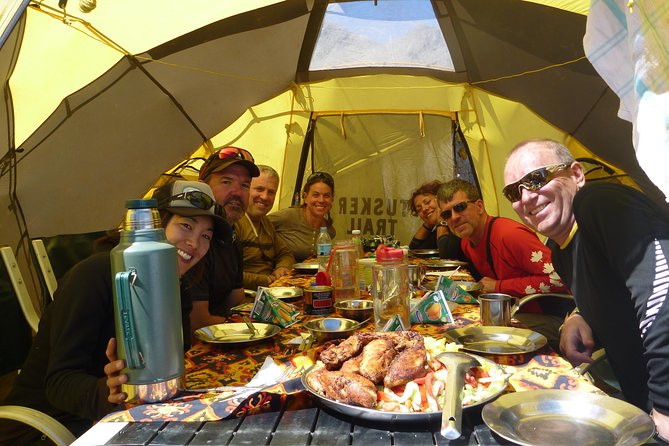
Tusker’s strongest practical selling point is the level of support built into camp. The company describes its guides as High Altitude First Responders, which signals a stronger safety focus than a basic guiding operation. The published summit success rate is 99%, though any individual ascent remains dependent on weather, health, and acclimatization.
Food is another major part of the value. The mountain chefs are trained at the Culinary Institute of America, and the meals use a farm-to-table approach. On a long climb, that can change your whole day. Warm food, regular meals, and a cook who understands the demands of high-altitude exertion are worth real money.
The crew policy also deserves attention. Tusker says it pays its mountain staff at the highest rates, with pensions and medical benefits for workers and their families. It also works with the local Lions Club on community development, including a school for deaf children.
You should still ask how gratuities are handled, since that information is not included here. Crew welfare is strongest when the payment structure is clear from the start.
Adding Lake Manyara after the summit
Days 12 and 13 shift to Lake Manyara National Park. The program describes a traditional wildlife lodge on the edge of the Rift Valley escarpment, with broad views across the plains. The safari is meant to follow the climb with a very different kind of adventure: vehicle-based wildlife viewing rather than long days at altitude.
The details are less specific than the climbing schedule. Lake Manyara is named as the main park, but the final description also refers to flights toward the Serengeti, Ngorongoro Crater, Tarangire, and Lake Manyara. It also mentions Zanzibar as another possible onward destination.
Treat this as an add-on that needs confirmation. Ask which park is included in your price, how many game drives you receive, what lodge is planned, and whether domestic flights are included. The listed price may cover the 13-day experience as presented, but the safari wording leaves room for different arrangements.
The airport transfer is included in the plan. On the final day, your driver collects you from the lodge and takes you to the appropriate airport gate in time for your flight. If you choose a safari or Zanzibar extension, the departure airport may differ, so verify that before booking flights home.
Is $8,188 a fair price?
At $8,188 per person, this is not a budget Kilimanjaro climb. You are paying for a long Lemosho itinerary, private operation, Moshi hotel nights, meals, guides, porters, mountain camps, and the company’s high level of staffing and equipment.
You are also paying for risk management and organization. A 99% reported summit success rate, trained first responder guides, careful equipment checks, custom tents, and specialized cooks all address the parts of Kilimanjaro that can spoil an otherwise good plan.
The value depends on what you want. If your priority is the lowest possible price, this package will feel expensive. If you want a polished, heavily supported climb and prefer not to gamble with thin staffing or weak camp logistics, the cost becomes easier to justify.
Check the fine print on flights, safari activities, gear rental, park fees, tips, and the Crater Camp option. The listed inclusions cover breakfast on 12 days, lunch on 12 days, and dinner on 10 days, but the safari arrangement needs more detail before you compare the total price with other companies.
Who should book this climb?
I would recommend it to a fit adult who wants a serious but well-supported Kilimanjaro attempt and has enough time for a 13-day program. The route suits you if you value gradual altitude gain, changing scenery, comfortable camp systems, and strong guide support.
It also works well for couples, families, or a private group that wants the climb to remain their own shared project. Most people can participate, according to the supplied information, but you should be honest about your fitness and medical needs before booking.
I would not choose it if you want a short, cheap mountain holiday or a clearly packaged safari with every wildlife detail already set. The climb is the central product. The safari looks like a useful extension, but it requires questions.
Free cancellation is available up to 24 hours before the start time. Changes or cancellations inside that window are not accepted, and poor weather may lead to a different date or a full refund.
FAQ
How long is the Kilimanjaro and safari experience?
The listed duration is 13 days, approximately. The first 11 days cover arrival, preparation, the Lemosho climb, summit day, descent, and return to Moshi. Days 12 and 13 are assigned to Lake Manyara National Park and departure arrangements.
Is pickup offered?
Yes. Pickup is offered, and the final day includes transport from the lodge to the airport. If you add a safari or continue to another destination, confirm which airport transfer applies.
Is the tour private?
Yes. This is a private activity, and only your group participates. A fixed group size is not provided.
Is climbing gear included?
No. Climbing gear and clothing rental are not included in the listed price. Tusker Trail provides rental details by phone.
What meals are included?
Breakfast is included on 12 days, lunch on 12 days, and dinner on 10 days. The mountain program also describes hot lunches and meals prepared by trained mountain chefs.
Can you camp in Kilimanjaro’s crater?
The itinerary presents Crater Camp as an option after reaching Uhuru Peak. Ask Tusker Trail whether it is available for your dates and how it changes the price, permits, and schedule.
Should you book Tusker Trail’s Lemosho climb?
Book it if you want the mountain operation to feel carefully managed, from the equipment check in Moshi to the food, tents, altitude planning, and final descent. The route is scenic and sensibly paced, while Tusker’s long operating history and strong reported summit record add confidence.
Before paying, get the safari details and gear costs in writing. If those extras fit your budget, this is a premium Kilimanjaro package with real practical strengths. If not, you may prefer to book the climb alone and arrange your wildlife extension separately.
More Safari in Moshi
- Safari Serengeti And Ngorongoro
★ 5.0 · 288 reviews - Big Five Safari In Tanzania
★ 5.0 · 99 reviews - Unforgettable Tanzania Safari And Zanzibar Beach
★ 5.0 · 97 reviews - 8-Day Essence of Tanzania Safari – Luxury
★ 5.0 · 72 reviews
More Lemosho Route Climbs in Moshi
- Kilimanjaro Lemosho Route
★ 5.0 · 71 reviews - Climbing Kilimanjaro through 8 days Lemosho Route
★ 5.0 · 52 reviews - 8 Days Climbing Mt.Kilimanjaro (Lemosho Route)
★ 4.5 · 37 reviews - 7 days Lemosho route Climbing Mt.Kilimanjaro
★ 5.0 · 31 reviews
Just added around Moshi
- Mt Kilimanjaro 6 days Marangu route hike★ 5.0 · 3 reviews
- Wildlife Extravaganza: Manyara, Tarangire & Ngorongoro in 3 Days★ 5.0 · 3 reviews
- Private Cycle to Kilimanjaro Bike Park Safari★ 5.0 · 6 reviews
- machame route★ 5.0 · 16 reviews
- 3 Days Private E-Bike Tour in West Kilimanjaro★ 5.0 · 3 reviews
- West Kilimanjaro cycling Adventures★ 4.5 · 8 reviews
- Kilimanjaro Climbing Umbwe Route★ 5.0 · 3 reviews
- 6-Day Kilimanjaro Umbwe Route–Steep,Adventurous, Challenging Path★ 5.0 · 6 reviews
Lemosho Route Climbs, compared.


8-Day Small-group Lemosho Kilimanjaro Summit Trekking
Read our review →





Climbing Kilimanjaro through 8 days Lemosho Route
Read our review →Browse the lists this tour appears in