
Reviewed · COOKING CLASSES
Private Market Tour and Tanzanian Cooking Class in Moshi
Moshi’s best food lesson may begin far from a kitchen. William takes you through a local market, where you can taste produce, inspect unfamiliar ingredients, and see the everyday shopping behind Tanzanian meals. Then you walk or ride a tuk-tuk to Shida’s mud house to prepare coconut milk and ugali over a wood fire.
I like the private format, since your group gets direct time with William, Shida, Marissa, and the family rather than following a large class. I also like the chance to try things such as dried sardines, local fruit, peanut brittle, and homemade alcohol, details that make this feel like a real household visit instead of a cooking demonstration.
The main consideration is comfort. The market may feel less polished than a tourist food hall, and the cooking takes place in a simple home with a wood fire. If you want an air-conditioned kitchen and a tightly timed class, this is not that kind of outing.
Key points to know before booking
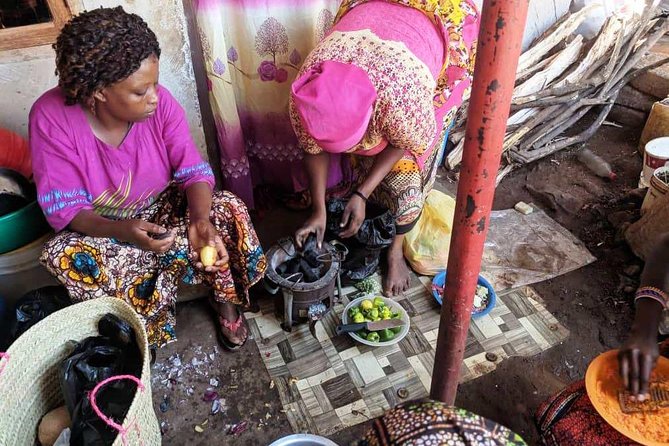
- William leads the market visit, introducing local ingredients, vendors, fruit, vegetables, herbs, and foods such as dried sardines.
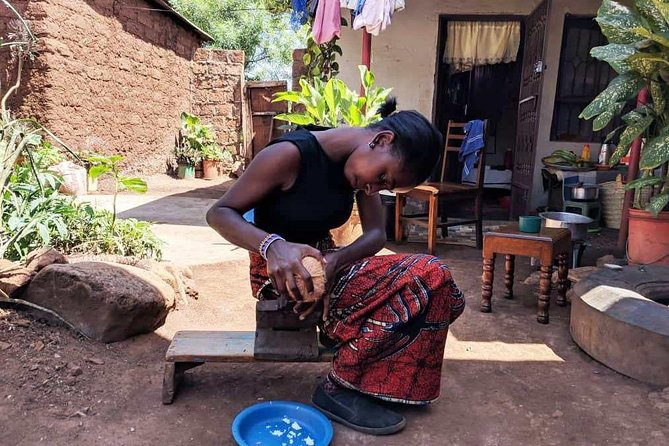
- Shida teaches the cooking, including coconut milk made with a traditional buzi, a small wooden seat fitted with a coconut grinder.
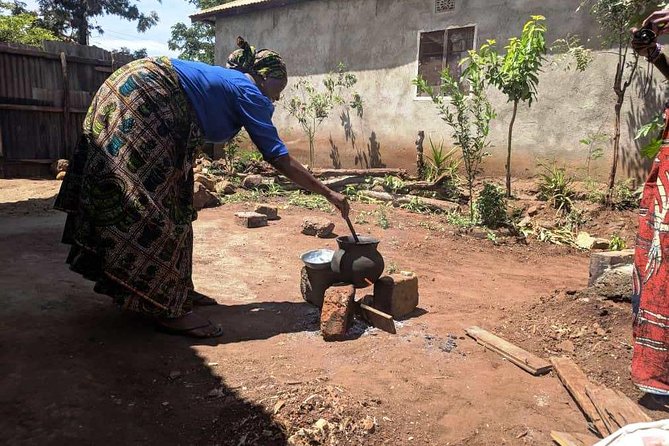
- Ugali is prepared over a wood fire, giving you a hands-on look at one of Tanzania’s most important staple foods.
- The meal is shared with the family, served outdoors on benches with peanut brittle and homemade alcohol.
- Your booking is private, so only your own group takes part in the activity.
- The outing lasts about five and a half hours, with hotel pickup and drop-off in Moshi.
Starting at the Moshi market with William
The market is the right first stop because it gives you the food context before you start cooking. William walks with you through the stalls and points out the produce, herbs, and other ingredients that shape meals in Tanzania. You are not simply handed a plate and told what it is. You see where ingredients are bought and how local shopping works.
This is also the part of the outing where you can ask the most questions. William can explain how particular vegetables are used, which fruits are in season, and what ingredients will later go into the meal. You might taste fruit or vegetables as you go, and the experience can include less familiar foods such as dried sardines.
I like this market stop because it gives the cooking class a clear purpose. Coconut milk and cornmeal can seem ordinary when you see them in a recipe. After walking through the market, they connect to real people, daily routines, and food choices.
The market may also be the least comfortable part of the day for some people. One account of the experience described initial concern about cleanliness. That is worth taking seriously, especially if you are used to carefully managed food tours. This is a working local market, not a showroom. Keep an open mind, but use your own judgment about tasting anything offered.
The visit is guided, which helps you avoid wandering through unfamiliar stalls without context. You can focus on the colors, smells, produce, and people while William explains what matters. Since the tour is private, you should have room to ask about ingredients that catch your eye rather than waiting for a large group to move along.
A few more Moshi trips to weigh up
- Zanzibar: Spice Farm Tour with Traditional Cooking Lesson
★ 4.8 · 77 reviews - Zanzibar Cooking Class & Spice Tour
★ 4.5 · 77 reviews - Half-Day Kuza Cave Swimming Adventure and Cooking Class
★ 4.5 · 44 reviews
Walking or riding to Shida’s mud house
After the market, Shida’s home is about 20 minutes away. You may walk or take a tuk-tuk, depending on the arrangement for your group. That short transfer matters because it shifts the tone of the outing from public market to private household.
The home is described as a mud house, and the cooking takes place in a simple setting rather than a purpose-built studio. That simplicity is part of the value. You see where the food is prepared, how a wood fire fits into the process, and how cooking connects with family life.
It is useful to set your expectations before you go. This is not a restaurant kitchen with polished counters, modern appliances, or a chef presenting finished plates. You will be close to the work, and the setting may be rustic. For some people, that is the entire point. For others, it may feel basic.
The 20-minute transfer also means the five-and-a-half-hour schedule is not five and a half hours of constant cooking. Time is shared between the market, transport, preparation, and the meal. I see that as a strength because the visit has a natural pace, but you should not book it expecting a long technical cooking course.
Making coconut milk with a traditional buzi
The cooking class lasts about one hour and begins with fresh coconut. Shida shows you how to use a buzi, a small wooden seat with a grinder used to shave coconut meat. It is a practical tool, and using it gives you a much better sense of the work behind a familiar ingredient.
The grated coconut is used to make fresh coconut milk. That milk becomes the base for vegetable and stew dishes. You are not just watching someone pour coconut milk from a carton. You are taking part in the older, more physical method, one that requires time and effort.
This is one of the strongest parts of the activity for anyone interested in household cooking. The process is simple enough to follow, but it is not effortless. You get a look at the labor that can disappear from a modern kitchen when ingredients arrive pre-prepared.
I also like that the method has a story attached to it. A buzi is not a generic piece of kitchen equipment. It is a traditional tool with a clear function, and Shida takes pride in showing how her family uses it. That personal connection adds more value than a standard recipe lesson.
The class is hands-on, but the available information does not specify every dish or every task each participant will complete. You should expect to help with coconut preparation, vegetables, stew elements, and ugali, while Shida directs the process. If you need a formal printed recipe or a detailed lesson in several separate dishes, ask before booking.
Learning why ugali takes real effort
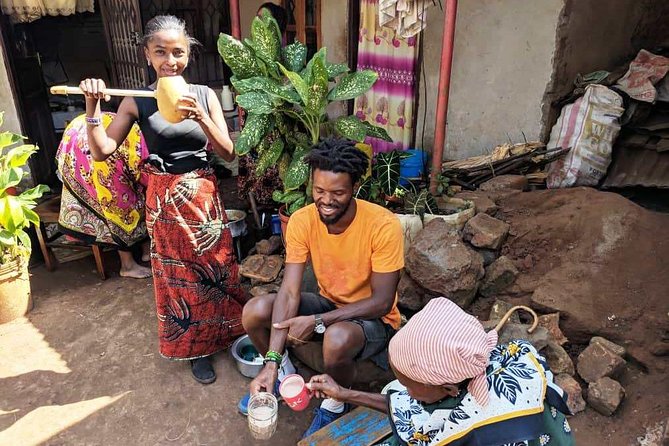
Ugali is a cornmeal dish and one of Tanzania’s basic staple foods. The ingredients are not complicated, but preparing it is labor-intensive. You will see why a food with only a few components can still require care, timing, and steady work.
Shida prepares ugali over a wood fire, then serves it with sautéed vegetables. That fire changes the feel of the lesson. You are watching food made with heat that must be managed directly, rather than pressing a button on a modern cooker.
Ugali is often eaten as part of a larger meal, not treated as a fancy centerpiece. Its importance comes from how it fills out a meal and works with other foods. Learning to make it here gives you a better understanding of everyday Tanzanian cooking than a lesson focused only on unusual ingredients.
You may find the preparation more physical than expected. The class is not difficult because the recipe is complicated. It takes effort because the mixture must be worked properly. That makes it a good lesson in the difference between simple ingredients and easy cooking.
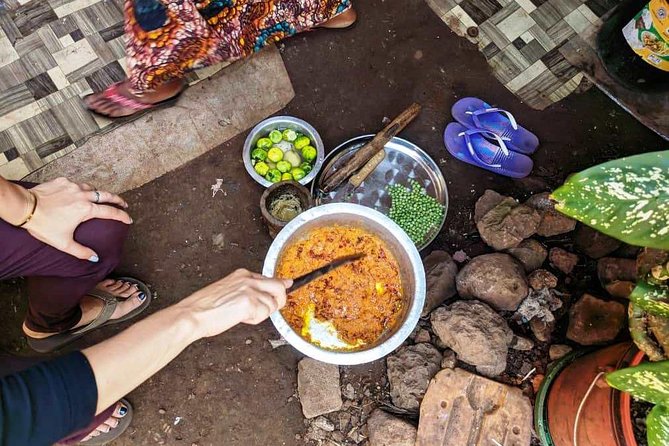
The meal also gives you a chance to try the food as it is meant to be served. Ugali is paired with vegetables, while the coconut milk supports the stew and vegetable dishes. The result should feel like a family meal, not a tasting menu designed for tourists.
Same country, a completely different kind of safari:
- Kilimanjaro climb by Lemosho Route (7-day)
★ 5.0 · 651 reviews - Safari Serengeti And Ngorongoro
★ 5.0 · 288 reviews - Kilimanjaro climb, Machame Route (7-day)
★ 5.0 · 262 reviews - Kilimanjaro Climbing Lemosho Route 8 Days.
★ 5.0 · 186 reviews
Eating outside with Shida, Marissa, and the family
After the cooking, you eat with the family on benches outside the house. Shida, Marissa, and William are central to the visit, and the meal is meant to be shared rather than quickly served and cleared away.
The outdoor setting makes the meal feel informal. You are not being placed at a restaurant table with a fixed service routine. You sit, eat, and spend time with the people who helped make the food.
The meal can include peanut brittle and homemade alcohol, along with the dishes prepared during the class. These extras are small but useful cultural details. They show that the visit is about hospitality and family habits, not only about learning one cornmeal recipe.
Use ordinary care with the homemade alcohol. The information provided does not specify its ingredients, strength, or serving size. If you do not drink alcohol, you can simply decline it. The important part of the meal is the shared setting, not accepting every item offered.
This family meal is likely to be the most personal part of the day. A market gives you public life. Cooking shows you household work. Eating together gives you time to see how the activity fits into family life in Moshi.
What the private format adds at $86
The price is $86 per person. That is more than you would spend on the ingredients alone, but the value here is not the plate of food. You are paying for private transport, a guided market visit, personal instruction, the household setting, and time with a local family.
A private booking is especially useful if you want to ask questions or move at your own pace. Only your group participates, so you do not have to adjust every conversation to a busload of people. For couples, families, or small groups with different levels of interest in food, this flexibility can make the cost worthwhile.
The price also makes more sense when you treat the outing as a half-day cultural activity. It combines several parts of Moshi that would be difficult to arrange independently: meeting a local guide, knowing which market stalls to visit, reaching the home, learning the cooking methods, and sharing a meal with the family.
The value is weaker if you only want a quick meal or a professional cooking lesson. You could find cheaper food elsewhere. You could also find a more polished class in a commercial kitchen. This activity earns its price through access and personal contact, not luxury.
The booking pattern suggests that people often reserve about 16 days ahead. That is not a guarantee of availability, but it is a useful planning clue. If this fits your schedule, booking before you arrive in Moshi is sensible, especially if you are building the activity around a fixed safari or Kilimanjaro timetable.
Who will get the most from this Moshi experience
I would recommend this outing to you if you want to understand food as part of daily life. It suits people who enjoy markets, family-run activities, simple cooking, and conversations with local hosts.
It is also a good choice after or before time around Mount Kilimanjaro. The activity offers a change from formal sightseeing and gives you several hours in a Moshi neighborhood rather than only seeing the town from a vehicle.
Families may appreciate the private format because the pace can be easier to manage than a large group class. Couples and small groups will have more room to focus on the parts that interest them, from market produce to the coconut grinder.
You should think twice if you have strict dietary restrictions that were not discussed before booking. The supplied details identify vegetables, coconut milk, ugali, peanut brittle, dried sardines, and homemade alcohol, but they do not provide a full ingredient list. Contact the provider before reserving if food safety or allergies are a concern.
This may also be a poor fit if you dislike rustic conditions. The house is simple, the fire is wood-burning, and the market may not match the cleanliness standards you expect from a commercial venue. The experience asks you to accept local conditions while using sensible personal judgment.
Timing, pickup, and cancellation details
The total duration is about five hours and 30 minutes. Pickup and drop-off are offered at your Moshi hotel, which removes the need to arrange separate transport to the market or home.
Because the route includes a market, a transfer of about 20 minutes, a one-hour cooking class, and a shared meal, allow the full half-day. Do not schedule a tightly timed airport transfer or another activity immediately afterward.
Confirmation is provided when you book, and mobile tickets are available. Group discounts may also apply, though the exact discount is not specified. The tour is operated by Traveling Spoon.
Free cancellation is available up to 24 hours before the local start time for a full refund. Changes or cancellations made less than 24 hours before the start are not accepted for a refund.
Should you book the private market and cooking class?
Book this experience if you want a personal look at Moshi life, not just a meal. The best reasons are William’s market guidance, Shida’s traditional coconut preparation, the effort of making ugali over a wood fire, and the chance to eat outside with the family.
At $86 per person, it is a fair choice for a private half-day activity that combines food, transport, instruction, and a home visit. I would not choose it for a luxury cooking class, a guaranteed polished setting, or a precise culinary syllabus.
If you are comfortable with a simple home, an informal market, and food prepared in a traditional way, this offers the kind of contact that is hard to arrange on your own. Bring curiosity, leave room in your schedule, and be ready to take the meal at family pace.
FAQ
Where does the activity take place?
The experience takes place in Moshi, Tanzania. It begins at a local market and continues at Shida’s home, about 20 minutes away by walking or tuk-tuk.
How long does the experience last?
The total duration is approximately five hours and 30 minutes. The cooking class itself lasts about one hour.
Is hotel pickup available?
Yes. Pickup and drop-off are offered at your Moshi hotel.
Is this a private tour?
Yes. Only your own group participates in the activity.
Who leads the experience?
William leads the market visit. Shida teaches the cooking class, with Marissa and William also part of the host family.
What will I learn to make?
You will learn to make fresh coconut milk using a traditional buzi and prepare ugali, a cornmeal dish, with sautéed vegetables and stew dishes.
What is the cancellation policy?
You can cancel at least 24 hours before the local start time for a full refund. Cancellations or changes made less than 24 hours before the start are not accepted for a refund.
More Workshops in Moshi
- Gifts and art lessons
★ 5.0 · 35 reviews - NGO Lifted Strong – Traditional Tanzanian Cooking Class
★ 5.0 · 39 reviews - Traditional Zanzibar Cooking Class including Spice Tour
★ 4.5 · 14 reviews - Mnemba Dolphin Tour, Clear Kayak, Cooking Class, Horse Riding
★ 4.5 · 14 reviews
More Shopping Tours in Moshi
- Full-Day Moshi Private Forest Walk and Local Market Tour
★ 5.0 · 4 reviews - Stone Town Guided Tour: Culture, Slave Market & Spice Market
★ 4.8 · 44 reviews - Arusha: Traditional Tanzania Cooking Class & Food Market Tour
★ 5.0 · 34 reviews - Stone Town Private Tour with Slave Market Tickets
★ 5.0 · 13 reviews
Just added around Moshi
- Mt Kilimanjaro 6 days Marangu route hike★ 5.0 · 3 reviews
- Wildlife Extravaganza: Manyara, Tarangire & Ngorongoro in 3 Days★ 5.0 · 3 reviews
- Private Cycle to Kilimanjaro Bike Park Safari★ 5.0 · 6 reviews
- 3 Days Private E-Bike Tour in West Kilimanjaro★ 5.0 · 3 reviews
- West Kilimanjaro cycling Adventures★ 4.5 · 8 reviews
- machame route★ 5.0 · 16 reviews
- Kilimanjaro Climb & Safari – Lemosho Route – 13 Day★ 5.0 · 10 reviews
- Kilimanjaro Climbing Umbwe Route★ 5.0 · 3 reviews
Cooking Classes, compared.
Half-Day Kuza Cave Swimming Adventure and Cooking Class
Read our review →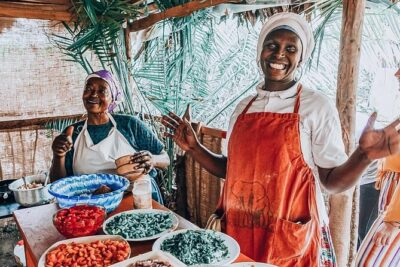
NGO Lifted Strong – Traditional Tanzanian Cooking Class
Read our review →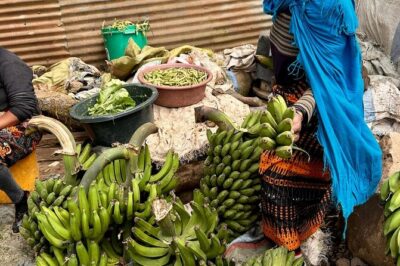
Traditional Tanzania Cooking Class & Food Market Tour
Read our review →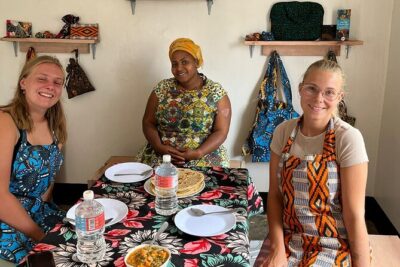
Cooking and Sewing & Jewelry Workshops in Arusha
Read our review →
Mnemba Dolphin Tour, Clear Kayak, Cooking Class, Horse Riding
Read our review →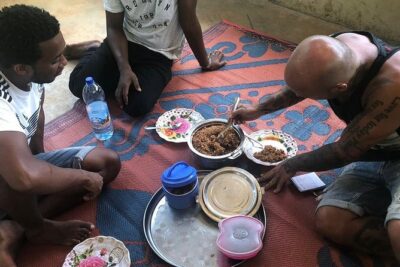
Traditional Zanzibar Cooking Class including Spice Tour
Read our review →Browse the lists this tour appears in