
Reviewed · STONE TOWN WALKING TOURS
Stone Town Private Tour with Slave Market Tickets
Stone Town’s narrow lanes hold Zanzibar’s whole story in a few compact blocks: Swahili culture shaped by Arab, Indian, Portuguese, and European influence, plus the painful legacy of the slave trade. This private walking tour brings those threads together, from the former slave market and Anglican Cathedral to Darajani Bazaar and the Sultan’s palace.
I like the private format, since your group can ask questions and set a comfortable pace. I also like the market stops, where you see fish, fruit, spices, and daily commerce rather than only polished monuments. The main consideration is timing: the tour begins at 8:30 am, so Forodhani Gardens will not have its famous evening food stalls in full swing.
Key points to know before booking
- Former slave market admission is included, with about an hour devoted to the chambers, monuments, and cathedral site.
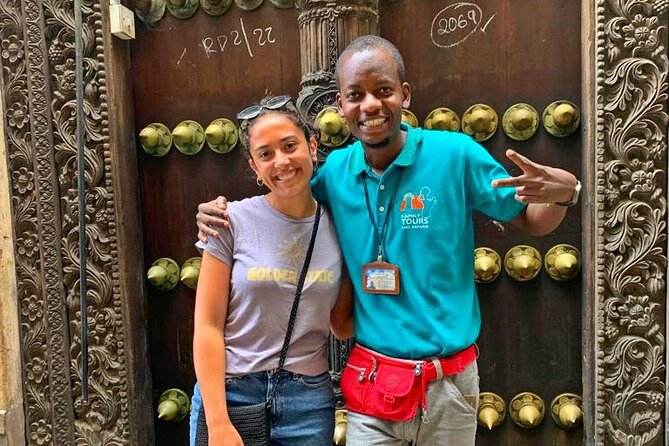
- Maulid Omar is your guide, and his storytelling is a major part of the experience.
- The tour is private, so only your own group participates.
- Darajani Bazaar adds everyday Zanzibar life, with produce, seafood, spices, and bargaining.
- Freddie Mercury Museum entry costs extra, even though the museum is included as a stop.
- The tour starts at Forodhani Park at 8:30 am and returns to the same meeting point.
Why Stone Town makes such a strong walking tour
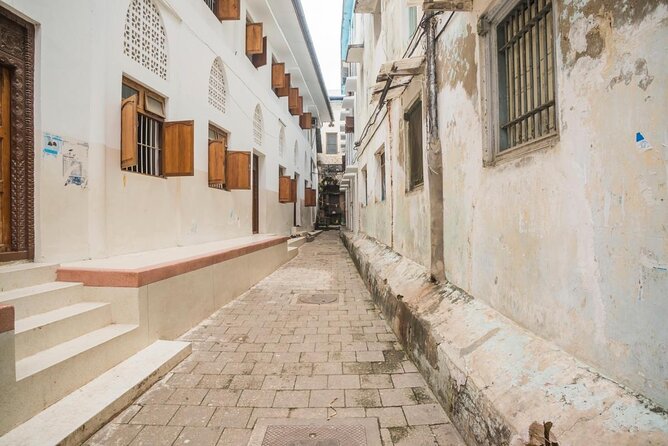
Stone Town is not a place you understand from a bus window. Its character is in the close streets, carved doors, old courtyards, mosques, churches, markets, and buildings pressed together near the Indian Ocean. The city became a UNESCO World Heritage Site in 2000 because of this unusual mix of architectural and cultural influences.
I like the way this tour connects major sights instead of treating them as isolated photo stops. The former slave market explains Zanzibar’s role in East Africa’s slave trade. The Old Fort points to Portuguese and Omani rule. Darajani Bazaar shows how the city works today. Together, the stops give you a better sense of Stone Town than a quick walk to one landmark.
The guide matters here. Maulid Omar leads the tour, and the route depends on clear explanation as much as on buildings. A private guide can help you follow the changes in power, trade, religion, and daily life without forcing your group to keep up with strangers.
The pace is fairly brisk. Ten listed stops are fitted into roughly three to four hours, with about an hour at the former slave market and around 20 minutes at many of the other sites. You should expect a guided overview rather than long, museum-style visits at every stop.
More Stone Town Walking Tours in Zanzibar
- Zanzibar Stone Town Walking Tour
★ 5.0 · 145 reviews - Stone Town Historical Walking Tour
★ 5.0 · 143 reviews - Spice Tour + Stone Town Tour + Prison Island
★ 4.5 · 130 reviews
Starting at Forodhani Park at 8:30 am
The meeting point is Forodhani Park, listed as R5QQ+VJ6 Forodhani Park, Zanzibar. The tour begins at 8:30 am and finishes back at the same place. Bottled water is included, which is useful during a warm morning of walking.
Starting at Forodhani gives you an immediate coastal reference point. The gardens sit beside the Indian Ocean and are best known for their evening food market, when vendors sell seafood, grilled food, sugarcane juice, and Zanzibar pizza. At the morning start, you should think of the park mainly as a clear meeting place and an introduction to Stone Town’s waterfront.
The route is on foot through narrow streets. Wear comfortable shoes and keep your group together in the tighter lanes. The tour is near public transportation, but no private hotel transfer is listed, so you should plan your own way to the starting point.
The former slave market and Anglican Cathedral
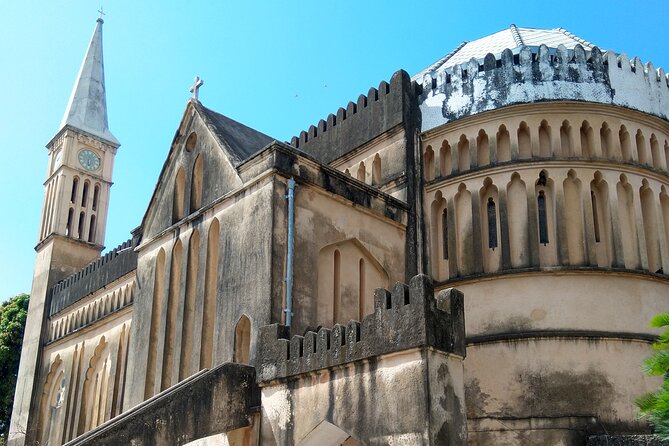
This is the most important stop on the route and receives the most time, about one hour. Admission to the former slave market is included, along with the slave monuments, slave chambers, and the site where enslaved people were sold.
This part of the tour is not easy sightseeing, and it should not be treated as a quick photo opportunity. The site helps explain Zanzibar’s role in the slave trade across East Africa during the 19th century. Maulid’s job here is to connect the physical remains with the people and systems behind them.
You will also hear about artefacts found at the site and their historical meaning. The Anglican Cathedral adds another layer, since missionaries played a role in the campaign against the trade. The tour also points to Dr David Livingstone and other missionaries connected with this history.
I value the time allowed here. Many Stone Town tours rush through difficult subjects in a few minutes, but an hour gives you room to listen, look carefully, and ask questions. The drawback is emotional rather than practical: this is a serious, sobering visit, and some people may prefer to place it earlier or later in a longer Zanzibar day rather than make it their only historical stop.
Freddie Mercury Museum, with admission extra

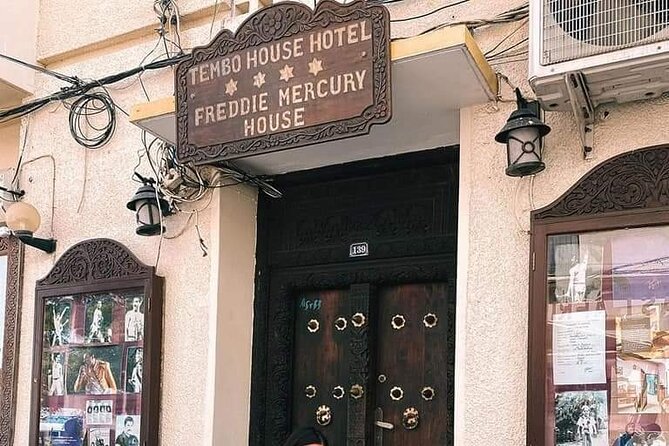
The next stop is the Freddie Mercury Museum, scheduled for about 20 minutes. The museum explores the life of Farrokh Bulsara, better known as Freddie Mercury, the Zanzibar-born singer, songwriter, guitarist, and frontman of Queen.
This is an appealing contrast after the former slave market. It shifts the focus from trade and colonial-era power to a modern cultural figure whose music reached far beyond Zanzibar. The stop also shows how Stone Town’s story is not limited to old forts and palaces.
The museum admission is not included in the tour price. That detail matters because the headline cost of $30 per person does not cover every optional entrance. If you want to go inside, budget for the separate ticket and recognize that 20 minutes is a short visit.
You can still see the museum as part of the route without treating it as the main event. The tour is better suited to someone who wants a broad introduction to Stone Town than to a music fan planning a long museum visit.
Same country, a completely different kind of safari:
- Zanzibar: Quad Bike Adventure departing from Kendwa or Nungwi
★ 4.9 · 1,233 reviews - Zanzibar: Prison Island and Nakupenda Boat Trip with Lunch
★ 4.1 · 882 reviews - Skydive Zanzibar | Tandem Skydive
★ 5.0 · 877 reviews - Mnemba Island: Dolphin Swim & Snorkeling with Optional Lunch
★ 4.3 · 591 reviews
Old Fort and the layers of power
At the Old Fort, or Ngome Kongwe, you get about 20 minutes to explore the open amphitheatre, an old Portuguese chapel, and the Arab fort built under the Busaid rulers. Admission is listed as free.
The fort is valuable because it compresses several chapters of Zanzibar’s past into one site. Portuguese influence, Omani Arab rule, and later public use all appear in the same structure. Maulid explains how the fort changed over time rather than leaving you with only a wall and a name.
Twenty minutes is enough for an orientation and a look around, but not for an extensive visit. If you want to linger at the amphitheatre or study the fort in detail, you may feel the schedule moving quickly. That is the tradeoff for seeing so many parts of Stone Town in one morning.
Darajani Bazaar, where the city does its daily work

Darajani Bazaar is one of the strongest parts of the route for anyone who wants to see ordinary commerce. The market carries fruit, vegetables, fish, meat, spices, and other goods from local producers. You can shop, take photographs, and look at the daily catch from the Indian Ocean.
I especially like this stop because it gives the tour a pulse. A palace tells you how rulers lived. A market shows what people buy, sell, carry, cook, and discuss today. The smells and colors can be intense, and the narrow market areas may feel crowded, so stay close to Maulid and ask before photographing people.
The planned visit is about 20 minutes. That is enough to get a taste of the market, but not enough for a slow food tour or serious shopping trip. If you see spices or souvenirs you want, keep an eye on the clock. You still have several historic stops ahead.
Coffee and the narrow streets of Stone Town
The route then moves through the narrow lanes toward Zanzibar Coffee House. The listed stop is about 15 minutes, with time to rest and enjoy a coffee of your choice. After the market, this short pause is well placed.
Do not expect a long café session. Fifteen minutes is a quick break, useful for water, coffee, and a chance to reset before the next group of monuments. The narrow streets themselves are part of the attraction. Their shape helps explain why Stone Town is best experienced on foot, with history appearing around corners instead of behind large open plazas.
A private tour works well in this setting. Maulid can point out details as you walk, and your group can pause briefly without dealing with a large crowd. Still, the schedule means you should not assume every lane or doorway will receive a full explanation.
Sultan Palace and the People’s Palace Museum

The People’s Palace Museum, also called the Sultan Palace, receives about 20 minutes. The stop focuses on the Sultan dynasty of Zanzibar and the setting of the former palace.
This is where you see the political side of the island’s past. The palace helps put the earlier stories of trade, foreign influence, and the slave market into a ruling-house context. You get a chance to look inside the building and capture its atmosphere, rather than only viewing it from the street.
The time is again limited. You will get an introduction to the dynasty and the palace, not a complete study of every room or object. If royal history is your main interest, you may want extra time in Stone Town after the tour ends.
Forodhani Gardens and the morning versus evening question
Forodhani Gardens appears later in the route, with about 20 minutes planned. The gardens are famous for evening food stalls selling seafood, barbecue, sugarcane juice, Zanzibar pizza, and other local foods.
Here is an important planning point: this tour starts at 8:30 am. The evening market atmosphere is not the same as the morning setting, so do not book this tour expecting a full Forodhani dinner. Use the stop to see the waterfront and note where to return later in the day if you want to sample the food.
That timing issue is not a flaw in the tour itself, but it affects value. If you have only one morning in Stone Town, the stop still fits the route well. If you specifically want street food, plan a separate evening visit.
St. Joseph’s Cathedral and the Old Dispensary
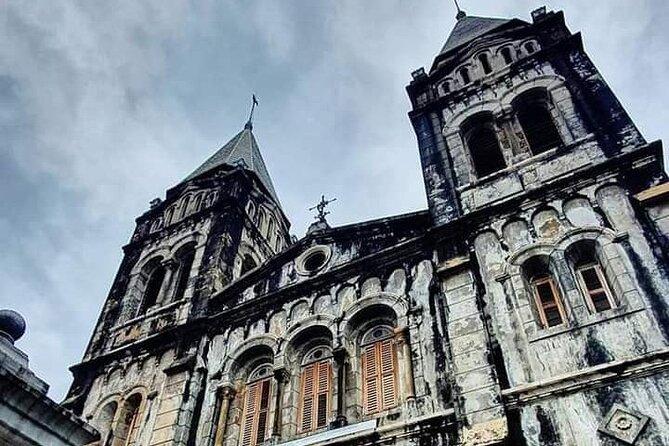
St. Joseph’s Roman Catholic Cathedral is scheduled for about 20 minutes. Often called the Notre Dame of Zanzibar, it is a French Catholic cathedral with detailed interior work and a long connection to the city’s missionary presence.
This stop balances the Anglican Cathedral at the former slave market. You see another religious tradition within the same compact city, a reminder that Stone Town’s identity was shaped by more than one culture or faith.
The Old Dispensary is another 20-minute stop. It was the first dispensary in town and was established by Tharia Thopan, a business adviser to the Sultan. Its importance is both architectural and social. It points to the services, business networks, and public life that developed alongside the palace and trading economy.
Both stops are best treated as guided exterior and interior introductions. The schedule leaves little room for a long independent visit, but Maulid’s explanation gives the buildings a reason to matter.
Tippu Tip’s House and the harder side of Stone Town’s past
The final listed stop is Tippu Tip’s House on Shangani Street, with about 20 minutes to explore the home of Tippu Tip, one of the most powerful and famous slave traders in the region.
This visit brings the earlier slave-trade discussion back into focus. Instead of learning about the trade only at a former market, you see the residence associated with a person who profited from it. That connection makes the route more coherent and gives the morning a strong historical finish.
The house is not simply an attractive old building. Its meaning depends on understanding the person who lived there and the trade networks that shaped Zanzibar. This is another reason to value a guide who can explain context rather than only point out architecture.
What $30 per person gets you
At $30 per person, the tour offers a solid amount of guided time for a private Stone Town experience. The price includes guiding services, bottled water, and admission to the former slave market. Since that first site is the longest and most serious visit, the included ticket carries real value.
The tour also covers a wide range of locations without requiring you to organize the route yourself. You visit historic sites, markets, religious buildings, a palace, a coffee stop, and the waterfront. A private group usually costs more than joining a large shared walk, but here the price remains reasonable if you want personal attention.
The Freddie Mercury Museum is the clear extra cost. Personal purchases, food, coffee, and other items are also not included. The tour does not list hotel pickup, so transportation to Forodhani Park is your responsibility.
The 3 to 4-hour duration works well as a first Stone Town outing. You still have the afternoon for another Zanzibar activity, but the schedule is tight enough that you should not expect long shopping stops or detailed museum study.
Who will get the most from this tour
I would recommend this experience to you if you want a well-rounded first look at Stone Town and prefer a private guide to a self-guided walk. It suits history-minded visitors, people interested in architecture, and anyone who wants the market included rather than only the famous monuments.
It is also a good choice for groups with different interests. One person can focus on the slave-trade sites, another on Freddie Mercury, another on markets and food, while Maulid ties the stops together.
You may want something else if your priority is a relaxed food crawl, a long museum visit, or a deep focus on one historical period. The route covers ten locations, so the reward is range. The cost is a little less time at each individual sight.
The tour is described as suitable for most people, and it is near public transportation. Because much of the experience takes place on foot in narrow streets, comfortable footwear and a willingness to keep moving will make the morning easier.
Booking, cancellation, and final advice
Confirmation is provided when you book, and the experience is often reserved well ahead, with an average booking lead time of 88 days. That suggests you should not leave it until the last minute if your Zanzibar dates are fixed.
Free cancellation is available up to 24 hours before the start time for a full refund. Changes or cancellations made within 24 hours are not accepted or refunded. The tour also requires good weather. If poor weather causes cancellation, you are offered another date or a full refund.
I would book this tour if you want history explained clearly, market life included, and the convenience of a private route. The strongest features are the full hour at the former slave market, Maulid Omar’s personal guiding, and the mix of difficult history with everyday Stone Town scenes.
I would skip it only if you want to spend the whole morning at one museum or are mainly chasing Forodhani’s evening food market. For most first-time visits, though, this is a practical and good-value way to get your bearings while seeing the city’s most meaningful sights.
FAQ
How long does the Stone Town private tour last?
The tour lasts approximately 3 to 4 hours.
What time does the tour start?
The tour starts at 8:30 am.
Where does the tour begin?
The meeting point is Forodhani Park in Zanzibar, listed as R5QQ+VJ6 Forodhani Park.
Where does the tour finish?
The activity ends back at the meeting point.
Is admission to the former slave market included?
Yes. Admission to the former slave market is included, along with guiding services and bottled water.
Is Freddie Mercury Museum admission included?
No. Admission to the Freddie Mercury Museum is not included and must be paid separately.
Is this a private tour?
Yes. Only your own group participates in the activity.
Can I cancel for a full refund?
Yes, if you cancel at least 24 hours before the experience start time. Cancellations within 24 hours are not refunded. If poor weather cancels the tour, you are offered a different date or a full refund.
More Shopping Tours in Zanzibar
- Stone Town walking tour, shopping, history and culture
★ 5.0 · 6 reviews - Tanzanite experience tour – Tanzanite shopping in Arusha
★ 5.0 · 12 reviews - Full-Day Moshi Private Forest Walk and Local Market Tour
★ 5.0 · 4 reviews - 24 Hours in Arusha—Arusha Museum, Cultural Heritage, Maasai Market, Shanga
★ 5.0 · 4 reviews
More Markets in Zanzibar
- Stone Town Guided Tour: Culture, Slave Market & Spice Market
★ 4.8 · 44 reviews - Arusha: Traditional Tanzania Cooking Class & Food Market Tour
★ 5.0 · 34 reviews - Arusha: Traditional Tanzania Cooking class& Food Market Tour
★ 4.9 · 12 reviews - Private Market Tour and Tanzanian Cooking Class in Moshi
★ 5.0 · 7 reviews
Just added around Zanzibar
- Zanzibar: Maasai village and Nungwi turtles experience trip★ 4.9 · 16 reviews
- Zanzibar: Mnemba Atoll, Spice farm, Jozani forest & Lunch★ 3.9 · 3 reviews
- Zanzibar: Maasai World Tour with Cultural Practices★ 4.0 · 4 reviews
- Zanzibar: Kendwa Beach Professional Photoshoot★ 5.0 · 5 reviews
- ZANZIBAR: Jozani Forest,Salaam Cave, The Rock & Blue Lagoon★ 4.8 · 8 reviews
- Zanzibar: Jozani Red Colobos Monkey & Salaam Turtle Santuary★ 4.6 · 3 reviews
- Zanzibar: Jozani Forest,Red colobus,the Rock Restaurant tour★ 4.5 · 21 reviews
- Zanzibar: Jozani Forest Walking Tour★ 5.0 · 3 reviews
Stone Town Walking Tours, compared.

Stone Town, Spice Tour, Prison Island with Lunch
Read our review →
Stone Town, Spice tour & Prison Island with Lunch
Read our review →

3 Hours Private Stone Town walking Tour with Guide
Read our review →
Full-Day Private Stone Town +Spice Farm and Prison Island Tour
Read our review →
Stone Town Historical Cultural Walking Guided Tour
Read our review →
Browse the lists this tour appears in