

Reviewed · STONE TOWN WALKING TOURS
Zanzibar: Stone Town Historical Cultural Walking Guided Tour
Stone Town makes the most sense on foot, where a turn through a narrow lane can take you from an ornate carved door to a busy market, a mosque, a church, or a small neighborhood courtyard. This tour brings those layers together with a local guide and covers the Old Fort, former slave market, Anglican Cathedral, Freddie Mercury Museum, and Darajani Market.
I like the local storytelling, especially guides such as Ali, also called Diamond, Abdalla, and Haidara, who are praised for clear English, patience, humor, and personal knowledge of the town. I also like the flexible pace and the chance to choose a morning or afternoon start. The main consideration is the heat, plus the fact that some buildings may be closed or under construction on the day of your visit.
Key points to know before you book
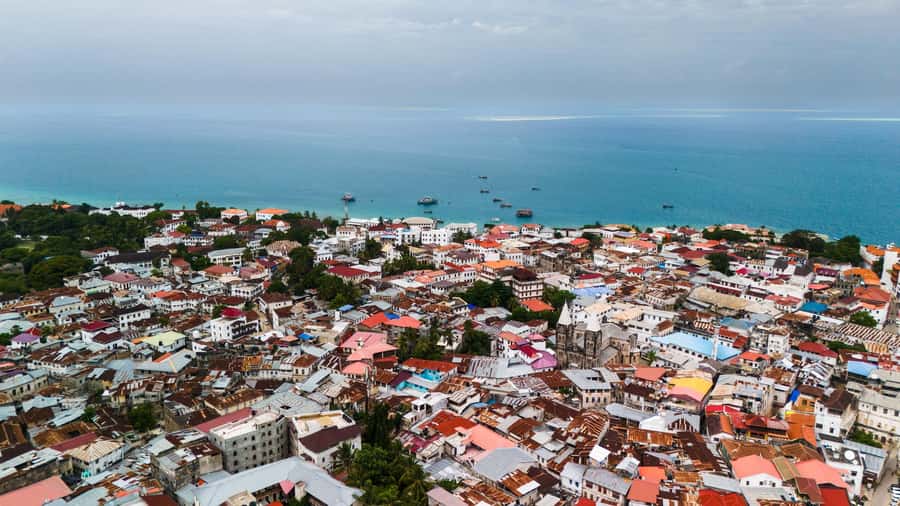
- A walking tour with real local context: Learn how Arabic, African, Indian, and European influences shaped Stone Town.
- Five useful stops in one outing: See the Old Fort, former slave market, Anglican Cathedral, Freddie Mercury Museum, and Darajani Market.
- Guides make the difference: Ali, Diamond, Abdalla, Haidara, Ammar, Hassan, and Naseer have all been singled out for friendly, clear explanations.
- Hotel transfers can stretch the day: Pickup and drop-off are available from Stone Town or from elsewhere on Zanzibar if you select the transfer option.
- A strong first look at the city: Two hours can cover the main sights, while a longer visit allows more time for markets, shopping, and questions.
- Good value at $21 per person: The price includes the walking guide and slave market entry, with private groups available.
Why Stone Town is best explored on foot
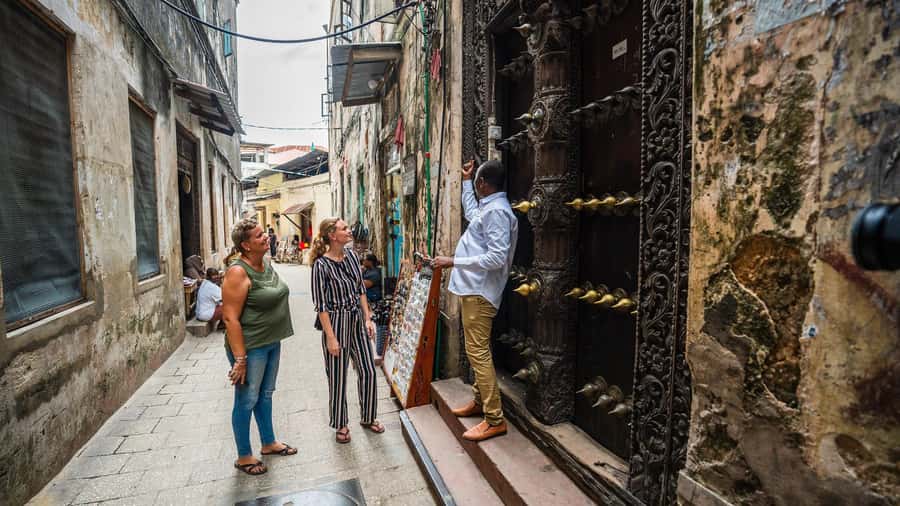
Stone Town is not a place you understand by driving past its monuments. Its character appears in the spaces between them: carved wooden doors, worn coral-stone walls, small shops, religious buildings, and alleyways that can feel confusing until a local guide points out what you are seeing.
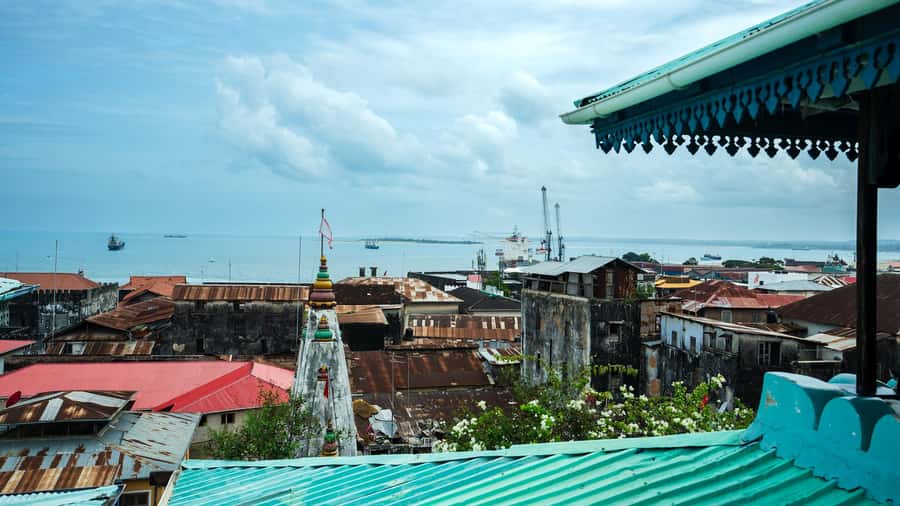
The town was designated a UNESCO World Heritage Site in 2000. That status reflects more than old buildings. Stone Town grew from centuries of trade across the Indian Ocean, and its streets show the meeting of African, Arabic, Indian, and European customs.
Your guide helps connect these influences instead of presenting each sight as an isolated photo stop. You learn how the town changed over time, how trade shaped Zanzibar, and how the history of slavery affected both the island and the wider region.
I especially value the fact that the tour includes ordinary streets and local markets. You are not kept inside a string of formal attractions. You walk through places where people shop, work, worship, and go about their day.
That said, this is still an overview rather than a full historical study. A two-hour visit moves at a good pace and covers the major sights, but you may want extra time at the slave market exhibition or to return later for a slower look at the museums.
More Stone Town Walking Tours in Zanzibar City
- Zanzibar: Stone Town, Spice Tour, Prison Island with Lunch
★ 4.4 · 1,219 reviews - Zanzibar: Prison Island, Stone Town, & Spice Farm Tour
★ 4.5 · 579 reviews - Zanzibar: Stone Town, Spice tour & Prison Island with Lunch
★ 4.6 · 453 reviews
Starting with pickup, timing, and the ride into town
You can begin in Stone Town, or choose an option that includes transport from another part of Zanzibar. Hotel pickup and drop-off are included only when that option is selected, so check the exact choice before paying.
For a hotel pickup, you should be ready at reception five minutes before departure. The driver uses vehicles marked with the Beach & Safari Holidays logo, which helps identify the correct vehicle at a busy resort.
The transfer can take about an hour each way, depending on your starting point. A pickup from Nungwi was described as punctual and easy, while other visitors have praised the drivers for being on time and making them feel safe.
This matters when comparing the $21 price. If you are already in Stone Town, most of your time goes toward the actual walking tour. If you are staying farther away, transport makes the outing more convenient, but the total day becomes longer than the advertised walking time.
The overall activity is listed as two to five hours. That range reflects the difference between a compact Stone Town tour and a longer outing with transfers, visits, shopping, and a more flexible pace. Morning and afternoon departures are available, subject to the times shown when you book.
Walking the old lanes with a local guide

The heart of the experience is the walk through Stone Town’s maze of lanes. A guide can point out details you might pass without noticing, including the mix of architectural influences and the way homes, shops, religious buildings, and public spaces fit together.
The walking route is also where the tour feels most personal. Several guides have been praised for making the history easy to follow while answering questions along the way. Ali, known by some as Diamond, is often described as both entertaining and well informed. Abdalla, Haidara, Ammar, Hassan, and Naseer have also been praised for patience, warmth, and clear explanations.
You should expect a conversational tour rather than a lecture delivered at every stop. One guide helped a visitor find local areas and suggested places to spend the afternoon. Another checked before taking the group into a local area, a small but useful sign that the experience can respond to your comfort level.
The pace is generally suitable for sightseeing in a hot climate. One four-star assessment described it as a casual stroll, which was welcome in the heat. That also means the tour may not satisfy you if you want a fast march through every possible landmark.
Wear comfortable shoes and plan for sun and humidity. Rain can also affect the day. The route and stops may change with weather, construction, or conditions at individual sites.
Old Fort and Stone Town’s public face
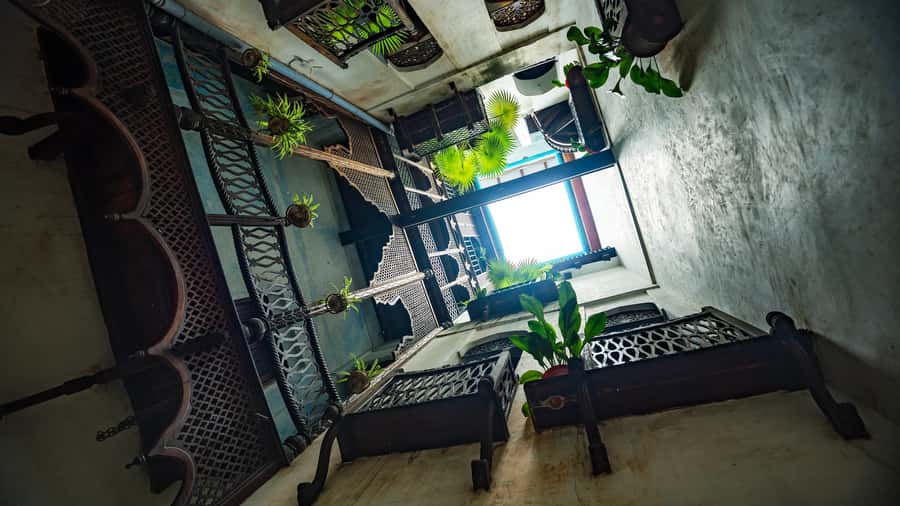
The Old Fort is one of the main landmarks on the route. It provides a useful anchor for understanding Stone Town, and it is a natural place for photographs and an explanation of the town’s changing rulers and defenses.
Your guide leads the visit and gives the fort a place within the larger story of Zanzibar. The value here is not simply seeing thick walls. It is understanding how the fort relates to Stone Town’s position on historic trade routes and its long contact with outside powers.
Expect a guided visit and photo stop rather than a full specialist tour of military architecture. The amount of time spent here can change according to the group’s interests and the day’s route.
The Old Fort is also a good point for getting your bearings. After wandering through lanes, you have a clear landmark that helps you understand how the old town is arranged.
Same country, a completely different kind of safari:
- From Zanzibar: Mikumi Safari Day Trip with Flights and Meal
★ 4.7 · 1,470 reviews - From Zanzibar: Day Selous Game Reserve Safari with Flights
★ 4.7 · 1,025 reviews - Quad Adventures in Zanzibar: Nungwi / Kendwa
★ 4.9 · 640 reviews - Stone Town Private Walking Tour
★ 5.0 · 371 reviews
The former slave market and Anglican Cathedral

The stop at the former slave market and Anglican Cathedral is the most serious part of the tour. The site connects Stone Town to the historic slave trade and offers a direct way to learn about an important and painful part of Zanzibar’s past.
Entry to the slave market site is included, which adds real value to the price. You should allow time to read and reflect rather than rushing through it as another quick photo stop. One visitor specifically found the slavery exhibition worth spending time with.
The Anglican Cathedral adds another layer to the same location and shows how later religious and political changes reshaped the town. Mosques, churches, and temples stand within the same broader urban setting, a fact that helps explain Stone Town’s mixed cultural identity.
The subject matter can be emotionally difficult. That is not a flaw in the tour, but you should be prepared for a more sober visit than the market or museum stops. A good guide can provide context and answer questions without reducing the history to a simple tourist attraction.
Freddie Mercury Museum and modern Zanzibar
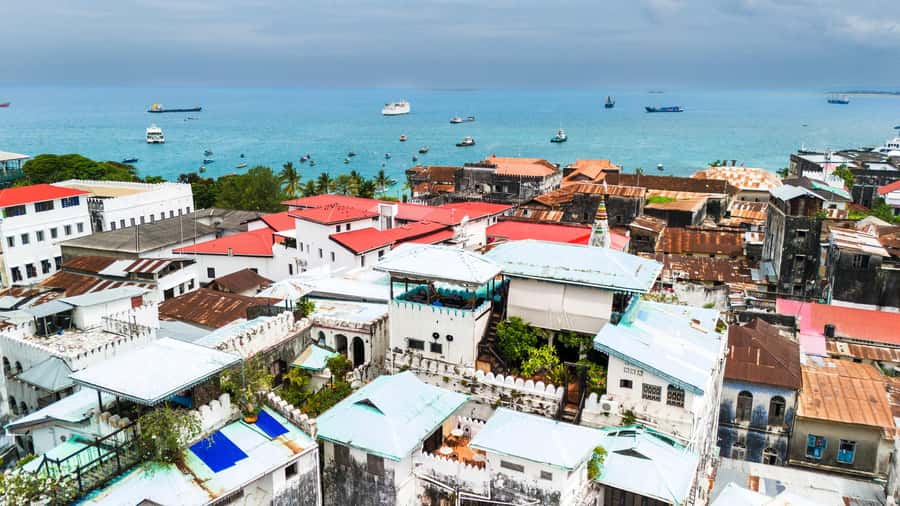
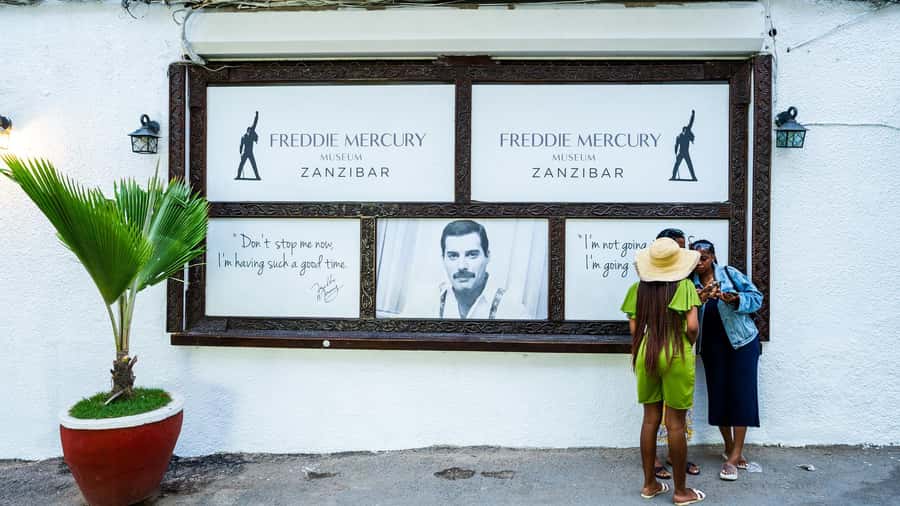
The Freddie Mercury Museum brings the tour into more recent times. It offers a link between Stone Town and one of its best-known international figures, giving you a different way to think about the town’s place in modern popular culture.
The stop includes a guided visit and photo opportunity. It is especially useful if you want a break from monuments and trade history, although the depth of the visit may depend on opening conditions and the time available.
For some people, this is the highlight. It is a lively contrast to the former slave market, and it helps show that Stone Town is not frozen in the past. The tour works best when you treat the museum as one part of a larger story rather than the main reason to book.
Darajani Market, souvenirs, and local flavor
Darajani Market is where Stone Town becomes most immediate. You can expect a busy market setting with sights, sounds, and everyday activity, along with time for shopping and photographs.
The guide can help you read the market instead of simply walking through it. You might see where local life and commerce meet, and you can ask about the products, customs, and foods around you.
Shopping is included in the route, but purchases are your own expense. If you want souvenirs, this is a practical point in the day to buy them. One person described the market as the right place to make those purchases.
The market is also where the tour can feel less polished and more authentic. That comes with noise, crowds, and a less predictable pace. You may prefer it to a quiet museum, but you should not expect a calm, carefully arranged attraction.
A sugar cane drink was a memorable part of one outing, and local food spots were also recommended during a tour. Food itself is not included, so consider this a chance to ask your guide for suggestions rather than a promised tasting program.
What the $21 price includes
At $21 per person, this is a good-value introduction to Stone Town, particularly if you are staying nearby and do not need a long transfer. The price includes the guided walking tour, an experienced driver where transport is selected, and entry to the former slave market.
Food and personal expenses are not included. Shopping at Darajani Market, drinks, museum purchases, and any other personal spending are extra.
A private group is available, which can make the tour more useful if you want to ask many questions or adjust the pace. The basic information does not specify the size of a standard shared group, so check the available booking option if group size matters to you.
The strongest value comes from the combination of a local guide and several major stops in a short period. Booking separate transport, finding each site, and working out the lanes yourself could take more time and effort.
The price does not guarantee that every building will be open. Construction affected some impressive buildings during one visit, and the route can change with weather or conditions. I would book this for orientation and local context, not as a promise of complete access to every interior.
The guides are the main reason to book
The repeated praise for the guides focuses on the same qualities: friendly conversation, strong English, patience, historical detail, and a sense of humor. That matters in Stone Town, where the same street can carry several layers of meaning.
Ali, often called Diamond, has been especially warmly received for his charm, humor, and ability to explain the city. Other names connected with strong outings include Abdalla, Haidara, Ammar, Hassan, Naseer, and Ali Said.
You cannot choose a particular guide from the information provided, so the experience may vary somewhat from one departure to another. Still, the pattern is clear: the guide is not merely leading you from one address to the next. He or she is expected to explain local life, answer questions, and point out places you might miss alone.
If you want a highly specialized academic tour, ask questions early and make your interests clear. If you want a friendly first introduction that combines history with daily life, this format fits well.
What could be better
The biggest practical challenge is the heat and humidity. The tour is on foot, and even a gentle pace can feel demanding in tropical weather. Morning may suit you better if you prefer cooler conditions, while an afternoon start gives you more flexibility around a morning at the beach.
The second issue is the broad two to five-hour duration. That flexibility is useful, but you should confirm the starting time and expected length for your selected option. A short tour can cover the key places, while a longer version may include more time for shopping, questions, or transfers.
Pickup communication may also require attention. One outing began with some confusion about meeting the guide, though the problem was resolved. Confirm your hotel reception details and be ready early.
Finally, the route can change. Weather, construction, or local conditions may mean that a particular interior is unavailable. I would keep your schedule slightly open rather than planning a fixed appointment immediately afterward.
Who will get the most from this tour
This is a strong choice for a first visit to Stone Town. You get the main landmarks, an explanation of the slave-trade history, a market visit, and enough local detail to decide where you want to return later.
It also suits solo visitors. A solo mother was supported by the company and had help arranged so she could enjoy the outing comfortably. The private group option may be worth considering if you are traveling alone or with family and want the guide’s full attention.
It works well for visitors staying outside Stone Town who want transport included. Just remember that the drive can take about an hour each way, so this is not a quick side trip from the northern beaches.
You may want a different format if you dislike walking in heat, want a long museum visit, or need guaranteed access to particular buildings. This tour is broad, flexible, and practical rather than highly specialized.
Should you book the Stone Town walking tour?
I would book it if you want an affordable first look at Zanzibar’s old city and value a local guide more than a fixed, exhaustive route. The combination of Old Fort, the former slave market, Anglican Cathedral, Freddie Mercury Museum, Darajani Market, and the lanes between them gives you a useful picture of Stone Town in a few hours.
Book the morning option if heat concerns you, select hotel transfer if you are staying outside Stone Town, and protect enough time for the slave market visit. If you want to shop or ask many questions, choose a longer version or a private group when available.
At $21 per person, it offers a lot for the money. Just keep your expectations realistic: the route may change, some buildings may be under construction, and the experience depends heavily on the guide assigned. For most first-time visitors, those limits are outweighed by the ease, local perspective, and solid coverage of the city’s essential sights.
FAQ
Where does the Stone Town tour take place?
The tour takes place in Stone Town on Zanzibar, in Tanzania’s Unguja South Region.
How long does the tour last?
The activity is listed as lasting between two and five hours. The exact duration depends on the selected option, starting time, transfers, and how much time is spent at the stops.
What sights are included?
The route includes Stone Town, the Old Fort, the former slave market and Anglican Cathedral, the Freddie Mercury Museum, and Darajani Market.
Is hotel pickup available?
Yes, hotel pickup and drop-off are available if you select the transfer option. You should meet the driver at your hotel reception five minutes before departure.
Is transport included from anywhere in Zanzibar?
A transfer option is available for pickup from outside Stone Town. The exact pickup choice must be selected when booking.
Is entry to the slave market included?
Yes, the slave market entry ticket is included.
What language does the guide speak?
The live tour guide speaks English.
Can I book a private group?
Yes, a private group option is available. Availability and pricing depend on the selected booking option.
More Walking Tours in Zanzibar City
- Zanzibar: 3 Hours Private Stone Town walking Tour with Guide
★ 4.6 · 301 reviews - Zanzibar: Spice Tour & Stone Town Walking Tour
★ 4.8 · 115 reviews - Zanzibar: Stone Town Walking Tour with Guide
★ 4.7 · 76 reviews - Zanzibar: Walking Spice Tours with Guide
★ 4.3 · 45 reviews
More Historical Tours in Zanzibar City
- Stone Town’s Hidden History: Private Guided Walking Tour
★ 4.6 · 94 reviews - Private Zanzibar Stone Town Historical Tour
★ 5.0 · 13 reviews - Arusha Guided Walking City Tour, Culture, Lifestyle & History
★ 5.0 · 150 reviews - Stone Town Historical Walking Tour
★ 5.0 · 143 reviews
Just added around Zanzibar City
- Zanzibar: Mikumi Wonderful Safari with Open Jeeps★ 4.9 · 15 reviews
- Zanzibar: Maalum Cave Natural Swimming Pool Tour in Paje★ 4.4 · 3 reviews
- Zanzibar: Jozani Forest Watching Colobus Monkeys Guided Tour★ 4.1 · 7 reviews
- Zanzibar: Jozani Forest, Salaam Cave & The Rock Restaurant★ 3.0 · 4 reviews
- Zanzibar: Jozani Forest Guided Tour,Red Colobus and transfer★ 3.9 · 6 reviews
- Zanzibar: Jozani Chwaka Bay National Park and Spice Farm …★ 4.6 · 5 reviews
- Zanzibar: Horse Riding and Kayaking with Video and Photos★ 4.9 · 10 reviews
- Zanzibar: Half-Day Private in Prison Island Tours★ 5.0 · 4 reviews
Stone Town Walking Tours, compared.

Stone Town, Spice Tour, Prison Island with Lunch
Read our review →
Stone Town, Spice tour & Prison Island with Lunch
Read our review →

3 Hours Private Stone Town walking Tour with Guide
Read our review →
Full-Day Private Stone Town +Spice Farm and Prison Island Tour
Read our review →

Browse the lists this tour appears in