
Reviewed · ZANZIBAR SPICE FARM TOURS
Zanzibar: Walking Spice Tours with Guide
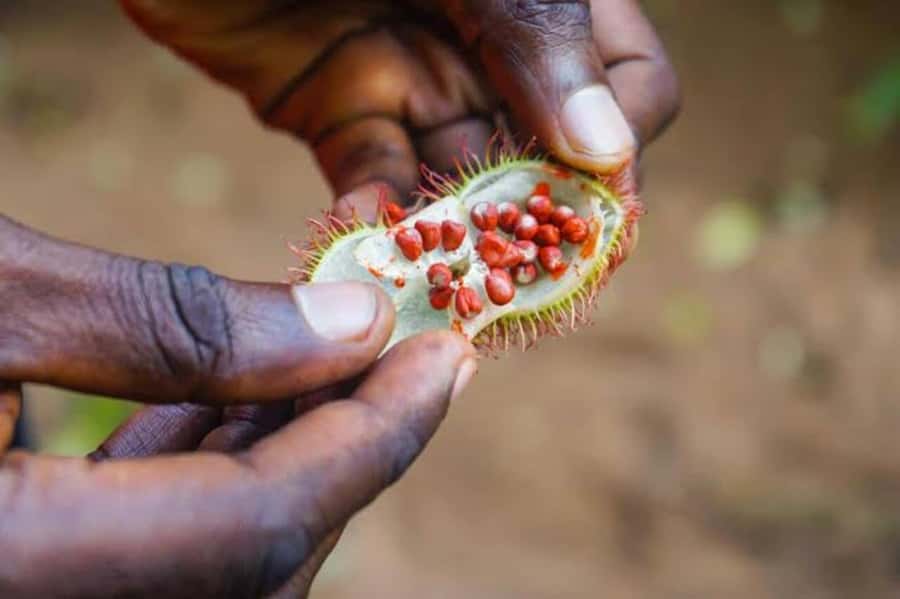
Zanzibar’s spice farms turn familiar kitchen flavors into living plants. On this three-hour walk from Stone Town, you can rub lemongrass between your fingers, taste fresh fruit, and see vanilla, turmeric, cinnamon, cloves, and black pepper growing on an organic shamba, or farm. I like the direct, hands-on format, and I like that hotel pickup, entry, and a guide are included.
The main caution is that this can feel more like a plant walk with shopping than a full working-plantation visit. The route may take about two to two and a half hours including driving, and some visitors have found the sales stops and requests for tips distracting.
Key points at a glance
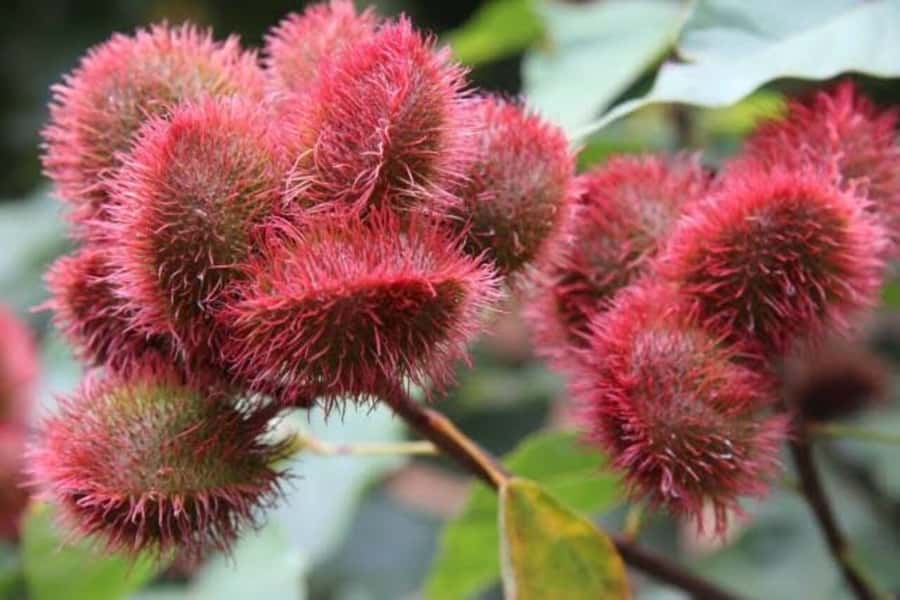
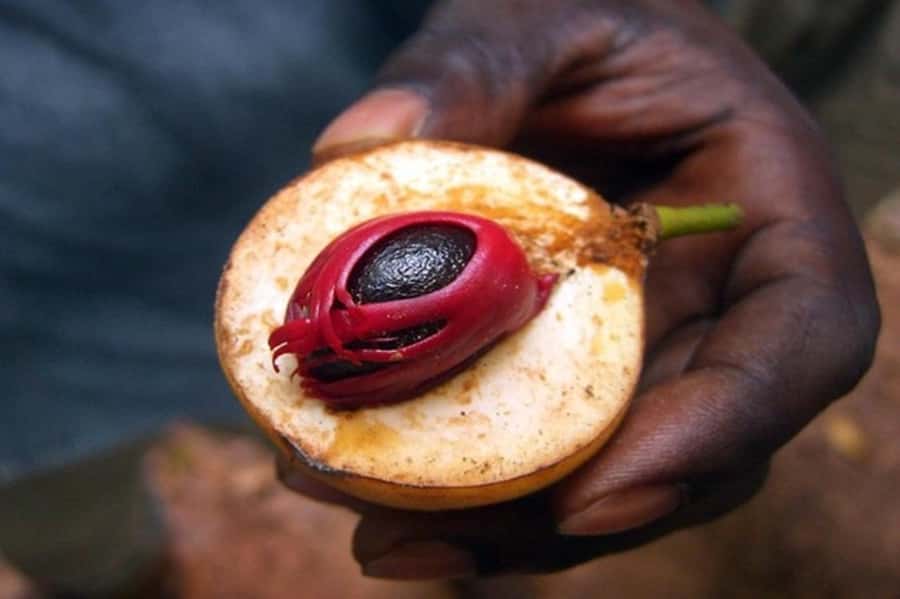
- Taste spices at the source: Smell and sample cloves, vanilla, cinnamon, turmeric, pepper, nutmeg, cardamom, and lemongrass as living plants and fresh products.
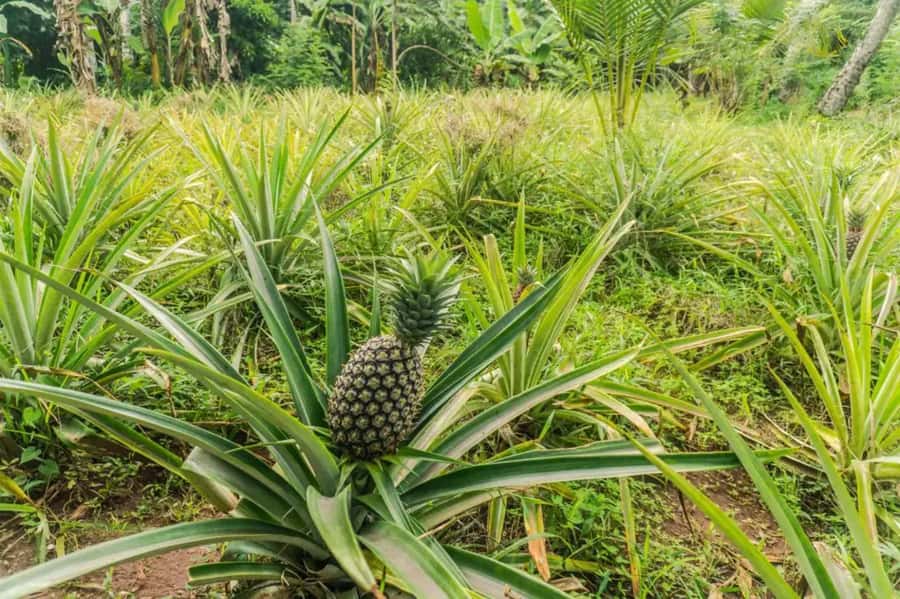
- See tropical crops up close: The walk can include coconut, papaya, chili, jackfruit, cassava, oranges, pineapple, guava, avocado, and other fruit.
- Start and finish in Stone Town: Hotel pickup and drop-off are included for hotels in Stone Town, with the farm roughly 30 minutes away by car.
- Private guided outing: The activity is arranged for a private group, with English, German, French, or Italian available.
- Expect a sales stop: The walk finishes at a spice stall, and payment there is cash only.
- Best for curious food lovers: It suits you if you want to identify Zanzibar’s famous crops, but less so if you expect factory work, drying sheds, or a long plantation hike.
Why Zanzibar is called the Spice Island
Zanzibar’s spice trade helped give the island its famous nickname. Cloves, nutmeg, and cinnamon were among its important products, and the farm visit gives you a simple way to connect that history with the plants themselves.
That connection is the real point of the outing. A jar of ground turmeric tells you very little about the plant. Seeing its leaves and roots, then smelling the spice in a fresh form, makes the ingredient easier to remember when you return home.
This is not a museum tour or a formal agricultural lesson. You walk from plant to plant with a guide, hear how crops are grown and cultivated, and stop often to smell or taste them. The experience works best when you come with questions and an interest in food rather than expecting a large estate with a long marked trail.
More Zanzibar Spice Farm Tours in Zanzibar City
- Zanzibar: Stone Town, Spice Tour, Prison Island with Lunch
★ 4.4 · 1,219 reviews - Zanzibar: Prison Island, Stone Town, & Spice Farm Tour
★ 4.5 · 579 reviews - Zanzibar: Stone Town, Spice tour & Prison Island with Lunch
★ 4.6 · 453 reviews
The drive from Stone Town to Tangawizi Spice Farm
Your day begins with pickup at your Stone Town hotel. The drive to the farm takes about 30 minutes, according to the available tour details, so the three-hour booking includes transport as well as time on foot.
That makes the excursion easy to fit into a Stone Town stay. You do not need to arrange a separate taxi or find the entrance yourself. The activity ends with a return to your hotel, which is useful in Zanzibar’s heat, especially after walking outdoors.
The short drive also sets a limit on what this experience can be. You are not heading far into a huge rural estate for a full day of farm work. Instead, you are visiting one spice farm near the city and spending a compact half-day on the subject.
Pickup is included for hotels in Stone Town. The provided details do not promise pickup from hotels elsewhere on Unguja, so you should confirm your meeting point before booking if you are staying outside the city.
Walking between Zanzibar’s spice plants
At Tangawizi Spice Farm, the guide leads you through the growing area on foot. This is the strongest part of the experience because plants that look ordinary at first become much more interesting once you know what they produce.
You may handle and smell cloves, lemongrass, nutmeg, cinnamon, turmeric, vanilla, chili, black pepper, and cardamom. The tour also includes tropical crops such as coconut, papaya, jackfruit, cassava, oranges, pineapple, guava, and avocado. The exact mix can vary, but the broad range gives you a good introduction to Zanzibar’s farm produce.
I especially like the sensory side of the walk. Smelling a spice leaf or tasting fruit is more memorable than hearing a list of crops. You are not only looking at rows of plants. You are using your hands, nose, and taste buds to work out what each crop is.
The guide also explains how the spices, herbs, and fruit grow and are cultivated. Guide quality matters here. Omar and Rajem have led walks that include turmeric, pineapple, vanilla, pepper, guava, avocado, cinnamon, curry, and nutmeg. Pietro has also received specific praise for his guiding. The available guide languages are English, German, French, and Italian.
Still, do not expect every guide to handle detailed questions in the same way. Some visitors have found explanations clear and informative, while others felt a guide was relying on a set speech and struggled with follow-up questions. If you are keen on farming methods, ask early about planting, harvesting, drying, and processing so you can judge how much detail your guide can provide.
What you may taste, from vanilla to coconut
The tasting element gives the tour its easy appeal. You can smell spices in their fresh form and sample tropical fruit during the walk or near its end.
Cloves, cinnamon, vanilla, nutmeg, turmeric, and black pepper are the main names most people associate with Zanzibar. Seeing them as plants helps explain why the island’s spice trade mattered. Lemongrass and cardamom add familiar scents, while chili and curry plants show how wide the farm’s selection can be.
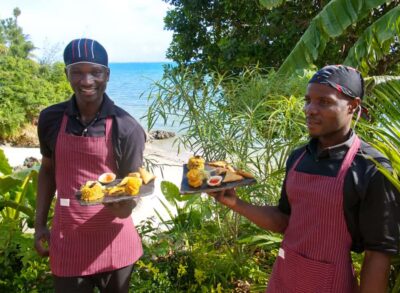
The fruit adds a pleasant change from the sharper spices. Coconut, papaya, jackfruit, oranges, pineapple, guava, and avocado may appear during the visit. One account describes a fresh-fruit tasting at the end of the walk, which sounds like a fitting finish after time in the sun.
Food and drinks are not included as a general tour feature, so you should not treat this as a meal. The tasting is part of the guided farm experience, not a substitute for lunch. If you need a full meal, plan that separately in Stone Town.
Same country, a completely different kind of safari:
- From Zanzibar: Mikumi Safari Day Trip with Flights and Meal
★ 4.7 · 1,470 reviews - From Zanzibar: Day Selous Game Reserve Safari with Flights
★ 4.7 · 1,025 reviews - Quad Adventures in Zanzibar: Nungwi / Kendwa
★ 4.9 · 640 reviews - Stone Town Private Walking Tour
★ 5.0 · 371 reviews
The coconut-climbing display and the tip question
A coconut palm climb may be offered as part of the farm presentation. It can be fun to watch, but it is also where the money side of the experience can become unclear.
The stated price includes tips for farm workers, so you should not feel obliged to carry extra cash for ordinary farm assistance. At the same time, some visitors have encountered separate requests for tips involving a guide, an assistant, or a person who climbed a palm without being asked.
I would settle this politely at the start. Ask your guide exactly what is covered by the $35 price and which, if any, optional performances carry a separate tip expectation. This small conversation can prevent an awkward finish and helps you decide what you want to accept.
The final spice stall and buying advice
The tour ends at a spice stall selling fresh, packaged spices. This is a practical stop if you want to take Zanzibar flavors home, but it also means the outing has a clear shopping component.
Payment at the stall is cash only. Bring enough local cash if you plan to buy something, but do not feel that purchasing is required. You have already paid for the walking tour, entry, guide, and transport.
The sales stop is one reason the outing may not suit you if you want a strictly educational farm visit. Some people enjoy browsing and choosing spices after seeing the plants. Others feel the visit shifts too far toward selling, especially if several people ask for tips along the way.
I suggest treating the stall as optional in your mind. Enjoy the walk first, then buy only what you actually want. A small packet of a spice you saw growing can be a useful souvenir, but it should not determine your view of the whole tour.
Is $35 good value for three hours?
At $35 per person, the price covers hotel pickup and drop-off in Stone Town, farm entrance, and a live guide. For a private group, that is a reasonable package if you value convenience and do not want to arrange transport separately.
The value is strongest when you want a short outing with several elements in one booking. You get a drive from Stone Town, a guided farm walk, plant explanations, spice and fruit tastings, and a return to your hotel. Buying the same pieces independently could take more planning.
The value is weaker if you judge the price by walking time alone. The farm portion may last around two hours, with the rest used for transport, and some accounts put the full outing at no more than two and a half hours. You are paying for ease and a private guide, not for a full day at a large plantation.
The experience also earns a respectable overall rating of 4.3 from 45 ratings, though the range is wide. High marks tend to focus on the interesting plants, clear organization, and useful information about the island. Lower marks focus on short duration, sales pressure, extra tip requests, and guides who did not respond well to questions.
That spread tells you how to book it. If your expectations are modest and specific, the price makes sense. If you want a detailed study of commercial spice production, you may find the visit too light.
Who will enjoy this walking spice tour?
I would recommend it to food-minded visitors, first-time visitors to Zanzibar, couples, families with older children, and anyone with only a few hours free from Stone Town. You get a clear introduction to the crops without committing a whole day.
It is also a good choice if you prefer a private group. You can ask your own questions and move at a more personal pace than on a large shared excursion. The four language options make it easier to match the tour with your preferred guide language.
You should think twice if you have serious back problems, since the experience involves walking around a farm. It is not suitable for wheelchair users, babies under one year, or people over 95. Comfortable shoes are important, and a camera is worth bringing.
This is not a good match if your main goal is to see spice drying, processing, or large-scale plantation operations. Those elements are not promised, and some people specifically found that they were not part of the visit.
Practical ways to make the outing better
Wear shoes you can walk in comfortably. The tour takes place outdoors on a farm, so practical footwear will serve you better than sandals with poor support.
Bring a camera, but also keep your hands free enough to smell and handle plants. The most memorable parts are small: the shape of a turmeric plant, the scent of crushed lemongrass, or the contrast between a familiar spice and its living form.
Ask your guide for the names of each plant and how it is harvested. If you want more than identification, ask specifically about drying and processing. This gives you a better chance of turning a basic plant walk into a more useful agriculture lesson.
Keep cash for the spice stall, but decide your shopping budget before you arrive. Also clarify the included tip arrangement at the start. The price includes tips for farm workers, but separate tip requests have caused confusion for some people.
The tour offers free cancellation up to 24 hours before departure and allows you to reserve now and pay later. Starting times depend on availability, so check the schedule before building the rest of your Stone Town day around it.
Should you book the Tangawizi Spice Farm walk?
Book it if you want a convenient, private, three-hour introduction to Zanzibar’s famous crops. The combination of hotel pickup, a multilingual guide, hands-on spice tasting, tropical fruit, and a short drive makes it a practical choice for a first visit.
Go in expecting a guided farm walk, not a long plantation expedition. You may see many plants and learn where common spices come from, but the visit can include a sales stop and may not cover processing in detail.
The best booking decision comes down to your priorities. Choose this tour for sensory learning and convenience. Skip it if you dislike shopping stops, want a rigorous farming tour, or expect every guide to handle detailed follow-up questions. At $35, it is fair value when you understand exactly what you are buying.
FAQ
Where does the Zanzibar spice tour begin?
Pickup begins at your hotel in Stone Town.
Where does the tour finish?
The tour returns you to your Stone Town hotel.
How long does the experience last?
The advertised duration is three hours. The time spent at the farm may be closer to two hours, with driving included in the overall outing.
What farm will I visit?
The walking tour visits Tangawizi Spice Farm.
Which spices and plants can I see?
You can see and smell cloves, lemongrass, nutmeg, cinnamon, turmeric, vanilla, chili, black pepper, cardamom, and curry. The farm also has tropical fruit and crops such as coconut, papaya, jackfruit, cassava, oranges, pineapple, guava, and avocado.
Are food and drinks included?
Food and drinks are not included. Spice and tropical-fruit tastings are part of the farm visit.
Which languages are available?
Live guides are available in English, German, French, and Italian.
Is the tour private?
Yes. The activity is offered for a private group.
Can I cancel the booking?
You can cancel up to 24 hours in advance for a full refund. You can also reserve now and pay later.
More Walking Tours in Zanzibar City
- Zanzibar: 3 Hours Private Stone Town walking Tour with Guide
★ 4.6 · 301 reviews - Zanzibar: Stone Town Historical Cultural Walking Guided Tour
★ 4.5 · 179 reviews - Zanzibar: Spice Tour & Stone Town Walking Tour
★ 4.8 · 115 reviews - Stone Town’s Hidden History: Private Guided Walking Tour
★ 4.6 · 94 reviews
Just added around Zanzibar City
- Zanzibar: Mikumi Wonderful Safari with Open Jeeps★ 4.9 · 15 reviews
- Zanzibar: Maalum Cave Natural Swimming Pool Tour in Paje★ 4.4 · 3 reviews
- Zanzibar: Jozani Forest Watching Colobus Monkeys Guided Tour★ 4.1 · 7 reviews
- Zanzibar: Jozani Forest, Salaam Cave & The Rock Restaurant★ 3.0 · 4 reviews
- Zanzibar: Jozani Forest Guided Tour,Red Colobus and transfer★ 3.9 · 6 reviews
- Zanzibar: Jozani Chwaka Bay National Park and Spice Farm …★ 4.6 · 5 reviews
- Zanzibar: Horse Riding and Kayaking with Video and Photos★ 4.9 · 10 reviews
- Zanzibar: Half-Day Private in Prison Island Tours★ 5.0 · 4 reviews
Zanzibar Spice Farm Tours, compared.

Stone Town, Spice Tour, Prison Island with Lunch
Read our review →
Stone Town, Spice tour & Prison Island with Lunch
Read our review →
Full-Day Private Stone Town +Spice Farm and Prison Island Tour
Read our review →


The Swahili Spice Experience – Spice Tour + Culinary Journey
Read our review →Browse the lists this tour appears in