
Reviewed · ZANZIBAR SPICE FARM TOURS
Traditional Zanzibar Cooking Class including Spice Tour
Zanzibar’s spices make the best introduction here. At a farm in Kizimbani, about 15 kilometers northeast of Stone Town, you can smell, taste, and harvest ingredients before using them in a traditional meal. I especially like the farm-to-table connection and the chance to learn directly from a local woman rather than only watching a cooking demonstration.
I also like the private format, air-conditioned transport, and four-and-a-half-hour schedule. The main point to consider is the cooking setting. It may be held in a boarding-house-style home where people come and go, rather than in a quiet private kitchen.
Key Points to Know Before You Book
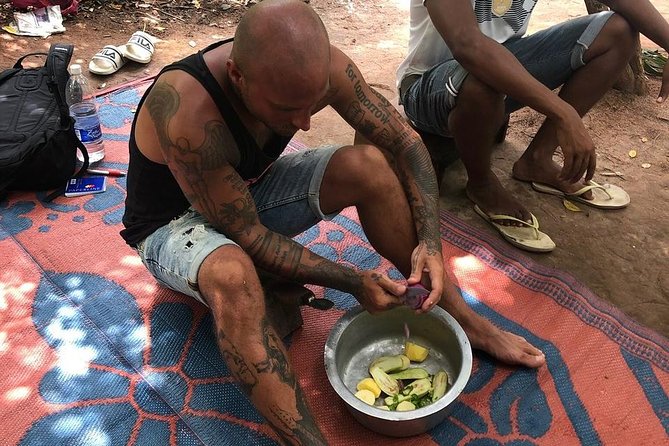
- Spice farm in Kizimbani: Walk among Zanzibar’s spices and fruits, then collect ingredients for the meal.
- Hands-on cooking: A local woman teaches you how to prepare and cook traditional Zanzibari food.
- Private experience: Only your group takes part, allowing more personal attention from the guide and hosts.
- Guide and host names: Guide Lukem and a farm host named Hassan have led some departures, though staff may vary.
- Half-day timing: The trip begins at 9:30 a.m. and normally returns to Stone Town or your hotel around 2 p.m.
- Strong overall rating: The experience is rated 4.6 out of 5, with 93 percent of participants recommending it.
Why Zanzibar’s Spice Farms Make a Good First Stop
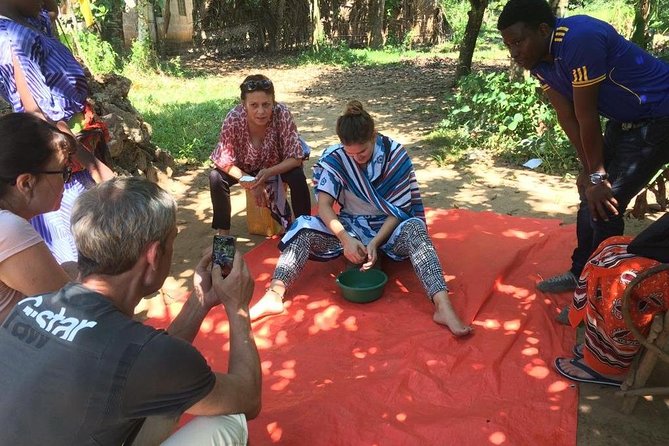
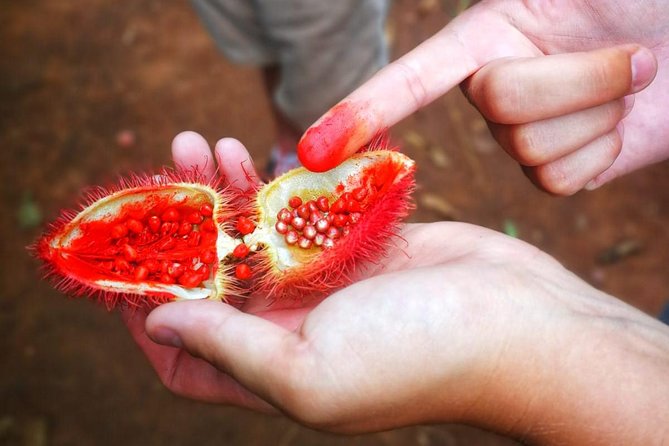
Zanzibar is closely associated with cloves, cinnamon, vanilla, and other spices, but a spice tour gives you more than a list of ingredients. You get to see the plants themselves, handle them, and notice how different fresh leaves, bark, roots, seeds, and fruit smell before they reach a kitchen.
I like that this tour does not separate the farm visit from the meal. The ingredients you collect are not simply props for a demonstration. They become part of the cooking class, giving the morning a clear purpose and making the food easier to understand.
The farm is in Kizimbani, around 15 kilometers northeast of Stone Town. That short drive takes you away from the city and into a rural setting, while still keeping the entire activity within a manageable half-day. You do not need to give up a full day of sightseeing to take part.
At the farm, your guide leads you through the growing areas and explains how spices and fruits are used. You should expect plenty of sensory stops, with chances to smell and taste the plants. The tour also includes harvesting the key ingredients needed for the cooking lesson.
One useful detail is the human element. Guide Lukem has led a visit to Malanga Spice Farm, a local cooperative, while Hassan has hosted the farm walk and explained the plants. Staff can vary by departure, but these names give you a sense of the local, hands-on nature of the experience.
More Zanzibar Spice Farm Tours in Zanzibar
- Spice Tour + Stone Town Tour + Prison Island
★ 4.5 · 130 reviews - Zanzibar: Stone Town & Spice Farm Tour with Lunch
★ 4.5 · 97 reviews - Zanzibar:Stone Town & Spice Farm Private Tour Lunch Included
★ 4.2 · 94 reviews
From Stone Town to Kizimbani at 9:30
The morning starts at 9:30 a.m. from Kajificheni Street in Zanzibar. Pickup is offered, and the ride is in an air-conditioned vehicle, which matters in Zanzibar’s heat. You can also arrange to finish back at the meeting point or at your hotel, according to the stated plan.
The drive is part of the practical value here. Instead of arranging a taxi to a farm, finding the entrance, and working out a return trip, you have transport built into the experience. The private format also means your group is not combined with a large busload of strangers.
You should still confirm your pickup details before the morning begins. The formal meeting point is Kajificheni Street, while the description also refers to hotel pickup. That is not a major concern, but clear arrangements help avoid a slow start.
The scheduled return is around 2 p.m. That leaves time for an afternoon in Stone Town, a later meal, or a quiet break at your hotel. I would choose this tour early in a Zanzibar stay if possible, since it gives you useful context for the spices and flavors you may encounter elsewhere.
Walking, Smelling, and Harvesting at the Farm
The spice walk is not just a sightseeing stop with plants placed along a path. The aim is to show how the ingredients grow and how they are used. You can expect to smell and taste several spices and fruits, with the guide explaining their role in local cooking.
This is where the tour earns much of its appeal. A jar of ground spice tells you very little about the plant it came from. Seeing the source and handling fresh ingredients gives you a better sense of their character and helps you remember what you learned.
The harvesting element also keeps the visit active. You are not only listening while someone else does the work. You collect some of the ingredients that will later be used in the cooking class, creating a direct link between the farm and the table.
The pace should suit you if you enjoy short walks and hands-on stops rather than a formal lecture. The published details do not specify the length or difficulty of the walk, so anyone with particular mobility needs should ask the operator before booking.
I would bring comfortable shoes, sun protection, and water, although the provided information does not list a required packing list. The farm visit takes place outdoors, so your comfort will depend partly on the day’s weather and how well you prepare for the heat.
Cooking a Zanzibari Meal With a Local Teacher
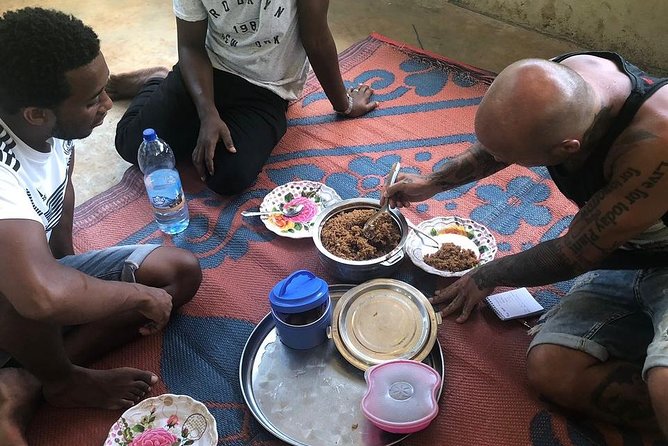
After the farm, the experience moves into the cooking class. A local woman shows you how to prepare and cook traditional food, using the spices and other ingredients collected earlier. You then sit down and eat the meal together with your hosts.
That shared meal is an important part of the experience. You are not simply handed a plate at the end. You take part in the preparation, see how the ingredients come together, and get to taste the result while the instructions are still fresh in your mind.
The exact menu is not specified, so you should not book this expecting a fixed list of dishes. Instead, think of it as an introduction to local home cooking, with the ingredients and methods shaped by the host and the day.
I like this approach because it gives you a more useful memory than a polished restaurant meal. You may not leave with a printed recipe, but you will have a clearer feel for the spices, preparation, and shared work behind Zanzibari food.
The cooking class has received especially warm praise for the friendliness of the staff, the patience of the local hosts, and the quality of the finished food. French-speaking participants have also described the welcome and shared cooking as a strong part of the morning, suggesting that the social side matters as much as the instruction.
Same country, a completely different kind of safari:
- Zanzibar: Quad Bike Adventure departing from Kendwa or Nungwi
★ 4.9 · 1,233 reviews - Zanzibar: Prison Island and Nakupenda Boat Trip with Lunch
★ 4.1 · 882 reviews - Skydive Zanzibar | Tandem Skydive
★ 5.0 · 877 reviews - Mnemba Island: Dolphin Swim & Snorkeling with Optional Lunch
★ 4.3 · 591 reviews
The Cooking Location May Affect Your Experience
The setting deserves an honest note. Some departures appear to use a local home, while one account describes a boarding-house-style setting where people came and left during the class. That can make the experience feel less private and less orderly than a dedicated cooking school.
For some people, this is part of the appeal. A working home or shared local setting can feel more connected to daily life than a purpose-built tourist kitchen. You may see a less polished environment, but you may also get a more direct look at how food is prepared outside a formal restaurant.
For others, interruptions can be distracting. If you want a structured lesson with a set menu, quiet workstations, and a polished teaching space, this may not be the right choice. I would treat the cooking class as a cultural exchange with practical instruction, not as a professional culinary course.
The private booking helps, since only your group participates in the activity. Still, private does not always mean completely secluded, especially if the class takes place in a home or shared property. Ask about the planned cooking location if that detail matters to you.
What the $68 Price Really Includes

At $68 per person, this is not the cheapest way to spend a morning in Zanzibar. Its value comes from combining several services: transport, a guided spice farm visit, ingredient harvesting, a cooking lesson, and a shared meal.
If you arranged each part separately, you would need to find transport to Kizimbani, locate a suitable farm, arrange a cooking host, and plan your return. The private vehicle and coordinated schedule save you that effort. The air conditioning is also a welcome practical benefit in a hot climate.
The price makes more sense for couples, families, and small groups who prefer a private outing. Group discounts are available, so the cost may work better when several people book together. You also avoid paying for a full-day tour when the activity ends around 2 p.m.
I would compare this with your other Zanzibar plans. If you already have a separate spice farm visit, this package may repeat part of your itinerary. If you have not yet explored the island’s food traditions, combining the farm and kitchen in one morning gives you more depth than a brief stop at a spice plantation alone.
The 4.6 out of 5 score and 93 percent recommendation rate point to a consistently positive experience, but the small number of published ratings means I would not treat the score as a guarantee. The strongest pattern is clear: people value the friendly staff, explanations of the plants, hands-on cooking, and shared meal.
Who Will Get the Most From This Tour

I would recommend this experience most strongly if you enjoy food, local agriculture, and small-group activities. It suits you if you want to do more than photograph spice plants and would rather harvest ingredients, cook, and eat with local hosts.
Families may also like the variety. The morning changes from driving to walking, tasting, harvesting, preparing, and eating. That mix can be more engaging than a long talk, although younger children may need help during the farm walk and cooking session.
Couples and small private groups should appreciate the personal format. You can ask questions without competing with a large crowd, and the guide can give more attention to your group’s interests.
It is less suitable if you want a high-end cooking school, a fixed menu, or a perfectly quiet setting. The cooking environment can be informal, and the precise dishes are not listed in advance. That uncertainty is part of the local character, but it will not suit every style of holiday.
The tour also works well for people with limited time in Zanzibar. A 9:30 a.m. start and return around 2 p.m. leave room for Stone Town afterward. The activity is available daily, and confirmation is sent when you book.
Practical Details for a Smoother Morning
Wear clothing you can move around in and shoes suitable for a farm visit. The supplied information does not set out a dress code, but you will be more comfortable if you are prepared for outdoor walking and kitchen work.
Tell the provider about any food concerns before the class if you have them. The available details do not list dietary substitutions or a specific menu, so you should not assume every request can be handled without advance notice.
The activity is available Monday through Sunday, with operating hours listed as 9 a.m. to 6 p.m. The actual experience begins at 9:30 a.m., so plan to be ready before then if you are using pickup.
Public transportation is nearby, but the tour includes transport in an air-conditioned vehicle. The private arrangement is the simpler choice for most people, especially if you are staying in Stone Town or at a hotel and do not want to navigate the trip yourself.
You receive confirmation at booking. Free cancellation is available if you cancel at least 24 hours before the start time. Within 24 hours, the payment is not refunded and changes are not accepted, with cut-off times based on Zanzibar’s local time.
Should You Book This Zanzibar Cooking Class?
I would book it if you want a practical, social way to understand Zanzibar’s spices. The farm walk gives the food context, the harvesting makes the visit hands-on, and the cooking class turns that knowledge into a meal you can share with local hosts.
I would pause if your main goal is a formal culinary lesson. The setting may be informal, the menu is not fixed in the available details, and people may come and go during the cooking session. Ask about the host and kitchen arrangement before paying if privacy is important to you.
For most visitors, the combination is the reason to choose this tour. You get a private half-day outing, air-conditioned transport, a farm visit, local instruction, and lunch for $68 per person. Book it when you want a taste of Zanzibar that reaches beyond Stone Town’s streets and into the plants, kitchens, and people behind the island’s food.
FAQ
Where does the tour begin?
The stated meeting point is Kajificheni Street in Zanzibar, Tanzania. Pickup is also offered, so confirm the exact collection point when you book.
What time does the experience start?
The trip begins at 9:30 a.m.
What time does the tour usually finish?
The return to Stone Town or your hotel is planned for around 2 p.m., making the total duration about four and a half hours.
Where is the spice farm?
The selected farm is in Kizimbani, approximately 15 kilometers northeast of Stone Town.
Is transportation included?
Yes. The experience includes travel in an air-conditioned vehicle.
Is this a private tour?
Yes. Only your group participates in the activity.
What happens during the spice tour?
You walk through the farm with a guide, smell and taste spices and fruits, and harvest key ingredients for the cooking class.
What happens during the cooking class?
A local woman teaches you how to prepare and cook traditional Zanzibari food. You then enjoy the homemade meal with your hosts.
How much does the experience cost?
The listed price is $68 per person. Group discounts are available.
Can I cancel for a refund?
Yes, if you cancel at least 24 hours before the experience starts. Cancellations made less than 24 hours in advance are not refunded, and changes within that period are not accepted.
More Workshops in Zanzibar
- Cooking Class Tour
★ 5.0 · 9 reviews - Spice Tour & Cooking Class in Zanzibar
★ 5.0 · 3 reviews - Spice Farm Tour with Traditional Cooking Lesson
★ 5.0 · 3 reviews - NGO Lifted Strong – Traditional Tanzanian Cooking Class
★ 5.0 · 39 reviews
More Cooking Classes in Zanzibar
- Zanzibar: Spice Farm Tour with Traditional Cooking Lesson
★ 4.8 · 77 reviews - Zanzibar Cooking Class & Spice Tour
★ 4.5 · 77 reviews - Half-Day Kuza Cave Swimming Adventure and Cooking Class
★ 4.5 · 44 reviews - Full-Day Private Tour in Zanzibar with Cooking Class
★ 5.0 · 11 reviews
Just added around Zanzibar
- Zanzibar: Maasai village and Nungwi turtles experience trip★ 4.9 · 16 reviews
- Zanzibar: Mnemba Atoll, Spice farm, Jozani forest & Lunch★ 3.9 · 3 reviews
- Zanzibar: Maasai World Tour with Cultural Practices★ 4.0 · 4 reviews
- Zanzibar: Kendwa Beach Professional Photoshoot★ 5.0 · 5 reviews
- ZANZIBAR: Jozani Forest,Salaam Cave, The Rock & Blue Lagoon★ 4.8 · 8 reviews
- Zanzibar: Jozani Red Colobos Monkey & Salaam Turtle Santuary★ 4.6 · 3 reviews
- Zanzibar: Jozani Forest Walking Tour★ 5.0 · 3 reviews
- Zanzibar: Jozani Forest,Red colobus,the Rock Restaurant tour★ 4.5 · 21 reviews
Zanzibar Spice Farm Tours, compared.

Stone Town, Spice Tour, Prison Island with Lunch
Read our review →
Stone Town, Spice tour & Prison Island with Lunch
Read our review →
Full-Day Private Stone Town +Spice Farm and Prison Island Tour
Read our review →


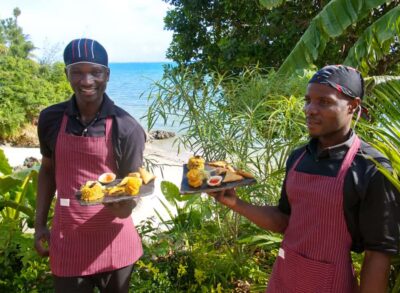
The Swahili Spice Experience – Spice Tour + Culinary Journey
Read our review →Browse the lists this tour appears in