
Reviewed · MARANGU ROUTE CLIMBS
Mt Kilimanjaro Climb – 6 days Marangu
The big draw here is the chance to reach Uhuru Peak, Africa’s highest point, on a six-day route that uses a steady hut-to-hut plan rather than tents alone. You begin in Moshi, pass through coffee country and rainforest, then cross giant heather, bare volcanic ground, and icy summit terrain.
I like the built-in acclimatization day at Horombo Hut, which gives your body a better chance to adjust before summit night. I also like the private format, with a guide focused on your group and a package that covers park fees, meals, drinking water, transport, oxygen, and an oximeter.
The main caution is the short schedule. Six days is not a leisurely climb, and the final ascent is a long night followed by a major descent. The Marangu Route is often called the easiest trail, but Kilimanjaro altitude makes no route easy.
Key points to know before booking
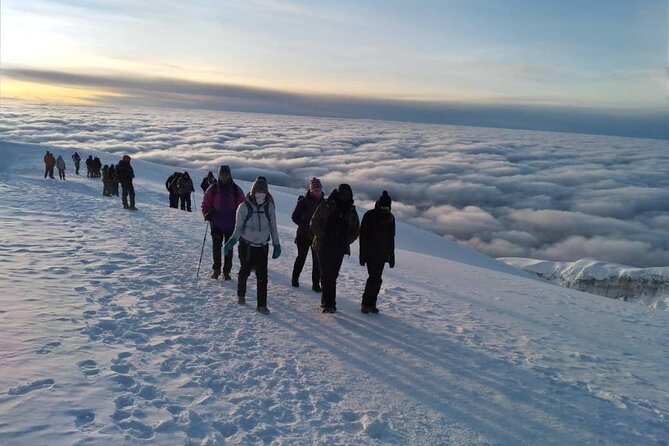
- Midnight summit attempt: Expect 6 to 7 hours to Uhuru Peak, usually over loose stone and steep switchbacks.
- One full acclimatization day: The walk toward Mawenzi Saddle is a useful part of the plan, not wasted time.
- Hut-based Marangu route: The itinerary describes dormitory huts, while the inclusions also list tents and mattresses. Confirm the exact sleeping arrangements before paying.
- Private guiding: Only your group participates, so the pace and communication can be more personal.
- Strong operator reputation: Nyange Adventures has a 4.9 rating from 12 reviews, with particular praise for guides, organization, and ethical porter treatment.
- Bring your own gear: Personal climbing equipment, travel insurance, tips, and pre- or post-climb lodging are extra.
What you are really paying for at $2,185.90
The price is $2,185.90 per person. That is not a bargain in the everyday sense, but it covers many of the unavoidable costs of a Kilimanjaro climb.
The package includes park entry, camping and forest fees, rescue fees, government taxes, transport to and from the gate, five nights of accommodation, meals, drinking water, a professional guide, and a support team. It also includes an oxygen cylinder and pulse oximeter. Those items matter because this is a high-altitude trek, not simply a long walk in a national park.
You also receive breakfast, lunch, and dinner throughout the climb. A mess tent, mattresses, and camping equipment are listed among the inclusions, although the day-by-day plan describes Marangu huts with dormitory-style rooms. That difference deserves a clear question before booking. Marangu is famous for hut accommodation, so ask Nyange Adventures whether your particular departure sleeps in huts, tents, or a mixture.
The price does not include tips for your guide, cook, or porters. It also excludes personal mountain clothing and equipment, travel insurance, airport transfers, and nights before or after the climb. Those extras can add up, especially if you need to rent or buy cold-weather gear.
I see the value in the package if you want one company to organize the permits, meals, gate transfers, guide, and mountain support. You are paying for logistics as much as for the hike itself. The private format adds value for people who want direct communication with a guide, though solo climbers and couples should compare the cost against a shared group departure.
More Kilimanjaro Climbs in Kilimanjaro
- Kilimanjaro climb by Lemosho Route (7-day)
★ 5.0 · 651 reviews - Kilimanjaro climb, Machame Route (7-day)
★ 5.0 · 262 reviews - Kilimanjaro Climbing Lemosho Route 8 Days.
★ 5.0 · 186 reviews
Day 1: Marangu Gate to Mandara Hut through rainforest
Your morning starts with pickup from your Moshi hotel or hostel. The drive to Marangu Gate takes about 45 minutes, and the stated meeting time is 8:30 a.m. At the gate, registration and park formalities come first.
The trail gains about 870 meters, or 2,900 feet, over 4 to 5 hours. This is the most generous part of the walk in terms of scenery. You pass through Montane Forest, coffee plantations, dense rainforest, and a trail described as well maintained.
Keep your eyes up in the trees. Black-and-white colobus monkeys may appear, and the forest has many brightly colored bird species. Your guide is expected to explain local plants and wildlife, so this is a good day to ask questions and settle into the walking pace.
Mandara Hut is your first overnight stop. The itinerary describes dormitory accommodation, hot food, and basic mountain facilities. The first day is not technically the hardest, but wet forest conditions and a steady uphill grade can feel demanding if you have arrived in Moshi without much rest.
Wear footwear with good grip and keep rain protection handy. Even when the day begins clear, rainforest weather can change quickly.
Day 2: Moorland, giant plants, and Horombo Hut
Day two is longer and steeper. You gain about 1,020 meters, or 3,300 feet, and walk for 6 to 8 hours toward Horombo Hut.
The forest gradually gives way to moorland. The scenery opens into rolling alpine meadows with giant heather, giant lobelia, and giant groundsel. Some of these plants can reach about 16 feet, which makes this section feel far removed from the tropical forest below.
This change in plant life is one of the pleasures of climbing Kilimanjaro. You are not walking through one unchanging zone. The mountain shifts around you as temperature, altitude, and vegetation change.
Horombo is an important stop because you spend two nights here. The plan includes hot water for washing, dinner, and a dormitory rest. Facilities are limited, so keep your expectations practical. This is a mountain base, not a lodge.
The day’s distance and elevation gain can expose weaknesses in pacing. Walk slowly from the start. The local phrase pole pole, meaning slowly slowly, is not just a slogan. It is useful altitude advice.
Day 3: The Horombo acclimatization walk
The extra day at Horombo is one of the best features of this itinerary. You take a 4 to 5-hour round-trip walk near the huts instead of moving directly higher.
The usual objective is the Mawenzi Saddle, with Zebra Rocks along the way. This gives you more time at altitude while returning to the same sleeping place. You can hike, eat, drink, and rest without also needing to carry on to a new camp that evening.
That schedule matters. Altitude sickness can affect fit people, and there is no guarantee that a strong hiking background will protect you. Drink enough water, keep your guide informed about symptoms, and do not treat a headache or unusual tiredness as something to hide.
Your guide’s role becomes especially important here. Nyange has assigned guides such as Musa, Freddy, Benny, Eric, Nicolas, Francis, and Steven on past trips, but your guide is assigned for your departure. The operator’s reviews place strong emphasis on careful instruction, friendly support, route explanations, and attention to the group.
The sensible approach is to use day three as a real adjustment day. Do not race to the saddle to prove a point. The summit is still ahead.
More Marangu Route Climbs in Kilimanjaro
- Kilimanjaro climb, Marangu route (6-day)
★ 5.0 · 72 reviews - Climbing Kilimanjaro – Marangu Route
★ 5.0 · 65 reviews - Best Kilimanjaro Adventures 6 Days Marangu Route Experience
★ 5.0 · 18 reviews - Kilimanjaro Private Climbing in 6 Days Marangu Route
★ 5.0 · 16 reviews
Day 4: The alpine desert route to Kibo Hut
After breakfast, you continue upward for 6 to 8 hours, gaining about 980 meters, or 3,200 feet. The trail leaves the heathland and enters the broad saddle between Mawenzi and Kibo.
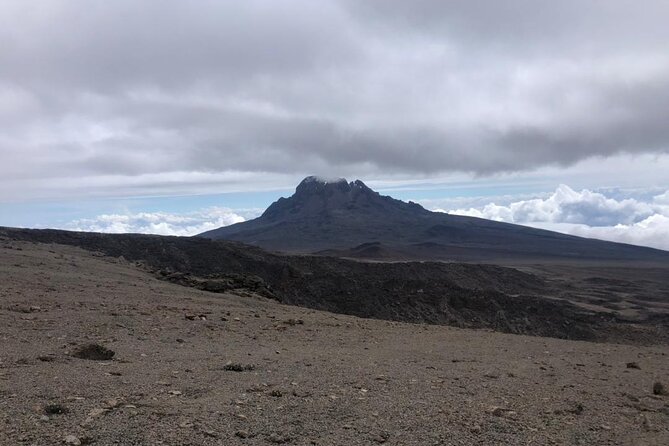
The terrain becomes increasingly bare and volcanic. The itinerary describes an almost lunar setting, and that is a fair way to picture the open ground around Kibo. Views of the summit improve, but vegetation fades and shelter becomes scarce.
This is the day to pay close attention to your body. You may notice altitude symptoms as you climb. Tell your guide what you are feeling, even if the symptoms seem minor. The package includes an oxygen cylinder and oximeter, but those are safety tools, not a substitute for honest communication or a cautious decision.
Kibo Hut has drystone walls, dormitories, and limited facilities. You arrive with summit night in mind, so the evening is short. Eat, organize your clothing, fill your water, and rest as much as possible before the midnight start.
A sunrise wake-up is suggested earlier in the climb, and the high open terrain can offer excellent photo conditions. At Kibo, though, practical preparation matters more than taking every possible picture.
Day 5: Stella Point, Uhuru Peak, and the long return
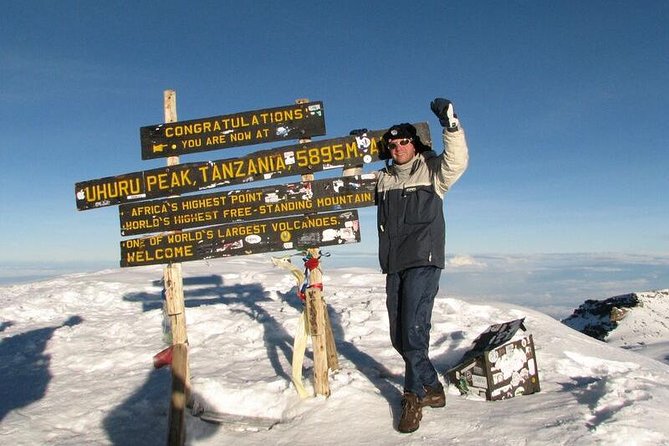
Summit day is the physical center of the whole experience. You leave just before midnight and begin the steep ascent in darkness.
The route heads northwest over heavy stone scree, using switchbacks between the Ratzel and Rebmann glaciers. You climb about 1,295 meters, or 4,200 feet, to reach Stella Point at 5,685 meters. This is described as the toughest section, and the loose rock, cold, darkness, and altitude combine to make it slow work.
The stated walking time is 6 to 7 hours to Uhuru Peak. Keep your pace controlled and follow the guide closely. The point of a private climb is not to rush. It is to receive direct help with pace, breaks, symptoms, and the decision-making that high altitude demands.
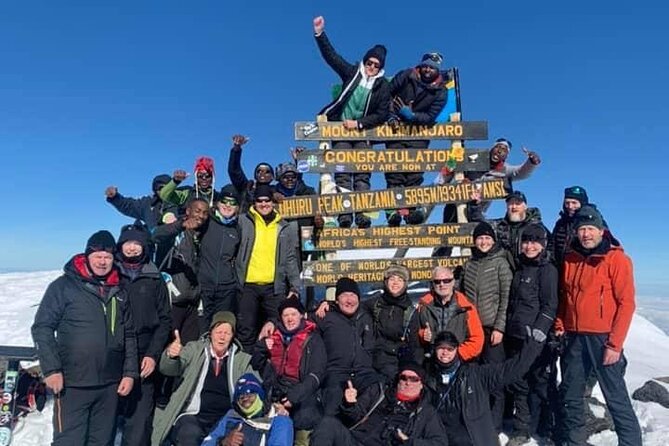
From Stella Point, you continue around the crater rim toward Uhuru Peak. The summit section is still strenuous, even after reaching Stella Point. If you make it to Uhuru, you have reached the top of Mount Kilimanjaro.
Then comes the part many first-time climbers underestimate: the descent. You lose about 2,785 meters, or 9,100 feet, on the day and continue for another 5 to 6 hours to Horombo Hut. The total day is listed at about 13 hours.
That makes summit day a test of endurance, not just summit strength. Your knees and feet may suffer on the way down, and the lack of sleep makes everything harder. Pack snacks you can eat easily, protect your hands and face from cold, and keep your clothing layers organized before bed at Kibo.
Day 6: Forest descent and the return to Moshi
After breakfast at Horombo, you walk downhill through the forest for 5 to 7 hours. The elevation loss is about 1,890 meters, or 6,200 feet.
This is the least complicated walking day, but tired legs can make a long descent uncomfortable. Trekking poles can help, especially after the demanding summit day. The return through rainforest also gives you a pleasant change from the stark upper mountain.
At Marangu Gate, climbers who reached Stella Point and Uhuru Peak receive certificates. Then transport takes you back to your hotel for a shower, dinner, and a celebratory Kilimanjaro beer.
That final drive is more than a transfer. It marks a sharp return to ordinary comfort after several days of basic facilities, shared sleeping space, altitude, and early starts.
Why the private guide matters
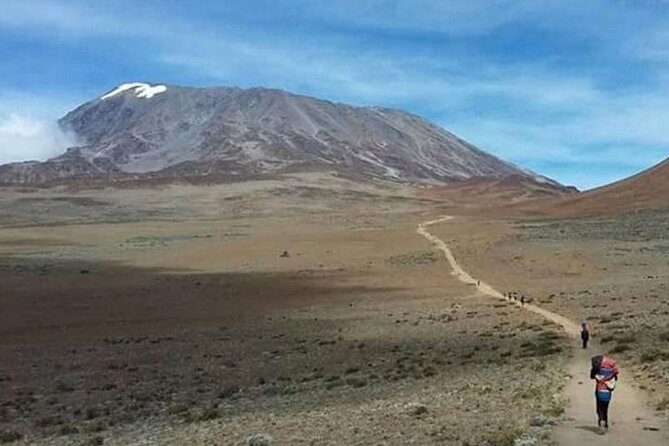
A private trip means only your group participates. That can make a real difference on a mountain where people respond differently to altitude and fatigue.
You can ask for explanations about the forest, animals, plants, glaciers, and route. You can also speak openly about headaches, nausea, exhaustion, or anxiety without feeling that you are slowing down a large group.
The operator’s strongest praise centers on its guides and support team. Names connected with previous climbs include Musa, Freddy, Benny, Eric, Nicolas, Francis, and Steven. The feedback highlights patient instruction, friendliness, mountain experience, and help with pacing.
The support structure also includes cooks and porters. Nyange states that team salaries follow KPAP guidelines, which is important if you want your money to support more ethical trekking practices. You should still budget for tips. Tips are not included, and they are a normal part of recognizing the work of the mountain crew.
What to pack and what to confirm
Your personal climbing equipment is not included. The information does not provide a gear list, so ask for one before departure and confirm what can be rented locally.
At minimum, your planning should account for changing conditions from rainforest to Arctic cold. You will need suitable walking clothes, waterproof protection, warm summit layers, personal items, and a way to carry water and snacks. Do not assume that the included oxygen cylinder means you can bring less warm clothing.
Also confirm these points:
- The exact sleeping arrangement, since the plan describes huts while the inclusions list tents and mattresses
- The number of people in your private group
- Which meals are supplied on each day
- The tipping guidance for guides, cooks, and porters
- What transport is included if you arrive through Kilimanjaro International Airport
- Any gear rental options available through the operator
The booking includes free cancellation up to 24 hours before the experience begins. Changes or cancellations made inside that window are not accepted for a refund.
Who should choose this six-day climb?
This trip suits you if you want the classic Marangu Route, prefer a private guide, and value having the major permits and meals organized in one package. It is also a good match if a hut-based route appeals to you more than sleeping in tents, though you should confirm the accommodation details.
You need a moderate level of physical fitness. The itinerary includes several 6 to 8-hour walking days and a summit day of about 13 hours. You do not need to be an elite athlete, but you do need patience, stamina, and the willingness to walk slowly.
This may not suit you if you want a relaxed mountain holiday, dislike dormitory accommodation, or have no time for careful acclimatization. Six days is workable, but it leaves little room for delays, illness, or a slower pace.
The operator’s overall rating is 4.9 from 12 reviews, with 100 percent recommending the experience. The most consistent strengths are organization, guide support, ethical treatment of the mountain crew, and a friendly approach. One useful note is that occasional delays can occur, so keep your schedule flexible after the climb.
Should you book the Marangu Route with Nyange Adventures?
I would consider this tour if you want a private, well-supported Kilimanjaro climb with an acclimatization day built in. The package covers the expensive core pieces, and the guide team has earned especially strong praise for care, instruction, and personal attention.
I would not book without first confirming the hut and tent details, the gear plan, and the expected tipping budget. If those points are clear and you can handle the long summit night, this six-day Marangu climb offers a practical route to Uhuru Peak at a price that makes sense for a private, fully organized ascent.
FAQ
How long is the Kilimanjaro climb?
The experience lasts approximately six days, including the ascent, an acclimatization day, the summit attempt, and the descent to Marangu Gate.
Where does the climb begin?
Pickup is offered from your hotel or hostel in Moshi, and the group drives about 45 minutes to Marangu Gate. The listed start time is 8:30 a.m.
Is accommodation included?
Yes. Five nights of accommodation are included. The itinerary describes dormitory-style mountain huts, while the inclusions also list camping facilities, tents, mattresses, and a mess tent. Confirm the exact arrangement before booking.
Is food and drinking water included?
Yes. The package includes breakfast, lunch, dinner, and drinking water. Meals are listed using B for breakfast, L for lunch, and D for dinner.
Is personal climbing equipment included?
No. You must provide or arrange your own personal mountain climbing gear and equipment. Travel insurance is also not included.
Can I cancel for a full refund?
You can cancel up to 24 hours before the experience start time for a full refund. Cancellations or changes made less than 24 hours before the start time are not accepted for a refund.
More Marangu Route Climbs in Moshi
- 6 Days Climb Kilimanjaro Through Marangu Route
★ 4.5 · 15 reviews - Top 6 Days Mt. Kilimanjaro Bike trek Tour by Marangu-Kilema Route
★ 5.0 · 15 reviews - 6 Days Mount Kilimanjaro Trek Marangu Route
★ 5.0 · 15 reviews - 5 Days Marangu Route Kilimanjaro hiking
★ 5.0 · 13 reviews
More Kilimanjaro Climbs in Moshi
- Kilimanjaro climb, Lemosho Route (8-day)
★ 5.0 · 148 reviews - Kilimanjaro climb, Lemosho Route (6-day)
★ 5.0 · 129 reviews - Private Kilimanjaro Hike 7 Day Lemosho Route
★ 5.0 · 60 reviews - Best Kilimanjaro hiking day trip tour with Kilinge Adventures
★ 4.5 · 54 reviews
Just added around Moshi
- Mt Kilimanjaro 6 days Marangu route hike★ 5.0 · 3 reviews
- Wildlife Extravaganza: Manyara, Tarangire & Ngorongoro in 3 Days★ 5.0 · 3 reviews
- Private Cycle to Kilimanjaro Bike Park Safari★ 5.0 · 6 reviews
- 3 Days Private E-Bike Tour in West Kilimanjaro★ 5.0 · 3 reviews
- West Kilimanjaro cycling Adventures★ 4.5 · 8 reviews
- machame route★ 5.0 · 16 reviews
- Kilimanjaro Climb & Safari – Lemosho Route – 13 Day★ 5.0 · 10 reviews
- Kilimanjaro Climbing Umbwe Route★ 5.0 · 3 reviews
Marangu Route Climbs, compared.



Private Full Day Hiking Experience to Marangu Route
Read our review →
From Arusha/Moshi: Kilimanjaro Hike Marangu Route Day Trip
Read our review →
Mount Kilimanjaro Day Hike Through Marangu Route to Mandara Hut
Read our review →

Best Kilimanjaro Adventures 6 Days Marangu Route Experience
Read our review →
Kilimanjaro Private Climbing in 6 Days Marangu Route
Read our review →Browse the lists this tour appears in