
Reviewed · MARANGU ROUTE CLIMBS
6 Days Kilimanjaro Climbing Marangu Route
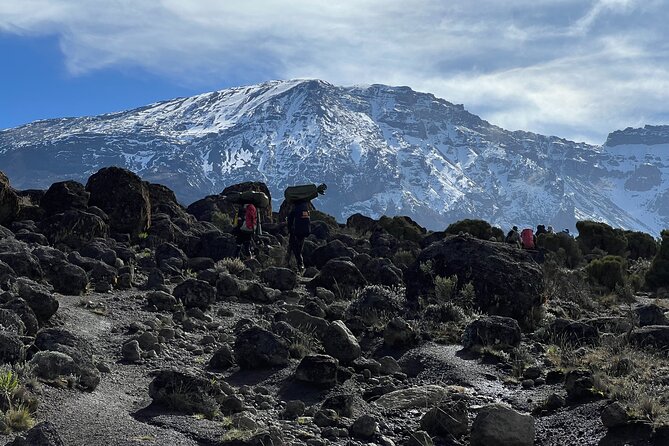
Mount Kilimanjaro’s Marangu Route is the mountain’s classic path, and its biggest practical advantage is simple: you sleep in huts rather than carrying a tent or crawling into one after a long day. The route moves from wet rainforest to open moorland, then across a stark high-altitude saddle before the final midnight climb.
I like the extra acclimatization night at Horombo, which gives your body more time to adjust before the summit attempt. I also like the broad support package: park fees, guides, porters, cooks, meals, purified water, airport transfers, and a private group are included. The main caution is the itinerary’s Day 5 and Day 6 accommodation details, which do not fully match the usual Marangu sequence, so confirm the overnight camps before paying.
Key points to know before you book
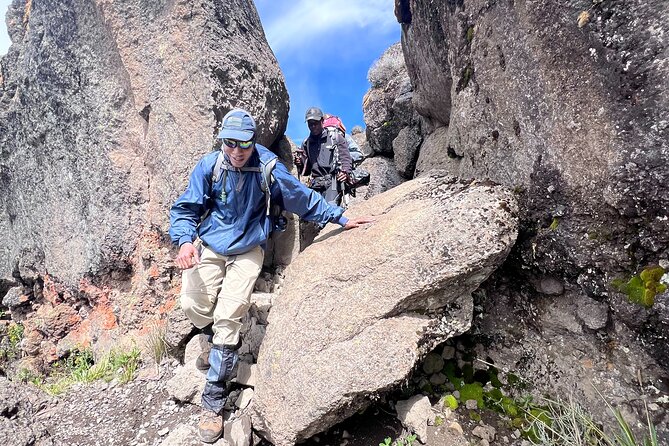
- Hut accommodation on the Marangu Route: You sleep at Mandara, Horombo, and Kibo Huts rather than in mountain tents.
- A useful acclimatization day: Day 3 gives you a second night at Horombo, with an optional walk toward Mawenzi Base Camp.
- A demanding summit night: The climb begins between midnight and 2 a.m., reaches Gillman’s Point around sunrise, and continues toward Uhuru Peak.
- Major terrain changes: You pass rainforest, heathland, moorland, an alpine desert-like saddle, snow, and muddy lower trails.
- Strong practical inclusions: Park fees, staff wages, six breakfasts, six lunches, six dinners, purified water, airport transfers, and certificates are included.
- Private group format: Only your own group takes part, and booking support is available from Godfrey.
Why the Marangu Route works for some climbers
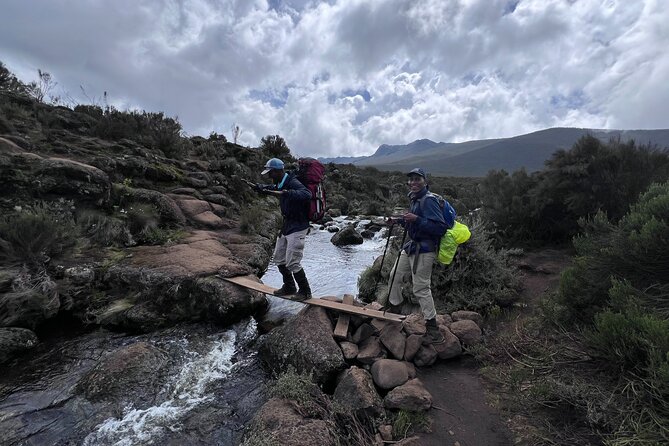
At $2,000 per person, this is not a cheap walk in the hills. Kilimanjaro requires park access, staff, food, transport, permits, and high-altitude support, so the price needs to be judged against what is covered rather than compared with a basic day hike.
Here, the main costs are bundled. You get professional mountain guides, porters, cooks, park fees, airport transfers, drinking water, and three meals each day. That makes the price easier to understand, especially if you are arriving from outside Tanzania and want the key arrangements handled in one package.
The private format is another plus. You are not placed into a large public group, so the pace and daily discussions can focus on your own condition. The available comments give particular credit to the guides and porters, and to Godfrey for helping with arrangements from the initial booking through the end of the trip.
The Marangu Route is often chosen because of its huts, but that convenience does not make the climb easy. The summit reaches 5,895 meters, or 19,341 feet. You gain altitude steadily, sleep above 4,700 meters before summit night, and then climb in darkness while tired and cold.
You should also know that the route returns by the same general corridor. It does not offer the loop-style variety found on some other Kilimanjaro routes. In return, you get a familiar, well-established path and indoor sleeping shelters.
More Kilimanjaro Climbs in Kilimanjaro
- Kilimanjaro climb by Lemosho Route (7-day)
★ 5.0 · 651 reviews - Kilimanjaro climb, Machame Route (7-day)
★ 5.0 · 262 reviews - Kilimanjaro Climbing Lemosho Route 8 Days.
★ 5.0 · 186 reviews
Day 1: Moshi to Mandara Huts through the rainforest
The first drive from Moshi takes about 45 minutes to the Kilimanjaro National Park entrance area. The route description also refers to passing through Machame, while the climb itself follows the Marangu side of the mountain, so it is sensible to confirm the exact pickup and gate details with Furaha Adventures before departure.
Park administration can take time. Permits must be issued, and you will see guides, porters, and other crews preparing loads and checking supplies. This is not wasted time. It gives you a first look at how much work supports a mountain climb.
From the gate, the trail enters thick rainforest. The elevation rises from about 1,905 meters to 2,723 meters, a gain of 818 meters. The walking time is listed at roughly five hours, though the exact pace depends on the group and trail conditions.
This lower section is attractive but often wet. Expect mud, slippery ground, and windy stretches. Gaiters and trekking poles are especially useful here, not as fancy extras but as simple tools that keep wet soil out of your boots and help with balance.
Your guide can point out local plants, animals, and the changing forest. The route feels shaded and enclosed at first, a gentle visual contrast with the exposed upper mountain still ahead.
Mandara Huts are the night’s accommodation. The supplied details describe hut accommodation here, while the package also mentions private, waterproof, four-season mountain tents. That wording is unusual for a hut route, so ask exactly where your group sleeps and what bedding is supplied.
Day 2: Heathland, giant plants, and Horombo Huts
Day 2 climbs from 2,723 meters to 3,721 meters, gaining almost 1,000 meters. Walking time is about six hours. After breakfast, the forest thins into heathland, where giant lobelias and groundsels become part of the scenery.
The change is gradual at first. Shrubs replace taller trees, and the views open up. Later, you enter broad moorland with low vegetation and much less shelter from the weather. This is a good day to settle into the group’s walking rhythm and keep your pace deliberately slow.
Lunch comes along the way, with views toward Mawenzi, Kilimanjaro’s sharply shaped second summit. You finish at Horombo Huts beneath the Kibo summit area. The temperature drops as the afternoon wears on, so keep a warm layer accessible rather than buried at the bottom of your bag.
Horombo is an important stop because the altitude begins to matter more here. A strong first day does not guarantee an easy second night. You may notice a slower pace, headaches, poor sleep, or reduced appetite. The sensible approach is to tell your guide early if you feel unwell and follow the group’s acclimatization plan.
Day 3: The extra Horombo night that improves your odds
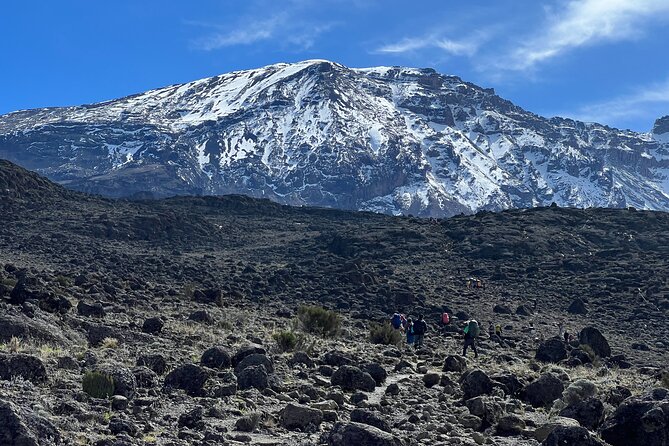
Day 3 is the part of this plan I like most. Instead of pushing straight from Horombo to Kibo, you spend a second night at Horombo Huts. The day can be used for rest or for a walk toward Mawenzi Base Camp before returning to the same hut.
That extra time matters because the body needs time to adjust to thin air. It also gives you a chance to see how you respond before the summit push. You are not simply losing a day. You are buying a better chance of making the final climb with a clearer head and steadier legs.
The day is listed as 12 hours, which likely reflects the full day’s possible activity and rest period rather than 12 hours of hard walking. Confirm the planned length of the optional outing with your guide. If you are tired, resting at Horombo is a perfectly sensible choice.
Mawenzi gives this day a strong visual focus. From the Horombo area, you can study its rocky slopes and the broad mountain setting around the huts. The weather can also teach you what to expect higher up, especially as temperatures change quickly.
More Marangu Route Climbs in Kilimanjaro
- Kilimanjaro climb, Marangu route (6-day)
★ 5.0 · 72 reviews - Climbing Kilimanjaro – Marangu Route
★ 5.0 · 65 reviews - Best Kilimanjaro Adventures 6 Days Marangu Route Experience
★ 5.0 · 18 reviews - Kilimanjaro Private Climbing in 6 Days Marangu Route
★ 5.0 · 16 reviews
Day 4: Crossing the saddle to Kibo Huts
After breakfast, the trail leaves the moorland behind. The ground becomes more open and severe as you cross the wide saddle between Mawenzi and Kibo. The elevation rises from 3,721 meters to 4,714 meters, another gain of about 993 meters.
The six-hour walk is not just about reaching Kibo Huts. It is also a mental preparation for the summit. From the saddle, you can look toward Kibo and study the route you will begin only a few hours later.
The terrain here is often described as a moonscape, with little vegetation and a large sense of space. Lunch is taken on the way, but do not expect much shade or shelter. Wind and cold can become more noticeable, even if the day began comfortably at Horombo.
At Kibo Huts, the schedule becomes unusual. You arrive in the afternoon, eat, and try to rest before the midnight start. Sleep may be short or broken. Pack your summit clothes, gloves, headlamp, water, and snacks where you can reach them easily.
The listed accommodation is Kibo Huts, with admission included. Again, confirm the sleeping arrangement because the package also refers to private mountain tents. The hut is the logical fit for the Marangu Route, but the written details should be clarified.
Day 5: The midnight climb to Uhuru Peak
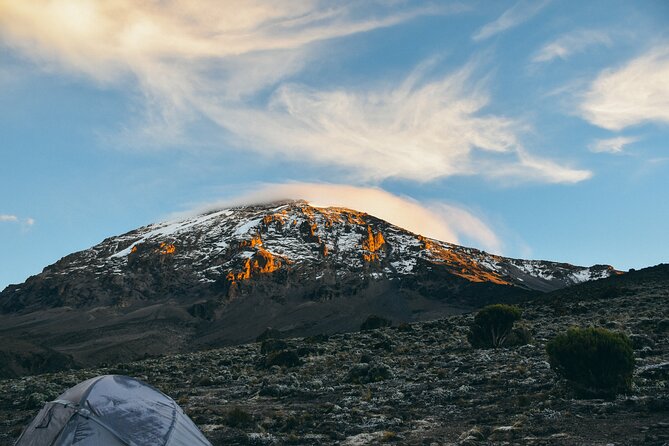
The summit attempt begins between midnight and 2 a.m. This early start is standard for the route plan because it aims for the summit around sunrise and allows time for the descent.
From 4,714 meters, you climb to Uhuru Peak at 5,895 meters. The gain is 1,181 meters, but the numbers do not tell the full story. You are walking in darkness, in cold conditions, after little sleep, and at the highest altitude of the trip.
The path rises in switchbacks toward Gillman’s Point. The slope, fatigue, and thin air make this the hardest section. Your pace should be slow and steady. The goal is not to race. It is to keep moving while paying close attention to how you feel.
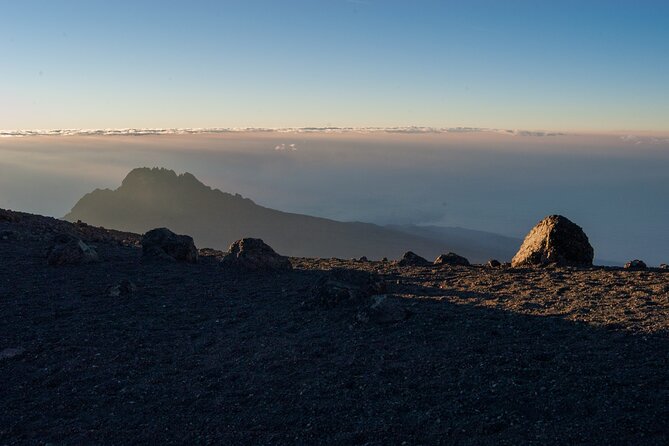
Gillman’s Point offers a major reward: sunrise over the mountain. From there, Uhuru Peak is described as about another hour away, possibly over snow. Reaching the summit is a major physical achievement, but you should allow your guide to decide how long you remain at the top. Cold and altitude still matter after the photographs.
The descent is steep and can be hard on knees and toes. The itinerary says you continue toward Mweka Camp via Barafu, then lists Horombo Huts as the accommodation stop. That does not form a clear Marangu sequence, and it conflicts with the Day 6 start from 3,721 meters. Ask Furaha Adventures to provide the exact Day 5 overnight location in writing.
This is more than a minor editing issue. After a summit day, you need to know where you will sleep, how far you will descend, and what support is available. Gaiters and poles are again recommended for the loose, wet, or steep sections.
Day 6: Descent, certificates, and the return to Moshi
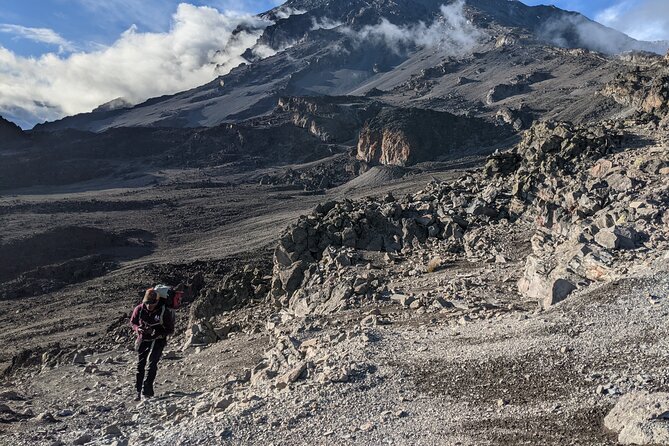
The final day is listed as a descent from 3,721 meters to 1,905 meters, losing 1,816 meters. You stop at Mandara Huts for lunch and continue to the Marangu Park Gate.
The lower trail can be muddy, steep, and wet, with much warmer air than you had on the summit. That sudden change can feel pleasant at first, but tired legs make slippery ground risky. Keep your poles out and your gaiters ready.
Before leaving the mountain, the group holds a ceremony of appreciation and team bonding with the crew. This is also when you say goodbye to guides, cooks, and porters. Tips are not included, so set aside money for them before the climb rather than waiting until the last minute.
At the gate, you receive summit certificates. A vehicle then takes you back to your Moshi hotel, with the drive listed at about 45 minutes. The promise of a hot shower, dinner, and a proper bed will feel well earned.
Food, water, staff, and what the price covers
Six breakfasts, six lunches, and six dinners are included, along with clean, purified drinking water. Alcohol and soft drinks are not covered, and you should also budget for souvenirs and personal spending.
The staffing package includes mountain guides, porters, and cooks, with their salaries included in the tour price. The strongest praise in the available feedback is directed at the staff’s friendliness, support, and care throughout the climb. Godfrey is also singled out for helping with the booking process and continuing support through the trip.
That human support is one of the main reasons the $2,000 price can make sense. You are not only buying a route and a bed. You are paying for permits, food logistics, load carrying, mountain leadership, transfers, and a team that handles much of the work you would otherwise need to arrange yourself.
Still, ask for a clear packing list. The details mention both huts and private mountain tents, and those options require different expectations about sleeping gear. The same applies to the Day 5 and Day 6 camp names.
Who should choose this six-day climb?
This trip suits you if hut accommodation is a priority, you want a private group, and you prefer a route with a clear extra acclimatization night. It also fits people who want airport transfers, meals, staff, and park fees arranged together.
You need to be ready for long walking days and a very demanding summit night. The phrase most travelers use casually for a mountain climb can hide the real effort here, so treat this as a serious high-altitude expedition, not a standard hiking holiday.
The route can work well for a first Kilimanjaro climb if you prepare properly and respect the altitude. The extra Horombo night is a meaningful advantage, but it cannot remove the risks or guarantee a summit.
The booking information says most people can take part, but it does not provide a detailed fitness, medical, or equipment standard. Ask Furaha Adventures what preparation they require. You should also confirm the exact meeting point, since the information gives Kilimanjaro Airport and Kilimanjaro National Park as starting references, while the tour is based in Moshi.
Free cancellation is available up to 24 hours before the local start time. Changes or cancellations inside that period are not accepted for a refund.
Should you book the Furaha Adventures Marangu Route?
I would consider this trip if you want the practical comfort of huts, a private group, and a built-in acclimatization day. The combination of meals, water, transfers, park fees, guides, porters, and cooks gives the $2,000 price solid value when the arrangements are confirmed clearly.
Before booking, ask two direct questions: Do you sleep in huts or private tents, and where exactly do you sleep after summit day? Once those points are settled, this six-day plan offers a sensible route, strong staff support, varied terrain, and a real chance to approach the summit at a measured pace.
FAQ
How long does the Kilimanjaro climb last?
The experience lasts approximately six days.
Where does the tour start?
The tour is based in Moshi, Tanzania. The meeting information refers to Kilimanjaro Airport and Kilimanjaro National Park, with airport transfers included.
Which Kilimanjaro route does this tour use?
It uses the Marangu Route, also called the Coca-Cola Route.
Where do you sleep during the climb?
The itinerary names Mandara Huts, Horombo Huts, and Kibo Huts. The package also mentions private mountain tents, so you should confirm the exact accommodation arrangement before booking.
Is an acclimatization day included?
Yes. Day 3 provides a second night at Horombo Huts, with the option to rest or walk toward Mawenzi Base Camp before returning.
What meals and drinks are included?
Six breakfasts, six lunches, six dinners, and purified drinking water are included. Alcoholic drinks and soft drinks are not included.
What is the cancellation policy?
You can cancel at least 24 hours before the local start time for a full refund. Cancellations or changes made less than 24 hours before the start are not accepted for a refund.
More Marangu Route Climbs in Moshi
- 6 Days Climb Kilimanjaro Through Marangu Route
★ 4.5 · 15 reviews - Top 6 Days Mt. Kilimanjaro Bike trek Tour by Marangu-Kilema Route
★ 5.0 · 15 reviews - 6 Days Mount Kilimanjaro Trek Marangu Route
★ 5.0 · 15 reviews - 5 Days Marangu Route Kilimanjaro hiking
★ 5.0 · 13 reviews
More Kilimanjaro Climbs in Moshi
- Kilimanjaro climb, Lemosho Route (8-day)
★ 5.0 · 148 reviews - Kilimanjaro climb, Lemosho Route (6-day)
★ 5.0 · 129 reviews - Private Kilimanjaro Hike 7 Day Lemosho Route
★ 5.0 · 60 reviews - Best Kilimanjaro hiking day trip tour with Kilinge Adventures
★ 4.5 · 54 reviews
Just added around Moshi
- Mt Kilimanjaro 6 days Marangu route hike★ 5.0 · 3 reviews
- Wildlife Extravaganza: Manyara, Tarangire & Ngorongoro in 3 Days★ 5.0 · 3 reviews
- Private Cycle to Kilimanjaro Bike Park Safari★ 5.0 · 6 reviews
- 3 Days Private E-Bike Tour in West Kilimanjaro★ 5.0 · 3 reviews
- West Kilimanjaro cycling Adventures★ 4.5 · 8 reviews
- machame route★ 5.0 · 16 reviews
- Kilimanjaro Climb & Safari – Lemosho Route – 13 Day★ 5.0 · 10 reviews
- Kilimanjaro Climbing Umbwe Route★ 5.0 · 3 reviews
Marangu Route Climbs, compared.



Private Full Day Hiking Experience to Marangu Route
Read our review →
From Arusha/Moshi: Kilimanjaro Hike Marangu Route Day Trip
Read our review →
Mount Kilimanjaro Day Hike Through Marangu Route to Mandara Hut
Read our review →

Best Kilimanjaro Adventures 6 Days Marangu Route Experience
Read our review →
Kilimanjaro Private Climbing in 6 Days Marangu Route
Read our review →Browse the lists this tour appears in