
Reviewed · MARANGU ROUTE CLIMBS
5 Day Mount Kilimanjaro Climbing via Marangu Route
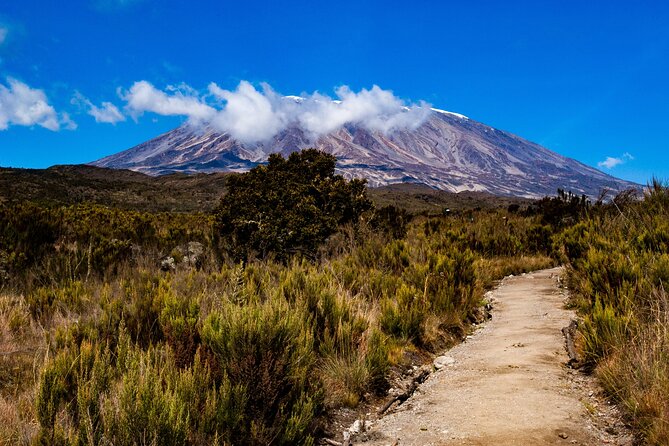
The Marangu Route takes you from Moshi to the roof of Africa in just five days, using dormitory-style mountain huts instead of tents. You walk through rainforest, heath, moorland, and volcanic scree before making the hard midnight push toward Uhuru Peak at 5,895 meters. I like the solid hut beds and the route’s straightforward path. I also like that meals, transport, park fees, and a full climbing crew are included.
The trade-off is clear: five days is a tight schedule for altitude adjustment. Marangu is often called the easiest route because its trail rises at a steady angle, but the short itinerary leaves little time for your body to adapt. The ascent and descent also use the same trail, so you give up some of the variety found on longer routes.
Key points to know before booking
- Huts replace camping: Sleep in dormitory rooms at Mandara, Horombo, and Kibo Huts, with mattresses and pillows provided.
- The summit night starts around midnight: Expect the toughest climb on the mountain, followed by a long descent to Horombo.
- Five days means limited acclimatization: The route is direct, but its schedule is demanding at high altitude.
- A crew of up to 15 people: Guides, cooks, and porters support the climb, with tipping handled separately.
- Rainforest mud is part of the deal: Gaiters and trekking poles are especially useful on the first and last days.
- The price covers the major basics: At $1,650 per person, you receive park fees, transport, hut accommodation, meals, equipment, and crew support.
Why the Marangu Route feels different
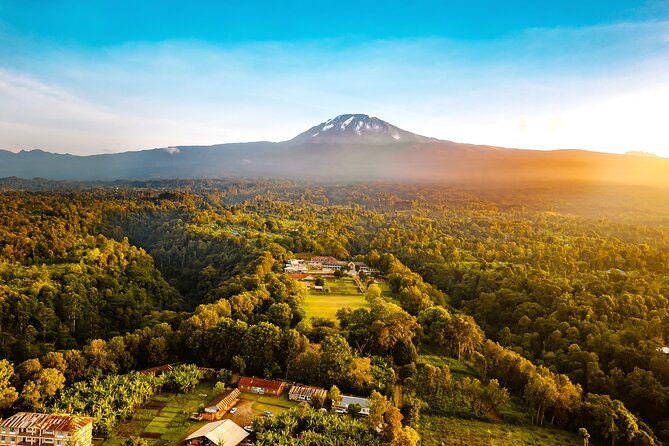
Marangu is Kilimanjaro’s oldest and best-established route. It approaches the mountain from the southeast and follows a direct line toward the summit. The nickname Coca-Cola Route comes from its popularity and relatively simple trail arrangement, not from any promise that the climb is easy.
The biggest practical difference is the sleeping arrangement. Instead of pitching a tent each night, you sleep in huts with bunk beds. Mandara and Kibo Huts each have 60 beds, while Horombo Hut has 120. Mattresses and pillows are supplied, but you still need a sleeping bag.
The huts have shared dining rooms and basic washrooms. At the lower huts, you may find running water and flushing toilets. At Kibo, facilities are more basic, with long-drop toilets and buckets of water. This is still simple mountain accommodation, but it can feel more comfortable than sleeping on the ground in a tent.
I like Marangu for people who want a clear, organized route and do not want to carry camping arrangements into the mountains. You can focus on walking, eating, resting, and managing your energy. The drawback is that the same trail is used for both the climb and the return, so the scenery changes less than it does on other routes.
More Kilimanjaro Climbs in Kilimanjaro
- Kilimanjaro climb by Lemosho Route (7-day)
★ 5.0 · 651 reviews - Kilimanjaro climb, Machame Route (7-day)
★ 5.0 · 262 reviews - Kilimanjaro Climbing Lemosho Route 8 Days.
★ 5.0 · 186 reviews
Day 1: Moshi to Mandara through the rainforest
The day begins with a drive of about one hour from Moshi through the village of Marangu to the Kilimanjaro National Park Gate. This is where permits are issued and climbing crews prepare their loads. The gate can feel busy, with porters and guides organizing supplies before the walking begins.
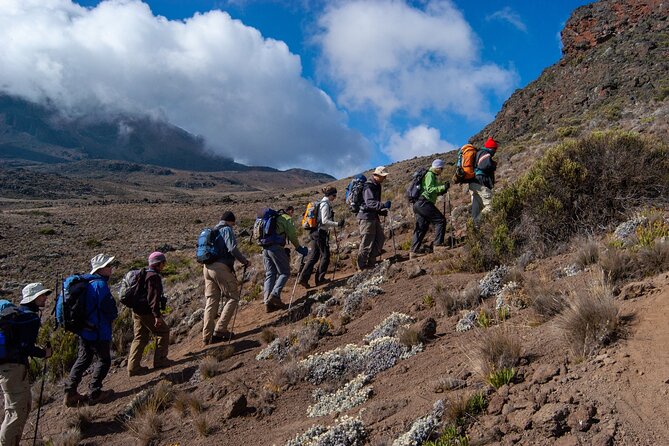
From the gate, the trail rises from about 1,830 meters to 2,740 meters at Mandara Hut. The walk takes about five hours. The first section passes through rainforest, with thick vegetation, winding paths, and changing weather. Your guide explains local plants, animals, and the forest environment as you walk.
This is not a dramatic summit day, but it gives you your first feel for Kilimanjaro’s steady rhythm. You walk, pause, eat, and keep moving. The trail can be muddy and slippery at these lower elevations, especially in wet conditions. I would bring gaiters from the start rather than treating them as emergency gear. Trekking poles also help with balance on slick ground.
The first night is at Mandara Hut in a shared bunk room. Dinner is included, and the early rest matters. Even though this day is not the hardest physically, you are beginning a multi-day effort and should resist the temptation to walk too fast.
Day 2: Heathland, giant plants, and the Horombo Huts
After breakfast, the route leaves the rainforest and moves through heathland toward open moorland. The elevation rises from 2,740 meters to about 3,690 meters, and the walk takes roughly seven hours.
The vegetation changes quickly. Giant lobelias and groundsels become the memorable features of this section, while small shrubs replace the thicker forest growth. The open ground gives you wider views, including a look toward Mawenzi, Kilimanjaro’s striking secondary peak.
A lunch stop breaks up the climb. This is a good day to pay attention to your pace and hydration. You may still feel strong, but the air is thinner, and the route is beginning to test how your body handles altitude. A slow, steady walking rhythm is more useful than trying to gain time.
You arrive at Horombo Hut late in the afternoon. The hut sits beneath views of Kibo and Mawenzi, and temperatures begin to fall as the day ends. Horombo has the largest bunk capacity on this route, with 120 beds, so the shared sleeping area may feel more active than Mandara or Kibo.
This is also the night when the short itinerary becomes more noticeable. On longer Kilimanjaro programs, an extra acclimatization day is often built into the schedule. This five-day plan continues upward the next morning, so you should take headaches, nausea, unusual fatigue, or dizziness seriously and tell your guide promptly.
Day 3: The saddle between Mawenzi and Kibo
Day 3 covers about six hours and climbs from Horombo at 3,690 meters to Kibo Hut at 4,695 meters. The route passes through shrinking heathland before opening into a broad, stark area often described as a moonscape.
You cross the saddle between Mawenzi and Kibo, a large open stretch that gives you a direct view of the summit route ahead. Lunch takes place along this high section, with Mawenzi behind you and Kibo’s summit climb in front.
This day is not necessarily the longest in walking time, but the altitude makes every task slower. The air is thin, temperatures are lower, and the scenery becomes spare. Your main job is to preserve energy for the summit attempt rather than treating Day 3 as a sightseeing walk.
Kibo Hut has 60 bunk beds. Washroom facilities here are basic, with long-drop toilets and buckets of water. There is no need to expect comfort at this altitude. Use the hut to eat, organize your warm layers, fill your water, and rest.
The early night can feel strange because the summit start is scheduled between midnight and 2 a.m. You may not sleep much. That is normal for a summit schedule like this, but it is one reason the five-day format demands both physical preparation and mental patience.
More Marangu Route Climbs in Kilimanjaro
- Kilimanjaro climb, Marangu route (6-day)
★ 5.0 · 72 reviews - Climbing Kilimanjaro – Marangu Route
★ 5.0 · 65 reviews - Best Kilimanjaro Adventures 6 Days Marangu Route Experience
★ 5.0 · 18 reviews - Kilimanjaro Private Climbing in 6 Days Marangu Route
★ 5.0 · 16 reviews
Day 4: The midnight climb to Uhuru Peak
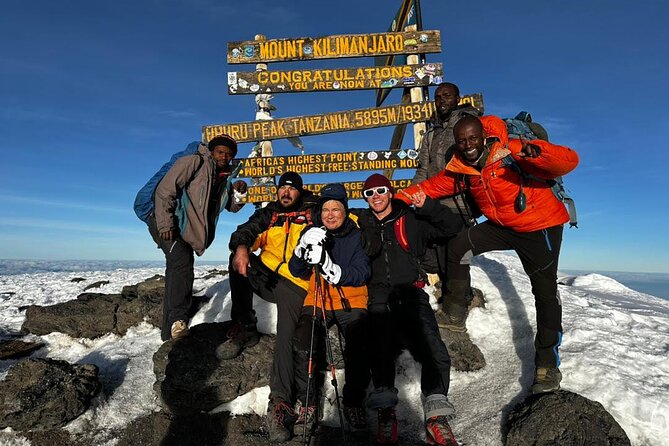
Day 4 is the heart of the trip. You leave Kibo Hut between midnight and 2 a.m., climbing from 4,695 meters to the summit at 5,895 meters before descending all the way to Horombo Hut at 3,690 meters.
This is the toughest physical and mental section. The trail rises in switchbacks over heavy scree, with possible snow and strong cold. Your progress may feel slow. The goal is not speed. It is to keep moving at a manageable pace, stay warm, and follow your guide’s instructions.
The first major target is Gillman’s Point on the crater rim. Reaching it is a major achievement, and a short rest there may coincide with sunrise. Faster walkers may see sunrise from the summit, but you should not measure your climb against someone else’s timing. The mountain rewards steady effort, not racing.
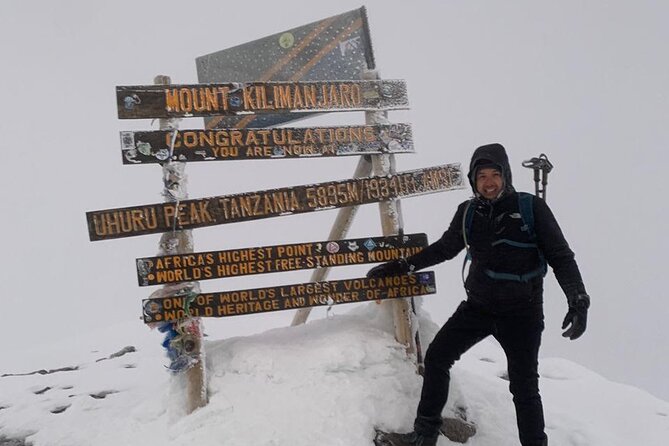
From Gillman’s Point, the route continues along the crater rim toward Uhuru Peak, the highest point on Kilimanjaro. The summit elevation is 5,895 meters, or 19,340 feet. At this height, the cold, thin air, darkness, and accumulated fatigue can make even simple steps feel demanding.
The descent begins after the summit. This is where the day becomes unusually long. You return to Kibo Hut and continue down to Horombo, reaching a much lower altitude after the high point. The provided timing is about seven hours, but the summit portion is often the day that feels longest because it combines the night start, the steep climb, the summit crossing, and a major descent.
Your guide and support crew matter most here. The company’s crew receives particularly strong praise for attentiveness, organization, and helping people feel safe. That support is important for a solo climber as well as for a group of friends. The feedback also highlights that the team helped a woman climbing with a male support group feel comfortable, a useful sign for anyone thinking about making the climb alone.
Day 5: The long walk back to Marangu Gate
After breakfast and a team appreciation ceremony, you begin the final descent from Horombo to the park gate. The route passes Mandara Hut, where you stop for lunch, before continuing through the rainforest to Marangu Gate.
The total descent is from about 3,690 meters to 1,830 meters and takes roughly six hours. Downhill walking can sound easy after summit day, but tired knees and sore feet may tell you otherwise. The lower trail can be wet, muddy, and steep, so keep your gaiters and trekking poles available rather than packing them away.
At the gate, you receive summit certificates before taking a vehicle back to your Moshi hotel. The drive takes about 45 minutes. This is also the point where you say goodbye to the guides, cooks, and porters. Tips are not included, so prepare to budget for them and hand them over before the crew departs.
The final day is a useful reminder that Kilimanjaro is not only about standing on the summit. The support crew carries supplies, prepares meals, manages the hut routine, and helps keep the group moving. A respectful tip is an important part of ending the climb well.
What meals, equipment, and support include
The $1,650 price includes four dinners, five lunches, and four breakfasts. Meals are one of the more praised parts of the experience, with the organizing team also receiving good marks for responding to requests and questions before the climb.
You should still bring personal snacks if you have strong preferences, but the included meal plan covers the main walking days. Eating enough is not optional at altitude. Even when your appetite drops, regular food and fluids help you keep going.
The package also includes:
- Private transportation to the trailhead and back to Moshi
- Kilimanjaro National Park entry and related fees
- Hut accommodation
- A climbing crew of guides, cooks, and porters
- Hiking and safety equipment
- All listed taxes
The phrase hiking and safety equipment is broad, so you should confirm exactly what is supplied before departure. Do not assume it replaces your personal cold-weather clothing, footwear, sleeping bag, or rain gear. The supplied information specifically says that sleeping bags are required even though mattresses and pillows are available.
Is $1,650 good value for five days?
I see the price as reasonable if you want the main logistics bundled into one arrangement. Park fees alone are a major part of a Kilimanjaro climb, and this package also covers transport, four nights of hut accommodation, food, equipment, and a full support crew.
The value is strongest for a first-time climber who does not want to organize separate permits, hut bookings, meals, transfers, and porters. It is also useful for a small group of friends who want a private transport setup with a maximum group size of 15.
The main question is not only price. It is whether five days gives you enough time at altitude. A longer route costs more in time and usually more money, but it may provide a gentler adjustment schedule. If you already know that you struggle with altitude, or if summit success matters more than keeping the program short, compare this route with a longer itinerary before paying.
Flights, visas, and crew tips are not included. Those costs need to be added to your overall budget. Free cancellation is available if you cancel at least 24 hours before the scheduled start time. Inside that window, the payment is not refunded.
Who should choose this climb?
I would point this tour toward a reasonably fit person who wants a direct Kilimanjaro route and prefers huts to tents. You need to manage long walking days, cold conditions, muddy trails, and a summit attempt that begins during the night.
It may suit:
- A small group of friends seeking a shared challenge
- A solo climber who wants organized crew support
- Someone who prefers bunk huts to camping
- A person with five days available for the mountain portion
- A hiker comfortable with a moderate fitness requirement and demanding altitude
I would be more cautious if you are choosing Marangu only because it is called the easiest route. The trail angle may be gentler than some alternatives, but altitude remains the central challenge. The summit day is serious, and the short schedule gives you little spare time for adjustment.
Practical packing advice for this route
Bring gaiters and trekking poles for the muddy rainforest sections on Day 1 and Day 5. A sleeping bag is required, despite the mattresses and pillows in the huts.
You should also be ready for sharp temperature changes. Moshi, the rainforest, the moorland, Kibo Hut, and the summit will not feel alike. Pack clothing that lets you add and remove layers, plus reliable footwear suited to wet ground and scree.
Keep your summit-night essentials easy to reach. You will leave Kibo between midnight and 2 a.m., so sorting your gear before resting is better than searching through a large bag in the dark. Your guide can help with the day’s pace and safety decisions, but you remain responsible for bringing suitable personal clothing and a sleeping bag.
Should you book the 5-day Marangu Route?
Book it if you want hut accommodation, a direct trail, and an all-in climbing setup at a clear price. Kentau Safaris appears especially well suited to people who value an attentive crew, organized planning, and decent meals. The positive feedback also points to strong support for solo climbers and a friendly group atmosphere.
Think twice if your priority is the best possible altitude adjustment or the greatest variety of scenery. Marangu’s same-trail return and compressed five-day schedule are its real limitations.
My practical advice is simple: choose this climb for its huts and convenience, not because the summit will be easy. Train for long uphill and downhill days, bring proper wet and cold-weather gear, budget for tips, and take altitude symptoms seriously. If you can accept those conditions, this is a focused and well-supported way to attempt Kilimanjaro.
FAQ
Where does the Kilimanjaro climb start?
The activity starts in Moshi, Tanzania. Transport is included from Moshi to the Marangu entrance gate of Kilimanjaro National Park.
How long does the climb take?
The mountain portion lasts five days, approximately. The listed walking times range from about five to seven hours on most days, with the summit day including the climb and descent.
Where do you sleep on the Marangu Route?
You sleep in dormitory-style huts at Mandara, Horombo, and Kibo Huts. Mattresses and pillows are provided, but you must bring a sleeping bag.
Are meals included?
Yes. The package includes four dinners, five lunches, and four breakfasts.
Is transport included?
Yes. Private transportation is included to the trailhead and back to Moshi after the descent. The drive from Marangu Gate back to your Moshi hotel takes about 45 minutes.
What is not included in the price?
Crew tips, visas, internal flights, and international flights are not included.
How large can the group be?
The activity has a maximum of 15 people.
Can I cancel for a full refund?
Yes, if you cancel at least 24 hours before the experience start time. Cancellations made less than 24 hours before the start time are not refunded, and changes inside that period are not accepted.
More Marangu Route Climbs in Moshi
- 6 Days Climb Kilimanjaro Through Marangu Route
★ 4.5 · 15 reviews - Top 6 Days Mt. Kilimanjaro Bike trek Tour by Marangu-Kilema Route
★ 5.0 · 15 reviews - 6 Days Mount Kilimanjaro Trek Marangu Route
★ 5.0 · 15 reviews - 5 Days Marangu Route Kilimanjaro hiking
★ 5.0 · 13 reviews
More Kilimanjaro Climbs in Moshi
- Kilimanjaro climb, Lemosho Route (8-day)
★ 5.0 · 148 reviews - Kilimanjaro climb, Lemosho Route (6-day)
★ 5.0 · 129 reviews - Private Kilimanjaro Hike 7 Day Lemosho Route
★ 5.0 · 60 reviews - Best Kilimanjaro hiking day trip tour with Kilinge Adventures
★ 4.5 · 54 reviews
Just added around Moshi
- Mt Kilimanjaro 6 days Marangu route hike★ 5.0 · 3 reviews
- Wildlife Extravaganza: Manyara, Tarangire & Ngorongoro in 3 Days★ 5.0 · 3 reviews
- Private Cycle to Kilimanjaro Bike Park Safari★ 5.0 · 6 reviews
- 3 Days Private E-Bike Tour in West Kilimanjaro★ 5.0 · 3 reviews
- West Kilimanjaro cycling Adventures★ 4.5 · 8 reviews
- machame route★ 5.0 · 16 reviews
- Kilimanjaro Climb & Safari – Lemosho Route – 13 Day★ 5.0 · 10 reviews
- Kilimanjaro Climbing Umbwe Route★ 5.0 · 3 reviews
Marangu Route Climbs, compared.



Private Full Day Hiking Experience to Marangu Route
Read our review →
From Arusha/Moshi: Kilimanjaro Hike Marangu Route Day Trip
Read our review →
Mount Kilimanjaro Day Hike Through Marangu Route to Mandara Hut
Read our review →

Best Kilimanjaro Adventures 6 Days Marangu Route Experience
Read our review →
Kilimanjaro Private Climbing in 6 Days Marangu Route
Read our review →Browse the lists this tour appears in