
Reviewed · MARANGU ROUTE CLIMBS
Best 5 Days Marangu Route Climbing on Kilimanjaro
The Marangu Route gets you to Uhuru Peak by the oldest and most direct path on Kilimanjaro. You sleep in huts rather than tents, walk through changing vegetation, and share the mountain with a larger crowd. It is the mountain’s best-known Coca-Cola Route, but easiest does not mean easy.
I like the hut accommodation, which saves you from carrying or sleeping in a tent, and I like that the price includes park fees, meals, drinking water, transfers at the gate, and a full support crew. The main drawback is the five-day schedule: the route is short, and that gives your body less time to adjust to altitude.
Key points to know before booking
- Mountain huts replace camping: You sleep in dormitory-style huts with mattresses and pillows, but you still need a sleeping bag.
- Uhuru Peak is the goal: The climb reaches Kilimanjaro’s summit, where you can see snow and celebrate at the Roof of Africa.
- The route is simple but crowded: You use the same path for the ascent and descent, making navigation easy but scenery less varied.
- Altitude is the serious issue: The gradual trail helps, but five days leaves limited time for acclimatization.
- A complete support team is included: Guides, cooks, and porters handle key mountain duties, with meals and drinking water provided.
- Nalisis is a named contact: The company identifies Nalisis as a helpful point of contact for airport pickup and trip coordination.
What the $1,560 price really covers
At $1,560 per person, this is not a cheap day hike, but Kilimanjaro is not a casual walk in the park. Your fee covers guide services, park fees, taxes, environmental charges, gate transfer, crew wages, drinking water, a cook, porters, and breakfast, lunch, and dinner.
That bundle matters. Park charges and crew costs make up a large part of any properly organized Kilimanjaro climb. You are also paying for food, route management, and the people who carry shared equipment and other important supplies. A low headline price can look attractive until these costs appear as extras.
The price does not include flights, visas, or tips for the crew. You should also plan your own personal mountain equipment, including a sleeping bag. The huts supply mattresses and pillows, but they are basic dormitory facilities, not hotel rooms.
I see the strongest value here in the included support system. You are not left to solve meals, water, park entry, or porter logistics on your own. Still, ask for a clear packing list and a full day-by-day schedule before paying, especially because the offer is described as both a five-day climb and an approximately six-day activity.
More Marangu Route Climbs in Kilimanjaro
- Kilimanjaro climb, Marangu route (6-day)
★ 5.0 · 72 reviews - Climbing Kilimanjaro – Marangu Route
★ 5.0 · 65 reviews - Best Kilimanjaro Adventures 6 Days Marangu Route Experience
★ 5.0 · 18 reviews
Marangu Route basics: easy to follow, hard on the lungs
Marangu approaches Kilimanjaro from the southeast. The trail has a fairly gradual slope and a direct line toward the summit, which explains its reputation as the easiest route in physical layout.
That reputation needs a footnote. The route may be less complicated underfoot than some alternatives, but altitude affects everyone differently. The five-day version compresses the climb, so you gain height quickly and have fewer nights for acclimatization.
The route is also the only Kilimanjaro route in this program described as using sleeping huts. You stay in shared dormitory-style rooms, use basic washrooms and toilets, and eat in communal dining halls. This is a practical choice if you dislike camping, though it offers less privacy and less quiet.
Marangu uses the same trail going up and coming down. That makes the route straightforward, but you do not get the changing views that come from a loop route. It is also known as the most crowded route, so solitude should not be your main reason for choosing it.
Day 1: entering Kilimanjaro National Park
The experience begins with pickup from Kilimanjaro Airport or the stated meeting point at Kilimanjaro National Park, with an advertised start time of 8:00 a.m. The exact transfer arrangement should be confirmed before departure, since the information gives both the airport and the park as starting references.
Once inside the national park, your climb begins under the care of a guide, cook, and porters. The support crew helps carry important supplies and organizes the practical side of the trip while you focus on walking at a steady pace.
This first part is valuable because the mountain changes gradually. You can expect natural vegetation, views of drainage channels and water, birds, and the chance of seeing wildlife. Waterfalls are also included among the natural sights described for the climb.
The first night is spent at a selected mountain point in a hut. The huts give you a bed platform, mattress, and pillow, but you need your own sleeping bag. Bring patience too. A communal hut is functional mountain shelter, not a private lodge.
The middle days: vegetation, steady walking, and hut life
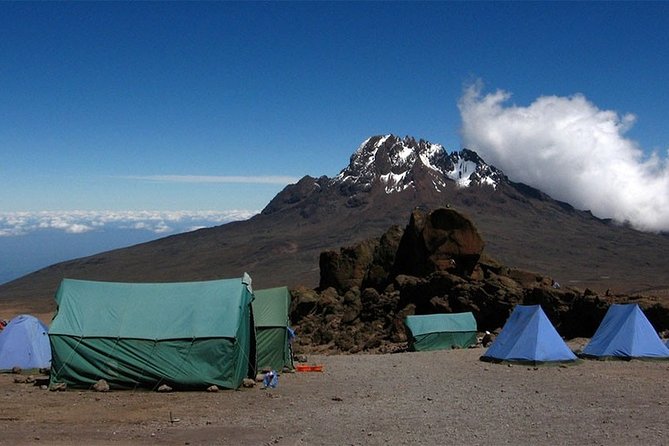
The route continues upward through changing natural surroundings. The appeal here is not one single landmark. It is the slow shift from lower mountain vegetation toward colder, more open ground as you gain height.
You will spend nights at selected points along the route. The information does not provide the names, elevations, or exact distances for each day, so you should request those details. They help you judge how much walking is planned and where the demanding sections occur.
Meals are included three times daily. That is a real advantage on a mountain route, since you do not need to arrange food at each hut. Drinking water is also included, though you should still confirm how water is supplied and how much personal carrying capacity you need during the day.
The communal dining halls create a social side to the climb. You may share meals with other groups, hear different languages, and compare plans for the summit. At the same time, crowded huts and shared washrooms can feel less comfortable than a tented route with a smaller group.
The company offers joining, sharing, private, and group arrangements. Those choices can change the feel of the climb. A joining group may lower the social barrier and make the trip more affordable, while a private arrangement may give you more control over walking pace and daily decisions. The maximum group size is listed as 100 people, so ask for the expected size of your own departure rather than assuming it will be small.
More Marangu Route Climbs in Moshi:
- Kilimanjaro Private Climbing in 6 Days Marangu Route
★ 5.0 · 16 reviews - 6 Days Climb Kilimanjaro Through Marangu Route
★ 4.5 · 15 reviews - Top 6 Days Mt. Kilimanjaro Bike trek Tour by Marangu-Kilema Route
★ 5.0 · 15 reviews - 6 Days Mount Kilimanjaro Trek Marangu Route
★ 5.0 · 15 reviews
Summit day: Uhuru Peak and the Roof of Africa
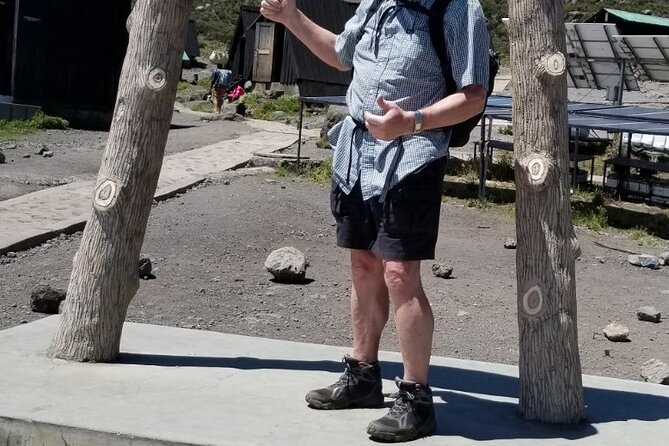
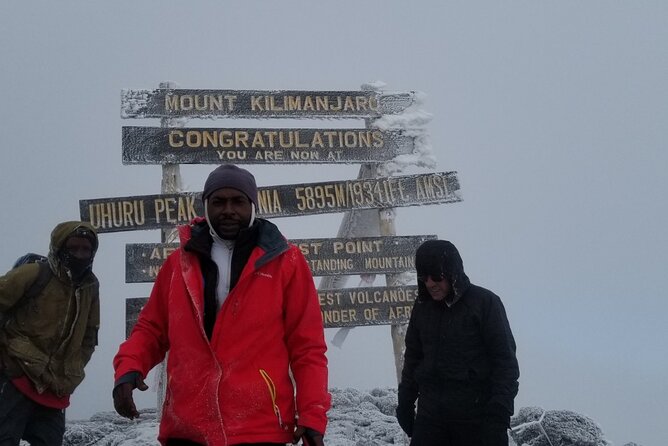
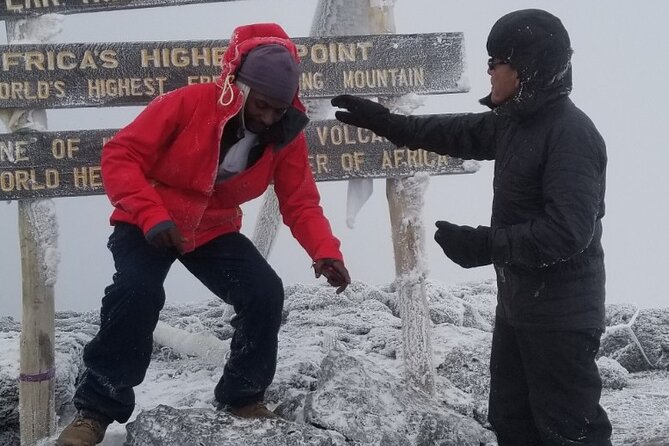
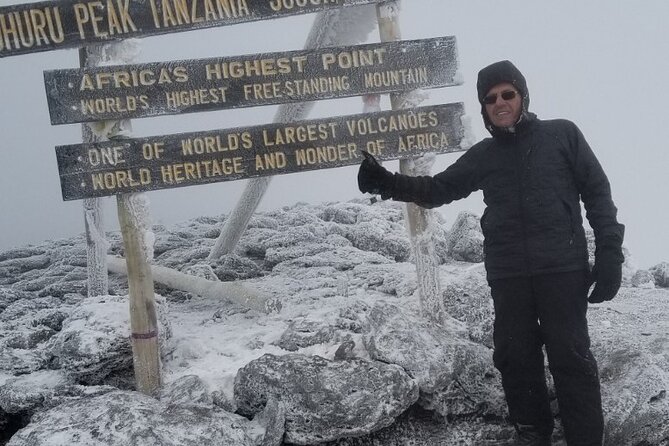
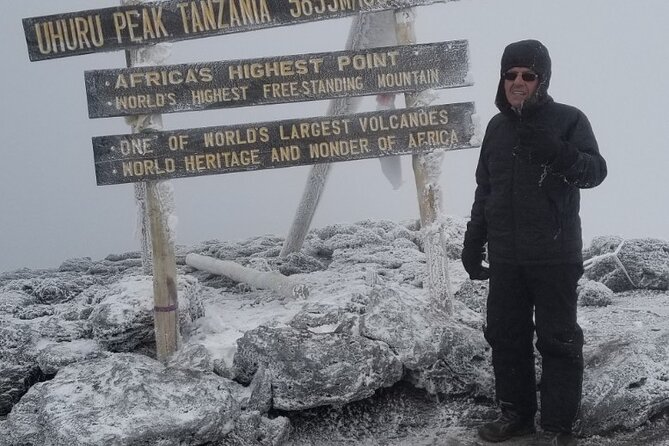
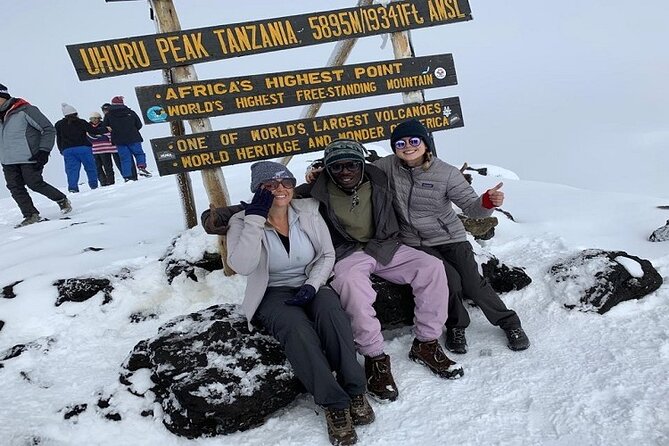
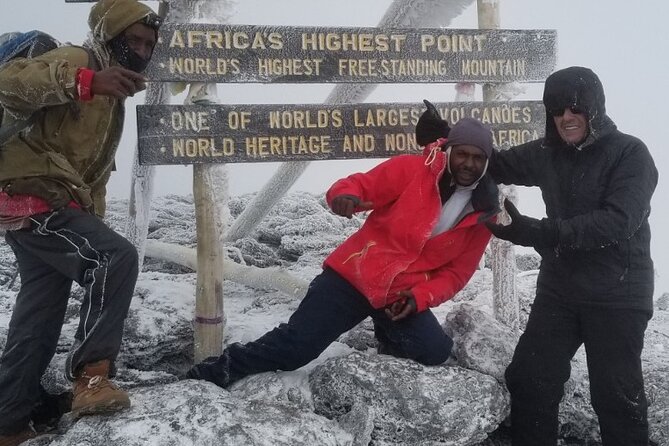
The summit push is the emotional center of the climb. At Uhuru Peak, you reach the highest point on Mount Kilimanjaro and can celebrate with views, snow, photographs, and the sense of having reached the Roof of Africa.
The description also highlights sunrise as a major part of the mountain experience. Early light above the clouds and snow can be memorable, but the summit section is where the short itinerary matters most. You will be tired, cold, and dealing with thin air after several days of climbing.
Your guide’s role is especially important here. The supplied trip information does not name the individual mountain guide, but Nalisis is identified in connection with airport pickup, advice, and trip support. Several accounts describe Nalisis as responsive and encouraging, including helping with organization and advising one inexperienced climber to consider a longer Lemosho itinerary.
That advice is worth taking seriously. If you have limited mountain experience or are unsure about altitude, ask whether the six-day option or another route with more acclimatization would suit you better. The five-day Marangu climb may fit a tight schedule, but a summit attempt should not be treated as a race.
After the summit, you descend along the same route. This makes the return easier to understand, but it also means you repeat much of the scenery. The final return is to the stated meeting point.
The strongest part: organized human support
The most encouraging pattern in the available trip details is the emphasis on staff support. The experience includes a guide, cook, and porters, and the food service is repeatedly described as a strong part of the operation.
That matters in practical terms. A good crew helps keep the group moving, prepares meals, carries shared loads, and gives you a point of contact when the mountain becomes tiring. The guide also helps you pace yourself and make sensible decisions when altitude symptoms or exhaustion appear.
Do not treat this as a reason to ignore your own preparation. Porters are there to carry agreed equipment, not your entire suitcase. Pack carefully, carry personal essentials yourself, and discuss porter arrangements before departure.
Tipping is not included. Set aside money for the crew and ask the operator about its tipping guidance. The crew’s work is central to the experience, and a clear tipping plan avoids awkwardness at the end.
What the huts are really like
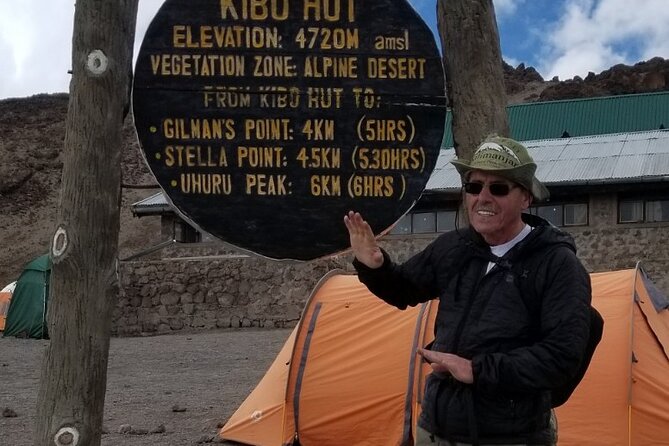
The hut system is Marangu’s big selling point. You avoid a tent, sleeping mat, and some camping chores. For many people, that makes the route feel more approachable.
The tradeoff is comfort. The huts are dormitory style, with communal dining rooms and basic washrooms and toilets. You should expect shared spaces and limited privacy. Mattresses and pillows are supplied, but the requirement to bring a sleeping bag means the huts are not fully equipped accommodation.
I would choose this setup if you prefer a bed platform and indoor shelter over camping. I would not choose it because you expect hotel standards. Bring realistic expectations and keep your personal gear compact, dry, and easy to access.
The same-path ascent and descent can also make the route feel less adventurous. Some climbers value the directness. Others prefer a route that enters and leaves through different terrain. Your choice depends on whether simplicity or variety matters more to you.
Who should choose this climb
This trip suits you best if you want the most direct Kilimanjaro route, prefer huts to tents, and have limited time in Tanzania. It can also work well if you like the idea of a joining group and want a structured climb with meals and a support crew arranged in advance.
It may suit a first-time high-altitude climber only with careful preparation and honest discussion with the operator. The route is often called easy because the trail is gradual, but the summit is still high and the five-day schedule gives you limited acclimatization time.
I would be cautious if you have no prior mountain experience, are worried about altitude, or can spare more time. The company’s own advice to one inexperienced climber was to consider a seven-day Lemosho route, even though that person chose Marangu because of time limits. That is useful guidance, not a sales pitch: more days can make a major difference to how your body handles the climb.
Practical planning before you leave
Confirm the exact duration first. The product is presented as a five-day climb, while the overall duration is listed as approximately six days. Ask whether the extra day covers airport pickup, hotel time, transfers, or an additional mountain night.
Confirm the following before booking:
- The exact hut-to-hut itinerary and elevations
- Your expected group size
- Whether pickup is from Kilimanjaro Airport or another location
- The personal equipment you must bring
- How drinking water is supplied
- The tipping arrangement for guides, cooks, and porters
- The names and experience of the guide assigned to your group
The activity requires good weather. If poor weather causes cancellation, you are offered another date or a full refund. You can cancel for a full refund up to 24 hours before the local start time. Cancellations or changes within 24 hours are not refunded or accepted.
The operator is identified as Rede Tours and Safaris, also named Amore African Safari Ltd. The supplied information also refers to a company called Climb & Safari Tours in the route description, so confirm the contracting company and contact details at booking. That small check can prevent confusion about who handles your airport pickup and mountain crew.
Should you book the five-day Marangu Route?
Book it if you want hut lodging, a direct trail, included meals, and a fully arranged support crew at a fixed price. It is a sensible option for a tight schedule and for someone who prefers basic indoor accommodation to camping.
Think twice if your priority is quiet trails, varied scenery, or the best possible altitude adjustment. Marangu is more crowded, uses the same path in both directions, and the five-day timetable is demanding.
My practical choice would be this: select the route for its huts and simplicity, but ask whether you can take the six-day version if available. If you have little climbing experience, ask about a longer route before committing. The summit is the reward, but the real measure of a good Kilimanjaro trip is reaching it safely and with enough energy to appreciate where you are.
FAQ
Where does the climb take place?
The climb takes place in Kilimanjaro National Park near Moshi, Tanzania.
How long is the experience?
The climb is described as a five-day ascent, while the overall activity duration is listed as approximately six days.
What time does the activity start?
The advertised start time is 8:00 a.m.
Where does the experience start and finish?
The meeting information lists Kilimanjaro Airport and Kilimanjaro National Park in Tanzania. The activity ends back at the meeting point.
Do I sleep in tents?
No. The Marangu Route uses dormitory-style mountain huts. Mattresses and pillows are provided, but you still need a sleeping bag.
Are meals included?
Yes. Breakfast, lunch, and dinner are included throughout the climbing experience.
Is drinking water included?
Yes. Drinking water is listed among the included services.
Is a guide included?
Yes. The package includes a guide, as well as a cook and porters.
Are flights and visas included?
No. Flights and visas are not included in the price.
What is the cancellation policy?
You can cancel at least 24 hours before the local start time for a full refund. Cancellations or changes made within 24 hours are not accepted and are not refunded. If poor weather causes cancellation, you are offered another date or a full refund.
More 5-Day Experiences in Moshi
- 5 Days Camping Tarangire, Serengeti & Ngorongoro crater & Visiting Maasai
★ 5.0 · 58 reviews - 5-Day Majestic Tanzania Safari – High End All Inclusive
★ 5.0 · 44 reviews - 5 Day Mid range Tanzania Safari
★ 5.0 · 34 reviews - 5 days Tanzania Camping Safari
★ 5.0 · 29 reviews
Just added around Moshi
- Mt Kilimanjaro 6 days Marangu route hike★ 5.0 · 3 reviews
- Wildlife Extravaganza: Manyara, Tarangire & Ngorongoro in 3 Days★ 5.0 · 3 reviews
- Private Cycle to Kilimanjaro Bike Park Safari★ 5.0 · 6 reviews
- 3 Days Private E-Bike Tour in West Kilimanjaro★ 5.0 · 3 reviews
- West Kilimanjaro cycling Adventures★ 4.5 · 8 reviews
- machame route★ 5.0 · 16 reviews
- Kilimanjaro Climbing Umbwe Route★ 5.0 · 3 reviews
- Kilimanjaro Climb & Safari – Lemosho Route – 13 Day★ 5.0 · 10 reviews
Marangu Route Climbs, compared.



Private Full Day Hiking Experience to Marangu Route
Read our review →
From Arusha/Moshi: Kilimanjaro Hike Marangu Route Day Trip
Read our review →
Mount Kilimanjaro Day Hike Through Marangu Route to Mandara Hut
Read our review →

Best Kilimanjaro Adventures 6 Days Marangu Route Experience
Read our review →
Kilimanjaro Private Climbing in 6 Days Marangu Route
Read our review →Browse the lists this tour appears in