
Reviewed · MARANGU ROUTE CLIMBS
Climbing Kilimanjaro – Marangu Route
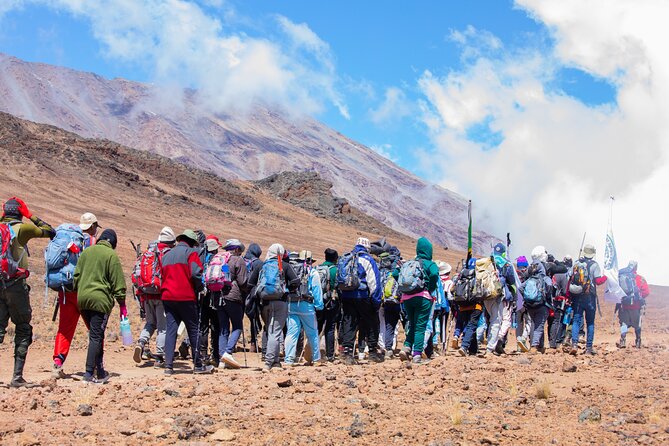
Mount Kilimanjaro’s Marangu Route gives you a direct path from Moshi to Africa’s highest point, with five demanding days of walking through rainforest, heath, moorland, and volcanic terrain. You are guided the whole way, supported by porters and a cook, and fed on the mountain rather than left to manage camp life alone.
I like the simple logistics: airport pickup, two nights at the Springlands Hotel, park fees, rescue fees, meals, boiled water, and a full mountain crew are bundled into the price. I also like the route’s variety, from Colobus monkeys near the gate to sunrise above the crater rim.
The main caution is the schedule. Five days is short for a summit climb at altitude, and the summit night begins around 1 AM after sleeping at Kibo Huts. The route may be called the easiest, but Uhuru Peak is still a serious physical challenge.
Key points to know before booking
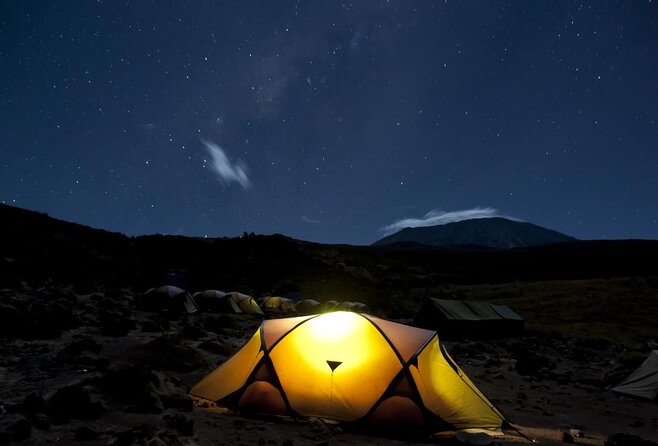
- The summit night starts at 1 AM: You climb in darkness toward Gilman’s Point, then continue along the crater rim to Uhuru Peak.
- The scenery changes fast: Expect wet rainforest, giant lobelias, open moorland, a broad saddle between Mawenzi and Kibo, and steep high-altitude scree.
- The five-day plan is compact: You can request an extra acclimatization day at Horombo, making the climb six days.
- The crew handles the hard logistics: Guides, porters, cooks, waiter service, meals, water, equipment listed in the package, and rescue fees are included.
- The price is about $2,004 per person: That is good value if you use the included hotel nights, transfers, park charges, and mountain support.
- You still need to budget for essentials: Sleeping bags, personal gear, insurance, visas, flights, and tips are not included.
Why the Marangu Route suits first-time summit hikers
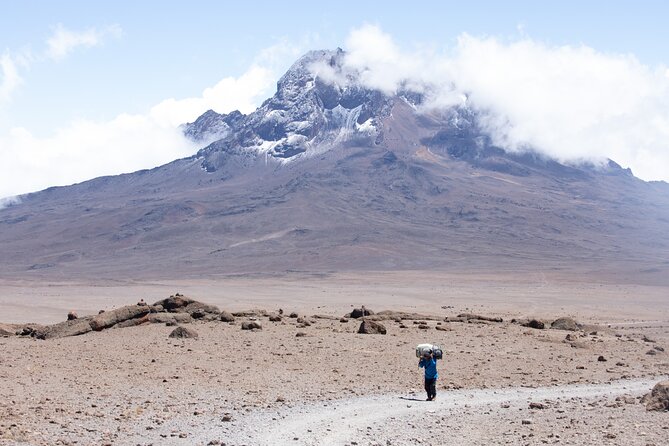
Marangu is often chosen by people who want Kilimanjaro’s summit without taking the more rugged camping routes. The path is described as the easiest and shortest route to the top, and the daily schedule is set up with a guide rather than requiring you to plan navigation, food, or camp movement.
That does not make it easy in the ordinary sense. You still gain a great deal of altitude in a short period, and the route’s five-day version allows less time for your body to adjust. The highest point, Uhuru Peak, reaches 5,895 meters, and the ascent from Kibo Huts is steep, cold, dark, and tiring.
I would choose this trip if you have a moderate fitness level, can walk for about eight hours a day, and prefer a clear, organized plan. You do not need to be an advanced mountaineer, but you do need to take altitude seriously and be willing to walk slowly when your guide advises it.
The group limit is 15 people. That is large enough to offer company on the trail but still small enough for guides to keep track of the group. Your guide leads the walking pace, checks on the group, and can watch for signs of altitude sickness as you rise.
More Marangu Route Climbs in Kilimanjaro
- Kilimanjaro climb, Marangu route (6-day)
★ 5.0 · 72 reviews - Best Kilimanjaro Adventures 6 Days Marangu Route Experience
★ 5.0 · 18 reviews - Kilimanjaro Private Climbing in 6 Days Marangu Route
★ 5.0 · 16 reviews
Day 1: Marangu Gate to Mandara Huts
The day begins with breakfast and a briefing in Moshi. At about 9 AM, you drive for roughly 45 minutes to Marangu Gate on Kilimanjaro’s eastern side. Park registration follows, and the hike is scheduled to begin around 10:30 AM.
The first section is a good introduction to the mountain. You walk through rainforest beneath tall Eucalyptus trees, with bird life and Colobus monkeys possible along the route. The forest can be wet and muddy, so gaiters and trekking poles are useful rather than optional luxuries.
At this lower elevation, shorts and a T-shirt may be comfortable while you are moving. Keep rain gear and warm clothing within easy reach, though. Mountain weather can change, and your bag should not require a full unpacking every time the rain starts.
Lunch comes around the halfway point. After another stretch of walking, you reach Mandara Huts in the early afternoon, usually around 2 or 3 PM. You can unpack, rest, and have tea or coffee before taking the short walk to Maundi Crater.
The Maundi Crater side trip takes about 15 minutes and gives you a useful first look at the surrounding area. It is a small addition, but I would make time for it. After a day in the forest, the open viewpoint helps you understand the mountain’s scale.
The first day lasts about eight hours, including the approach and breaks. It is not the hardest day physically, but wet ground and a steady climb can leave you more tired than expected. Use the evening to organize your gear for the morning and start drinking water regularly.
Day 2: Mandara Huts to Horombo Huts
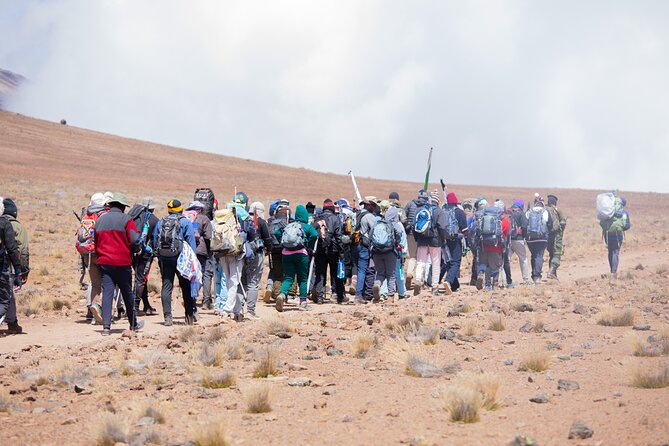
Breakfast is scheduled for 7:30 AM, with the group leaving around 8:30 AM. The trail first passes through rainforest glades, then moves into heathland. This change in plant life is one of the route’s pleasures. Giant lobelias and groundsels appear as the trees thin out.
You continue into open moorland, where small shrubs replace the forest. The views expand here, and the route begins to feel less like a forest walk and more like a high mountain crossing. Lunch is served around the halfway point, with views toward Mawenzi, Kilimanjaro’s sharply shaped secondary peak.
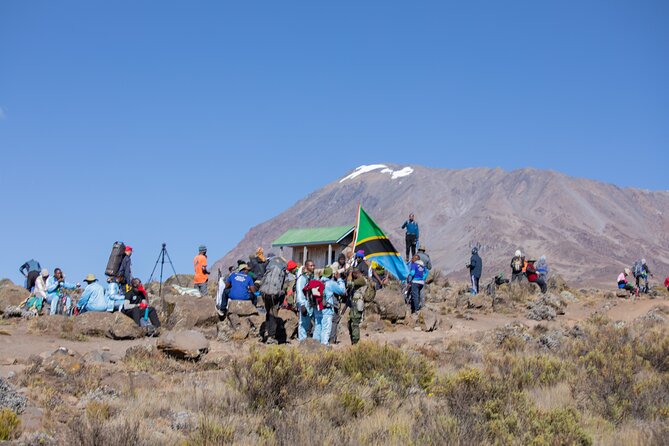
Horombo Huts should come into view around 3 PM. From here, you can see Kibo’s summit area, the destination that has been hidden or distant during the lower stages. Bathrooms with running water are available at Horombo, a welcome comfort after the basic conditions higher up.
This is also the first point where altitude may become noticeable. Headache, unusual tiredness, nausea, and poor sleep should not be brushed aside. Tell your guide how you feel. The schedule specifically allows an extra day at Horombo, either for rest or for a climb toward a base camp below Mawenzi’s sub-peak.
I consider that extra day one of the most useful choices in the whole program. It changes the trip from five days to six, but it gives your body more time to adjust before the summit push. The supplied price and exact arrangements for that extra day should be confirmed before booking.
Day 3: Horombo Huts to Kibo Huts
An early start can reward you with sunrise photos before breakfast or during the first part of the morning. The path rises through thinning heathland, then reaches a stark, open section that feels almost lunar.
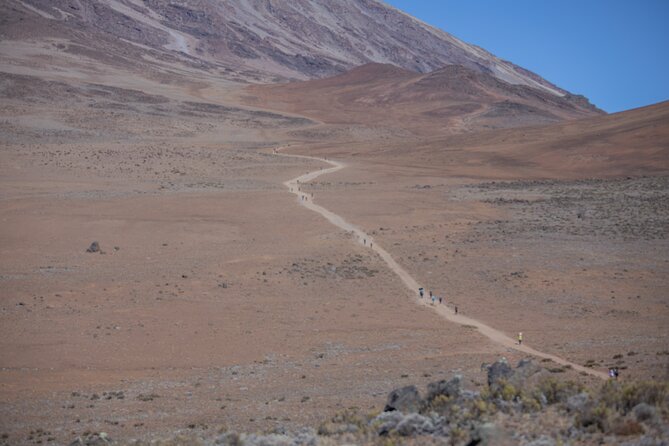
You cross the broad saddle between Mawenzi and Kibo. This is a memorable part of the route because the two major volcanic forms frame the day. The saddle is surprisingly large, so do not expect to cross it in a few quick steps. Bring water, sun protection, and an extra layer, since the open terrain offers little shelter.
Lunch breaks the day, and you can study the summit climb ahead. The view is useful as well as dramatic. You get a sense of the steep ascent that begins later that night, which helps you set realistic expectations.
The walk takes about eight hours. Kibo Huts have no running water, so personal preparation matters. Carry the supplies you need from the facilities below, and keep your summit-night clothing, headlamp if you bring one, gloves, and other small essentials easy to reach.
This is the quietest and most mentally demanding day for many people. You are close to the summit, but you must rest rather than burn energy by rushing around. Eat dinner, organize your daypack, and sleep as soon as you can.
More Marangu Route Climbs in Moshi:
- 6 Days Climb Kilimanjaro Through Marangu Route
★ 4.5 · 15 reviews - Top 6 Days Mt. Kilimanjaro Bike trek Tour by Marangu-Kilema Route
★ 5.0 · 15 reviews - 6 Days Mount Kilimanjaro Trek Marangu Route
★ 5.0 · 15 reviews - 5 Days Marangu Route Kilimanjaro hiking
★ 5.0 · 13 reviews
Day 4: The midnight start and Uhuru Peak
Summit day begins at midnight with a light breakfast. The climb is planned to start at about 1 AM, allowing you to reach Gilman’s Point between 5 and 7 AM and continue toward Uhuru Peak shortly after sunrise.
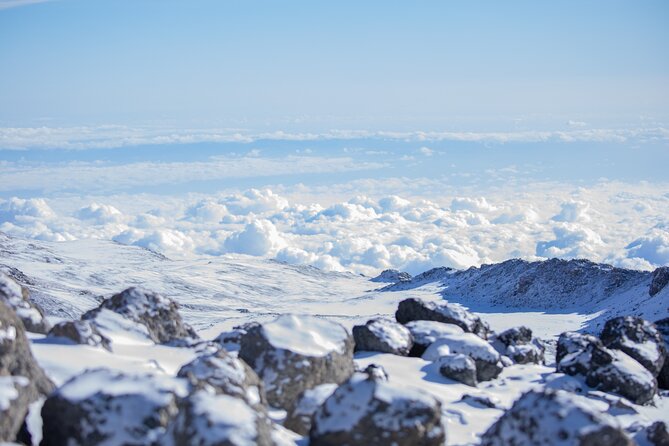
The route switchbacks up steep scree, with snow possible. At this altitude, the cold and darkness can make each step feel slow. Your guide sets the pace, and the goal is steady progress rather than speed.
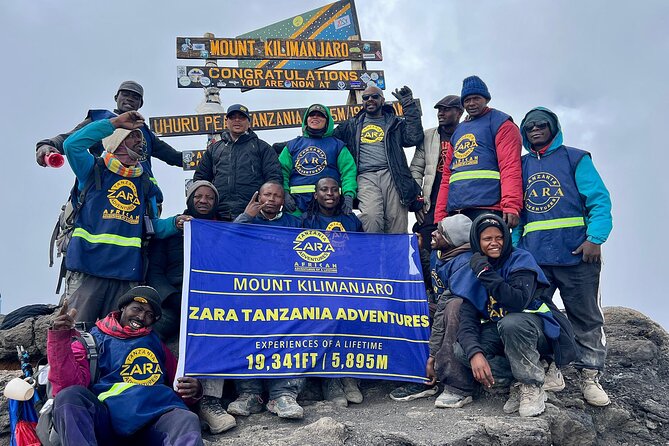
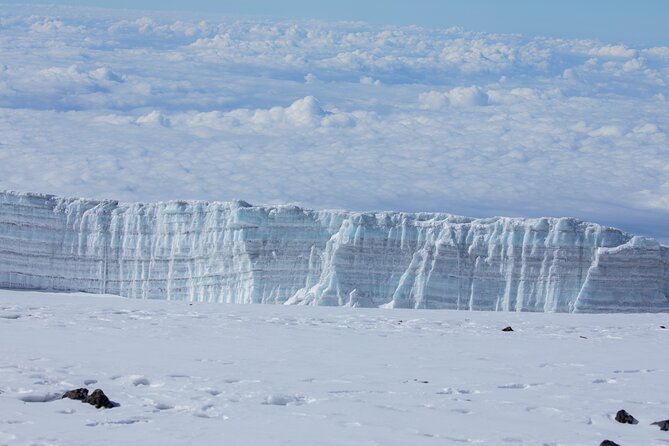
Gilman’s Point sits on the crater rim at 5,861 meters. Reaching it is a major achievement, but it is not Kilimanjaro’s highest point. From there, you continue for about two hours along the crater rim, near the famous ice and snow, to Uhuru Peak at 5,895 meters.
The summit is Africa’s highest point. You should allow time for a photo, but do not linger longer than your guide recommends. At this height, the summit is a place to reach safely, celebrate briefly, and begin the descent.
After returning from the summit area, you descend to Kibo Huts for a rest. The day then continues toward Horombo Huts, making this the hardest section of the entire trip. You are climbing before dawn, reaching nearly 5,900 meters, descending steep ground, and walking again after a short break.
Expect this to be an exhausting day. The itinerary lists about eight hours, but the summit schedule and descent make it the day where your actual pace matters most. If you cannot continue safely, listen to your guide. Reaching a lower point in good condition matters more than forcing the final photograph.
Day 5: Descending through moorland and rainforest
The final morning begins with breakfast and packing. You descend through the moorland to Mandara Huts, where lunch is served. From there, the path returns through the lush forest to Marangu Gate.
The descent is easier on your breathing but can be hard on tired knees. Trekking poles are useful again, especially on wet or uneven ground. You should reach the gate around 2 or 3 PM.
At the gate, the mountain crew leaves the group, and this is when tips are expected for guides, porters, cooks, and waiters. Tip money is not included, so prepare for it in advance. The package includes crew salaries, but tipping remains a separate cost and an important part of the trip’s social custom.
A vehicle takes you back to the Springlands Hotel in Moshi. The return to a shower, a bed, and a proper celebration is part of the design. From Moshi, you can depart for the airport or continue elsewhere in Tanzania or Kenya. Zanzibar is suggested as a place to recover, and extra waterfall tours, cultural visits, and safaris can be arranged separately.
What the $2,004 price really covers
At about $2,004.11 per person, this is not a budget walk, but the price includes many costs that can add up quickly on Kilimanjaro. You receive two hotel nights at Springlands Hotel, airport transfers from Kilimanjaro International Airport, national park fees, hut or camping charges, rescue fees, guides, porters, a cook, and waiter service.
Mountain meals include breakfast, lunch, and dinner. Boiled water is provided, and the package includes cooking equipment, eating utensils, foam sleeping pads, tents, and other listed operating gear. The inclusion of first-aid equipment and pulse oximeters also shows that basic health monitoring is part of the setup.
You must still pay for flights, visa fees, travel insurance, personal expenses, meals and drinks not specified, and any nights beyond the two included hotel nights. A sleeping bag and climb clothing are not included, though some equipment can be rented.
Tips are extra and should be treated as part of the real cost. Emergency oxygen is also excluded. I would confirm exactly what sleeping gear and rental items are available before arrival, especially if you are flying internationally and want to avoid bringing bulky equipment.
The value is strongest for someone who wants a packaged climb with hotel transfers and a support team already arranged. If you prefer to carry all your own equipment, camp independently, or make every route decision yourself, this is not that kind of trip.
Food, huts, equipment, and daily comfort
The accommodation on the mountain is basic. The itinerary describes hut stays at Mandara, Horombo, and Kibo, while the included equipment list also refers to tents and camping supplies. Ask Zara Tours to clarify the exact sleeping arrangements for your departure date.
Horombo has bathrooms with running water. Kibo does not, so comfort becomes more limited as you get higher. The mountain is not a hotel extension, and you should pack with cold, damp conditions and simple washing facilities in mind.
Food is included for the full mountain schedule, with breakfast, lunch, and dinner provided. The crew also supplies boiled water, tea or coffee is mentioned at Mandara, and the food is intended to keep you moving through long days.
The support system is one of the strongest parts of the arrangement. Guides lead and monitor the climb, porters carry luggage, and cooks and waiters handle meals and service. Past trips with this operator have specifically praised the crew’s kindness, encouragement, timely luggage handling, and solid food. That matters most on summit day, when small practical problems can quickly become large ones.
How to prepare for the five-day climb
Start by building endurance for long walking days. The published guidance calls for moderate physical fitness, but the route still includes roughly eight-hour days and a strenuous summit night. Train on hills or stairs if possible, and practice walking with the boots, socks, and daypack you plan to use.
Pack rain gear, warm layers, gaiters, trekking poles, and suitable summit clothing. The first day may feel warm in the forest, but the upper mountain is cold and exposed. Keep rain protection and warmer layers accessible rather than buried in your main luggage.
Use the acclimatization option if your schedule and budget allow it. The extra day at Horombo can be spent resting or walking toward a base camp below Mawenzi’s sub-peak. It is not a guarantee of success, but it gives you more time before the most demanding stage.
Pay attention to your body. The itinerary specifically warns you to watch for altitude sickness beginning around Horombo. Tell your guide about symptoms early, and do not treat safety as a test of willpower.
The group meets at Kilimanjaro National Park at 8 AM according to the meeting information, while the first-day schedule describes the Moshi briefing and a 9 AM departure. Confirm the exact pickup time and meeting point after booking so you are not working from two different schedules.
Free cancellation is available if you cancel at least 24 hours before the local start time. A cancellation within 24 hours is not refundable, and late changes are not accepted.
Who should book this Marangu Route trip?
Book it if you want a guided Kilimanjaro climb with a clear five-day plan, included meals, airport transfers, hotel nights, and a mountain crew. It suits an active person who is comfortable with long walking days but does not want to navigate or organize food and equipment alone.
Think carefully if you have limited time in Tanzania and cannot add an acclimatization day. The short schedule is appealing, but it leaves less room for adjustment than a longer climb. You should also be comfortable with basic mountain accommodation and a midnight summit departure.
The 15-person maximum works well for solo climbers, couples, and small groups who want the social feel of a shared trek. If you book alone, check the single-room supplement at Springlands Hotel. It is waived only on the one-person rate, according to the package details.
Should you book the $2,004 Marangu trek?
I would book this trip if convenience and support matter as much to you as the summit itself. The included park and rescue fees, hotel nights, transfers, meals, porters, guides, and mountain equipment provide substantial value, and the route offers a quick tour of Kilimanjaro’s changing plant zones.
I would choose the six-day version if possible, using the extra Horombo day for acclimatization. I would also confirm the hut and tent arrangements, available gear rentals, exact pickup time, and expected tipping budget before paying.
The Marangu Route is shorter and less technical than several alternatives, but it is not gentle. If you accept the early mornings, basic facilities, altitude, and long summit day, Zara Tours gives you a well-supported way to attempt Uhuru Peak.
FAQ
How long is the Kilimanjaro Marangu Route experience?
The main program lasts approximately five days. An extra acclimatization day at Horombo can be added, making the climb six days.
Where does the climb begin?
The climb begins at Marangu Gate on the eastern side of Mount Kilimanjaro, after registration with the national park.
Where is the tour based?
The experience is based in Moshi, Tanzania, with airport transfers listed from Kilimanjaro International Airport.
What time does the first day begin?
The itinerary schedules departure from Moshi at 9 AM, with hiking beginning around 10:30 AM after park registration. The meeting information lists an 8 AM start, so confirm the exact pickup time after booking.
Are meals included?
Yes. Breakfast, lunch, and dinner are included on the mountain.
Is accommodation included?
Yes. Two nights at the Springlands Hotel in Moshi are included, along with mountain hut or camping fees and the listed mountain sleeping equipment.
Are guides and porters included?
Yes. Qualified guides, porters, cooks, and waiter service are included, along with their accommodation and mountain entry fees. Tips are not included.
Is airport pickup available?
Yes. Airport transfers from Kilimanjaro International Airport are included.
What equipment must I bring or pay for?
Personal climbing gear and a sleeping bag are not included. Some equipment may be available for rent. Personal expenses, travel insurance, visa fees, and flights are also excluded.
What happens if I need to cancel?
You can receive a full refund if you cancel at least 24 hours before the local start time. Cancellations or changes made less than 24 hours before the experience are not accepted for a refund.
Just added around Moshi
- Mt Kilimanjaro 6 days Marangu route hike★ 5.0 · 3 reviews
- Wildlife Extravaganza: Manyara, Tarangire & Ngorongoro in 3 Days★ 5.0 · 3 reviews
- Private Cycle to Kilimanjaro Bike Park Safari★ 5.0 · 6 reviews
- 3 Days Private E-Bike Tour in West Kilimanjaro★ 5.0 · 3 reviews
- West Kilimanjaro cycling Adventures★ 4.5 · 8 reviews
- machame route★ 5.0 · 16 reviews
- Kilimanjaro Climb & Safari – Lemosho Route – 13 Day★ 5.0 · 10 reviews
- Kilimanjaro Climbing Umbwe Route★ 5.0 · 3 reviews
Marangu Route Climbs, compared.


Private Full Day Hiking Experience to Marangu Route
Read our review →
From Arusha/Moshi: Kilimanjaro Hike Marangu Route Day Trip
Read our review →
Mount Kilimanjaro Day Hike Through Marangu Route to Mandara Hut
Read our review →

Best Kilimanjaro Adventures 6 Days Marangu Route Experience
Read our review →
Kilimanjaro Private Climbing in 6 Days Marangu Route
Read our review →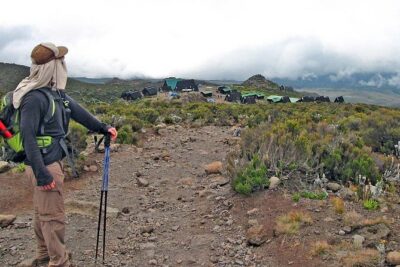
Browse the lists this tour appears in