
Reviewed · MARANGU ROUTE CLIMBS
Marangu Route
The Marangu Route gives you something unusual on Kilimanjaro: mountain huts instead of tents. Starting near Marangu village, you climb Africa’s highest mountain on a route known for broad views, changing scenery, and a gentler trail underfoot than some alternatives. The nickname Coca-Cola Route points to its easier reputation, not to a stroll in the park.
I like the practical hut accommodation, and I like that this is a private trip, so your group is not folded into a large procession. The main caution is altitude. There is no technical climbing, but five days is still a demanding schedule, and a moderate fitness level is required.
Key points before you book
- Hut accommodation: You sleep in mountain huts rather than camping, a real comfort advantage in cold or wet conditions.
- Five-day schedule: The short itinerary is efficient, but it gives you less time to adjust to altitude than longer Kilimanjaro routes.
- Marangu village start: The route begins at the mountain’s Marangu side, with the approach passing through scenic terrain and forest.
- No technical climbing: You do not need rock-climbing skills, but steep walking and altitude make this a serious physical trip.
- Private group format: Only your own group participates, allowing a more personal pace and direct contact with your guides.
- Experienced guide team: Guides associated with this operator include Julius, Brad, Festus, Jackson, Khatib, Frank, and Juma.
What the Marangu Route is really like
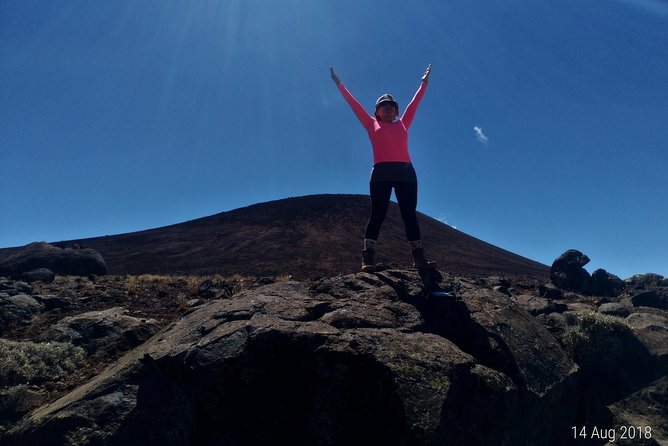
The Marangu Route is often presented as the easiest way up Kilimanjaro. That comparison needs a little care. The trail is considered more straightforward than routes requiring camping, and the huts make nights simpler, but the mountain itself remains high, cold, and physically demanding.
You begin at Marangu village on the eastern side of Mount Kilimanjaro. From there, the route enters the mountain environment and rises through changing vegetation toward the upper slopes. The scenery is one of the route’s strongest points. You get forest at the lower levels, open mountain country higher up, and a more exposed setting near the summit.
The route is also called the Coca-Cola Route because of its popularity and relatively accessible trail design. That popularity can be a drawback if you prefer solitude. A private booking means your own party receives the attention of its guide team, but it does not necessarily make the public route itself quiet.
More Marangu Route Climbs in Kilimanjaro
- Kilimanjaro climb, Marangu route (6-day)
★ 5.0 · 72 reviews - Climbing Kilimanjaro – Marangu Route
★ 5.0 · 65 reviews - Best Kilimanjaro Adventures 6 Days Marangu Route Experience
★ 5.0 · 18 reviews
Day 1: Starting at Marangu village
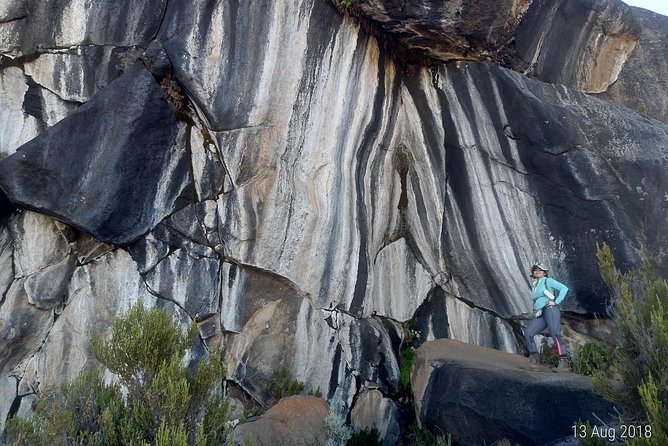
The trip begins at the Marangu side of Kilimanjaro, with pickup offered as part of the booking arrangement. The exact pickup point and transfer details should be confirmed before you arrive, since the published meeting point is listed at Mount Kilimanjaro rather than a detailed hotel-by-hotel schedule.
The first stage is important because it sets your walking rhythm. You should expect a steady mountain approach rather than a technical climb. The forest scenery gives the opening section a pleasant character, and the lower altitude makes this the best time to settle into short steps, regular water breaks, and a pace you can hold for hours.
Your guide is central from the start. The strongest accounts connected with this operator repeatedly point to careful preparation, equipment checks, warm welcomes, and close attention to readiness. That is useful on Kilimanjaro, where a guide who notices fatigue early can make the difference between a controlled ascent and a miserable one.
Day 2: Leaving the forest behind
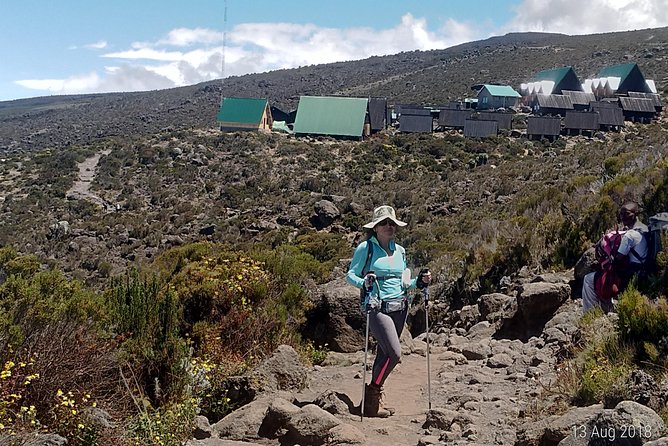
As the route climbs, the setting changes. The dense lower vegetation gives way to more open ground, and the sense of being on a high mountain becomes clearer. This is where the route begins to feel less like a long walk and more like an altitude expedition.
The huts are a major part of the Marangu experience. Instead of carrying a tent or sleeping in a tented camp, you use fixed hut accommodation along the route. That makes the evenings easier to manage, especially if you are new to high-altitude trekking or dislike packing and unpacking camp equipment.
Do not mistake the huts for hotel rooms. The supplied information does not specify room arrangements, bedding, bathroom facilities, or whether meals are served in a shared dining area, so ask Mboni Adventures for current details. The comfort is relative: a hut is simpler than a normal room, but it is still a useful shelter from mountain weather.
Day 3: The value and limits of a five-day climb
The third day is often where a short Kilimanjaro itinerary begins to test you. The route continues upward, and the air gets thinner. You may still be walking on a nontechnical trail, but every step costs more effort than it did near the village.
This five-day format suits someone who wants a compact climb and has limited time in Tanzania. It also works well if you plan to continue with a safari, a Mount Meru trek, cultural activities, or a Zanzibar beach stay. The same operator presents those activities as possible additions, so you can build a wider trip around the mountain.
The tradeoff is acclimatization. No five-day route can offer as much adjustment time as a longer climb. I would not choose this schedule simply because it is advertised as easy. Choose it because you have the fitness, preparation, and time limits to handle a brisk ascent.
More Marangu Route Climbs in Moshi:
- Kilimanjaro Private Climbing in 6 Days Marangu Route
★ 5.0 · 16 reviews - 6 Days Climb Kilimanjaro Through Marangu Route
★ 4.5 · 15 reviews - Top 6 Days Mt. Kilimanjaro Bike trek Tour by Marangu-Kilema Route
★ 5.0 · 15 reviews - 6 Days Mount Kilimanjaro Trek Marangu Route
★ 5.0 · 15 reviews
Day 4: Preparing for the summit push
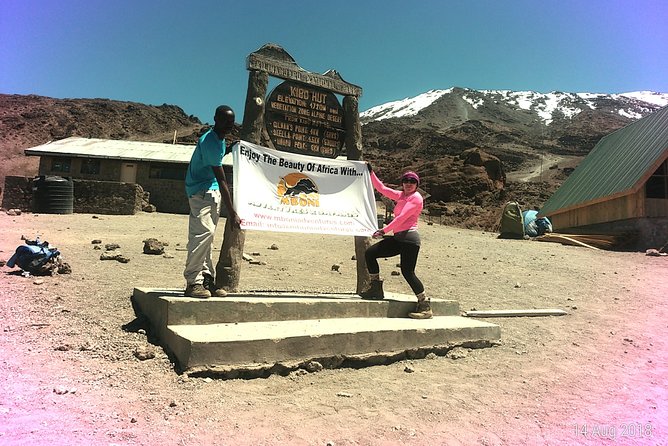
By the upper section, the experience becomes more about patience than speed. The route has no technical climbing, so you are not expected to use ropes or climbing equipment based on the information provided. Still, altitude, cold, steep walking, and tired legs can make this part very serious.
Your private group format helps here. You can speak directly with your guide about how you feel, and the guide can keep the group together rather than trying to manage a large mixed party. The names associated with the guiding team include Julius, Brad, Khatib, Frank, and Juma, while other bookings have included Festus and Jackson. Confirm your assigned guide before departure, since the specific staff member is not guaranteed.
Food and porter support also matter more as the climb goes on. Direct accounts connected with this operator give particular credit to the cooks and porters, including regular praise for satisfying meals and hard-working support teams. The exact menu and porter arrangements are not specified, so you should ask what meals, luggage limits, and personal gear support are covered in your price.
Day 5: The summit and return
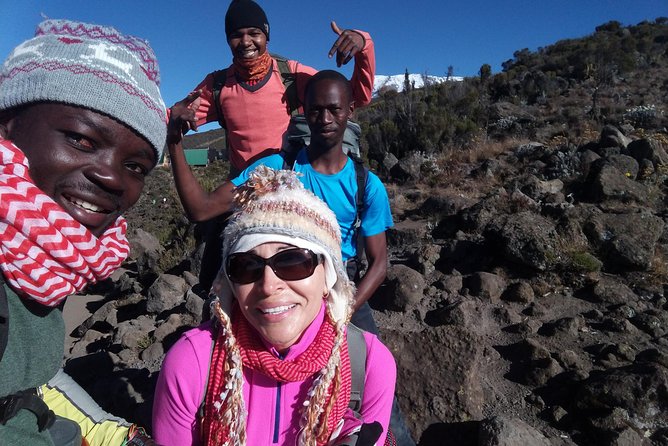
The final day is the physical high point of the trip. You make the push toward the summit area, then descend according to the operating plan. The supplied details do not state the exact summit timing, peak name, camp sequence, or descent schedule, so obtain a written itinerary before you pay.
The summit is the reason most people choose Kilimanjaro, but the descent deserves respect. Tired knees and reduced concentration can make going down harder than expected. Keep your pace controlled and follow your guide’s instructions rather than treating the descent as a race.
Some accounts connected with the company describe successful summit attempts by people in their fifties, as well as strong support from guides, cooks, and porters. That does not promise a summit for every person. It does show why a careful crew matters, especially when the route is physically demanding despite its easier reputation.
Hut lodging versus camping
For many people, the huts are the deciding factor. You avoid sleeping in a tent and may find it easier to stay warm and organized. You also spend less time dealing with camp setup, which can preserve energy for walking.
The other side is that huts are shared mountain accommodation, not private lodges. The available information does not say how many people sleep in each hut or what facilities are provided. If privacy, quiet, or specific bedding matters to you, ask before booking.
The hut system also does not remove the need for proper gear. You still need suitable clothing, footwear, rain protection, and equipment appropriate for high mountain conditions. The operator’s past service includes a readiness and equipment check, which is reassuring, but you remain responsible for arriving prepared.
What the $2,051.29 price means
At $2,051.29 per person, this is a substantial purchase. The price should be judged against the support structure, not just the number of walking days. A private mountain trip can include guide services, porters, cooks, hut arrangements, permits, transport, and other operating costs, but the published inclusion here only explicitly states all fees and taxes.
That wording is too broad to answer every practical question. It does not clearly list meals, airport transfers, lodging before or after the climb, equipment rental, tips, medical support, or personal porter service. Pickup is offered, but the exact scope is not explained. Before booking, ask for a line-by-line inclusion list.
Alcoholic beverages are specifically excluded. That is hardly a surprise on a high-altitude trek, but it is worth noting that the package is not designed as an all-inclusive holiday. Budget separately for anything the operator does not cover, including possible gratuities and personal expenses.
The price looks more defensible if you value a private group, hut accommodation, and an organized support team. It looks less attractive if you are comparing only the number of days or expecting a luxury lodge experience. Ask what is included in writing before treating the price as final value.
The guides, porters, and cooks
The human side of this trip receives the strongest praise. Guide names connected with the experience include Julius, Brad, Khatib, Frank, Juma, Festus, and Jackson. Past groups have also described teams of guides, porters, and cooks working together from arrival through departure.
That full-team approach matters. A Kilimanjaro guide does more than point toward the trail. The guide sets the pace, watches group condition, handles route decisions, and helps keep the summit attempt orderly. Porters carry shared equipment, while the cook keeps the group fed. You experience the mountain differently when those jobs are handled well.
The specific team can change, and the available information does not provide staff qualifications, guide-to-climber ratios, porter load policies, or emergency procedures. Ask about these points directly. A responsible operator should be able to explain how the crew is organized and what happens if someone cannot continue.
Who should choose this route
I would consider this route a good fit for you if you want:
- A private climb rather than a shared group booking
- Fixed hut accommodation instead of camping
- A route without technical climbing
- A five-day schedule
- The option to add a safari, cultural tour, Mount Meru trek, or Zanzibar holiday
- A company with an established guide, porter, and cook structure
I would be more cautious if you have little hiking experience, dislike cold conditions, or are choosing the route only because it is called easy. The stated requirement is moderate physical fitness, and that should be taken seriously. You need enough stamina for repeated uphill walking and enough judgment to slow down when altitude affects you.
The five-day duration is also not ideal for someone who wants the most gradual possible acclimatization plan. The itinerary may suit a fit person with limited time, but you should discuss altitude management with the operator before booking.
Practical booking advice
Confirmation is provided at booking, and free cancellation is available if you cancel at least 24 hours before the experience starts. Cancel within 24 hours, or request changes during that final window, and the amount paid is not refunded. The cut-off follows local Tanzanian time.
The listed operating hours are 7:00 AM to 6:00 PM daily, for the stated period from May 27, 2019 through June 18, 2026. Since mountain arrangements can change, confirm the current dates and meeting instructions directly.
I would also ask these questions before paying:
- What is the exact day-by-day hut itinerary?
- What meals and drinks are included?
- What does pickup cover?
- Are airport transfers included?
- What equipment must you bring?
- What are the luggage and porter limits?
- Who is the assigned guide?
- What happens if altitude or illness stops the climb?
Those answers will tell you far more about value than the headline price.
Should you book the Marangu Route?
Book this experience if hut lodging, a private group, and a compact Kilimanjaro schedule matter more to you than a slow acclimatization plan. The route offers scenic mountain walking without technical climbing, and the reported strengths of Mboni Adventures are its attentive guides, capable porters, and cooks who keep the expedition running.
Do not book it on the assumption that easy means effortless. Kilimanjaro is still a high, demanding mountain, and the five-day schedule deserves careful preparation. If you are fit, short on time, and willing to confirm the missing package details, this can be a practical way to attempt the summit.
FAQ
Where does the Marangu Route begin?
The route begins at Marangu village at the base of Mount Kilimanjaro in Tanzania.
How long does the experience last?
The advertised duration is approximately five days.
Do I sleep in tents?
No. The Marangu Route provides hut accommodation rather than tent camping.
Is technical climbing required?
No. The route is described as having no technical climbing, though you still need moderate physical fitness for the ascent.
Is this a private activity?
Yes. Only your own group participates in the private tour or activity.
Is pickup available?
Yes. Pickup is offered, but the exact pickup locations and arrangements should be confirmed before booking.
What is included in the price?
All fees and taxes are included. The available details do not provide a complete list of meals, transfers, equipment, or other services.
Are alcoholic beverages included?
No. Alcoholic beverages are not included.
Can I cancel for a full refund?
Yes, if you cancel at least 24 hours before the experience start time. Cancellations within 24 hours are not refunded, and changes during that period are not accepted.
Just added around Moshi
- Mt Kilimanjaro 6 days Marangu route hike★ 5.0 · 3 reviews
- Wildlife Extravaganza: Manyara, Tarangire & Ngorongoro in 3 Days★ 5.0 · 3 reviews
- Private Cycle to Kilimanjaro Bike Park Safari★ 5.0 · 6 reviews
- 3 Days Private E-Bike Tour in West Kilimanjaro★ 5.0 · 3 reviews
- West Kilimanjaro cycling Adventures★ 4.5 · 8 reviews
- machame route★ 5.0 · 16 reviews
- Kilimanjaro Climb & Safari – Lemosho Route – 13 Day★ 5.0 · 10 reviews
- Kilimanjaro Climbing Umbwe Route★ 5.0 · 3 reviews
Marangu Route Climbs, compared.



Private Full Day Hiking Experience to Marangu Route
Read our review →
From Arusha/Moshi: Kilimanjaro Hike Marangu Route Day Trip
Read our review →
Mount Kilimanjaro Day Hike Through Marangu Route to Mandara Hut
Read our review →

Best Kilimanjaro Adventures 6 Days Marangu Route Experience
Read our review →
Kilimanjaro Private Climbing in 6 Days Marangu Route
Read our review →Browse the lists this tour appears in