
Reviewed · MARANGU ROUTE CLIMBS
6 Days Climb Kilimanjaro Through Marangu Route
Reaching Uhuru Peak at 5,895 meters is the heart of this six-day Kilimanjaro climb. The Marangu Route gives you a gradual approach through rainforest, heathland, and high alpine desert, with a rest day at Horombo before the hard summit push.
I like the built-in acclimatization day and the fact that the price covers park fees, guides, porters, cooks, meals, rescue fees, first aid supplies, and transport from Moshi. I also like the human touch reported by climbers who worked with Edward Lazaro, known as Teacher, and guides such as Joseph, Goodluck, Temba, Tuliza, Patrick, Juma, Sampson, and Julian.
The main caution is the pace. Six days is fairly quick for a mountain this high, and the summit day is long, cold, and demanding. The accommodation description also needs clarification, since some details refer to huts while the inclusions mention tents and mattresses.
Key points to know before you book
- The summit day begins around midnight: You climb from Kibo Hut to Gilman’s Point and then Uhuru Peak before descending to Horombo.
- A full rest day helps at Horombo: Day three is set aside for recovery, with an optional walk toward Mawenzi Peak.
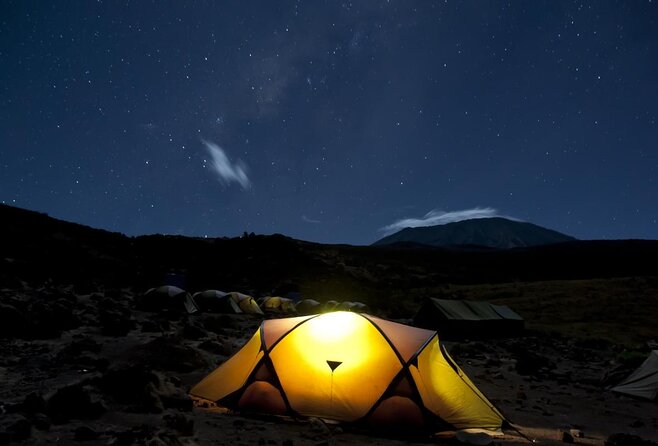
- The route uses Marangu’s hut system: The itinerary names Mandara, Horombo, and Kibo huts, but you should confirm whether your booking uses huts, tents, or both.
- A full mountain crew is included: Guides, porters, a cook, waiter, rescue support, first aid equipment, and boiled water are provided.
- The guide team has earned strong praise: Teacher, Joseph, Goodluck, Temba, Tuliza, and other named crew members are repeatedly singled out for encouragement and care.
- You need to budget for tips and personal gear: Tips, drinks, visas, climbing equipment, and emergency oxygen are not included.
What the $1,899 price really covers
At $1,899 per person, this is not simply a guided walk. You are paying for access to Kilimanjaro National Park, transport from Moshi, a mountain crew, meals, camping or hut equipment, and the logistical work needed to move food and supplies up the mountain.
That matters on Kilimanjaro. You are not carrying the full camp kitchen, dining gear, water supply, mattresses, and group equipment yourself. The package includes a mess tent, mini camping chairs, eating utensils, cutlery, crockery, sleeping mattresses, first aid supplies, pulse oximeters, and rescue fees.
The price also includes breakfast, lunch, and dinner on the mountain. Boiled water is included, which is useful because staying hydrated becomes more important as you climb. Drinks beyond the specified meals are not included, so bring extra money for anything outside the planned food and water service.
You still need to pay tips for guides, porters, cooks, and waiters. That is a significant practical cost to plan for, not an optional footnote. You also need your own climbing clothing and equipment unless the operator confirms that rentals are available. One especially useful point from past arrangements is that equipment rental may be possible through the local team, but you should settle that before arrival rather than count on it at the gate.
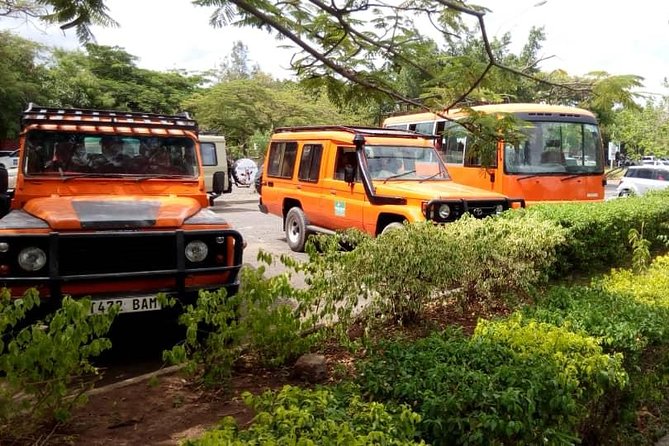
The operator is Kilimanjaro Wonders Expedition Safari. The experience is private, so only your group participates. That can be a real advantage if you want the pace and communication to stay within your own party, though the quality of the experience will depend heavily on the guide assigned to your group.
More Marangu Route Climbs in Kilimanjaro
- Kilimanjaro climb, Marangu route (6-day)
★ 5.0 · 72 reviews - Climbing Kilimanjaro – Marangu Route
★ 5.0 · 65 reviews - Best Kilimanjaro Adventures 6 Days Marangu Route Experience
★ 5.0 · 18 reviews
Day 1: Moshi to Mandara Hut through rainforest
The first morning starts with breakfast, a briefing, and about an hour of driving from Moshi to the Kilimanjaro National Park Gate. Registration takes place at the gate before you begin walking.
The route rises from about 1,860 meters to 2,700 meters. The distance is 8 kilometers, and the walking time is listed at three to four hours. That makes the first day a manageable introduction, though you should not treat it as a casual stroll. The trail climbs steadily, and you are beginning the acclimatization process from the first step.
The forest is one of the most enjoyable parts of the Marangu Route. Look for tall eucalyptus trees, birds, and colobus monkeys among the greenery. A side trip to Maundi Crater is also suggested. If your energy and timing allow, this is a worthwhile extra walk because it gives you wider views toward northern Tanzania and Kenya.
You spend the night at Mandara encampment, with lunch and dinner provided. The supplied schedule calls the stop Mandara Hut, but the broader package description refers to tents and mattresses. Ask the company to explain exactly where you will sleep before you pay, especially if hut accommodation is one of the reasons you chose Marangu.
Day 2: Open moorland and the climb to Horombo
Day two covers 12 kilometers, rising from 2,700 meters to about 3,700 meters. The walking time is five to six hours, and the forest gradually gives way to open heathland.
This is where Kilimanjaro begins to feel less like a forest hike and more like a high mountain trek. The views toward Mawenzi and Kibo are a major reward. Giant lobelias and groundsels add an unusual touch to the route, with plant forms that look perfectly suited to the cold, exposed heights.
You may begin to notice altitude symptoms here. A headache, unusual tiredness, poor appetite, or shortness of breath can appear even when the walking itself feels easy. Tell your guide early. Do not try to hide symptoms to prove you are strong. The mountain crew carries pulse oximeters and first aid equipment, but those tools help only when you communicate clearly.
The slow rhythm matters. The guides are known for encouraging pole pole, meaning slowly, slowly. It may feel frustrating if you are fit and want to move faster, but a steady pace is one of the most useful habits on a high-altitude climb.
Horombo is a key point in the trip. You arrive for dinner and a night at roughly 3,700 meters, with views of the peaks around you. The second day is longer than the first, but it prepares you for the rest day and the harder climb ahead.
Day 3: Rest at Horombo, with Mawenzi as an option
The schedule gives you a full day at Horombo with no planned distance. That is one of the strongest features of this six-day plan.
Rest does not have to mean staying inside all day. An optional hike toward Mawenzi Peak is available, allowing you to gain some extra height and then return to Horombo. This can help your body adjust, but it should remain optional. If you have a headache, feel weak, or slept badly, resting is the smarter choice.
Horombo is also a good place to organize your summit clothing and daypack. You will want easy access to warmer layers, gloves, a hat, rain gear, water, snacks, and any personal medication. Keep the next morning’s supplies close. Summit preparation is easier when you are not searching through a large bag in the cold.
This is also your chance to speak openly with the guide about the pace and the summit plan. Previous groups have praised guides including Teacher, Joseph, Goodluck, Temba, and Tuliza for motivation and personal attention. The important point is not the name alone. You need a guide who watches your condition, explains what is happening, and gives honest advice if the altitude becomes unsafe.
More Marangu Route Climbs in Moshi:
- Kilimanjaro Private Climbing in 6 Days Marangu Route
★ 5.0 · 16 reviews - Top 6 Days Mt. Kilimanjaro Bike trek Tour by Marangu-Kilema Route
★ 5.0 · 15 reviews - 6 Days Mount Kilimanjaro Trek Marangu Route
★ 5.0 · 15 reviews - 5 Days Marangu Route Kilimanjaro hiking
★ 5.0 · 13 reviews
Day 4: Across the saddle to Kibo Hut
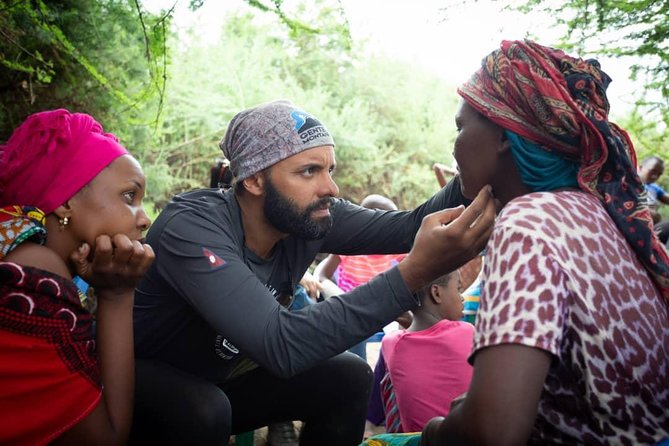
The fourth day leads from Horombo to Kibo Hut, climbing from 3,700 meters to about 4,700 meters. The distance is 9 kilometers, with five to six hours of walking.
You pass the last watering point and cross the broad saddle between Mawenzi and Kibo. The heathland fades, and the vegetation gives way to an alpine desert often described as a moonscape. This is a stark change from the rainforest below, with little shelter and a much stronger sense of exposure.
The day is not the longest in distance, but the altitude makes every task slower. Eat even if your appetite is poor. Drink regularly. Keep your layers handy because conditions can change quickly at this height.
Dinner is served at Kibo, followed by rest before the summit attempt. In practice, this is not a normal night. The climb usually begins between midnight and 2 a.m., so you have only a short window to sleep, organize gear, and eat something.
This is another point where sleeping arrangements matter. Confirm the hut or tent setup, mattress type, dining arrangements, and how your group will be organized. Comfort is relative at 4,700 meters, but knowing what to expect makes the evening easier.
Day 5: The midnight summit push to Uhuru Peak
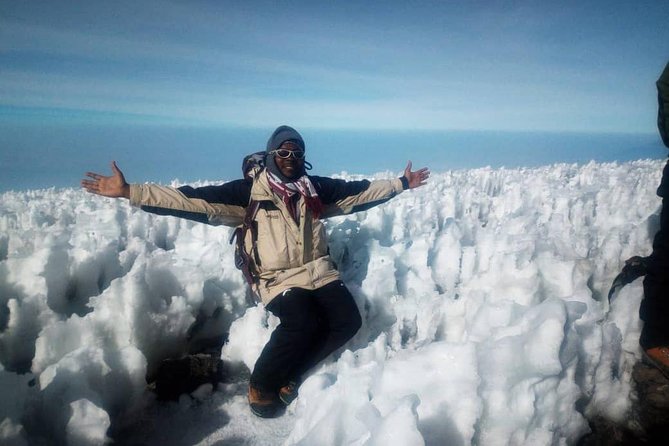
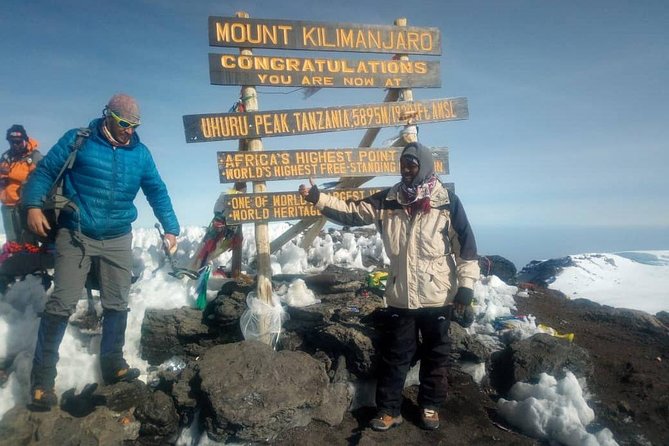
This is the day that defines the trip. You begin in darkness and climb steep scree or snow toward Gilman’s Point on the crater rim. The route rises from 4,700 meters to 5,895 meters at Uhuru Peak, the highest point in Africa.
The uphill section is listed at six to eight hours. The pace will be slow, and the cold can be severe. Your guide will likely set a controlled rhythm, with regular pauses. Use those pauses to drink, breathe, and check your condition rather than treating them as social breaks.
Gilman’s Point is an important milestone, but it is not the summit. From there, you continue around the crater rim toward Uhuru Peak. The supplied plan promises wide views, but visibility depends on weather and timing. Do not measure the success of the climb only by photographs. Reaching the crater rim is already a serious physical achievement, and the final section can feel much harder than the distance suggests.
At Uhuru Peak, you will have time for a summit photograph before beginning the descent. The downhill route is listed as 15 kilometers, returning first to Kibo for lunch and a rest, then continuing to Horombo. The total schedule is demanding, and the combination of summit effort, altitude, loose ground, and descent makes this the toughest day by a wide margin.
One schedule detail deserves attention: the uphill and downhill times are listed separately, while the stop also shows an eight-hour duration. You should plan mentally for a very long day rather than rely on the shorter figure. The exact timing depends on weather, group pace, rest stops, and how long you spend at the summit.
The crew’s encouragement is especially valuable here. Past climbers have praised Joseph and Goodluck for helping them keep going, and Teacher’s coaching and steady pole pole approach has been mentioned often. The crew may also sing Jambo Bwana, a well-known Tanzanian welcome song, which can bring some lift to a very serious morning.
Day 6: A muddy descent back to Moshi
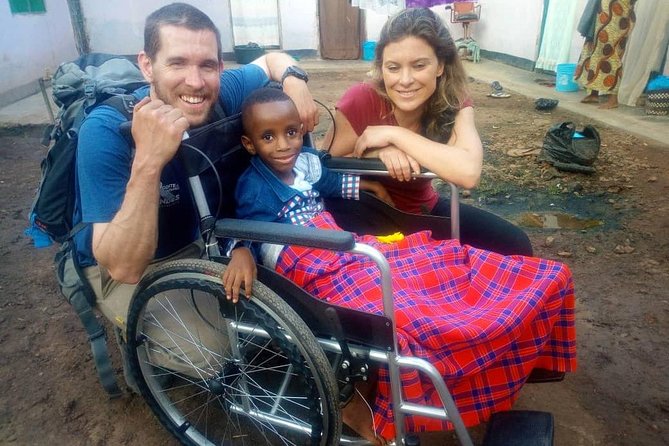
After breakfast at Horombo, you descend through moorland to Mandara and then continue through the forest to the Marangu gate. The total distance is 20 kilometers, with four to five hours of walking listed.
The lower route can be wet and muddy. Gaiters and trekking poles are specifically useful here. At lower elevations, shorts and a T-shirt may be comfortable, but keep rain gear and a warmer layer within reach until you know what the weather is doing.
The final descent is not just a formality. Your knees and feet have already worked hard, and a long downhill can be tiring after the summit day. Take care with footing, especially on wet ground.
A vehicle is scheduled to meet you at the Marangu gate and return you to your Moshi hotel, about an hour away. That simple transfer is welcome after six days on the mountain. The tour ends back at the meeting point.
The guide team and the human side of the climb
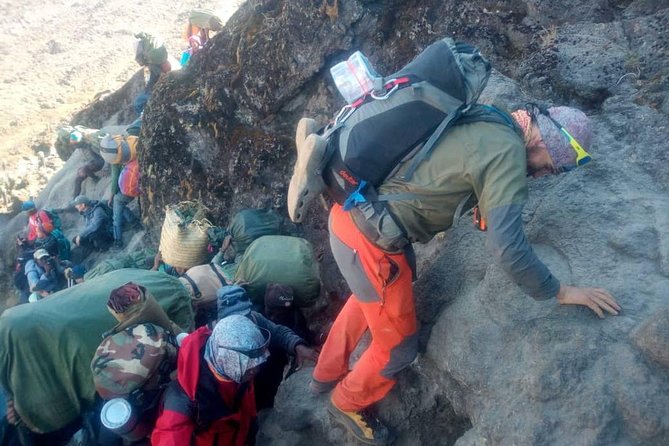
A Kilimanjaro trip is shaped as much by the mountain crew as by the route. This package includes guides, porters, a cook, and waiter support, so your daily routine is organized around walking, eating, resting, and acclimatizing rather than managing camp logistics.
Several names connected with this operation receive especially warm praise: Edward Lazaro, called Teacher, along with Joseph, Goodluck, Temba, Tuliza, Patrick, Juma, Sampson, and Julian. The strongest themes are encouragement, safety, help with preparation, and a welcoming sense of family.
That said, you should not book on names alone unless the company confirms who will lead your particular group. One poor experience connected with the operator raised concerns about communication, organization, an inexperienced guide, transport, and accommodation. That is a useful warning. Ask who your lead guide is, how many people are in your group, what happens if someone cannot continue, and how the sleeping arrangements will work.
Who this Marangu climb suits best
This trip suits you if you want a guided Kilimanjaro climb with much of the mountain logistics already handled. It is also a good fit if you prefer Marangu’s established route and its huts or camp areas rather than carrying your own equipment.
The private format works well for families, friends, and organized groups. Past groups have included large parties from the United States, and one group of 20 had 15 people reach the summit. That shows how important group pacing and individual support can be. Not everyone has to move at exactly the same speed, but you should discuss how the guide team handles different abilities.
The route is not a good match if you want a relaxed high-altitude schedule. Six days gives you one rest day, but the summit attempt remains fast and strenuous. You should also be ready to bring or rent suitable gear, pay crew tips, and accept that weather can change the plan.
Most people can participate according to the supplied information, but this is still a serious climb to 5,895 meters. Good basic fitness helps, yet fitness does not remove the risk of altitude sickness. Your guide must have the final say on safety.
Practical details before you commit
Pickup is offered from Moshi, and return transport to the mountain gate is included. The listed meeting hours are 8:00 to 9:00 a.m., Monday through Sunday, but confirm the exact pickup time with the operator because the first-day drive and gate registration set the day’s rhythm.
Confirmation is provided at booking. The experience is non-refundable and cannot be changed for personal reasons. If poor weather forces cancellation, you are offered another date or a full refund.
Pack for several climates, not one. The route begins in warm, wet forest, crosses cooler moorland, and ends in a cold, exposed alpine zone. Keep rain protection accessible, bring reliable trekking poles if you use them, and consider an eye mask and earplugs because the fast six-day schedule may leave you grabbing sleep in short stretches.
Should you book it?
I would consider this climb if you want a private Marangu ascent with a rest day, a full support crew, meals, park fees, and Moshi transport included in one price. The strongest case for booking is the combination of practical support and guides who have been praised for kindness, motivation, and close attention.
I would book only after getting written answers about four points: the lead guide’s name, hut versus tent accommodation, the size of your group, and the full list of gear available for rental. I would also budget separately for tips, drinks, personal equipment, and any visa costs.
Choose this six-day trip if you are ready for a demanding summit day and value organized support. If you want more time for acclimatization and a gentler pace, compare it with a longer Kilimanjaro itinerary before making your choice.
FAQ
Where does the climb start?
The activity starts at Mount Kilimanjaro in Tanzania, with transport provided from Moshi to the starting point at the national park gate.
Where does the climb end?
The route ends at the Marangu gate after the descent from Horombo. A vehicle then returns you to your hotel in Moshi, and the activity ends back at the meeting point.
How long is the Kilimanjaro climb?
The climb lasts approximately six days.
Which route is used?
The climb uses the Marangu Route.
Is there a rest day during the climb?
Yes. Day three is a rest day at Horombo Hut, with an optional hike toward Mawenzi Peak.
Are meals included?
Breakfast, lunch, and dinner are included on the mountain, except on the final day when breakfast is listed. Meals and drinks not specified are not included.
Is transportation from Moshi included?
Yes. Return transportation from Moshi to the mountain’s starting and finishing points is included. The drive from the Marangu gate back to Moshi takes about one hour.
Are climbing gear and tips included?
No. Personal climbing gear, tips for guides, porters, cooks, and waiters, drinks not specified, visas, and emergency oxygen are not included.
More 6-Day Experiences in Moshi
- Kilimanjaro climb, Lemosho Route (6-day)
★ 5.0 · 129 reviews - 6 Days 5 Night Safari
★ 5.0 · 57 reviews - The Best of Machame Route in 6 Days: Your World’s Summit Guide
★ 5.0 · 44 reviews - 6 Days Machame Route Kilimanjaro Climbing
★ 5.0 · 42 reviews
Just added around Moshi
- Mt Kilimanjaro 6 days Marangu route hike★ 5.0 · 3 reviews
- Wildlife Extravaganza: Manyara, Tarangire & Ngorongoro in 3 Days★ 5.0 · 3 reviews
- Private Cycle to Kilimanjaro Bike Park Safari★ 5.0 · 6 reviews
- 3 Days Private E-Bike Tour in West Kilimanjaro★ 5.0 · 3 reviews
- West Kilimanjaro cycling Adventures★ 4.5 · 8 reviews
- machame route★ 5.0 · 16 reviews
- Kilimanjaro Climbing Umbwe Route★ 5.0 · 3 reviews
- Kilimanjaro Climb & Safari – Lemosho Route – 13 Day★ 5.0 · 10 reviews
Marangu Route Climbs, compared.



Private Full Day Hiking Experience to Marangu Route
Read our review →
From Arusha/Moshi: Kilimanjaro Hike Marangu Route Day Trip
Read our review →
Mount Kilimanjaro Day Hike Through Marangu Route to Mandara Hut
Read our review →

Best Kilimanjaro Adventures 6 Days Marangu Route Experience
Read our review →
Kilimanjaro Private Climbing in 6 Days Marangu Route
Read our review →Browse the lists this tour appears in