
Reviewed · FOOD
Moshi: Serval Wildlife Tour with food and drinks
Serval Wildlife Sanctuary gives you something a normal game drive cannot: a close look at African animals in a managed sanctuary, with trained staff guiding the encounters. You may see servals, giraffes, lions, zebras, monkeys, ostriches, and Oryx within attractive open grounds rather than from a distant safari vehicle.
I like the sweeping views of Mount Meru and Mount Kilimanjaro on the way from Moshi or Arusha, and I like the chance to learn about the animals rather than simply tick them off a list. The sanctuary’s guide, Ester, has earned special praise for her animal knowledge and photography skills. The main caution is value: at $120 for one person or group, this can feel expensive if your visit is brief or if you expect a full safari.
Key points to know before booking
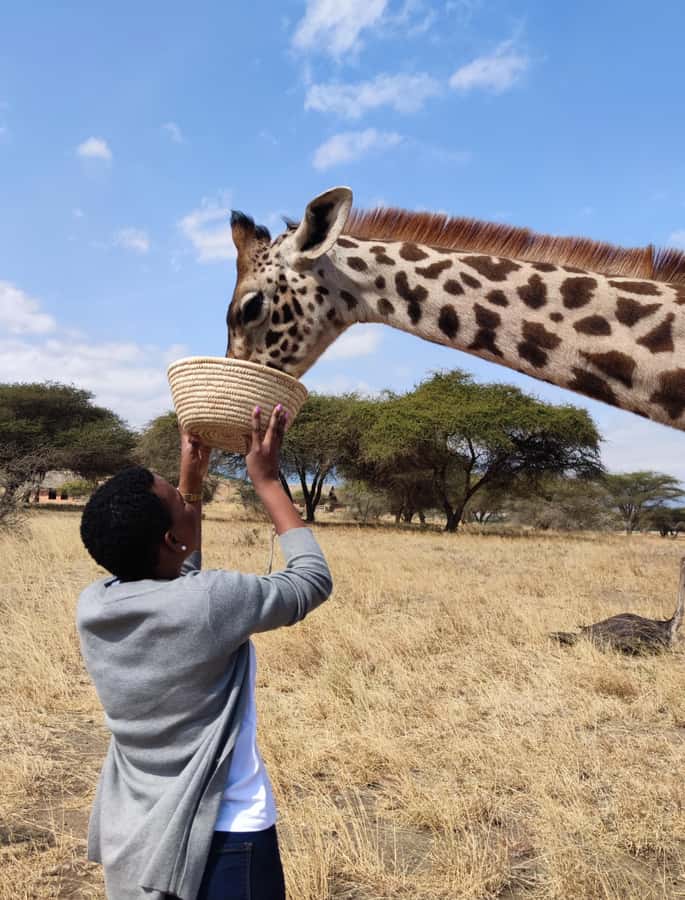
- Close animal encounters: You may safely pet or feed some animals under staff supervision.
- A short three-hour outing: The sanctuary visit lasts about 90 minutes, followed by roughly an hour for lunch.
- Scenic highland drive: The route can include views toward Mount Meru and Mount Kilimanjaro.
- Transport is the main package: Confirm that entry tickets, lunch, and drinks are included exactly as you expect.
- Good for families and first-time wildlife visitors: Small groups, an English-speaking guide, and wheelchair access are available.
- Check the return route: Pickup and drop-off are offered in Moshi, Arusha Urban, and Boma Ng’ombe, but changing cities may cost extra.
What Serval Wildlife Sanctuary is really like
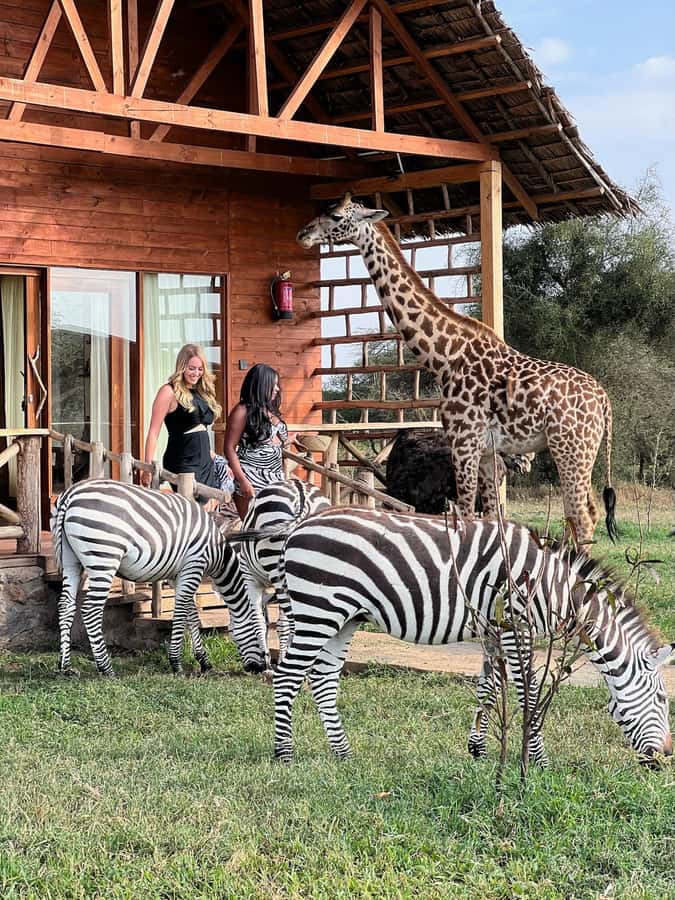
Serval Wildlife Sanctuary sits in Tanzania’s Siha District, a scenic area between the better-known towns of Moshi and Arusha. The drive is part of the appeal, with highland views and possible sights of Mount Meru and Mount Kilimanjaro.
This is not a national park game drive. You are not setting out across open savannah hoping to find a pride of lions or a hidden cheetah. Instead, you visit a sanctuary with animal enclosures and open grounds where staff provide close encounters and explain the animals’ lives, behavior, and conservation status.
That difference matters. If your goal is a classic safari, this outing may feel limited. If you want a manageable introduction to African wildlife, especially before or after climbing Kilimanjaro, it offers a more direct and structured experience.
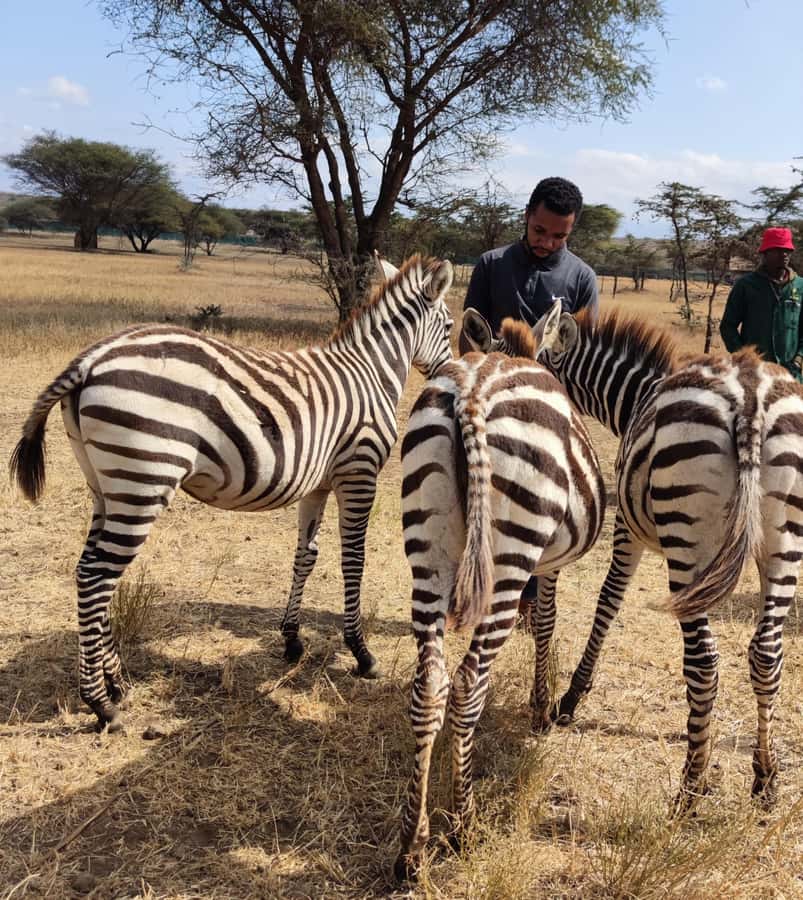
You may see servals, giraffes, lions, zebras, monkeys, ostriches, and Oryx. The exact mix and quality of the visit can vary. One visitor described seeing several zebras, giraffes, and one sleeping lion, while others enjoyed feeding and petting animals at close range. Go with realistic expectations: the sanctuary offers access and education, not guaranteed dramatic wildlife sightings.
A few more Moshi trips to weigh up
- Wildlife Safari Tanzania
★ 5.0 · 19 reviews - From Moshi or Arusha: Serval Wildlife Sanctuary Trip
★ 4.9 · 14 reviews - 6 Days Essence of Tanzania Wildlife Safari
★ 5.0 · 8 reviews
The drive from Moshi or Arusha
Pickup is available from accommodations in Moshi, Arusha Urban, or Boma Ng’ombe. You are asked to wait in your hotel lobby 10 minutes before the scheduled time, a small detail that can prevent an unnecessary delay.
The drive through the Siha highlands adds a pleasant rural setting to the outing. On a clear day, you can look toward Kilimanjaro and Mount Meru, two of northern Tanzania’s defining peaks. The views help make the transfer feel like part of the day rather than simply a ride to an attraction.
The vehicle experience deserves attention. One person reported a small four-seat car, rushed driving, and an uncomfortable return journey. Another had a friendly driver with Wi-Fi in the vehicle. That contrast suggests the transport standard may depend on the assigned vehicle and crew.
I would ask before departure what type of vehicle is planned, especially if you have luggage, mobility needs, or a long transfer from Arusha. If you want to start in Arusha and finish in Moshi, confirm this in writing. A change of drop-off city may require an extra 70,000 Tanzanian shillings. One person avoided that fee by being dropped near the road and arranging a Bolt ride for about 10,000 shillings, but that is a workaround, not a guaranteed part of the service.
The 90-minute sanctuary visit
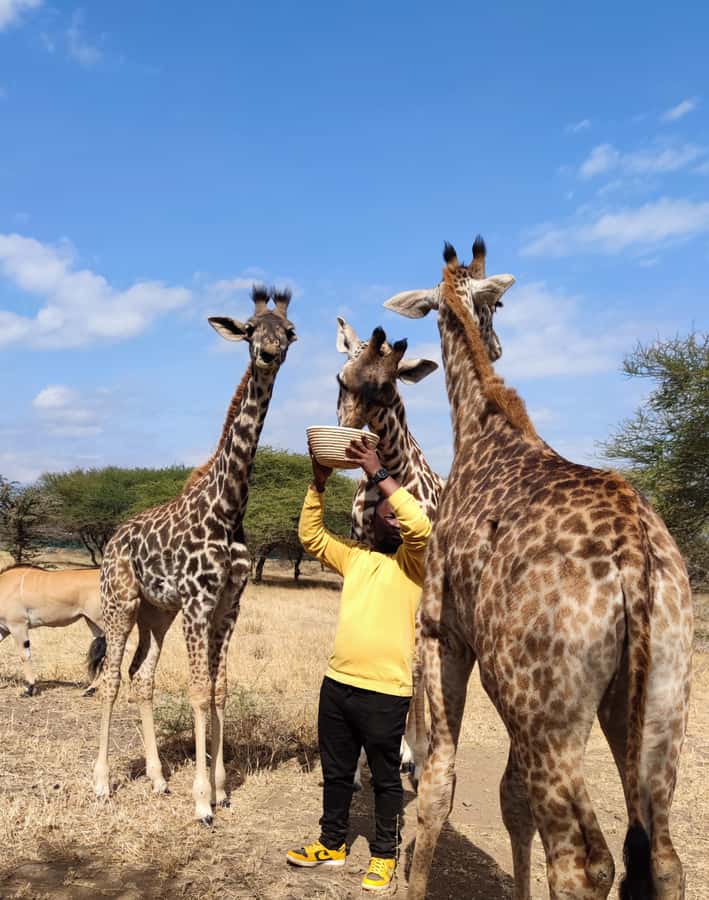
Once you arrive, the sanctuary portion lasts about an hour and a half. It includes a safety briefing, a guided walk, time for photographs, animal viewing, and some free time.
The safety briefing is important here. Close encounters are the point of the visit, but animals remain animals. Follow the guide’s instructions around every enclosure, keep your hands where you are told, and do not treat feeding or petting as an invitation to approach on your own.
The strongest part of the experience is the access. You may get close enough to pet or feed selected animals safely, depending on the sanctuary’s rules and the staff’s direction. That can be especially memorable for children, since a giraffe or zebra seen at close range feels very different from one viewed through a vehicle window.
The grounds also give you better photo opportunities than a conventional safari can provide. Ester, one of the guides working at the sanctuary, has been praised for both her explanations and her ability to take photographs. If you want pictures of your visit, ask the guide what is allowed before reaching for your phone.
The animals are not all equally active. Lions may be resting, monkeys may be busy with their own affairs, and some creatures may remain farther away. A disappointing visit is possible if you expect nonstop action. The sanctuary’s value lies more in the close setting and staff-led contact than in the number of animals seen.
Meeting servals, giraffes, lions, and more
Servals are the signature animals here. These slim, spotted cats are built for grassland hunting, with long legs, large ears, and a powerful leap. Their conservation story also gives the guide a chance to explain how wild cats adapt to changing habitats and why protected spaces matter.
The animal list is broad for such a short visit. Giraffes bring scale and drama, while zebras offer familiar black-and-white patterns at close range. Ostriches add an unusual sight, and Oryx introduce you to a striking antelope that many first-time visitors may not recognize.
Monkeys can be lively and inquisitive. Lions are the obvious draw, but you should not expect them to perform on command. A sleeping lion is still a lion, but if your main reason for booking is an active big-cat sighting, you may leave underwhelmed.
The sanctuary uses these encounters to encourage respect for wildlife. That educational element is worth taking seriously. You are not simply buying a photo opportunity. You are entering an organized setting where the staff control contact, explain behavior, and ask you to respect the animals and their enclosures.
This is also why the outing suits people who have limited time. You can see several types of African wildlife without committing to a full day in a national park. The tradeoff is that you lose the uncertainty and wild scale that make a conventional safari special.
Same country, a completely different kind of safari:
- Kilimanjaro climb by Lemosho Route (7-day)
★ 5.0 · 651 reviews - Safari Serengeti And Ngorongoro
★ 5.0 · 288 reviews - Kilimanjaro climb, Machame Route (7-day)
★ 5.0 · 262 reviews - Kilimanjaro Climbing Lemosho Route 8 Days.
★ 5.0 · 186 reviews
Lunch at a local restaurant
After the sanctuary, the schedule allows about an hour for lunch and welcome refreshments at a local restaurant. The food has received some of the strongest praise, with one person calling the meal very tasty.
The meal is not necessarily served inside the sanctuary. That distinction has caused confusion, so plan on a separate restaurant stop after the animal visit. The advertised package includes lunch and drinks, but the precise coverage should be confirmed before you pay.
One account describes lunch as a choice of one main course from a menu priced around 45,000 to 55,000 Tanzanian shillings. Drinks beyond a 2-liter bottle of water may cost extra. This is a significant point because the headline price suggests a more all-inclusive package than the actual arrangement may provide.
Ask these questions before booking:
- Is the sanctuary admission included in the $120 price?
- Is lunch a fixed meal or one main course from a menu?
- Are soft drinks, tea, coffee, or juice included?
- Is bottled water supplied for the whole group?
- Are service charges added at the restaurant?
You should not have to guess about these basics. The price information is especially important because one person paid for the tour and then found that the sanctuary ticket appeared to cost an additional $120 plus a 4 percent service fee. Other details describe entry as included, so the safest approach is to get a written price breakdown from Kilimanjaro Destinations before booking.
Is the $120 price good value?
The listed rate is $120 per group up to one person, which is an awkward way to describe the cost. For a solo visitor, it effectively means $120 for the booking, not $120 shared among a large group. A small-group option is available, but the exact group size and per-person price should be confirmed.
That amount can make sense if it includes round-trip transport, sanctuary admission, a naturalist guide, lunch, and drinks from Moshi or Arusha. It is less attractive if the main service is simply a vehicle transfer and you must buy the entry ticket separately.
The duration also affects the calculation. You receive about 90 minutes at the sanctuary and one hour for lunch, with the remaining time used for driving. For someone staying in Moshi and wanting a compact wildlife outing, that may be fair. For someone coming from Arusha, the time in the vehicle becomes more important.
The activity is not a substitute for a full safari at the same price. One person felt that the cost approached what they would expect to pay for a safari and found the sanctuary visit too short. I understand that criticism. The product works best when you value close contact, a guided educational setting, and simple transport more than hours spent searching for wild animals.
Before you reserve, compare the full cost of arranging transport through your hotel and buying sanctuary entry directly. Several people found the transfer service overpriced compared with a local vehicle or a ride-hailing option. On the other hand, an organized booking gives you one contact, a planned pickup, and a guide who can help connect the transport and visit.
Who should book this outing?
I would recommend it to families, first-time wildlife watchers, photographers, and anyone with only a half-day free around Moshi or Arusha. The close encounters can be more satisfying for children than distant animals viewed from a safari vehicle, provided they can follow safety instructions.
It also suits visitors who want to learn about less familiar species such as servals and Oryx. The English-speaking naturalist guide adds context, and the small-group format can make it easier to ask questions and take photographs.
The outing is less suitable for serious safari enthusiasts who want broad open-country viewing or a long list of wild sightings. It may also disappoint if you measure value by the number of animals seen rather than the quality of the encounter.
People with animal allergies or insect allergies should avoid it. The activity is listed as wheelchair accessible, but you should still discuss your specific needs with the operator before departure, particularly if you require a certain vehicle setup.
Booking tips that can save money and stress
Confirm the sanctuary entry fee in writing. The supplied details say it is included, but a payment account describes a separate ticket charge, so this is the single most important question to ask.
Confirm pickup and drop-off in the same message. Moshi, Arusha Urban, and Boma Ng’ombe are all listed, but a cross-town return can involve an added charge.
Bring suitable clothing for a walk and bring patience for the animals. The visit includes outdoor sightseeing, photographs, and time near animal enclosures. Follow the guide’s instructions and avoid assuming that every animal can be touched or fed.
If you need a particular start time, check availability before paying. The experience lasts three hours, but the exact departure time depends on the date.
The booking allows free cancellation up to 24 hours in advance and offers reserve-now, pay-later terms. Those options are useful when your Tanzania schedule may shift, especially around mountain climbs and transfers.
Should you book Serval Wildlife Sanctuary?
Book it if you want a short, structured wildlife encounter with close access, scenic highland transport, and lunch. The sanctuary itself can be excellent, and the best part is the chance to see animals at a respectful distance that feels personal rather than purely observational.
Pause if you expect a full safari, an active lion sighting, or a low-cost transfer. The mixed transport experiences and unclear fee details make it essential to confirm what your $120 covers. If the operator provides a clear all-in price, the outing may be a convenient choice. If entry is extra, arrange transport and tickets separately and compare the total first.
FAQ
Where is Serval Wildlife Sanctuary located?
It is in Tanzania’s Siha District, near the Kilimanjaro and Mount Meru area. Pickup is available from Moshi, Arusha Urban, and Boma Ng’ombe.
How long does the experience last?
The activity lasts three hours. About 90 minutes is scheduled at the sanctuary, followed by about one hour for lunch and refreshments, with driving time included in the overall outing.
What animals can I see?
The experience includes guided encounters with servals, ostriches, giraffes, lions, zebras, monkeys, and Oryx. Sightings and animal activity are not guaranteed.
Is transportation included?
Round-trip transportation from your Moshi or Arusha accommodation is included in the advertised package. Confirm the vehicle type and any extra charge for changing your drop-off city.
Is lunch included?
Lunch is listed as included and takes place at a local restaurant after the sanctuary visit. Confirm whether you receive a fixed meal or one main course from a menu.
Are drinks included?
Drinks are listed as included, but one payment account describes a 2-liter bottle of water with additional drinks charged separately. Ask the operator what beverages are covered.
Is the tour offered in English?
Yes. The experience includes a live English-speaking guide.
Is the activity wheelchair accessible?
Yes, the activity is listed as wheelchair accessible. Contact the operator before booking to discuss your specific access needs.
Can I cancel the booking?
You can cancel up to 24 hours before the scheduled activity for a full refund. A reserve-now, pay-later option is also available.
More Food in Moshi
- Stonetown: Food Markets and Street Food Walking Tour
★ 4.7 · 151 reviews - Authentic Street Food Tours in Stone Town, Zanzibar
★ 5.0 · 46 reviews - Arusha: Traditional Tanzania Cooking Class & Food Market Tour
★ 5.0 · 34 reviews - Organic Coffee Tour and Local Food Experience in Arusha
★ 5.0 · 29 reviews
Just added around Moshi
- Mt Kilimanjaro 6 days Marangu route hike★ 5.0 · 3 reviews
- Wildlife Extravaganza: Manyara, Tarangire & Ngorongoro in 3 Days★ 5.0 · 3 reviews
- Private Cycle to Kilimanjaro Bike Park Safari★ 5.0 · 6 reviews
- 3 Days Private E-Bike Tour in West Kilimanjaro★ 5.0 · 3 reviews
- West Kilimanjaro cycling Adventures★ 4.5 · 8 reviews
- machame route★ 5.0 · 16 reviews
- Kilimanjaro Climbing Umbwe Route★ 5.0 · 3 reviews
- Kilimanjaro Climb & Safari – Lemosho Route – 13 Day★ 5.0 · 10 reviews
Food, compared.
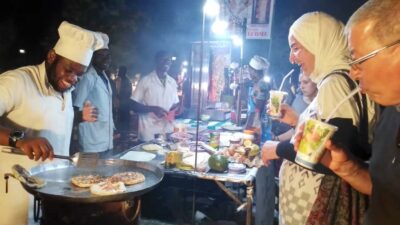
Stonetown: Food Markets and Street Food Walking Tour
Read our review →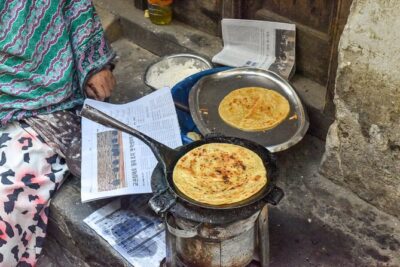
Authentic Street Food Tours in Stone Town, Zanzibar
Read our review →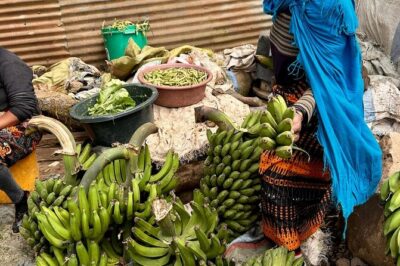
Traditional Tanzania Cooking Class & Food Market Tour
Read our review →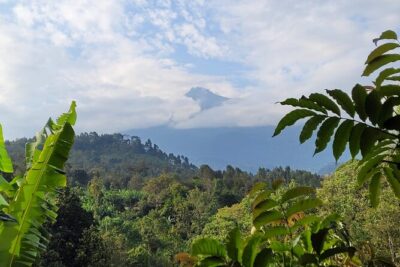
Organic Coffee Tour and Local Food Experience in Arusha
Read our review →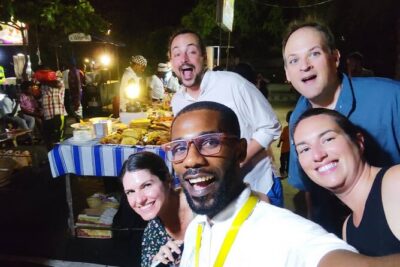
Stone Town Evening Walk Tour With Visit Food Markets
Read our review →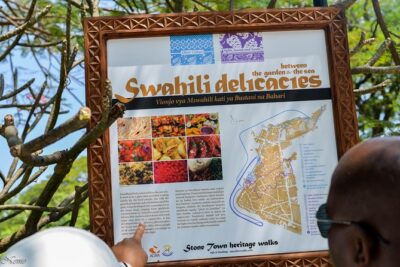
Traditional Tanzania Cooking class& Food Market Tour
Read our review →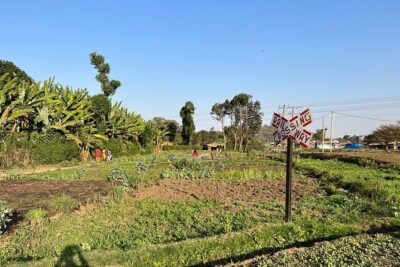
Browse the lists this tour appears in