
Reviewed · LEMOSHO ROUTE CLIMBS
Kilimanjaro climb, Lemosho Route (8-day)
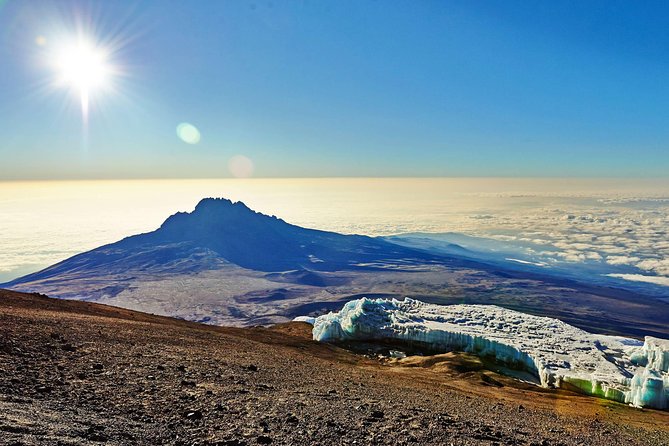
The Lemosho Route gives you Kilimanjaro in full color: rainforest on the first hiking day, wide views from the Shira Plateau, stark volcanic ground near Lava Tower, and an Arctic summit zone at Uhuru Peak. This is not a quick walk to a famous sign. It is a carefully paced, high-altitude expedition that takes you from 2,200 meters to 5,895 meters.
I like the route’s gradual climb and the amount of support built into the price. I also like the practical touches: hot meals, drinks, airport transfers, hotel nights, medical checks, oxygen, and a personal guide for each pair of climbers during the summit push. The main drawback is the intensity. The long days, cold nights, altitude, and repeated acclimatization hikes require real preparation.
- Rainforest to Arctic desert: The route crosses several striking climate zones rather than repeating the same scenery.
- Eight hiking days, ten days total: You get hotel nights before and after the climb, with the mountain portion running from Londorossi Gate to Mweka Gate.
- Strong safety structure: Certified Wilderness First Responder guides, oximeters, oxygen tanks, medical kits, and regular medical checks are included.
- Food is a real part of the experience: Three meals a day are supplied, with drinks and special diets available.
- A demanding summit schedule: You sleep at Barafu, leave at night for Uhuru Peak, return to Barafu, then continue to Millennium Camp.
- Well suited to first-time high-altitude climbers: The route is technically straightforward, but fitness and altitude tolerance still matter.
From Kilimanjaro Airport to Moshi
Your trip begins at Kilimanjaro International Airport, where an Altezza Travel representative meets you and takes you to Aishi Machame Hotel. Two hotel nights are included, with two people sharing a room unless you pay extra for single accommodation.
The first night is useful, not just decorative. You get a room with hot water, Internet access, polite staff, and a swimming pool, then attend a briefing with the company team. This is when you should raise concerns about footwear, clothing, medication, food requirements, or missing equipment.
The company also provides an airport transfer at the end of the trip. That removes one common source of stress after a hard climb. Hotel check-in begins at 2:00 PM, and check-out is at 11:00 AM on the last day. Late check-out can be arranged for an extra fee if your flight leaves later.
Day 2: Londorossi Gate and Mti Mkubwa Camp
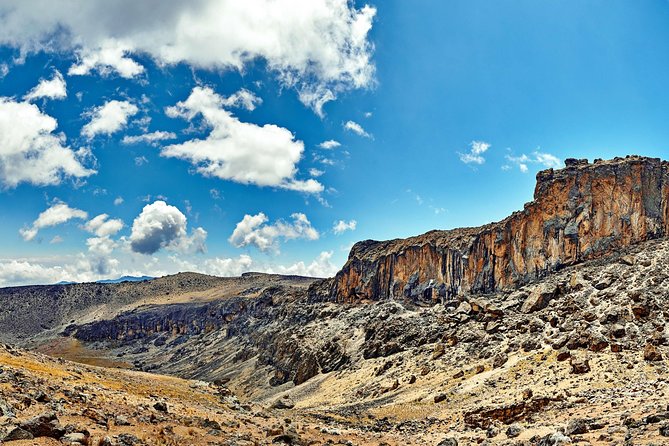
The first mountain morning starts with another briefing, followed by a three to four-hour drive to Londorossi Gate on Kilimanjaro’s western side. The gate sits at about 2,200 meters, where permits are collected and the climb is registered with the search and rescue service.
The opening hike leads to Mti Mkubwa Camp at 2,780 meters. It takes about five hours, and the path runs through rainforest. This is a damp start, so a raincoat is not optional decoration. Keep your waterproof layer near the top of your daypack rather than buried in your duffel.
The support crew sets up camp and prepares lunch while you walk. That division of work is one of the major benefits of an organized climb. You can focus on moving steadily, drinking, and noticing the forest instead of worrying about tents, cooking, or carrying a full camp kitchen.
More Kilimanjaro Climbs in Kilimanjaro
- Kilimanjaro climb by Lemosho Route (7-day)
★ 5.0 · 651 reviews - Kilimanjaro climb, Machame Route (7-day)
★ 5.0 · 262 reviews - Kilimanjaro Climbing Lemosho Route 8 Days.
★ 5.0 · 186 reviews
Day 3: Shira Plateau and the First High Camp
The route leaves the forest behind as you climb toward Shira 1 Camp at 3,505 meters. The day takes about five to six hours and is described as gradual and manageable, though the altitude begins to change how ordinary walking feels.
The reward is the first broad view of the Shira Plateau and Kibo Volcano. This is where the route starts to feel like a high mountain journey rather than a forest trek. The open ground also lets you see how quickly Kilimanjaro’s plant life changes with height.
Shira 1 is an important acclimatization stop. You can rest in your tent or take a short walk around camp, but do not treat an easier afternoon as permission to overdo it. The best approach is the familiar mountain rule: walk slowly, drink often, and save your energy for the days ahead.
Day 4: Shira 2 and the Mount Meru View
From Shira 1, you continue to Shira 2 Camp at 3,900 meters. The hike is relatively light and takes around eight hours when the acclimatization walk is included. The camp offers views across northern Tanzania, and, if the weather cooperates, Mount Meru appears in the distance.
After lunch and a two-hour rest, you take an acclimatization hike toward Lava Tower, gaining about 300 meters before returning to camp. This up-and-down pattern can feel inefficient, but it serves an important purpose. You spend time higher than your sleeping altitude, then return to rest lower down.
That rhythm becomes central to the whole route. You are not simply trying to reach the top as fast as possible. You are giving your body repeated exposure to thinner air while building a reserve for summit night.
Day 5: Lava Tower and Barranco Wall
Day five is one of the most useful and uncomfortable days. You leave Shira 2 and climb through a series of ascents and descents to Lava Tower at 4,630 meters. The route takes about seven hours, and the high point may bring headache, tiredness, or general discomfort.
Lunch is served at Lava Tower, with the plan to remain there for one to two hours before descending. That high stop helps with acclimatization, even if you would rather eat somewhere lower and warmer.
The descent ends at Barranco Camp at 3,960 meters. Here you get your first close view of the Barranco Wall, a huge rock face that looks more alarming than it is. The next morning’s climb involves hands-on movement in places, but the trail is described as simple rather than technical.
The key lesson is to respect the height. Feeling fine at camp does not prove you are ready to push faster. The guides conduct medical checks, and oxygen, oximeters, and medical kits are part of the support system.
More Kilimanjaro Climbs in Moshi:
- Kilimanjaro climb, Lemosho Route (6-day)
★ 5.0 · 129 reviews - Kilimanjaro climb, Marangu route (6-day)
★ 5.0 · 72 reviews - Private Kilimanjaro Hike 7 Day Lemosho Route
★ 5.0 · 60 reviews - Best Kilimanjaro hiking day trip tour with Kilinge Adventures
★ 4.5 · 54 reviews
Day 6: Barranco Wall, Karanga, and a Long Mountain Day
You start early to climb Barranco Wall before the route gets crowded. The ascent takes about an hour. It is steep-looking but not technically difficult, and the top provides one of the best photo spots facing Kibo Volcano.
After the wall, the route to Karanga Camp brings numerous ups and downs. This is a demanding day, listed at about 14 hours, especially once the acclimatization hike is counted. At Karanga, you receive a warm lunch, rest for a couple of hours, then walk toward Barafu Camp for another 200-meter gain before descending back.
This schedule is worth studying before you book. The route is designed for altitude management, but the repeated climbs can wear you down. You need moderate physical fitness and the ability to walk for many hours on uneven ground. A steady pace matters more than speed.
The guide team’s role becomes very clear here. Head guide Richard Chande is among the names associated with this operation, along with guides such as Imran, Kelvin, Donovan, Michael, Rayson, Ally, and Andrea. Your exact team may differ, but the structure is built around close supervision rather than leaving you to manage the mountain alone.
Day 7: Barafu Camp and Preparing for Summit Night
You climb to Barafu Summit Camp at 4,640 meters, the launch point for Uhuru Peak. The crew prepares the tents and sleeping bags in advance, so your main job is to eat, rest, and preserve energy.
There is one more acclimatization hike toward Kosovo Summit Camp at 4,800 meters, followed by a return to Barafu for a hot dinner. The day is listed at about 12 hours, though much of that time includes the hike, camp setup, rest, and preparation.
This is not the night for a long conversation, a large amount of spare gear, or last-minute packing confusion. Keep your summit clothing organized and follow the advice from the guides. You will need to sleep during the day as much as possible, even if the combination of altitude and anticipation makes that difficult.
Day 8: Uhuru Peak and the Descent to Millennium Camp
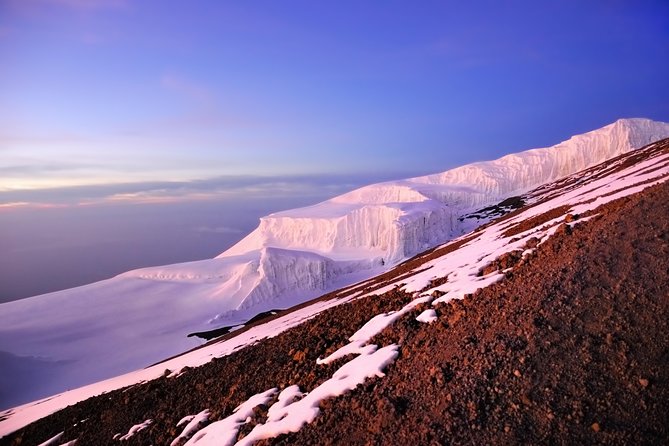
The summit push begins at night from Barafu. Uhuru Peak rises to 5,895 meters, and the main difficulty is the altitude rather than technical climbing. The ascent is supported by a personal guide for each pair of climbers, with the guide watching your physical and mental condition throughout the climb.
That one-to-one arrangement is a valuable safety feature. Summit night is when problems can develop quickly, and a guide close by can monitor you more carefully than someone managing a large line of people.
After reaching Uhuru Peak, you can descend toward the nearest glacier if conditions and energy allow. You then return to Barafu, rest for about two hours, and continue down to Millennium Camp at 3,820 meters.
Do not underestimate the descent. Your legs have already worked hard, and the day combines the summit ascent, the return to Barafu, and another camp move. The itinerary warns that most accidents happen during descent, when fatigue and relief can encourage careless steps. Use trekking poles if you bring them, follow the pace, and keep drinking.
Day 9: Mweka Gate and a Proper Celebration
Millennium Camp sits in tropical rainforest, and the lower altitude should feel like a major relief after the summit. After breakfast, you descend to Mweka Gate at 1,650 meters. The walk covers about 12 kilometers and takes four to five hours.
At the gate, the group gathers to celebrate, and you receive a commemorative certificate at the company office before returning to the hotel. This final evening gives you a chance to shower, sleep in a proper bed, and process what you have just done.
The last day is not an afterthought. A hot hotel room and a normal meal matter after several nights in a tent. If your flight is later in the day, remember that a late hotel check-out costs extra.
Camping, Meals, and Mountain Comfort
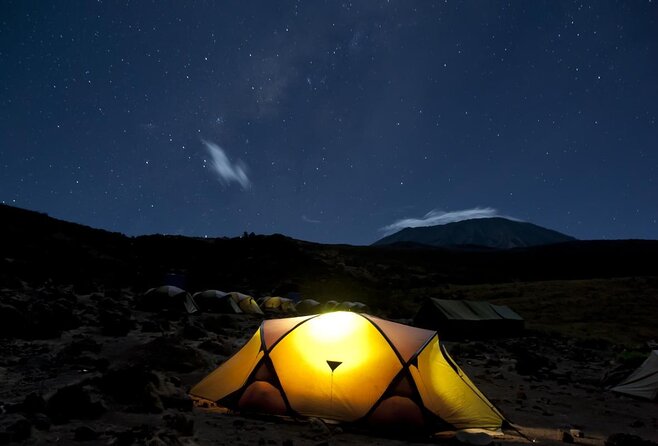
You sleep in North Face VE-25 tents, normally with two climbers per tent. Single tent use costs extra. The company also supplies dining tents, sleeping pads, tables, chairs, crockery, and cutlery.
This is not luxury accommodation, but the organized camp system makes the climb much easier than carrying and managing everything yourself. Several people who described the trip in detail singled out the tents, food, and general organization as especially strong. One particularly memorable detail was pizza being prepared on the mountain, a welcome break from standard trail food.
Three meals are served each day, with energy-rich choices at breakfast, lunch, and dinner. Tea, coffee, juice, soda, and other drinks are included. Vegetarian, vegan, lactose-free, gluten-free, halal, and other meal plans can be arranged.
Hotel meals are not included, and lunch or dinner there costs about $15 to $20 per person. Personal gear also costs extra, though equipment can be hired from the company’s gear store. You will need your own hiking clothing and boots, and a sleeping bag unless you arrange a rental.
Safety and Support at 5,895 Meters
The support system is one of the strongest reasons to consider this trip. Guides hold Certified Wilderness First Responder qualifications, and the team carries medical kits, oxygen tanks, and oximeters. Medical check-ups are part of the climb.
Porters, camp masters, and cooks handle the heavy support work. Their effort makes the route possible, and you should budget separately for tips for the mountain crew. Tips are not included in the listed price.
Mountaineering insurance is also not included, and the policy must cover trekking up to 6,000 meters. This is highly recommended. Standard travel insurance may not cover a climb at this height, so check the wording before you leave home.
Is $3,975 a Fair Price?
The listed price is $3,975 per person. That is a serious amount, but it includes much more than guiding. You receive airport transfers, all ground transportation, two hotel nights, mountain camping, national park fees, meals, drinks, group equipment, medical support, and a full climbing crew.
For someone comparing low-cost Kilimanjaro operators, this list matters. A cheaper headline price may leave out park charges, food, rescue support, hotel nights, or proper equipment. Here, much of the cost is visible before you arrive.
You still need to pay for international transport to Tanzania, personal gear, hotel lunches and dinners, insurance, crew tips, and single accommodation if you want it. Group discounts are available, and the activity is described as private to your group. Ask for the exact group setup when booking, especially if you are arranging a solo climb or want a single tent.
Who Should Choose the Lemosho Route?
I would choose this route if you want a gradual approach, changing scenery, and a well-supported first major mountain climb. The eight-day schedule allows more time for acclimatization than a rushed itinerary, though success is never guaranteed.
It suits people with moderate fitness who can manage long walking days and repeated climbs. You do not need technical climbing skills for the route as described, but you do need patience, good preparation, and a willingness to follow the guide’s pace.
This may not suit you if you dislike camping, have no interest in cold conditions, or want a relaxed holiday with occasional walking. The 14-hour day near Karanga and the summit schedule are demanding. The mountain remains the mountain, even when the logistics are polished.
Should You Book This Kilimanjaro Climb?
I would book this trip if safety systems, food, route pacing, and organized support matter more to you than finding the lowest possible price. The Lemosho Route offers excellent variety, while Altezza’s included guides, porters, cooks, medical gear, hotel nights, and transfers reduce many practical worries.
Before paying, confirm your personal gear plan, insurance coverage to 6,000 meters, single-room or single-tent costs, crew tipping expectations, and the exact group arrangement. If you prepare properly and accept the physical challenge, this is a strong choice for a first Kilimanjaro climb and a serious high-altitude adventure.
Free cancellation is available up to 24 hours before the experience start time. Changes or cancellations made later are not accepted for a refund.
FAQ
How long does the full Kilimanjaro experience last?
The full program lasts approximately 10 days. It includes hotel accommodation before and after the mountain climb, with eight hiking days on the Lemosho Route.
Where does the climb start?
The mountain portion begins at Londorossi Gate, the western entrance to Kilimanjaro National Park. The gate is about 2,200 meters above sea level.
Is airport transportation included?
Yes. Pickup and drop-off at Kilimanjaro International Airport are included, along with all ground transportation during the program.
What accommodation is provided?
Two nights at Aishi Machame Hotel are included, normally with two people sharing a room. On the mountain, you stay in North Face VE-25 tents, normally with two climbers per tent. Single accommodation costs extra.
Are meals included?
Three meals a day are included on the mountain, along with drinks such as tea, coffee, juices, and soda. Hotel lunches and dinners are not included and cost about $15 to $20 per meal.
What happens during the summit day?
You leave Barafu Camp at night and climb to Uhuru Peak at 5,895 meters. A personal guide accompanies each pair of climbers during the ascent. After returning to Barafu, you rest for about two hours before descending to Millennium Camp.
Do I need special insurance?
Yes. Mountaineering insurance covering trekking up to 6,000 meters is highly recommended and is not included in the tour price.
More Lemosho Route Climbs in Moshi
- Kilimanjaro Lemosho Route
★ 5.0 · 71 reviews - Climbing Kilimanjaro through 8 days Lemosho Route
★ 5.0 · 52 reviews - 8 Days Climbing Mt.Kilimanjaro (Lemosho Route)
★ 4.5 · 37 reviews - 7 days Lemosho route Climbing Mt.Kilimanjaro
★ 5.0 · 31 reviews
Just added around Moshi
- Mt Kilimanjaro 6 days Marangu route hike★ 5.0 · 3 reviews
- Wildlife Extravaganza: Manyara, Tarangire & Ngorongoro in 3 Days★ 5.0 · 3 reviews
- Private Cycle to Kilimanjaro Bike Park Safari★ 5.0 · 6 reviews
- 3 Days Private E-Bike Tour in West Kilimanjaro★ 5.0 · 3 reviews
- West Kilimanjaro cycling Adventures★ 4.5 · 8 reviews
- machame route★ 5.0 · 16 reviews
- Kilimanjaro Climb & Safari – Lemosho Route – 13 Day★ 5.0 · 10 reviews
- Kilimanjaro Climbing Umbwe Route★ 5.0 · 3 reviews
Lemosho Route Climbs, compared.


8-Day Small-group Lemosho Kilimanjaro Summit Trekking
Read our review →




Climbing Kilimanjaro through 8 days Lemosho Route
Read our review →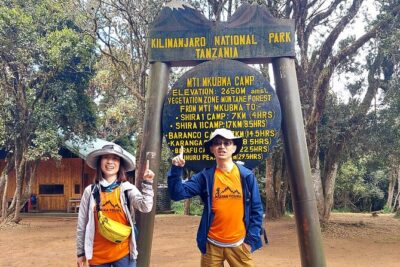
Browse the lists this tour appears in