
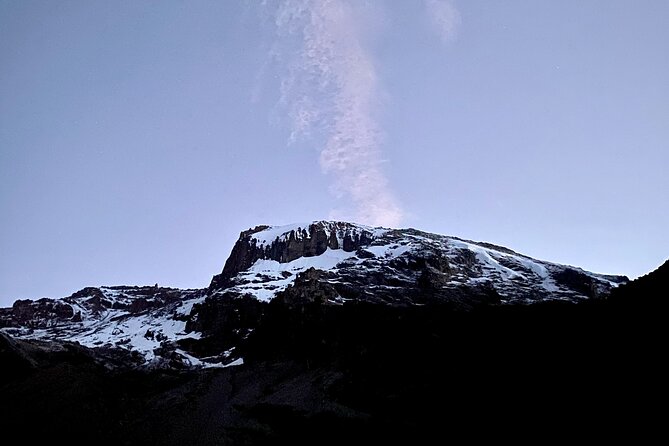
Reviewed · LEMOSHO ROUTE CLIMBS
Mt. Kilimanjaro Climb – 8 Day Lemosho Route
Kilimanjaro’s Lemosho Route gives you something many summit treks lack: time. Over eight days, you move from quiet forest to high volcanic moorland, then circle toward the summit with an extra acclimatization day. The route finishes with a sunrise push to Uhuru Peak, Africa’s highest point.
I like the uncrowded western approach and the smart climb-high, sleep-low rhythm. I also like the level of support: certified guides, cooks, porters, a private toilet tent, meals, airport transfers, and hotel nights are all part of the package. Guide Ezekiel is repeatedly singled out for his pacing, judgment, and care with safety.
The main consideration is that this is still a serious high-altitude climb, not a long sightseeing walk. You need strong physical fitness, proper personal gear, insurance, and patience for cold, steep ground and a demanding summit night.
Key points to know before you book
- Eight days help your body adjust: The full day on the Shira Plateau and the Lava Tower descent give you useful time at altitude.
- The route is scenic and relatively quiet: You pass through rainforest, heather, moorland, volcanic rock, and the Senecio Forest.
- The summit night begins around midnight: Expect several hours of dark, cold uphill walking before sunrise near Stella Point.
- Barranco Wall looks worse than it feels: The climb is steep and narrow but non-technical, with no rock-climbing skills listed as necessary.
- A small group keeps the trek personal: The maximum group size is 12, with guides and a large mountain support crew.
- The $3,099 price covers the mountain operation: Park fees, guides, porters, tents, meals, transfers, and two hotel nights are included, but tips and personal equipment are extra.
Why the eight-day Lemosho Route works so well
Lemosho approaches Kilimanjaro from the west, where the trail begins in a quieter forest zone before joining the mountain’s main southern circuit. That route choice matters. You get broad views toward Mount Meru and Moshi, a gradual change in plant life, and more time to adjust before the high camps.
The extra day is not filler. Altitude affects people in unpredictable ways, and a slower schedule gives you a better chance to notice how your body is responding. The route uses the classic climb high, sleep low idea on the Lava Tower day, while the Shira Plateau day offers a gentler acclimatization walk.
Roam Wild Adventure limits the group to 12 people. That is small enough for your guide to keep track of pace and comfort, though the overall support team can be much larger. One five-person group described having a lead guide, two assistant guides, a chef, a waiter, and 17 porters. That example shows how much labor goes into moving food, tents, cooking supplies, and equipment up the mountain.
Guide Ezekiel is the name to know. His experience, calm pacing, and attention to safety receive especially strong emphasis. Other guides and team members named in the feedback include Michael and Helen Soto, the company owner. The exact guide assigned to your departure may differ, so it is sensible to confirm that before booking.
More Kilimanjaro Climbs in Kilimanjaro
- Kilimanjaro climb by Lemosho Route (7-day)
★ 5.0 · 651 reviews - Kilimanjaro climb, Machame Route (7-day)
★ 5.0 · 262 reviews - Kilimanjaro Climbing Lemosho Route 8 Days.
★ 5.0 · 186 reviews
Day 1: Londorossi Gate to the first forest camp
Your morning begins in Moshi, with a drive of about four hours to Londorossi Gate. There, your team handles entry formalities before continuing by vehicle to the Lemosho trailhead.
The first walk leads through undisturbed rainforest. This is a soft introduction to the mountain, but do not mistake it for a casual stroll. The trail climbs, and wet conditions can make the ground slippery. Blue monkeys may appear in the trees, adding a little wildlife interest before the high-altitude scenery takes over.
You sleep at the first campsite in the forest. The package includes a three-person mountaineering tent, sleeping mat, meals, and a private toilet tent. The sleeping arrangement is practical rather than luxurious, and the tent capacity may mean sharing with another person.
Day 2: Leaving rainforest for Shira Ridge
On the second day, the forest gives way to tall grasses, heather, volcanic rock, and lichen-covered ground. This change is one of Lemosho’s pleasures. In a short time, you move from thick trees into open country where the mountain feels much larger.
The trail rises through rolling terrain and crosses streams before reaching Shira Ridge. From there, you descend gently to Shira 1 Camp. Across the plateau, Kibo, Kilimanjaro’s highest volcanic cone, comes into view.
This is a good day for settling into the group’s pace. The guides encourage a slow rhythm, and you should resist the urge to race simply because the air still feels manageable. At altitude, conserving energy early can matter more than proving your strength.
Day 3: A full acclimatization day on Shira Plateau
The Shira Plateau is one of the defining parts of this route. Rather than pushing directly onward, you spend a full day exploring its high moorland. The walk toward Shira 2 Camp is generally gentler than the later summit approach, with broad views and open ground.
The route then diverts toward Moir Hut at the base of the Lent Hills. This lesser-used area provides options for short walks and altitude practice. It is a useful day because your body spends time higher up while the walking itself remains relatively moderate.
You may find this day mentally harder than expected. There is no summit yet, and the scenery can feel exposed and spare. Still, the slower schedule is one of the best reasons to choose eight days instead of trying to compress the climb.
More Kilimanjaro Climbs in Moshi:
- Kilimanjaro climb, Lemosho Route (8-day)
★ 5.0 · 148 reviews - Kilimanjaro climb, Lemosho Route (6-day)
★ 5.0 · 129 reviews - Kilimanjaro climb, Marangu route (6-day)
★ 5.0 · 72 reviews - Private Kilimanjaro Hike 7 Day Lemosho Route
★ 5.0 · 60 reviews
Day 4: Lava Tower, then down through Senecio Forest
Day four is one of the most important altitude days. You climb toward Lava Tower, a roughly 300-foot volcanic rock formation, reaching about 13,000 feet before descending to Barranco Camp at a similar elevation to where you began.
The point is not simply to reach Lava Tower. You spend time higher, then sleep lower. That pattern helps your acclimatization, although it does not remove the risk of altitude sickness. Tell your guide promptly about headache, nausea, unusual fatigue, dizziness, or breathing problems.
The descent leads through the Senecio Forest, filled with giant plants that give this section a strange, almost prehistoric look. You finish at Barranco Camp, surrounded by steep volcanic walls and one of the mountain’s most memorable settings.
Day 5: The Barranco Wall and Karanga Camp
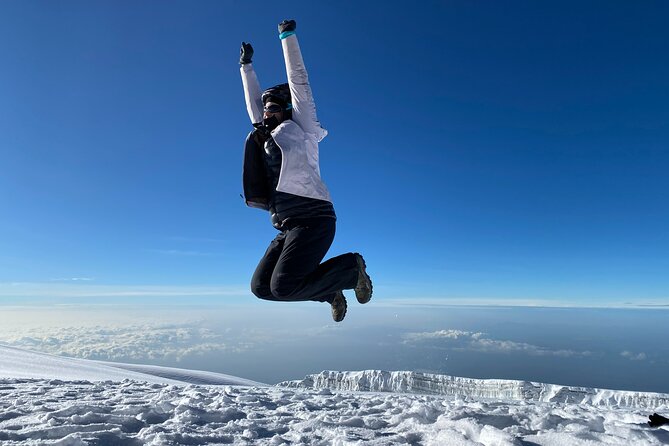
The morning starts by dropping into a ravine at the foot of the Great Barranco Wall. The wall rises nearly 900 feet and can look intimidating from below. The route is described as steep but non-technical, so you are walking and using your hands for balance rather than climbing with ropes.
One narrow section is about three feet wide and is known as the Kissing Wall. You may need to hug the rock and move carefully around an outcrop. This is not a place for rushing or carrying a loose day bag that swings around. Keep your hands available and follow the guide’s instructions.
Above the wall, the path crosses hills and valleys before dropping into Karanga Valley. A final steep climb brings you to Karanga Camp. This shorter day is helpful because it gives you time to recover before moving toward the summit camps.
Day 6: Karanga to Barafu Hut
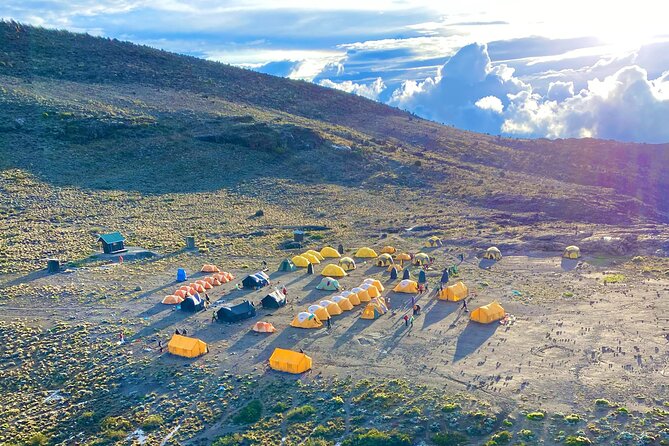
From Karanga, you climb toward the junction with the Mweka Trail, then continue over rocky ground to Barafu Hut. At this point, you have completed the Southern Circuit, which gives you views of Kibo and Mawenzi from different angles.
Barafu is the preparation camp for summit night. You rest, eat an early dinner, organize your warm layers, and try to sleep before the midnight start. That last part can be difficult. Excitement, altitude, and the unusual schedule may keep you awake, so prepare your clothing and headlamp before lying down.
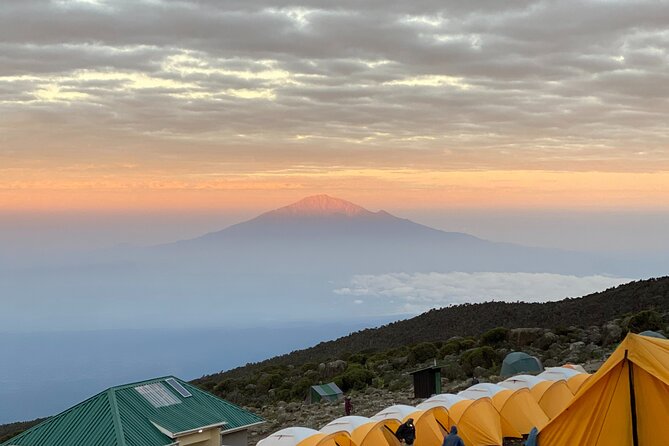
The two peaks, Mawenzi and Kibo, are visible from camp. The view is a useful reminder of the scale of the next day. You are not simply taking one final hill. You are preparing for a long ascent followed by a very long descent.
Day 7: Midnight start, Stella Point, and Uhuru Peak
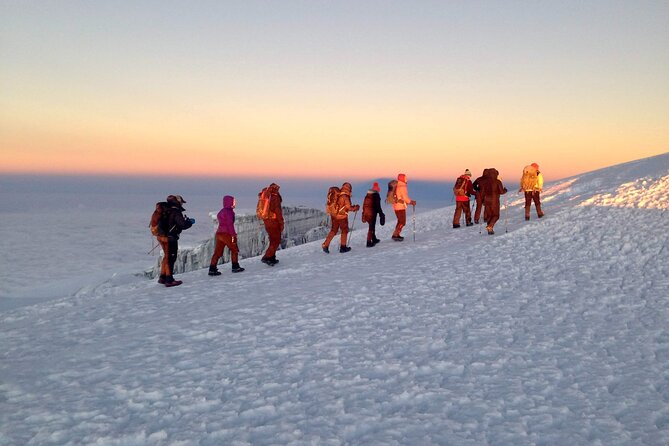
Summit day is the toughest part of the climb. Around midnight, you begin walking in darkness, taking frequent short breaks as you climb over cold, rocky ground. The pace is deliberately slow. At this stage, steady movement matters more than speed.
Near Stella Point, at about 18,900 feet, the sunrise appears over Mawenzi Peak. This is one of the great rewards of the route, but it arrives after several difficult hours. You may feel tired, cold, or short of breath, and the last stretch can test your focus.
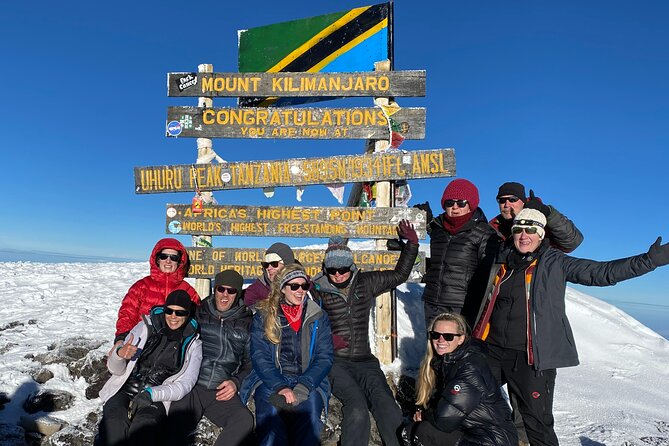
From Stella Point, you continue to Uhuru Peak, the summit of Kilimanjaro and the highest point in Africa. Take your photographs, but keep the stop sensible. At this elevation, even small tasks can feel demanding.
The descent begins after the summit. This is where many people underestimate the day. Going downhill is faster than climbing, but your legs are already tired, and loose volcanic ground can be hard on knees and ankles. Listen to your guide, drink regularly, and save enough energy for reaching camp safely.
Day 8: Mweka Gate and back to Moshi
The final day continues downhill to Mweka Gate. Lower elevations may be wet and muddy, so gaiters or waterproof trousers can make this section more comfortable if you bring them. At Mweka Village, a vehicle takes you back to your Moshi hotel.
The hotel return gives you a proper chance to wash, rest, and eat. You may also receive your summit certificate while enjoying a drink, perhaps a local Kilimanjaro beer. Airport drop-off is included, as is the hotel night after the climb, so the return day is organized rather than improvised.
What the $3,099 price really covers
At $3,099 per person, this is not a budget walk-up-the-mountain trip. It is a supported expedition with major fixed costs. The price includes park fees and taxes, airport pickup and drop-off, the hotel night before and after the climb, tents, sleeping mats, meals, certified guides, porters, cooks, and a private toilet tent.
The six included breakfasts, six lunches, and six dinners cover the mountain portion. Hotel lunches and dinners are not included, and neither are drinks or snacks. You also pay separately for airfare, visa costs, travel insurance, tips for the support crew, sleeping bags, rental gear, and other personal equipment.
That list is important because equipment can add a noticeable amount. Sleeping bags and warm clothing are not supplied as standard. Rental gear is available as an extra, but you should ask what is available, what condition it is in, and how much it costs before you arrive.
The value is strongest if you want a full-service climb and do not want to arrange separate transfers, park entry, food, camping equipment, and mountain staff. It is less attractive if you already have local contacts and your own expedition equipment.
Food, tents, porters, and the human side of the climb
The support system shapes your daily comfort. A chef prepares the included meals, while porters move the camp and supplies. Some groups also have a waiter and a camp porter, depending on size and arrangements.
The company presents itself as woman-owned and eco-minded, with a stated interest in giving back to the community. You should still ask how porter welfare, wages, load limits, and tipping are handled. Tips are not included, and they are an important part of planning the true cost of the trip.
The strongest praise centers on small acts of care: attention to warmth and dryness, thoughtful pacing, good food, flexible handling of group requests, and safety on the ascent. Those details matter far more than flashy extras during an eight-day mountain trip.
Who should choose this Kilimanjaro climb
This route suits you if you want scenery, a gradual schedule, and a well-supported attempt at Africa’s highest summit. It is a good fit for people who prefer a small group, value experienced guides, and want hotel nights and transport arranged around the climb.
You should be comfortable walking for many hours over uneven ground. You also need strong physical fitness, as specified by the operator. No technical climbing ability is listed, but steep paths, rocky sections, cold temperatures, and high altitude still make this a serious physical challenge.
The route may not suit you if you want a quick, inexpensive mountain holiday or if you dislike camping. The summit night is especially demanding, and the 95 percent success figure should be treated as an approximate company claim, not a promise. Fitness, acclimatization, weather, health, and guide decisions all affect the result.
Booking confirmation is provided at the time of booking. Pickup is offered, and the listed start time is 9:00 am. Cancellation is free if you cancel at least 24 hours before the local start time. Changes or cancellations inside that window are not accepted for a refund.
Should you book the Lemosho Route?
I would choose this trip if your priority is the best balance of scenery, acclimatization time, and organized support. The Shira Plateau, Lava Tower, Senecio Forest, Barranco Wall, and sunrise at Stella Point give the climb real variety, while the eight-day schedule avoids the rush of shorter routes.
The price makes sense for a first Kilimanjaro attempt when you want one company handling transfers, hotels, meals, tents, permits, guides, cooks, and porters. Before paying, confirm your guide team, gear-rental prices, tipping guidance, sleeping-bag requirements, hotel details, and the exact plan for summit-day descent.
Choose it with realistic expectations. You are buying a carefully supported chance at Uhuru Peak, not a guarantee. If you train well, pack for wet forest and freezing summit conditions, and accept the slow pace, Lemosho gives you one of Kilimanjaro’s most rewarding routes.
FAQ
How long does the Kilimanjaro climb last?
The climb lasts approximately eight days, beginning and ending with transport connected to Moshi.
Where does the experience start?
The experience starts in Moshi, Tanzania. Pickup is offered, and the listed start time is 9:00 am.
What is the maximum group size?
The maximum group size is 12 travelers.
Is airport transportation included?
Yes. Airport pickup and drop-off are included.
Are hotel nights included?
Yes. The package includes hotel lodging on the night before the climb and the night after it.
Are meals included?
Six breakfasts, six lunches, and six dinners are included during the mountain portion of the trip. Lunch and dinner at the hotel, drinks, and snacks are not included.
Is camping equipment provided?
A three-person mountaineering tent, sleeping mat, and private toilet tent are included. Sleeping bags and other personal gear are not included. Rental gear is also separate.
Do I need to be physically fit?
Yes. The operator states that you should have a strong physical fitness level.
What is the cancellation policy?
You can receive a full refund if you cancel at least 24 hours before the experience start time. Cancellations or changes made less than 24 hours before the local start time are not accepted for a refund.
More Lemosho Route Climbs in Moshi
- Kilimanjaro Lemosho Route
★ 5.0 · 71 reviews - Climbing Kilimanjaro through 8 days Lemosho Route
★ 5.0 · 52 reviews - 8 Days Climbing Mt.Kilimanjaro (Lemosho Route)
★ 4.5 · 37 reviews - 7 days Lemosho route Climbing Mt.Kilimanjaro
★ 5.0 · 31 reviews
Just added around Moshi
- Mt Kilimanjaro 6 days Marangu route hike★ 5.0 · 3 reviews
- Private Cycle to Kilimanjaro Bike Park Safari★ 5.0 · 6 reviews
- Wildlife Extravaganza: Manyara, Tarangire & Ngorongoro in 3 Days★ 5.0 · 3 reviews
- 3 Days Private E-Bike Tour in West Kilimanjaro★ 5.0 · 3 reviews
- West Kilimanjaro cycling Adventures★ 4.5 · 8 reviews
- machame route★ 5.0 · 16 reviews
- Kilimanjaro Climb & Safari – Lemosho Route – 13 Day★ 5.0 · 10 reviews
- Kilimanjaro Climbing Umbwe Route★ 5.0 · 3 reviews
Lemosho Route Climbs, compared.


8-Day Small-group Lemosho Kilimanjaro Summit Trekking
Read our review →





Climbing Kilimanjaro through 8 days Lemosho Route
Read our review →Browse the lists this tour appears in