
Reviewed · LEMOSHO ROUTE CLIMBS
Kilimanjaro Lemosho Route 8 Days
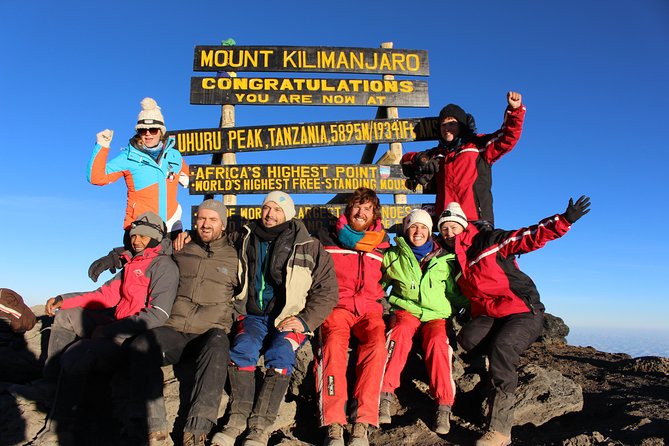
The special appeal of this 8-day Lemosho Route is its slower approach to Kilimanjaro’s summit. You cross the Shira Plateau, pass beneath Kibo, and reach Uhuru Peak at 5,895 meters in time for daylight and sunrise. The route also offers views toward the Great Rift Valley, Mount Meru, and Longido, with a chance of seeing wildlife early on.
I like the extra acclimatization built into the schedule, especially the Shira Camp 1 and Shira Camp 2 nights. I also like the serious safety kit: emergency oxygen, a Gamow Bag, pulse oximeter, radios, rescue fees, and a portable toilet. The main consideration is that this remains a hard high-altitude climb. Eight days gives your body useful time, but it does not remove the risk of altitude sickness or the strain of summit day.
Key points before you book
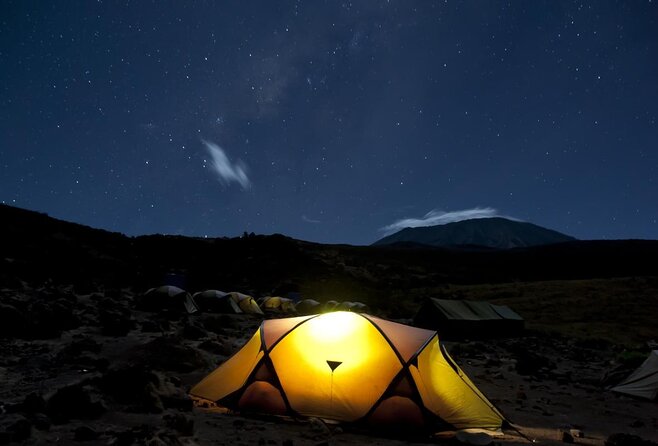
- Scenic western approach: The Lemosho Route crosses the Shira Plateau and opens views toward Mount Meru, Longido, and the Great Rift Valley.
- A long summit day: Day 7 combines the climb to Uhuru Peak with a descent to Mweka Camp, making it the toughest section by far.
- Strong mountain support: Guides, porters, cooks, tents, mats, dining furniture, radios, oxygen, and rescue fees are included.
- Useful acclimatization: Two nights around the Shira Plateau and gradual gains toward Barranco help make the eight-day plan more sensible than a rushed climb.
- Private-group format: Only your group participates, so the pace can be adjusted, within the limits of weather, safety, and camp schedules.
- Local-company experience: Kilimanjaro Brothers is based in Tanzania, with guides and porters such as Abel, Eli, Justin, Richard, Abdul, and Priscus associated with past climbs.
Why the Lemosho Route is worth eight days
Kilimanjaro is not a technical mountain in the usual mountaineering sense, but it is a serious endurance climb. The challenge comes from altitude, cold, thin air, long walking days, and the need to keep going when your body would rather stop.
Lemosho is a good route for people who want scenery and a measured ascent. It begins on the western side of the mountain, then joins the upper mountain routes near Shira. Compared with a rushed itinerary, the eight-day plan gives you more time to settle into the rhythm of walking slowly, eating regularly, resting, and watching for altitude symptoms.
The price is $2,833.34 per person. That is not a budget day hike, but it covers a great deal: park entry and government fees, rescue costs, transport in Tanzania, hotel nights before and after the climb, all mountain meals, tents, sleeping mats, porters, guides, and safety equipment. You also receive airport or arrival and departure transfers, which removes several awkward transport decisions.
The real value depends on how well the company delivers its support. On Kilimanjaro, a low headline price can become less attractive if essential items, porter welfare, transfers, or proper mountain staffing are left unclear. Here, fair and ethical treatment of porters is specifically included, along with a porter to carry your day-pack during the summit attempt.
More Lemosho Route Climbs in Moshi:
- Kilimanjaro climb by Lemosho Route (7-day)
★ 5.0 · 651 reviews - Kilimanjaro Climbing Lemosho Route 8 Days.
★ 5.0 · 186 reviews - Kilimanjaro climb, Lemosho Route (8-day)
★ 5.0 · 148 reviews
Day 1: Londorossi Gate to Mti Mkubwa Camp
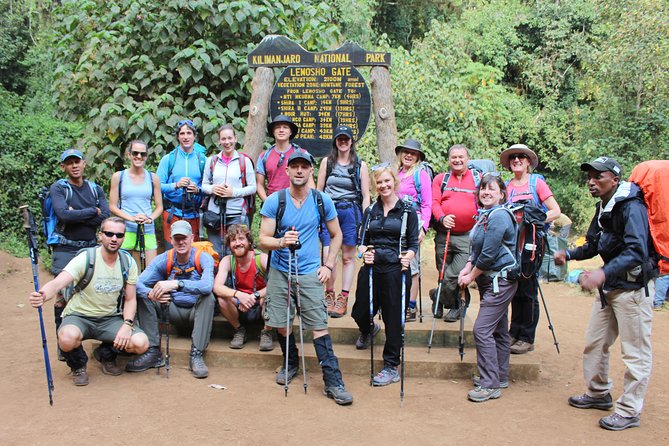
Your climb begins with a drive to Londorossi Park Gate at about 2,385 meters, or 7,825 feet. After park formalities, you walk through the lower mountain zone to Mti Mkubwa Camp at 2,700 meters.
The first hike is about 8 kilometers and takes three to four hours. That is a manageable opening day, though the route may feel longer if you have just arrived in Tanzania or are still adjusting to the heat and travel schedule.
This section is important because it gives you a calm start. You are not asked to gain thousands of meters immediately. Some wildlife may be seen in the lower part of the route, though sightings are not guaranteed. Keep your eyes open, but do not treat this as a safari.
Mti Mkubwa means Big Tree Camp, and the setting marks your first night in a mountain camp. You will sleep in waterproof tents on the supplied mats. Warm water for washing is available each day, a small comfort that matters more than you might expect after a dusty walk.
Day 2: The climb to Shira Camp 1
Day 2 covers about 6 kilometers and takes five to six hours, ending at Shira Camp 1 at 3,500 meters. The distance is not huge, but the altitude gain makes this a more serious day than the figures suggest.
You will notice the vegetation changing as you climb higher. The route opens up, and the first broad views become part of the experience. The Shira Plateau is one of Lemosho’s defining features, giving this route a more scenic feel than a direct, purely summit-focused approach.
This is a good day to follow the guides’ pace rather than your own instincts. The company’s mountain team includes professional English-speaking guides, and past climbs have involved guides named Abel, Eli, Justin, Richard, Abdul, and Priscus. The assigned team can vary, so confirm your guide names before departure if that matters to you.
At camp, you can expect meals designed for long days at altitude. The package promises fresh, nutritious food in large portions, with breakfast, lunch, and dinner provided throughout the mountain stay. That does not mean restaurant variety, but reliable food is one of the foundations of a successful climb.
Day 3: A shorter day from Shira Camp 1 to Shira Camp 2
The third day moves from Shira Camp 1 to Shira Camp 2 at 3,840 meters. The walk is listed at about 8 kilometers and three to four hours.
A shorter hiking day gives you time to rest, wash, eat, and get comfortable with camp life. It also supports the basic high-altitude rule of gaining height gradually and allowing your body time to respond.
Shira is one of the most memorable parts of this itinerary. The plateau gives you open views and a sense of the mountain’s scale. You may see Mount Meru or Longido in the distance, depending on cloud and visibility. The Great Rift Valley is also part of the wider view described for this route.
Do not make the mistake of treating an easy walking day as a free pass. At 3,840 meters, altitude can affect sleep, appetite, energy, and breathing. The guides carry a pulse oximeter to measure oxygen levels, but the reading is only one part of an assessment. Tell your guide if you have a headache, nausea, unusual fatigue, or difficulty breathing.
Same country, a completely different kind of safari:
- Safari Serengeti And Ngorongoro
★ 5.0 · 288 reviews - Kilimanjaro climb, Machame Route (7-day)
★ 5.0 · 262 reviews - Climbing Kilimanjaro – Machame Route
★ 5.0 · 170 reviews - Climbing Kilimanjaro through 7 days Machame Route
★ 5.0 · 151 reviews
Day 4: Shira Camp 2 to Barranco Camp
Day 4 is a longer push to Barranco Camp at 3,950 meters. You walk about 8 kilometers over six to seven hours.
The gain in sleeping altitude is modest, but this is still a full day on your feet. The value is in the gradual progression and the changing scenery as you move toward the southern side of Kilimanjaro.
Barranco is also a useful staging point before the famous Barranco Wall. The itinerary places you at Barranco Camp rather than trying to force a longer advance. That gives the next morning its own challenge instead of turning several difficult sections into one exhausting day.
The campsite sits high enough for the thin-air reality to become impossible to ignore. Eat even if your appetite drops, drink the supplied purified water, and use the rest periods properly. The guides’ experience with altitude is one of the strongest practical reasons to choose an established mountain team.
Day 5: Barranco to Karanga Valley
The walk from Barranco Camp to Karanga Valley Camp is about 5 kilometers and takes four to five hours. The sleeping altitude rises only slightly, from 3,950 to 3,995 meters.
The short distance does not mean this is a soft day. The route includes the Barranco Wall, a steep section that requires careful foot placement and steady movement. You do not need technical climbing equipment for the standard route, but you should be comfortable using your hands for balance and following instructions closely.
I like the way this itinerary uses Karanga Valley as a separate night. It breaks up the climb toward Barafu and gives you another chance to recover before the summit attempt. A faster plan may save a day, but saving time is not always the same as improving your chance of reaching the top.
At camp, use the afternoon for rest rather than trying to fill every minute. Your main job is to eat, drink, stay warm, and prepare your gear for the following day.
Day 6: Karanga Valley to Barafu Camp
Day 6 covers just 4 kilometers, but the climb to Barafu Camp at 4,550 meters takes four to five hours. This is a classic high-altitude approach: short distance, slow progress, and a large physical cost.
Barafu is the launch point for the summit attempt. You will need to organize warm clothing, headlamp or other personal equipment, water, snacks, and anything you want close at hand. The exact personal packing list is not supplied, so ask the operator for a current checklist before you leave home.
Rest at Barafu is not always easy. The altitude can make sleep poor, and the excitement of summit night can keep you awake. Do not worry if you do not sleep perfectly. Lying down, staying warm, and conserving energy still help.
The support system matters here. Tents, mats, toilet tents, dining equipment, warm washing water, and hot meals are included. A portable personal flash toilet is also provided, which can make camp life more private and practical than relying only on shared facilities.
Day 7: Uhuru Peak and the descent to Mweka Camp
Day 7 is the heart of the trip and the part you should take most seriously. The listed climb to Uhuru Peak is about 5 kilometers and seven to eight hours, followed by a descent through Barafu and onward to Mweka Camp at 3,060 meters.
The summit plan is designed to reach the top during daylight and around sunrise. That timing offers the best chance of seeing the mountain’s high ridges, surrounding plains, and changing light. Conditions can still bring cloud, cold, wind, or poor visibility, so sunrise is an aim rather than a promise.
Uhuru Peak is 5,895 meters, or 19,341 feet. At that height, even simple walking can feel slow and demanding. The guiding team will set the pace, monitor your condition, and decide how to respond if altitude or weather becomes unsafe.
After reaching the summit, you still have a long descent. The route returns through Barafu for a short rest before continuing to Mweka Camp, with the downhill section listed at four to six hours and 12 kilometers. Many people focus so heavily on reaching the summit that they underestimate this second half of the day.
Emergency oxygen, a Gamow Bag, radios, rescue fees, and a pulse oximeter are included. These are valuable safeguards, not guarantees. No equipment replaces honest communication with your guide or a sensible decision to stop if your condition worsens.
A porter carries your day-pack during the summit attempt. That is especially useful on this day, when reducing weight can preserve energy for the climb and descent.
Day 8: Mweka Camp to the gate and the certificate ceremony
The final walk descends to Mweka Gate. The itinerary lists the route as about 4 kilometers and three to four hours, with the gate altitude shown as 4,600 meters. That figure appears inconsistent with the stated descent from Mweka Camp, so confirm the final route and elevation details with the operator before departure.
After reaching the gate, you transfer to Park View Inn for your certificate and summit party ceremony. The hotel arrangements include bed-and-breakfast accommodation, with the package also listing classic standard and comfort hotel nights before and after the trek. Because the accommodation wording is not fully clear, ask exactly which nights and hotel category apply to your booking.
The final day is more than paperwork. It gives you a proper transition from tent life back to town, plus a chance to recognize the guides, cooks, and porters who made the climb possible.
What the support package really gives you
The inclusions are unusually important on a mountain trip. You receive:
- All government taxes and Kilimanjaro park entrance fees
- Arrival, departure, and destination transport
- Two hotel nights before and after the trek, with the listed standard and comfort arrangements to confirm
- Breakfast, lunch, and dinner during the mountain itinerary
- Purified drinking water and warm water for washing
- Waterproof tents, sleeping mats, solar LED lights, toilet tents, and a portable personal toilet
- Dining tables and chairs with backs and armrests
- Experienced English-speaking mountain guides and porters
- Emergency oxygen, a Gamow Bag, radios, a pulse oximeter, and mountain rescue fees
- Fair and ethical treatment of porters
The dining furniture may sound excessive until you have spent several days in a tent camp. A proper chair with back support is welcome after a long climb, and a fixed dining area helps give the day a routine.
Tips are not included. Set aside money for gratuities, and ask the company for its current tipping guidance so the amount is fair and distributed properly. You also pay for a Tanzania visa on arrival, personal costs such as laundry, phone use, and drinks, and optional add-ons such as a safari.
Who should choose this climb
This trip suits you if you have a moderate fitness level and can handle repeated walking days, cold conditions, steep sections, and a very long summit day. You do not need to be an elite athlete, but you should prepare with regular uphill walking and long weekend hikes before arrival.
The private format is useful for couples, families, and small groups who want their own pace and direct access to the guide team. It can also work for solo climbers, although the amount of support and cost structure should be confirmed before booking.
The eight-day duration is best for someone who values a scenic route and extra time for acclimatization. If your priority is the lowest possible price or the shortest possible climb, this is not the obvious choice. If your priority is a better-paced ascent with substantial safety and camp support, the price is easier to justify.
The trip is not a good fit if you want a casual walking holiday, dislike basic camping, or are unwilling to turn back if the mountain becomes unsafe. Kilimanjaro is rewarding, but it asks for patience and discipline.
Booking details and cancellation
Pickup is offered, and the experience uses a mobile ticket. Confirmation is provided at booking, and only your group participates.
You can cancel at least 24 hours before the local start time for a full refund. Cancellations or changes made less than 24 hours ahead are not accepted for a refund. Poor weather can also cancel the climb, in which case you are offered another date or a full refund.
Should you book the 8-day Lemosho Route?
I would choose this trip if you want Kilimanjaro’s more scenic western approach, a slower eight-day schedule, and a package that covers the practical mountain details. The Shira Plateau, Barranco Wall, sunrise summit plan, and descent to Mweka give the route a strong mix of scenery and challenge.
Before paying, confirm the exact hotel nights, assigned guides, personal equipment list, group size, tipping guidance, and the Day 8 elevation wording. Those questions do not weaken the offer. They help make sure the package matches your expectations.
If you prepare properly and accept that summit success is never guaranteed, this is a well-supported route for a first Kilimanjaro attempt. Book it for the careful pacing and local mountain team, not because the summit will be easy.
FAQ
How long is the Kilimanjaro Lemosho Route experience?
The experience lasts approximately eight days, including the climb from Londorossi Park Gate to Uhuru Peak and the descent to Mweka Gate.
What altitude does Uhuru Peak reach?
Uhuru Peak reaches 5,895 meters, or 19,341 feet.
Is this a private tour?
Yes. This is a private activity, and only your group participates.
Are meals included?
Yes. Breakfast, lunch, and dinner are included during the mountain itinerary. The package lists eight breakfasts, eight lunches, and eight dinners.
Is drinking water provided?
Yes. Clean, purified drinking water is included while you are on the mountain.
Are park fees and rescue fees included?
Yes. Government taxes, park entrance fees, and rescue fees on the mountain are included.
What is not included in the price?
Tips, the Tanzania visa on arrival, personal expenses such as laundry, telephone use, and beverages, and optional tours such as a safari are not included.
Just added around Moshi
- Mt Kilimanjaro 6 days Marangu route hike★ 5.0 · 3 reviews
- Wildlife Extravaganza: Manyara, Tarangire & Ngorongoro in 3 Days★ 5.0 · 3 reviews
- Private Cycle to Kilimanjaro Bike Park Safari★ 5.0 · 6 reviews
- machame route★ 5.0 · 16 reviews
- 3 Days Private E-Bike Tour in West Kilimanjaro★ 5.0 · 3 reviews
- West Kilimanjaro cycling Adventures★ 4.5 · 8 reviews
- Kilimanjaro Climb & Safari – Lemosho Route – 13 Day★ 5.0 · 10 reviews
- Kilimanjaro Climbing Umbwe Route★ 5.0 · 3 reviews
Lemosho Route Climbs, compared.


8-Day Small-group Lemosho Kilimanjaro Summit Trekking
Read our review →





Climbing Kilimanjaro through 8 days Lemosho Route
Read our review →Browse the lists this tour appears in