
Reviewed · KILIMANJARO CLIMBS
Kilimanjaro climb, Northern Circuit route (8-day)
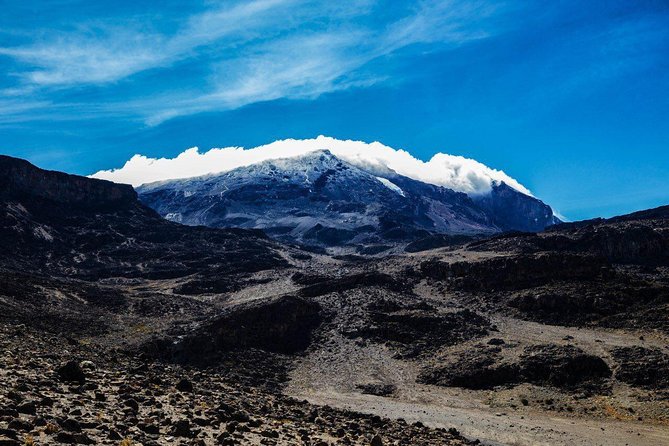
The Northern Circuit takes the long way around Kilimanjaro, crossing the quiet northern slopes before joining the Rongai route for the final push. That extra time matters: you gain height slowly, sleep at several altitudes, and get broad views toward Kenya, Tsavo, and Amboseli. I like the low-traffic route and the careful acclimatization plan. I also like the serious safety setup, with Wilderness First Responder guides, medical checks, oxygen, and one guide assigned to every two climbers on summit night. The main drawback is simple: eight climbing days require more time, patience, and stamina than the shorter routes.
Key points at a glance
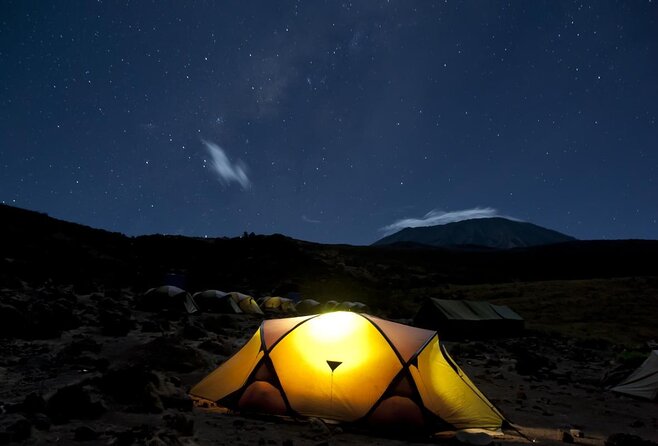
- The Northern Circuit is Kilimanjaro’s longest route, with remote trekking and few other groups around.
- Acclimatization is built into the schedule, including an extra walk toward Lava Tower before sleeping lower at Moir Hut.
- The summit attempt begins from School Hut at 4,750 meters, rather than from the lower Barafu area used on many routes.
- A full mountain operation is included, with porters, cooks, camp staff, branded tents, dining equipment, meals, permits, and transport.
- Safety receives unusual attention, including health checks, altimeters, medical kits, oxygen tanks, and a guide for every two climbers during the summit climb.
- The $4,010 price is high, but it covers most of the expensive and difficult parts of a Kilimanjaro expedition.
Why the Northern Circuit is worth the extra days
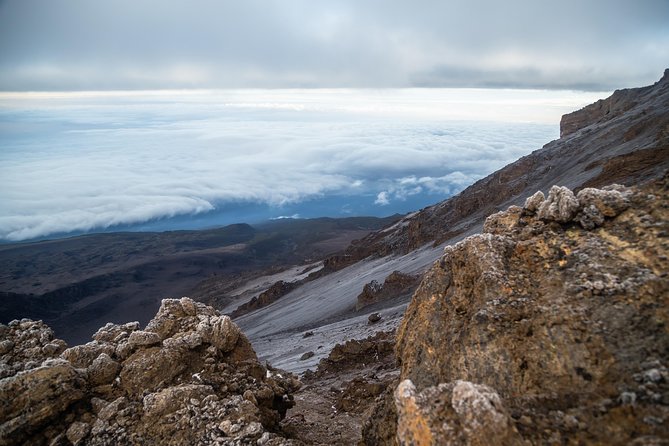
Kilimanjaro is not a technical climb, but altitude makes it tough. You do not need ropes or advanced mountaineering skills for this route, yet you still need to walk for hours at high elevation, sleep poorly at times, and manage cold, fatigue, and headaches.
The Northern Circuit helps by spreading the ascent over more days. You begin near the western side of the mountain, cross the Shira Plateau, reach 4,630 meters at Lava Tower, then descend before continuing around the northern slope. That climb high, sleep lower pattern gives your body more chances to adjust.
This is also the route for people who dislike crowded trails. The northern side receives fewer groups than the Marangu or Machame routes, so your days feel more like a wilderness trip than a procession. You still meet other climbers near the summit, but much of the approach is quiet.
The tradeoff is time. The package lasts about 10 days, including hotel nights and airport transfers, with eight days on the mountain. You need to be comfortable committing a substantial part of your Tanzania trip to one demanding trek.
More Kilimanjaro Climbs in Kilimanjaro
- Kilimanjaro climb by Lemosho Route (7-day)
★ 5.0 · 651 reviews - Kilimanjaro climb, Machame Route (7-day)
★ 5.0 · 262 reviews - Kilimanjaro Climbing Lemosho Route 8 Days.
★ 5.0 · 186 reviews
Arrival in Moshi and the first night
Your trip begins with pickup at Kilimanjaro International Airport. An Altezza Travel representative takes you to Aishi Machame Hotel, where you receive a room for two people unless you are climbing alone.
The hotel stay gives you a useful buffer before the mountain. You have hot water, Internet access, a swimming pool, and a proper bed. Check-in begins at 2:00 PM, and an evening briefing covers preparation for the climb.
That briefing is not just paperwork. It is your chance to check your clothing, sleeping arrangements, and personal gear before leaving town. You also meet the managers and begin learning how the mountain team will work.
Two hotel nights are included, one before and one after the trek. Lunch and dinner at the hotel are not included, so budget separately for those meals. The final hotel night is especially welcome after the descent, when a shower and a horizontal bed feel like luxury.
Day 1 and Day 2: from Londorossi Gate to Shira 1
The first mountain morning starts at the hotel, with another guide briefing before the drive to Kilimanjaro National Park’s western entrance. The trip to Londorossi Gate takes roughly three to four hours.
At the gate, the crew handles permits and search-and-rescue registration. From there, an off-road vehicle carries the group higher, to about 3,500 meters. This vehicle access is one of the route’s unusual features. You skip a long lower-altitude approach and begin walking among the high volcanic terrain.
Your first walk leads to Shira 1 Camp. The altitude gain is modest, and the trek is described as physically manageable. The reward is immediate: the Shira Plateau opens up, giving you your first broad views from the western side of Kilimanjaro.
I like this gentle start because it lets you settle into the rhythm of walking, eating, resting, and sleeping in camp. The possible downside is that you reach high altitude quickly by vehicle, so you still need to take the first day seriously. Walk slowly, drink regularly, and do not mistake an easy trail for an easy altitude.
Day 3: Shira 2 and the Lava Tower acclimatization walk
The move from Shira 1 to Shira 2 adds only about 300 meters of elevation. It is another relatively moderate day, leaving time to notice Kilimanjaro’s changing plant life and, when the sky is clear, Mount Meru.
After lunch and a two-hour rest, you take an acclimatization walk toward Lava Tower. You gain another 300 meters, then return to camp. This is a smart use of the afternoon because your body experiences a higher altitude without forcing you to sleep there.
The day lasts about six hours, but the pace should feel controlled. Do not spend your spare energy racing ahead for photographs. The point is to prepare for later days, not to prove anything on the first high section.
More Kilimanjaro Climbs in Moshi:
- Kilimanjaro climb, Lemosho Route (8-day)
★ 5.0 · 148 reviews - Kilimanjaro climb, Lemosho Route (6-day)
★ 5.0 · 129 reviews - Kilimanjaro climb, Marangu route (6-day)
★ 5.0 · 72 reviews - Private Kilimanjaro Hike 7 Day Lemosho Route
★ 5.0 · 60 reviews
Day 4: Lava Tower at 4,630 meters and Moir Hut
This is one of the most important days on the route. From Shira Camp at about 3,900 meters, you climb through a series of ups and downs to Lava Tower at 4,630 meters.
The trail is not a constant steep climb, but the repeated rises and drops can be tiring. You spend one or two hours at Lava Tower, including lunch, so your body has time at higher altitude before you descend toward Moir Hut Camp.
If someone in the group is not adjusting well, the guide may skip Lava Tower and use a porter trail. In that case, the day’s highest point is about 4,400 meters. That flexibility is a good sign. A responsible mountain plan changes when health requires it.
Moir Valley gives the day a rougher, more remote feel. The trek takes about eight hours, and you should expect some discomfort from the altitude. This is a day for a slow pace, warm layers, steady fluids, and close attention to your guide’s instructions.
Day 5: around the northern slope toward Kenya
After a short, steep climb out of Moir Valley, the trail begins its long circuit around Kilimanjaro’s northern side. The route has more rolling ground than dramatic uphill work, but the seven-hour day can still wear you down.
This section passes near the Kenya border and brings views toward the Tsavo and Amboseli valleys. The scenery is different from the western approach, and the sense of isolation is one of the route’s main rewards.
The northern side is also the reason to choose this itinerary instead of a shorter route. You are not simply walking to the summit by the quickest line. You are spending several days seeing the mountain from changing angles, with fewer people around.
Keep your expectations practical. Remote does not mean easy, and quieter trails do not remove the effects of altitude. The path’s gentle profile helps, but the day still asks for good footwear, a manageable daypack, and patience.
Day 6: Third Cave Camp and the Rongai connection
The route finishes its circuit of the northern slope and reaches Third Cave Camp, where it meets the traditional Rongai route. By this point, you have spent several days around 4,000 meters, and the gradual schedule has given your body more time to adapt.
The supplied schedule lists this as a shorter trekking day, but it also shows a long overall duration. That likely reflects the extended mountain schedule and camp routines rather than a simple five-hour walk. Ask the operator for the exact expected walking time for your departure date.
This is a good point to check your condition honestly. Feeling tired is normal. Worsening altitude symptoms are not something to hide. Your guides are equipped to perform medical checks and can adjust the plan when needed.
Day 7: School Hut at 4,750 meters
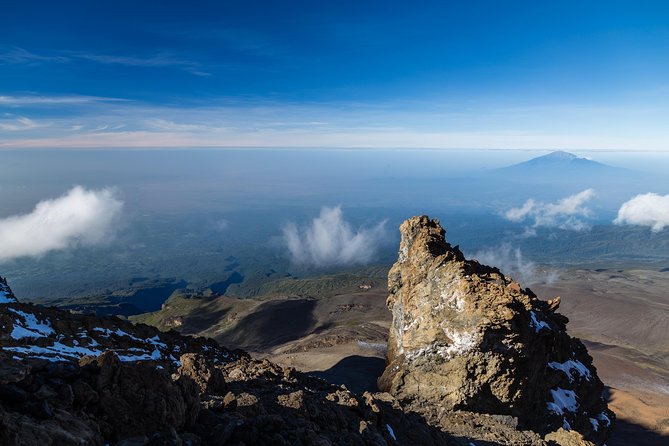
The next goal is School Hut Summit Camp, at 4,750 meters. The walking itself is described as manageable, but this is not a day for showing off. You are positioning yourself for the hardest night of the climb.
The key instruction is to conserve energy. Once at camp, rest, drink, eat, and sleep as much as you can. The summit attempt begins around midnight, so every quiet hour helps.
School Hut gives this route a distinct advantage and a distinct challenge. Starting higher means a shorter summit approach than routes that begin from lower camps, but you sleep at a much greater altitude. Some people handle that well, while others find the high camp uncomfortable.
Your guides will monitor you, but you still need to speak plainly about symptoms. Do not wait until you are in serious trouble to mention a headache, nausea, dizziness, or unusual weakness.
Day 8: Uhuru Peak, Barafu, and Millennium Camp
Summit night starts around midnight, with the group heading toward Uhuru Peak at 5,895 meters. Technically, the route is not difficult, but the altitude makes it a major physical and mental test.
The safety arrangement is strong: one guide is assigned to every two climbers during the summit attempt. The guide’s job includes watching your health and helping decide whether you should continue, rest, or turn back.
If you reach Uhuru Peak, there is an option to walk upon the nearest glacier. Treat that as an extra, not a guarantee. Conditions, energy levels, and guide advice should control the decision after the summit.
The descent is not an afterthought. You go down to Barafu Camp for lunch and a two-hour rest, then continue to Millennium Camp at about 3,820 meters. The schedule describes the day as about five hours, but summit day involves a midnight start, a high-altitude ascent, a descent, and another camp move. Confirm the exact timing so you know what kind of day to expect.
The warning about descending deserves attention. Tired feet and loose ground create real risks after the summit. Tighten your laces, use careful footwork, and do not rush simply because you are going downhill.
Day 9: the rainforest and Mweka Gate
Millennium Camp sits in tropical rainforest, a dramatic change from the bare upper mountain. After the cold and thin air above, the lower altitude should feel easier.
A hot breakfast comes before the final descent to Mweka Gate at 1,650 meters. The trail out is a chance to look back at the full route, from the western entrance across Shira and around the northern slope to the summit.
At the gate, the team wraps up the mountain operation. You are then transferred to the company offices to receive accomplishment certificates before returning to the hotel.
This is also the time to acknowledge the crew. The expedition depends on far more people than the climbers: guides, assistant guides, porters, cooks, and camp staff. Personal accounts connected with this trip repeatedly single out the guides and support teams for care, encouragement, and medical help. Names mentioned include Albert, Khatib, Ally, Stanley, Osward, Bosco, Osman, Regan David Lyimo, and Frank Daudi Mbise.
That praise matters because the crew shapes your day-to-day experience. Good food, a properly organized camp, clear health checks, and help on a difficult descent can make the difference between a hard success and an unfinished climb.
Day 10: rest, check-out, and airport transfer
Your final day is deliberately simple. Rest at the hotel, then transfer to the airport.
Hotel check-out is at 11:00 AM. If your flight leaves later, a late check-out is available for an extra fee. This is worth considering if you want a shower, a quiet meal, or a place to organize your luggage before a long journey.
The package includes airport pickup and drop-off, but it does not include the cost of getting to Tanzania. You also need to arrange your visa and mountaineering insurance. Insurance should cover trekking up to 6,000 meters, since Uhuru Peak reaches 5,895 meters.
What the $4,010 price really covers
At $4,010 per person, this is not a budget Kilimanjaro climb. The value comes from how much of the difficult organization is handled for you.
The price includes two hotel nights, all ground transport, national park fees, permits, professional guides, porters, cooks, and camp staff. It also includes North Face VE-25 tents shared by two hikers, sleeping pads, a dining tent, tables, chairs, crockery, and cutlery.
Food is another major part of the package. You receive three meals a day on the mountain, with vegetarian, vegan, lactose-free, gluten-free, halal, and other meal plans available. Drinks include tea, coffee, juice, and soda.
Medical support includes first-aid kits, medical checks, oxygen tanks, and altimeters. The guides are certified Wilderness First Responders. Those services do not guarantee a summit, but they provide meaningful support during a high-altitude expedition.
You still need to pay for crew tips if you choose to give them, insurance, flights, visa fees, personal clothing, boots, sleeping bag, and other gear. Equipment rental is available, which may help if you do not plan to use mountaineering gear again.
The price also covers a private activity, meaning only your group participates. Group discounts are offered, so the final cost may work better for friends or family traveling together.
Food, tents, and the human side of the climb
Camp comfort is basic, but the organization aims to make it workable. You sleep two people per tent, eat in a dedicated dining tent, and have a support crew handling cooking and camp duties.
The meal choices matter more than they may seem. At altitude, appetite can drop, so having several options and familiar drinks gives you a better chance of eating enough. Tell the operator about dietary needs before departure.
The strongest part of the operation appears to be the people. Specific accounts describe guides helping sick climbers, assisting someone with a bad knee, and keeping morale high through a difficult summit push. One account credits Denis with handling itinerary planning, while others praise guide teams led by Albert, Khatib, Bosco, Osman, Stanley, and Osward.
There is also an important ethical question around porters. The package includes a large professional crew, and you should ask about tipping expectations and porter welfare before setting out. Tips are optional and based on your satisfaction, but the crew’s work is central to the trip.
Who should choose this route
I would choose the Northern Circuit if you want a longer, quieter climb and can spare the time. It suits fit hikers who prefer gradual acclimatization over a fast ascent and who enjoy remote mountain walking more than a quick summit badge.
It is also a strong option for people who want extensive support. The hotel, transport, meals, camp equipment, medical checks, guides, and porters reduce the amount of planning you need to handle alone.
I would not choose it if your schedule is tight or if you are looking for a simple holiday add-on. Eight days on the mountain is a serious commitment. You need moderate physical fitness, suitable clothing, boots, a sleeping bag, and the willingness to walk for long hours while tired.
The route is not technically difficult, but that does not make it safe for everyone. Altitude can affect people unpredictably. The company’s 4.9 rating from 40 published ratings and 100 percent recommendation figure suggest strong satisfaction, but no rating can predict how your own body will respond.
Booking details worth checking before you go
Confirmation is provided at booking, and pickup is available. The meeting start time is listed as 9:00 AM, while hotel check-in begins at 2:00 PM.
Free cancellation is available if you cancel at least 24 hours before the experience start time. Changes or cancellations inside that window are not accepted for a refund, and the cut-off follows local Tanzanian time.
A nine-day version with crater camping is also available. If crater camping interests you, compare the extra cost, physical demands, and equipment requirements before deciding. The eight-day route already offers strong acclimatization without adding that extra night.
Should you book the Northern Circuit?
Book this climb if the quiet northern slopes, gradual altitude gain, and full support system matter more to you than saving money or time. At $4,010, it is expensive, but the price includes the core services that make a Kilimanjaro expedition possible.
I would especially recommend it to a private group that can share the cost and wants a carefully managed first ascent. Before paying, confirm the exact daily walking times, tip guidance, rental gear, insurance requirements, dietary arrangements, and the plan for handling altitude symptoms.
Skip it if you want a short route or dislike long days in remote camps. For the right climber, though, the Northern Circuit offers something rare on Kilimanjaro: time, space, strong support, and a more measured path to Africa’s highest point.
FAQ
How long does the full Kilimanjaro experience take?
The trip lasts about 10 days, including arrival, two hotel nights, eight mountain days, the descent, and airport transfer. The Northern Circuit climb itself takes at least eight days.
What is included in the $4,010 price?
The price includes two nights at Aishi Machame Hotel, ground transportation, Kilimanjaro National Park fees, certified guides, porters, cooks, camp staff, tents, dining equipment, meals, drinks, medical kits, medical checks, oxygen tanks, altimeters, and airport pickup and drop-off.
Are meals provided on the mountain?
Yes. The package includes nine breakfasts, seven lunches, and eight dinners. Vegetarian, vegan, lactose-free, gluten-free, halal, and other meal plans are available.
Do I need to bring my own hiking gear?
Yes. Personal equipment such as hiking clothing, boots, and a sleeping bag is not included. Gear is available for hire.
Is this a private climb?
Yes. Only your group participates in the activity. Group discounts are offered.
Is mountaineering insurance required?
Mountaineering insurance is not included in the price, but it is highly recommended. The policy should cover trekking up to 6,000 meters, since the summit reaches 5,895 meters.
Just added around Moshi
- Mt Kilimanjaro 6 days Marangu route hike★ 5.0 · 3 reviews
- Wildlife Extravaganza: Manyara, Tarangire & Ngorongoro in 3 Days★ 5.0 · 3 reviews
- Private Cycle to Kilimanjaro Bike Park Safari★ 5.0 · 6 reviews
- 3 Days Private E-Bike Tour in West Kilimanjaro★ 5.0 · 3 reviews
- West Kilimanjaro cycling Adventures★ 4.5 · 8 reviews
- machame route★ 5.0 · 16 reviews
- Kilimanjaro Climb & Safari – Lemosho Route – 13 Day★ 5.0 · 10 reviews
- Kilimanjaro Climbing Umbwe Route★ 5.0 · 3 reviews
Kilimanjaro Climbs, compared.



8-Day Small-group Lemosho Kilimanjaro Summit Trekking
Read our review →



7-Day Machame Kilimanjaro Summit Tour from Arusha
Read our review →
Browse the lists this tour appears in