
Reviewed · HIKING & TREKKING
Hiking Mt Kilimanjaro 7 days scenic route & moderate challenge
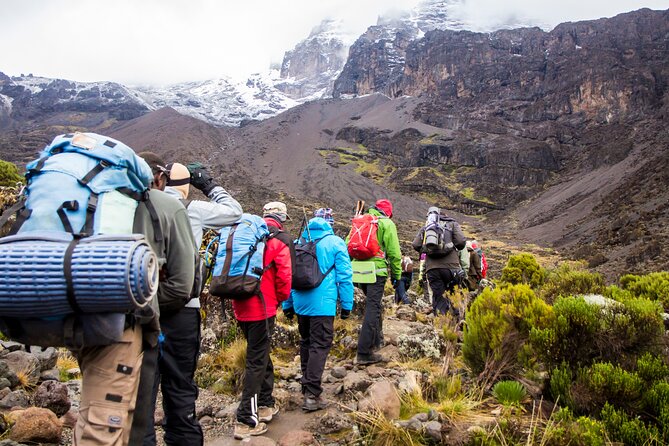
The Machame Route gives you Kilimanjaro’s best scenery in seven demanding days. You move from wet rainforest to open moorland, volcanic rock, snow, and the broad views around Uhuru Peak. This is not a gentle walk in the hills. The short schedule makes the altitude harder, and the summit night is a serious test.
I like the route’s changing scenery and the smart climb high, sleep low pattern on Day 3. I also like the small group limit of eight, plus the strong staff setup described for past climbs, including guides Gastro and Sam, porters, and a cook. The main drawback is simple: seven days is a tight schedule, so this suits a fit, adventurous hiker more than a first-time walker looking for an easy introduction.
Key points before you commit
- The Machame Route crosses five distinct mountain zones, from rainforest to alpine desert and summit snow.
- Day 3 reaches Lava Tower at 4,630 meters, then drops to Barranco for useful acclimatization.
- The summit push begins around 11:30 p.m., with Stella Point and Uhuru Peak reached in darkness or early morning.
- The Great Barranco Wall looks tougher than it is, but the route still involves steep, rocky Class 2 hiking.
- Groups are capped at eight people, with pickup offered and group discounts available.
- The $2,650.16 price reflects a guided, staffed mountain expedition, not a simple day hike, but you should be comfortable with the physical demands before paying.
Why the seven-day Machame Route earns its reputation
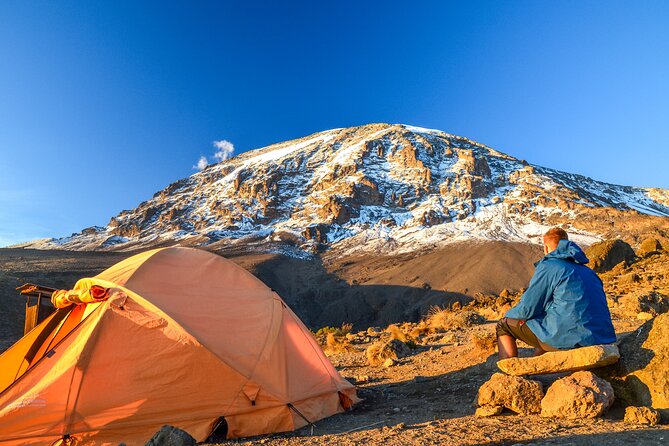
Machame is often called the Whiskey Route, a nickname that hints at its tougher character compared with easier-paced options. Its real appeal is the scenery. You see the mountain change by the hour, not just the altitude on a sign.
You begin under thick forest, where rain can turn the path into brown mud. A few days later, you are walking among rocks and sparse plants with glaciers in view. Near the top, the air is thin, the ground may be snowy, and every step takes effort.
The route is described as a moderate physical challenge, but that label needs care. The total schedule includes long days, steep sections, cold camps, and a summit night that lasts about 12 hours. If you already hike, backpack, or have dealt with high altitude, the plan is more realistic. If you rarely exercise, seven days may feel too compressed.
A group limit of eight is useful here. You are not moving with a huge crowd, yet you have the company and support of a small team. Previous climbs used two guides, seven porters, and a cook for a group, with staff watching closely for altitude symptoms and adjusting the plan when needed. That support matters far more on Kilimanjaro than a polished sales pitch.
A few more Moshi trips to weigh up
- Private Kilimanjaro Hike 7 Day Lemosho Route
★ 5.0 · 60 reviews - Best Kilimanjaro hiking day trip tour with Kilinge Adventures
★ 4.5 · 54 reviews - #1. Best Kilimanjaro Day hike Tour-Machame Route-ISMANI
★ 4.2 · 47 reviews
Day 1: Machame Gate and the wet rainforest
Your day begins with an early breakfast and pickup in Arusha at about 1,400 meters. You drive to Machame Village, where you can buy mineral water and receive a packed lunch.
The road may take you close to Machame Gate, but road conditions can change that. If the vehicle cannot continue, you walk roughly three kilometers from the village, taking about an hour on a muddy road. That extra approach is not a small detail. In wet conditions, it can leave your boots dirty and your legs warm before the official hike even starts.
After registration at the gate, the trail enters the rainforest almost at once. This first section is shaded and atmospheric, but it is also one of the messiest parts of the climb. Rain is likely enough that you should expect a soggy, slippery path rather than a dry woodland stroll.
You stop for a welcome lunch about halfway. The day takes roughly six to seven hours of walking, and you finish at Machame Camp. The first day is a good test of your footwear, rain gear, pacing, and attitude. Keep your waterproof layer easy to reach, not buried at the bottom of your bag.
Day 2: From forest to Shira Plateau
Day 2 covers about nine kilometers in roughly six hours. You start by climbing out of the forest, then move through moorland at a gentler gradient.
This change is one of the pleasures of Machame. The trees thin out, the views open, and the mountain begins to feel more remote. After lunch and a rest, you follow a rocky ridge toward the Shira Plateau.
From here, you can look east toward the Western Breach and its glaciers. You are now west of Kibo, the main volcanic cone that contains the summit. The Shira campsite sits at about 3,840 meters, an exposed position where the cold becomes much sharper.
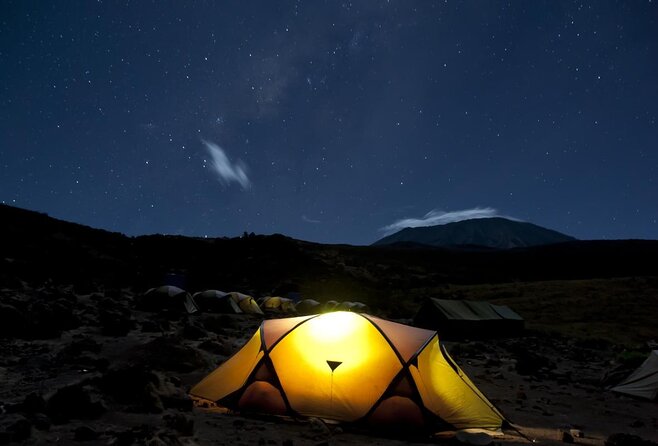
Porters boil water for drinking and washing before dinner. Temperatures can fall well below freezing, so do not treat the camp as a warm overnight stop. Your sleeping system, dry clothes, and ability to protect batteries and small essentials from cold will affect how well you recover.
Day 3: Lava Tower at 4,630 meters, then down to Barranco
This is the key acclimatization day and usually the toughest walking day before the summit. The route turns east into a dry, rocky area around Lava Tower. You climb for about five hours to reach 4,630 meters, eat lunch, then descend almost 680 meters to Barranco Camp.
The climb can bring the first real signs of altitude trouble: breathlessness, headache, or irritability. These symptoms are not a badge of honor. Tell your guide early if you feel unwell. The staff on previous trips were praised for watching for altitude sickness, and that kind of alert support is one of the practical reasons to use an organized expedition.
The climb high, sleep lower pattern helps your body adjust, though it does not remove the risk. The descent to Barranco is therefore more than a scenic change. It gives you a chance to sleep at a lower altitude after spending time high above camp.
The terrain is austere and rocky. There is little shade or softness underfoot, and you may feel the thinner air even when the path is not technically difficult. Pace yourself. This is a day for steady movement, regular drinking, and listening to instructions.
Same country, a completely different kind of safari:
- Kilimanjaro climb by Lemosho Route (7-day)
★ 5.0 · 651 reviews - Safari Serengeti And Ngorongoro
★ 5.0 · 288 reviews - Kilimanjaro climb, Machame Route (7-day)
★ 5.0 · 262 reviews - Kilimanjaro Climbing Lemosho Route 8 Days.
★ 5.0 · 186 reviews
Day 4: The Great Barranco Wall and Karanga Valley
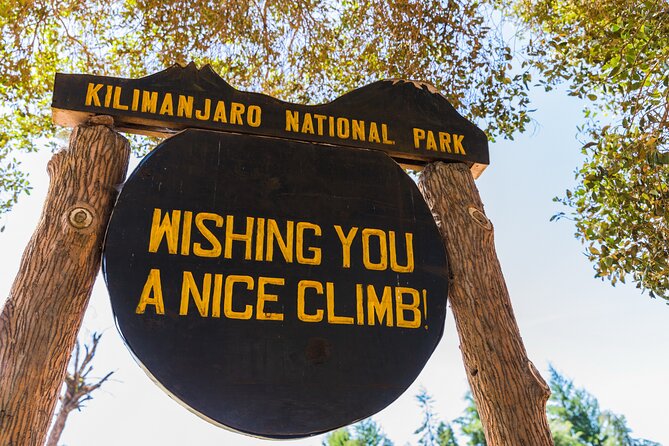
Day 4 is shorter, at about four to five hours and five kilometers. That sounds easy until you see the Great Barranco Wall rising above camp.
The wall looks intimidating from below, but the route is generally described as a Class 2 hike and is often easier than its first impression suggests. You use your hands at points and move over uneven rock, but it is not presented as technical climbing. You still need sure footing and a willingness to move carefully.
At the top, you can see Heim Glacier and look out above the clouds. This is one of the route’s strongest visual moments, especially after the enclosed forest and dusty approach of earlier days.
The trail then rises and falls through the Karanga Valley. The repeated ups and downs can be tiring, but this shorter day is useful for acclimatization. You finish at Karanga Camp, around 3,959 meters.
I like the rhythm here. You get a memorable feature, a useful altitude day, and enough time to recover before the final camps. It is not a rest day, though. The rocky ground and thin air still require care.
Day 5: The exposed ridge at Barafu Camp
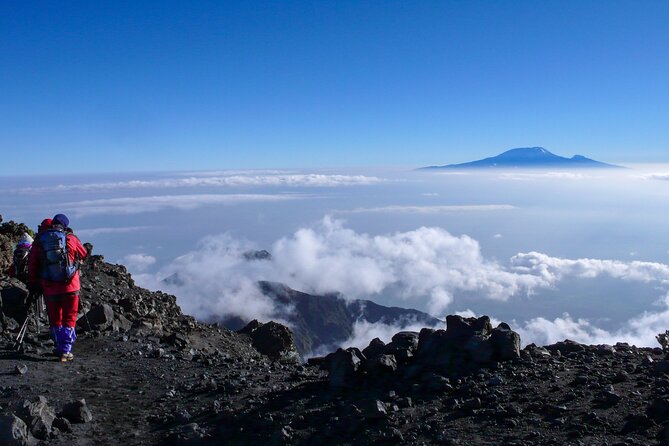
From Karanga, you hike only about two to three hours over four kilometers to Barafu Hut. The path meets the Mweka Route, which you use for the descent during the final two days.
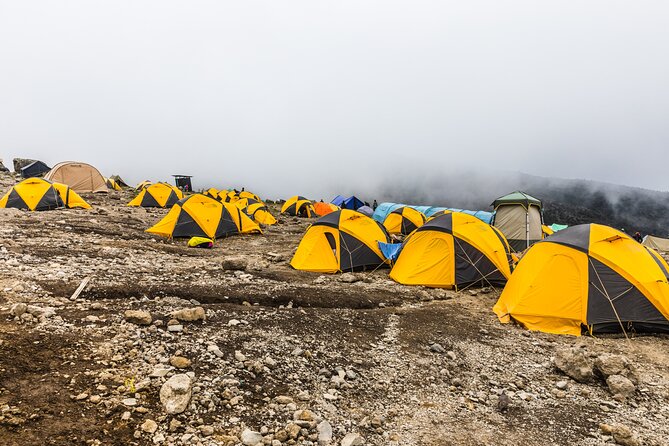
Barafu means ice in Swahili, and the camp sits on a rocky, exposed ridge at about 4,550 meters. There is no accessible water at the camp, so this is the last water point for the porters. That fact explains part of the careful mountain routine: water must be carried, boiled, and managed before you leave the lower camps.
The short walking time does not make Day 5 easy. Barafu is where you prepare for the summit push. The site can be windy, and tents are exposed to rocks and weather. Familiarize yourself with the camp before dark, since you will return tired and possibly in poor light.
Dinner is served early, then you rest. Do not plan to use the afternoon for a long adventure around camp. Eat, drink what you can, organize your summit clothing, and sleep if your body allows it.
Day 6: Stella Point, Uhuru Peak, and the long descent
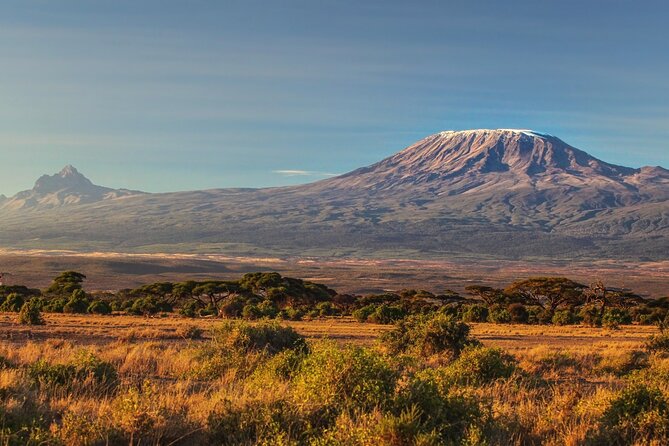
Summit day begins around 11:30 p.m. After tea and biscuits, you walk into the darkness toward Stella Point on the crater rim. The ascent takes about six hours and leads through heavy scree.
This is the hardest mental and physical section for many climbers. The darkness hides the scale of the slope, but the altitude makes each movement slow. You may feel breathless even at a modest pace. The guides’ job is especially important here, both for motivation and for watching your condition.
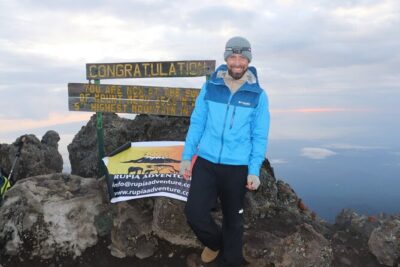
At Stella Point, 5,685 meters, you pause and may see sunrise if the weather cooperates. The reward is enormous, but Stella Point is not Uhuru Peak. From there, you normally walk through snow for another two hours to Uhuru Peak at 5,895 meters.
Time at the summit depends on weather. Keep the stop short enough to protect your energy and warmth. The summit is a place to mark the achievement, take a few photos, and begin the return safely.
After the summit, you descend to Barafu for a short rest, then continue to Mweka Camp. The total day lasts about 12 hours. That makes the descent just as important as the climb. Tired knees, loose scree, and low concentration can create trouble, so stay deliberate even when the route points downhill.
Day 7: Mweka celebration and the return to the gate
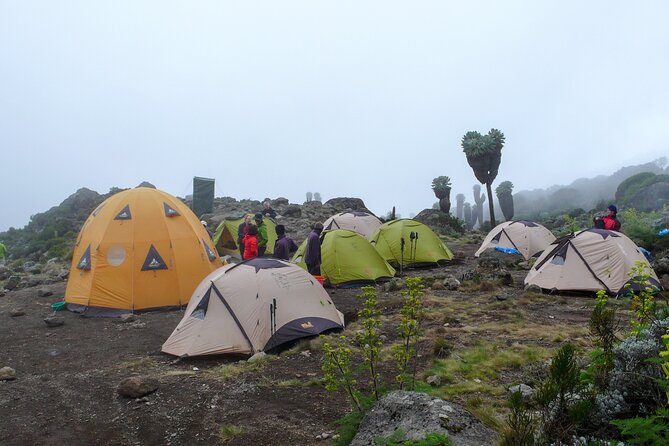
The final day feels different. After breakfast, the mountain team holds a celebration with dancing and singing. You present tips to the guides, assistant guides, cook, and porters at this point.
You then descend through forest for about three hours to Mweka Gate, covering roughly 15 kilometers. The National Park requires you to sign your name before receiving a certificate. Reaching Stella Point earns a green certificate, while reaching Uhuru Peak earns a gold certificate.
From the gate, you continue down to Mweka Village, a walk of about one hour and three kilometers. The experience ends after a long physical week, so allow yourself time to eat, wash, and rest afterward.
Guides, porters, and the value of support
The past trips connected with this experience used English-speaking guides, two guides for one group, seven porters, and a cook. Gastro and Sam are among the guides associated with successful seven-day climbs. The staff were also credited with helping people who felt altitude symptoms and changing the plan when conditions required it.
That support is central to the price. At $2,650.16 per person, this is expensive compared with an independent walk, but Kilimanjaro is not a normal independent walk. You are paying for mountain staff, food preparation, camp support, route management, and the safety value of having experienced guides nearby.
The published group size is a maximum of eight. Ask before booking how many people are in your particular departure and exactly what the price covers. The supplied information confirms the staffed arrangement described above, but it does not spell out every inclusion, such as gear rental or extra hotel nights.
Past trips also combined the climb with safari arrangements, and one family traveled with children aged 15 and 17. That suggests the operator can handle different group types, but the physical demands remain the same for everyone.
Who should book this climb?
I would consider this route if you have a moderate or better fitness level and some experience with hiking, backpacking, or high altitude. You should be comfortable walking for hours, sleeping in cold exposed camps, and managing a midnight start.
It is a good fit if scenery matters as much to you as reaching the summit. The rainforest, Shira Plateau, Western Breach views, Barranco Wall, glaciers, and summit snow give the route a strong visual range.
I would hesitate if you want a relaxed schedule or have no experience with long hikes. The seven-day plan includes acclimatization, but it is still shorter and more demanding than a longer Kilimanjaro itinerary. You should also be ready for rain, mud, cold, loose rock, and possible altitude symptoms.
Pickup is offered, group discounts are available, and a mobile ticket is listed. The experience requires good weather. If poor conditions cancel it, you can choose another date or receive a full refund. Otherwise, you may cancel for a full refund up to 24 hours before the local start time. Changes or cancellations inside that window are not accepted.
Should you book the seven-day Machame climb?
Book it if you want Kilimanjaro’s most scenic standard route, prefer a small group, and accept that the word moderate does not mean easy. The staff structure, altitude-conscious Day 3, and varied scenery give the trip real value.
Think twice if your main goal is simply to reach the summit with the least strain. The tight seven-day schedule and demanding summit night will test you. For a fit, adventurous hiker who prepares properly, this is a strong route choice. Just arrive ready for a real mountain week, not a sightseeing tour with a summit photo at the end.
FAQ
Where does the Kilimanjaro climb begin?
Pickup is offered from Arusha, where the starting elevation is about 1,400 meters. You then drive to Machame Village and continue toward Machame Gate, depending on road conditions.
How long does the Machame Route experience last?
The experience lasts approximately seven days. The summit day is the longest, at about 12 hours, while the other hiking days vary from roughly two to seven hours.
How many people can join the group?
The maximum group size is eight travelers.
What level of fitness is required?
A moderate physical fitness level is required. The route is steep and challenging, particularly because the seven-day schedule is relatively short.
How high is Uhuru Peak?
Uhuru Peak is at 5,895 meters. Stella Point, on the crater rim, is at 5,685 meters.
When does the summit hike begin?
You normally rise around 11:30 p.m. on Day 6. After tea and biscuits, you begin the nighttime ascent toward Stella Point.
What certificate do I receive after the climb?
You receive a green certificate if you reach Stella Point. Reaching Uhuru Peak earns a gold certificate.
Can I cancel for a full refund?
Yes, if you cancel at least 24 hours before the experience start time. Cancellations or changes made less than 24 hours before the start are not accepted. If poor weather causes the experience to be canceled, you are offered another date or a full refund.
Just added around Moshi
- Mt Kilimanjaro 6 days Marangu route hike★ 5.0 · 3 reviews
- Wildlife Extravaganza: Manyara, Tarangire & Ngorongoro in 3 Days★ 5.0 · 3 reviews
- Private Cycle to Kilimanjaro Bike Park Safari★ 5.0 · 6 reviews
- 3 Days Private E-Bike Tour in West Kilimanjaro★ 5.0 · 3 reviews
- West Kilimanjaro cycling Adventures★ 4.5 · 8 reviews
- machame route★ 5.0 · 16 reviews
- Kilimanjaro Climb & Safari – Lemosho Route – 13 Day★ 5.0 · 10 reviews
- Kilimanjaro Climbing Umbwe Route★ 5.0 · 3 reviews
Hiking & Trekking, compared.

8-Day Small-group Lemosho Kilimanjaro Summit Trekking
Read our review →

Private Full Day Hiking Experience to Marangu Route
Read our review →

From Arusha/Moshi: Kilimanjaro Hike Marangu Route Day Trip
Read our review →
4 days Best experience Kilimanjaro Hike, Serengeti &Ngorongoro
Read our review →
Best Kilimanjaro hiking day trip tour with Kilinge Adventures
Read our review →Browse the lists this tour appears in