
Reviewed · WALKING TOURS
Moshi Town: Walking Tour: Theme Urban lifestyle
Moshi reveals itself best at street level, and this two-hour walking tour takes you into the places that shape daily life: the food market, bus stand, art cooperative, railway station, and KNCU. It is less about grand sights and more about seeing how the town works.
I like the chance to sample local fruits and snacks while learning how the market operates. I also like the compact route, which links culture, transport, trade, and food without asking you to spend a full day on your feet. One concern: the tour has a 3.1 rating from four posted ratings, including one serious report of a missed appointment, so confirm the meeting details before setting out.
Key points at a glance
- Mbuyuni Market: See local fruit and vegetable sellers and sample selected market snacks.
- Tinga Tinga Artist Cooperative: Browse handmade paintings, carvings, and souvenirs, with time to buy art.
- Moshi’s old train station: Learn how the former railway stop fits into the town’s story.
- Bus stand orientation: Understand local routes and regional connections in practical terms.
- KNCU and coffee: Hear about the cooperative’s role in Moshi and Tanzania, with coffee-related context nearby.
- Small-group walking: The group is limited to 10, with pickup and drop-off available at your hotel, hostel, or another agreed location.
Moshi in two hours, one street at a time
This is a town-orientation walk rather than a sightseeing checklist. You move through working parts of Moshi, where people buy food, catch buses, sell artwork, and conduct everyday business.
That makes the tour useful early in a Kilimanjaro trip. You get a better sense of where you are before tackling other activities, and you can ask questions about local transport, food, markets, and customs as you go.
The price is $20 per person. For a small walking group with pickup, a local guide, market samples, and several stops, I consider that a fair price if the tour runs as planned. It is less compelling if you want a polished museum-style presentation or major monuments. Moshi’s appeal here is ordinary life, not a parade of famous buildings.
The tour is offered in English or Swahili. James is named as one warm and welcoming guide associated with the experience, though the guide assigned to your date may differ.
A few more Moshi trips to weigh up
- Kilimanjaro: Village Walk, Coffee Tour, Waterfall, and Lunch
★ 4.5 · 56 reviews - 9 Days 8 Nights Walking Safari
★ 5.0 · 11 reviews - Walking Day Tour to Safari in Arusha National Park
★ 5.0 · 5 reviews
Starting at Coffee Union Cafe or KNCU
You can begin at Coffee Union Cafe or KNCU, or arrange pickup at your hotel, hostel, or another suitable location. Since this is a walking tour, that pickup option matters. You do not need to find a distant departure point or arrange a taxi simply to reach the guide.
If you already know Moshi, meeting at Coffee Union Cafe or KNCU may be easy. If this is your first visit, hotel pickup is the simpler choice. Confirm the exact time and meeting point in advance, especially because one posted booking account says the operator did not arrive and the customer was still waiting for a refund.
The advertised duration is two hours, but the stated walking requirement is two hours or more, and the stop times add up to about two hours once the KNCU break is included. I would keep your schedule loose around the tour rather than booking a tight airport transfer or another fixed activity immediately afterward.
Tinga Tinga art and the pleasure of browsing
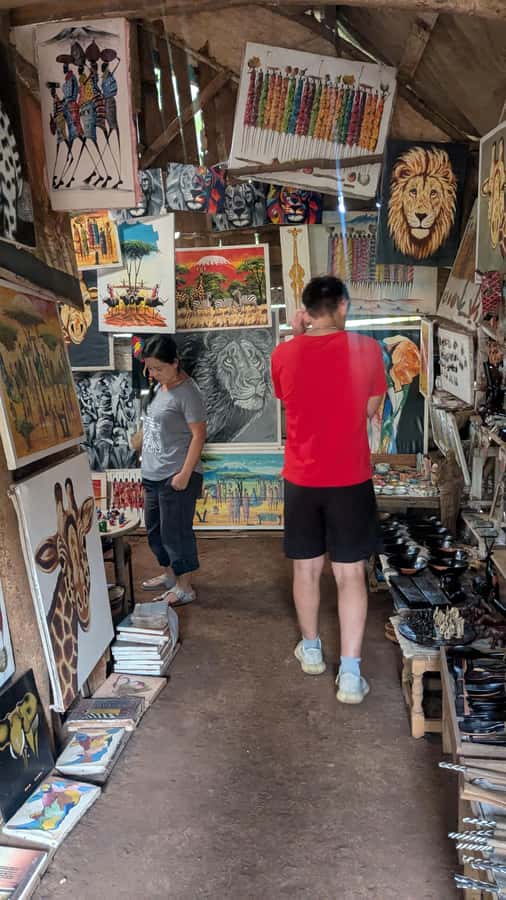
The first main stop is the Tinga Tinga Artist Cooperative, visited for about 30 minutes. The experience is also described as a Makonde art market, with paintings, carvings, and souvenirs.
The names refer to different artistic traditions, so you may want to ask the guide what is Makonde-made, what belongs to the Tinga Tinga style, and where each piece was produced. That question can help you shop with more confidence instead of treating every carved figure or painted scene as the same kind of work.
You have an opportunity to buy handmade art here, but buying is not required. Take your time looking at the work, ask about materials and makers, and set a budget before you arrive. A walking tour is a better setting for this than a rushed stop at a roadside shop because you can hear some cultural context first.
The drawback is simple: anyone hoping for a formal art gallery should adjust expectations. This is a sales-oriented cooperative and souvenir stop, not a museum visit. Its value comes from meeting the art scene where it functions day to day.
The train station and Moshi’s changing role

The walk continues to the train station for about 20 minutes. The old station is described as having been quiet or dormant before activity returned, making it a useful place to consider how Moshi has changed over time.
You are not coming for a long architectural tour. The stop is mainly about stories, setting, and the town’s connection to transport and development. The guide can place the station within the wider history of Moshi and explain why transport links matter to a town serving local communities and regional traffic.
I like this kind of stop because a railway building can tell you about a place without requiring a long lecture. You see a physical reminder of earlier connections, then walk onward into the modern systems that keep the town moving.
The information supplied does not promise entry into a railway museum or a detailed interior tour. Expect sightseeing and conversation from the street rather than a full heritage attraction.
Same country, a completely different kind of safari:
- Kilimanjaro climb by Lemosho Route (7-day)
★ 5.0 · 651 reviews - Safari Serengeti And Ngorongoro
★ 5.0 · 288 reviews - Kilimanjaro climb, Machame Route (7-day)
★ 5.0 · 262 reviews - Kilimanjaro Climbing Lemosho Route 8 Days.
★ 5.0 · 186 reviews
Mbuyuni Market, where the tour gets most useful
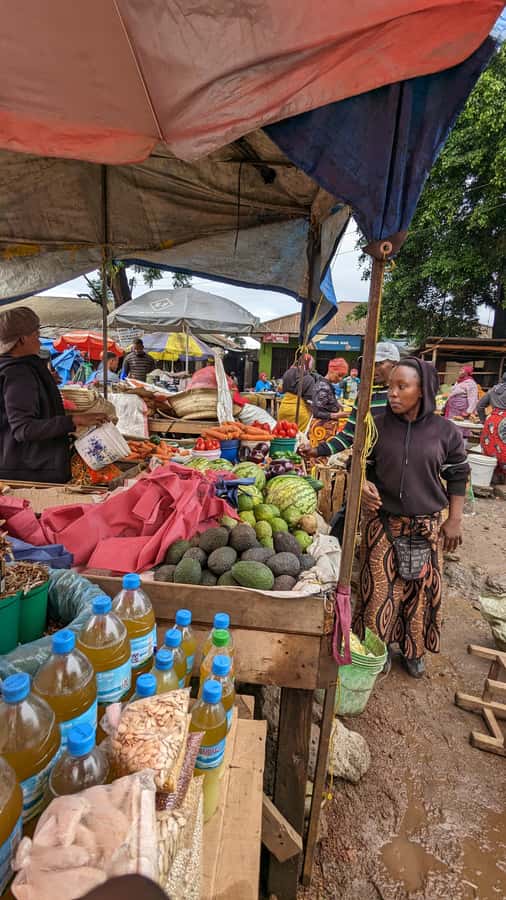
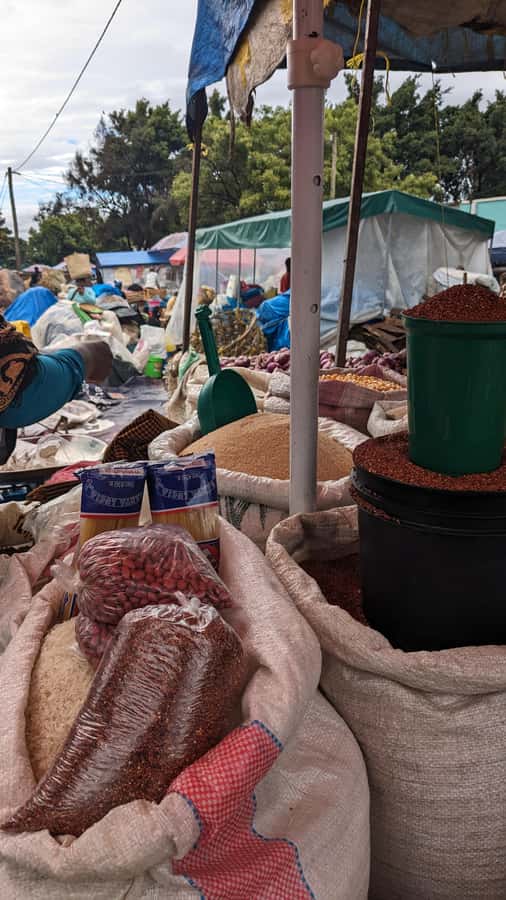
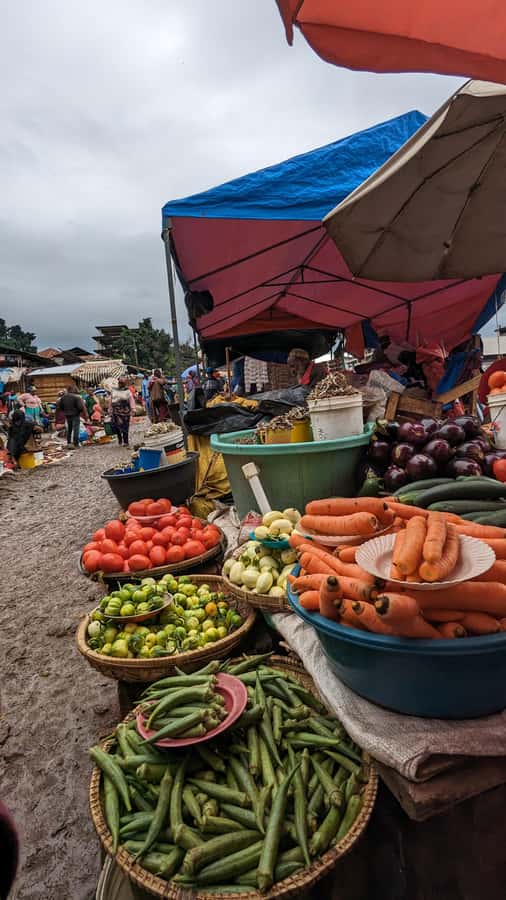
At Mbuyuni Market, you spend about 30 minutes among fruit and vegetable sellers. This is likely the most hands-on part of the route, since the tour includes samples of local fruits and snacks and encourages interaction with people working at the market.
A market tells you more than what people eat. It shows how produce is displayed, how trade works, and how locals shop for everyday meals. Your guide can explain what you are seeing and help you approach vendors respectfully.
Sampling is a small detail, but it changes the experience. You are not only looking at unfamiliar produce through a camera lens. You get a taste of local food and a chance to ask what it is, how it is used, and which items are common in Moshi.
The market may be busy, noisy, and crowded at times. Watch your belongings, keep your walking pace flexible, and wear comfortable shoes. The tour calls for a moderate level of fitness, and the heat, sun, and uneven walking can matter more than the distance itself.
Sunglasses and sunscreen are sensible choices. I would also bring water, even though it is not specifically listed among the required items.
Moshi Bus Stand and the town’s practical lifeline
The bus stand receives about 30 minutes. Here, the guide explains the local bus system, including town routes and regional connections.
This may sound less exciting than an art market, but it is one of the most useful stops if you plan to move around Tanzania independently. A clear explanation of how local and regional buses work can help you understand the town’s main transport point without having to figure it out under pressure with luggage in hand.
You will get an overview rather than a ticket-buying service. The supplied details do not promise help with a particular onward journey, reserved seats, or fares. Still, the stop gives you a practical picture of how Moshi connects with nearby places.
The bus stand is also a good reminder that a town is defined by movement. People arrive, leave, work, shop, and meet here. You see Moshi as a functioning center rather than only as a base for Kilimanjaro trips.
KNCU and the coffee story
The route ends with a short 10-minute break at KNCU, the Kilimanjaro Native Cooperative Union. The guide explains its place in Tanzania’s cooperative movement and its effect on the economic life of Moshi and the surrounding area.
This is an important local subject. Coffee is closely tied to the identity and economy of the Kilimanjaro region, and KNCU provides a way to discuss farmers, cooperation, trade, and local enterprise. You may come away with a better understanding of why coffee matters here beyond the cup in front of you.
The tour information mentions a coffee curing industry in Moshi town, but any entrance fee for that facility is not included. That means you should not assume the walking tour includes entry to the curing operation. Ask before booking if seeing the coffee-processing site is central to your plans.
The final drop-off points are KNCU or Coffee Union Cafe. If you began at your hotel, arrange the return clearly, since the stated standard drop-offs are those two central locations.
Food promises need one careful clarification
The experience includes local market samples, including fruits and snacks. The information also describes tastings of traditional Moshi dishes and beverages, but the exclusions list says tastings of traditional dishes and beverages are not included.
That is a direct inconsistency. I would treat market fruit and snack sampling as included, but confirm whether prepared dishes and drinks cost extra. Do not assume a full meal is part of the $20 price.
The tour does include discoveries of local restaurants, so you may get suggestions or see places where you can eat after the walk. If you want a substantial meal, budget separately and ask the guide which restaurant fits your interests and timing.
This uncertainty does not ruin the tour, but it is worth settling before you book. Food is one of the experience’s main themes, and knowing what is covered helps you judge the value accurately.
What the $20 price really buys you
At $20, you are paying for access and explanation more than for expensive attractions. There are no major entrance fees included, and the coffee curing facility fee is specifically excluded. The value comes from having someone connect the stops and help you read the town.
The package includes:
- A local English or Swahili-speaking guide
- Pickup and drop-off arrangements
- A small group of no more than 10 people
- Market fruit and snack samples
- Conversation with locals at stops
- Art browsing and the chance to purchase handmade work
- Explanations of the train station, bus system, and KNCU
For a first morning or afternoon in Moshi, that is a useful bundle. A private guide would offer more flexibility, but a group capped at 10 should still feel manageable. You can ask questions without having to pay a full private-tour rate.
The price is less of a bargain for someone already familiar with Moshi or someone who wants a long coffee-factory visit. In that case, you may prefer to spend the money on a focused food or coffee activity.
Who should book this walking tour?
I would recommend it to first-time visitors who want context before a Kilimanjaro climb or other northern Tanzania activities. It suits people who enjoy markets, local transport, food, and conversation more than formal attractions.
It is also a good match for solo visitors and couples who want a small group without arranging a private guide. The pickup option is helpful if you are staying outside the two meeting points.
You should think twice if you have limited mobility, dislike sun and outdoor walking, or need a highly fixed schedule. The tour is wheelchair accessible, but it still involves two hours or more of walking, and market and transport areas may be demanding to navigate.
Children under five are not suitable for this activity. Older children may enjoy the market and art, but the supplied information does not give a specific child price or family format.
Practical advice before you set off
Wear comfortable shoes and light clothing suitable for walking in the sun. Bring sunglasses and sunscreen, and add water and a little cash for art, food, or drinks not included in the price.
Keep your camera ready, but ask before photographing people or artwork. At the art cooperative, take time to inspect what you are buying. At the market, let the guide handle introductions when needed.
Confirm three things before the day:
- The exact pickup time and location
- Who your guide will be, and how to contact them
- Whether traditional dishes and beverages cost extra
Free cancellation is available up to 24 hours before the tour for a full refund, and you can reserve now and pay later. Those terms help if your Kilimanjaro plans may change, though they do not remove the need to confirm that the operator has your correct pickup details.
Should you book the Moshi urban lifestyle walk?
Book it if you want a friendly introduction to Moshi built around markets, transport, art, and local institutions. The strongest part is the range of subjects covered in a short time, and the warm guide experience associated with James adds a personal touch.
Do not book it expecting a major monument tour, a guaranteed coffee-processing entry, or a full meal included in the fee. Also take the missed-pickup report seriously and confirm your appointment before the day.
For $20, this is a sensible orientation walk for a curious first-time visitor. I would choose it early in my stay, keep the afternoon free, and use what I learn to decide where to eat, shop, and explore next.
FAQ
How long does the Moshi walking tour last?
The advertised duration is two hours. The tour information also says the activity involves two hours or more of walking, so allow extra time around the scheduled finish.
How much does the tour cost?
The price is $20 per person.
Where can the tour begin?
You can start at Coffee Union Cafe or KNCU. Pickup can also be arranged at your hotel, hostel, or another agreed location.
Where does the tour finish?
The stated drop-off points are KNCU and Coffee Union Cafe.
What languages does the guide speak?
The tour is offered in English and Swahili.
Is this a private tour?
No. It is a small-group experience limited to 10 participants.
Is the tour wheelchair accessible?
Yes, the activity is described as wheelchair accessible. It also involves two hours or more of walking, so you should confirm that the route suits your needs before booking.
Are food samples included?
Sampling local fruits and snacks at the food market is included. The information about tastings of traditional Moshi dishes and beverages is inconsistent, so confirm whether those tastings require an additional payment.
Is entry to the coffee curing industry included?
No. The entrance fee for the coffee curing industry in Moshi town is not included.
Can children join the tour?
Children under five are not suitable for this activity.
What should I bring?
Bring sunglasses and sunscreen. Comfortable walking shoes and water are also practical choices for the walking route.
Can I cancel for a full refund?
Yes. You can cancel up to 24 hours in advance for a full refund. You can also reserve now and pay later.
Just added around Moshi
- Mt Kilimanjaro 6 days Marangu route hike★ 5.0 · 3 reviews
- Wildlife Extravaganza: Manyara, Tarangire & Ngorongoro in 3 Days★ 5.0 · 3 reviews
- Private Cycle to Kilimanjaro Bike Park Safari★ 5.0 · 6 reviews
- 3 Days Private E-Bike Tour in West Kilimanjaro★ 5.0 · 3 reviews
- West Kilimanjaro cycling Adventures★ 4.5 · 8 reviews
- machame route★ 5.0 · 16 reviews
- Kilimanjaro Climb & Safari – Lemosho Route – 13 Day★ 5.0 · 10 reviews
- Kilimanjaro Climbing Umbwe Route★ 5.0 · 3 reviews
Walking Tours, compared.


3 Hours Private Stone Town walking Tour with Guide
Read our review →
Stone Town Historical Cultural Walking Guided Tour
Read our review →
Stonetown: Food Markets and Street Food Walking Tour
Read our review →
Arusha Guided Walking City Tour, Culture, Lifestyle & History
Read our review →

Browse the lists this tour appears in