
Reviewed · LEMOSHO ROUTE CLIMBS
Mt Kilimanjaro Climb – 8 days Lemosho
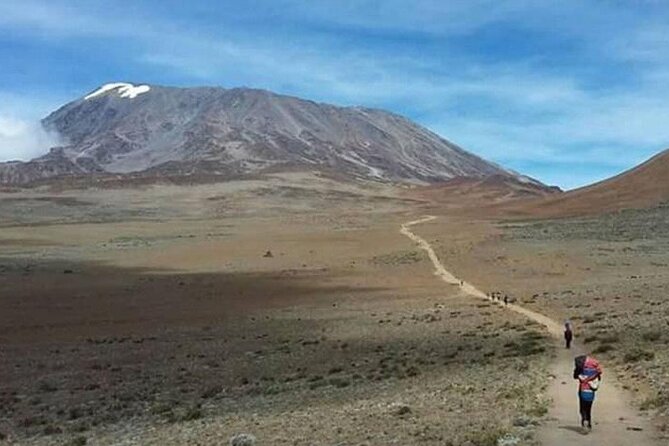
The Lemosho Route gives you a gradual approach to Kilimanjaro, with quiet western slopes, wide Shira views, and a full day for your body to adjust before summit night. It is a strong choice if you want scenery and a better acclimatization plan rather than the shortest possible climb.
I like the slow rise from Big Tree Camp to Shira Camp 2, and I like that the price includes park fees, camping gear, meals, transport, water, and a professional mountain team. The porters and cooks are not an afterthought here, with salaries set according to KPAP guidelines and repeated praise for the food and personal care.
The main drawback is the summit day. You may walk for 10 to 14 hours, starting from 4,640 meters and climbing to 5,895 meters before descending all the way to Mweka Camp. Altitude, cold, fatigue, and a long downhill make this a serious mountain trip, even though the daily stages before it are manageable.
Key points to know before choosing Lemosho
- A gradual western approach: The route begins at 2,385 meters and reaches Big Tree Camp after only two to three hours of walking.
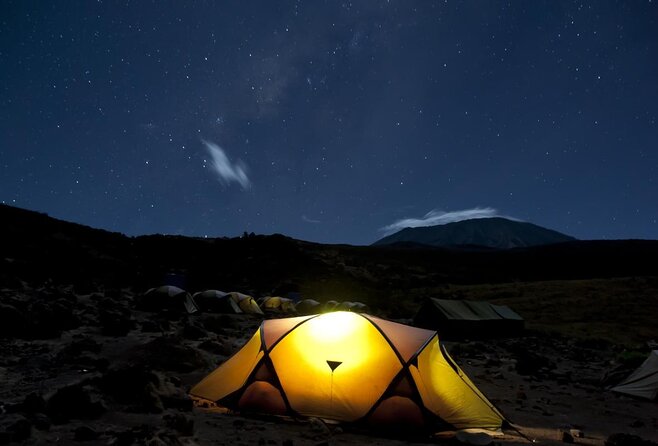
- Strong acclimatization schedule: Shira Camp 1, Shira Camp 2, Barranco, and Karanga spread the climb across several days.
- The Barranco Wall is a real highlight: Expect a steep climb with broad views toward Kibo’s southern glacier.
- The summit day is long: The push to Uhuru Peak and the descent to Mweka Camp can take 10 to 14 hours.
- A full mountain setup is included: Tents, mattresses, a mess tent, three meals daily, water, park fees, transport, oxygen, and an oxygen meter are covered.
- The crew is central to the experience: Guides such as Davis, Joy, Geopron, Amnaay, Robert, and Herick have been associated with successful climbs, while cooks and porters receive strong praise for their work.
Why the 8-day Lemosho Route is worth your time
Kilimanjaro is not a technical climb in the usual mountaineering sense, but its height changes the rules. At 5,895 meters, the challenge is mainly endurance and altitude. The Lemosho itinerary gives you more walking days than shorter routes, which means a gentler pace and more time for your body to respond.
That extra time also improves the feel of the trip. You move from forest to open high country, then across the Shira Plateau and into the rocky upper mountain. The route eventually joins the southern circuit, where Barranco, Karanga, and Barafu prepare you for the final ascent.
At $3,500 per person, this is not a budget hike. But the price covers many costs that can add up quickly on Kilimanjaro: park entry, camping and forest fees, rescue fees, transport to the gate, seven nights of accommodation, tents, mattresses, a mess tent, food, drinking water, and a support crew.
You still need to budget for tips, personal climbing gear, travel insurance, pre or post-climb accommodation, and airport transfers. The provider can arrange accommodation and airport transfers on request, but they are not part of the stated package.
I also give this trip credit for its stated approach to staff pay. Fair and ethical salaries in line with KPAP guidelines matter on a climb that relies heavily on porters, cooks, and guides. Ask for the current tipping guidance before departure so you can plan fairly for the whole team.
More Kilimanjaro Climbs in Kilimanjaro
- Kilimanjaro climb by Lemosho Route (7-day)
★ 5.0 · 651 reviews - Kilimanjaro climb, Machame Route (7-day)
★ 5.0 · 262 reviews - Kilimanjaro Climbing Lemosho Route 8 Days.
★ 5.0 · 186 reviews
Day 1: Lemosho Gate to Big Tree Camp
The climb begins at Lemosho Gate, at 2,385 meters. You walk for roughly two to three hours and gain 395 meters before reaching Big Tree Camp at 2,780 meters.
This is a sensible first day. You are not thrown straight into a punishing ascent, and the short walking time lets you settle into the group, the pace, and the mountain routine. You will camp in the forest zone, where the trip feels more like a high-country walk than a summit expedition.
The practical task on day one is to learn the rhythm: walk slowly, drink regularly, keep your day bag manageable, and tell your guide early if you feel unwell. The first camp may seem easy, but conserving energy from the start is smart.
Day 2: Big Tree Camp to Shira Camp 1
Day two covers four to five hours, with a rise of 720 meters from 2,780 to 3,500 meters. You leave the lower forest behind and move toward the open slopes around the Shira Plateau.
This is the first day that feels like a proper altitude walk. The air is thinner, the route climbs more consistently, and the scenery opens up. Shira Camp 1 provides your first real sense of the mountain’s scale, with Kibo now becoming a more obvious presence.
The walking time is moderate, but the altitude gain is significant. Go slowly. You do not win anything by racing to camp, and a careful pace gives your body a better chance to adjust.
Day 3: Shira Camp 1 to Shira Camp 2
The third stage is short by mountain standards: three to four hours and a 400-meter climb to Shira Camp 2 at 3,900 meters.
This day is valuable because it gives you another night at altitude without forcing you into a very long march. Shira Camp 2 is part of the route’s acclimatization logic. You gain height, rest, eat, and prepare for the rougher stages ahead.
You will want warm layers here. The information provided does not specify camp temperatures or tent arrangements beyond the included camping facilities, so pack for cold nights rather than relying on exact forecasts.
More Kilimanjaro Climbs in Moshi:
- Kilimanjaro climb, Lemosho Route (8-day)
★ 5.0 · 148 reviews - Kilimanjaro climb, Lemosho Route (6-day)
★ 5.0 · 129 reviews - Kilimanjaro climb, Marangu route (6-day)
★ 5.0 · 72 reviews - Private Kilimanjaro Hike 7 Day Lemosho Route
★ 5.0 · 60 reviews
Day 4: Shira Camp 2 to Barranco Camp
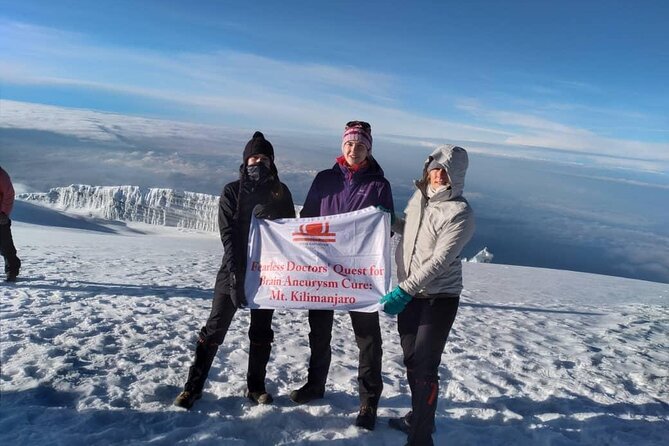
Day four is one of the most scenic and varied stages. The stated walking time is six to seven hours, with an ascent of 740 meters and a descent of 680 meters, finishing at Barranco Camp at 3,960 meters.
That up and down pattern is deliberate and useful. You climb higher during the day, then sleep only slightly higher than the previous night. It is a classic way to give your body more exposure to altitude without making every overnight gain too aggressive.
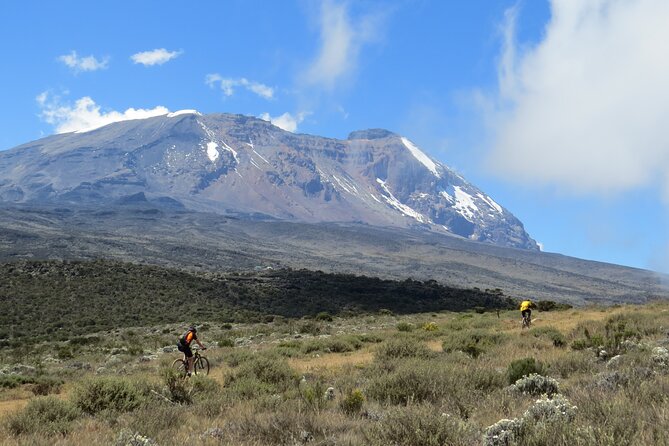
Barranco Camp is important for more than its location. It puts you beneath the Barranco Wall, one of the route’s best-known features, and gives you a memorable view of Kibo’s southern glacier. This is also a longer day, so tired legs are normal.
Day 5: Climbing the Barranco Wall to Karanga
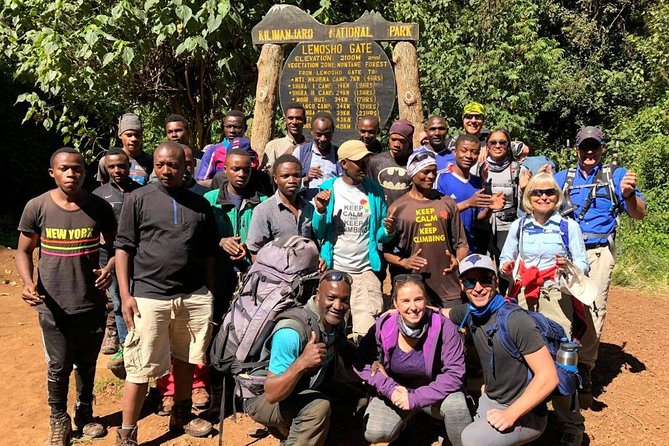
The route from Barranco Camp at 3,960 meters to Karanga Camp at 4,035 meters takes about three to four hours. The net altitude gain is only 100 meters, but that number hides the shape of the walk: steep climbing over the Barranco Wall, followed by repeated ups and downs.
Do not judge this day by the small height difference. The wall demands attention and careful footwork, though the supplied information does not describe it as a technical climb. Your guides will set the pace and help you handle the steep sections.
The reward is the view back toward Kibo and the southern glacier. Karanga is a useful rest point before the route turns toward Barafu. Eat well, refill your water, and keep your summit-night clothing accessible rather than buried in your duffel.
Day 6: Karanga Camp to Barafu Camp
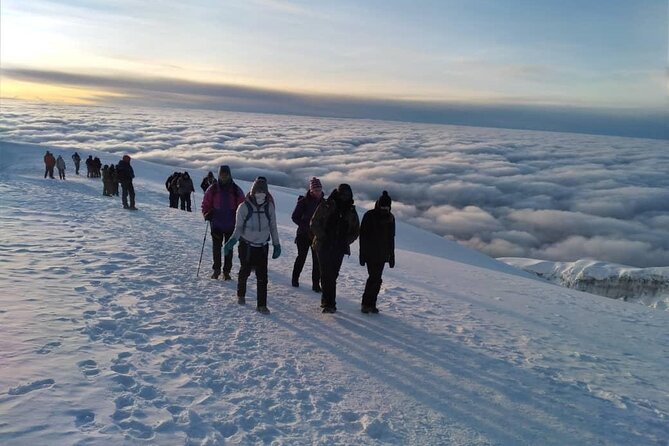
Day six climbs from 4,035 to 4,640 meters over three to four hours. The 615-meter gain is steady, and Barafu Camp is the final high camp before the summit attempt.
This is not the day to spend your energy sightseeing around camp. You need to prepare for an early start and a very long push. Rest as much as you can, eat the provided dinner, organize your layers, and listen closely to the guide’s instructions.
The package includes a mess tent and three meals a day, which makes this stage easier than carrying your own cooking system and food. It also includes an oxygen cylinder and oxygen meter. Those are important support and monitoring tools, but they do not remove the risks of altitude. Travel insurance with mountain coverage remains your responsibility.
Day 7: Barafu Camp to Uhuru Peak and Mweka Camp
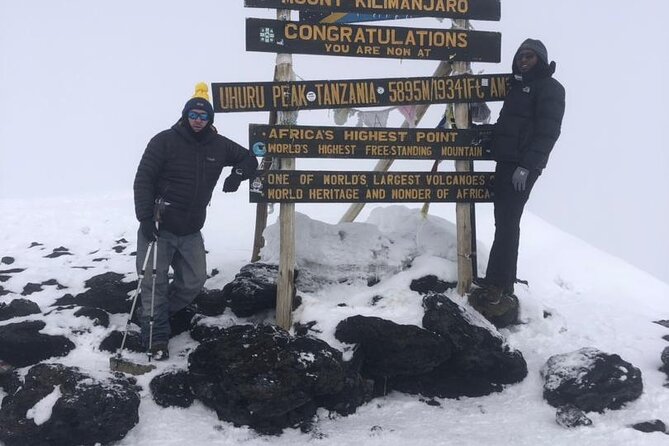
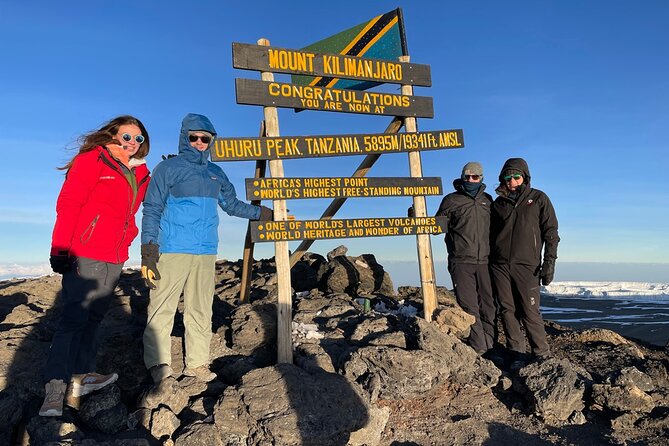
Summit day is the heart of the trip and the part you must take most seriously. You climb from Barafu Camp at 4,640 meters to Uhuru Peak at 5,895 meters, then descend to Mweka Camp at 3,080 meters.
The stated walking time is 10 to 14 hours. The climb to Stella Point is very steep, long, and potentially cold. From the crater ridge, you can expect wide views, and the final approach to Uhuru Peak brings the satisfaction of reaching the highest point in Africa.
The descent is not a minor add-on. After the summit, you still drop 2,815 meters to Mweka Camp. That is hard on knees and feet, especially after the uphill effort. Trekking poles, properly fitted boots, and a small day pack can make a real difference, though personal equipment is not included in the price.
Altitude may affect your climb in ways that are difficult to predict. A moderate fitness level is required, but fitness alone does not guarantee an easy summit. Follow the guide’s pace, report symptoms honestly, and accept that turning around can be the correct decision if your health is at risk.
The support style associated with Nyange Adventures is a major part of the value. Guides named in past trips include Davis, Kevin, Amnaay, Musa, Joy, Geopron, Robert, Herick, Ibrahim, and Francis. Since guide assignments can vary, confirm your team before departure, but the repeated pattern is clear: personal attention and encouragement are treated as part of the service.
Day 8: Mweka Camp to Mweka Gate
The final day is a two to three-hour descent from Mweka Camp at 3,080 meters to Mweka Gate at 1,630 meters. The drop is 1,450 meters, so your legs may still feel the summit day.
This shorter walk brings the climb to a close and returns you to the lower mountain. Transport to and from the gate is included, along with hotel pickup and drop-off, which is useful after a tiring descent.
The end can feel surprisingly abrupt. After a week of walking, camping, and depending on the mountain team, you are suddenly back near roads and ordinary transport. Leave room in your schedule for recovery rather than planning a demanding activity immediately afterward.
Food, tents, water, and the human side of the climb
The package includes breakfast, lunch, and dinner for all seven nights. Food matters more than many first-time climbers expect, since appetite can change at altitude and you need steady fuel for long walking days.
Past groups have given especially strong attention to the cooking and serving team. Cooks and staff named in feedback include Oscar, Nikaas, Mohammed, and Sam, although the exact crew can change. The descriptions of local organic food and thoughtful meal service suggest that eating is treated as a serious part of the climb, not just a basic necessity.
Camping includes a tent, mattress, and mess tent. You do not need to bring your own expedition shelter, but you do need personal mountain clothing and equipment. The supplied details do not provide a complete gear list, so request one before booking flights or arriving in Moshi.
Drinking water is included. The provider also carries an oxygen cylinder and oxygen meter. These inclusions are reassuring, but you should still buy travel insurance that covers the activity and any evacuation requirements relevant to your policy.
The crew’s working conditions deserve attention. A climb can feel wonderful for you while being unfair to the people carrying the load. The stated KPAP-aligned pay policy is a useful sign, and you should still prepare appropriate tips for the guide, cook, and porters because gratuities are not included.
Group size, private departures, and personal attention
This is described as a private tour or activity, meaning only your group participates. The supplied information does not give a fixed maximum group size, so ask how many guides, porters, and cooks will be assigned to your party.
The private setup can be especially useful if your fitness, age, or walking pace differs from that of other people. One past booking became a solo climb after cancellations, and the flexible format allowed closer contact with the team. That is not a promise that every departure will be solo, but it shows why the private arrangement may suit people who want a more personal schedule.
A 73-year-old climber completed the Lemosho ascent with the team, which shows that age alone is not the deciding factor. Fitness, medical advice, altitude response, and a willingness to walk slowly matter more. You should discuss the climb with a doctor if you have any health concerns.
The start time is listed as 8:00 a.m. for the meeting point, while summit day will follow a separate mountain schedule set by the guide. Confirm the exact pickup time and meeting details before you arrive.
Is $3,500 a fair price?
At $3,500, this climb sits in the serious guided-expedition category rather than the low-cost hiking market. You are paying for permits and park charges, a seven-night camping operation, meals, water, transport, equipment such as tents and mattresses, professional guiding, and a full support team.
The value becomes clearer when you consider what is not included. Personal clothing and climbing equipment can cost a great deal if you are starting from scratch. Travel insurance, tips, airport transfers, and accommodation before or after the climb also need space in your budget.
I would compare operators on staff treatment, guide ratios, safety procedures, food, and what happens if the itinerary needs to change, not only on the headline price. A cheaper climb may not offer the same level of support. Ask for a written packing list, tipping guidance, emergency procedure, and details about pre and post-climb lodging before paying.
Who should book this climb?
I would recommend this route to someone who values a gradual schedule, varied scenery, and a better chance to adjust before summit night. It is also a good fit if you want a private departure and appreciate having meals, transport, tents, water, and park fees handled in one package.
You should be comfortable walking for several hours on consecutive days. The summit attempt is the key test, with a possible 14-hour day and a major descent afterward. A moderate fitness level is required, but you also need patience and the judgment to tell your guide when something feels wrong.
I would not choose this trip if you want a relaxed nature walk or a short holiday activity. Kilimanjaro is demanding, and the altitude can affect even fit people. The eight-day format reduces some pressure, but it does not make the mountain easy.
Should you book the Nyange Adventures Lemosho climb?
Book it if you want the scenic western route, a measured eight-day schedule, and a package that takes care of the main mountain costs. The strongest reasons are the route design, the highly praised guide and support culture, the food, and the stated attention to fair crew pay.
Before booking, get the personal gear list, confirm the current guide team, check the group size, and buy suitable insurance. Also keep money aside for tips and extra nights in Moshi.
For an experienced hiker who respects altitude and wants a well-supported route to Uhuru Peak, this is a convincing choice. For anyone unsure about long summit days, the booking decision should begin with fitness and medical preparation, not scenery or price.
FAQ
Where does the climb begin?
The climb begins at Lemosho Gate, at an elevation of 2,385 meters.
How long is the experience?
The climb lasts approximately eight days and includes seven nights of accommodation in the mountain camping setup.
What is the highest point reached?
The summit is Uhuru Peak, at 5,895 meters.
Is hotel pickup included?
Yes. Hotel pickup and drop-off are included, and transport to and from the park gate is also covered.
Are meals included?
Yes. Three meals per day are included: breakfast, lunch, and dinner.
Is camping equipment provided?
Yes. The package includes a tent, mattresses, and a mess tent.
Is drinking water included?
Yes. Drinking water is included during the climb.
Do I need travel insurance?
Yes. Travel insurance is not included, so you need to arrange it yourself.
Can I cancel for a full refund?
You can cancel for a full refund if you cancel at least 24 hours before the experience start time. Cancellations or changes made within 24 hours are not refunded.
More Lemosho Route Climbs in Moshi
- Kilimanjaro Lemosho Route
★ 5.0 · 71 reviews - Climbing Kilimanjaro through 8 days Lemosho Route
★ 5.0 · 52 reviews - 8 Days Climbing Mt.Kilimanjaro (Lemosho Route)
★ 4.5 · 37 reviews - 7 days Lemosho route Climbing Mt.Kilimanjaro
★ 5.0 · 31 reviews
Just added around Moshi
- Mt Kilimanjaro 6 days Marangu route hike★ 5.0 · 3 reviews
- Wildlife Extravaganza: Manyara, Tarangire & Ngorongoro in 3 Days★ 5.0 · 3 reviews
- Private Cycle to Kilimanjaro Bike Park Safari★ 5.0 · 6 reviews
- 3 Days Private E-Bike Tour in West Kilimanjaro★ 5.0 · 3 reviews
- West Kilimanjaro cycling Adventures★ 4.5 · 8 reviews
- machame route★ 5.0 · 16 reviews
- Kilimanjaro Climb & Safari – Lemosho Route – 13 Day★ 5.0 · 10 reviews
- Kilimanjaro Climbing Umbwe Route★ 5.0 · 3 reviews
Lemosho Route Climbs, compared.


8-Day Small-group Lemosho Kilimanjaro Summit Trekking
Read our review →





Climbing Kilimanjaro through 8 days Lemosho Route
Read our review →Browse the lists this tour appears in