
Reviewed · LEMOSHO ROUTE CLIMBS
8 Day Kilimanjaro Trek via Lemosho Route
The Lemosho Route gives you Kilimanjaro at its most varied: rainforest, high plateau, volcanic rock, and alpine desert in one steady climb. Soraka Tours handles the heavy gear, meals, transport, and camp setup, leaving you to manage the walking and altitude.
I especially like the gradual start and the built-in acclimatization day at Lava Tower. I also like the close attention to health, with two daily oximeter checks and guides trained as Wilderness First Responders. The main drawback is the summit day: 14 to 16 hours on foot is a serious physical test, not a casual hike.
Key points to know before booking
- Eight mountain days become a 10-day trip: You get an arrival night in Moshi, eight days on the route, a post-trek hotel night, and airport transport.
- The Lemosho Route starts quietly: The trail begins at 7,824 feet and climbs through rainforest before reaching the Shira Plateau.
- The Lava Tower day helps your body adjust: You climb to 15,091 feet, then sleep lower at Barranco Camp.
- The final day is the real test: From Barafu Camp, you climb to 19,340-foot Uhuru Peak and then descend to Mweka Camp.
- Your package covers the major costs: Park fees, rescue and camping fees, airport transfers, hotel stays, tents, meals, and mountain transport are included.
- The crew receives strong praise for care: Soraka guides and porters provide meals, equipment support, health checks, and encouragement throughout the climb.
Why Lemosho is a smart route to the summit
Kilimanjaro is not a technical climbing trip in the usual mountaineering sense, but it is still a demanding high-altitude trek. The challenge comes from the height, the long walking days, cold nights, thin air, and the need to keep going when your body would rather stop.
Lemosho is a good choice because it gains altitude over several days rather than rushing you toward the summit. The route also gives you more visual variety than a short approach. You begin among trees, cross open high country, pass volcanic formations, and finish in a stark world of rock, ice, and sky.
The route is described as a quieter alternative, though you should not expect complete solitude. Kilimanjaro is a popular mountain, and you will still encounter other climbing groups. The advantage is the route’s longer approach and wide range of scenery, not guaranteed isolation.
The trip costs $3,450 per person. That is a substantial sum, but it includes many expenses that can add up quickly on Kilimanjaro: national park charges, rescue and camping fees, two hotel nights, airport transfers, transportation, tents, sleeping mats, dining equipment, a chef, porters, and certified guides.
You still need to budget for airfare, a visa, personal equipment, hotel lunches and dinners, insurance, alcoholic drinks, and tips for the mountain crew. Mountaineering insurance is strongly recommended, so do not treat the advertised price as your full trip budget.
More Kilimanjaro Climbs in Kilimanjaro
- Kilimanjaro climb by Lemosho Route (7-day)
★ 5.0 · 651 reviews - Kilimanjaro climb, Machame Route (7-day)
★ 5.0 · 262 reviews - Kilimanjaro Climbing Lemosho Route 8 Days.
★ 5.0 · 186 reviews
Arrival in Moshi and the pre-climb briefing
Your trip begins with pickup at Kilimanjaro International Airport, usually called JRO. Soraka provides ground transportation to Moshi and two hotel nights at Kili Wonders Hotel or a similar property, with breakfast included.
The first night gives you a useful buffer after a long international flight. The next stage is the briefing, where you can expect to review the route and prepare for the walk ahead. Since personal climbing equipment is not included, use this time to confirm that your boots, sleeping bag, day pack, and clothing are ready.
You carry only your day pack during the trek. Porters carry the rest of your equipment, a major help on steep days and during the summit push. Pack your day bag carefully with water, layers, snacks, sun protection, and any personal medicine you need during the day.
Day 2: rainforest from Lemosho Gate to Mti Mkubwa
The first walking day starts at Lemosho Gate, at 7,824 feet. The trail climbs through lush rainforest to Mti Mkubwa Camp, at 9,251 feet, in about three to four hours.
This is a friendly introduction to the mountain. The forest provides shade, and the short walking time lets you settle into the slow pace that works best at altitude. You will also notice the trip’s first major change in climate and plant life.
Do not mistake the easy distance for a free pass. You are beginning at altitude, and your body may still be adjusting after arrival in Tanzania. Walk slowly, drink regularly, and follow the guide’s instructions from the first hour.
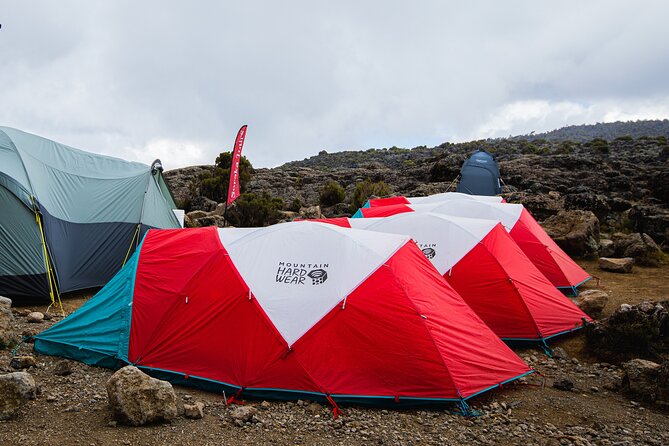
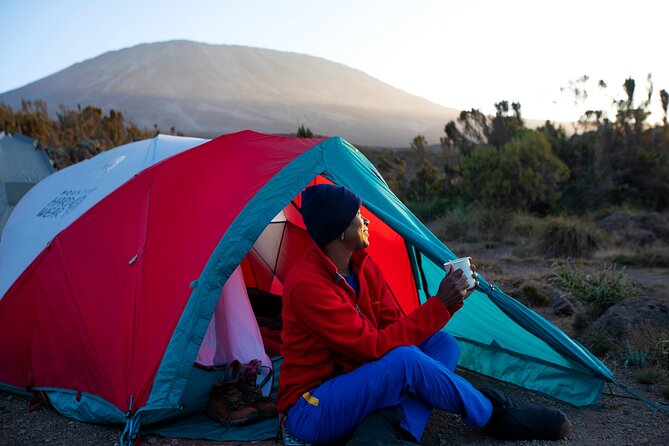
At camp, your crew provides tented accommodation in four-season Mountain Hardware tents, with two people sharing each tent. Single accommodation is available for an extra charge. The dining tent has tables, chairs, and cutlery, so meals are not taken on the ground or inside your sleeping tent.
Day 3: leaving the trees for Shira 1 Camp
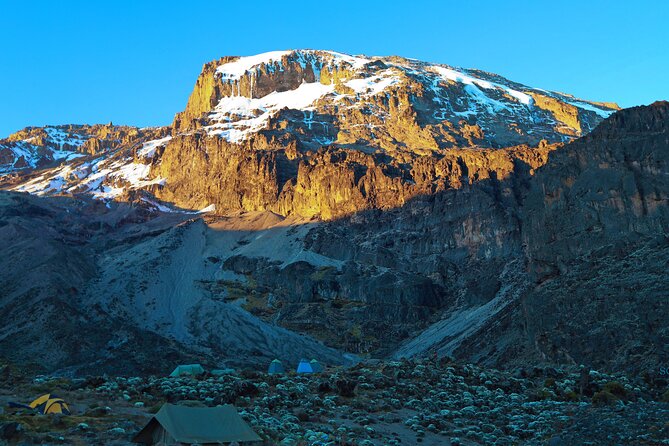
The trek from Mti Mkubwa to Shira 1 Camp takes about five to six hours. You gradually leave the forest behind and climb to 11,499 feet.
This is one of the route’s most satisfying transitions. The dense woodland gives way to more open ground, and the air feels cooler and thinner. The change can be exciting, but you will also begin to feel the effort of gaining height.
The daily schedule is built around a slow, steady pace. That matters more than speed. On Kilimanjaro, racing ahead early can leave you drained later, while an even pace gives your body more time to adjust.
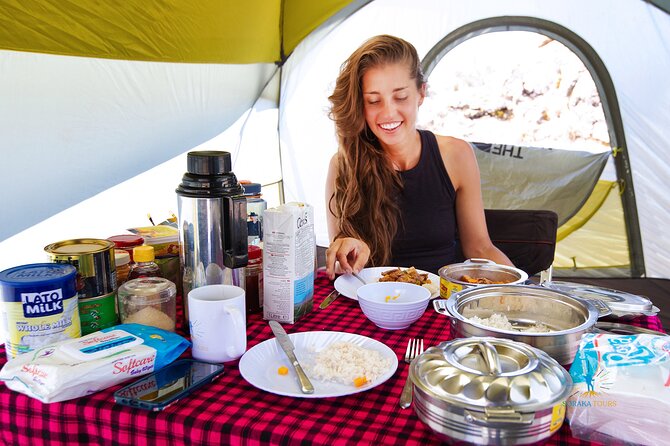
Soraka provides three freshly prepared meals each day on the mountain. The company says it can accommodate vegetarian, gluten-free, halal, and kosher meal plans. You should confirm your dietary needs before departure, but the range of options is useful on a trek where eating well directly affects your energy.
More Kilimanjaro Climbs in Moshi:
- Kilimanjaro climb, Lemosho Route (8-day)
★ 5.0 · 148 reviews - Kilimanjaro climb, Lemosho Route (6-day)
★ 5.0 · 129 reviews - Kilimanjaro climb, Marangu route (6-day)
★ 5.0 · 72 reviews - Private Kilimanjaro Hike 7 Day Lemosho Route
★ 5.0 · 60 reviews
Day 4: crossing the Shira Plateau
From Shira 1, you continue to Shira 2 Camp at 12,598 feet. The walking time is about four to five hours, and the route crosses the broad Shira Plateau.
This day is valuable because it lets you gain height without the same steep effort as the summit day. You will see more open volcanic terrain and pass through another vegetation zone. The mountain begins to feel less like a forest hike and more like a high-altitude expedition.
The benefit of camping at Shira 2 is time. You are not trying to reach the summit quickly. Instead, you are giving your body several nights to respond to the altitude before the hardest sections begin.
The cost is comfort. Nights become colder, the air is thinner, and simple tasks take more effort. The tent and warm sleeping mats provide shelter, but this is still camping on a high mountain, not a hotel night with a view.
Day 5: Lava Tower and the climb-high, sleep-low plan
The route from Shira 2 to Barranco Camp is about six to seven hours and passes Lava Tower at 15,091 feet. You then descend to Barranco Camp, at 12,959 feet.
This is one of the most important days for acclimatization. You climb high during the day, allowing your body to experience a greater altitude, but sleep lower that night. The plan can feel strange because you work hard to reach a higher point, then give up some of that height before bed. It is designed to help you prepare for the summit.
Lava Tower also gives the day a clear turning point. You may notice headache, shortness of breath, fatigue, or nausea at this height. The guides conduct two health checks daily using an oximeter and specific health questions. That system does not remove the risks of altitude, but it creates regular chances to spot problems early.
Emergency oxygen and a medical kit are carried by the team. The guides are certified Wilderness First Responders and are described as having more than 10 years of climbing experience each. You should still take symptoms seriously and report them quickly. A strong support system is helpful, but no guide can make altitude sickness disappear.
Day 6: the Barranco Wall to Karanga Camp
From Barranco Camp, you climb the famous Barranco Wall and continue to Karanga Camp at 13,106 feet. The day takes about four to five hours.
The Barranco Wall is not presented as technical climbing, but it is a steep and physical section. You will use your hands at points and move carefully under the guide’s direction. The section can feel exposed if you dislike heights, though the short distance makes it less punishing than the summit day.
This is a good example of why a private trip can be useful. Only your group participates, so the guides can pay attention to your pace and condition rather than managing a large mixed party. Private does not mean effortless, but it can make the daily rhythm more personal.
Karanga Camp is another step toward Barafu. The short walking time leaves room for rest, eating, and preparing clothing and equipment for the next day. Use that time well. The summit schedule begins before dawn, and you will want your gear organized before going to sleep.
Day 7: Barafu Camp and the final preparation
The route from Karanga to Barafu Camp takes about four to five hours. Barafu sits at 15,223 feet and is the last camp before the summit.
The terrain becomes more severe here. Trees are long gone, and the camp’s purpose is practical: rest, eat, check your gear, and prepare for the summit attempt. You should expect a cold night and a short period of sleep before the early morning departure.
A good guide team is especially important at this point. The reviews of Soraka repeatedly emphasize friendly support, careful attention, strong food, and positive energy. Guides named Baraka and Baltazar are singled out for explaining the mountain and helping climbers feel cared for. Your assigned guides may differ, but the company’s service style clearly puts a lot of weight on personal support.
Do not use this day to prove your fitness. Save your strength. Eat what you can, drink according to your guide’s advice, and keep your summit clothing close at hand.
Day 8: Uhuru Peak and a 14 to 16-hour summit day
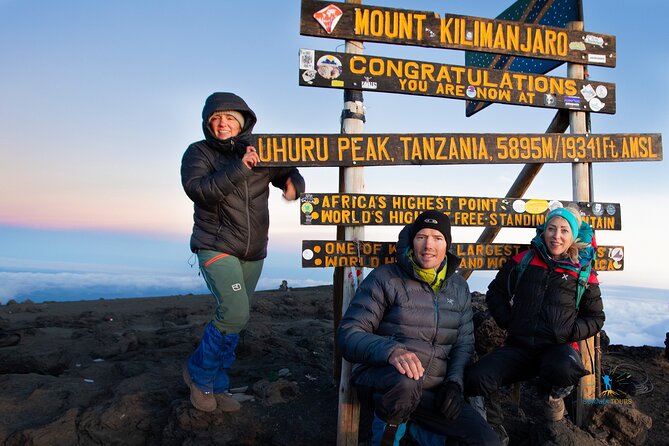
Summit day begins in the early hours from Barafu Camp. The target is Uhuru Peak, at 19,340 feet, followed by a descent to Mweka Camp.
The total day takes about 14 to 16 hours. That figure deserves more attention than the summit photograph. You climb in darkness, reach the highest point in Africa, and then continue downhill for several hours. Even fit hikers can feel worn out by the length, cold, altitude, and uneven ground.
The sunrise timing is one of the great rewards of this schedule. Reaching the summit around sunrise can give you broad views over the mountain and surrounding country, though weather and personal pace affect what you see.
The guides set the pace, monitor your condition, and help you keep moving. Your porters and chef also make this possible by carrying equipment and preparing meals. Still, the summit is never guaranteed. Your health, weather, altitude response, and energy all matter.
Descending to Mweka Camp on the same day is tiring, but it gets you below the highest camps. The feeling changes quickly as you lose altitude. You may be exhausted, but the hardest part is behind you.
Day 9: Mweka Gate and the return to Moshi
The final mountain walk descends from Mweka Camp to Mweka Gate. From there, Soraka provides transport back to your hotel in Moshi for an overnight stay.
This is a shorter and more relaxed stage than summit day, though tired legs can make downhill walking surprisingly uncomfortable. The return to a hotel gives you time to shower, rest, and sleep in a proper bed.
The post-trek night also makes the itinerary less rushed. You do not need to leave the mountain and race straight to the airport. That separation is useful after a long summit effort.
Day 10: airport transfer and trip timing
The final day includes airport drop-off. The advertised duration is approximately 10 days, even though the mountain itinerary is described as an eight-day trek.
That distinction matters when you arrange flights. You need one arrival night before the climb, eight days on the route, and a night in Moshi after descending. Check your flight times carefully and allow enough room for the scheduled hotel night and airport transfer.
Pickup and drop-off are included from Kilimanjaro International Airport. Lunch and dinner at the hotel are not included, so plan for those meals separately.
Meals, tents, and the meaning of full support
The practical support is one of the strongest parts of this package. A chef prepares three meals daily, and the dining setup includes a tent, table, chairs, and cutlery. After a long day, that comfort matters more than fancy extras.
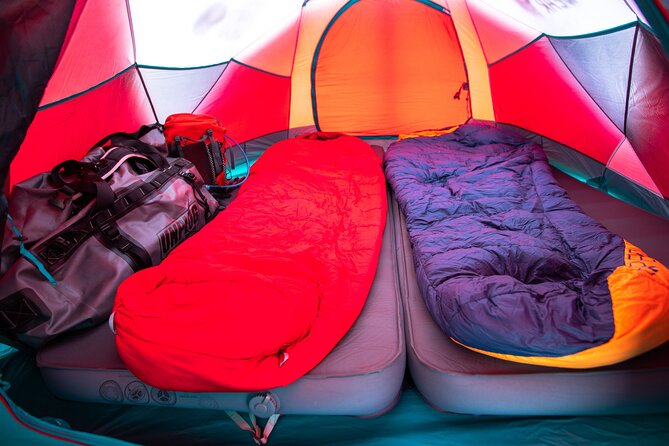
The company also provides warm sleeping mats and four-season tents, with two people sharing. A sleeping bag is not included, so you must bring or arrange one. Boots and other personal climbing equipment are also your responsibility.
Soraka says mountain crew members are paid fair wages according to KINPA standards. That is worth considering when comparing operators. The porters’ work is central to your safety and comfort, and responsible treatment of the crew should be part of the price calculation.
The repeated praise for food and service suggests that this is aimed at people who want a well-supported climb rather than a stripped-down budget expedition. You still sleep in tents and carry a day pack, but the dining tent, prepared meals, health checks, and hotel nights make the overall experience more comfortable.
Who should choose this Kilimanjaro trek
This trip suits you if you want a longer route with gradual acclimatization and a broad range of scenery. It is also a good fit if you value private-group attention, organized transfers, prepared meals, and a crew that stays closely involved in your welfare.
You need a strong level of physical fitness. The daily distances are manageable for many prepared hikers, but the summit day is long and the altitude is serious. You should be comfortable walking for several hours over uneven ground and camping in cold conditions.
This is not the best choice if you want a short, easy mountain holiday or dislike early starts, basic camp life, and uncertain summit conditions. It is also not an all-inclusive luxury trip in the hotel sense. The tents and dining service add comfort, but you remain on a demanding mountain.
Free cancellation is available if you cancel at least 24 hours before the experience start time. Changes or cancellations inside that window are not accepted for a refund, and cut-off times follow local time.
Should you book the Lemosho Route with Soraka Tours?
I would choose this trek if your priority is a carefully supported route with strong acclimatization planning and a crew that takes health and morale seriously. The Lava Tower day, private group format, prepared meals, airport transport, and two hotel nights add real value to the $3,450 price.
Before booking, ask for a current packing list, confirm which guides will lead your group, and check the exact terms for single tent use and dietary needs. Also price your insurance, sleeping bag, boots, visa, airfare, tips, and meals in Moshi.
Book it if you are ready for the physical demands and want the logistics handled around you. Skip it if the 14 to 16-hour summit day sounds beyond your limits. Kilimanjaro rewards patience and preparation, and this itinerary gives you a sensible structure for both.
FAQ
How long is the full Kilimanjaro trip?
The full trip lasts approximately 10 days. It includes arrival and a hotel night in Moshi, eight days on the mountain, a hotel night after the trek, and airport transport.
Is airport pickup included?
Yes. Pickup and drop-off at Kilimanjaro International Airport are included, along with ground transportation during the trip.
What meals are included?
Three freshly prepared meals each day on the mountain are included. Breakfast is included during the two hotel nights, while hotel lunches and dinners are not included.
Do I need to bring my own sleeping bag?
Yes. Personal climbing equipment, including a sleeping bag and hiking boots, is not included.
How many people share a tent?
The standard tent arrangement is two people per four-season Mountain Hardware tent. Single accommodation is available for an additional charge.
Is this trek suitable for all fitness levels?
No. The tour information says participants should have a strong level of physical fitness. The summit day lasts approximately 14 to 16 hours and reaches 19,340 feet at Uhuru Peak.
More Hiking & Trekking in Moshi
- Best Kilimanjaro hiking day trip tour with Kilinge Adventures
★ 4.5 · 54 reviews - #1. Best Kilimanjaro Day hike Tour-Machame Route-ISMANI
★ 4.2 · 47 reviews - Best Kilimanjaro Adventure 7 days Machame route Trekking
★ 5.0 · 42 reviews - Kilimanjaro 7 Day Private Trekking Experience
★ 5.0 · 40 reviews
More Lemosho Route Climbs in Moshi
- Kilimanjaro Lemosho Route
★ 5.0 · 71 reviews - Climbing Kilimanjaro through 8 days Lemosho Route
★ 5.0 · 52 reviews - 8 Days Climbing Mt.Kilimanjaro (Lemosho Route)
★ 4.5 · 37 reviews - 7 days Lemosho route Climbing Mt.Kilimanjaro
★ 5.0 · 31 reviews
Just added around Moshi
- Mt Kilimanjaro 6 days Marangu route hike★ 5.0 · 3 reviews
- Wildlife Extravaganza: Manyara, Tarangire & Ngorongoro in 3 Days★ 5.0 · 3 reviews
- Private Cycle to Kilimanjaro Bike Park Safari★ 5.0 · 6 reviews
- 3 Days Private E-Bike Tour in West Kilimanjaro★ 5.0 · 3 reviews
- West Kilimanjaro cycling Adventures★ 4.5 · 8 reviews
- machame route★ 5.0 · 16 reviews
- Kilimanjaro Climbing Umbwe Route★ 5.0 · 3 reviews
- Kilimanjaro Climb & Safari – Lemosho Route – 13 Day★ 5.0 · 10 reviews
Lemosho Route Climbs, compared.


8-Day Small-group Lemosho Kilimanjaro Summit Trekking
Read our review →





Climbing Kilimanjaro through 8 days Lemosho Route
Read our review →Browse the lists this tour appears in