
Reviewed · LEMOSHO ROUTE CLIMBS
7 Days Lemosho Route Kilimanjaro Climbing | Solely Tours
The special thing about this climb is the route itself. The Lemosho Route begins on Kilimanjaro’s western side, crosses Shira Plateau, and gives you the chance to summit Shira Peak before joining the southern circuit toward Uhuru Peak. It is a demanding seven-day climb, but the schedule gives you several days to gain height gradually.
I like two things right away: the private format, which lets your group set a sensible pace with its own guide, and the practical package, which includes park fees, camping equipment, meals, and a hotel night before the climb. I also like that part of the fee supports the Godson Charity, helping children in the Moshi area.
The main drawback is the schedule’s short length for such a high mountain. The itinerary includes useful acclimatization days, but summit day is still a very long push, beginning around midnight and lasting about 14 hours. You need moderate fitness, patience, and a willingness to walk slowly for much of the week.
Key points to know before booking
- Shira Peak access: This route includes the western approach and a chance to summit Shira Peak before crossing the plateau.
- Private group setting: Only your party takes part, with a private guide and support team.
- Long summit day: You start around midnight, climb through heavy scree to Stella Point, then continue toward Uhuru Peak.
- Camping is included: Tents, mattresses, meals, park fees, and porters’ support are part of the package.
- Charity connection: A portion of the cost goes to the Godson Charity, which supports children.
- Hotel nights included: You receive one night before the climb and one night afterward at Kilimanjaro White House Hotel.
Why the Lemosho Route is worth seven days
Kilimanjaro is not a technical climb in the mountaineering sense, but it is a serious altitude trek. You do not need ropes or rock-climbing skills on this itinerary. You do need to handle long walks, cold nights, uneven ground, and thin air.
Lemosho is appealing because it does not rush you straight toward the upper mountain. The opening day passes through thick rainforest. Then the trail reaches heather moorland, open plateau, rocky high ground, and finally the summit zone. That variety makes the week feel like a real journey rather than a long staircase.
The route’s western start also gives you a quieter introduction to Kilimanjaro. You leave Moshi for about three hours by road to Londorosi Gate, complete the park formalities, then continue for about another hour to the trailhead. That transfer is long, so expect much of the first morning to be spent in the vehicle.
The phrase private guide matters here. Your pace, rest stops, and daily rhythm can be handled around your own group rather than a large mixed party. Still, private does not mean easy. The mountain controls the schedule, and the guide’s job is to keep the group moving safely, not to turn the trek into a race.
More Kilimanjaro Climbs in Kilimanjaro
- Kilimanjaro climb by Lemosho Route (7-day)
★ 5.0 · 651 reviews - Kilimanjaro climb, Machame Route (7-day)
★ 5.0 · 262 reviews - Kilimanjaro Climbing Lemosho Route 8 Days.
★ 5.0 · 186 reviews
Day 1: From Moshi to rainforest camp
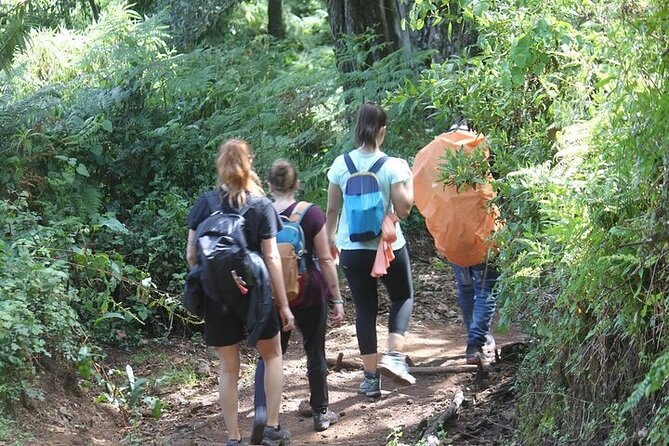
The first day covers about 7 kilometers and takes roughly four hours of walking, after the drive and park entry formalities. Lunch is served after reaching the Lemosho trailhead, then you set off through thick rainforest toward the first camp.
This is a pleasant opening, but do not judge the whole climb by it. The rainforest section is comparatively gentle, and the lower elevation can make you feel fresh. The trail is shaded and enclosed, with a very different character from the exposed upper mountain.
The practical challenge is timing. A three-hour drive to Londorosi Gate, another hour to the trailhead, lunch, registration, and four hours on foot make this a full day. Keep essential items in your daypack, including water, rain protection, a warm layer, and personal medication. Your larger baggage will be handled as part of the climbing operation, but the information provided does not specify individual baggage limits, so confirm that before departure.
Your first camp is the point where the trip changes from ordinary safari logistics to mountain routine. You will eat, sleep in a tent, and prepare for a longer second day.
Day 2: Heather moorland and Shira 2 Camp
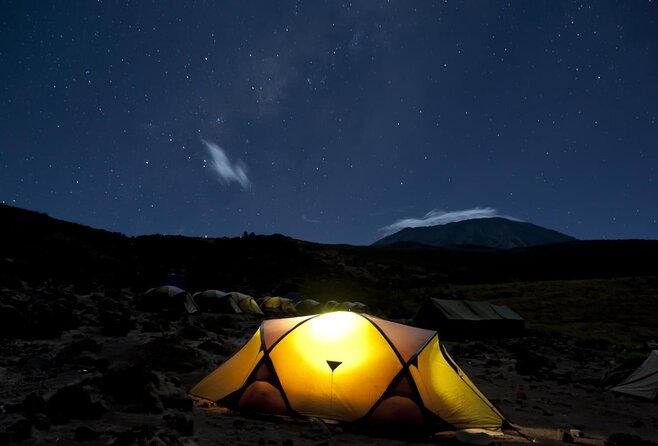
Day two is one of the longest regular walking days. The route covers about 16.5 kilometers and takes approximately nine to 11 hours. After breakfast, you climb into the heather moorland zone, pass streams, and cross a plateau toward Shira 2 Camp.
This is where Lemosho begins to show its value. The rainforest gives way to more open country, and the views expand. From Shira 2, you can see toward the Western Breach and the glaciers to the east. The setting feels broad and remote, with the mountain opening up around you.
The distance is the concern. Ten hours on your feet is tiring even before altitude becomes a major factor. Keep your walking rhythm slow from the start. If you push hard early, the final hours can feel needlessly rough.
Evening snacks and dinner are provided at camp. The food is an important part of the package because you are burning energy every day, and the support team handles cooking while you focus on walking and resting. Several comments about the operation specifically praise hot meals, and one described hot water being available for washing the face and hands at camp. That is a small comfort, but after a long day it feels like a luxury.
Day 3: Lava Tower and the descent to Barranco
Day three covers about 10 kilometers and takes roughly seven hours. You leave Shira 2 and enter a more barren, rocky zone. After around five hours, you reach Lava Tower, where lunch is served, then descend for about two hours to Barranco Camp.
This is a valuable acclimatization day because you climb higher before sleeping lower. The schedule’s walk high, sleep lower pattern gives your body more time to adjust than a simple steady ascent would. It is one reason the Lemosho route is often chosen for a longer, more gradual approach.
Lava Tower is also a clear marker of the mountain’s changing conditions. The forest is now far below, and the setting is exposed and stark. Weather can shift quickly at these heights, so your daypack should carry warm clothing even if the morning in Moshi was mild.
The descent to Barranco is not just a way to finish the day. It prepares you for the next morning’s famous obstacle, Barranco Wall, which you can see from camp. Barranco Camp is a scenic place to rest, but the views come with a cost: you are sleeping at altitude, and some people may notice headaches, poor sleep, or reduced appetite.
More Kilimanjaro Climbs in Moshi:
- Kilimanjaro climb, Lemosho Route (8-day)
★ 5.0 · 148 reviews - Kilimanjaro climb, Lemosho Route (6-day)
★ 5.0 · 129 reviews - Kilimanjaro climb, Marangu route (6-day)
★ 5.0 · 72 reviews - Private Kilimanjaro Hike 7 Day Lemosho Route
★ 5.0 · 60 reviews
Day 4: Barranco Wall and Karanga Camp
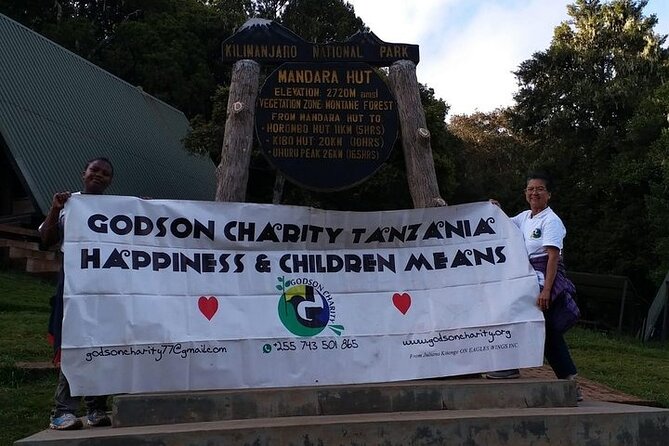
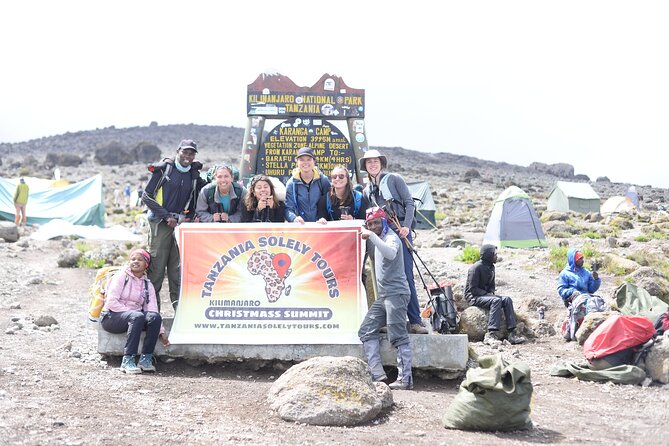
Day four is shorter, covering about 5.5 kilometers in around five hours. The highlight is the climb over Barranco Wall, followed by a series of hills and valleys to Karanga Camp.
The wall can look intimidating from below, but the itinerary does not describe it as a technical rock climb. You should still expect a hands-on, uneven section where careful footing matters. Your guide will set the pace, and the private format gives your group room to move steadily rather than feel pressured.
This shorter day is welcome after the long push from Shira 2 and the Lava Tower day. It gives you time to rest at Karanga and take in the views across glacial valleys and ice fields. Sunset here is one of the trip’s notable moments, with the ice high above the southern route.
Do not mistake the short distance for a free day. Altitude, rough ground, and the previous days’ effort can make five kilometers feel substantial. Use the afternoon to eat, drink, organize summit clothing, and rest. The most useful preparation is simple: make your summit-night gear easy to reach.
Day 5: Karanga to Barafu Camp
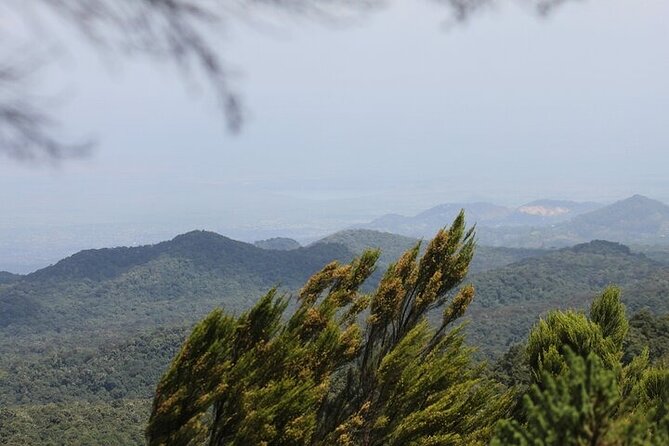
The fifth day is short on paper, just 3 kilometers and about three hours. You leave Karanga, reach the intersection with the Mweka Trail, and continue to Barafu Camp.
Barafu marks the end of the southern circuit and gives you summit views from a different angle. The small distance is welcome, but the camp’s real purpose is preparation. You eat dinner, rest, and get ready for the midnight start.
This is a day when the support team matters. The guide, cook, and porters handle much of the camp work, while you conserve energy. The package includes tents, mattresses, meals, and park fees, but tips are not included. Set aside money for guide, cook, and porter tips, and ask the operator for current tipping guidance before you start.
Barafu is also where nerves can appear. You may feel tired, excited, or uncertain about the summit. That is normal. Keep your focus narrow: eat what you can, drink regularly, and prepare only the items you need for the night climb.
Day 6: Midnight start, Stella Point, and Uhuru Peak
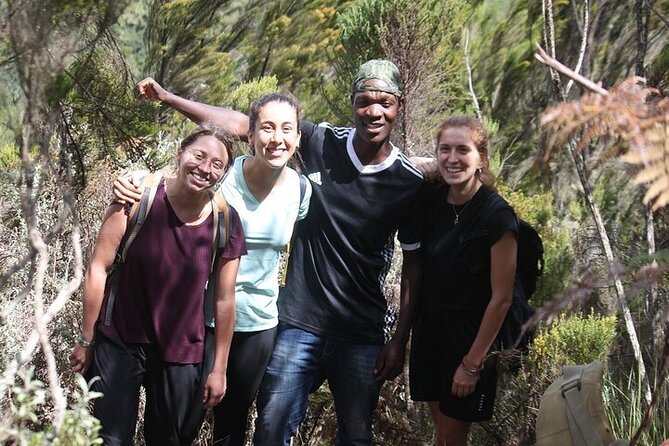
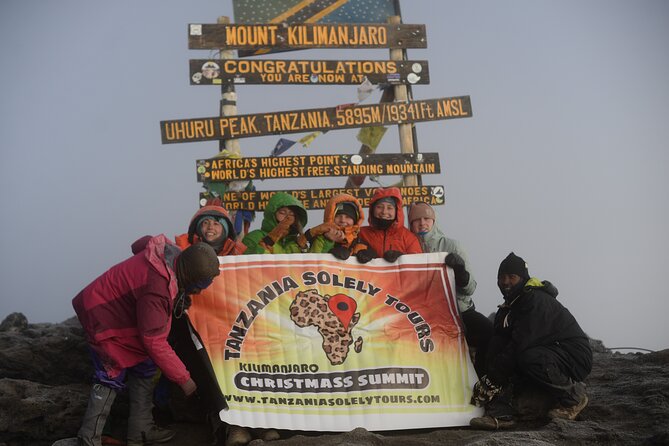
Summit day is the heart of the climb and the hardest section by far. You wake around midnight, pack snacks, and begin climbing through heavy scree between the Rebmann and Ratzel Glaciers toward Stella Point on the crater rim.
The route is steep and slow. Heavy scree means loose volcanic gravel that shifts under your boots, so every step can take effort. The cold, darkness, altitude, and lack of sleep add to the challenge. This is where a guide’s pacing and judgment are especially important.
At Stella Point, you take a short break and, weather permitting, watch the sunrise. From there, snow may appear along the route to the summit. The final goal is Uhuru Peak, the highest point in Africa.
The itinerary allows only a brief stay at the summit to reduce the risk of altitude sickness. That is sensible. Take your photographs, enjoy the achievement, and listen to your guide about moving on. The entire summit day is listed at about 14 hours, so reaching Uhuru Peak is only part of a very long day.
You need to be honest with yourself here. This is not a sightseeing walk with a summit photo added at the end. It is an endurance day, and the best preparation is a patient pace rather than a heroic one. The provided information does not give a detailed altitude-safety or emergency protocol, so ask specific questions about how the company handles symptoms, turnaround decisions, and evacuation before booking.
Day 7: Mweka descent and the return to Moshi
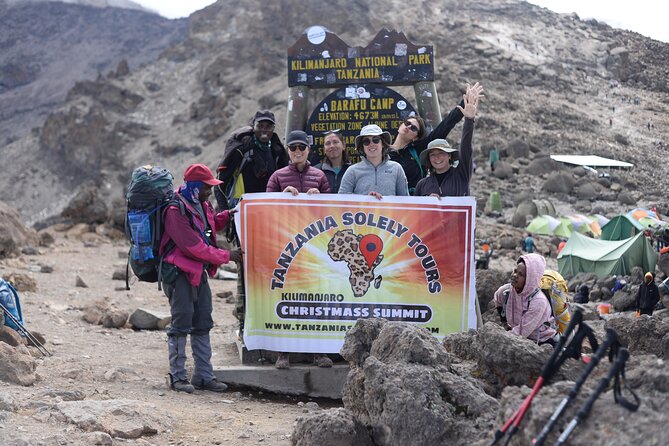
The final day starts with breakfast at camp, followed by about three hours of walking to Mweka Gate. The full day is listed at around 12.1 kilometers and six hours, including the final arrangements and transfer.
At the gate, successful summit climbers receive a gold certificate. You then continue to Mweka village, meet the driver, and return to your hotel for a well-earned rest.
The descent can be harder on the knees than expected. Loose ground and tired legs require attention, even though you are heading downhill. Hiking poles can be useful, but personal equipment is not included, so bring or arrange your own.
One night after the climb at Kilimanjaro White House Hotel is included. That extra night is valuable because it gives you a proper place to wash, sleep, and recover instead of forcing an immediate onward journey.
What the $2,297.30 price covers
At $2,297.30 per person, this is not a budget walk, but the price includes many of the unavoidable costs of a Kilimanjaro climb. Park entry fees alone are a major part of any legitimate itinerary, and this package also includes camping equipment, meals, porter support, and hotel accommodation before and after the trek.
Included items are:
- Mattress and tents
- One hotel night before climbing
- One hotel night after climbing
- Park entry fees
- Five breakfasts
- Seven lunches
- Seven dinners
The meal count is unusual beside a seven-day schedule, so I would confirm exactly when each meal is served, especially around the hotel nights and summit day. Flights, visas, personal equipment, and tips are not included. Those extras can change your total cost, particularly if you need to buy cold-weather clothing or hiking equipment in Tanzania.
The charity connection adds a social purpose to the purchase. Part of your fee supports the Godson Charity, which helps children. If that matters to you, ask how the contribution is allocated and whether the company can explain the charity work during your Moshi stay.
Camping comfort and the role of the support team
You camp for most of the climb, but the operation is not an unsupported wilderness trip. A cook prepares meals, porters carry equipment, and guides lead the walking days. Several aspects of the service receive especially strong praise: guide pacing, hot food, helpful porters, and a friendly team atmosphere.
That support changes the experience. You carry your personal daypack, but you are not responsible for moving the tents and cooking supplies up the mountain. You should still pack lightly and responsibly. Porters work hard, and a good trip includes treating the whole crew fairly, following local tipping guidance, and respecting weight limits.
The company also highlights a female guide and female porters as part of its inclusive approach. Specific guide names are not provided, so request the name and qualifications of your assigned guide before departure. That is a reasonable question for any high-altitude climb.
Who should book this climb?
This trip suits you if you want a private Kilimanjaro attempt with a western route, varied scenery, included camping logistics, and time to adjust gradually. It is also a good fit if reaching Shira Peak matters to you, since that is a distinctive feature of this route.
You should have a moderate level of physical fitness. You do not need to be an experienced mountaineer based on the information supplied, but you should be comfortable walking for up to 11 hours on day two and spending about 14 hours on summit day.
This is less suitable if you want a relaxed mountain holiday, a large social group, or a short, easy route. The private format can feel quiet, and the timetable leaves little room for a slow summit attempt if weather or health causes delays.
The experience has a listed five-star rating from 11 ratings and a 100 percent recommendation rate. That is encouraging, particularly because the strongest praise centers on the guide’s pace, the food, the porters, and the team’s help with small problems. Still, those ratings should not replace practical questions about safety procedures, equipment, tipping, and what happens if you cannot continue.
Booking details and cancellation
Pickup is offered, and the meeting point is Godson Charity Tanzania on Rengua Road in Moshi. The stated opening hours are Monday through Thursday, 7:30 a.m. to 5 p.m., and confirmation is provided when you book.
Free cancellation is available if you cancel at least 24 hours before the experience begins. Cancellations within 24 hours are not refunded, and changes inside that period are not accepted. The climb also depends on suitable weather. If poor weather causes cancellation, you are offered another date or a full refund.
Should you book Solely Tours for Lemosho?
I would consider booking this climb if you want the Lemosho Route’s scenery and Shira Peak access, and you value a private guide rather than a fixed group. The included park fees, food, tents, mattresses, and two hotel nights make the price easier to assess, while the charity contribution gives the trip an added local connection.
Before paying, ask for the assigned guide’s name, the exact meal schedule, the personal equipment checklist, tipping recommendations, and the company’s altitude and emergency procedures. If the answers are clear and you are ready for the long summit day, this is a well-supported way to attempt Kilimanjaro. If you want more time for acclimatization or a gentler pace, compare it with an eight-day version of the route.
FAQ
How long is the Kilimanjaro climb?
The experience lasts approximately seven days and includes six nights on the mountain and in the associated accommodation schedule.
Is this a private Kilimanjaro climb?
Yes. This is a private tour, and only your group participates.
Does the route include Shira Peak?
Yes. The Lemosho Route is described as the only route in this program that allows you to summit Shira Peak.
What is included in the price?
The package includes tents, mattresses, park entry fees, meals, and one hotel night before and after the climb at Kilimanjaro White House Hotel.
Are flights, visas, and tips included?
No. Flights, visas, personal equipment, and tips for the guide, cook, and porters are not included.
What happens if bad weather cancels the climb?
If poor weather causes cancellation, you are offered a different date or a full refund. For personal cancellations, you must cancel at least 24 hours before the start time for a full refund.
More 7-Day Experiences in Moshi
- Climbing Kilimanjaro through 7 days Machame Route
★ 5.0 · 151 reviews - 7-Day Magical Tanzania Safari -Premium High End Package
★ 5.0 · 53 reviews - 7 Days Machame route – Kilimanjaro
★ 5.0 · 45 reviews - Best Kilimanjaro Adventure 7 days Machame route Trekking
★ 5.0 · 42 reviews
More Lemosho Route Climbs in Moshi
- Kilimanjaro Lemosho Route
★ 5.0 · 71 reviews - Climbing Kilimanjaro through 8 days Lemosho Route
★ 5.0 · 52 reviews - 8 Days Climbing Mt.Kilimanjaro (Lemosho Route)
★ 4.5 · 37 reviews - 7 days Lemosho route Climbing Mt.Kilimanjaro
★ 5.0 · 31 reviews
Just added around Moshi
- Mt Kilimanjaro 6 days Marangu route hike★ 5.0 · 3 reviews
- Private Cycle to Kilimanjaro Bike Park Safari★ 5.0 · 6 reviews
- Wildlife Extravaganza: Manyara, Tarangire & Ngorongoro in 3 Days★ 5.0 · 3 reviews
- 3 Days Private E-Bike Tour in West Kilimanjaro★ 5.0 · 3 reviews
- West Kilimanjaro cycling Adventures★ 4.5 · 8 reviews
- machame route★ 5.0 · 16 reviews
- Kilimanjaro Climb & Safari – Lemosho Route – 13 Day★ 5.0 · 10 reviews
- Kilimanjaro Climbing Umbwe Route★ 5.0 · 3 reviews
Lemosho Route Climbs, compared.


8-Day Small-group Lemosho Kilimanjaro Summit Trekking
Read our review →





Climbing Kilimanjaro through 8 days Lemosho Route
Read our review →Browse the lists this tour appears in