
Reviewed · LEMOSHO ROUTE CLIMBS
Kilimanjaro Lemosho Route 7 Days
The seven-day Lemosho Route gives you a quieter start on Kilimanjaro, followed by a steady climb through Shira, Barranco, Karanga, and Barafu before the final push to Uhuru Peak. You camp most nights, but the trip begins and ends with hotel accommodation, which takes some edge off a demanding mountain journey.
I like the strong safety setup, especially the VHF radios, emergency oxygen, Gamow Bag, pulse oximeter, and rescue fees. I also like the attention to camp comfort: waterproof tents, sleeping mats, warm washing water, purified drinking water, dining chairs with backs, and a private flash toilet.
The main drawback is the seven-day schedule, which still asks a lot of your body. Summit day includes the climb to 5,895 meters, a descent to Barafu for a short rest, and then several more hours to Mweka Camp. You need good fitness, patience, and a serious approach to altitude.
Key points before you book
- The route starts quietly: Your first two days use the western Lemosho approach, away from some of the busier early sections found on other routes.
- Summit day is the hard one: Day six combines the Uhuru Peak climb with a long descent to Mweka Camp.
- Safety equipment is unusually well covered: VHF radios, emergency oxygen, a Gamow Bag, pulse oximeter, and rescue fees are included.
- Meals are a real part of the service: Breakfast, lunch, and dinner are provided every day, with fresh food and options for vegetarian, vegan, allergy, Halal, and Kosher diets mentioned by the operator.
- This is a private climb: Only your group takes part, so you are not tied to the pace of a larger mixed party.
- The price covers a lot: At $2,669.88 per person, you are paying for guides, porters, park fees, transport, camping gear, meals, safety support, and hotel accommodation.
Why Lemosho is a good seven-day choice
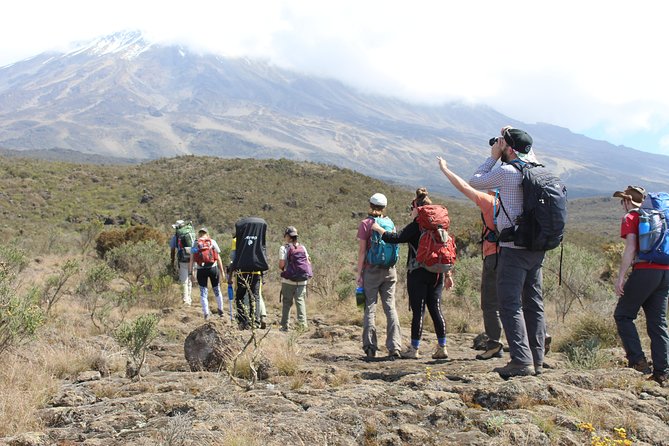
Lemosho is a sensible pick if you want a more gradual approach to Kilimanjaro and prefer a private trip. The first day begins at Londorossi Park Gate, at 2,385 meters, and continues through forest to Mti Mkubwa Camp at 2,700 meters.
That first hike takes about three to four hours over eight kilometers. It is not a huge mileage day, but the elevation begins immediately. You should treat it as the first step in acclimatization, not as an easy warm-up.
The route then climbs toward Shira Camp 1 and Shira Camp 2. This section gives you wide mountain views and a stronger sense that you are leaving ordinary forest hiking behind. The published plan splits Day 2 between Shira Camp 1 at 3,500 meters and Shira Camp 2 at 3,840 meters, with roughly five to six hours of hiking followed by another three to four hours.
That split is useful because you gain height in stages. It also makes Day 2 a fairly full day, so do not assume that the second day is relaxed simply because the mileage is modest.
More Lemosho Route Climbs in Moshi:
- Kilimanjaro climb by Lemosho Route (7-day)
★ 5.0 · 651 reviews - Kilimanjaro Climbing Lemosho Route 8 Days.
★ 5.0 · 186 reviews - Kilimanjaro climb, Lemosho Route (8-day)
★ 5.0 · 148 reviews
Day 1: Londorossi Gate to Mti Mkubwa Camp
Your mountain program starts with a drive to Londorossi Park Gate. The included transport matters here. You do not need to arrange your own transfer to the trailhead, and arrival and departure transfers are part of the package.
From the gate, you hike about eight kilometers to Mti Mkubwa Camp. The route takes three to four hours and reaches 2,700 meters. Expect the first day to feel more like a forest walk than a high mountain crossing, but keep your pace slow from the beginning.
The first night is also your introduction to the camping system. Waterproof tents, sleeping mats, solar LED lights, toilet tents, and a portable personal flash toilet are included. Warm water for washing is provided each day, a small comfort that becomes much more valuable after several hours outside.
Day 2: Shira Camp 1 and Shira Camp 2
Day 2 is one of the most important acclimatization days. You climb from Mti Mkubwa to Shira Camp 1 at 3,500 meters, then continue to Shira Camp 2 at 3,840 meters.
The route covers about six to eight kilometers to the first Shira camp, followed by another eight kilometers in the published schedule. Hiking time is listed as five to six hours for the first section and three to four hours for the second.
The numbers are presented slightly differently in the schedule, so ask the operator to confirm the exact camp plan before departure. The practical point is clear: you gain more than 1,000 meters in elevation in one day and should expect a long, steady outing.
Shira is a fine place to notice how altitude changes the walk. The vegetation becomes more open, the air feels thinner, and rest becomes part of the day rather than an afterthought. Drink regularly, eat even if your appetite fades, and tell your guide about headaches, nausea, unusual tiredness, or poor sleep.
Day 3: Shira 2 to Barranco Camp
The route from Shira Camp 2 to Barranco Camp covers eight kilometers and takes about six to seven hours. Barranco Camp sits at 3,950 meters, so this is another substantial gain from the lower camps.
This day brings some of the route’s best scenery, with the mountain becoming more rugged and exposed. It also sets you up for the famous Barranco section on the following morning.
A six-to-seven-hour hike at altitude can feel much longer than the distance suggests. The private format helps here because your guides can manage your pace within your group rather than matching a large party. The operator has used guides named Joseph, Ibi, Eli, Paul, Side, and Martin on different climbs, but you should confirm the names of your assigned guides before you go.
A few more Moshi trips to weigh up
- Kilimanjaro climb, Machame Route (7-day)
★ 5.0 · 262 reviews - Climbing Kilimanjaro through 7 days Machame Route
★ 5.0 · 151 reviews - Private Kilimanjaro Hike 7 Day Lemosho Route
★ 5.0 · 60 reviews - 7-Day Magical Tanzania Safari -Premium High End Package
★ 5.0 · 53 reviews
Day 4: Barranco Wall and Karanga Valley
Day 4 takes you from Barranco Camp to Karanga Valley Camp at 3,995 meters. The distance is only five kilometers, with four to five hours of hiking, but the terrain makes this more than a simple short day.
The route includes the well-known Barranco Wall, where careful footwork and a calm pace matter more than speed. Your guide is there to help you choose a safe line and keep the group moving in a controlled way.
Karanga Valley is almost the same elevation as Barranco Camp, which gives your body time to adjust after the previous climb. That is one reason a route with several intermediate camps can be worth choosing. You are not simply racing upward every day.
Still, do not expect a rest day. The wall can be tiring, and the trail remains uneven. Good ankle support, trekking poles if you use them, and gloves for gripping rough surfaces can make this section more comfortable, though personal clothing and equipment are not listed as included.
Day 5: Karanga Valley to Barafu Camp
The fifth day covers just four kilometers from Karanga Valley to Barafu Camp, but the climb reaches 4,550 meters and takes four to five hours. Barafu is the launch point for your summit attempt, so this afternoon is about resting, eating, checking equipment, and conserving energy.
The short distance can be misleading. At this height, every uphill section takes more effort, and your body may feel slow even if you have been hiking well. Use the time to organize warm layers, headlamp batteries, water, snacks, and anything you will need during the summit attempt.
The included meals are especially useful here. The operator describes large portions of fresh, nutritious food, with a focus on carbohydrates. Breakfast is described as including tea, coffee, porridge, sausages, bread, toast, eggs, and fruit. Meals can also be adapted for vegetarian and vegan diets, food allergies, Halal, and Kosher requirements, but give your needs in advance.
Day 6: Uhuru Peak, Barafu, and Mweka Camp
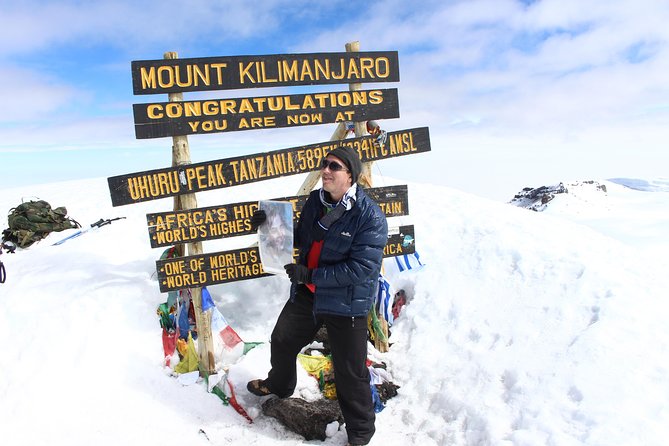
This is the day that determines the trip. The climb to Uhuru Peak reaches 5,895 meters, or 19,341 feet, and takes about seven to eight hours over five kilometers.
The summit attempt begins from Barafu Camp and is scheduled as a slow, demanding ascent. The exact pace depends on your group and conditions, but the key is to follow your guide’s instructions and avoid wasting energy early.
At the summit, you have reached the highest point in Africa. The reward is not only the altitude but the scale of the view, the cold air, and the knowledge that you have crossed several climate zones on foot.
The work is not finished at the summit. You descend to Barafu for a short rest, then continue to Mweka Camp at 3,060 meters. That second section is listed as four to five hours and 12 kilometers. This is a major reason I would not recommend the seven-day version to anyone who is underprepared or hoping for a comfortable walking holiday.
The safety provisions are most meaningful on this day. Guides carry VHF radios, emergency oxygen, and a pulse oximeter. A Gamow Bag, rescue fees, and mountain rescue support are included. None of this removes the risks of altitude, but it gives the team tools to respond if a serious problem develops.
Day 7: Mweka Camp to Mweka Gate
The final descent takes about four to five hours and covers four kilometers in the published schedule. The plan gives the Mweka Gate elevation as 4,600 meters, so ask the operator to confirm that figure and the exact descent details during your pre-climb briefing.
At the gate, transportation takes you back to your previous hotel. The trip ends with a certificate and summit party ceremony, a simple but fitting finish after the strain of the mountain.
The last day is physically easier than summit day, but descending can be hard on knees and thighs. You may feel tired, dusty, and ready for a shower. That is where the post-climb hotel night earns its place.
Camping comfort and food on the mountain
This is not a luxury expedition, but the included camp equipment is better than the bare minimum. You get waterproof tents, sleeping mats, high-powered solar LED lights, toilet tents, and a portable flash toilet.
Meals are served at aluminum dining tables with large aluminum chairs that have backs and armrests. That detail sounds minor until you have spent several days sitting on rocks or balancing on a sleeping mat. A proper place to eat helps you stay warm, drink enough, and recover between hikes.
Clean, purified drinking water is provided throughout the mountain portion. Warm washing water is also supplied each day. You should still bring your own personal toiletries and any preferred snacks, since personal expenses, beverages, and other purchases are not included.
The food is one of the strongest parts of the package. The operator describes fresh fruit and meals built around carbohydrates, and the available meal information covers common dietary needs. Tell the company about vegetarian, vegan, allergy, Halal, or Kosher requirements before the climb rather than waiting until arrival.
Guides, porters, and the private format
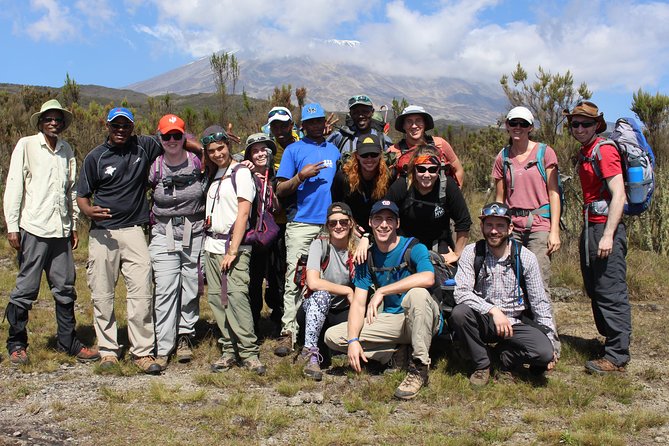
Only your group participates, which gives this trip a more personal rhythm. You can ask for a slower pace, take breaks when needed, and discuss health concerns without trying to keep up with strangers.
English-speaking mountain guides and porters are included. One porter carries your day pack during the summit attempt, while the wider porter team handles mountain equipment and supplies. The company also states that it follows fair and ethical treatment of porters.
That promise is worth discussing directly before you book. Ask how tipping is handled, how porter loads are managed, and how the team is paid. Tips are not included, so budget for them separately and ask for current guidance from the operator.
The strongest operational details are the communication and safety systems. VHF radios allow contact between staff, while the included oxygen, Gamow Bag, pulse oximeter, and rescue fees show that the company has planned for medical problems rather than treating the climb as an ordinary hike.
What the $2,669.88 price includes
At $2,669.88 per person, the price is not simply payment for a guide and a campsite. It includes park entrance fees, government taxes, mountain rescue fees, arrival and departure transfers, transportation at the destination, guides, porters, meals, purified water, camping equipment, safety equipment, and hotel accommodation.
That makes the price reasonable for someone who wants a private, organized climb and does not want to assemble each part separately. Group discounts may improve the value if you are traveling with friends or family.
The accommodation section needs clarification before payment. The package lists two nights of classic standard hotel accommodation, one before and one after the trek, and also two nights of comfort hotel accommodation, one before and one after. It also lists bed and breakfast and full-board accommodation. Ask exactly how many hotel nights are included, which hotel category applies to your booking, and where meals are served.
Tips, the Tanzania visa, laundry, telephone use, drinks, personal purchases, and optional tours such as a safari are extra. If you are planning a safari after Kilimanjaro, arrange it separately and build in enough recovery time.
Fitness, weather, and cancellation details
You need a moderate level of physical fitness, but the real test is sustained effort at altitude. The long summit day is the key concern, not the first forest walk. Train for several hours of uphill walking, carry a day pack, and practice walking on uneven ground.
The activity requires good weather. If poor weather cancels the climb, you are offered a different date or a full refund. You can cancel for a full refund if you do so at least 24 hours before the local start time. Cancellations or changes made less than 24 hours ahead are not refunded or accepted.
Pickup is offered, and mobile tickets are available. Confirmation is provided at booking, which helps you plan the hotel nights and airport transfers around the climb.
Should you book this Kilimanjaro climb?
I would choose this tour if you want a private Lemosho climb with strong safety equipment, substantial meal support, and a quieter opening section. It suits fit hikers who value guide attention and practical camp comforts more than a stripped-down budget trip.
I would hesitate if you want a gentle first mountain adventure or if your main goal is the highest possible chance of summit success on a slower schedule. Seven days is workable, but summit day is very long, and the route leaves little room for a bad day.
Before booking, confirm the exact hotel arrangement, the assigned guide names, Day 2 distances, the Day 7 elevation, porter tipping guidance, and the full packing list. If those details are clear and you are ready for the physical demand, the combination of Lemosho scenery, private pacing, safety planning, and included services makes this a strong Kilimanjaro package.
FAQ
How long is the Kilimanjaro Lemosho Route tour?
The climb lasts approximately seven days.
Is this a private tour?
Yes. Only your group participates in the activity.
What is the highest point reached?
The route reaches Uhuru Peak at 5,895 meters, or 19,341 feet.
Are meals included?
Yes. Breakfast, lunch, and dinner are included for the mountain portion and are listed for all seven days.
Is drinking water provided?
Yes. Clean, purified drinking water is provided during the climb.
What safety equipment is included?
The package includes emergency oxygen tanks, VHF handheld radios, a Gamow Bag, a pulse oximeter, mountain rescue fees, and a portable personal flash toilet.
Are hotel nights included?
Yes. Hotel accommodation is provided before and after the trek. The package lists classic standard and comfort hotel categories, so confirm the exact number of nights and category for your booking.
Are airport and local transfers included?
Yes. Arrival and departure transfers and transportation in the destination location are included.
What is not included in the price?
Tips, the Tanzania visa on arrival, personal expenses such as laundry and telephone use, beverages, and optional tours are not included.
Can I cancel for a full refund?
Yes, if you cancel at least 24 hours before the experience start time. Poor weather cancellations offer a different date or a full refund.
Just added around Moshi
- Mt Kilimanjaro 6 days Marangu route hike★ 5.0 · 3 reviews
- Wildlife Extravaganza: Manyara, Tarangire & Ngorongoro in 3 Days★ 5.0 · 3 reviews
- Private Cycle to Kilimanjaro Bike Park Safari★ 5.0 · 6 reviews
- 3 Days Private E-Bike Tour in West Kilimanjaro★ 5.0 · 3 reviews
- West Kilimanjaro cycling Adventures★ 4.5 · 8 reviews
- machame route★ 5.0 · 16 reviews
- Kilimanjaro Climb & Safari – Lemosho Route – 13 Day★ 5.0 · 10 reviews
- Kilimanjaro Climbing Umbwe Route★ 5.0 · 3 reviews
Lemosho Route Climbs, compared.


8-Day Small-group Lemosho Kilimanjaro Summit Trekking
Read our review →





Climbing Kilimanjaro through 8 days Lemosho Route
Read our review →Browse the lists this tour appears in