
Reviewed · LEMOSHO ROUTE CLIMBS
Kilimanjaro Climb- 8 Days Lemosho Route
Kilimanjaro’s Lemosho Route gives you the mountain in changing acts: open heath at the start, alpine meadows higher up, an arctic summit zone near Uhuru Peak, then rainforest on the way down. Eight days gives this climb a sensible pace and time to take in the scenery rather than rush uphill.
I like the full-board mountain setup, with fresh meals, drinking water, tents, mattresses, an emergency oxygen cylinder, and an oximeter included. I also like the careful planning before departure, with Kelvin singled out for quick replies and clear preparation advice, while Joseph has handled airport transfers for arriving climbers.
The main drawback is simple: this is still a serious high-altitude climb. Moderate fitness is required, personal trekking equipment is not included, and the package price does not cover flights, visas, insurance, medication, or tips.
Key points to know before booking
- Eight days on Lemosho: Seven nights on the climb allow a steadier schedule than a short Kilimanjaro itinerary.
- Four climate zones in one journey: Expect heath, alpine meadow, arctic conditions near the summit, and rainforest during descent.
- Two Moshi nights included: Your package includes bed-and-breakfast accommodation before or around the mountain portion.
- Safety equipment is provided: An emergency first-aid kit, oxygen cylinder, and mountain oximeter are included.
- Fresh food and full board: Meals and drinking water are supplied on the mountain, reducing the need to carry provisions.
- Small enough to manage: The maximum group size is 20 people, with an English-speaking mountain guide.
Why eight days on the Lemosho Route matters
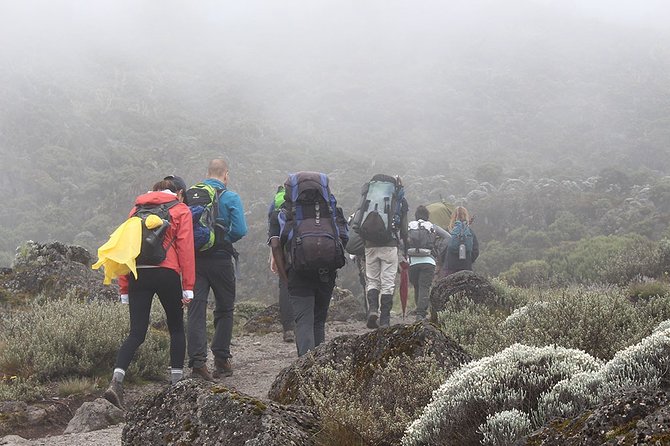
Lemosho is the scenic choice for Kilimanjaro. The route begins in a heath environment, moves through alpine meadows, and continues into the cold, sparse arctic zone near Uhuru Peak. The descent brings a sharp change again, with rainforest replacing the high-altitude terrain.
That variety is more than a nice photo opportunity. It gives you a clear sense of how Kilimanjaro changes as you gain height. You start in a setting with more plant life, cross open highland ground, and finish the ascent in a severe world of cold, rock, and thin air.
The eight-day format is also important. Kilimanjaro is not a technical climbing expedition in the usual sense, but altitude makes it demanding. A longer schedule gives you more time to walk at a controlled pace and adjust to the height. No itinerary can remove the risk of altitude sickness, but a gradual plan is a more sensible choice than trying to force the mountain into fewer days.
The package is listed at $2,600 per person. That is a major expense, but the price covers many of the costly mountain basics: park-related fees and taxes, crew services, tents, mattresses, meals, drinking water, gate transfers, a guide, and safety equipment. Two nights of bed-and-breakfast accommodation in Moshi are included as well.
You still need to budget for flights, a visa, insurance, personal clothing, hiking boots, a sleeping bag, medication, snacks, drinks, souvenirs, and tips. Read the inclusions carefully before comparing this price with another operator. A cheaper quote may leave out items that you would later need to buy.
More Kilimanjaro Climbs in Kilimanjaro
- Kilimanjaro climb by Lemosho Route (7-day)
★ 5.0 · 651 reviews - Kilimanjaro climb, Machame Route (7-day)
★ 5.0 · 262 reviews - Kilimanjaro Climbing Lemosho Route 8 Days.
★ 5.0 · 186 reviews
Your Moshi arrival and pre-climb setup
The experience begins in Moshi, with a stated start time of 8:00 am. Pickup is offered, and Kilimanjaro gate transfers are included. Airport arrival support has also been part of the operation, with Joseph named as a driver who has met arriving climbers and taken them to Moshi.
Two nights of bed-and-breakfast accommodation in Moshi are part of the package. That gives you a place to sleep before or around the climb and makes the overall arrangement easier to manage. The exact hotel is not specified, so confirm the property and the order of those nights before you book flights.
The booking process is another practical strength. Kelvin has been praised for replying within 24 hours, answering preparation questions, and helping with trip planning by email and WhatsApp. That kind of contact matters on a climb, since you will want clear answers about arrival timing, equipment, weather, and what to pack.
Do not treat pre-trip communication as a substitute for your own preparation. Ask for the final day-by-day schedule, the names of the mountain crew, the sleeping bag arrangements, the exact Moshi hotel, and the recommended insurance wording. The listed inclusions confirm a sleeping mattress, but not a sleeping bag.
Days 1 and 2: Heath and the first mountain nights
The climb begins on Lemosho’s heath zone. This is one of the route’s main attractions, since the opening scenery feels different from a lowland walk and gives you an immediate sense that the mountain will change as you climb.
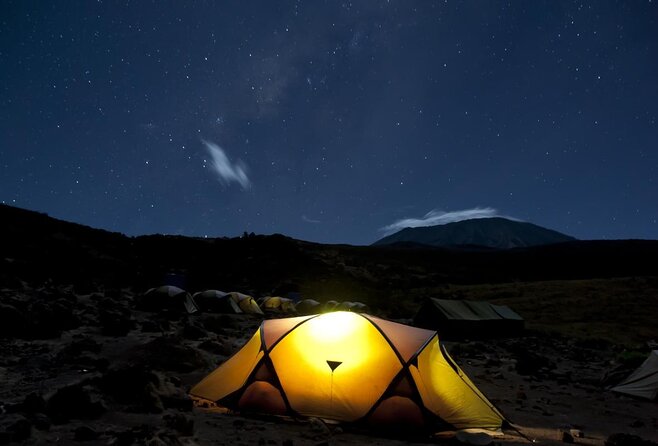
You will sleep in mountain tents, with meals supplied on a full-board basis. Large portions of fresh, healthy food are promised, which is useful because walking at altitude can reduce your appetite even as your body needs fuel. Drinking water is included, so you will not need to arrange your basic mountain supply separately.
The first part of a high-altitude trek is often about restraint. You may feel strong at the beginning and want to walk quickly, but a steady pace is more useful than an impressive first day. Follow the mountain guide’s instructions, drink regularly, and tell the crew if you feel unwell.
The exact camps and walking distances are not supplied in the tour details. That is worth clarifying, especially if you want to compare this route with another eight-day Lemosho schedule. Ask how much time is spent walking each day and what altitude is reached at each overnight camp.
Days 3 and 4: Alpine meadows and changing conditions
Higher on Lemosho, the heath gives way to alpine meadows. The scenery becomes more open, and the change in vegetation helps you track your progress without needing to know every camp name.
This middle section is where the eight-day plan earns its keep. You are not simply counting down to the summit. You are spending several days moving through different conditions, with time for your body to respond to the increasing altitude.
The crew arrangement is designed around a guided climb. An English-speaking mountain guide is included, along with porters and mountain support under the stated fair and sustainable salary policy approved by KINAPA. You should still ask how tips are handled and what the recommended amount is, since gratuities are not included in the price.
Meals are another part of the value here. You are not expected to plan and carry seven nights of food. Full board and drinking water are included, while energy food, soft drinks, alcoholic drinks, and other personal beverages are not. Bring any preferred snacks yourself, since the package specifically excludes them.
Conditions can shift as you gain height. Pack clothing that works in layers, plus reliable hiking boots and a sleeping bag. Those personal items are excluded, so arriving without them would create a serious problem.
More Kilimanjaro Climbs in Moshi:
- Kilimanjaro climb, Lemosho Route (8-day)
★ 5.0 · 148 reviews - Kilimanjaro climb, Lemosho Route (6-day)
★ 5.0 · 129 reviews - Kilimanjaro climb, Marangu route (6-day)
★ 5.0 · 72 reviews - Private Kilimanjaro Hike 7 Day Lemosho Route
★ 5.0 · 60 reviews
Days 5 and 6: The approach to the arctic summit zone
The upper mountain becomes colder and more severe as you approach the arctic zone. Near Uhuru Peak, scenery gives way to the basic demands of altitude, cold, effort, and careful pacing.
The package includes an oximeter on the mountain. This device can help the crew monitor your oxygen saturation, but it does not make the climb risk-free and should not be treated as a pass or fail test. Your symptoms and the guide’s judgment remain important.
An emergency oxygen cylinder and first-aid kit are also included. These are reassuring provisions, but they are emergency measures, not a reason to ignore headaches, nausea, unusual tiredness, breathing difficulty, or other warning signs. You should have travel or medical insurance, and medication is your own responsibility.
The tour does not include a Gamow Bag. If this item matters to you, ask the operator how emergency evacuation and altitude illness procedures work before booking. The supplied information confirms an oxygen cylinder and oximeter, but does not spell out the full evacuation plan.
At this stage, you may find that the mountain feels less like a scenic trek and more like a test of patience. That is normal for the upper part of Kilimanjaro. Keep your expectations realistic. Reaching the summit is the aim, but turning back for safety is sometimes the right decision.
Day 7: Uhuru Peak and the hardest push
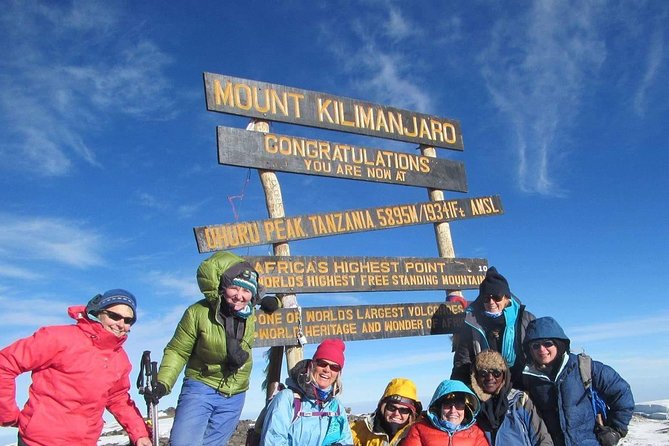
The route ascends toward Uhuru Peak, Kilimanjaro’s high point, through the arctic zone. The available information does not state the exact summit start time, distance, camp, or time at the top, so get those details from Sote Tours & Travel before departure.
The summit section is likely to be the most demanding part of the trip because of the cold and altitude. You will need warm clothing, gloves, a hat, strong footwear, and a sleeping bag suitable for mountain conditions. None of those personal items are included.
A guide-led summit attempt gives you structure when energy and confidence may be uneven. The service includes an English-speaking mountain guide, and the company has received strong praise for its planning, communication, and professional mountain crew. Still, you should ask how many climbers will be assigned to each guide and how the group is managed if people move at different speeds.
The maximum group size is 20. That is not a private climb, and it may feel less personal than a small group of two to six. On the other hand, a group of that size can make the price more accessible and provide company during long walking days.
Day 8: Descending through rainforest
The descent passes through rainforest, giving the final part of the route a very different mood from the summit zone. The return is not simply an afterthought. It shows the mountain’s full range, from cold upper slopes back toward a greener, lower environment.
Descending can be easier on your breathing, but it still places strain on your knees and legs. Do not assume the hard work ends at the summit. Use trekking poles if you normally rely on them, watch your footing, and keep drinking water.
The itinerary is described as eight days and seven nights, but the supplied information does not provide the exact final transport time or the specific exit gate. Confirm when you return to Moshi and whether the second included accommodation night is before or after the climb.
Food, tents, and mountain support
The practical supplies included here make a real difference. You receive mountain tents, a sleeping mattress, full-board meals, drinking water, and a first-aid kit. You also have access to an oxygen cylinder and oximeter for emergencies and monitoring.
The promise of large portions and nutritious food is useful, but you should not assume the menu will match your usual diet. Tell the operator about dietary needs before you arrive. The supplied details do not specify vegetarian, vegan, gluten-free, or allergy arrangements.
Crew welfare is addressed through a stated fair and sustainable salary policy approved by KINAPA. That is a positive sign, since porters carry much of the practical burden of a Kilimanjaro trip. Ask what luggage limit applies and how your bags are distributed, as those details are not provided here.
You are responsible for your sleeping bag, hiking boots, clothes, medication, personal snacks, and drinks. Insurance is required. Flights and visa fees are also outside the package.
Is $2,600 a fair price?
At $2,600 per person, this is not a budget walk. It is priced as a supported, multi-day mountain expedition with substantial inclusions.
I would judge the value by looking at what you would otherwise need to arrange yourself. Seven mountain nights, tents, a mattress, meals, water, gate transfers, fees, a guide, Moshi accommodation, and emergency equipment are all covered. That reduces the number of separate arrangements you need to make.
The price is less attractive if you already have access to camping equipment, prefer to arrange your own food, or want a very small private group. It also does not include several unavoidable expenses, especially insurance and personal trekking equipment.
Before paying, request a written list of every inclusion, the tipping guidance, hotel details, equipment rental options, and the exact route schedule. That will let you compare the real cost with other operators instead of comparing headline prices alone.
Who should choose this climb?
This trip suits you if you want Kilimanjaro’s most varied scenery and prefer a longer schedule. It is a good match for someone with moderate physical fitness who is prepared to walk for several days, sleep in tents, and accept cold, tiring conditions near the summit.
It also suits people who value help before arrival. Kelvin has been praised for quick replies and detailed preparation guidance, which can be useful if this is your first major mountain trip.
You may want another option if you dislike camping, need a highly private group, or want every item supplied. The group can reach 20 people, personal equipment is excluded, and the exact daily distances are not listed.
The overall rating is listed as 5 from nine ratings, with repeated praise for communication, booking support, airport pickup, the mountain crew, and the organization of the climb. That does not remove the physical risks, but it suggests the operator’s strongest area is attentive trip management.
Booking advice and cancellation terms
Confirmation is provided at booking. The experience has a free cancellation policy if you cancel at least 24 hours before the 8:00 am start time. Cancellations or changes made within 24 hours are not accepted for a refund.
Bad weather or failure to meet the minimum number of climbers can lead to a new date, an alternative experience, or a full refund. Ask what minimum group size applies, since the exact number is not stated.
Should you book the 8-day Lemosho climb?
I would choose this trip for the scenery, longer schedule, and broad range of inclusions. Lemosho gives you heath, alpine meadows, the arctic summit zone, and rainforest in one carefully supported journey, while two Moshi nights make the arrival plan easier.
Book it if you are ready to buy or rent the missing equipment, secure medical and travel insurance, and prepare seriously for altitude. Before committing, get the exact day-by-day route, overnight camps, guide-to-climber ratio, sleeping bag plan, hotel name, and emergency procedures in writing.
If those details are confirmed to your satisfaction, $2,600 can be reasonable for an eight-day, full-board Kilimanjaro climb. If you want a shorter, cheaper, or more private trip, this is probably not the right fit.
FAQ
How long is the Kilimanjaro Lemosho climb?
The experience lasts approximately eight days and includes seven nights on the route.
Where does the experience take place?
The climb is based in Moshi, Tanzania, and uses the Lemosho Route on Mount Kilimanjaro.
What time does the experience start?
The stated start time is 8:00 am.
Is pickup available?
Yes. Pickup is offered, and Kilimanjaro gate transfers are included.
Is accommodation in Moshi included?
Yes. Two nights of bed-and-breakfast accommodation in Moshi are included.
Are meals included on the mountain?
Yes. Full-board meals and drinking water are included during the mountain portion.
Is a mountain guide provided?
Yes. The package includes the service of an English-speaking mountain guide.
Is travel insurance required?
Yes. Travel or medical insurance is required, and it is not included in the price.
What equipment do I need to provide myself?
You need to arrange personal trekking equipment, including a sleeping bag, hiking boots, and clothing. Medication, energy food, beverages, and personal spending money are also excluded.
Can I cancel for a full refund?
You can cancel for a full refund at least 24 hours before the local start time. Cancellations or changes made less than 24 hours before the start are not accepted for a refund.
More Lemosho Route Climbs in Moshi
- Kilimanjaro Lemosho Route
★ 5.0 · 71 reviews - Climbing Kilimanjaro through 8 days Lemosho Route
★ 5.0 · 52 reviews - 8 Days Climbing Mt.Kilimanjaro (Lemosho Route)
★ 4.5 · 37 reviews - 7 days Lemosho route Climbing Mt.Kilimanjaro
★ 5.0 · 31 reviews
Just added around Moshi
- Mt Kilimanjaro 6 days Marangu route hike★ 5.0 · 3 reviews
- Wildlife Extravaganza: Manyara, Tarangire & Ngorongoro in 3 Days★ 5.0 · 3 reviews
- Private Cycle to Kilimanjaro Bike Park Safari★ 5.0 · 6 reviews
- 3 Days Private E-Bike Tour in West Kilimanjaro★ 5.0 · 3 reviews
- West Kilimanjaro cycling Adventures★ 4.5 · 8 reviews
- machame route★ 5.0 · 16 reviews
- Kilimanjaro Climbing Umbwe Route★ 5.0 · 3 reviews
- Kilimanjaro Climb & Safari – Lemosho Route – 13 Day★ 5.0 · 10 reviews
Lemosho Route Climbs, compared.


8-Day Small-group Lemosho Kilimanjaro Summit Trekking
Read our review →





Climbing Kilimanjaro through 8 days Lemosho Route
Read our review →Browse the lists this tour appears in