
Reviewed · LEMOSHO ROUTE CLIMBS
8 Day Kilimanjaro Private Climb via Lemosho Route
The best thing about this 8-day Lemosho climb is its steady rhythm. You begin in rainforest, cross open moorland and high volcanic country, then finish with a cold, demanding push to Uhuru Peak at 5,895 meters. The route gives your body time to adjust, and it saves the most dramatic scenery for the days when the mountain feels truly wild.
I like the route’s changing scenery and the fact that this is a private trip, so your group can move with its own guides and pace. I also like the attention given to acclimatization, especially the climb to Lava Tower followed by a descent to Barranco Camp. The main drawback is simple: this is still a hard climb, and summit night lasts about 12 hours.
Key points to know before booking
- Eight days on the mountain: The schedule allows more time to adjust than shorter Kilimanjaro routes.
- A scenic western approach: Lemosho begins in remote rainforest and crosses the Shira Plateau before joining the southern circuit.
- Lava Tower acclimatization: You climb high to 4,630 meters, then sleep lower at Barranco Camp.
- Private guiding: Only your own group takes part, with guide support throughout the climb.
- A serious summit night: You leave just after midnight, reach Stella Point around sunrise, then continue to Uhuru Peak.
- A Moshi finish: After descending through the forest, you return to Keys Hotel for a shower, drink, debrief, and achievement certificate.
Why Lemosho works well for a first Kilimanjaro climb
Kilimanjaro is not a technical mountain in the usual mountaineering sense, but altitude makes it a serious undertaking. The summit is nearly 5,900 meters above sea level. You need stamina, patience, and a guide team that pays attention to how you are coping.
Lemosho is a strong choice because it spreads the ascent across eight days. You do not rush from the trailhead to the summit. Instead, the route moves through several altitude zones, with a high climb followed by a lower night at Barranco. That pattern gives you useful adjustment time.
The private format adds flexibility. You are not placed with a large mixed group, and only your party participates. That can be especially helpful if one person needs a slower pace or a longer rest. It can also feel quieter and more personal than a large expedition.
There is one point to keep clear. A private climb does not make the mountain easy. You still camp in exposed places, sleep in cold conditions, and face a long summit day after very little sleep.
More Lemosho Route Climbs in Moshi:
- Kilimanjaro climb by Lemosho Route (7-day)
★ 5.0 · 651 reviews - Kilimanjaro Climbing Lemosho Route 8 Days.
★ 5.0 · 186 reviews - Kilimanjaro climb, Lemosho Route (8-day)
★ 5.0 · 148 reviews
Arrival in Moshi and the first night at Keys Hotel
The experience begins with airport pickup at Kilimanjaro International Airport. A driver takes you to Keys Hotel in Moshi, where you have a briefing, dinner, and your first overnight stay. The hotel is on Uru Road, about 300 meters from the YMCA Hotel premises.
This first evening matters more than it may seem. It gives you a chance to meet the guide team, hear the plan, and check your preparation before leaving town. Use the briefing to ask direct questions about food, water, walking speed, clothing, and what happens if you feel unwell at altitude.
The start time is listed as 8:00 a.m. at Kilimanjaro Airport and Kilimanjaro National Park. Since airport pickup and the hotel night are part of the arrangement, confirm your exact pickup details before arrival. The experience includes a mobile ticket and pickup is offered.
Day 2: Londorossi Gate to Mti Mkubwa Camp
After breakfast, you drive toward the village near Londorossi Gate. You receive a packed lunch there and can buy mineral water before the hike. The final 45 minutes to the gate use a rough forest track, so the 4WD transfer is not just a luxury. It is useful transport for a bumpy approach.
At the entrance gate, the guides and porters organize supplies and complete registration with the Tanzania National Parks Authority. Then you begin a roughly three-hour walk through rainforest to Mti Mkubwa, or Big Tree, Camp at 2,750 meters.
This is a fine opening day because the forest gives you shade and a softer introduction to the climb. Keep an eye out for colobus monkeys. You stop for lunch along the way and should reach camp in the early evening.
The support setup is practical. Your tents are prepared before arrival, and the porters bring drinking and washing water. That lets you focus on walking rather than camp chores. Still, the first night is a reminder that this is a camping trip, not a hotel-based mountain holiday.
Day 3: Heather moorland and Shira 2 Camp
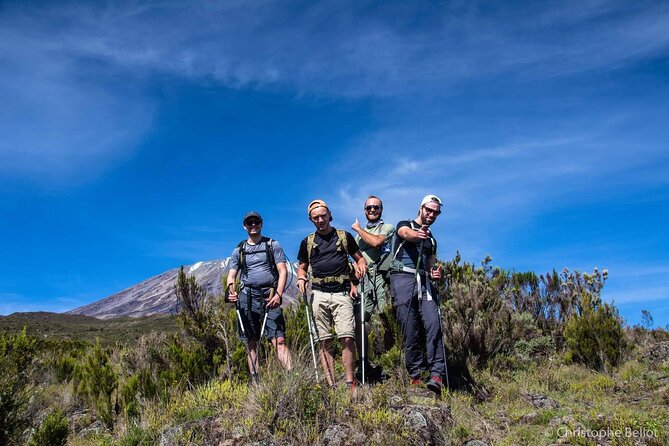
The forest thins as you climb into heather moorland. Streams cross the route, and the trail opens onto a plateau leading to Shira 2 Camp at 3,840 meters.
The views change quickly here. From camp, you can see toward the Western Breach and its glaciers. This is one of the route’s strongest scenic sections, but it is also exposed. Temperatures can fall below freezing, so your sleeping bag and warm layers need to be ready before sunset.
The day lasts about nine hours, making it one of the longer walking days before the summit. Breakfast comes early, followed by a gradual climb. At camp, you have evening snacks and a meal prepared by the cook.
I would treat this as the first real test of your pacing. Walk slowly from the start, drink regularly, and resist the temptation to race across the plateau. You may feel fine at lower elevations and then notice the altitude once you stop moving.
A few more Moshi trips to weigh up
- Private Kilimanjaro Hike 7 Day Lemosho Route
★ 5.0 · 60 reviews - Private Tour to Materuni waterfalls, coffee tour & Kikuletwa hot- springs
★ 5.0 · 49 reviews - 4 Day Private Tour Throughout Tarangire, Serengeti and Ngorongoro
★ 5.0 · 42 reviews - Kilimanjaro 7 Day Private Trekking Experience
★ 5.0 · 40 reviews
Day 4: Lava Tower at 4,630 meters, then down to Barranco
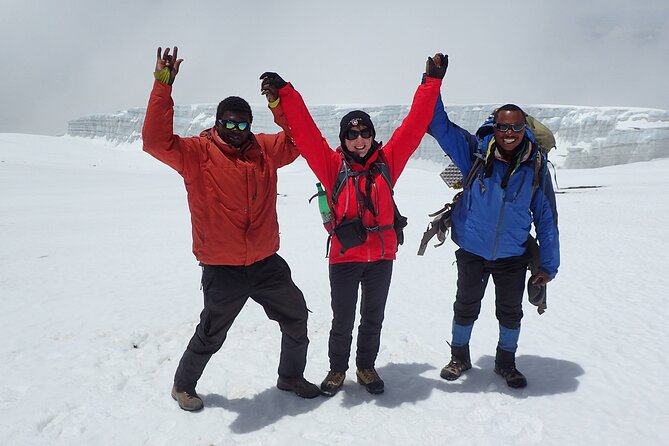
This is the route’s key acclimatization day. You leave the moorland and enter a rocky semi-desert zone, walking east for about five hours toward Lava Tower at 4,630 meters.
You eat your packed lunch at the tower. If weather permits, you may have the option to climb the large volcanic formation. The more important part, though, is reaching this high point before sleeping lower at Barranco Camp, which sits at 3,950 meters.
Headaches and shortness of breath are common signs that the altitude is affecting you. Do not hide them. Tell your guide early. The descent after lunch is the point of the day: your body gets exposure to a higher elevation, then rests at a lower camp.
Barranco is a dramatic place to spend the night. The camp sits below the wall, with high volcanic slopes and glaciers nearby. You have covered a long distance, but the down section can be hard on knees and toes. Trekking poles may be useful, though the supplied information does not state whether equipment is included.
Day 5: Barranco Wall and Karanga Camp
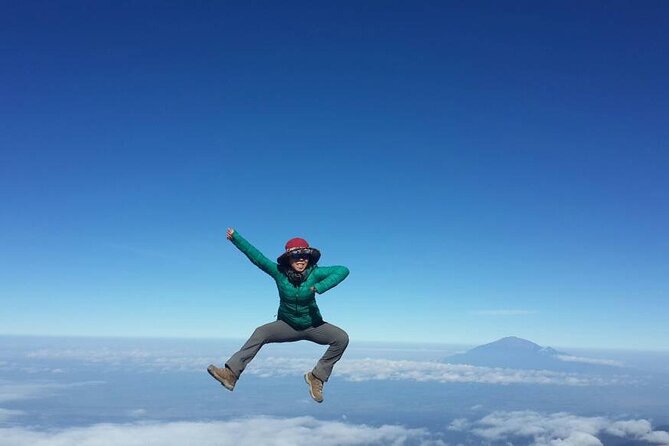
Day five is shorter, about five hours, and it is designed to help with acclimatization. The main feature is the Barranco Wall.
The wall looks more alarming than it is for many hikers. The route is described as a Class 2 scramble, so you should expect to use your hands in places, but it is not presented as technical climbing. Your guide will direct you through the easier line and help you manage the exposed sections.
At the top, you get views of Heim Glacier and the cloud layer below. The trail then rises and falls through Karanga Valley before reaching Karanga Camp at 3,950 meters.
This shorter day is valuable because it gives your legs a break without taking you out of the high country. It is also a good time to check your feet, adjust clothing, and tell the guide about any trouble before the summit attempt.
Day 6: Barafu Camp and preparation for summit night
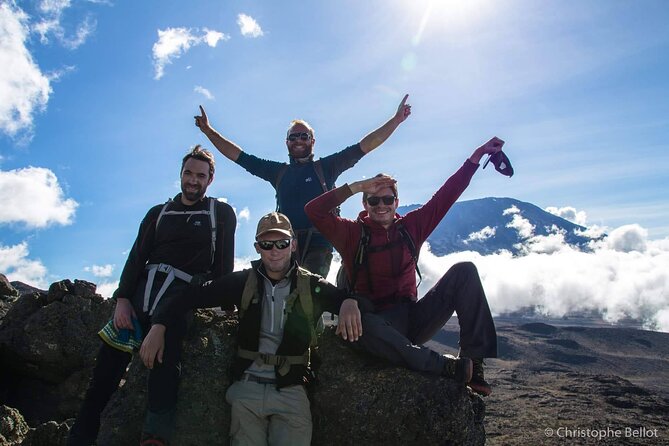
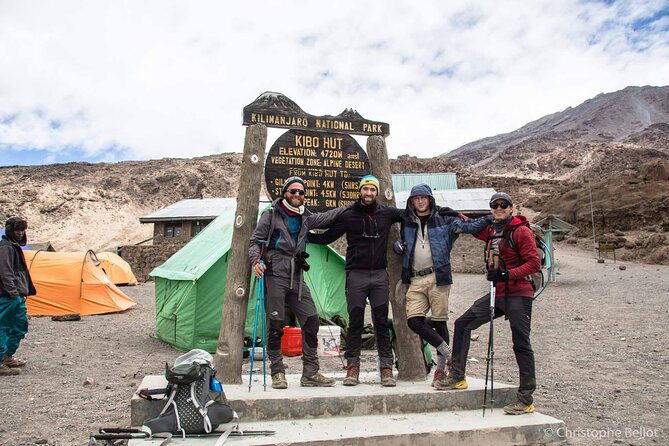
From Karanga, you climb toward Barafu Camp at 4,550 meters. The route meets the Mweka Route, which you later use for the descent. After about an hour beyond that junction, you reach Barafu Hut.
Barafu means ice in Swahili, and the camp is on a rocky, exposed ridge. There is no accessible water at camp, so Barafu is the last water stop for the porters. That fact affects the entire evening. Fill your bottles, organize your gear, and do not leave essential items buried in a duffel.
The tents are exposed to wind and rocks. Familiarize yourself with the campsite before darkness. An early dinner follows, then a detailed briefing about the summit attempt. The plan is to sleep by 7:00 p.m. and rise around midnight.
This is not a glamorous night. You may be too excited to sleep, and the cold can make rest difficult. Keep your headlamp, warm clothing, water, and snacks close by. The private format may help here because your guide can focus closely on your group’s readiness.
Day 7: Stella Point, Uhuru Peak, and the long descent
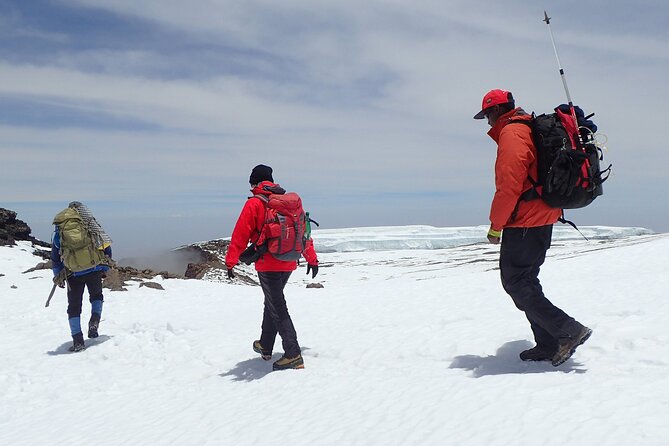
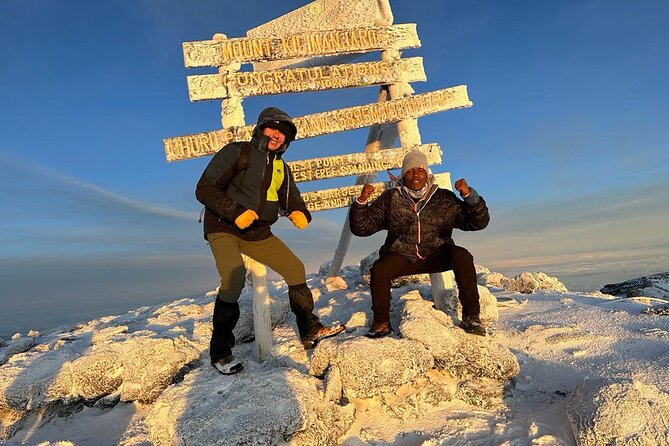
Summit day begins just after midnight. You climb frozen volcanic dust by headlamp toward Stella Point on the crater rim. The ascent takes about six hours, with sunrise expected around the time you reach the rim.
From Stella Point, you continue for another hour or two to Uhuru Peak, the highest point on Kilimanjaro at 5,895 meters. You have time for photographs and a short celebration, but do not linger too long. The cold, altitude, and effort all matter.
The descent begins on steep, dusty volcanic ash. By then, the surface may have thawed, making the footing loose and tiring. You stop briefly at Barafu for tea, then continue downhill for about three hours to Mweka Camp at 3,080 meters.
The entire day lasts about 12 hours. This is the section that separates a pleasant hike from a genuine endurance challenge. Your goal is not speed. Keep drinking, follow the guide’s pace, and accept that the final descent can feel almost as demanding as the climb.
Day 8: Mweka Gate and the return to Moshi
The last morning begins with a farewell ceremony from the porters. Then you descend for about three hours through greener forest to Mweka Gate.
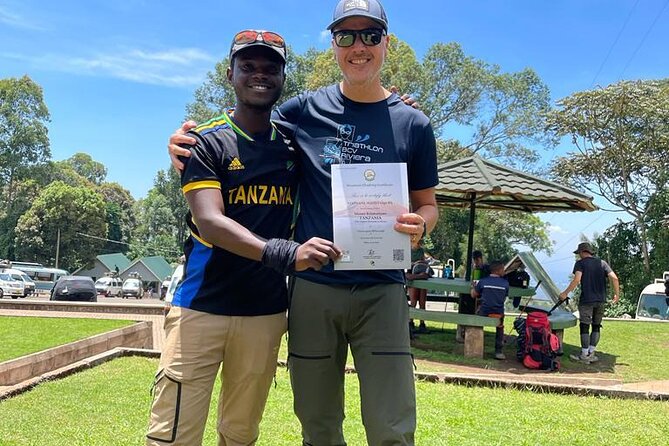
A driver meets you there and takes you back to Keys Hotel in Moshi. The return includes a hot shower, a cold drink, a debrief, and a certificate of achievement.
This ending is well judged. After summit night, a clean shower and a proper rest at the hotel feel like major rewards. The farewell also recognizes the porters and support crew who make the climb possible.
What the guide team adds to the experience
The strongest praise connected with this climb centers on personal care, guide support, and the porters and cooks working together. Names associated with the experience include Emanuel, Wence, Nyokaa, Mality, Bubusha, Tammy, Good Luck, and David. You should not assume a particular guide is guaranteed unless the company confirms it, but these names give you a useful starting point when discussing your booking.
The team is described as attentive to comfort, equipment, food, and safety. Several accounts also point to cheerful guides, stories on the trail, and a personal feel that can be harder to find with larger operators.
That matters on Kilimanjaro. A guide is not simply someone who points out the trail. You need clear advice when altitude symptoms appear, steady pacing during long climbs, and a calm voice during the night ascent. Ask before departure who will lead your group, how many porters and guides are assigned, and what meals and equipment are included.
Is the $3,250 price good value?
At $3,250 per person, this is a major purchase. The value comes from the eight-day schedule, private guiding, airport pickup, hotel nights at the beginning and end, camping support, meals described in the itinerary, porters, and national park access included in the climb.
The longer route is important. A cheaper, shorter trip may reduce the number of nights but give you less time to adjust. Here, the Lava Tower ascent and Barranco descent are built into the plan, which is one reason the price can make sense for a first attempt.
You should still confirm exactly what is included before paying. The supplied details do not spell out gear rental, tips, insurance, extra hotel nights, flights, or personal purchases. Those costs can change your final budget.
The private setup is another part of the value. If you are traveling alone, as a couple, or with friends, you avoid being tied to a large public group. The tradeoff is that private service does not remove the physical demands of the mountain.
Who should book this climb?
I would recommend it to someone with moderate physical fitness who wants a gradual route and is prepared for cold camping and a long summit night. It suits a first Kilimanjaro climb better than a rushed schedule, especially if you value scenic variety and individual guide attention.
It is also a good match for couples, families, and friends who want their own group. A solo climber may appreciate the private arrangement, though you should confirm the final group setup and any single-person pricing before booking.
I would hesitate if you want a relaxed holiday, dislike basic camping, or have not prepared for long uphill and downhill days. The mountain can be beautiful and friendly in the daytime, but the summit attempt is cold, dark, dusty, and tiring.
The listed cancellation policy allows a full refund if you cancel at least 24 hours before the local start time. Cancellations within 24 hours are not refunded, and late changes are not accepted.
Final verdict: a strong route with a demanding finish
I like this climb because the route earns its eight days. You get rainforest, open plateau, volcanic rock, glaciers, the Barranco Wall, and a proper summit attempt rather than a rushed dash upward.
The best reasons to book are the gradual ascent, private format, and reported personal care from the Tanzanian guide and porter team. The main warning is the same one every Kilimanjaro plan deserves: reaching Uhuru Peak is never guaranteed, and summit day will test your preparation.
If you want a scenic first climb and can handle the price, cold nights, and 12-hour summit day, this Lemosho itinerary is a sensible choice. Contact the provider with detailed questions about the assigned guide, included equipment, group size, and tipping before you commit.
FAQ
How long is the Kilimanjaro climb?
The experience lasts approximately eight days, including the arrival and hotel arrangements in Moshi, the mountain climb, the summit attempt, and the return to Keys Hotel.
Where does the experience begin?
The listed meeting location is Kilimanjaro Airport and Kilimanjaro National Park in Tanzania. The start time is listed as 8:00 a.m.
Is airport pickup included?
Pickup is offered, and the first day describes a driver meeting you at Kilimanjaro International Airport before taking you to Keys Hotel in Moshi.
Is this a private tour?
Yes. Only your group participates in the private activity.
What level of fitness is needed?
The additional information says you should have a moderate physical fitness level. The itinerary includes long walking days, steep sections, cold camping, and a summit day lasting about 12 hours.
What is the highest point reached?
The climb reaches Uhuru Peak at 5,895 meters above sea level, the highest point of Mount Kilimanjaro.
Where do you sleep during the climb?
You sleep at mountain camps including Mti Mkubwa, Shira 2, Barranco, Karanga, Barafu, and Mweka. The itinerary describes tents being prepared before arrival at several camps.
Is food included?
The itinerary includes breakfast, packed lunches on certain days, evening snacks, dinner, and meals prepared by the cook. It also describes drinking and washing water being provided at camp, with Barafu being the last water stop for porters.
What happens after the summit?
After reaching Uhuru Peak, you descend to Mweka Camp. The next day, you continue to Mweka Gate, return to Keys Hotel in Moshi, and receive a hot shower, cold drink, debrief, and certificate of achievement.
Just added around Moshi
- Mt Kilimanjaro 6 days Marangu route hike★ 5.0 · 3 reviews
- Wildlife Extravaganza: Manyara, Tarangire & Ngorongoro in 3 Days★ 5.0 · 3 reviews
- Private Cycle to Kilimanjaro Bike Park Safari★ 5.0 · 6 reviews
- 3 Days Private E-Bike Tour in West Kilimanjaro★ 5.0 · 3 reviews
- West Kilimanjaro cycling Adventures★ 4.5 · 8 reviews
- machame route★ 5.0 · 16 reviews
- Kilimanjaro Climbing Umbwe Route★ 5.0 · 3 reviews
- Kilimanjaro Climb & Safari – Lemosho Route – 13 Day★ 5.0 · 10 reviews
Lemosho Route Climbs, compared.


8-Day Small-group Lemosho Kilimanjaro Summit Trekking
Read our review →





Climbing Kilimanjaro through 8 days Lemosho Route
Read our review →Browse the lists this tour appears in