
Reviewed · LEMOSHO ROUTE CLIMBS
Climb Kilimanjaro in 8 Days via Lemosho Route
Kilimanjaro’s Lemosho Route gives you the mountain in chapters: rainforest, heath, open plateau, volcanic rock, and finally the stark upper slopes near Uhuru Peak. The eight-day plan is appealing because it spreads the climb across several days instead of rushing you upward.
I like the quiet, scenic start through the western side of the mountain, and I like the extra acclimatization time built into the route. The package also covers permits, camping gear, meals, airport transfers, guides, porters, water, and safety equipment. The catch is summit day: at about 13 hours, it is a serious physical test even after the slower approach.
Key points to know before you book
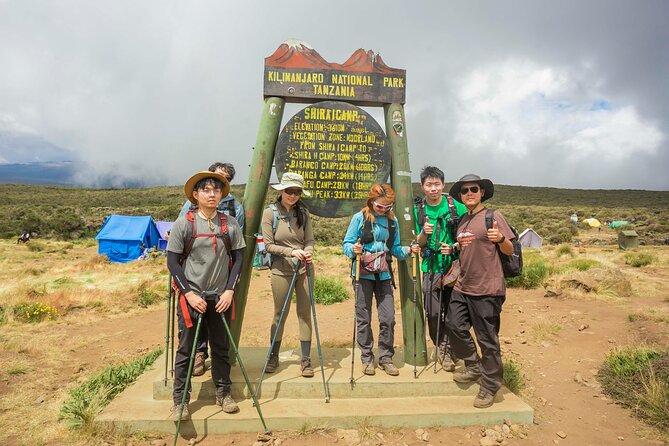
- Lemosho begins in rainforest: Your first two days move from Londorossi Gate through thick forest toward the heath zone.
- The Shira Plateau adds breathing room: Day 3 is relatively short and helps you adjust before the harder crossing toward Lava Tower.
- Barranco Wall looks tougher than it is: The route includes a hands-on climb followed by a scenic traverse to Karanga Camp.
- Summit day is the big one: You leave in the early hours, reach Stella Point around sunrise, continue to Uhuru Peak, then descend to Mweka Camp.
- Small groups keep the pace manageable: The maximum group size is 10 people, with group discounts available.
- The service gets strong praise: Named team members include Efatha, Sebastian, Elissafi, Kenny, Innocent, and Martin, while Jackson is identified as a trip organizer.
Why the eight-day Lemosho plan makes sense
At $2,500 per person, this is not a casual mountain walk. It is a full camping expedition with park fees, permits, transport, meals, equipment, and a professional mountain crew included.
I see the main value in the schedule. An eight-day ascent gives you more time to settle into the rhythm of walking slowly, eating regularly, sleeping in tents, and handling changing conditions. The route also offers a better scenic progression than a quick climb that spends less time in the lower forest and on the Shira Plateau.
The price includes transportation to and from Kilimanjaro International Airport, transfers between Moshi and the trailhead, a pre-climb briefing, tents, sleeping bags, sleeping mats, drinking water, first aid kits, oxygen tanks, and a summit certificate. That matters because arranging these pieces separately would be complicated, and park permits alone are a major part of any Kilimanjaro trip.
You still need to budget for international flights, travel insurance, personal clothing and boots, tips, alcoholic drinks, personal purchases, and any hotel nights or meals outside the climb. Insurance deserves special attention. Medical, evacuation, and trip-cancellation cover are not included.
More Lemosho Route Climbs in Moshi:
- Kilimanjaro climb by Lemosho Route (7-day)
★ 5.0 · 651 reviews - Kilimanjaro Climbing Lemosho Route 8 Days.
★ 5.0 · 186 reviews - Kilimanjaro climb, Lemosho Route (8-day)
★ 5.0 · 148 reviews
Day 1: Moshi to Big Tree Camp through the forest
The morning begins after breakfast, with an 8:00 am start listed for the experience. You drive from Moshi to Londorossi Gate, where registration formalities take place, then continue to the Lemosho trailhead.
The first walk lasts about four hours and takes you into rainforest. The destination is Big Tree Camp. This is a smart opening day because you begin with a moderate distance rather than a punishing march. The forest also gives you an immediate sense that Kilimanjaro is more than a summit photo. It is a changing ecological journey.
You should expect the day to include both driving and administrative time before the hike starts. Keep your daypack ready with water, rain protection, and anything you need during the transfer. Your larger gear will be handled as part of the organized camping setup.
Day 2: From rainforest to the heath zone
The second day continues through the forest for about five hours before the trail steepens and enters the heath zone. You spend the night at Shira Camp 1.
This change in vegetation is one of the pleasures of Lemosho. The trail gradually opens up, and the feeling shifts from enclosed woodland to broader mountain scenery. You are also beginning to climb in earnest, so the sensible approach is to walk slowly and keep your effort steady.
The itinerary describes the day as a gradual move upward rather than a single dramatic push. That is useful for acclimatization, but five hours on uneven ground can still feel long if you are not used to hiking. A moderate fitness level is required, and you should treat the first days as preparation for the summit rather than a race to camp.
Day 3: A shorter walk across the Shira Plateau
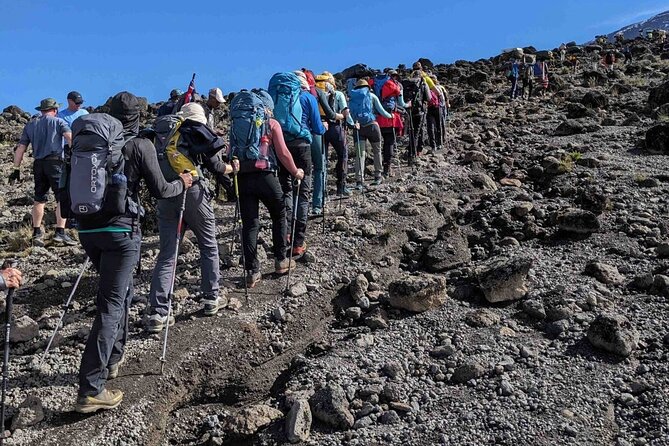
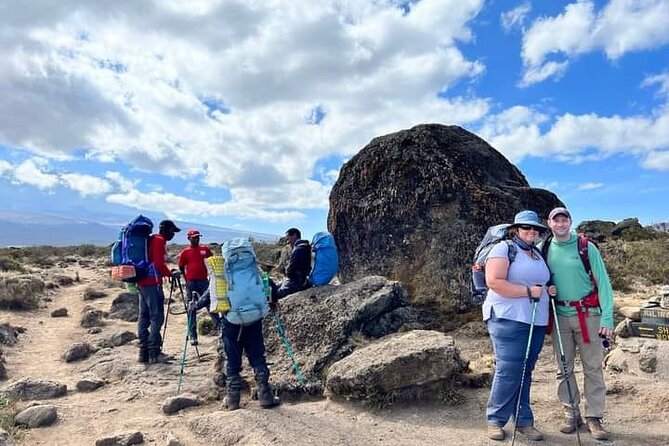
Day 3 is relatively short, with about five hours of trekking toward the Shira Plateau. The route offers views of Kilimanjaro and the surrounding scenery before you settle in for the night.
This is the day I especially like in the schedule. A shorter stage gives you time to let your body adjust while still gaining ground. It also breaks up the climb before the longer trek toward Lava Tower and Barranco.
The Shira Plateau is a key part of the route because it feels open and exposed after the forest. Bring a warm layer in your daypack, since conditions can change as the route leaves the lower vegetation. The scenery becomes a bigger part of the experience here, but the open setting can also make weather more noticeable.
Same country, a completely different kind of safari:
- Safari Serengeti And Ngorongoro
★ 5.0 · 288 reviews - Kilimanjaro climb, Machame Route (7-day)
★ 5.0 · 262 reviews - Climbing Kilimanjaro – Machame Route
★ 5.0 · 170 reviews - Climbing Kilimanjaro through 7 days Machame Route
★ 5.0 · 151 reviews
Day 4: Lava Tower, acclimatization, and Barranco Camp
Day 4 is one of the most important days for adjusting to altitude. You cross the Shira Plateau toward the junction leading to Lava Tower, stop for acclimatization, and then descend toward Barranco Camp.
The full day takes about seven hours. The route includes the scenic Barranco Wall, which gives this stage a strong visual finish. You gain height, pause to adapt, then lose some height before sleeping at camp. That up-and-down pattern may seem inefficient, but it is included to help your body handle the climb.
This is also where the route becomes more demanding. The trek across exposed ground, the stop near Lava Tower, and the descent toward Barranco create a longer day than the earlier stages. You should save energy for the later sections instead of treating the first half as the main event.
Day 5: Climbing the Barranco Wall to Karanga
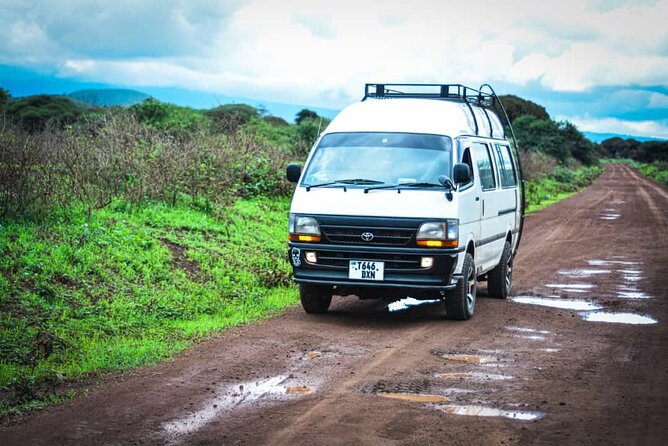
The day starts with the Barranco Wall. The description says it is easier than it looks, which is useful advice because the wall can appear intimidating from below. The route then winds through valleys and ridges to Karanga Camp in about five hours.
You may use your hands at points, but the information provided does not describe technical climbing or ropes. It is best to think of this as a steep mountain scramble, not a rock-climbing excursion. Follow the guide’s pace and instructions, especially where the trail narrows or becomes uneven.
The reward is the view toward Kibo’s southern glacier. The route continues to feel varied, with ridges and valleys replacing the broad Shira terrain. Karanga is another useful stopping point before the final move to Barafu, though the walking remains tiring after several days on the mountain.
Day 6: Alpine desert and Barafu Camp
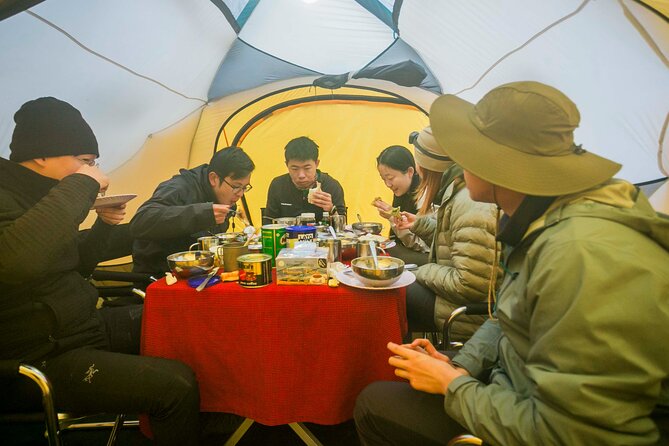
Day 6 is shorter at about four hours, but it carries real importance. You leave the greener zones behind and walk through alpine desert toward Barafu Camp.
Barafu offers views of Mawenzi and the summit ridge. It is also the staging point for the summit attempt, so the day is less about sightseeing than conserving energy. Once you reach camp, you rest and prepare for the early start.
Do not assume a short walking day means an easy day. You have already spent five days trekking, and the terrain is higher and more exposed. Eat the meals provided, drink the clean water supplied during the trek, and organize your summit clothing before resting. The less you need to sort out in the early hours, the better.
Day 7: Stella Point, Uhuru Peak, and the long descent
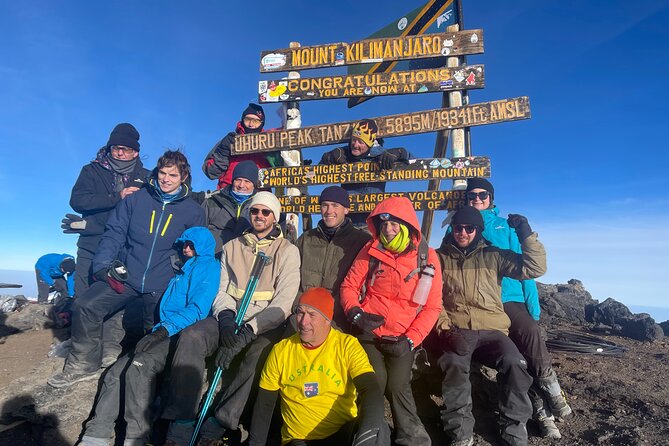
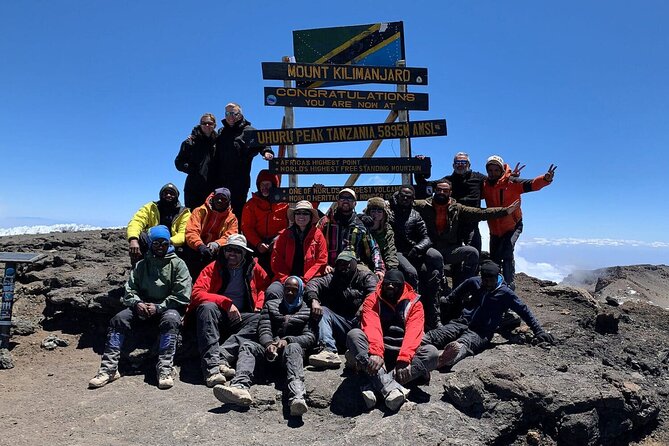
Summit day begins in the early hours. You aim to reach Stella Point at sunrise, then continue to Uhuru Peak, the highest point in Africa. After the summit, you descend to Barafu for a short rest before continuing down to Mweka Camp.
The stated duration is about 13 hours. That number tells you more than any sales language could. This is the hardest day by a wide margin, combining an early start, the summit push, a descent to Barafu, and another descent to Mweka.
The final approach to Uhuru Peak is not the only challenge. Coming down after reaching the summit can be physically draining, and you still have to keep moving to the overnight camp. The guides are central here. Several named members of the team, including Efatha, Sebastian, Elissafi, and Kenny, have been associated with supportive summit groups, and the organized setup includes assistant guides and porters.
The experience provider lists oxygen tanks and first aid kits among its safety equipment. That is reassuring, but equipment is not a guarantee of success. You need to be honest about how you feel and follow guide instructions if conditions become unsafe.
Reaching Uhuru Peak earns you a Kilimanjaro summit certificate. The certificate is a pleasant keepsake, but the more important achievement is managing the full day with patience and good judgment.
Day 8: Mweka Gate and the return to Moshi
The last descent takes about five hours through rainforest to Mweka Gate. From there, you say farewell to the mountain crew and transfer back to your hotel in Moshi.
After the high, dry upper mountain, the return to forest can feel like a sudden change. The descent is easier on your lungs but can be tiring on your knees and feet. Pack your daypack carefully and keep a little energy in reserve for the final walk.
The plan ends with a well-earned celebration in Moshi. Extra accommodation and meals before or after the climb are not included, so confirm your hotel arrangements if you are not staying in Moshi as part of a separate booking.
Guides, porters, food, and camp life
The strongest part of this experience is the mountain crew. The package includes experienced guides and porters, and the named team members connected with different climbs include Efatha, Sebastian, Elissafi, Kenny, Innocent, and Martin. Jackson is also identified as a helpful trip organizer.
The service details are practical rather than flashy. You camp in tents and receive sleeping bags, sleeping mats, and other camping equipment. Meals include breakfast, lunch, and dinner throughout the eight-day program, along with drinking water during the trek.
Food can make a major difference on a long climb. The supplied details describe varied, well-balanced meals, hot drinks available in the tent, and cooks who prepared different dishes each day. You should still tell the operator about dietary needs before departure, since no specific dietary policy is provided.
The porters carry essential loads and help make the camping system work. Tips are not included, so plan for them as a separate cost. The supplied information does not give a tipping scale, and you should ask Bush Lion Trekking and Tours for current guidance before the climb.
What the $2,500 price really covers
The price is best understood as an all-in trek package, not simply eight days of guiding. It covers airport transfers, the pre-climb orientation, trailhead transport, park fees, permits, guides, porters, water, tents, sleeping bags, sleeping mats, safety equipment, meals, and the summit certificate.
That list gives the trip solid value for someone who wants a planned climb without arranging each service independently. A group of up to 10 also keeps the outing small enough for a more personal pace, while group discounts may improve the cost for several people booking together.
The price does not cover flights, insurance, personal gear, tips, extra hotel nights, extra meals, alcohol, or optional excursions. Your boots, clothing, backpack, and other personal equipment are particularly important. The operator supplies core camping equipment, but that does not mean you can arrive without proper mountain clothing.
Who should choose this route
I would point this route toward someone who wants a scenic, gradual Kilimanjaro climb and has time for a full eight-day schedule. It suits people who value acclimatization days, organized camping, and a route that changes scenery steadily from forest to alpine desert.
It is also a good fit for small groups. A maximum of 10 people can make coordination easier, and group discounts may help families or friends planning together. The program is not limited to expert mountaineers, but it does require moderate physical fitness.
I would hesitate to recommend it to anyone looking for a relaxed holiday. The 13-hour summit day is demanding, and every day involves walking, camping, and changing conditions. You should also be comfortable sleeping in tents and paying extra for insurance, tips, personal gear, and arrangements outside the eight-day plan.
Practical details to settle before departure
Airport pickup and drop-off at Kilimanjaro International Airport are included, as is transport from Moshi to the trailhead and back. The listed start time is 8:00 am, after breakfast.
Confirmation is provided at booking, and the activity uses mobile tickets. The experience requires suitable weather. If poor weather forces cancellation, you are offered another date or a full refund.
The cancellation terms allow a full refund if you cancel at least 24 hours before the local start time. Cancellations or changes made inside that 24-hour window are not accepted for a refund.
Ask about any details that are not stated here, especially personal gear recommendations, current tipping guidance, dietary arrangements, and the exact hotel plan for nights outside the trek. Those questions are simple, but clear answers make a major difference on a mountain trip.
Should you book the eight-day Lemosho climb?
Book this experience if you want a carefully supported Kilimanjaro climb with a gradual route, varied scenery, included camping services, and a small maximum group size. The Lemosho route gives you time to move from rainforest to the Shira Plateau, pass Lava Tower, tackle Barranco Wall, and reach the summit without compressing the approach into a shorter schedule.
The main warning is stamina. Day 7 is a 13-hour effort, and the price does not include flights, insurance, tips, or personal equipment. If you prepare for those extra costs and arrive ready for long days on foot, the $2,500 package offers a practical way to take on Africa’s highest mountain with a full local support team.
FAQ
Where does the Kilimanjaro climb begin?
The experience is based in Moshi, Tanzania. You drive from Moshi to Londorossi Gate and then continue to the Lemosho trailhead.
How long is the climb?
The climb lasts approximately eight days.
What time does the activity start?
The listed start time is 8:00 am, after breakfast.
How many people can join the group?
The maximum group size is 10 people.
Is airport transportation included?
Yes. Transfers to and from Kilimanjaro International Airport are included.
Are park fees and permits included?
Yes. Park fees and permits are included in the package.
Where do you sleep during the trek?
You stay in tents during the trek. Camping equipment, including tents, sleeping bags, and sleeping mats, is included.
Are meals included?
Yes. The package includes breakfast, lunch, and dinner for the eight-day experience.
What is the longest trekking day?
Day 7 is the longest, lasting about 13 hours. It includes the summit attempt, Uhuru Peak, the descent to Barafu Camp, and the continued descent to Mweka Camp.
Is travel insurance included?
No. Medical, evacuation, trip-cancellation, and other travel insurance are not included.
Can I cancel for a full refund?
Yes, if you cancel at least 24 hours before the experience start time. The cancellation cut-off is based on local time.
What happens if bad weather cancels the climb?
You are offered a different date or a full refund if poor weather causes the experience to be canceled.
Just added around Moshi
- Mt Kilimanjaro 6 days Marangu route hike★ 5.0 · 3 reviews
- Wildlife Extravaganza: Manyara, Tarangire & Ngorongoro in 3 Days★ 5.0 · 3 reviews
- Private Cycle to Kilimanjaro Bike Park Safari★ 5.0 · 6 reviews
- 3 Days Private E-Bike Tour in West Kilimanjaro★ 5.0 · 3 reviews
- West Kilimanjaro cycling Adventures★ 4.5 · 8 reviews
- machame route★ 5.0 · 16 reviews
- Kilimanjaro Climbing Umbwe Route★ 5.0 · 3 reviews
- Kilimanjaro Climb & Safari – Lemosho Route – 13 Day★ 5.0 · 10 reviews
Lemosho Route Climbs, compared.


8-Day Small-group Lemosho Kilimanjaro Summit Trekking
Read our review →





Climbing Kilimanjaro through 8 days Lemosho Route
Read our review →Browse the lists this tour appears in