
Reviewed · WALKING TOURS
9 Days 8 Nights Walking Safari
This is an unusual northern Tanzania trip: part wildlife safari, part walking expedition, and part cultural journey. You move from the Ngorongoro area to Maasai villages, Empakaai Crater, and Lake Natron, with Maasai guides and donkeys supporting the walking sections. The scenery changes often, from crater rims to open scrub and flamingo-lined water.
I like the small vehicle setup, with no more than four people in each 4×4, and I like that park fees, camping gear, transport, and all three daily meals are included. The main caution is that the advertised route is not perfectly clear: Serengeti and Olduvai Gorge appear in the overview, but the day-by-day plan does not clearly schedule them. Ask for the final route before paying.
Five things to know before you book
- The walking is real: You should have moderate fitness for the Empakaai Crater walk and the trek toward Embulmbul village.
- Maasai contact is central: You help prepare donkeys, visit villages, and learn about local customs and daily life.
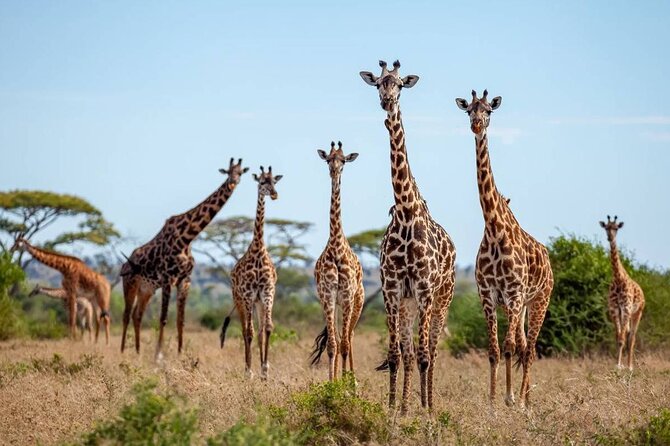
- Wildlife comes early: Ngorongoro Crater offers a chance to see elephants, lions, buffalo, leopards, and black rhinos.
- Lake Natron adds a different mood: Expect birdlife, flamingos, volcanic views, and the striking presence of Oldoinyo Lengai.
- The route needs confirmation: The overview names Serengeti and Olduvai Gorge, but the detailed schedule does not assign clear days to either place.
Why this safari feels different from a standard game drive
Most northern Tanzania safaris keep you inside a vehicle for much of the day. This one adds walking and cultural visits, which changes the pace and the feel of the journey.
You still get a 4×4 with a viewing roof, an accredited driver-guide, and access to major wildlife areas. But you also prepare Maasai donkeys, walk toward Embulmbul village, spend time with local people, and descend into Empakaai Crater on foot.
That mix suits you if you want more than a checklist of animals. It also means you need to accept some rough edges. Walking days can be tiring, camping is less predictable than a hotel, and the published sequence leaves important questions unanswered.
The operator’s wider guiding team includes names such as Tarimo, Yesse, Salehe, Musa, Bright, and Isdory. The praise attached to these guides focuses on wildlife spotting, careful driving, cultural knowledge, and friendly support. Your assigned guide may be different, so request the name in advance if that matters to you.
A few more Moshi trips to weigh up
- Safari Serengeti And Ngorongoro
★ 5.0 · 288 reviews - Big Five Safari In Tanzania
★ 5.0 · 99 reviews - Unforgettable Tanzania Safari And Zanzibar Beach
★ 5.0 · 97 reviews
Day 1: A soft landing at Springlands Hotel in Moshi
The trip begins at Springlands Hotel in Moshi, where you receive a welcome, a mountain and safari briefing, and a room. This first night gives you a practical buffer before the long drives and outdoor nights begin.
Meals are available, and the hotel stop is useful if you are arriving tired or connecting through Kilimanjaro Airport. The stated meeting point is Kilimanjaro Airport, although the tour information also lists Kilimanjaro National Park and Moshi. Confirm exactly where pickup occurs and how you reach the hotel.
This is not a sightseeing day, but it matters. A briefing is the right time to ask about walking distances, luggage limits, camping arrangements, food, water, and the order of the parks.
Day 2: Ngorongoro Crater and the Big Five possibility
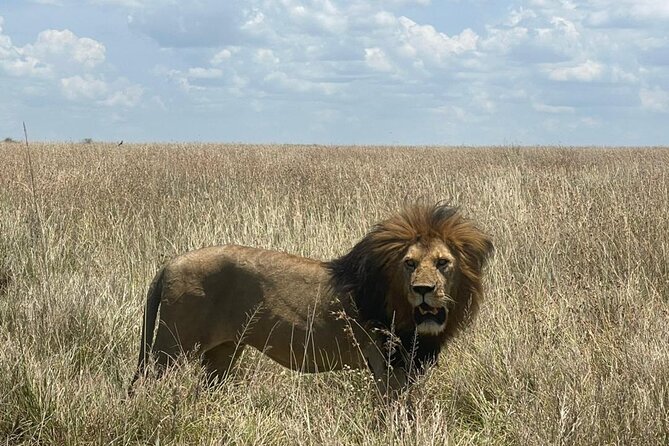
The second day takes you through the crater with an accredited driver. Ngorongoro is one of Tanzania’s strongest wildlife settings because its enclosed basin can bring many animals into one broad viewing area.
The plan specifically highlights the Big Five: black rhino, elephant, lion, buffalo, and leopard. No safari can promise all five, and the wording correctly presents them as animals you may encounter rather than a guarantee. Still, this is the trip’s clearest game-viewing day.
A vehicle with a viewing roof is a major help. You can watch from a higher position and take photographs without a solid roof blocking the upward view. With a maximum of four people per vehicle, you should have more room than on a crowded shared safari.
The drawback is driving time. Crater access, wildlife stops, and transfers between northern Tanzania’s parks can make this a full day. Bring water, sun protection, and patience for stretches when the animals are not close to the road.
Day 3: Donkeys, Maasai guides, and the walk to Embulmbul
Day three shifts away from a conventional game drive. You prepare Maasai donkeys with local Maasai guides and equipment, then begin the trek toward Embulmbul village.
That detail gives the day a practical purpose. The donkeys are not simply a decorative touch. They support the walking section and help carry equipment, making a longer trek possible without asking you to carry everything yourself.
You should expect this to be an active day rather than a short village visit. The description does not provide the walking distance, elevation gain, or exact duration, so ask for those details before departure. Good walking shoes, a day pack, sun protection, and clothing that works in dust and heat are sensible choices.
The cultural element also deserves care. You are not simply watching a staged performance. The plan centers on preparing animals and walking with Maasai people toward a village. Listen first, ask before taking photographs, and follow your guide’s advice about local customs.
Same country, a completely different kind of safari:
- Kilimanjaro climb by Lemosho Route (7-day)
★ 5.0 · 651 reviews - Kilimanjaro climb, Machame Route (7-day)
★ 5.0 · 262 reviews - Kilimanjaro Climbing Lemosho Route 8 Days.
★ 5.0 · 186 reviews - Climbing Kilimanjaro – Machame Route
★ 5.0 · 170 reviews
Day 4: The five-hour Empakaai Crater walk
After lunch, you walk down into Empakaai Crater to see the flamingo population. You then walk back up to a camp on the crater rim for dinner and an overnight stay.
This is one of the most memorable parts of the route because you experience the crater at walking speed. The descent lets you notice smaller details that can disappear from a vehicle: changing vegetation, bird calls, rock underfoot, and the shape of the crater walls around you.
The full activity is listed at about five hours. That makes the fitness warning important. You do not need to be a technical climber, but you do need to manage a sustained walk that includes a descent and a return climb.
The flamingos are a highlight, but wildlife sightings depend on conditions. Treat the bird population as a strong possibility, not a fixed performance. The camp on the rim should give you a memorable evening setting, but camping comfort can vary. Since camping equipment is included, ask what bedding and washing facilities are supplied.
Day 5: Meeting local people and learning daily customs
Day five is devoted to a local community visit. You meet people from the area and learn about their way of life, culture, norms, and traditions.
This is valuable because it slows the safari down. Instead of moving from one animal sighting to the next, you get time to understand the people who live in this part of Tanzania. The experience will be strongest if you treat it as a conversation, not a quick photo stop.
The schedule does not name the specific ward or explain how long the visit lasts. Ask whether the day includes a guided walk, a home visit, a market, craft purchases, or a formal cultural presentation. Those details affect what you should expect and how much cash you may want to carry.
Day 6: Oldoinyo Lengai, the Mountain of God
Oldoinyo Lengai is an active volcano known for its unusual, low-temperature carbonatitic lava. It is the only active volcano known to emit natrocarbonatites, and local Maasai people call it the Mountain of God.
Even if you do not climb the volcano, its presence gives this section of the safari a powerful sense of place. This is not just another scenic stop. It connects geology, religion, and local identity.
Be careful with expectations. The supplied plan names Oldoinyo Lengai but does not state that a summit climb is included. Do not assume you will climb it. Ask whether you are viewing the volcano, walking near it, or taking part in a separate ascent.
Day 7: Walking around Lake Natron
A guide accompanies you on the trek around Lake Natron and explains the area. The plan combines three sights: the lake, Oldoinyo Lengai, and an authentic Maasai village.
Lake Natron brings a different kind of wildlife experience. The wider route description points to flamingos, hippos, monkeys, leopards, storks, pelicans, and other birds across the northern Tanzania region. At Natron, birdlife and the stark volcanic setting are likely to matter as much as large mammals.
Again, the walking element is central. You should be comfortable spending time outdoors on uneven ground and in strong sun. The exact trail, walking distance, and timing are not supplied, so ask your operator to describe the day in practical terms.
This is also a good place to let the guide lead the cultural conversation. A Maasai village visit has more value when you learn about current life rather than receiving only a short, rehearsed introduction.
Day 8: A Maasai central market and everyday street life
The eighth day takes you to a Maasai central market, along with flea and street markets. You also see more ordinary African street life.
Markets can be among the best places to understand a destination because they show work, trade, food, clothing, and social routines in one place. I would plan to observe before shopping. Ask permission before photographing people, and carry small amounts of local currency if purchases are part of the plan.
The schedule does not identify the market or specify what is sold. That uncertainty is worth clearing up, especially if you hope to buy Maasai crafts, food, textiles, or souvenirs.
This day should feel less polished than a lodge-based activity, which is part of its appeal. It may also be busy, dusty, or visually intense. Keep valuables secure and follow local advice.
Day 9: Return to Moshi and prepare to leave
The final day brings you back to Springlands Hotel in Moshi. You receive a room to prepare for departure, giving you a place to wash, organize luggage, and gather yourself after several nights on the road.
The schedule calls this a one-day hotel stop, but it does not state the departure time or airport transfer. Airport transport is not included, so arrange that separately. If you have a same-day flight, confirm the return timing before booking.
The hotel room is a welcome finish. A nine-day safari with walking and camping can leave you ready for a proper shower and a quiet place to repack.
What the $2,688 price includes
At $2,688 per person, the value depends on how much of the stated program is delivered and what level of camping you receive. The price includes national park entrance fees, transport with driver-guides, camping equipment, Maasai guides and donkeys, and full-board accommodation on a double-occupancy basis.
All three meals are listed for all nine days: breakfast, lunch, and dinner. That is more useful than the shorter highlights section, which only calls out breakfast and dinner. Confirm whether meals on arrival and departure days follow the same schedule.
The vehicle arrangement also adds value. Vehicles are 4x4s with viewing roofs, and each vehicle is limited to four people. The overall group can reach 12 people, so you may share the wider trip with others, but the vehicle cap should keep wildlife viewing more comfortable.
There is a wording issue between lodge safari accommodation and included camping equipment. That may simply mean a mixture of lodges and camps, but the plan clearly includes an overnight camp on the Empakaai rim. Ask for the exact accommodation list, room setup, bathroom arrangements, and whether single occupancy costs extra.
You still need to budget for driver-guide tips, airport transfers, personal expenses, visa fees, and travel insurance. Those items can add a noticeable amount, especially if you need two airport transfers or plan to shop in markets.
Who should choose this walking safari
I would recommend this trip to you if you want a broad northern Tanzania experience with more movement than a standard lodge safari. It suits people who care about local culture, walking, volcanic scenery, birdlife, and time with Maasai guides as well as the Big Five.
It is also a good fit for a small group or family that values space in the vehicle. The group limit of 12 is reasonable, while the four-person vehicle limit is particularly helpful for photographers and anyone who dislikes crowded game drives.
I would hesitate to recommend it to you if your main goal is a clearly defined Serengeti safari. The overview names Serengeti and Olduvai Gorge, but the daily schedule gives no clear stop for either. If those places are essential, get a written day-by-day plan before you commit.
You should also think carefully about fitness. The Empakaai outing is about five hours, and the other walking days have no stated distance. Moderate fitness is required, and the operator should explain the terrain and pace.
Practical questions to settle before booking
Ask these questions in writing:
- Is Serengeti National Park included, and on which day?
- Is Olduvai Gorge included, and is its admission fee covered?
- Is Oldoinyo Lengai a viewing stop or a climbing option?
- How many nights are in tents, and how many are in lodges?
- What is the longest walking day?
- Where exactly is pickup from Kilimanjaro Airport?
- Who is the assigned driver-guide?
- What happens if you need a vegetarian meal?
Vegetarian food is available if requested at booking. The experience is mobile-ticket based, and confirmation is issued when you book. Free cancellation is available up to 24 hours before the local start time. After that point, the payment is not refunded, and late changes are not accepted.
FAQ
How long does the walking safari last?
The experience lasts approximately nine days and eight nights.
Where does the tour start?
The stated meeting point is Kilimanjaro Airport in Tanzania, while the first hotel stop is Springlands Hotel in Moshi. Confirm the exact pickup procedure before arrival.
Are meals included?
Yes. Breakfast, lunch, and dinner are listed for all nine days.
Are park entrance fees included?
Yes. National park gate fees are included in the price.
Is camping equipment provided?
Yes. Camping equipment is included, along with Maasai guides and donkeys. Ask for details about bedding and camp facilities.
Can I cancel for a full refund?
Yes, if you cancel at least 24 hours before the experience start time. Cancellations or changes made less than 24 hours before the start are not accepted for a refund.
Should you book it?
Book this tour if you want Ngorongoro wildlife, crater walking, Lake Natron, Maasai culture, and a more active trip than a vehicle-only safari. The included fees, meals, equipment, guides, and small vehicle capacity make the price reasonable for a nine-day northern Tanzania program.
Before booking, get the route clarified. The missing day-by-day details for Serengeti and Olduvai Gorge are the main concern. If the operator confirms those stops, explains the lodge and camping mix, and gives you realistic walking distances, this could be a strong choice for an adventurous first safari.
Just added around Moshi
- Mt Kilimanjaro 6 days Marangu route hike★ 5.0 · 3 reviews
- Wildlife Extravaganza: Manyara, Tarangire & Ngorongoro in 3 Days★ 5.0 · 3 reviews
- Private Cycle to Kilimanjaro Bike Park Safari★ 5.0 · 6 reviews
- 3 Days Private E-Bike Tour in West Kilimanjaro★ 5.0 · 3 reviews
- West Kilimanjaro cycling Adventures★ 4.5 · 8 reviews
- machame route★ 5.0 · 16 reviews
- Kilimanjaro Climbing Umbwe Route★ 5.0 · 3 reviews
- Kilimanjaro Climb & Safari – Lemosho Route – 13 Day★ 5.0 · 10 reviews
Walking Tours, compared.


3 Hours Private Stone Town walking Tour with Guide
Read our review →
Stone Town Historical Cultural Walking Guided Tour
Read our review →
Stonetown: Food Markets and Street Food Walking Tour
Read our review →
Arusha Guided Walking City Tour, Culture, Lifestyle & History
Read our review →
Browse the lists this tour appears in