
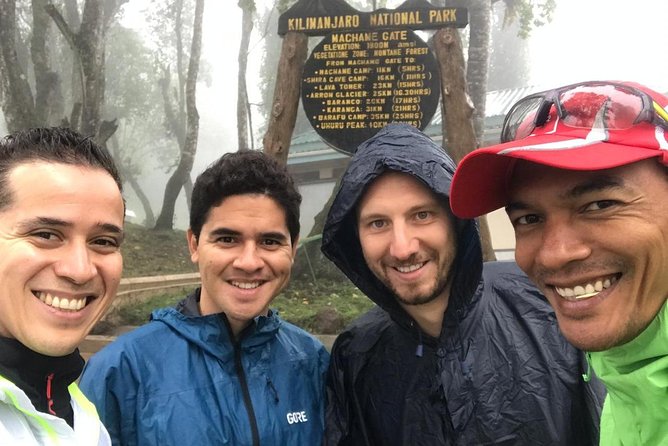
Reviewed · LEMOSHO ROUTE CLIMBS
Kilimanjaro Experience 7 Days Lemosho route
Kilimanjaro’s Lemosho Route gives you the mountain’s best gradual build-up: rainforest on day one, open moorland and the Shira Plateau next, then volcanic rock, high camps, and an Arctic summit. The route is scenic and varied, but this is still a serious seven-day climb with long days and a punishing summit night.
I like two things right away. First, the route includes a full Shira Plateau day, which gives you time to adjust before the higher camps. Second, the operator provides the practical mountain team you need: guides, porters, a cook, tents, meals, drinking water, and rescue fees. The main catch is that the advertised $1,000 price excludes Kilimanjaro National Park fees, tips, personal costs, and optional tours.
Key points to know before booking
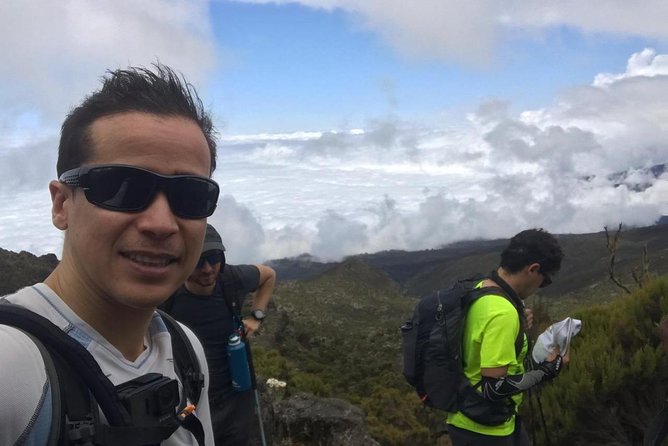
- A full Shira Plateau day: Day three is not a rushed transfer. It offers a useful acclimatization walk toward Moir Hut and Lent Hills.
- A proper high-altitude route: You climb to Lava Tower, descend to Barranco, then continue to Barafu before summit night.
- Midnight summit attempt: You wake around 11 p.m., begin at midnight, and aim for Stella Point around sunrise before continuing to Uhuru Peak.
- Tented mountain camps: Tents, mountain accommodation, meals, purified water, guides, porters, and a cook are included.
- Strong service record: The team members praised by name include guides Thomas, Alex, Victor, and Norka, plus cooks Joseph and Shedrack.
- Budget carefully: Park fees are extra, and you should also plan for tips and personal items.
Why Lemosho is a smart seven-day choice
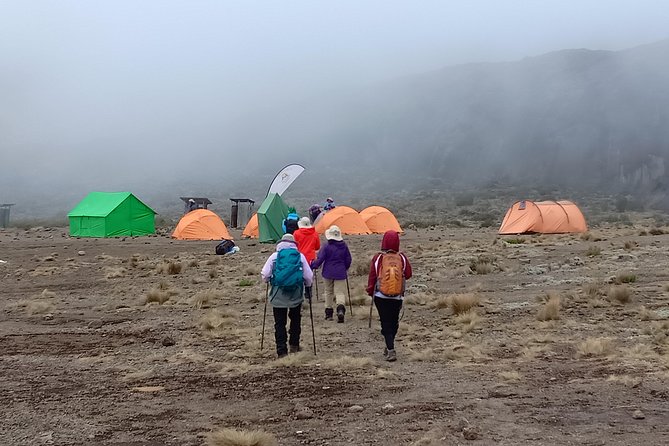
Lemosho approaches Kilimanjaro from the west. That matters because the opening days feel quieter and more gradual than a direct rush toward the summit. You begin in forest, cross the Shira Plateau, circle around the southern side of Kibo, and reach the summit from Barafu.
The route changes scenery almost every day. You start among tall trees and forest growth, then move through heather, grasses, volcanic rock, semi-desert ground, and finally the cold Arctic zone near the summit. This variety is one of the route’s biggest rewards.
Seven days is also long enough to include an important acclimatization pattern. On day four, you climb to the Lava Tower area, then sleep lower at Barranco. You gain height during the day but finish at roughly the same elevation where you began. That climb high, sleep lower pattern is useful preparation for the summit.
Still, do not mistake a well-paced route for an easy one. You spend several days above 11,000 feet, and summit night brings a 5-kilometer ascent followed by a 12-kilometer descent. A moderate fitness level is required, but endurance and patience matter just as much as speed.
More Lemosho Route Climbs in Moshi:
- Kilimanjaro climb by Lemosho Route (7-day)
★ 5.0 · 651 reviews - Kilimanjaro Climbing Lemosho Route 8 Days.
★ 5.0 · 186 reviews - Kilimanjaro climb, Lemosho Route (8-day)
★ 5.0 · 148 reviews
Day one: Londorossi Gate to the rainforest camp
Your day begins in Moshi at about 8:30 a.m. The drive to Londorossi Gate takes around four hours. There, you complete entry formalities before continuing for roughly another hour to the Lemosho trailhead.
That transfer is long, so the first day is partly a transport day. After lunch at the trailhead, you begin walking through relatively undisturbed rainforest. The route covers about 7 kilometers and takes three to four hours, rising from 7,800 feet to 8,694 feet.
This is a gentle introduction by Kilimanjaro standards. The forest is the first major change from ordinary East African travel, with a cooler, wetter feel and a sense that the mountain is slowly closing around you. You finish at the first camp, where the support team should have your tent ready.
The package includes your tent, mountain accommodation, dinner, breakfast, lunch, drinking water, guides, porters, and cook services. That support is not a small luxury. After a long transfer and an opening walk, having camp organized lets you focus on eating, drying gear, and sleeping.
Day two: Shira Ridge and the first open views
Day two leaves the rainforest behind. You climb from 8,694 feet to 11,840 feet, covering 8 kilometers in about five to six hours. The habitat changes to moorland, with tall grasses, heather, volcanic rock, and pale lichen hanging from the vegetation.
The route climbs over rolling ground and crosses several streams before reaching Shira Ridge. From there, you drop gently to Shira 1 Camp. The day’s special reward is the view toward Kibo, Kilimanjaro’s main summit, across the plateau.
This is the point where the climb begins to feel serious. You gain more than 3,000 feet in one day, and the air will feel thinner even if the walking remains manageable. Go slowly. Your guide’s job is not to make you race. A steady pace gives you a better chance of enjoying the plateau and arriving in camp with energy left.
The open setting also brings more exposure to sun, wind, and changing weather. Keep rain gear and warm layers accessible, even if the morning begins pleasantly.
Day three: A useful acclimatization day on Shira
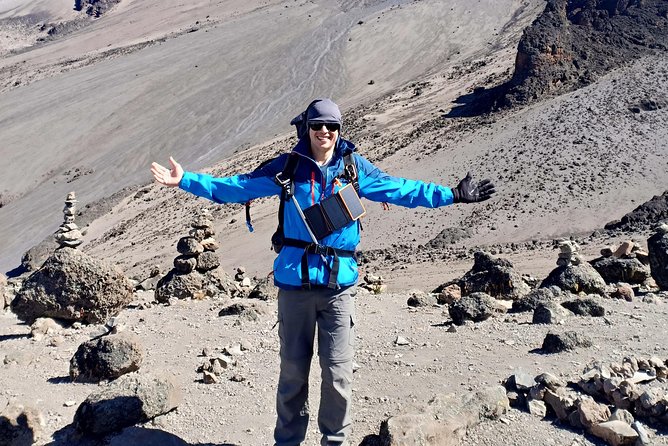
Day three covers about 14 kilometers and takes five to seven hours. You walk from roughly 11,584 feet to 13,800 feet, exploring the Shira Plateau before continuing toward Moir Hut at the base of Lent Hills.
This is one of the most valuable parts of the itinerary. Rather than simply moving from one camp to the next, you spend a full day walking high. The route heads east toward Kibo, crossing moorland meadows beside a stream before reaching the Moir area.
Walks on Lent Hills provide extra options for acclimatization. The exact walking pattern can depend on conditions and the group, but the basic idea is sound: spend time at altitude, keep moving gently, then rest. Shira is described as one of the highest plateaus on Earth, and its broad views give you a clear sense of the mountain’s scale.
The drawback is the distance. Fourteen kilometers is not extreme at low altitude, but it feels different above 11,000 feet. You may find the day more tiring than the time estimate suggests. Pack snacks where you can reach them, drink regularly, and tell your guide early if you develop a headache or feel unwell.
A few more Moshi trips to weigh up
- Kilimanjaro climb, Machame Route (7-day)
★ 5.0 · 262 reviews - Climbing Kilimanjaro through 7 days Machame Route
★ 5.0 · 151 reviews - Private Kilimanjaro Hike 7 Day Lemosho Route
★ 5.0 · 60 reviews - 7-Day Magical Tanzania Safari -Premium High End Package
★ 5.0 · 53 reviews
Day four: Lava Tower, Shark’s Tooth, and Barranco
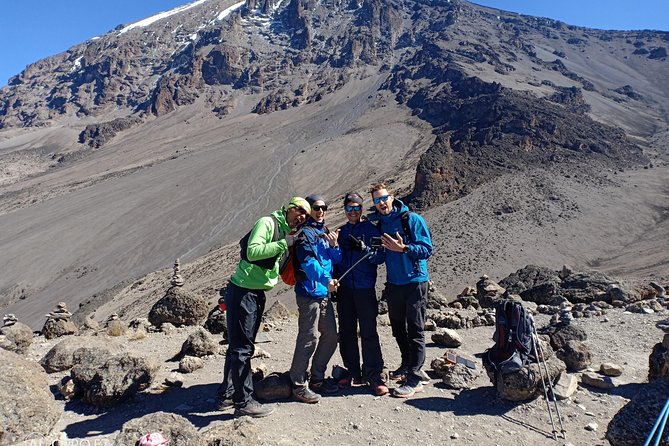
Day four is the route’s classic acclimatization day. You leave the Shira Plateau and climb east along a ridge, passing the junction toward Kibo. Then the route turns southeast toward Lava Tower, also known as Shark’s Tooth.
You reach about 13,800 feet before descending to Barranco Camp at 12,926 feet. The day covers 7 kilometers and takes four to six hours, through semi-desert terrain. Lunch near Lava Tower gives you time to pause at the high point before the descent.
This day can feel strange because you finish close to your starting elevation. That is exactly why it matters. Your body gets exposure to higher altitude without forcing you to sleep there. For many climbers, this is the day when the mountain’s demands become clear.
Barranco is also a memorable camp because it places the famous Barranco Wall in front of you. You do not climb it until the next morning, so you can look at the steep ridge and wonder if the path really goes there. It does. The route is demanding, but the wall is a hike rather than a technical rock climb according to the provided itinerary.
Day five: Barranco Wall to Barafu Camp
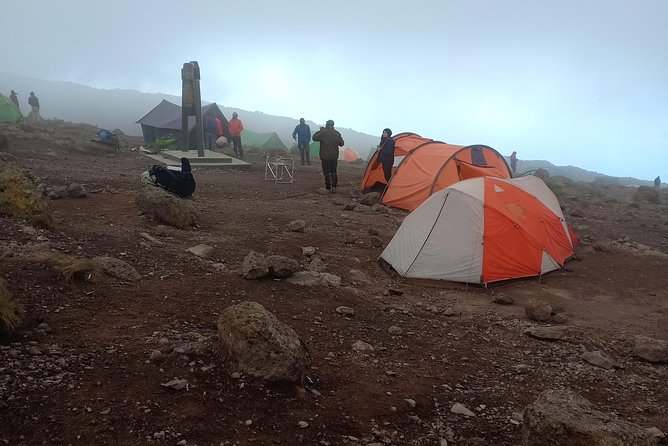
Day five is long, covering 9 kilometers in eight to ten hours. You begin with a steep ridge over the Barranco Wall, continue through Karanga Valley, then follow the junction connecting with the Mweka Trail before climbing to Barafu Hut.
The route reaches about 13,100 feet. The habitat is alpine desert, with less plant life and more exposed volcanic ground. You complete what is called the South Circuit, gaining views of Kibo and Mawenzi from different angles.
The Barranco Wall is the morning’s main physical test. You will need to use your hands in places and move carefully, but the guide controls the pace. This is a good time to keep your daypack light and your water easy to reach.
Barafu is the launch point for the summit. Once camp is established, you eat dinner, rest, and prepare for the night ahead. That rest period is not optional in spirit, even if you are too excited to sleep. Organize your warm clothes, headlamp, water, snacks, and trekking poles before lying down.
This is also where the quality of the mountain team matters most. A cook preparing large portions of fresh food, porters setting up camp, and guides checking your condition can make a real difference. The strongest praise for Kilinge Adventures centers on this daily organization, along with friendly and attentive support from the crew.
Day six: Midnight to Stella Point and Uhuru Peak
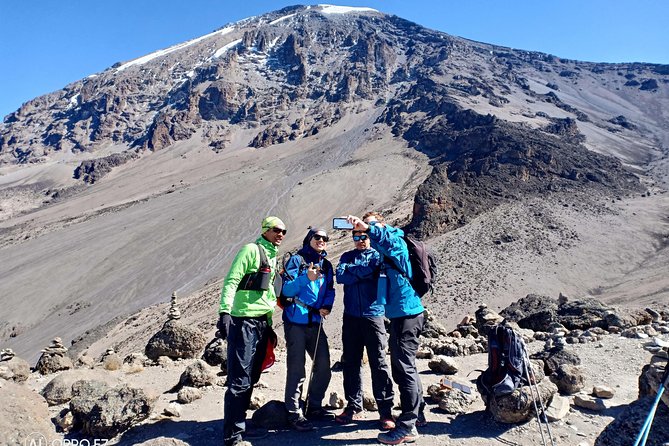
Summit day begins before dawn. You wake around 11 p.m. for tea and snacks, then start walking at midnight. The ascent covers about 5 kilometers and takes seven to eight hours.
The first section climbs steep rock for two to three hours. After that, you follow zigzagging ground toward the crater rim. The plan is to reach Stella Point, listed at about 18,800 feet, around 6 a.m. From Stella Point, you join climbers arriving from other routes and continue toward Uhuru Peak.
This is the hardest part of the entire experience. The cold, darkness, thin air, and lack of sleep combine to make every step feel important. You may move very slowly. That is normal. The goal is not speed. The goal is a safe, steady rhythm.
The sunrise from the crater rim is the great payoff, with the summit area opening above the clouds and the glaciers of Kibo nearby. The itinerary promises the chance to continue from Stella Point to Uhuru Peak, but no responsible operator can guarantee a successful summit. Altitude sickness, weather, exhaustion, or route conditions can change the plan.
After the summit attempt, you descend 12 kilometers toward the camp area near 10,000 feet. The descent is quicker in distance but hard on tired legs. Eat and drink even if you do not feel hungry. Trekking poles are especially helpful now.
The day is listed as eight hours, but the ascent and descent figures together suggest a much longer effort for some climbers. Treat this as an all-day mountain test, not a short excursion.
Day seven: Mweka Gate and the return to Moshi
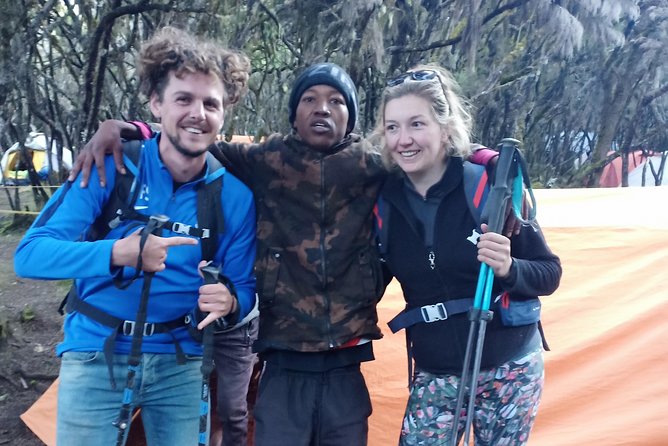
After breakfast, you continue down through rainforest to Mweka Park Gate. The walk is about 10 kilometers and takes three to four hours, descending from around 10,000 feet to 5,380 feet.
The forest may be wet and muddy. Gaiters and trekking poles are useful here, and you should keep rain gear and warmer clothing handy even though shorts and a T-shirt may be enough during the warmer parts of the descent.
At the gate, you receive your summit certificate if you completed the required summit point. A vehicle then takes you back to your Moshi hotel for a hot shower and a Kilimanjaro beer. After six demanding nights in mountain camps, that simple return can feel like a grand finale.
Breakfast is included on day seven, and the package lists six breakfasts, six dinners, and seven lunches overall. Confirm the exact meal plan when booking, since the itinerary and inclusion list use slightly different day-by-day descriptions.
What the $1,000 price really covers
At $1,000 per person, this looks like a low headline price for a seven-day Kilimanjaro climb. The value depends on what is included and what is not.
The package covers:
- Guides and porters
- Cook services and cook salaries
- Tents and mountain accommodation
- All mountain meals
- Purified drinking water
- Rescue fees
- National Park services are not included in the advertised price
That last item is important. Kilimanjaro National Park fees can be a major extra cost, so ask for the full final price before paying. You should also budget for tips, personal expenses, and optional trips such as a short safari after the climb.
The inclusion of rescue fees is reassuring, but it does not replace travel insurance. The supplied information does not specify insurance coverage, so ask the operator what rescue fees cover and arrange your own suitable policy.
The price is best viewed as a starting figure rather than your complete trip budget. It can still offer good value if the final quotation clearly lists park fees, transport, meals, accommodation, crew costs, and any taxes.
Guides, porters, food, and camp life
The strongest part of this experience is the human support. The team prepares meals, carries equipment, sets up tents, and guides you through a route where pacing and safety matter every day.
Names connected with the operator include Thomas, Alex, Victor, and Norka among the guides. Cooks Joseph and Shedrack have also been singled out for their food. You may not be assigned these exact people, so request the names of your own lead guide and cook before departure.
Food matters more than many first-time climbers expect. Large portions of fresh, nutritious meals help you recover from repeated walking days. You should still bring personal snacks you know you can eat at altitude.
The tent setup also changes the feel of the trip. You are not carrying a full camping load or preparing every meal yourself. That makes the climb more accessible, though you still need to carry your daypack and personal essentials.
The maximum group size is listed as 100 people. That is a large possible cap, and the actual group size is not stated. Ask how many climbers will be in your departure group, how many guides will accompany it, and how porter welfare is handled.
The operator specifically includes fair and ethical treatment of porters. I would still ask about porter load limits, wages, sleeping arrangements, and tipping practice. Those questions help you choose responsibly and understand the real cost of the climb.
Who should book this Kilimanjaro climb
This trek suits you if you want:
- A scenic western approach to Kilimanjaro
- Seven days rather than a shorter, more compressed route
- A full acclimatization day on the Shira Plateau
- Tented camps with a cook and porter team
- A structured climb from Moshi
- A serious physical challenge without technical climbing
It is less suitable if you want a relaxed holiday, dislike cold nights, or have not prepared for several consecutive days of walking. The provider asks for moderate physical fitness, but the summit night requires more than casual fitness.
You should also be comfortable with basic mountain camping. The package provides tents and meals, but it does not list every personal item you will need. Bring suitable clothing, rain gear, trekking poles if you use them, and warm layers for the summit.
Booking details worth checking first
Pickup is offered, a mobile ticket is available, and the meeting start time is 8:30 a.m. The location is Moshi, and the meeting point is near public transportation.
Confirmation is provided at booking. Cancellation is free if you cancel at least 24 hours before the local start time. Changes made inside that window are not accepted, and a poor-weather cancellation results in either another date or a full refund.
Before you commit, ask for a written breakdown of the $1,000 rate. Confirm National Park fees, airport or hotel transfers, the number of people in your group, guide arrangements, equipment expectations, and tipping guidance.
Should you book the seven-day Lemosho Route?
I would recommend this climb if you want scenic variety, a gradual route, and a support team that handles the hard camp work. The Shira acclimatization day and the Lava Tower to Barranco pattern are real advantages for a seven-day schedule.
I would not book it on the headline price alone. Park fees are extra, the summit is never guaranteed, and the final cost can rise with tips, insurance, and personal gear. Get those figures in writing.
For a first Kilimanjaro attempt, this is a sensible route to consider. You get rainforest, high plateau, volcanic formations, Barranco Wall, a midnight summit push, and a certificate at Mweka Gate. Just arrive fit, pack for wet and freezing conditions, and give yourself enough time to walk slowly.
FAQ
Where does the Kilimanjaro trek begin?
The experience is based in Moshi, Tanzania, with a listed start time of 8:30 a.m. Pickup is offered.
How long is the Lemosho Route experience?
The climb lasts approximately seven days.
How far do you walk on day one?
Day one covers about 7 kilometers and takes three to four hours, after driving to Londorossi Gate and the Lemosho trailhead.
What is the highest point listed on the trek?
The itinerary reaches Stella Point at about 18,800 feet, or 5,657 meters, before continuing toward Uhuru Peak.
Are meals included?
Yes. The package includes meals on the mountain, with seven lunches, six dinners, and six breakfasts listed.
Is drinking water provided?
Yes. Clean, purified drinking water is included.
Are tents and mountain accommodation included?
Yes. Tents and all nights of accommodation on the mountain are included.
Are Kilimanjaro National Park fees included in the $1,000 price?
No. Kilimanjaro National Park fees are listed as an extra cost.
What happens if bad weather cancels the climb?
You are offered a different date or a full refund if the experience is canceled because of poor weather.
Just added around Moshi
- Mt Kilimanjaro 6 days Marangu route hike★ 5.0 · 3 reviews
- Wildlife Extravaganza: Manyara, Tarangire & Ngorongoro in 3 Days★ 5.0 · 3 reviews
- Private Cycle to Kilimanjaro Bike Park Safari★ 5.0 · 6 reviews
- 3 Days Private E-Bike Tour in West Kilimanjaro★ 5.0 · 3 reviews
- West Kilimanjaro cycling Adventures★ 4.5 · 8 reviews
- machame route★ 5.0 · 16 reviews
- Kilimanjaro Climb & Safari – Lemosho Route – 13 Day★ 5.0 · 10 reviews
- Kilimanjaro Climbing Umbwe Route★ 5.0 · 3 reviews
Lemosho Route Climbs, compared.


8-Day Small-group Lemosho Kilimanjaro Summit Trekking
Read our review →





Climbing Kilimanjaro through 8 days Lemosho Route
Read our review →Browse the lists this tour appears in