
Reviewed · LEMOSHO ROUTE CLIMBS
7 Days Lemosho Route
The Lemosho Route gives you a quiet, scenic start to Kilimanjaro, then builds toward a demanding summit night above 5,600 meters. I like the gradual early climb and the way the route crosses several very different zones, from big trees to bare volcanic rock. The first two days also have less foot traffic before the trail joins the Machame route.
I especially like the Barranco Wall, which looks more alarming than it feels, and the long summit schedule, which gives you a chance to reach Stella Point and possibly Uhuru Peak at sunrise. Golden Summit Adventures also handles airport transfers and meals, useful services after a long flight.
The catch is simple: seven days is a serious physical test, and summit night includes about six hours of uphill walking in darkness, followed by a descent and another hike to Mweka Camp. The $2,050 price can be good value, but you should compare exactly what other operators include before paying.
Key points to know before you book
- Lemosho starts quietly in the western forest: The first day reaches Mti Mkubwa Camp in about three hours, with low traffic compared with busier approaches.
- Shira Plateau brings the first major altitude gain: Day two crosses Shira Ridge at 3,600 meters before dropping gently to Shira Camp 1.
- Barranco Wall is a memorable hands-on climb: You use a steep ridge and scramble up a rock face that looks tougher from below than it proves to be.
- Summit night begins around 11:30 PM: Allow about six hours to Stella Point, then continue toward Uhuru Peak if conditions and your strength permit.
- The team is a major part of the experience: Elly coordinates trip details, and Laraha is named as one of the guides. The company also provides porters and a cook.
- The price includes important basics: Airport transfers, six breakfasts, six dinners, and seven lunches are included, while insurance and hotel meals outside the climb are not.
Why the seven-day Lemosho Route works well
Kilimanjaro is not a technical mountain climb, but it is still a high-altitude expedition. You walk for several hours each day, sleep at increasing elevations, and spend one night climbing through scree in the cold and dark. The route matters because a steady ascent gives your body more time to adjust.
Lemosho approaches from the west. Its opening section is prized for scenery and quieter trails, then it joins the Machame route after the Shira section. That combination gives you peaceful forest walking at the start, followed by the famous Barranco and Barafu sections shared with other climbers.
I see seven days as a reasonable middle ground for someone who wants more acclimatization than a short route offers, but does not want to spend eight or more days on the mountain. It is still not an easy option. You need moderate physical fitness, and the summit attempt remains the hard part.
The maximum group size is 20. That is large enough to include a full support team, but small enough that the guide should be able to keep the group together if everyone walks at a similar pace. Ask before departure how your particular group will be divided during the climb, since walking speed can vary sharply at altitude.
More Lemosho Route Climbs in Moshi:
- Kilimanjaro climb by Lemosho Route (7-day)
★ 5.0 · 651 reviews - Kilimanjaro Climbing Lemosho Route 8 Days.
★ 5.0 · 186 reviews - Kilimanjaro climb, Lemosho Route (8-day)
★ 5.0 · 148 reviews
Day 1: three hours from the Glades to Mti Mkubwa
The first day begins at the Glades and follows forest trails to Mti Mkubwa, also called Big Tree Camp. The walk takes about three hours, making this a gentle physical start compared with the days ahead.
This forest section is one of Lemosho’s best arguments. You are not thrown straight onto a barren slope. Instead, the route begins among trees and natural shade, giving you time to settle into the walking rhythm and learn how your group moves.
The short distance does not mean the day is unimportant. Use it to check your boots, adjust your pack, and learn how the camp routine works. Your porters carry and set up the camp equipment, while the guide team directs the pace and route.
Golden Summit Adventures includes dinner on the mountain, along with breakfast and lunch according to the package schedule. The company also provides a cook. That matters here because a warm meal and regular eating become part of your altitude strategy, not just a pleasant extra.
Day 2: Shira Ridge and the first real altitude gain
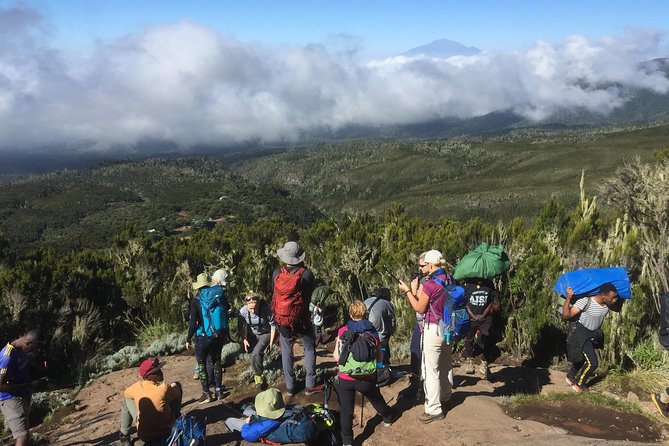
Day two takes about five hours. The trail gradually steepens as it leaves the forest and enters the giant heather moorland zone. You cross Shira Ridge at 3,600 meters, or 11,810 feet, then descend gently toward Shira Camp 1 beside a stream on the Shira Plateau.
This is a useful acclimatization day because you gain height, then sleep on the plateau after a gentler finish. The change in scenery is striking. The thick forest gives way to open ground and giant heather, with Kilimanjaro’s upper slopes becoming more visible.
The route is quiet during its opening days, but that advantage does not last forever. After Shira, Lemosho joins the more popular Machame route. If solitude is your main reason for choosing Lemosho, enjoy these first two days rather than expecting the whole climb to feel remote.
At this point, you may feel strong and be tempted to speed up. I would resist that urge. The mountain rewards an even pace. Drink regularly, follow your guide’s rhythm, and remember that altitude can affect you later, even if day two feels comfortable.
Day 3: Lava Tower, high ground, and Barranco Camp
Day three is a seven-hour hike and one of the most useful days for acclimatization. After breakfast, you climb east on a steepening trail above the highest vegetation toward Kilimanjaro’s upper mass. The route reaches the Lava Tower area for lunch, then descends for about two hours toward Barranco Camp.
The climb high, sleep lower pattern is valuable here. You spend time at greater altitude near Lava Tower, then descend to Barranco Camp at 3,950 meters, or 12,960 feet. That extra time above camp helps prepare you for the summit without forcing you to sleep at the highest point reached that day.
The descent leads below the cliffs of the Western Breach and Breach Wall. Barranco Camp sits in a valley beneath the Great Barranco Wall, giving you a dramatic setting for the evening. The sunset views can be memorable, but do not let the scenery hide the fact that this is a long day.
Seven hours may sound manageable on paper. At altitude, steep ground and a slow pace can make it feel much longer. This is a good evening to eat well, organize your sleeping gear, and avoid wasting energy wandering around camp.
A few more Moshi trips to weigh up
- Kilimanjaro climb, Machame Route (7-day)
★ 5.0 · 262 reviews - Climbing Kilimanjaro through 7 days Machame Route
★ 5.0 · 151 reviews - Private Kilimanjaro Hike 7 Day Lemosho Route
★ 5.0 · 60 reviews - 7-Day Magical Tanzania Safari -Premium High End Package
★ 5.0 · 53 reviews
Day 4: climbing the Barranco Wall
After breakfast, you climb a steep ridge to the Barranco Wall. The wall is the day’s signature feature, but it is less frightening once you are on it. The route involves an uphill rock section and careful foot placement, rather than a technical climbing pitch.
The four-hour day is deliberately shorter. Once you reach camp, you have a hot lunch and an afternoon to rest or explore nearby. I consider this pause one of the strongest features of the seven-day plan. You have just completed the long Lava Tower and Barranco day, and the summit push is close.
From camp, look east toward Mawenzi’s jagged peaks. The view gives you a clear sense of the mountain’s scale and reminds you that Kilimanjaro is not a single smooth cone. The upper mountain is a mix of ridges, cliffs, volcanic rock, and exposed high ground.
Do not treat the shorter schedule as a free afternoon for hard activity. Rest is the useful choice. Prepare your warm clothes, headlamp, water, and summit gear before dark. A calm afternoon can make the late-night departure much easier.
Day 5: Karanga to Barafu Hut
Day five takes about four hours and leads east over ridges and valleys to the Mweka Route, which becomes your descent path. You then turn toward the mountain and climb for about another hour through sparse terrain to Barafu Hut, where a hot lunch is served.
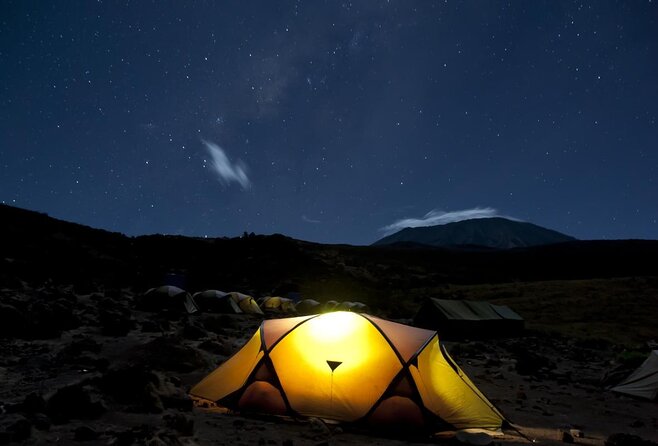
Barafu means ice in Swahili, and the camp is a stark place to prepare for the summit. Your tent is pitched on a narrow, stony, wind-swept ridge. The setting is exposed, and the ground can feel rough after the more sheltered camps below.
Before dark, get familiar with the area around your tent. The instructions specifically warn you to know the terrain so you avoid an accident at night. This is practical advice, not fussing. You may be leaving around 11:30 PM, when loose rocks and poor visibility make simple movement harder.
After lunch, your main job is preparation. Sort your warm layers, gloves, water, snacks, and headlamp. Drink plenty of fluids, eat an early dinner, and try to sleep for a few hours. You may not sleep well at this altitude, but even quiet rest is useful.
Day 6: the night climb to Stella Point and beyond
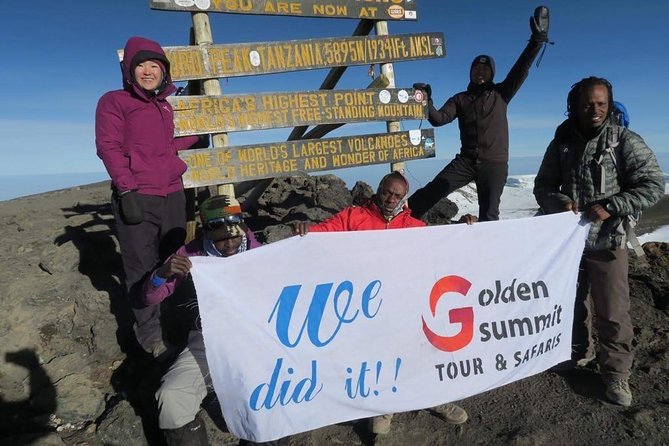
Day six is the physical center of the trip. You rise around 11:30 PM for tea and biscuits, then begin the six-hour climb northwest through heavy scree between the Rebmann and Ratzel glaciers. The trail reaches Stella Point on the crater rim at 5,685 meters, or 18,650 feet.
This is the part that demands the most patience. You climb slowly in darkness, taking short steps over loose volcanic rock. The cold, thin air and lack of sleep can make the distance feel uncertain. Your guide’s pacing and decisions matter greatly here, so stay close and conserve energy.
At Stella Point, you pause for a short rest and watch the sunrise. Climbers who reach Stella Point receive green summit certificates. Those who continue to Uhuru Peak receive gold certificates, according to the trip information. Reaching Stella Point is a major achievement, even if you decide not to continue along the crater rim.
The route description allows for the possibility of continuing to the summit, but it does not promise success. Altitude, weather, fatigue, and your condition decide what is sensible. You should view Uhuru Peak as the goal, not a guarantee.
After the summit section, you descend for about three hours to Barafu Camp. There, you collect your gear and take a short rest before continuing down through rock, scree, moorland, and eventually forest to Mweka Camp at 3,100 meters, or 10,170 feet.
The total day is listed at about eight hours, but the sequence is demanding because it combines a midnight start, a summit attempt, a descent to Barafu, and a further hike to Mweka. This is not a day for extra plans. Eat what you can, keep drinking, and follow the guide’s instructions.
Day 7: Mweka Gate and the end of the climb
After breakfast, the final hike to the park gate takes about three hours. It is scenic and far shorter than summit day, but your knees and feet may welcome the slower pace.
At Mweka Gate, you can sign the register and receive a summit certificate if you reached Stella Point or Uhuru Peak. The gate is also where the mountain experience becomes official and practical matters take over.
The route may continue down to Mweka Village. If the road is too muddy for vehicles, the final three kilometers can become a muddy walk of about one hour. That possibility is worth remembering when you choose your shoes and decide how much clean clothing to save for the end.
The package includes private transport between Kilimanjaro International Airport and your accommodations in Moshi. Pickup is offered, and the meeting time is listed as 8:30 AM. Confirm the exact pickup details with the operator before arrival, especially if your flight schedule changes.
The guides, porters, cook, and daily support
The human support system matters as much as the route. Elly handles trip coordination and has helped arrange timing, packing information, vaccinations, and other planning details. Laraha is named as a guide on one of the seven-day Lemosho climbs.
The company also uses porters and a cook. The practical reports about the team emphasize fast packing, hearty meals, snacks, and a considerate approach from the guides. I would pay attention to this part of the experience because good support reduces mental load when you are tired.
A useful tip from the mountain instructions: do not give porter tips until you and all your gear have safely reached the gate. Tip the staff at the gate as directed. You should also ask before departure about the company’s current tipping system, so you understand how the team is compensated.
Is $2,050 a fair price?
At $2,050 per person, this is not a budget walk. The value comes from the length of the route and the services bundled into it: private airport transport, mountain meals, guides, porters, and a cook. Six dinners, six breakfasts, and seven lunches are included during the trip.
The price does not include hotel lunches, dinners, or drinks before and after the climb. Travel insurance, laundry, toiletries, and personal items are also your responsibility. Those costs can add up, so include them when comparing operators.
I would not compare this price with a shorter route on cost alone. Lemosho’s two quiet opening days and its gradual climb are part of what you are paying for. Still, ask any competing company about group size, meal coverage, airport transfers, porter support, and the number of mountain days before deciding.
The non-refundable booking rule is important. If you cancel or request a change, the amount paid is not refunded. Because of that, arrange suitable travel insurance and be sure your dates, fitness, and equipment plan are settled before booking.
Who should choose this climb?
I would recommend this route to a fit first-time Kilimanjaro climber who values scenery and a measured ascent more than the lowest possible price. It also suits someone who wants a quieter opening before joining a busier trail.
You should be comfortable walking for four to eight hours and sleeping in mountain camps. Moderate fitness is required, but the more important quality is steady endurance. The summit night is long, cold, and tiring, so training only for short bursts will not prepare you well.
This trip may not suit you if you need flexible cancellation, dislike basic camp conditions, or want a relaxed holiday with a guaranteed summit. The seven-day schedule has rest built into it, but the mountain still controls the pace.
Should you book the 7-day Lemosho Route?
I would book this trip if you want Kilimanjaro’s varied scenery, prefer a western approach, and can accept a demanding summit night. The quiet forest start, Shira Plateau, Barranco Wall, and sunrise attempt create a strong seven-day progression.
Before paying, confirm the airport pickup, exact hotel arrangements, guide assignments, meal schedule, group size, tipping process, and insurance requirements. If you are comfortable with the non-refundable terms and have trained for sustained uphill walking, Golden Summit Adventures offers a well-supported way to tackle Lemosho at $2,050 per person.
FAQ
Where does the 7-day Lemosho Route experience begin?
The experience is based in Moshi, Tanzania. Private transport to and from Kilimanjaro International Airport to your Moshi accommodations is included, and pickup is offered.
How long is each hiking day?
The listed hiking times range from about three hours on days one and seven to eight hours on summit day. Day two takes about five hours, days four and five about four hours, and day three about seven hours.
What altitude does the route reach?
The route crosses Shira Ridge at 3,600 meters and reaches Stella Point at 5,685 meters. You may continue from Stella Point toward Uhuru Peak, depending on your condition and the circumstances on the mountain.
What meals are included?
The package includes six dinners, seven lunches, and six breakfasts. Hotel lunches, dinners, and drinks before and after the climb are not included.
How large can the group be?
The maximum group size is 20 people. The experience requires a moderate level of physical fitness.
Can I cancel or change the booking?
No. The experience is non-refundable and cannot be changed for any reason. If you cancel or request an amendment, the amount paid will not be refunded.
Just added around Moshi
- Mt Kilimanjaro 6 days Marangu route hike★ 5.0 · 3 reviews
- Wildlife Extravaganza: Manyara, Tarangire & Ngorongoro in 3 Days★ 5.0 · 3 reviews
- Private Cycle to Kilimanjaro Bike Park Safari★ 5.0 · 6 reviews
- 3 Days Private E-Bike Tour in West Kilimanjaro★ 5.0 · 3 reviews
- West Kilimanjaro cycling Adventures★ 4.5 · 8 reviews
- machame route★ 5.0 · 16 reviews
- Kilimanjaro Climb & Safari – Lemosho Route – 13 Day★ 5.0 · 10 reviews
- Kilimanjaro Climbing Umbwe Route★ 5.0 · 3 reviews
Lemosho Route Climbs, compared.


8-Day Small-group Lemosho Kilimanjaro Summit Trekking
Read our review →





Climbing Kilimanjaro through 8 days Lemosho Route
Read our review →Browse the lists this tour appears in