
Reviewed · CAMPING SAFARIS
6 Days Tanzania Budget Camping Safari with Migration
The great appeal here is the range. In six days, you move from Tarangire’s baobabs and elephant herds to the open Serengeti, then down into Ngorongoro Crater and on to Lake Manyara. The route also follows the wildebeest migration, with the guide adjusting the search area when possible.
I like the strong value at $1,650 per person, especially since meals, park visits, camping, guiding, water, hotel nights and transport are included. I also like the human touch: guide and cook teams such as Robert and Gadi, or Douglas and his crew, are frequently praised for good wildlife timing, cheerful service and satisfying meals. The main consideration is pace. Long drives, early starts and basic camping are part of the bargain.
Key things to know before booking
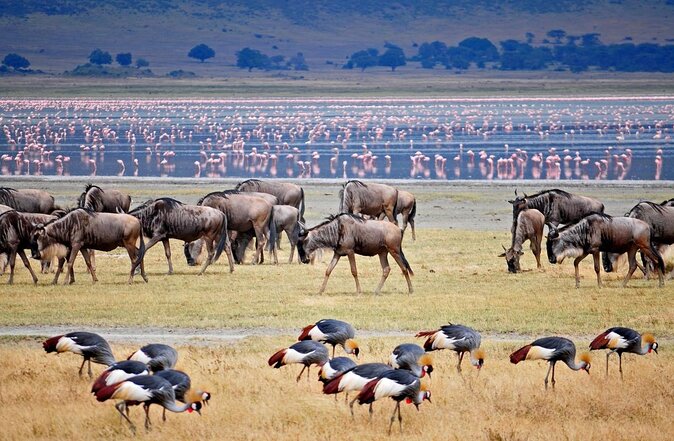
- Four major wildlife areas in six days: Tarangire, the Serengeti, Ngorongoro Crater and Lake Manyara give you a broad taste of northern Tanzania.
- Migration tracking is flexible: The guide follows current wildebeest locations, but no safari can promise a river crossing or a particular animal sighting.
- Two substantial Serengeti days: You have time for central Serengeti game drives and, during the right season, a possible move toward the northern sector.
- Camping keeps the price down: You sleep at Seronera and Simba campsites, with hotel accommodation in Arusha included.
- Meals are a real part of the package: Six lunches, five dinners, four breakfasts and unlimited mineral water are included.
- Small-group format, potentially up to 15 people: This suits social, budget-minded visitors more than anyone seeking a private safari vehicle.
Why this six-day route works
This trip is built around the classic northern Tanzania circuit. You are not spending the whole holiday in one park. Instead, each stop adds something different: elephants and baobabs in Tarangire, huge herds and predators in the Serengeti, concentrated wildlife in Ngorongoro, and lakeside scenery at Manyara.
That variety matters if this is your first safari. You get a chance to see how wildlife changes from one ecosystem to the next. You also avoid paying for luxury camps, which helps keep the cost at $1,650.
The tradeoff is time on the road. The route covers a lot of ground, and the journey between parks is part of the safari. Some days include long drives over rough park roads, followed by game viewing and an early breakfast the next morning. I would choose this plan for access and value, not for a slow, restful holiday.
The experience begins with pickup at about 7:30 a.m. or 8 a.m., depending on the final arrangements. Hotel pickup and drop-off are included, and the safari vehicle has Wi-Fi and mineral water. The maximum group size is listed as 15, so ask how many people are actually booked before you pay if personal space matters to you.
More Camping Safaris in Kilimanjaro
- 5 Days Camping Tarangire, Serengeti & Ngorongoro crater & Visiting Maasai
★ 5.0 · 58 reviews - 4 Days Group Joining Camping Safari to Tarangire Serengeti Ngorongoro Crater
★ 5.0 · 50 reviews - 4 days adventure camping safari
★ 5.0 · 44 reviews
Day 1: Elephants and baobabs in Tarangire
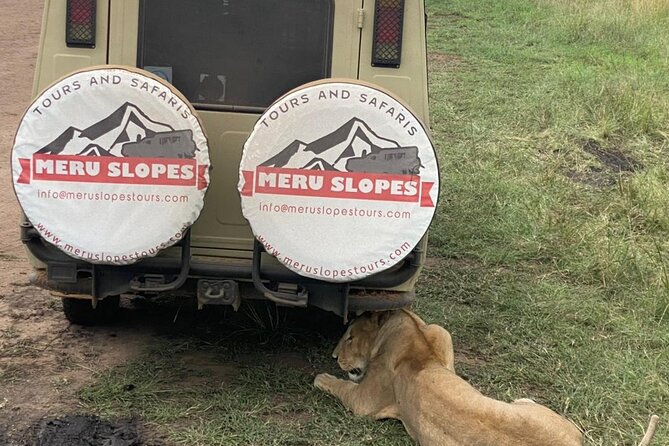
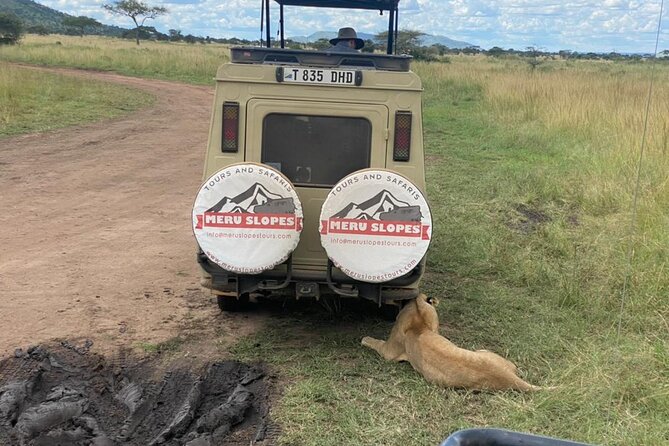
Your first full park day is Tarangire National Park, about 115 kilometers from Arusha. The park covers roughly 2,800 square kilometers and takes its name from the Tarangire River, a key water source for wildlife.
The main attraction is the elephant population. You may also look for lions, leopards, pythons that climb trees, and the park’s distinctive baobabs. A full-day game drive gives you time to scan the river area and other habitats instead of making a quick stop before dinner.
This is a good opening day because the park offers a clear introduction to safari viewing. Elephants are often easier to spot than smaller animals, and the baobab trees give the scenery an unmistakable Tanzanian character. Your guide’s skill matters here. Good drivers do not simply point out animals. They explain behavior, watch the road and position the vehicle without crowding the sighting.
The schedule calls for an evening drive to Jambo Lodge for dinner and an overnight stay. The long transfer from town means you should expect a full day rather than a gentle start. Pack your camera, water and sun protection where you can reach them, because your main luggage will be packed into the safari vehicle.
Day 2: Entering the Serengeti by the Rift Valley
After breakfast, you drive toward Serengeti National Park, with lunch served inside the vehicle. The route includes views of the Rift Valley and Ngorongoro Crater before you reach the Serengeti at about 3 p.m.
This is one of the more scenic transfer days, but it is still a transfer day. You will have an en-route game drive rather than a relaxed morning in a park. The reward comes later, with an evening drive in central Serengeti and sunset viewing before dinner at Seronera campsite.
The Serengeti is famous for its seemingly endless grass plains and the annual movement of roughly 1.5 million wildebeest, along with other grazing animals and predators. The migration is not a single event happening in one fixed place. It moves around the region during the year, which is why a flexible guide can make a difference.
Sleeping at Seronera campsite puts you inside the national park rather than outside it. That saves driving time on the following morning and gives the trip a stronger camping feel. You should also understand what that means: this is not a lodge-based safari, and the accommodation is simple.
Day 3: The main Serengeti game-drive day
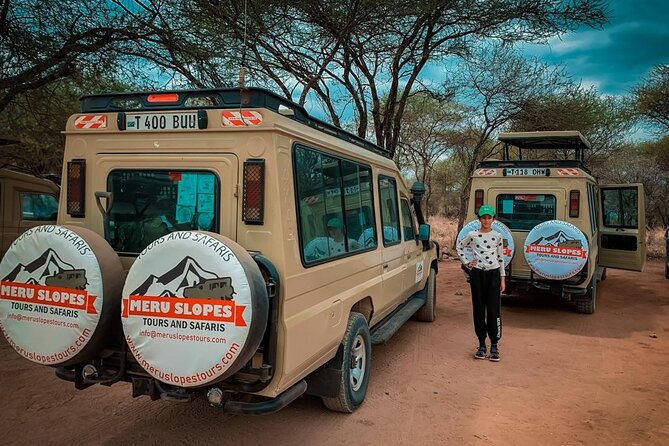
Day three is the heart of the trip. After breakfast, you spend a full day on game drives in the Serengeti, with the driver selecting areas based on animal movement and recent sightings.
The advertised focus is the wildebeest migration. From June through September, the best chance of seeing major migration activity is generally in the northern Serengeti, and during July through September there may be an opportunity to search for crossings near the Mara River. From January through March, the southern Serengeti is associated with wildebeest calving.
Those seasonal details are important. If your priority is the migration, choose your dates carefully and ask the operator where the route is expected to go at that time. Even in the strongest season, a river crossing is never guaranteed. Herds can pause, change direction or cross outside the time you are there.
I like that the itinerary allows a full day rather than offering only a few hours in the park. Wildlife viewing is partly about patience. You may spend time scanning a plain, then suddenly see a large herd, a predator or an unusual interaction. Guides including Robert, Douglas, Florian and Mohammed have been praised for knowing where to position the vehicle and for explaining what you are seeing.
A long day in the vehicle can be tiring. Bring a light layer for the morning, a hat and any personal snacks you need. The included lunch is useful, but the exact menu and timing may depend on the day’s route.
More Camping Safaris in Moshi:
- 5 days Tanzania Camping Safari
★ 5.0 · 29 reviews - 6 Days: Classic Camping( Tarangire, Manyara, Serengeti And Ngorongoro).
★ 5.0 · 26 reviews - Mt Kilimanjaro 360° Trek with Once-in-a-Lifetime Crater Camping
★ 5.0 · 8 reviews - 3 Days Camping Safari Tarangire, Lake Manyara and Ngorongoro Crater
★ 4.5 · 6 reviews
Day 4: Sunrise, another drive and Simba campsite
Day four begins early, around 5:45 a.m., with breakfast followed by a morning game drive until about 11:30 a.m. This is a smart time to be out. Sunrise gives you cooler conditions and a chance to see animals when they are active.
After the morning drive, you return to camp for a hot lunch and pack your luggage. You then continue with a game drive while heading toward Ngorongoro Crater, ending at Simba campsite for dinner and overnight.
This day combines wildlife viewing with a necessary relocation. You will not have another full day in central Serengeti, but you still get a morning drive and additional sightings on the way out. The pace is practical, though not leisurely.
Camping at Simba sets you up for an early descent into the crater. That matters because the next day starts around 5:30 a.m. If you value sleep above early wildlife viewing, this schedule may feel demanding. If you want to make the most of limited time, the early start is worthwhile.
Day 5: Ngorongoro Crater and Mto wa Mbu
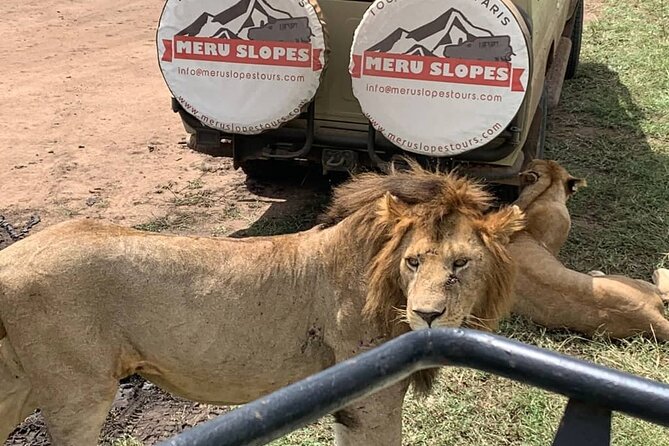
The Ngorongoro Crater is the trip’s most concentrated wildlife stop. You descend to the crater floor after breakfast and spend about six to seven hours on a game drive.
The crater is an immense inactive volcanic caldera, and its enclosed setting can hold large numbers of animals. The itinerary highlights the Big Five: elephants, lions, buffalo, leopards and black rhinos. Sightings are never certain, but the crater gives you a strong chance to see a broad mix of species in one day.
Birdlife is part of the picture too. You may see flamingos around the water, along with other birds while eating lunch inside the crater. Lunch with wildlife and open views nearby is one of those simple safari moments that makes a packed schedule feel worthwhile.
After the crater, you ascend, collect your luggage and continue toward Jambo Lodge. The day also includes a walking tour in Mto wa Mbu, a community known for its cultural program, banana plantations, local food and village activities.
This cultural stop adds balance. You are not only watching animals from a vehicle. You also get a look at daily life and community projects, with a chance to taste Tanzanian food and walk through the area. The schedule lists both the crater drive and the cultural visit on the same day, so expect a full afternoon and evening rather than an extended village stay.
Day 6: Lake Manyara and a Maasai cultural visit
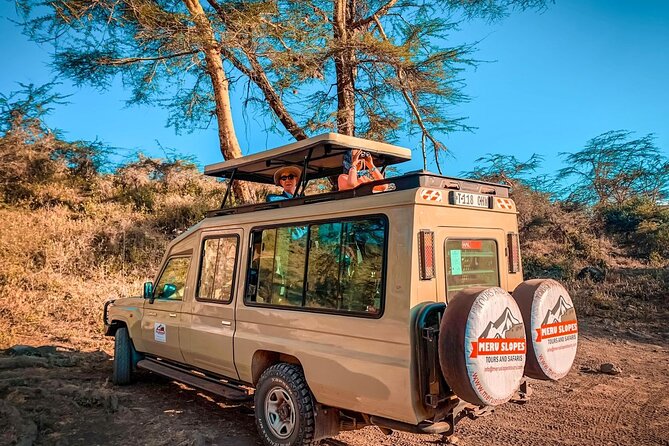
The final park day takes you to Lake Manyara for a full-day game drive. The park is known here for tree-climbing lions, flamingos drawn by algae in the lake and a hot spring.
Lake Manyara gives you a different feel from the broad Serengeti plains. The lake and surrounding habitats create good variety in a short visit, and the hot spring provides another natural feature to look for. Again, animal sightings depend on conditions and the guide’s search pattern.
The day also includes a visit to a Maasai boma, where you learn about local traditions and daily life. This is a useful cultural addition, but the itinerary does not specify how long the visit lasts or which activities are included. Ask for those details if the cultural side is especially important to you.
After Manyara and the Maasai visit, you drive back to town for dinner and overnight. The listed plan says the safari ends with a return to town, though confirm the exact drop-off point and whether your final night is included in your booking.
What the $1,650 price really buys
At $1,650 per person, this is a substantial purchase, but it covers the expensive parts of a northern Tanzania safari. You receive a professional driver-guide, hotel pickup and drop-off, taxes and fees, accommodation in Arusha, camping nights, meals, six lunches, five dinners, four breakfasts, mineral water, Wi-Fi in the safari vehicle and emergency rescue service.
Park admissions are listed without an extra charge in the daily schedule. Tips and a visa are not included, so keep those outside the headline price. You should also clarify any personal drinks, laundry, optional activities or extra hotel nights before departure, since they are not listed among the inclusions.
The biggest value is the park combination. A private safari covering these areas would usually cost more, while a budget group trip spreads vehicle and guiding costs across several people. The maximum group size of 15 is worth noting. That can make the price attractive, but a full vehicle means less room and more opinions about where to stop.
The food deserves attention. The cook teams associated with this operator, including Gadi, Gideon and Johannes, have been singled out for tasty meals, flexibility with dietary needs and a good mood around the camp. That matters more than it may sound. On long safari days, a dependable hot meal can make the difference between feeling cared for and simply getting through the schedule.
Guides, cooks and the group atmosphere
The guide is the person who shapes your safari. Names connected with this experience include Robert, Gadi, Florian, Douglas, Mohammed, Daniel and Andrew, though your actual team will depend on the departure.
The strongest pattern is practical guiding: getting you into a good position for sightings, explaining animals and driving with respect for the wildlife. You should still ask who your guide will be and how the company handles shared vehicles.
The group format can be a plus. You meet people from different places, share meals and split the cost of a route that would be expensive alone. A solo visitor may find this especially useful. Couples who want privacy, a custom pace or a particular photographic setup may prefer a private departure.
The listed maximum is 15 people, but the vehicle arrangement is not explained in the supplied details. Ask whether the group will share one vehicle, how seating is allocated and how luggage is handled. Those questions are small but important on days with up to ten hours of driving.
Camping, comfort and what to pack
This is budget camping, not a luxury tented camp. You should be ready for basic facilities, early starts and the sounds of being in a national park. The reward is a closer connection to the setting and a lower total cost.
Pack light. Keep your passport, medication, camera, sunscreen, insect repellent, a hat, a warm layer and a flashlight accessible. A soft bag is usually easier to manage in a safari vehicle than a hard case, though confirm the luggage limit before you arrive.
The safari vehicle has Wi-Fi, but reception can vary by location. Treat it as a helpful extra, not a promise of constant service. Unlimited mineral water is included, which reduces the need to carry large quantities each morning.
The experience is suitable for most people according to the supplied information, and it is near public transportation before pickup. Still, the combination of rough roads, long drives, camping and early breakfasts requires reasonable stamina.
Who should choose this safari
I would recommend this trip if you want the major northern Tanzania parks in one compact journey, care more about wildlife access than polished lodging and are comfortable sharing a vehicle.
It is a particularly good match for:
- First-time safari visitors who want a broad introduction to northern Tanzania.
- Solo visitors who want a lower-cost group departure.
- People focused on the Serengeti migration and willing to accept seasonal uncertainty.
- Couples or friends who value good food and an active itinerary over quiet luxury.
- Anyone who wants to add a small amount of cultural contact through Mto wa Mbu and the Maasai boma.
I would hesitate if you need a slow schedule, private vehicle, high-end accommodation or guaranteed migration crossings. The operator can follow the herds, but nature sets the timetable.
The cancellation terms are simple: you can receive a full refund if you cancel at least 24 hours before the start time. Changes or cancellations inside that window are not accepted for a refund. Confirm the start time, pickup location, accommodation nights and actual route before final payment.
Should you book it?
Book this six-day safari if your priority is seeing a lot of northern Tanzania for a controlled price. The combination of Tarangire, two Serengeti-focused days, Ngorongoro Crater, Lake Manyara and cultural visits gives you a strong first safari route.
Before booking, ask three questions: how many people are in your vehicle, where the guide expects to search for the migration during your dates, and what camping facilities are provided. If the answers suit you, $1,650 offers a solid budget route with capable guiding, included meals and plenty of time in the parks.
FAQ
How long is the safari?
The experience lasts approximately six days.
Where does the safari start?
Pickup is offered from your hotel, with the meeting time listed as about 7:30 a.m. The day one schedule also refers to an 8 a.m. pickup, so confirm the exact time with the operator.
Which parks and protected areas are included?
The route includes Tarangire National Park, Serengeti National Park, Ngorongoro Conservation Area and Lake Manyara National Park.
Does the safari include the Great Migration?
The safari is designed to follow the wildebeest migration when possible. The best chance of major migration activity is listed as June through September, with calving from January through March and possible Mara River crossings in the northern Serengeti from July through September. Sightings are not guaranteed.
Is Ngorongoro Crater included?
Yes. Day five includes a six to seven hour game drive on the crater floor, with possible sightings of the Big Five, black rhino and flamingos.
What meals are included?
The package includes four breakfasts, five dinners and six lunches. Unlimited mineral water is also included.
Is accommodation included?
Yes. Hotel accommodation in Arusha town and camping accommodation during the safari are included. The itinerary names Jambo Lodge, Seronera campsite and Simba campsite.
What is not included in the price?
Tips and a visa are not included. The listed price is $1,650 per person.
More 6-Day Experiences in Moshi
- Kilimanjaro climb, Lemosho Route (6-day)
★ 5.0 · 129 reviews - Kilimanjaro climb, Marangu route (6-day)
★ 5.0 · 72 reviews - 6 Days 5 Night Safari
★ 5.0 · 57 reviews - The Best of Machame Route in 6 Days: Your World’s Summit Guide
★ 5.0 · 44 reviews
More Safari in Moshi
- Safari Serengeti And Ngorongoro
★ 5.0 · 288 reviews - Big Five Safari In Tanzania
★ 5.0 · 99 reviews - Unforgettable Tanzania Safari And Zanzibar Beach
★ 5.0 · 97 reviews - 8-Day Essence of Tanzania Safari – Luxury
★ 5.0 · 72 reviews
Just added around Moshi
- Mt Kilimanjaro 6 days Marangu route hike★ 5.0 · 3 reviews
- Wildlife Extravaganza: Manyara, Tarangire & Ngorongoro in 3 Days★ 5.0 · 3 reviews
- Private Cycle to Kilimanjaro Bike Park Safari★ 5.0 · 6 reviews
- machame route★ 5.0 · 16 reviews
- 3 Days Private E-Bike Tour in West Kilimanjaro★ 5.0 · 3 reviews
- West Kilimanjaro cycling Adventures★ 4.5 · 8 reviews
- Kilimanjaro Climb & Safari – Lemosho Route – 13 Day★ 5.0 · 10 reviews
- Kilimanjaro Climbing Umbwe Route★ 5.0 · 3 reviews
Camping Safaris, compared.



3 Days Serengeti & Ngorongoro Group Camping Safari
Read our review →
5 Days Camping Tarangire, Serengeti & Ngorongoro crater & Visiting Maasai
Read our review →
2 Days Tarangire and Ngorongoro Group Camping Safari
Read our review →

3 Days Tarangire, Ngorongoro & Lake Manyara Group Camping Safari
Read our review →
5-Day private Camping Safari Tour in Tanzania
Read our review →Browse the lists this tour appears in