
Reviewed · SERENGETI SAFARIS
6 Days: Classic Camping( Tarangire, Manyara, Serengeti And Ngorongoro).
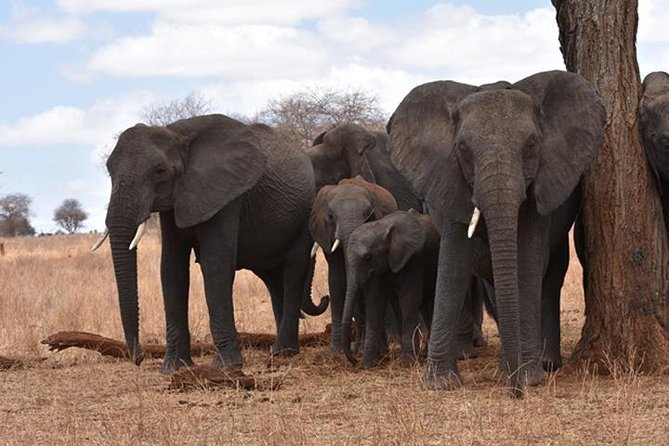
Tarangire gives you a fine first taste of Tanzania: towering baobabs, open plains, and large elephant herds close to the road. From there, the route moves to Lake Manyara’s forest and birdlife, then gives you two useful days in the Serengeti before the final game drive in Ngorongoro Crater. I like that this trip covers four major parks without padding the schedule with city stops, and that meals, transport, park fees, and a cook are built into the price.
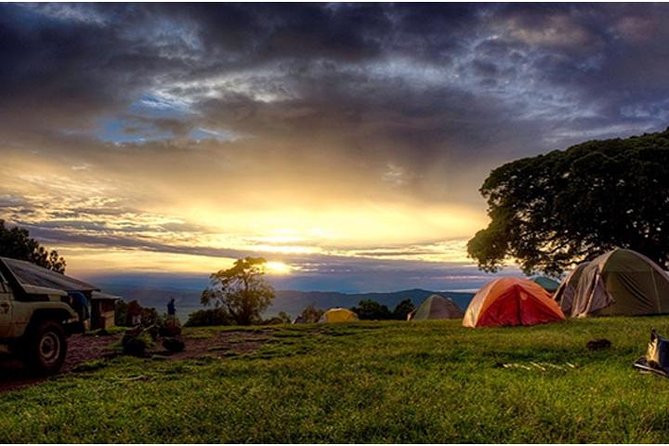
The trade-off is comfort. You will spend long hours on dusty, bumpy roads, sleep in tents, and may find cold-water showers. The days run for eight to ten hours, and the final crater drive begins around 6 a.m., so this suits you if wildlife matters more than polished lodge living.
Six useful details before you book
- Four major wildlife areas in six days: Tarangire, Lake Manyara, Serengeti, and Ngorongoro each offer a different setting and viewing style.
- Serengeti gets two full days: This gives you more time to search for lions, cheetahs, leopards, elephants, giraffes, buffalo, and migrating herds.
- The group is capped at six: A small vehicle group can make it easier to share sightings and ask questions.
- Camping keeps the price in check: At $1,538.47 per person, the package includes transport, game drives, park charges, and 17 meals.
- The roads are part of the adventure: Bring a mask for dust, cover your hair, and pack binoculars and a camera.
- Guides and cooks shape the trip: Names associated with past departures include Hozza, Julius, Dickson, Festo, Reuben, Isaac, Nathan, and Kevin.
Why this route works so well
This is a classic northern Tanzania circuit, and the order makes sense. You begin with Tarangire, where elephants and baobabs provide an immediate safari welcome. Lake Manyara then changes the mood with forest, hot springs, open grassland, and a lake shore. The Serengeti receives the most time, as it should, and Ngorongoro finishes the trip with concentrated wildlife viewing inside a crater.
I like this mix because it avoids relying on one park to carry the whole experience. Tarangire is not the Serengeti, and Manyara is not Ngorongoro. Each has its own character, so the six days feel varied even when the basic activity remains the same: riding out for game viewing.
The price also needs to be read as a package rather than a simple transport fare. You receive private transportation, game drives, all listed park fees and taxes, six lunches, five breakfasts, and six dinners. Tips are not included. Accommodation is described as camping, but the supplied details do not specify tent size, bedding, bathroom arrangements, or campsite facilities, so ask those questions before paying.
More Camping Safaris in Kilimanjaro
- 5 Days Camping Tarangire, Serengeti & Ngorongoro crater & Visiting Maasai
★ 5.0 · 58 reviews - 4 Days Group Joining Camping Safari to Tarangire Serengeti Ngorongoro Crater
★ 5.0 · 50 reviews - 4 days adventure camping safari
★ 5.0 · 44 reviews
Day 1: Tarangire and the baobab country
The first day begins with hotel pickup, a safari briefing, and the road to Tarangire National Park. The listed schedule is about ten hours, with arrival in time for lunch followed by an afternoon game drive.
Tarangire is a strong opening act. Its most famous feature is its elephant population, and the setting is memorable even before you spot an animal. Baobabs rise above the dry country, giving the park a shape and feel unlike the forest of Manyara or the broad grass of the Serengeti.
The timing gives you two useful parts to the day. The drive into the park can produce early sightings, then the afternoon outing lets you settle into the rhythm of watching, waiting, and listening to your guide. A good guide does more than point at an animal. The best ones explain tracks, behavior, plants, and the reason a herd is standing in one place.
You should expect a long day from the start. Ten hours in a safari vehicle can feel tiring, especially after an international flight or an early hotel pickup. Still, Tarangire is a worthwhile first stop because elephants and distinctive scenery can make the opening hours feel rewarding even if the itinerary later becomes more demanding.
Day 2: Lake Manyara’s forest, lake, and birdlife
After breakfast, you continue to Lake Manyara National Park for a day of about nine hours. The park is smaller than the Serengeti, but the route packs several types of scenery into a compact area: groundwater forest, open grassland, steep mountain slopes, hot springs, and the soda lake itself.
Lake Manyara is particularly useful for anyone interested in birds. More than 450 species are recorded here, so you will want binoculars rather than relying only on a phone camera. The lake shore and open areas can offer a change of pace from watching large mammals, while the forest gives the drive a cooler, more enclosed feel.
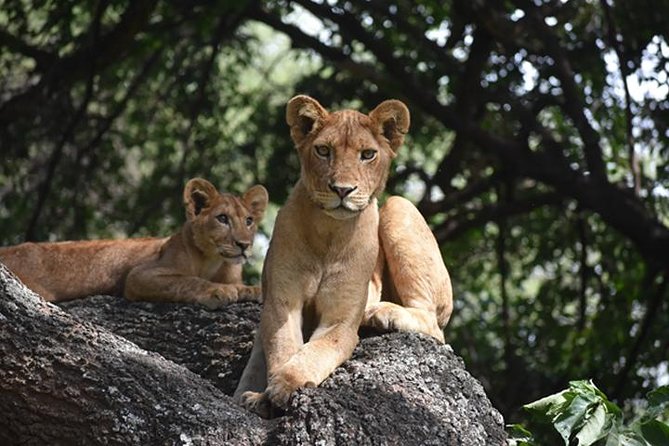
The park is also linked with tree-climbing lions. That does not mean a sighting is guaranteed, and the itinerary correctly presents them as elusive. If you do see lions resting in branches, it can be one of the most unusual moments of the circuit. If you do not, Manyara still earns its place through its varied scenery and birdlife.
Lunch is a picnic in the park. That is practical, since it lets you remain near the viewing areas instead of losing time returning to a town. It also means you should pack sun protection and accept that lunch takes place in a simple outdoor setting, not a restaurant.
Day 3: Crossing toward the Serengeti
Day three takes you through the Ngorongoro area toward Serengeti National Park. You will have breakfast, game viewing along the route, and a day of roughly ten hours.
This is a travel-heavy day, but it is not merely a transfer. The changing scenery is part of the northern circuit, and a guide can turn the road into another chance to spot wildlife. The Serengeti is enormous, covering about 5,600 square miles, so reaching it takes time. That size is also why two days here matter.
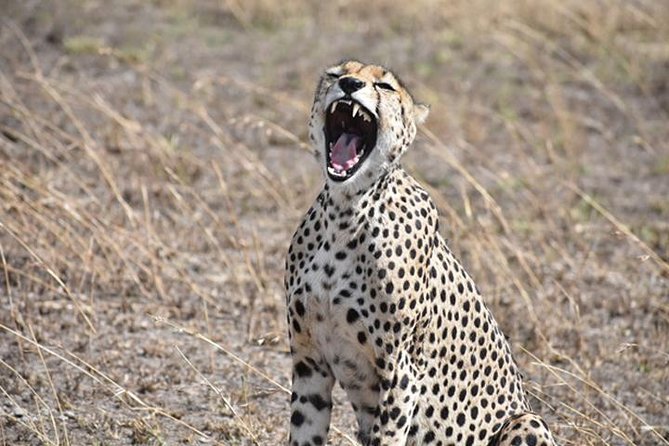
The name Serengeti is commonly translated as endless plains, and the description fits the sense of space. You may see wildebeest, zebra, and gazelle moving across open ground, with giraffes, elephants, and buffalo also possible. Predators include lions, leopards, cheetahs, hyenas, and jackals.
The annual migration is often described as a fixed event from May to December, but wildlife movement does not follow a simple calendar. The supplied route highlights the migration between the Serengeti and Kenya’s Maasai Mara, yet you should not book this trip on the promise of standing beside a particular river crossing. The Serengeti can offer excellent viewing outside peak migration periods too, but exact sightings depend on season, location, weather, and luck.
More Lake Manyara Safaris in Kilimanjaro
- 3-Day Ngorongoro Crater Manyara and Tarangire Safari from Arusha
★ 5.0 · 49 reviews - 7 Days Safari. Serengeti, Tarangire, Lake Manyara & Ngorongoro Crater.
★ 5.0 · 34 reviews - Safari in Tanzania 5 days: Manyara, Ngorongoro, Serengeti
★ 5.0 · 29 reviews - 5-Day Lake Manyara, Serengeti, Ngorongoro Crater and Tarangire
★ 5.0 · 28 reviews
Day 4: A full Serengeti game drive
Day four is the itinerary’s main wildlife day. After breakfast, you take a full-day game drive with a packed lunch, continuing until late afternoon or evening before returning to camp for dinner and sleep.
I like this use of time. The Serengeti is too large for a quick look, and a full day gives your guide more room to search rather than rushing from one famous sight to another. You may spend time watching a pride of lions, scanning for a leopard, or following a herd of zebra and wildebeest. Some moments will be dramatic. Others may involve sitting quietly while nothing happens. That patience is part of a real safari.
A walking safari in the heart of the Serengeti is listed as an option. Confirm the cost, location, guide arrangements, and operating conditions before you count on it, since the available information does not explain how the option works.
This is also the day when the road conditions matter most. Dust and bumps are not minor details on a full-day drive. A mask can help, and one past account specifically advises protecting your hair. Good binoculars make distant sightings much more satisfying, while a camera with a useful zoom is more practical than relying on a phone.
Day 5: More Serengeti, then the Ngorongoro Conservation Area
Day five begins with breakfast and more Serengeti game viewing, followed by a picnic lunch. The schedule then takes you toward the Ngorongoro Conservation Area for dinner and the night.
The wording of the schedule allows for several hours of game viewing before the move, and that is valuable. If day four gives you a long search in one part of the park, day five can provide a different route and a fresh chance at animals you missed. Your guide’s ability to read the radio reports and decide where to go can make a real difference, although sightings may also depend on how many other vehicles are in the area.
A Maasai village visit is listed as a value-added stop. Ask whether it is included in your exact departure and what the fee is, since no separate details are supplied. Treat it as a cultural visit, not simply another wildlife stop, and allow time to listen and engage respectfully.
You will probably feel the accumulated fatigue by this point. The combination of early starts, long drives, tent camping, and changing temperatures can catch up with you. The reward is that the route saves the crater for the final morning, when you can make the most of its concentrated wildlife.
Day 6: The Ngorongoro Crater floor
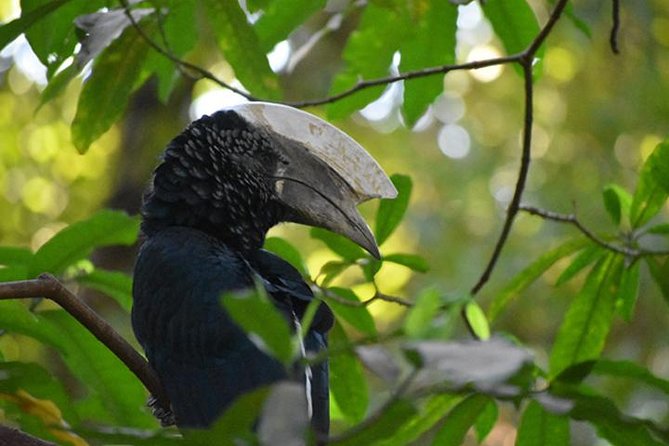
The last day starts early. Breakfast is scheduled around 5:50 a.m., followed by a descent into Ngorongoro Crater at about 6 a.m. for six to seven hours of game viewing, including a picnic lunch, before the afternoon drive back to town.
Ngorongoro offers a different kind of safari from the Serengeti. Instead of searching across a huge open area, you descend into a natural enclosed setting where water and grazing areas support a permanent animal population throughout the year. That makes the crater a strong final stop, especially for you if reliable wildlife viewing matters.
The early start is worth taking seriously. You need to be ready before sunrise, and the crater drive can be tiring after five days on the road. It is also one of the trip’s most valuable stretches because the long morning gives you time to watch animals without treating the crater as a quick photo stop.
The listed return point is Arusha Chini, with an afternoon drive back to town. The exact final drop-off is not specified, so confirm it if you have a flight, hotel transfer, or another activity booked that evening.
Camping, food, and the daily rhythm
Camping is central to this experience, but the package details do not explain the standard of the camps. You should ask whether tents, mattresses, sleeping bags, chairs, tables, and shower arrangements are supplied. One account specifically warns you to prepare for cold-water showers, so do not assume lodge-style bathrooms.
Meals are included: six lunches, five breakfasts, and six dinners. A camp cook is part of the operating team, and past departures have identified cooks such as Isaac, Dickson, Nathan, and Kevin. Food quality can matter more than you might expect when you are spending long days outdoors, so the inclusion of a cook is a practical advantage.
Bring clothing for changing conditions. Advice from the trip experience points to checking the weather before departure and packing suitable layers. The provided information does not give a season-by-season packing list, but you should plan for dust, sun, cool early mornings, and the possibility of cold showers.
Guides, vehicles, and group size
A safari guide is your main interpreter of the parks. Past departures have used guides named Hozza, Julius, Festo, and Reuben, and the strongest praise centers on their wildlife spotting, patience, communication, and explanations of nature. That is exactly what you need in a vehicle, where a sharp eye and good judgment often matter more than a polished speech.
The package lists private transportation and a maximum of six participants. That is a useful size for a safari because everyone has a better chance of seeing through the vehicle and discussing where to stop. Confirm how private transportation applies to your booking, since the wording combines private transport with a stated group limit.
The vehicle itself is not described in the supplied details. Ask about window arrangements, roof opening, charging points, luggage space, and whether the trip is operated as a private departure or a small shared group. Those questions will tell you more about comfort than the word camping alone.
What $1,538.47 gets you
At $1,538.47 per person, this is not a low-cost day tour. It covers six days, four parks, transport, game drives, park fees and taxes, and 17 included meals. For a northern Tanzania safari, those inclusions give the price real weight, especially since park charges and vehicle time are a large part of the cost.
The value is strongest if you want a ready-made route and do not want to arrange each park, meal, transfer, and guide separately. It is also stronger for you if seeing the Serengeti and Ngorongoro is a priority, since the schedule gives the Serengeti two substantial days and the crater a long final morning.
The price is less attractive if you want private lodges, short transfers, or a slow pace. This is a camping safari with long road days. Tips are extra, and the optional walking safari and possible Maasai village visit may need separate confirmation.
Who should book this safari
I would choose this trip if you want the classic northern Tanzania route in one compact package. It suits first-time safari visitors who want elephants, big cats, birdlife, the Serengeti, and Ngorongoro without building a route from scratch.
It also fits active adults with a moderate level of fitness. The operator asks for that level, and the schedule explains why: eight to ten hours on several days, dusty roads, early starts, and a six to seven-hour crater drive.
I would think twice if you need predictable comfort, private bathrooms, or a relaxed holiday pace. Families or older participants may still manage it, but everyone should be comfortable with tent camping, vehicle bumps, and early mornings. The small group limit helps, though it does not remove the physical demands.
Practical booking questions
Pickup is offered, and the meeting information lists Kilimanjaro Airport in Tanzania with a start time of 12:00 a.m. That midnight notation is unusual, so confirm the actual pickup time and location directly before arrival.
Confirmation is provided at booking. Public transportation is nearby, but the package includes private transport, so you may not need it. Free cancellation is available up to 24 hours before the start time for a full refund. Changes made inside that window are not accepted, and poor weather may lead to a new date or a full refund.
Should you book the six-day camping route?
Book it if your priority is wildlife variety and a strong park-to-park route, not luxury. Tarangire’s elephants, Manyara’s unusual forest setting, two Serengeti game days, and Ngorongoro’s dependable wildlife make this a well-shaped safari for the price.
Before booking, confirm the tent setup, shower facilities, final drop-off, exact pickup time, and whether the walking safari or Maasai village visit costs extra. If you can handle dust, bumps, cold water, and early starts, this is a practical way to see Tanzania’s best-known northern parks in six days.
FAQ
How long is the safari?
The experience lasts approximately six days, with daily activities listed at about eight to ten hours.
Which national parks are included?
The route includes Tarangire National Park, Lake Manyara National Park, Serengeti National Park, and Ngorongoro Crater within the Ngorongoro Conservation Area.
Is pickup included?
Pickup is offered. The meeting information lists Kilimanjaro Airport in Tanzania, with a stated start time of 12:00 a.m. Confirm the exact arrangements before arrival.
How many people can join the tour?
The maximum group size is listed as six participants.
Is transportation included?
Yes. Private transportation is included in the package.
Are park fees included?
All fees and taxes are included, and admission tickets are listed as included for Tarangire, Lake Manyara, and Ngorongoro.
Which meals are included?
The package includes six lunches, five breakfasts, and six dinners.
Is camping included?
The experience is described as a classic camping safari. The supplied information does not specify tent equipment, bedding, or shower facilities, so ask the operator for those details.
Is a walking safari in the Serengeti included?
A walking safari is listed as an option on day four. The available information does not state its price or exact arrangements, so confirm before booking.
Can I cancel for a full refund?
You can cancel up to 24 hours before the experience starts for a full refund. Cancellations or changes made less than 24 hours before the start time are not accepted for a refund, and poor weather may result in a different date or full refund.
More Serengeti Safaris in Kilimanjaro
- Tanzania Safari – The Great Migration in the North of the Serengeti and Lake Natron
★ 5.0 · 25 reviews - 4 Day Mid-range Serengeti Safari
★ 5.0 · 22 reviews - 4 Days Game drives Safari Tarangire, Serengeti and Ngorongoro Crater
★ 5.0 · 14 reviews - 5 Days Safari In Serengeti And Ngorongoro
★ 5.0 · 10 reviews
More Ngorongoro Crater Tours in Kilimanjaro
- Safari Serengeti And Ngorongoro
★ 5.0 · 288 reviews - 4 Day Private Tour Throughout Tarangire, Serengeti and Ngorongoro
★ 5.0 · 42 reviews - 4 Days, 3 Nights Group budget Safari, Lake Manyara, Serengeti, Ngorongoro
★ 5.0 · 18 reviews - 4-Day Tarangire Serengeti, Ngorongoro & Maasai Guided group tour
★ 5.0 · 16 reviews
Just added around Moshi
- Mt Kilimanjaro 6 days Marangu route hike★ 5.0 · 3 reviews
- Wildlife Extravaganza: Manyara, Tarangire & Ngorongoro in 3 Days★ 5.0 · 3 reviews
- Private Cycle to Kilimanjaro Bike Park Safari★ 5.0 · 6 reviews
- 3 Days Private E-Bike Tour in West Kilimanjaro★ 5.0 · 3 reviews
- West Kilimanjaro cycling Adventures★ 4.5 · 8 reviews
- machame route★ 5.0 · 16 reviews
- Kilimanjaro Climbing Umbwe Route★ 5.0 · 3 reviews
- Kilimanjaro Climb & Safari – Lemosho Route – 13 Day★ 5.0 · 10 reviews
Serengeti Safaris, compared.

Serengeti Balloon Safari and authentic bush breakfast
Read our review →
3 Days Serengeti & Ngorongoro Group Camping Safari
Read our review →
5-Day Highlights mid-Range Crater, Serengeti, Tarangire
Read our review →


Private 6-Day Tarangire Manyara Crater and Serengeti with Mid-Range Lodges
Read our review →
5 Days Camping Tarangire, Serengeti & Ngorongoro crater & Visiting Maasai
Read our review →
4 Days Join Group tour Tarangire Serengeti and Ngorongoro crater
Read our review →Browse the lists this tour appears in