
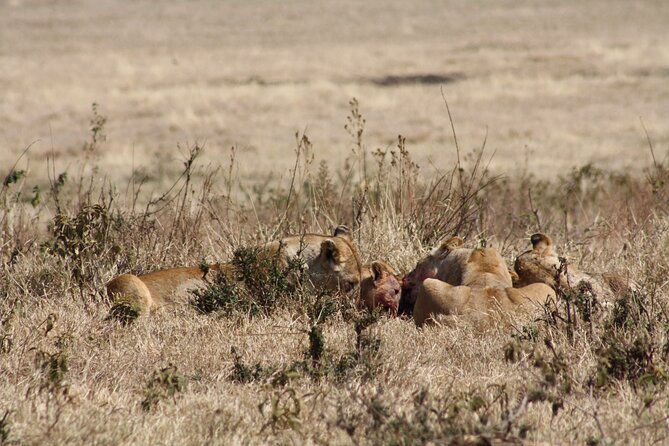
Reviewed · CAMPING SAFARIS
5-Day private Camping Safari Tour in Tanzania
Tarangire’s elephant herds and baobab trees make a strong opening to this five-day Tanzania safari, followed by two full days in the Serengeti and a final wildlife drive inside Ngorongoro Crater. You cover three of East Africa’s biggest names without changing hotels every night, and the private 4×4 gives your group room to set the pace.
I like the excellent park mix and the fact that four breakfasts, five lunches, and four dinners are included. I also like the praise for the guides and cooks, especially names such as Rocky, Mandela, Gordon, and Freddy. The main thing to check before paying is the route: the general description mentions Lake Manyara, but the detailed five-day plan lists Tarangire, Serengeti, and Ngorongoro instead.
Key points to know
- Tarangire opens the trip: Expect baobabs, elephants, giraffe, zebra, wildebeest, buffalo, and a chance at lion or leopard.
- Two nights in Seronera: The central Serengeti gets the most time, with one en-route drive and one full game-drive day.
- Ngorongoro is the finale: You descend more than 600 meters into the crater, where water and grass support animals all year.
- Camping keeps the price in check: At $2,300 per person, the package includes meals and private transport, but it is not a lodge-based safari.
- The guide matters: Rocky, Mandela, Gordon, Baraka, Fredy, and Golden are names associated with this safari operation.
- Plan for long road days: Several days involve about six to eight hours of driving and game viewing, so this suits you if you enjoy an active schedule.
Three famous parks in five days
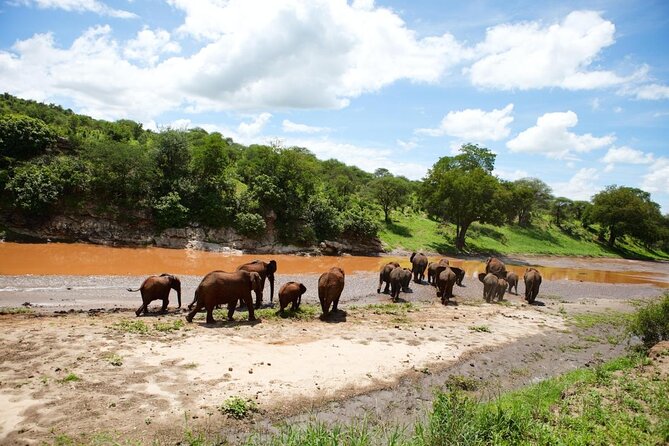
This safari is built around a sensible northern Tanzania circuit. You start near Arusha, head to Tarangire, continue through the Ngorongoro Conservation Area toward the Serengeti, spend two nights around Seronera, then return to Ngorongoro for the crater drive.
That order gives you variety. Tarangire feels dry and open, with giant baobabs and large elephant groups. The Serengeti gives you wide plains and the greatest amount of safari time. Ngorongoro packs a remarkable number of animals into one enclosed volcanic crater.
At $2,300 per person, the value depends on what is included in the private arrangement. You receive a private 4×4, a private guide, five lunches, four breakfasts, and four dinners. Park admission is listed as included, and the tour returns to the starting point. You still need to account for the airport or departure tax, which is excluded.
Five days is enough for a strong first safari, but it is not leisurely. You will spend long stretches in the vehicle, often leaving early and returning late. That tradeoff buys you three major wildlife areas in a compact trip.
More Camping Safaris in Arusha:
- 4 Days Group Camping Safari
★ 5.0 · 1,101 reviews - 5 Days Group Camping Safari
★ 5.0 · 730 reviews - 3 Days Serengeti & Ngorongoro Group Camping Safari
★ 5.0 · 574 reviews
Day 1: Tarangire’s elephants and baobabs
Pickup is scheduled after breakfast, between 8:30 and 9:00 a.m., from AIM Mall in Mbauda, Arusha. From there, your private guide takes you in a private 4×4 toward Tarangire National Park.
The day includes about six hours at the park. You arrive for lunch, then set out on an afternoon game drive. That timing is useful because you begin with a gentler first day rather than an exhausting pre-dawn departure.
Tarangire is known for its high elephant population and baobab trees. These trees give the park a strong sense of place, and the dry-season months from June through November can bring large herds of zebra, wildebeest, and Cape buffalo.
You might also see waterbuck, giraffe, dik-dik, impala, eland, Grant’s gazelle, vervet monkeys, banded mongoose, or olive baboons. Predators include lion, leopard, cheetah, caracal, honey badger, and African wild dog, though no safari can promise a particular sighting.
The main benefit of Tarangire is its variety. It is not simply an elephant stop. The mix of woodland, open ground, wildlife, and baobabs gives you plenty to watch while you learn how game drives work.
Day 2: Crossing Ngorongoro toward the Serengeti
After an early breakfast, you drive toward Serengeti National Park with a picnic lunch. The route passes through the Ngorongoro Conservation Area, and the schedule allows for game viewing along the way.
This is a long transfer day, listed at about six hours. You should think of it as a moving safari rather than a simple drive from one camp to another. The scenery and wildlife change as you head toward the Serengeti, but the road time can feel tiring.
Your overnight stop is Seronera Campsite in the central Serengeti. That location matters because it puts you near a major area for the next two days of game drives. Instead of using the second day to relocate, you can spend it searching for animals.
The included picnic lunch keeps the day moving. You should not expect a long restaurant-style break in the middle of the route. That is typical of a safari schedule, where daylight is valuable and the best sightings can happen at any hour.
Day 3: A full day in the central Serengeti
Day three is the most concentrated wildlife day. After breakfast, you leave camp for a full-day game drive with a picnic lunch, take a short lunch break, and continue until late afternoon or evening before returning to Seronera Campsite.
The listed duration is about six hours, though the wording suggests a full day out in the vehicle. Confirm the exact departure and return times before setting out, since safari days can stretch when animals are active or a particularly good sighting develops.
Central Serengeti is the part of the trip where a good guide can make a major difference. Guides named in connection with this operation include Rocky, Mandela, Gordon, Baraka, Fredy, and Golden. If you have a preference, ask at booking, but do not assume a particular guide is guaranteed.
The strongest feedback about the guiding centers on animal spotting, explanations, and radio communication with other vehicles. That means you can expect more than a drive past animals. A good guide may explain behavior, identify birds, and help you understand why the vehicle stops in one place rather than another.
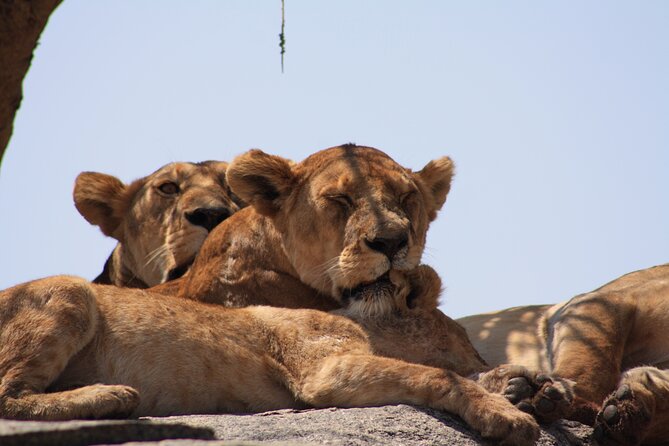
The day can bring zebra, wildebeest, buffalo, giraffe, antelope, hippo, lion, hyena, cheetah, or leopard. Sightings are never fixed, and the open plains require patience. Bring your camera, but also keep watching when no animal is immediately visible. The changing light, birdlife, and distant herds are part of the experience.
A few more Arusha trips to weigh up
- Balloon Safari & Bush Breakfast in Serengeti – Miracle Experience
★ 5.0 · 1,646 reviews - 7-Day Premium Luxury Tanzania Safari All-Inclusive
★ 5.0 · 426 reviews - 3-Day Classic Serengeti Safari
★ 5.0 · 263 reviews - 8 Days Great Wildebeest Calving Migration Safari from Arusha
★ 5.0 · 254 reviews
Day 4: One last Serengeti drive, then Ngorongoro
The fourth day begins with coffee, tea, and biscuits, followed by an early game drive from about 8:00 a.m. to 2:30 p.m. Lunch boxes are provided for the road.
This is a smart use of your last Serengeti morning. You have another chance to find wildlife before leaving the park, and the route toward the Ngorongoro Conservation Area includes more game viewing.
The day is listed at about seven hours. That makes it one of the more demanding portions of the trip. You will be combining a final Serengeti drive with a transfer, so the vehicle becomes your base for most of the day.
Dinner and overnight accommodation are provided in the Ngorongoro Conservation Area. The exact camping setup is not detailed, so ask what type of tent, bedding, washing facilities, and campsite services are included. This is especially important if you are comparing the trip with a lodge safari.
Camping is a big part of the value here. It usually costs less than sleeping in lodges and keeps you closer to the rhythm of the parks, but it also requires a more flexible attitude toward comfort. The package includes the food, and feedback about the cooks is especially strong, with hot meals and varied dishes receiving repeated praise. Still, ask for the exact camping standard before you book.
Day 5: Descending into Ngorongoro Crater
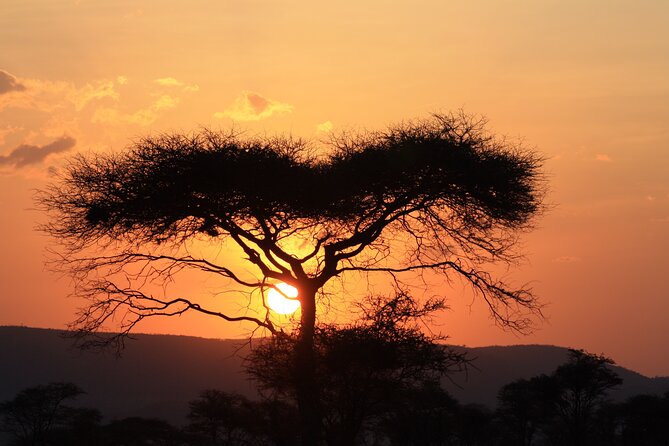
After an early breakfast and coffee, you descend more than 600 meters into Ngorongoro Crater for the final wildlife drive. The day is listed at about eight hours, so this is not a quick sightseeing stop.
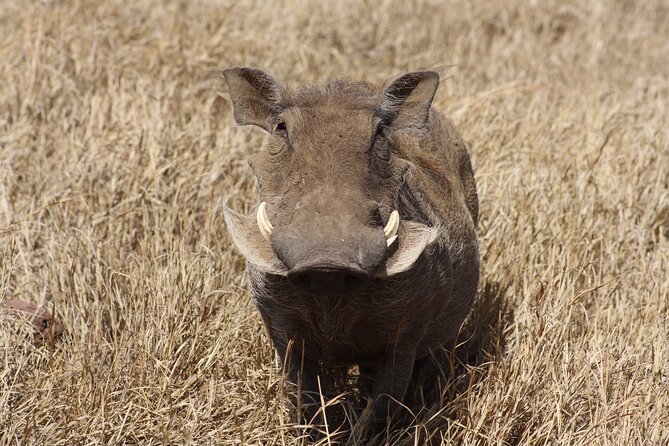
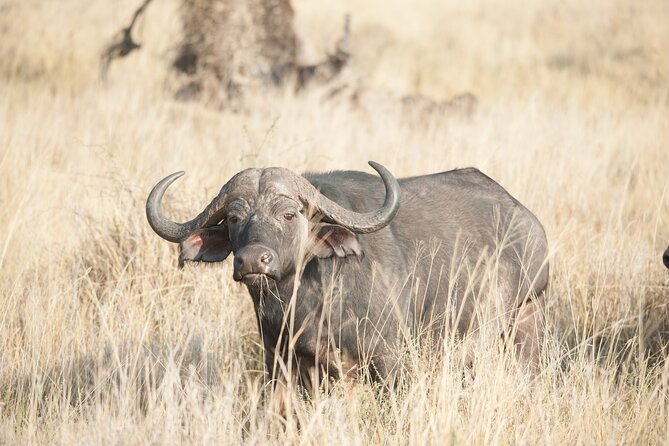
The crater has a year-round water supply and grazing areas, which support large numbers of animals. You might see wildebeest, zebra, buffalo, eland, warthog, hippo, or giant African elephants.
The crater is also known for predators. Lion, hyena, jackal, cheetah, and leopard are present, though the leopard can require careful looking and good timing. The trip includes a visit to Lake Magadi, a large, shallow alkaline lake in the southwestern part of the crater.
Ngorongoro works well as the final day because it brings the safari into a compact setting. After the broad Serengeti plains, the crater gives you a concentrated wildlife experience. You may spend less time wondering where to look and more time watching interactions among animals.
The drawback is the timing. After several early mornings and long drives, an eight-hour crater day can leave you worn out. I would treat this as the grand finale, not as a restful departure day. If you have a flight or another fixed appointment, allow plenty of buffer after the safari ends.
What the private 4×4 changes
The tour is described as private, meaning only your group participates. That gives you more control than a large shared vehicle. You can ask questions freely, spend longer at a sighting, and discuss the pace with your guide.
Private does not mean private access to the parks. Other safari vehicles will be present, especially around well-known animal sightings. The advantage is that your own vehicle and guide are dedicated to your group.
The vehicle time is substantial. Day one and day two are listed at about six hours, day four at seven hours, and day five at eight hours. Some of that is game viewing, but some is road travel. If you dislike long drives, three parks in five days may feel too ambitious.
I would book this format for people who value wildlife time over polished accommodation. Families, couples, and small groups can all fit the private format, and most people can participate according to the supplied information. The safari is less suited to anyone seeking a slow, lodge-centered holiday with late mornings.
Meals, camping, and comfort
Meals included are four dinners, five lunches, and four breakfasts. That covers the nights and full days described in the schedule, while picnic lunches help you stay out on game drives.
The food appears to be one of the operation’s strongest features. Cooks such as Salim and James are specifically associated with praise for fresh ingredients, varied dishes, hot lunches, and generous camp meals. You should still confirm menus or dietary arrangements directly if you have allergies or strict food needs, since those details are not provided here.
The word camping covers a range of comfort levels. This experience includes an overnight at Seronera Campsite and camping in the Ngorongoro area, but the exact tent style is not stated. Ask whether the package uses private or shared tents, what bedding is supplied, and what bathroom facilities are available.
That question matters because one piece of feedback describes a shared tent safari, while the current tour description calls the activity private. The group may be private while the tent arrangement follows a different camping plan. Get this point in writing before booking.
The Lake Manyara question
Lake Manyara appears in the general tour description, but it does not appear in the detailed five-day schedule. The day-by-day plan begins with Tarangire, then lists two days in Serengeti, one transfer toward Ngorongoro, and a crater day.
That is not a minor detail. Lake Manyara is a different park, and adding it could change the driving times and the number of hours available in Tarangire or Ngorongoro.
If Lake Manyara is important to you, ask the operator to confirm the exact park sequence before you pay. Some five-day versions may be adjusted, but you should not assume the general description overrides the detailed itinerary.
Is $2,300 a fair price?
The price is strong if you want a private safari with park admissions, transport, a guide, camping, and meals bundled together. It is less obviously strong if you expected high-end lodges or airport transfers, since those are not clearly included.
The private vehicle is the key value. A shared safari can lower the price, but you give up some control over stops and pacing. Here, your group has the vehicle and guide to itself, while the included meals reduce the need to arrange food along the route.
Airport or departure tax is not included. The meeting point is AIM Mall in Mbauda, Arusha, and the tour returns there. Airport pickup is not listed as part of this specific package, even though some arrangements connected with the company have included airport transfers and hotel stays. Confirm your own arrival and departure transport separately.
The activity has a mobile ticket, and confirmation is received when you book. Free cancellation is available up to 24 hours before the start time. Changes or cancellations inside that window are not accepted for a refund.
Guides can shape the whole trip
A safari guide is not just a driver. Your guide controls the pace, explains the animals, watches the road, and uses communication with other vehicles to help locate sightings.
The strongest praise attached to this operation centers on guides such as Rocky, Mandela, Gordon, Freddy, Golden, and Baraka. Rocky is associated with strong animal spotting and clear explanations. Mandela is described as warm, engaged, and able to answer a wide range of questions. Freddy is linked with wildlife study and radio coordination.
Those names are useful when you speak with the company, but they are not a promise of assignment. Ask what guide is available for your dates and whether you can request one. A skilled guide can turn a long drive into a lesson in animal behavior, birds, local geography, and conservation.
Should you book this five-day safari?
Book it if you want to see Tarangire, Serengeti, and Ngorongoro in one tightly planned trip, and if camping suits you. The private 4×4, included meals, strong guide reputation, and two nights around Seronera make this a practical choice for a first safari.
Pause before booking if you need lodge-level comfort, dislike long road days, or specifically want Lake Manyara. Confirm the exact route, tent arrangement, guide availability, and airport transport first.
For the best value, arrive rested, bring patience for early starts, and treat the vehicle time as part of the safari rather than wasted time. If your priority is wildlife and personal guiding over luxury rooms, this five-day circuit earns serious consideration.
FAQ
Where does the safari start?
The tour starts at AIM Mall in Mbauda, Arusha, Tanzania.
Where does the safari end?
The activity ends back at the meeting point at AIM Mall.
Is this a private tour?
Yes. Only your group participates in the private tour or activity.
Which parks are included in the detailed itinerary?
The detailed itinerary includes Tarangire National Park, Serengeti National Park, the Ngorongoro Conservation Area, and Ngorongoro Crater.
Is Lake Manyara included?
Lake Manyara is mentioned in the general description, but it is not listed in the detailed five-day itinerary. Confirm the exact route with the provider before booking.
What meals are included?
The package includes four dinners, five lunches, and four breakfasts.
Can I cancel for a full refund?
Yes. You can cancel at least 24 hours before the experience start time for a full refund. Cancellations or changes made less than 24 hours before the start time are not accepted for a refund.
More 5-Day Experiences in Arusha
- 5-Day Highlights mid-Range Crater, Serengeti, Tarangire
★ 5.0 · 296 reviews - 5 Days Camping Tarangire, Serengeti & Ngorongoro crater & Visiting Maasai
★ 5.0 · 229 reviews - Tanzania Simba Safari – 5 Days
★ 5.0 · 217 reviews - 5 Days Budget Private Safari, Tanzania
★ 5.0 · 191 reviews
Just added around Arusha
- 8 Days Serengeti Migration safari★ 5.0 · 11 reviews
- tarangire, ngorongoro & lake manyara park 3 days private tour★ 5.0 · 11 reviews
- tarangire & ngorongoro 2 days tour★ 5.0 · 14 reviews
- Mt. Kilimanjaro: Shira plateau to Cathedral point 3872m Day hike★ 5.0 · 7 reviews
- serengeti, ngorongoro & tarangire 4 days private tour★ 5.0 · 18 reviews
- serengeti & ngorongoro 3 days private tour★ 5.0 · 15 reviews
- climb the KILIMANJARO via Lemosho route★ 5.0 · 4 reviews
- 2 Days Tanzania Midrange Group Join Safari★ 5.0 · 7 reviews
Camping Safaris, compared.



3 Days Serengeti & Ngorongoro Group Camping Safari
Read our review →
5 Days Camping Tarangire, Serengeti & Ngorongoro crater & Visiting Maasai
Read our review →
2 Days Tarangire and Ngorongoro Group Camping Safari
Read our review →

3 Days Tarangire, Ngorongoro & Lake Manyara Group Camping Safari
Read our review →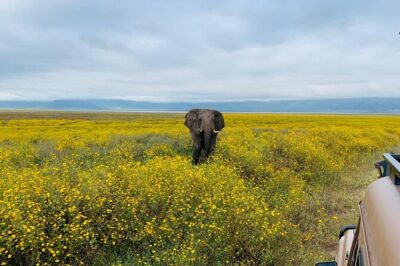
03 days Serengeti and Ngorongoro Crater group (camping)
Read our review →Browse the lists this tour appears in