Reviewed · NGORONGORO CRATER TOURS
3 Days Camping Safari Tarangire, Lake Manyara and Ngorongoro Crater
Tarangire’s elephant herds, Lake Manyara’s birdlife, and the Ngorongoro Crater’s chance of seeing rhinos make this a brisk but rewarding three-day safari circuit. You cover a lot of ground, yet each park offers a different setting and a different reason to keep watching the roadside grass.
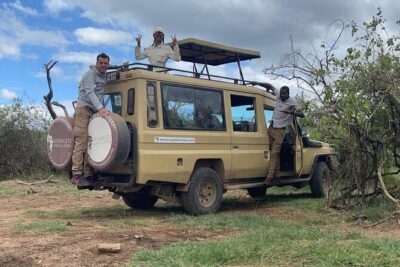
I like the small group limit of six, which gives you a better chance of seeing from the pop-up roof without fighting for space. I also like the practical package: a 4×4 Land Cruiser, park fees, camping gear, meals, hotel transfers, and three litres of water per person each day are included. The main drawback is the pace. Three major parks in three days leaves little room for a slow morning or a missed connection, and the overnight arrangements need confirming because the supplied details mention camping but also refer to a hotel night in Arusha.
Key points to know before booking
- Three famous parks in three days: Tarangire, Lake Manyara, and Ngorongoro each bring a different wildlife setting.
- A maximum of six people: The small vehicle group should make game viewing and guide interaction more comfortable.
- Guides named on recent departures: Sam, Hamadi, and Shaffie are associated with especially positive accounts of animal spotting and trip organization.
- Camping equipment is supplied: Tents and mattresses are included, but the exact camps and facilities are not specified.
- The price covers the major safari costs: At $780 per person, you get transport, park entry fees, water, meals, camping equipment, and hotel pickup and drop-off.
- Ngorongoro is the grand finale: The crater floor offers one of the strongest chances on this route to see a broad mix of African wildlife in one day.
Why this three-park route works
This safari is designed for you if you want a strong first taste of northern Tanzania without committing to a week on the road. Tarangire, Lake Manyara, and Ngorongoro are close enough to combine, but they do not feel like three copies of the same park.
Tarangire gives you big herds and open wildlife viewing. Lake Manyara adds forest, shoreline, baboons, and birds. Ngorongoro brings the drama of a natural enclosure where many animals live within the crater walls. That variety is the real value of the route.
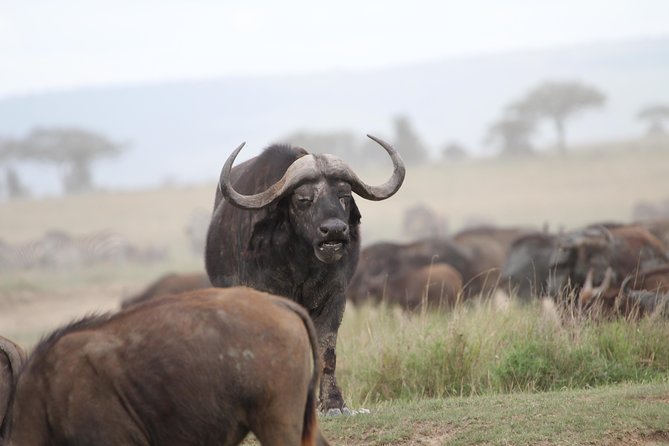
You should also keep your expectations sensible. The description gives you good possibilities for elephants, lions, buffaloes, leopards, and black rhinos, but no safari can promise every member of the Big Five. Animal sightings depend on timing, animal movement, weather, and the skill of the guide.
The guide matters a great deal here. Sam is specifically associated with spotting animals that were difficult for passengers to see at first. Hamadi and Shaffie are also named in accounts praising their effort and attention to passenger comfort. Your assigned guide may be different, so treat those names as useful examples rather than a guarantee.
More Camping Safaris in Kilimanjaro
- 5 Days Camping Tarangire, Serengeti & Ngorongoro crater & Visiting Maasai
★ 5.0 · 58 reviews - 4 Days Group Joining Camping Safari to Tarangire Serengeti Ngorongoro Crater
★ 5.0 · 50 reviews - 4 days adventure camping safari
★ 5.0 · 44 reviews
Day 1: Tarangire and its elephant country
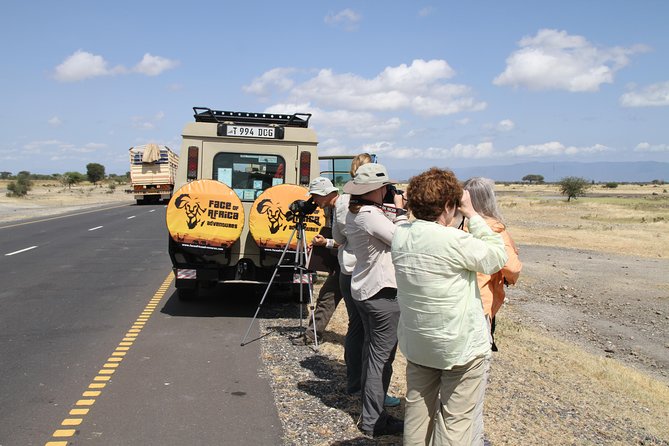
The first morning begins with pickup at the agreed hotel or meeting point, followed by the drive to Tarangire National Park. The published meeting information also names Kilimanjaro Airport and Kilimanjaro National Park, so confirm the exact pickup place before you travel. The details list Moshi as the tour location, but the route also refers to Arusha at the end.
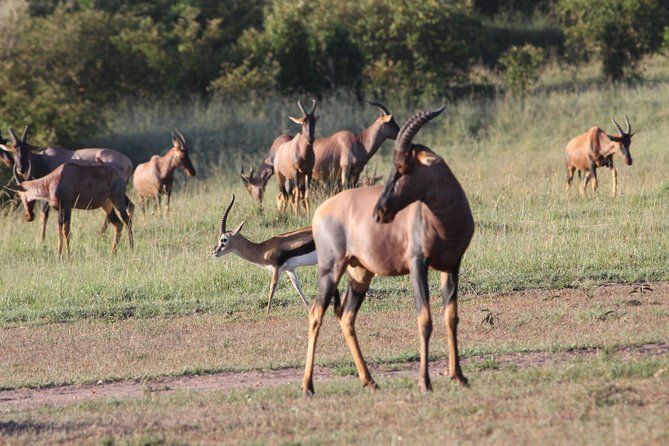
Tarangire is a strong opening park because it offers the classic safari feeling quickly. The park is known here for large elephant herds, zebras, gazelles, buffaloes, and ostriches. You may also see hornbills and other bird species as the 4×4 moves through the park.
The day is listed at about six hours. That includes the park visit and onward travel to camp, though the exact split is not stated. In practical terms, you should expect a full first day rather than a short afternoon outing.
I like Tarangire as the first stop because elephants give the day an immediate focus. A herd moving across the road or gathering near water can be more memorable than a long checklist of smaller animals. The park also gives your guide a chance to show you how to scan properly: look beyond the obvious animals, check the tree line, and watch for birds and distant movement.
The drawback is that you may feel rushed if the transfer to camp takes a large part of the day. Ask how long you will spend inside Tarangire and where you will camp before departure. The supplied information confirms tents and mattresses, but not the camp name, bathroom setup, meal arrangements, or whether the camp is inside or outside the park.
Day 2: Lake Manyara from forest to shoreline
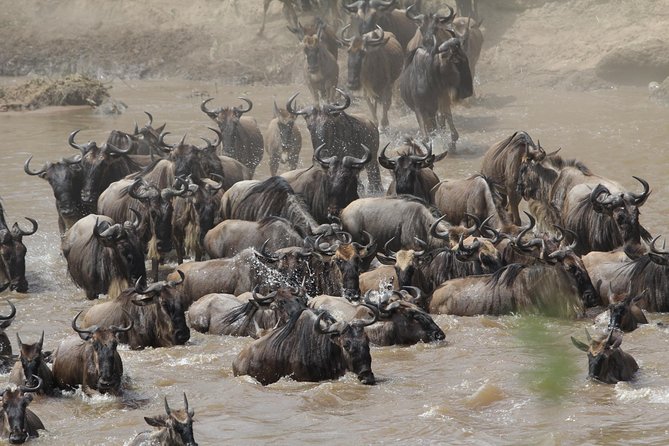
After breakfast, you continue to Lake Manyara National Park. This is the longest listed park day at about eight hours, so prepare for a full schedule. The park brings a different mood from Tarangire, with baboons, giraffes, hippos, wildebeests, zebras, elephants, and many bird species mentioned among the likely sightings.
Lake Manyara is especially known for tree-climbing lions. That does not mean you will certainly see lions in trees, but it gives the guide a clear target and gives you a reason to study the branches rather than stare only at the road. Baboons are another major feature, and their presence can make the forest edge feel busy with movement.
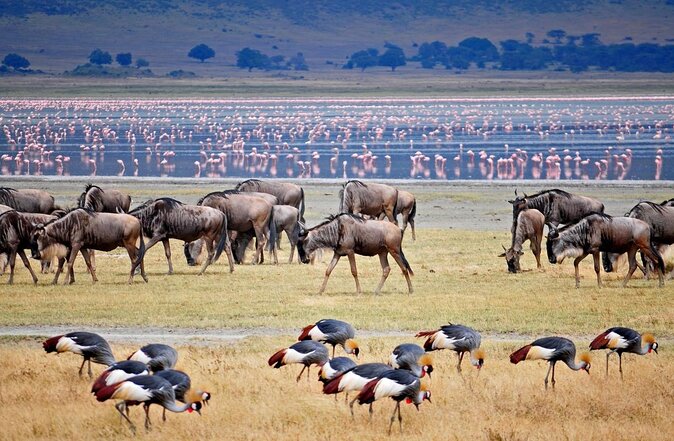
The birdlife is a real selling point. Cranes, eagles, egrets, storks, and other species are named for the wider safari route. If you enjoy birds, tell your guide early. A guide who knows you want more than large mammals can shape pauses and explanations around that interest.
Manyara also helps balance the trip. Tarangire is strongly associated with elephants and open wildlife viewing. Ngorongoro is the grand wildlife basin. Manyara gives you forest and water, with a broader mix of smaller details. You might find the animal viewing less predictable here, but that is part of the appeal.
The eight-hour estimate deserves attention. It may include time driving between camp and park, game viewing, and the onward trip to your next camp. You will want comfortable clothing, sun protection, and patience. The tour supplies three litres of mineral water per person per day, which is generous for a busy safari day, but personal items are your responsibility.
The second night is again described as camping. Since camp details are not provided, ask what equipment is supplied beyond the tent and mattress. Do not assume that the package includes sleeping bags, towels, toiletries, or personal gear. Those items fall under personal expenses unless the operator confirms otherwise.
Day 3: The Ngorongoro Crater finale
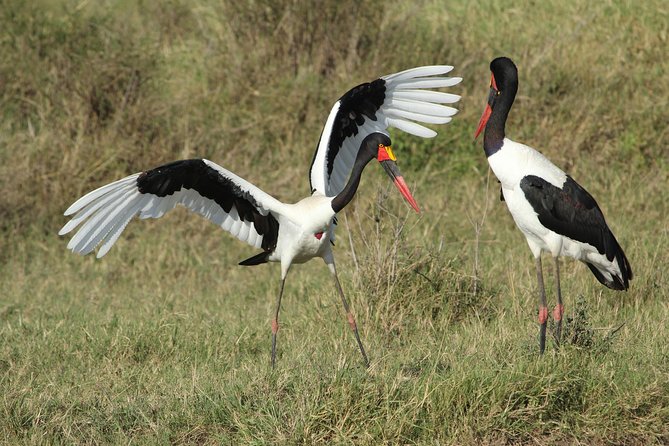
The final safari day takes you to the Ngorongoro Crater, a UNESCO World Heritage site and the most dramatic stop on this route. The crater setting concentrates a remarkable range of African wildlife in a contained area, which gives you one of the best chances on the trip to see several major species in one outing.
The description highlights rhinos, elephants, lions, hyenas, elands, waterbucks, hippos, baboons, jackals, and many other animals. Birds include cranes, eagles, egrets, storks, and kori bustards. Again, these are possibilities, not a fixed program, but the range explains why Ngorongoro is often the day people remember most clearly.
Rhinos are a particular draw. The crater is one of the places on this route where you have a meaningful chance of seeing the endangered black rhino, though sightings are never assured. Bring patience and a camera with some zoom if you have one. A distant rhino can be hard to see with the naked eye.
The crater day is listed at about seven hours. Lunchboxes are served at a picnic point before you ascend the crater walls and return toward Arusha. That lunch arrangement is practical because it keeps the day moving, but it also means you should not expect a long restaurant break.
The wording about the final overnight needs clarification. The trip details say you return to Arusha for an overnight stay at your hotel, while the inclusions say accommodation before and after the safari in Arusha is not included. Ask the operator if the last night is part of the tour, a drop-off at your own hotel, or simply a reference to your onward plan. This is the one point I would settle in writing before paying.
More Lake Manyara Safaris in Kilimanjaro
- 3-Day Ngorongoro Crater Manyara and Tarangire Safari from Arusha
★ 5.0 · 49 reviews - 7 Days Safari. Serengeti, Tarangire, Lake Manyara & Ngorongoro Crater.
★ 5.0 · 34 reviews - Safari in Tanzania 5 days: Manyara, Ngorongoro, Serengeti
★ 5.0 · 29 reviews - 5-Day Lake Manyara, Serengeti, Ngorongoro Crater and Tarangire
★ 5.0 · 28 reviews
What the $780 price really covers
At $780 per person, the package is not just a vehicle and a park visit. It includes pickup and drop-off at your hotel, all park entry fees, transport in a 4×4 safari Land Cruiser with a pop-up roof, camping equipment, breakfast on all three mornings, three lunches, two dinners, and three litres of mineral water per person per day.
Those inclusions matter. Park fees can make up a large part of a northern Tanzania safari budget, and a proper safari vehicle is central to the experience. The pop-up roof lets you stand and look out above the vehicle, while the group cap of six should help prevent a crowded viewing platform.
The package does not include accommodation before or after the safari in Arusha, airport pickup and drop-off, or personal items. The listed starting point needs particular care because it refers to Kilimanjaro Airport and Kilimanjaro National Park, while the tour location is Moshi. Confirm if airport collection costs extra and exactly where the included hotel pickup applies.
Camping can make this trip better value than a lodge-based safari, but only if you are comfortable with a basic setup. Since the operator supplies tents and mattresses but gives no further camping detail, ask about the campsite, sleeping equipment, washing facilities, and meal service. Those are not minor questions when you are moving every day.
The Land Cruiser and group size
The vehicle is a 4×4 safari Land Cruiser with a pop-up roof, and the group is capped at six people. That combination is one of the strongest practical features of the trip.
A small group gives you more room to look out and makes it easier to ask the guide to pause for a bird, a distant animal, or a question. It also reduces the chance that every good viewing position is occupied by someone else.
Your guide is the key part of the vehicle experience. The most praised guide qualities connected with this safari are sharp animal spotting, smooth organization, clear communication, and a willingness to work hard for good views. Sam is noted for finding animals that were easy to miss, while Hamadi and Shaffie are linked with especially strong service.
There is also one serious warning to keep in mind. One account describes a very uncomfortable experience with the owner’s attitude, despite the safari itself going well. That suggests you should pay attention to communication before the trip. Ask direct questions about pickup, guide assignment, camping, and the last night. Professional answers will tell you a lot.
Meals, water, and what you need to confirm
The food plan is simple: three breakfasts, three lunches, and two dinners. Lunchboxes are specifically mentioned for the Ngorongoro day. The package also supplies three litres of mineral water per person per day, which removes one common safari worry.
The missing details are just as important. No menu, dietary policy, or meal location is supplied. If you have allergies, dietary restrictions, or a strong preference for vegetarian meals, confirm arrangements before departure rather than relying on a general promise of meals.
You should also confirm what personal items means in practice. The package excludes items of a personal nature, but it does not list a recommended packing list. The safest approach is to ask for one, especially because the trip combines long park days with camping.
Who should book this safari
I would recommend this trip to a first-time safari visitor who wants the major northern Tanzania highlights in a short window. It also suits someone who values a small group, wants park fees and meals bundled into one price, and is comfortable with camping rather than needing a lodge each night.
It is a good choice for people who want variety. You can watch elephants in Tarangire, search tree branches for lions at Manyara, and spend the final day looking across Ngorongoro’s crater floor for rhinos, lions, and other wildlife.
I would be more cautious if you need a slow, flexible itinerary or a clearly specified hotel every night. The three-day schedule is tight, and the camping arrangements are not described in enough detail for someone who wants comfort without surprises.
The same advice applies if the exact pickup location matters. Confirm Moshi, Arusha, airport, and hotel arrangements in advance. Free cancellation is available if you cancel at least 24 hours before the start time. Within 24 hours, the payment is not refunded, and changes are not accepted.
Should you book the three-day route?
Book it if you want a compact safari with strong wildlife potential, a six-person maximum, and most major costs already covered. The route gives you three distinct parks, a capable-guide model, and a final day in Ngorongoro that can produce the trip’s biggest moments.
Before booking, get written answers about the assigned guide, camp names, camping facilities, airport charges, and the apparent Arusha hotel arrangement. If those details are clear and you are happy with a fast pace, $780 can be solid value. If you want more time in each park or guaranteed lodge comfort, choose a longer or more fully specified safari instead.
FAQ
How long is the safari?
The experience lasts approximately three days.
Where does the safari start?
The meeting information lists Kilimanjaro Airport and Kilimanjaro National Park in Tanzania. The tour location is given as Moshi. Confirm your exact pickup point with Face of Africa Adventures before departure.
Is hotel pickup and drop-off included?
Yes. Pickup and drop-off at your hotel are included. Airport pickup and drop-off are not included.
How many people can join the safari?
The tour has a maximum of six travelers.
What type of vehicle is used?
Transport is provided in a 4×4 safari Land Cruiser with a pop-up roof.
Are park entry fees included?
Yes. All park entry fees are included in the package.
Is camping equipment provided?
Yes. Tents and mattresses are included. The supplied information does not specify other camping facilities or personal sleeping equipment.
Are meals included?
Yes. The package includes three breakfasts, three lunches, and two dinners. Lunchboxes are served at a picnic point during the Ngorongoro day.
How much drinking water is provided?
You receive three litres of mineral water per person per day.
Is accommodation in Arusha included before or after the safari?
No. Accommodation before and after the safari in Arusha is listed as excluded. The final day also refers to an overnight stay at your hotel in Arusha, so confirm how that arrangement works before booking.
Can I cancel for a full refund?
Yes, if you cancel at least 24 hours before the experience start time. Cancellations made within 24 hours are not refunded, and changes made within 24 hours are not accepted.
More Tarangire National Park Safaris in Kilimanjaro
- 4-Day Tarangire Serengeti, Ngorongoro & Maasai Guided group tour
★ 5.0 · 16 reviews - 4 Days Game drives Safari Tarangire, Serengeti and Ngorongoro Crater
★ 5.0 · 14 reviews - Private Day Trip to Tarangire National Park
★ 5.0 · 12 reviews - #1 Best Tanzania Safari Tarangire Day tour Adventure
★ 5.0 · 9 reviews
More Ngorongoro Crater Tours in Kilimanjaro
- Safari Serengeti And Ngorongoro
★ 5.0 · 288 reviews - 4 Day Private Tour Throughout Tarangire, Serengeti and Ngorongoro
★ 5.0 · 42 reviews - 6 Days: Classic Camping( Tarangire, Manyara, Serengeti And Ngorongoro).
★ 5.0 · 26 reviews - 4 Days, 3 Nights Group budget Safari, Lake Manyara, Serengeti, Ngorongoro
★ 5.0 · 18 reviews
Just added around Moshi
- Mt Kilimanjaro 6 days Marangu route hike★ 5.0 · 3 reviews
- Wildlife Extravaganza: Manyara, Tarangire & Ngorongoro in 3 Days★ 5.0 · 3 reviews
- Private Cycle to Kilimanjaro Bike Park Safari★ 5.0 · 6 reviews
- 3 Days Private E-Bike Tour in West Kilimanjaro★ 5.0 · 3 reviews
- West Kilimanjaro cycling Adventures★ 4.5 · 8 reviews
- machame route★ 5.0 · 16 reviews
- Kilimanjaro Climbing Umbwe Route★ 5.0 · 3 reviews
- Kilimanjaro Climb & Safari – Lemosho Route – 13 Day★ 5.0 · 10 reviews
Ngorongoro Crater Tours, compared.

3 Days Serengeti & Ngorongoro Group Camping Safari
Read our review →

5 Days Camping Tarangire, Serengeti & Ngorongoro crater & Visiting Maasai
Read our review →
4 Days Join Group tour Tarangire Serengeti and Ngorongoro crater
Read our review →
4-Day Safari from Arusha: Tarangire, Serengeti and Ngorongoro
Read our review →
2 Days Tarangire and Ngorongoro Group Camping Safari
Read our review →