
Reviewed · FOOD
Dar es Salaam: Tuk-Tuk Tour, Street Food & Local Lifestyle
Dar es Salaam makes more sense from the back of a tuk-tuk, where the city’s traffic, markets, food stalls, and side streets pass close enough to see and smell. This four-hour outing connects Kariakoo Market, the Mwenge Woodcarvers’ Market, and the Village Museum in one practical introduction to Tanzanian city life and culture.
I like the mix of street food and local transport, since you get more than a checklist of sights. I also like the chance to watch artisans work instead of simply buying finished souvenirs. The main caution is planning: the advertised duration is four hours, but the listed stop times add up to five, and one recent booking record reports a missed pickup and no reply. Confirm your pickup clearly before setting out.
Key points at a glance
- Kariakoo Market: Spend about 90 minutes among spices, tropical fruit, clothing, and everyday goods.
- Swahili snacks: Taste chapati, mishkaki meat skewers, roasted maize, and fresh juice.
- Mwenge woodcarvers: Watch artisans make masks, furniture, and other wooden pieces.
- Village Museum: See traditional homes linked to different Tanzanian communities and learn about rural customs.
- A real guide connection: Glory receives especially warm praise for adjusting the outing to personal wishes and needs.
- Practical warning: The schedule needs clarification, since the stated four hours do not match the listed stop lengths.
Dar es Salaam by tuk-tuk: a close look at city life
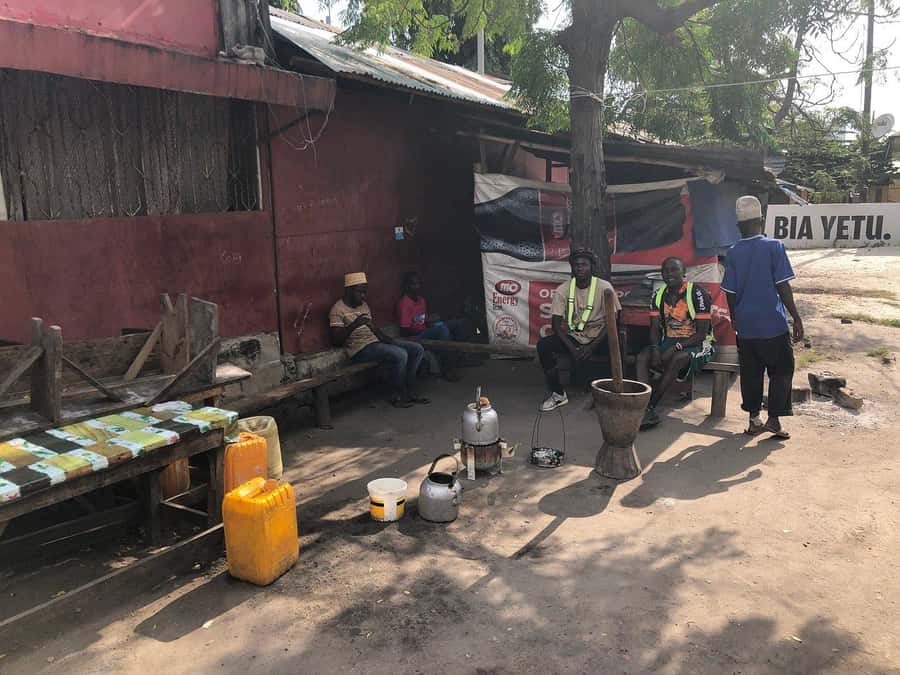
A tuk-tuk is a useful choice for this kind of outing. It is small enough to make the ride feel close to the streets, yet it saves you from walking long distances between separate parts of Dar es Salaam. You will see ordinary neighborhoods on the way, not just the polished parts of the city presented for sightseeing.
The tour begins with a hotel meeting in central Dar es Salaam. Your driver-guide gives a short briefing, explains the route, and then takes you into the city. Hotel pickup is included within central Dar es Salaam, but transfers outside that area are not included.
I would treat the tuk-tuk as part of the experience rather than just a ride between stops. Traffic can be noisy and crowded, and the vehicle offers less shelter than a larger car. Wear light, comfortable clothes, bring a hat and sunscreen, and keep your camera secure while moving through the streets.
The tour is designed for a private booking of up to one person at the listed price of $65 per group. That wording is unusual, so ask how the price changes if you are booking with companions. For a solo visitor, the price can make sense because it includes four hours of transport, a local guide, food samples, bottled water, and the Village Museum entrance.
A few more Dar Es Salaam trips to weigh up
- Kikuletwa Chemka Hot Springs Bicycle or Tuk Tuk Day Trip
★ 5.0 · 6 reviews
Kariakoo Market in a 90-minute burst
Kariakoo is the most energetic part of the route. The market is not presented as a museum display. It is a working place where people shop for food, household supplies, clothing, and other daily needs.
Give yourself time to notice the small details. You may see piles of spices, tropical fruit, and produce arranged for quick sale. The point is not to rush from one photo to the next. It is to watch how Dar es Salaam shops, trades, and feeds itself.
The guide’s role matters here. A local escort can help you understand what you are seeing and make the market less confusing. You should still expect noise, tight spaces, and plenty of movement. Comfortable shoes are a must, and cash is useful for small purchases.
The listed visit lasts about 1.5 hours, including a guided walk, sightseeing, and shopping. That is a sensible amount of time for a first look. It gives you room to browse without letting the market consume the whole day.
Kariakoo is also where you should stay alert with personal belongings. The tour information does not promise a quiet or controlled setting, so keep valuables close and ask before photographing people or private stalls. A respectful approach will make the visit more pleasant for everyone.
Chapati, mishkaki, and a quick Swahili snack
The food stop adds flavor to the outing in the most direct way. You may taste chapati, mishkaki, roasted maize, or fresh juice, depending on what is available at the food stall.
Chapati is a flatbread with a familiar comfort-food quality. Mishkaki consists of meat on skewers, while roasted maize offers a simple taste of a common street snack. Fresh juice provides a cool break from the heat.
This is a tasting, not a full restaurant meal. Additional meals are not included, so you should plan to eat before or after the tour if you need something substantial. Alcoholic drinks are also excluded and are not allowed as part of the experience.
If you have food allergies, dietary restrictions, or concerns about particular ingredients, tell the guide before sampling anything. The supplied details do not specify a vegetarian menu, allergy handling, or a fixed tasting list. The food selection can change, so approach it as a flexible introduction rather than a guaranteed menu.
A stop at a Swahili café follows later in the route. You can expect chai ya tangawizi, a spiced ginger tea, or fresh coconut water. It is a small but useful pause, especially after the market and craft visit.
Watching the Mwenge woodcarvers at work
The Mwenge Woodcarvers’ Market gives the tour a creative side. You are not only looking at shelves of souvenirs. The plan is to see artisans carving wooden masks, furniture, and other pieces.
That working element is valuable. When you watch a craft being made, the object has more meaning than it would in a shop display. You can ask about the materials, design, and purpose of a piece, then decide if something deserves space in your luggage.
The visit is scheduled for about 1.5 hours. That allows time for sightseeing and shopping, but remember that markets often involve bargaining and browsing. If you want to buy, carry cash and leave room in your budget for personal purchases. Shopping is not included in the tour price.
I would also keep expectations realistic. The information promises access to an arts and crafts market and a chance to see artisans at work. It does not promise a private workshop, a formal demonstration, or a lesson in woodcarving. The value comes from seeing the setting and speaking with the guide and makers as the visit unfolds.
Same country, a completely different kind of safari:
- Dar es Salaam: City Tour
★ 4.7 · 159 reviews - Dar es Salaam City Center: Walking Tour
★ 4.8 · 102 reviews - Dar es Salaam City Tour – Everyday
★ 5.0 · 64 reviews - MIKUMI NATIONAL PARK – 3 Days
★ 4.5 · 63 reviews
Traditional homes at the Village Museum
The Village Museum shifts the focus from city commerce to Tanzania’s wider cultural heritage. Here you see traditional huts connected with different Tanzanian communities and learn about rural living, home design, and customs.
This stop helps put the earlier market scenes into a broader setting. Kariakoo shows the pace of modern urban trade. The Village Museum gives you a look at older building traditions and ways of life from across the country.
The visit is described as a guided tour lasting two hours, although that listed time creates a scheduling issue with the four-hour total. If the full two hours is used here, the complete outing would run longer than advertised. Ask the provider how much time is actually allocated to each stop before booking your departure.
Entrance to the Village Museum is included, which makes this part of the price easier to judge. You do not need to arrange a separate ticket for the museum. The guide should help explain what the huts represent, but the exact depth of interpretation may depend on the guide assigned.
The setting also gives you a chance to slow down. After the market and woodcarvers’ stalls, the museum offers a more organized way to think about Tanzanian heritage. Bring a camera if you want to record the structures, while following any photography instructions given on site.
Guide quality and the Glory factor
A good local guide can shape the entire experience, especially in a market where context and communication matter. Glory is the guide specifically named in the strongest available booking feedback, with praise for listening to requests and adapting the day to personal needs.
That is useful information if flexibility matters to you. The tour has a set route, but a responsive guide can make the stops feel more personal. You might want extra time at the market, more explanation at the museum, or help choosing a snack. The available feedback suggests Glory handled those needs well.
At the same time, Glory may not be the guide assigned to every booking. The experience promises a professional local driver-guide, with tours listed in English and French. Another part of the information also mentions German operation, so confirm the language and guide before paying if that is important to you.
The overall rating currently listed is 3.3 out of 5 from three ratings. That mixed result deserves attention. One February 2026 booking record reports that the pickup did not happen and that no reply arrived that day. Another February 2026 booking describes the tour with Glory as exceeding expectations. In practical terms, the personal guiding may be excellent, but communication and pickup reliability need checking.
Timing, price, and what you really receive
The listed price is $65 per group up to one person. You receive tuk-tuk transport for four hours, a professional local driver-guide, street food snacks and fresh juice, bottled water, and the Village Museum entrance.
That package has reasonable value for a solo visitor who wants several city experiences arranged in one outing. You would otherwise need to organize transport, find the market, arrange a craft visit, buy food, and handle the museum ticket yourself.
The value is less clear for a larger party because the pricing is written as a group of up to one person. Do not assume the same $65 covers several people. Ask for the exact total before confirming.
The schedule is the bigger issue. The tour is sold as four hours, but the listed stops are 1.5 hours at Kariakoo, 1.5 hours at Mwenge, and two hours at the Village Museum. Those stops alone total five hours, before pickup, tuk-tuk rides, food, and the café stop.
That may be a simple timing error, or the stop descriptions may represent maximum rather than actual time. Either way, confirm the expected start and finish times. This is especially important if you have a flight, ferry, hotel checkout, or another scheduled activity.
Morning and afternoon departures operate daily, subject to availability. The exact starting time is not fixed in the supplied details, so check before booking.
Who will enjoy this outing most
I would recommend this tour to a first-time visitor who wants a broad introduction to Dar es Salaam without spending a full day on separate transport arrangements. It suits people who enjoy food stalls, local shopping, craft work, and cultural sites more than formal sightseeing alone.
It is also a good match for solo visitors who want a guide and private transport. The tuk-tuk keeps the outing compact, and the route covers several different sides of the city.
Families can consider it for children aged six and older. Children under six are not permitted. The market may be exciting for older children, while the museum and woodcarvers’ visit offer more educational content. Parents should remember that the food tasting is not described as a full meal.
The experience is listed as wheelchair accessible, but the transport is a tuk-tuk and the route includes market walking. If you use a wheelchair, confirm how the vehicle, market surfaces, and museum visit will be handled before booking. That is a sensible check because the details do not explain the accessibility arrangements.
This is not the best pick if you want a quiet ride, a fixed restaurant lunch, or a tightly timed schedule. It is also a poor fit if your main goal is a long, specialist tour of Tanzanian history or woodcarving. The route offers a useful overview, not an academic course.
What to bring and how to prepare
Wear comfortable shoes and loose, comfortable clothing. Add sunglasses, a sun hat, sunscreen, and a camera. Cash is important for personal shopping and may be useful for small purchases, though the included tasting and museum entry are already covered.
Keep water with you, even though bottled water is supplied. The route moves between open-air city spaces, markets, and cultural sites, so sun protection will make a real difference.
Do not bring alcohol or drugs. Alcoholic drinks are excluded, and the activity specifically prohibits alcohol and drugs.
Before the tuk-tuk arrives, confirm four things: the exact pickup point, the guide’s name, the language, and the final duration. That short check addresses the main practical weakness shown by the missed-pickup report and the conflicting schedule.
Free cancellation is available up to 24 hours before the tour for a full refund. You can also reserve now and pay later, which helps if your Dar es Salaam plans are still moving.
Should you book the Kariakoo and Village Museum tour?
Book it if you want a compact, food-focused introduction to Dar es Salaam with market life, local crafts, a museum visit, and tuk-tuk transport in one package. Glory’s strong personal feedback is encouraging, and the combination of stops gives you a better sense of the city than a single monument visit would.
I would not book without first confirming pickup and timing. The 3.3 rating is mixed, and the reported missed pickup is a serious practical concern. If the provider confirms the meeting details, explains the four-hour schedule, and can provide the guide and language you need, the outing offers solid variety for a solo visitor.
FAQ
How long does the Dar es Salaam tuk-tuk tour last?
The experience is advertised as four hours. The listed stop durations add up to five hours, so confirm the actual schedule and return time before booking.
What places are included?
The route includes Kariakoo Market, Mwenge Woodcarvers’ Market, and the Village Museum, followed by a return to Dar es Salaam.
What food and drinks are included?
Street food snacks and fresh juice are included. Possible tastings include chapati, mishkaki, roasted maize, and fresh juice. A later café stop may include chai ya tangawizi or fresh coconut water.
Is hotel pickup included?
Pickup is included from hotels in central Dar es Salaam. Transfers outside central Dar es Salaam are not included.
What languages are available?
The activity lists live guides in English and French. The information also mentions German operation, so confirm the language available for your booking.
Can children join the tour?
Children aged six and older can join. The activity is not suitable for children under six.
Can I cancel or pay later?
You can cancel up to 24 hours before the tour for a full refund. Reserve now and pay later is also available.
More Food in Dar Es Salaam
- Stonetown: Food Markets and Street Food Walking Tour
★ 4.7 · 151 reviews - Authentic Street Food Tours in Stone Town, Zanzibar
★ 5.0 · 46 reviews - Arusha: Traditional Tanzania Cooking Class & Food Market Tour
★ 5.0 · 34 reviews - Organic Coffee Tour and Local Food Experience in Arusha
★ 5.0 · 29 reviews
Just added around Dar Es Salaam
- Zanzibar: 3 Days to Mikumi and Chizua Waterfalls★ 3.5 · 5 reviews
- 3 Days Explore Selous Game Reserve + Boat safari + bushman walking★ 5.0 · 5 reviews
- 2 Day Wildlife Experience and Masai Culture Mikumi Park★ 5.0 · 5 reviews
- Explore Dar es Salaam: Full-Day Private City Tour★ 5.0 · 18 reviews
- 3 Days Safari to Nyerere National Park (Selous Game Reserve)★ 5.0 · 8 reviews
- Sunrise Beach Walk with Picnic Breakfast Activity★ 5.0 · 3 reviews
- Mikumi Np Mid Range Tour 3 Days★ 5.0 · 3 reviews
- Saadani National Park Day Tour★ 5.0 · 3 reviews
Food, compared.
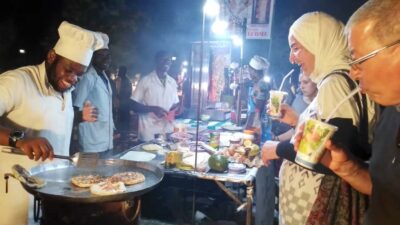
Stonetown: Food Markets and Street Food Walking Tour
Read our review →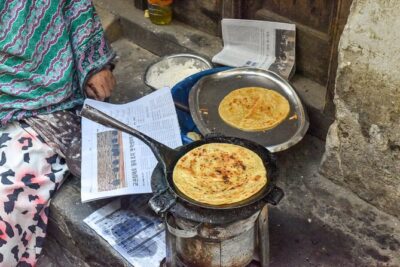
Authentic Street Food Tours in Stone Town, Zanzibar
Read our review →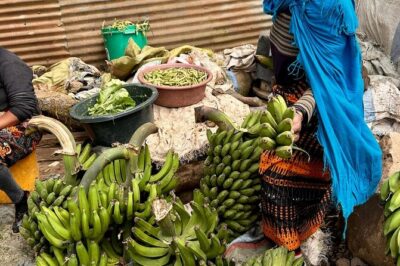
Traditional Tanzania Cooking Class & Food Market Tour
Read our review →
Organic Coffee Tour and Local Food Experience in Arusha
Read our review →
Stone Town Evening Walk Tour With Visit Food Markets
Read our review →
Traditional Tanzania Cooking class& Food Market Tour
Read our review →
Browse the lists this tour appears in