
Reviewed · CITY TOURS
Dar es Salaam: City Tour
Dar es Salaam reveals itself best through its contrasts: old Swahili traditions beside grand colonial buildings, serious museums beside noisy markets, and quiet coastal shopping centres beside the city’s famously hectic roads. This six-hour tour gives you a useful first look at Tanzania’s largest city without leaving you to piece it together alone.
I like the way the day combines history and daily life, rather than treating Dar es Salaam as a string of monuments. I also like the flexible guiding style reported by guests who toured with Mike, Michael, Derick, Chris, and Anna. Guides often adjust the day to suit your interests, from history and culture to shopping. The main caution is time: six hours goes quickly, and one visitor felt too much of the day was spent in the museum.
Key points to know before booking
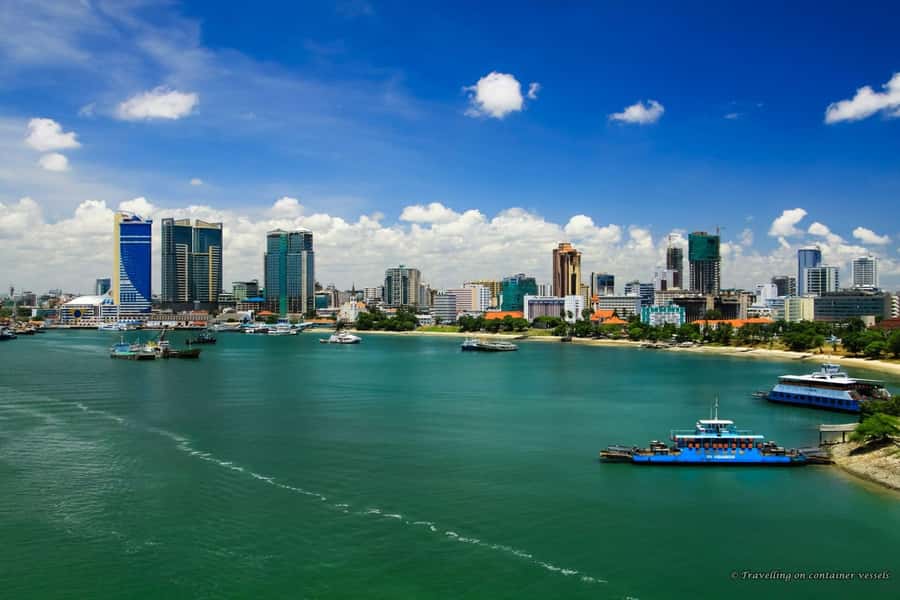
- The Fish Market is a lively slice of local life: Expect strong sights, sounds, and smells at one of East Africa’s largest fish markets.
- The National Museum gives the day its historical backbone: You learn about Tanzania’s past, traditional cultures, and the development of Dar es Salaam.
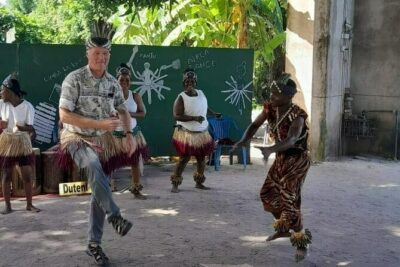
- The Village Museum adds living culture: Traditional homes, music, dancing, and explanations of local customs make this more than a display of objects.
- The route can be shaped around your interests: Guides have included extra stops such as churches, Kivukoni or Kariakoo markets, Oyster Bay, and war cemeteries.
- A private-feeling vehicle makes the traffic easier: Air conditioning and a careful driver matter in Dar es Salaam’s crowded streets.
- Lunch and drinks cost extra: Bring water, sunscreen, and comfortable shoes, and allow time for a meal during the six-hour outing.
Why this is a smart first look at Dar es Salaam
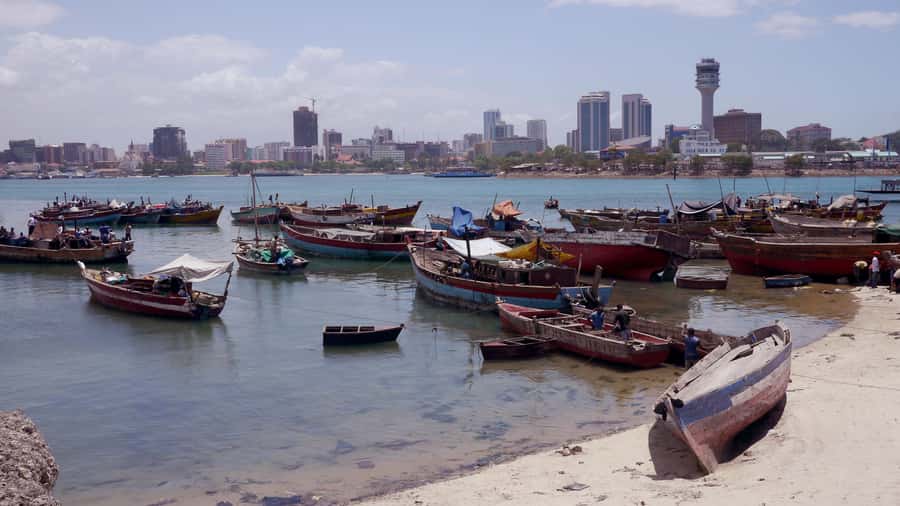
Dar es Salaam means house of peace, though the city’s roads can offer a less peaceful introduction. Traffic is often heavy, and distances between sights can make independent sightseeing slow. An organized car tour lets you cover more ground while your guide explains the buildings and neighborhoods passing outside the window.
This is not just a drive-by city circuit. The strongest part of the experience is the explanation. Guides have described Tanzania’s path to independence, the city’s links with different cultures and regions, local customs, and the role of traditional homes. That context helps you understand what you are seeing instead of simply collecting photographs.
I would especially consider this tour if you have only one day in Dar es Salaam, are arriving from a cruise ship, or have just come across from Zanzibar. One guest was met at the port and returned in time for a later sailing, though you should confirm your exact pickup and return arrangements before booking.
The tour receives a high overall rating of 4.7 from 159 reviews, with praise focused mainly on the guides, safe driving, clear English, and the ability to answer questions. The guide is central to the day, so ask if you can request someone such as Mike, Michael, Derick, Chris, or Anna when arranging your booking. Availability may vary.
A few more Dar Es Salaam trips to weigh up
- Dar es Salaam City Center: Walking Tour
★ 4.8 · 102 reviews - Dar es Salaam City Tour – Everyday
★ 5.0 · 64 reviews - The Best/Top Rated Cultural City Tour in Dar es Salaam
★ 5.0 · 57 reviews
The National Museum puts Tanzania into context
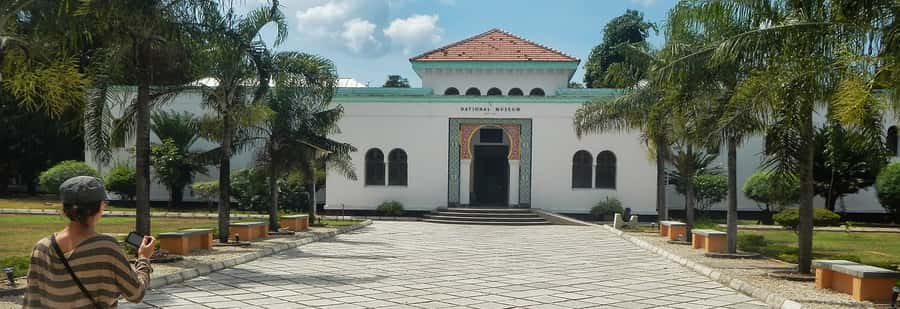
The Dar es Salaam National Museum is one of the most important stops because it gives structure to the rest of the day. Instead of seeing the city only as a modern commercial centre, you get background on Tanzania’s people, cultures, and past.
The museum is included in the $77 price, so there is no extra entry charge for this part. You can expect exhibits connected with traditional tribal culture and the history of Tanzania. Several guides are praised for making the material understandable and for answering detailed questions, which matters here because museums are easier to appreciate with a local explanation.
I like placing the museum early in a city tour. It gives you useful reference points for later stops, especially the Village Museum and traditional art centres. You begin to see how culture, architecture, trade, and independence fit together.
The drawback is pacing. One four-star review felt the tour spent too much time inside the museum. If museums are not your priority, tell your guide early. If you love history, you may want to protect enough time for the galleries rather than rushing through them to reach the markets.
The Village Museum makes culture easier to understand
The Village Museum is likely to be one of the day’s most memorable stops. It presents houses built in the styles of different Tanzanian communities, allowing you to compare forms of construction and learn how people traditionally organized daily life.
This stop has earned particular praise for its traditional Swahili homes. You may hear how the buildings work with the local environment and how practical design choices supported life before modern ideas about sustainable construction became common. The experience is more useful when your guide explains what you are looking at, rather than leaving you with a row of houses and no context.
Music and dancing may also be part of the visit. That adds a welcome human element, though the exact presentation can vary. You may also learn about customs such as marriage rules and family traditions. Anna, in particular, has been praised for giving detailed explanations of local customs at the cultural village.
The Village Museum is not a substitute for visiting rural communities, but it is a practical way to see examples from across Tanzania during a short city stay. Bring comfortable shoes, since you will want to walk around the grounds.
The Fish Market shows Dar es Salaam at work
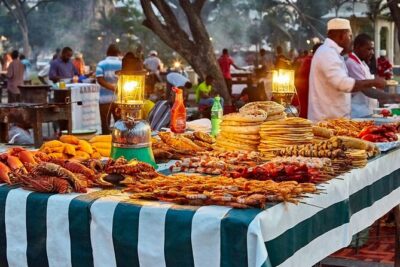
The Fish Market is one of the tour’s most direct encounters with ordinary city life. It is described as the biggest in East Africa, and it gives you a chance to see the working side of Dar es Salaam rather than only its official sights.
Expect a sensory stop. Markets can be crowded, wet, noisy, and strongly scented. That is part of the point, but it may not suit everyone. Stay aware of your belongings, follow your guide, and wear shoes that you do not mind taking into a rougher setting.
Several people singled out the Fish Market as a memorable part of the day, partly because it is not an easy place to visit confidently on your own. Your guide can explain what is happening around you and help you move through the area without wasting time.
The market also balances the more formal museum stops. At the National Museum you study Tanzania through displays. Here, you see commerce and food supply in action. I value that contrast because it gives you a more honest sense of the city.
The day may also include Kivukoni or Kariakoo Market, depending on the route and your interests. These market visits are useful for shopping and for seeing another side of local trade. Do not expect a quiet browsing experience. If you want souvenirs, ask your guide to allow enough time rather than leaving purchases until the final few minutes.
Same country, a completely different kind of safari:
- MIKUMI NATIONAL PARK – 3 Days
★ 4.5 · 63 reviews - 2 nights 3 days safari to mikumi national park
★ 5.0 · 62 reviews - 2 Days 1 Night Mikumi National Park from Dar es salaam
★ 5.0 · 60 reviews - Private Full-Day Trip to Mikumi National Park from Dar es Salaam
★ 5.0 · 54 reviews
Mwenge and Tingatinga bring art into the day
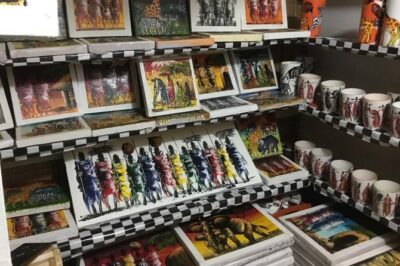
Mwenge Carvings Market is the obvious place to look for woodcarvings and souvenirs. You can browse local craftwork, compare pieces, and ask about the materials or styles. As with many tourist markets, prices may require discussion, and the pace can feel more persistent than in a conventional shop.
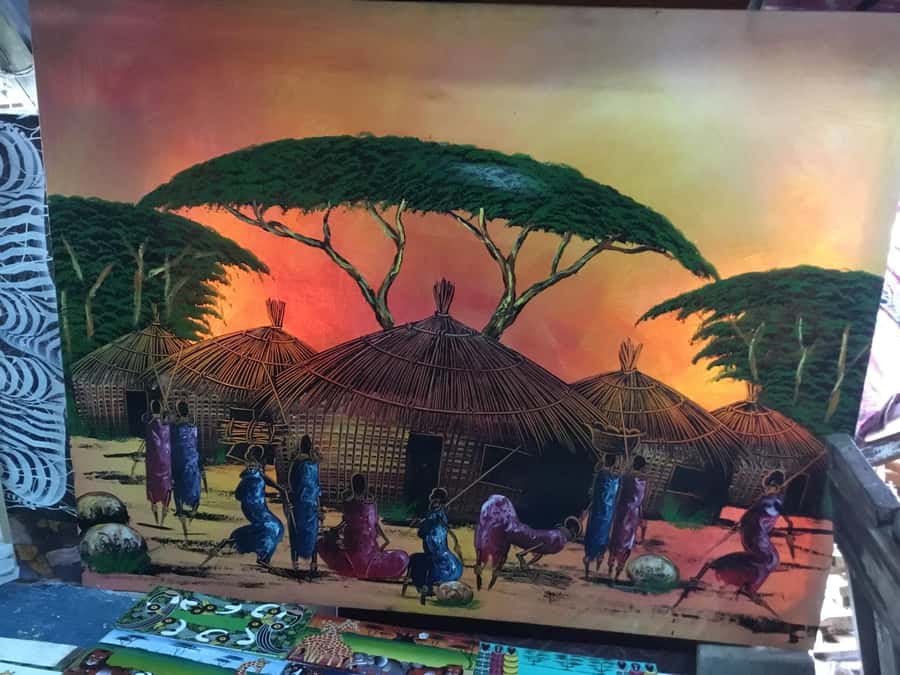
The Tingatinga Arts Cooperative Society offers a different art experience. Tingatinga painting is associated with bold colors and lively scenes, and the cooperative gives you a chance to see the work in an art setting rather than only on a market stall. Entry is included in the tour price.
This is a good place to ask questions about technique, subjects, and the artists’ work. You do not need to buy anything to benefit from the visit. If you do want art, take your time and inspect several pieces before deciding.
The tour can also include Slipway Shopping Centre, which provides a more polished shopping stop. Its role in the day is less about traditional culture and more about giving you a comfortable place to browse, pause, or find gifts. Together, Mwenge, Tingatinga, and Slipway show three different ways art and shopping fit into the city.
City Centre landmarks reward a good guide
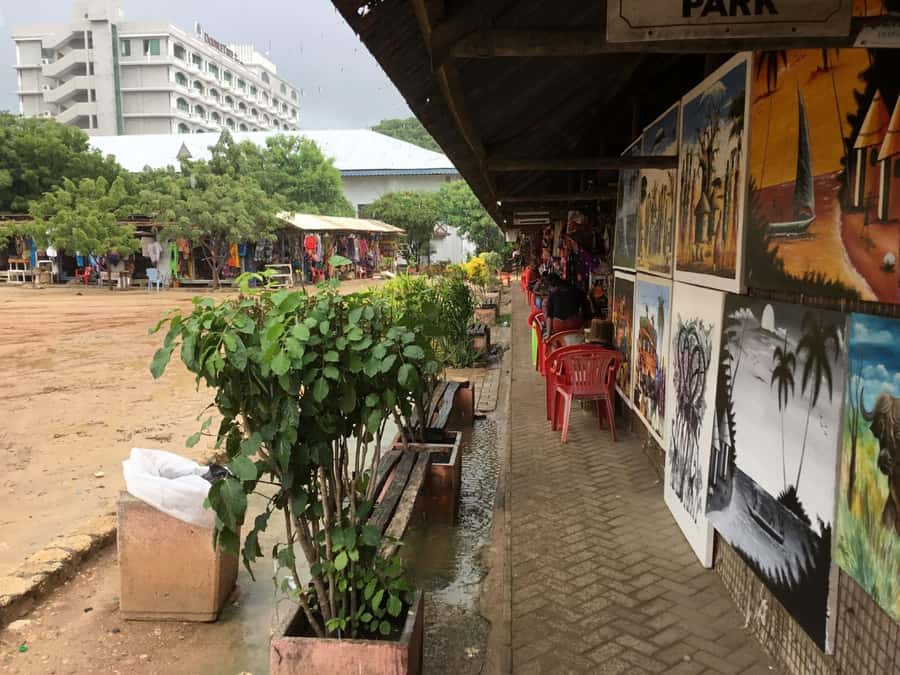
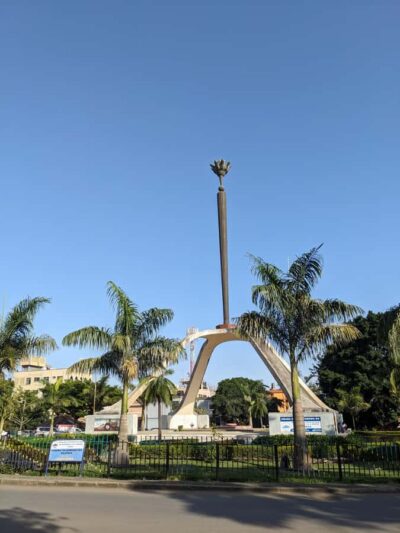
The central section of the tour can include the Askari Monument, historic buildings, churches, and other landmarks. The Askari Monument entry fee is included, along with the museum and Tingatinga cooperative.
The monument is useful as a marker of Dar es Salaam’s colonial-era history and public space. Your guide can explain its place in the city rather than leaving it as a quick photograph. The surrounding streets also contain buildings that make more sense when someone points out their age, former purpose, and connection to the city’s growth.
Possible stops named by past itineraries include St. Joseph Cathedral and Azania Front Cathedral. One guest found St. Joseph Cathedral closed, so do not assume every interior will be open when you arrive. Even when you cannot go inside, the exterior and the guide’s explanation can still make the stop worthwhile.
Oyster Bay and other city districts may also appear, especially if you ask for a mix of historic and modern Dar es Salaam. The exact order and selection are not fixed in the information provided, so treat the advertised sites as a broad route rather than a promise that every location will receive equal time.
What the vehicle and guide add
The air-conditioned vehicle is not a minor extra in Dar es Salaam. You will be moving between several parts of a large city, and the cool break between walks makes the six-hour schedule more manageable.
Driving skill matters too. Multiple guests specifically praise the guides’ calm and safe driving, even in difficult traffic. One guide was described as both an excellent driver and an engaging narrator, which is the ideal combination on a city tour. You can enjoy the view instead of trying to navigate unfamiliar roads.
Pickup is included. You should wait in your hotel reception or lobby five minutes before the scheduled time. Port pickup has also been arranged for some outings, including visitors arriving from Zanzibar, but confirm this detail for your own reservation.
The tour is in English. Reports repeatedly describe the guides as fluent, friendly, patient, and ready to answer questions. This is especially valuable if you want more than a standard speech. Tell the guide what interests you: independence, architecture, religious buildings, local markets, art, traditional homes, or modern city life.
Some guides have made the day almost bespoke by adding requested stops or changing the balance between museums and shopping. That flexibility is one of the tour’s best features, but it depends on timing and traffic. Ask early, not halfway through the afternoon.
Is $77 a fair price?
At $77 per person, the price is reasonable if you value convenience and interpretation. The fee includes a private-style air-conditioned vehicle, guide service, taxes, and entry to the National Museum, Tingatinga Arts Cooperative Society, and Askari Monument.
You are paying for more than entrance tickets. The real value comes from covering several spread-out parts of the city in six hours and having someone explain what you see. A first-time visitor who tried to organize all these stops alone could lose a great deal of time to traffic, directions, and deciding what deserves attention.
The price does not include lunch or beverages. Plan for a meal break and carry or buy water. One past guest said the guide supplied bottled water, but that should not be treated as a guaranteed inclusion because the official inclusions list does not promise it.
The value is strongest for solo visitors, couples, families, cruise passengers, and anyone with limited time. If you prefer to spend half a day in one museum or wander slowly through a single neighborhood, this route may feel too packed.
How to make six hours work better
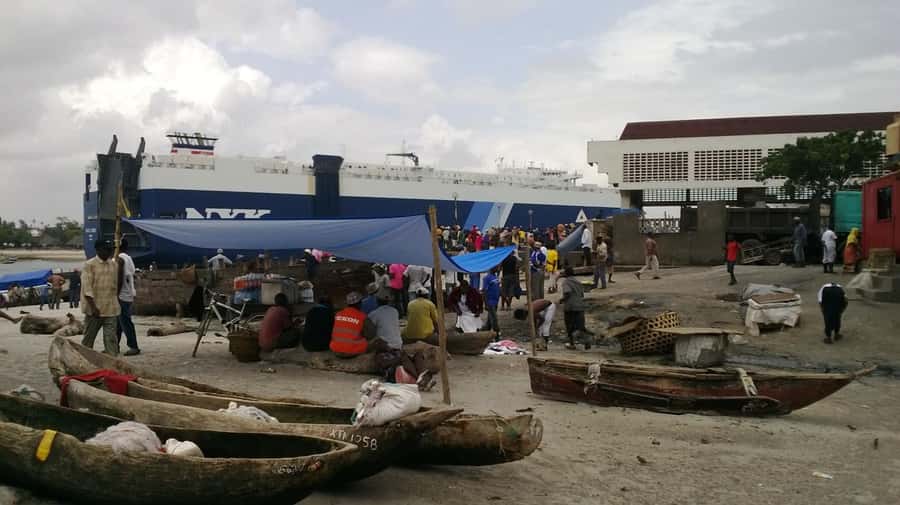
Start with your priorities. You cannot give every stop a long visit, particularly if traffic is heavy. If the National Museum matters most, say so. If you want markets, art, and photographs, ask for a shorter museum visit.
Wear comfortable shoes and use sunscreen. The tour combines vehicle time with walking through museums, markets, cultural displays, and shopping areas. Dress for a warm city day, though the vehicle provides a break from the heat.
Bring a small amount of shopping money if you plan to visit Mwenge or other markets. You can also use Slipway for a calmer shopping experience. Do not let shopping crowd out the places you came to understand.
I would also keep the schedule flexible. A church may be closed, traffic may slow the route, and a particularly interesting conversation may take longer than expected. The guides’ willingness to answer questions is a major strength, so leave room for it.
Who should book this Dar es Salaam city tour?
Book it if you want a broad introduction to the city, especially during a short stay. You will see museums, cultural homes, markets, art, monuments, religious buildings, and modern shopping areas in one organized outing.
It is also a good fit if you are nervous about navigating Dar es Salaam alone. The combination of an air-conditioned car, hotel or port pickup, local guidance, and careful driving removes much of the friction.
I would hesitate only if you want a slow, narrowly focused day or dislike busy markets. The tour covers a lot, and six hours can feel full. Still, you can improve the fit by telling your guide what matters most and asking about the expected balance of stops.
At $77, this is a strong choice for a first day in Dar es Salaam. Request a guide whose interests match yours if possible, bring sunscreen and comfortable shoes, and treat the itinerary as a flexible framework rather than a strict checklist.
FAQ
How long does the Dar es Salaam city tour last?
The tour lasts six hours.
How much does the tour cost?
The listed price is $77 per person.
Is hotel pickup included?
Yes. Pickup is included, and you should wait in your hotel reception or lobby five minutes before the scheduled pickup time.
Can I be picked up at the port?
Port pickup has been provided for some visitors, including people arriving from Zanzibar. Confirm your exact pickup point when booking.
What language is the tour conducted in?
The live tour guide speaks English.
Which entrance fees are included?
Entry to the Dar es Salaam National Museum, Tingatinga Arts Cooperative Society, and Askari Monument is included.
Is lunch included?
No. Lunch and beverages are not included.
What should I bring?
Bring comfortable shoes and sunscreen. These are useful because the tour includes walking between museums, markets, cultural sites, and shopping areas.
Just added around Dar Es Salaam
- Zanzibar: 3 Days to Mikumi and Chizua Waterfalls★ 3.5 · 5 reviews
- 3 Days Explore Selous Game Reserve + Boat safari + bushman walking★ 5.0 · 5 reviews
- 2 Day Wildlife Experience and Masai Culture Mikumi Park★ 5.0 · 5 reviews
- Explore Dar es Salaam: Full-Day Private City Tour★ 5.0 · 18 reviews
- Sunrise Beach Walk with Picnic Breakfast Activity★ 5.0 · 3 reviews
- 3 Days Safari to Nyerere National Park (Selous Game Reserve)★ 5.0 · 8 reviews
- Mikumi Np Mid Range Tour 3 Days★ 5.0 · 3 reviews
- Saadani National Park Day Tour★ 5.0 · 3 reviews
City Tours, compared.

Arusha Guided Walking City Tour, Culture, Lifestyle & History
Read our review →
The Best/Top Rated Cultural City Tour in Dar es Salaam
Read our review →
Browse the lists this tour appears in