
Reviewed · COOKING CLASSES
Arusha: Traditional Tanzania Cooking class& Food Market Tour
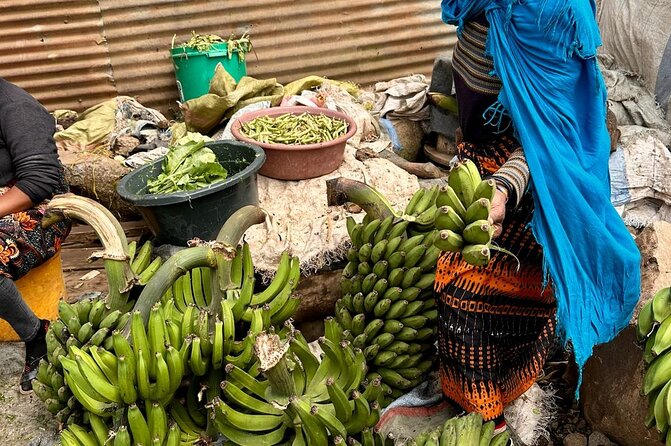
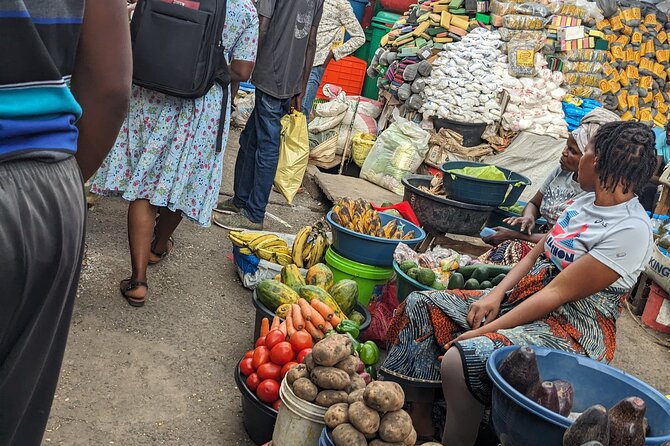
Arusha’s food market is the real opening act here. You walk past stalls of fruit, dry goods, meat, and other staples, then help choose ingredients before cooking them in a local home. I like that the market visit gives meaning to the food, and that chef Neema puts you to work instead of simply cooking in front of you.
I also like the warm, personal guiding. Liroy and Israel explain the products, answer questions, and may arrange local transport such as a tuk-tuk to the market. The main drawbacks are simple: drinks are not included, cooking can run long, and kitchen hygiene may feel less careful than you expect at home.
Key points to know before booking
- The Central Market comes first: Spend about 30 to 50 minutes seeing produce, dry foods, meat, and local trade before buying ingredients.
- You cook the meal yourself: The class covers dishes such as plantain banana, chapati, ugali, and vegetables, with a stewed or barbecued meat option.
- Liroy, Israel, and Neema add a personal touch: The guides lead the market visit, while Neema teaches the cooking in a small local home.
- The cooking portion is flexible: Allow one to three hours, depending on the menu, pace, and food being prepared.
- The $45 price includes the useful basics: Hotel pickup and drop-off, market visits, ingredients, instruction, and the meal are covered.
- Bring water and dress for the kitchen: Wear comfortable shoes, comfortable clothes, and long pants. Drinks cost extra.
Starting in Arusha with a local market walk
Your day begins with pickup from your hotel in Arusha town, generally near the city center. That is useful if you have just arrived in town or are staying in a lodge close to the central area. The experience lasts about five hours, though the cooking itself can take anywhere from one to three hours.
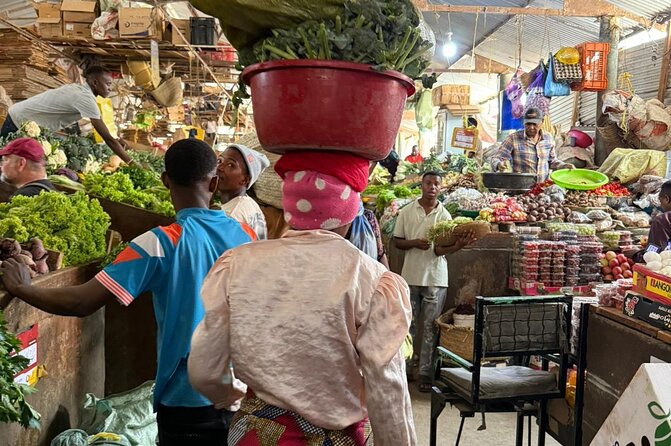
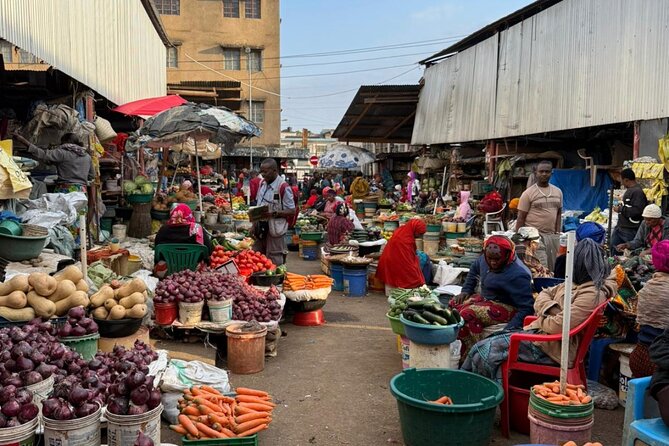
The first stop is a central food market. Give this part your full attention. It is not just a quick shopping errand before the class. You see the everyday ingredients behind Tanzanian cooking, including dry foods, meat, fruit, and vegetables, and you can ask how they are used.
Liroy has been especially good at explaining products, vendors, and daily life in town. Israel may also be part of the guiding team. The market visit is a good chance to ask practical questions: Which bananas are used for cooking? What makes one type of flour better for chapati? How are vegetables prepared at home?
Allow 30 to 50 minutes for the market. That is enough time to look around, take photographs, speak with sellers, and select ingredients without turning the visit into a rushed dash. Market aisles can be active places, so stay alert. One guide has been careful to move a participant aside when workers carrying heavy loads came through.
Photography is allowed, but use good judgment and ask before photographing people at close range. The value of the stop is the contact with ordinary food shopping, not simply a collection of colorful pictures.
A few more Arusha trips to weigh up
- NGO Lifted Strong – Traditional Tanzanian Cooking Class
★ 5.0 · 39 reviews - Arusha: Traditional Tanzania Cooking Class & Food Market Tour
★ 5.0 · 34 reviews - Cooking and Sewing & Jewelry Workshops in Arusha
★ 5.0 · 14 reviews
Shopping for the dishes you will cook
The menu is discussed during the market portion, and you help buy what will be used in the kitchen. This makes the class feel connected to the town. You are not looking at a display of ingredients selected long before your arrival. You see the shopping process and then handle the same food yourself.
The listed dishes include plantain banana, chapati, ugali, and vegetables. A meat option may be prepared as a stew or barbecue for those who want it. In practice, the menu can involve three selected dishes from a wider choice, while some sessions have produced four dishes. Ask the guide what is available that day if the exact menu matters to you.
This flexibility is one of the better features of the experience. You can focus on foods that interest you, and you are more likely to remember recipes you helped choose and prepare. It also means you should not book expecting a fixed restaurant-style menu. The class is shaped by the ingredients available and the pace of the day.
Some sessions include a second, smaller market stop to buy cooking items. That can add useful context, though it may also lengthen the outing. The advertised duration is five hours, so keep your schedule open after the start time rather than planning a tight connection.
Cooking in a small local home
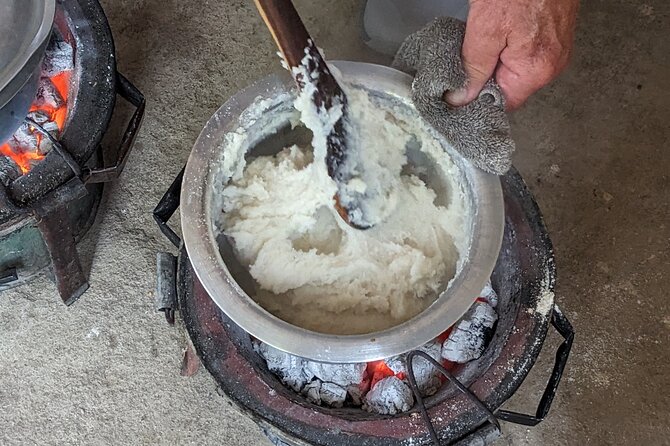
After shopping, you head to the cooking location. The setting is a small local house with a washroom, not a polished school kitchen designed for tourism. That is part of the appeal, but it also sets the right expectations. You are learning how a household prepares food with charcoal and propane stoves, not taking a professional culinary course.
Chef Neema guides the cooking. She demonstrates each step, then has you take over while she moves to another task. This approach gives you actual practice with the food instead of a passive demonstration. You may chop, mix, shape, stir, or finish a dish, depending on the menu.
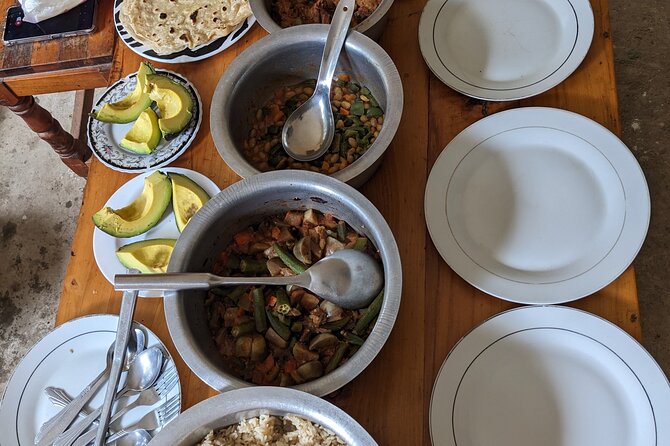
Chapati is a particularly useful dish to learn because the technique can be repeated at home. Ugali offers a look at a basic staple and the way it is cooked and served. Plantain banana and vegetables show how simple ingredients can form the main part of a meal. If meat is included, it may be stewed or cooked over a grill.
The cooking lasts one to three hours. That range matters. If you want a short activity with a meal at the end, the class may feel slow. If you enjoy working through each step and talking with the cook, the longer pace is a benefit.
The social side is just as important as the food. Neema, Liroy, and Israel have made time for friendly conversation, and guides may take photographs while you cook. The mood is informal and personal, with plenty of room for questions about food and life in Tanzania.
What the food experience is really like
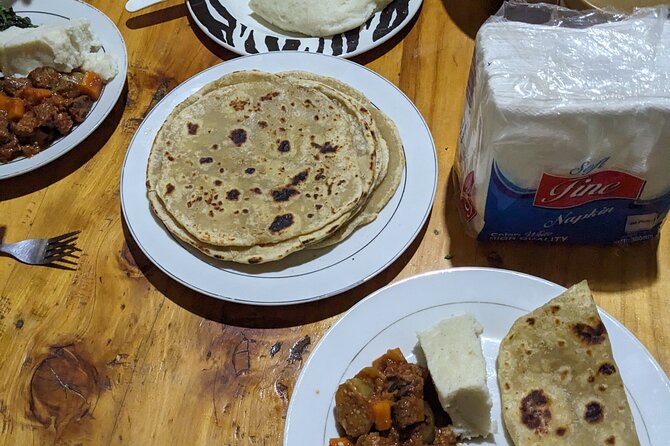
The finished meal is made from the ingredients you helped select and prepare. You sit down with the group and eat the dishes together. This is a better way to understand the food than ordering a plate without knowing how it was made.
The cooking style is described as approachable and authentic, but you should not expect exact restaurant consistency. Home cooking varies, and the menu depends on what is chosen that day. That is part of the experience, though it can frustrate anyone hoping to master precise professional methods.
You may be able to pack leftover food for another meal at your hotel. This depends on how much remains, so treat it as a bonus rather than part of the guaranteed meal plan.
Drinks are not included. Water can be obtained during the day, and one guide went out of his way to get water and a beer for a participant, but you should plan to bring or purchase your own drink. At $45 per person, this omission is minor, but it is worth knowing before you arrive hungry and thirsty.
Same country, a completely different kind of safari:
- Balloon Safari & Bush Breakfast in Serengeti – Miracle Experience
★ 5.0 · 1,646 reviews - Tanzania Classic – 7 Days
★ 5.0 · 1,151 reviews - 4 Days Group Camping Safari
★ 5.0 · 1,101 reviews - 5 Days Group Camping Safari
★ 5.0 · 730 reviews
Kitchen standards and practical comfort
The most important caution concerns cleanliness. Soap and water are available, but the handwashing and cutting-board routines may not match United States standards, especially when meat is handled. The food in one session was fully cooked, but anyone with a sensitive stomach or strong concerns about kitchen hygiene should think carefully before choosing the meat option.
You can reduce the concern by washing your hands well, asking how meat and boards are being handled, and choosing fully cooked dishes. Long pants are required as part of the recommended clothing, and comfortable shoes make sense for the market and cooking work.
Do not bring weapons or sharp objects. Wear clothes you can move in and do not mind getting a little dusty or marked by food preparation. There is no reason to dress formally.
How the $45 price measures up
At $45 per person, this is a good-value half-day experience if you want more than sightseeing. The fee covers hotel pickup and drop-off, the central market visit, cooking instruction, ingredients, and the meal. Those inclusions remove several small costs that can add up when arranged separately.
The strongest part of the value is the combination of activities. A market tour alone might give you information but no practical skill. A cooking class alone might feel disconnected from local shopping. Here, the market, ingredient buying, kitchen work, and meal form one clear chain.
The price is less compelling if you mainly want to eat and move on. The cooking can take up to three hours, and the setting is modest. You are paying for time with local people and a hands-on lesson, not for a fancy kitchen, included drinks, or accommodation.
The overall rating is 4.9 from 12 ratings, and the consistent strengths are clear: friendly guides, a useful market explanation, fresh food, and a pleasant group meal. That high score should not hide the small issues. The missing drinks, variable timing, and basic kitchen standards are real considerations.
Who will enjoy this Arusha food tour?
I would recommend it to you if you like local markets, small-group activities, and learning by doing. It suits visitors who want a quieter cultural experience between safari plans, and it gives first-time visitors a simple way to connect food with daily life in Arusha.
It is also a good fit for people who collect recipes while traveling. You can take home the recipes and skills, then try the dishes again in your own kitchen. Chapati and vegetable dishes are especially practical starting points.
Families and groups should confirm the menu and cooking pace before booking. The activity involves market walking and kitchen work, so it is not a sit-down food tasting. It may also be less suitable if you need strict control over ingredients, have serious food allergies, or are uncomfortable with basic household hygiene.
Vegetarians can ask about the menu, since vegetables are included and meat is presented as an option. The available information does not promise a separate vegetarian menu, so confirm this before paying if it is essential.
English is the stated tour language. Pickup and drop-off are offered from hotels in Arusha town, while drinks and accommodation are not included. Free cancellation is available up to 24 hours before the experience, and you can reserve now and pay later if that option appears at booking.
The best way to prepare for the five hours
Leave your schedule open for the full five hours. The published cooking time alone has a wide range, and shopping, conversation, and transport can affect the pace.
Bring water or money to buy a drink. Wear long pants, comfortable shoes, and clothes suitable for a market and kitchen. A phone or camera is useful because photographs are allowed, but ask before photographing vendors or local residents closely.
Come ready to participate. The more questions you ask at the market and the more tasks you take on in the kitchen, the more useful the experience becomes. If you stand back and wait to be served, you will miss the main point.
Should you book this cooking class?
Book it if you want a personal introduction to Tanzanian food and do not mind a simple setting. The market visit with Liroy or Israel, followed by Neema’s hands-on cooking lesson, gives you a practical look at how ingredients become a shared meal.
Skip it if you need a tightly timed itinerary, included drinks, or professional kitchen standards. For most curious eaters, the $45 cost is fair because it includes transport, ingredients, instruction, and lunch with the people who guided you. Bring water, allow extra time, and treat the day as a cultural exchange rather than a polished cooking show.
FAQ
How long does the Arusha cooking class and market tour last?
The full experience lasts about five hours. The market visit takes approximately 30 to 50 minutes, while the cooking class lasts between one and three hours.
Where does hotel pickup take place?
Pickup and drop-off are provided from hotels in Arusha town, especially hotels near Arusha city center.
Which foods will I cook?
The activity includes dishes such as plantain banana, chapati, ugali, and vegetables. A stewed or barbecued meat dish may also be available. The exact selection can vary.
Are drinks included?
No. Drinks are not included in the price, so bring water or plan to purchase a drink during the experience.
Is the cooking class taught in English?
Yes. English is the stated language for the live guide and cooking experience.
What should I wear?
Wear comfortable clothes, long pants, and comfortable shoes. You will spend time walking through a market and working in a kitchen.
Can I cancel for a full refund?
Yes. You can cancel up to 24 hours in advance for a full refund. A reserve now and pay later option is also available when offered during booking.
More Markets in Arusha
- 24 Hours in Arusha—Arusha Museum, Cultural Heritage, Maasai Market, Shanga
★ 5.0 · 4 reviews - Stone Town Guided Tour: Culture, Slave Market & Spice Market
★ 4.8 · 44 reviews - Stone Town Private Tour with Slave Market Tickets
★ 5.0 · 13 reviews - Private Market Tour and Tanzanian Cooking Class in Moshi
★ 5.0 · 7 reviews
More Food in Arusha
- Organic Coffee Tour and Local Food Experience in Arusha
★ 5.0 · 29 reviews - Street Food and Community Walking Tour
★ 5.0 · 12 reviews - Waterfalls, Coffee, Hotsprings, Food Cuisine, & Serval Wildlife
★ 5.0 · 6 reviews - Mama Aziz Food Court
★ 5.0 · 3 reviews
Just added around Arusha
- 8 Days Serengeti Migration safari★ 5.0 · 11 reviews
- tarangire, ngorongoro & lake manyara park 3 days private tour★ 5.0 · 11 reviews
- tarangire & ngorongoro 2 days tour★ 5.0 · 14 reviews
- serengeti & ngorongoro 3 days private tour★ 5.0 · 15 reviews
- Mt. Kilimanjaro: Shira plateau to Cathedral point 3872m Day hike★ 5.0 · 7 reviews
- serengeti, ngorongoro & tarangire 4 days private tour★ 5.0 · 18 reviews
- 2 Days Tanzania Midrange Group Join Safari★ 5.0 · 7 reviews
- climb the KILIMANJARO via Lemosho route★ 5.0 · 4 reviews
Cooking Classes, compared.
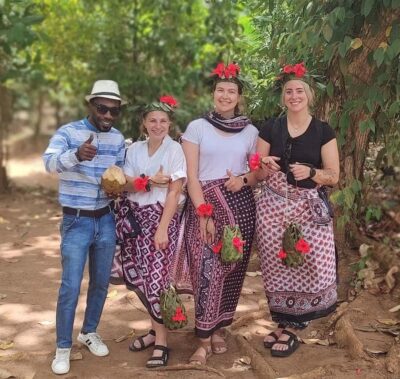
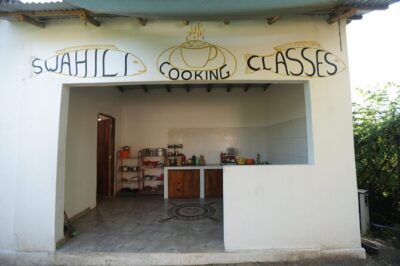
Half-Day Kuza Cave Swimming Adventure and Cooking Class
Read our review →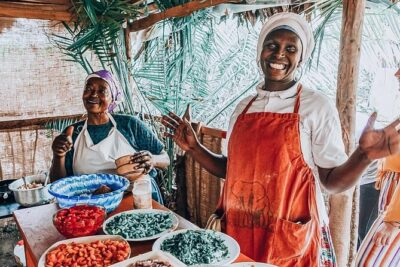
NGO Lifted Strong – Traditional Tanzanian Cooking Class
Read our review →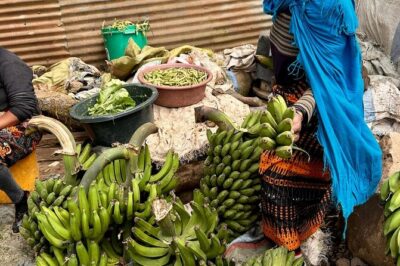
Traditional Tanzania Cooking Class & Food Market Tour
Read our review →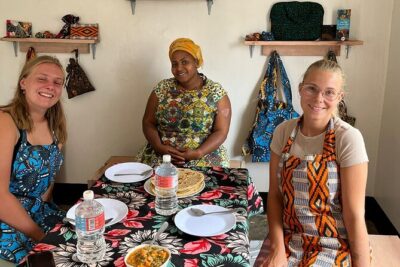
Cooking and Sewing & Jewelry Workshops in Arusha
Read our review →
Mnemba Dolphin Tour, Clear Kayak, Cooking Class, Horse Riding
Read our review →
Traditional Zanzibar Cooking Class including Spice Tour
Read our review →Browse the lists this tour appears in