
Reviewed · WILDLIFE
4 Days Wildlife Tanzania Adventure
The best part of this four-day Tanzania safari is the sheer variety packed into a short route: Lake Manyara’s elephants and flamingos, the open Serengeti, and a full crater safari at Ngorongoro. You move from forest and soda lake to wide grassland and a natural wildlife bowl in just four days.
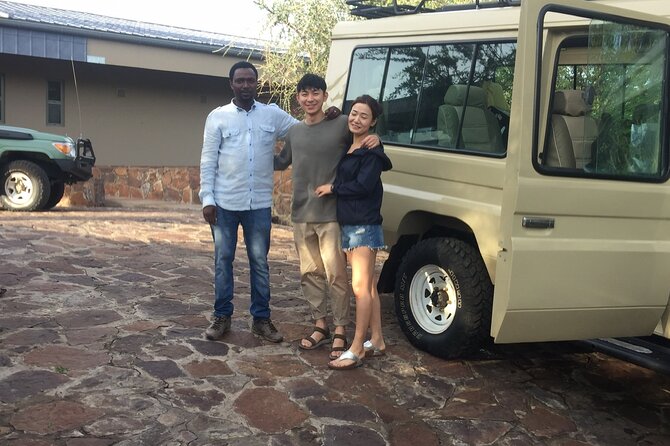
I like the private format, since only your group takes part, and I like that meals are built into the trip rather than left to chance. Chefs including Ibrahim, Samwel, and Benson have prepared meals for past departures, with good food reported even under modest camping conditions.
The trade-off is the pace. Long drives are part of the deal, and the budget setup may mean basic facilities, including cold showers at some camps. You will see a lot, but you should be ready for early starts, dusty roads, and long hours in a safari vehicle.
Key things to know before booking
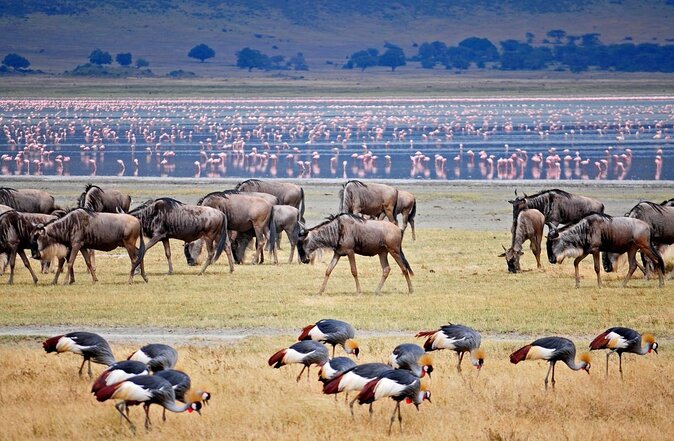
- Three major wildlife areas in four days: Lake Manyara, Serengeti National Park, and Ngorongoro Crater give you three very different settings.
- Private group travel: Only your own group participates, which makes it easier to shape the day around your interests.
- Seronera is the Serengeti base: The central park area offers access to the Seronera River and a strong chance of seeing a wide mix of animals.
- Meals are included: The package covers four lunches, four dinners, and three breakfasts.
- A hot-air balloon option is available: If booked, the flight begins around 6:00 a.m. on Day 3, followed by a bush breakfast and champagne.
- Budget comfort is part of the bargain: Accommodation standards vary, and cold showers may be available instead of hot water.
The route gives you three different safari experiences
At $1,550 per person, this is not a quick park visit. It is a four-day loop from the Moshi or Arusha area through three of northern Tanzania’s best-known wildlife destinations.
That price makes the most sense if you want transport, guiding, meals, and a private group arrangement handled together. You are paying for long-distance movement between parks as well as the game drives themselves. The value is strongest for someone who wants a compact safari without arranging each transfer and meal separately.
You should ask for the exact accommodation standard before paying. The trip can be arranged around a lodge or campsite, and the difference matters. A lodge usually gives you more comfort at the end of a long drive, while a campsite may suit you if keeping the price down matters more than hot water and extra room.
The route is busy, but it is well chosen. Lake Manyara gives you woodland and water. The Serengeti provides broad plains and predators. Ngorongoro brings a concentrated half-day wildlife outing inside a volcanic crater. You get variety rather than four days of seeing the same type of terrain.
A few more Moshi trips to weigh up
- Wildlife Safari Tanzania
★ 5.0 · 19 reviews - From Moshi or Arusha: Serval Wildlife Sanctuary Trip
★ 4.9 · 14 reviews - Moshi: Serval Wildlife Tour with food and drinks
★ 3.2 · 11 reviews
Day 1: elephants, flamingos, and Lake Manyara
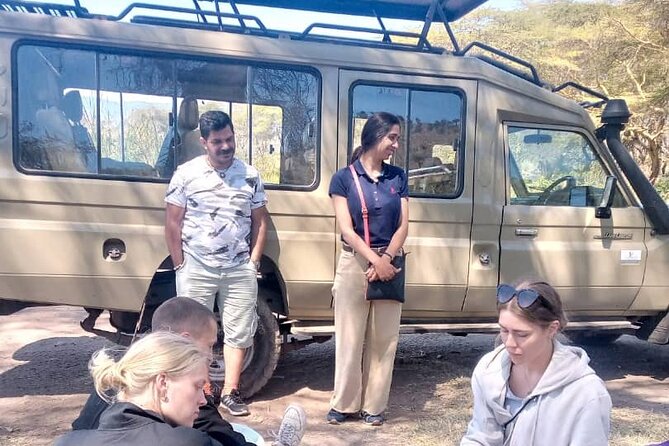
Pickup is offered from your hotel in Arusha or Moshi, with the stated meeting point at Kilimanjaro Airport and a 7:00 a.m. start. Confirm the exact pickup point before departure, since the route begins early and the transfer from Moshi or Arusha affects how much time you spend in the park.
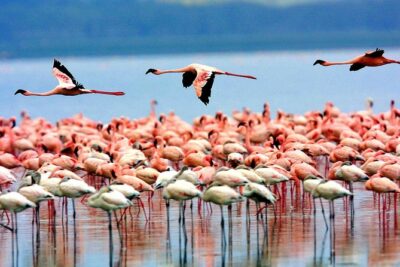
Lake Manyara National Park sits below the Great Rift Valley escarpment. A shallow soda lake covers much of the park, and its water attracts large numbers of birds, including flamingos when conditions are right. The park also has a strong elephant presence and is known for lions that sometimes climb trees.
The day allows about seven hours for the park visit, including a picnic lunch in the afternoon. You continue the game drive after eating and leave around dark for your lodge or campsite.
This is a good opening day because you start with several different habitats. The lake may offer birdlife and open views, while the wooded sections can bring elephants and other animals closer to the road. The famous tree-climbing lions are not guaranteed, so treat them as a special possibility rather than the main reason to choose this park.
The main drawback is the amount of road time. After pickup, the drive to the park and the later transfer to your overnight accommodation make this a full day. Bring water, sun protection, and something warm for the evening, since the day can shift from hot and dusty to cool after sunset.
Day 2: crossing the highlands into central Serengeti
After breakfast, you travel through the highland farms around Karatu and across the Ngorongoro Conservation Area before descending toward the Serengeti. This change in scenery is one of the memorable parts of the trip. Cultivated highlands give way to huge grasslands, and the feeling of open space grows as you continue west.
The drive takes about six hours, with arrival in time for lunch and an afternoon game drive. Your base is the Seronera area in central Serengeti, where the Seronera River provides water and helps draw animals throughout the year.
Seronera is a sensible choice for a short safari. You do not spend the whole day reaching a far corner of the park, and you have access to an area known for a broad mix of species. You might see grazing herds, elephants, lions, hyenas, and other animals, but wildlife sightings always depend on the day and the guide’s judgment.
Guiding makes a real difference here. A guide with many years on these roads can help you spend less time searching empty stretches and more time watching active areas. James, who has been associated with departures on this route, is noted for having about 20 years of guiding experience. Abdul and Emanuel are also names connected with past safari crews.
You should think of Day 2 as both a transfer and a safari day. The afternoon drive may be rewarding, but you will already have spent hours on the road. Keep your camera and binoculars accessible rather than packed away, since the journey itself passes through several areas where wildlife may appear.
Day 3: a short Serengeti drive or a dawn balloon flight
Day 3 is the least detailed and most flexible part of the plan. The listed schedule allows about four hours in the Serengeti before you leave for the Ngorongoro crater rim or Karatu for dinner and the night.
If you book the optional hot-air balloon safari, pickup is scheduled for 5:00 a.m. for a 6:00 a.m. flight. The aerial experience lasts about 90 minutes and is followed by a bush breakfast and champagne. Afterward, you return to camp or lodge, collect your belongings, and continue toward Ngorongoro.
This option changes the shape of the day. You gain a rare view over the Serengeti at dawn, but you also begin very early and still need to travel later. Ask in advance whether the balloon cost is separate, since it is described as an added booking rather than part of the standard $1,550 package.
If you do not choose the balloon flight, use the morning to rest or take the available Serengeti drive. Four hours is not a long game-drive window, so set realistic expectations. The day is mainly a bridge between the central Serengeti and Ngorongoro, not a second full day in the park.
The overnight location is either the crater rim or Karatu, depending on the arrangement. That makes the next morning’s crater descent possible without returning all the way from central Serengeti.
Same country, a completely different kind of safari:
- Kilimanjaro climb by Lemosho Route (7-day)
★ 5.0 · 651 reviews - Safari Serengeti And Ngorongoro
★ 5.0 · 288 reviews - Kilimanjaro climb, Machame Route (7-day)
★ 5.0 · 262 reviews - Kilimanjaro Climbing Lemosho Route 8 Days.
★ 5.0 · 186 reviews
Day 4: the crater floor and Lake Magadi
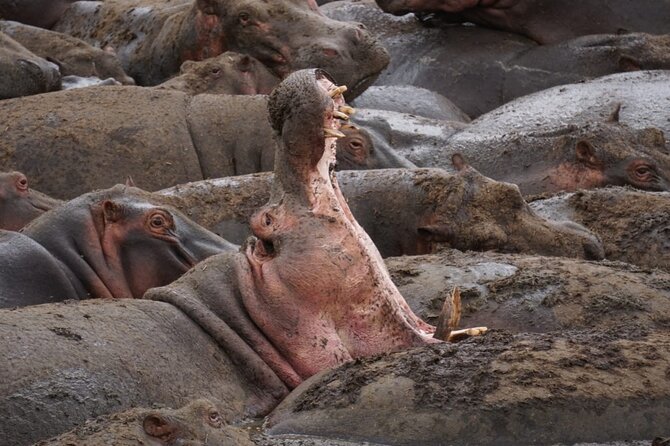
The final day takes you down about 600 meters into Ngorongoro Crater for a half-day safari. The crater has year-round water and food, which helps support large groups of wildebeest, zebra, buffalo, eland, warthogs, hippos, and elephants.
Predators are part of the appeal. Lions, hyenas, jackals, cheetahs, and leopards may be seen. The leopard is particularly hard to find, even with a strong guide, so do not judge the day by whether one elusive cat appears.
A major stop is Lake Magadi, a shallow alkaline lake in the crater’s southwest corner. Its water and surrounding flats can attract birds and animals, and it gives the drive a clear focal point rather than making the crater feel like one endless search.
The listed time for the day is about seven hours, though the actual wildlife drive is described as half-day. The rest includes the descent, movement within the crater, and the return journey. You should confirm your final drop-off plan, especially if you have a flight or another tour after the safari.
Ngorongoro is visually dramatic, but it can feel busier than the Serengeti because the crater is a compact destination with many vehicles seeking the same wildlife. The reward is concentration: you have a good chance to see several species in one outing, without crossing huge distances between sightings.
Food, camping, and the real meaning of budget
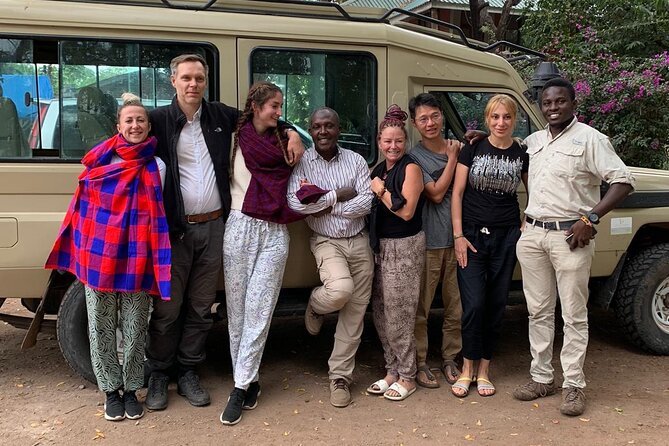
The package includes four lunches, four dinners, and three breakfasts. That is useful on a route where driving days are long and food stops may not be convenient.
Food quality appears to be a strong part of the operation. Chefs named Ibrahim, Samwel, and Benson have been praised for tasty meals, including in modest conditions. That matters more than it may sound. A warm, filling meal can rescue your mood after hours on rough roads.
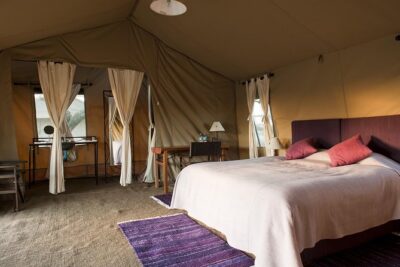
Do not assume the accommodation is luxury safari style. The practical warning is cold showers. If you need hot water every evening, ask about the exact lodge or campsite standard before booking. Pack sandals, a quick-drying towel, and a small wash kit so a basic shower setup does not catch you by surprise.
Tips are not included. Set aside cash for your guide, chef, and any other staff who look after your group. The amount is your choice, but tipping should be treated as an extra cost when you compare the total price with other four-day safaris.
Guides, chefs, and the private-group advantage
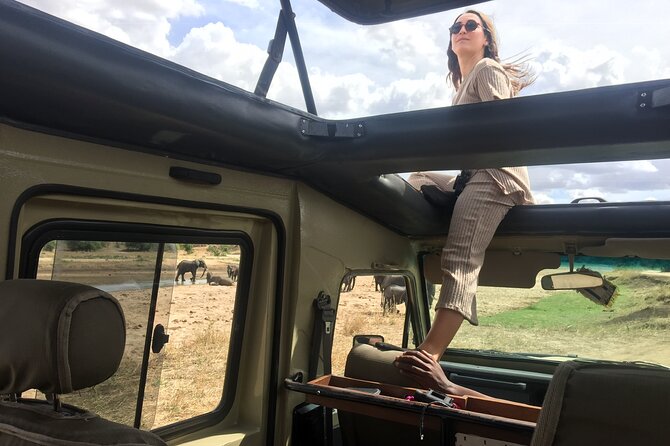
The private format is one of the most useful features for a short safari. You are not sharing the activity with a large mixed group, so you can ask to spend longer with an animal or move on when the view is not working for you.
The people leading the vehicle matter greatly. Past crews connected with this operation include James, Abdul, and Emanuel as guides, plus Ibrahim, Samwel, and Benson as chefs. Vincent has also handled communication and trip support. Ask who will lead your departure and what accommodation standard is planned, rather than assuming a particular person will be assigned.
A good guide does more than identify animals. The guide decides when to wait, which road to try, and how to balance your wish list against the conditions of the day. On a four-day route, that judgment is especially important because you have limited time in each park.
The food team matters for the same reason. You are not only buying wildlife access. You are buying the daily routine of breakfast, lunch, dinner, camp support, and long transfers. Strong staff can make a basic safari feel organized and comfortable, while poor communication can make the same route tiring.
Who will get the best value from this safari
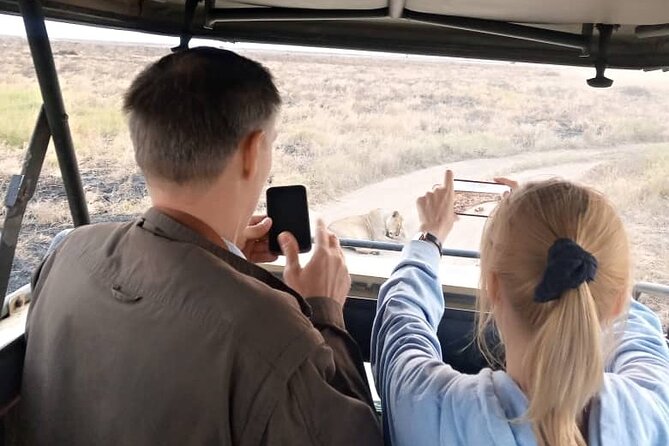
I would choose this trip if you want a first safari with a clear route and a private group, but do not want to spend a week on the road. It suits people who want the major northern Tanzania parks in one compact package.
It is also a good match for solo visitors who prefer not to arrange every detail alone. One solo guest described the budget format as working well, with the guide and chef making the trip feel supported. The private setup may also appeal to couples or families who want control over their day.
You should think twice if you dislike long drives, basic facilities, or early mornings. The itinerary moves quickly, and Day 2 and Day 3 include substantial transfers. You will spend plenty of time in the vehicle, not only watching animals.
The tour is also less suitable if your main goal is a slow, specialist safari in one park. In that case, extra days in the Serengeti would give you more time for patient wildlife viewing. This route is about range and convenience.
Booking details worth checking first
The experience is listed at $1,550 per person and lasts about four days. Pickup is offered, and the activity uses a mobile ticket. Only your group participates, but the size of that group is not stated, so ask before booking if space inside the vehicle is important to you.
Confirmation is provided at booking. Most people can participate, and the meeting information gives a 7:00 a.m. start connected with Kilimanjaro Airport in Tanzania. Confirm whether your pickup is from Moshi, Arusha, your hotel, or the airport.
The cancellation terms are generous if your plans may change: you can cancel at least 24 hours before the local start time for a full refund. Cancellations or changes made inside that 24-hour window are not accepted for a refund.
Should you book the four-day Tanzania safari?
Book it if you want Lake Manyara, Serengeti, and Ngorongoro in one efficient trip, and you place more value on wildlife variety and private transport than on polished accommodation. The included meals and experienced safari crews add practical value, especially for a first visit.
Skip it if cold showers, long drives, and a quick schedule would spoil the experience for you. Before paying, confirm the accommodation type, pickup point, guide assignment, group size, and any separate cost for the balloon flight. If those details suit you, $1,550 is a fair price for a tightly packed northern Tanzania safari.
FAQ
Where does the safari start?
The meeting information gives Kilimanjaro Airport in Tanzania as the start point, with a 7:00 a.m. start. Pickup is also offered from hotels in Arusha or Moshi, so confirm your exact pickup location before departure.
Which national parks and protected areas are included?
The route includes Lake Manyara National Park, Serengeti National Park, and the Ngorongoro Conservation Area, including a safari inside Ngorongoro Crater.
Are meals included?
Yes. The package includes four lunches, four dinners, and three breakfasts.
Is this a private safari?
Yes. Only your group participates in the activity. The exact group size is not stated.
Is the hot-air balloon flight included?
The hot-air balloon safari is presented as an option for Day 3 and is not identified as part of the standard package. Confirm its separate price when booking.
What is the cancellation policy?
You can cancel at least 24 hours before the experience’s local start time for a full refund. Cancellations or changes made less than 24 hours before the start are not accepted for a refund.
Just added around Moshi
- Mt Kilimanjaro 6 days Marangu route hike★ 5.0 · 3 reviews
- Wildlife Extravaganza: Manyara, Tarangire & Ngorongoro in 3 Days★ 5.0 · 3 reviews
- Private Cycle to Kilimanjaro Bike Park Safari★ 5.0 · 6 reviews
- 3 Days Private E-Bike Tour in West Kilimanjaro★ 5.0 · 3 reviews
- West Kilimanjaro cycling Adventures★ 4.5 · 8 reviews
- machame route★ 5.0 · 16 reviews
- Kilimanjaro Climb & Safari – Lemosho Route – 13 Day★ 5.0 · 10 reviews
- Kilimanjaro Climbing Umbwe Route★ 5.0 · 3 reviews
Wildlife, compared.

5 Days 4 Nights Tarangire, Serengeti , Ngorongoro & Manyara Wildlife Safari
Read our review →
4 Days Wildlife Safari and Cultural Experience in Tanzania
Read our review →
SAFARI WILDLIFE 3 DAYS 2 NIGHT FROM ZANZIBAR TO MIKUMI
Read our review →
8 Days 7 Nights Tanzania Wildlife & Culture Lodge Safari
Read our review →Browse the lists this tour appears in