
Reviewed · SERENGETI SAFARIS
Serengeti Wildebeest Migration.
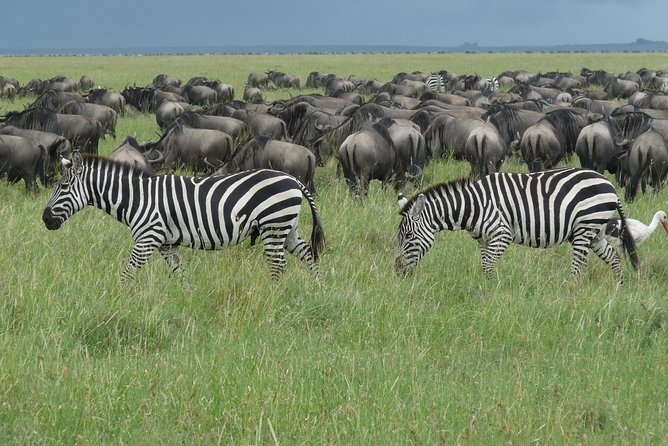
The great draw here is the chance to follow the Great Wildebeest Migration through northern Tanzania, where more than two million wildebeest, zebras, and gazelles move between feeding and calving grounds. The route also brings you to Tarangire’s elephant country, the Serengeti’s big-cat territory, and Ngorongoro Crater.
I like the private 4×4 with a pop-up roof, refrigerator, and charging stations. I also like the route itself: it gives you several days in the Serengeti rather than treating it as a quick stop. The main caution is timing. River crossings are never guaranteed, and the advertised eight-day package does not match the seven-day schedule provided, so confirm the exact number of nights before paying.
Key points to know before booking
- Mara River focus: The northern Serengeti is visited in the period when wildebeest may gather near the Mara River, especially from mid-June through September.
- Private safari vehicle: Your group travels in its own 4×4 with a pop-up roof, refrigerator, and portable charging stations.
- Strong wildlife variety: Expect chances for elephants, lions, leopards, cheetahs, buffalo, hippos, hyenas, gazelles, zebras, and possibly black rhinos.
- Three major parks and reserves: The route covers Tarangire National Park, Serengeti National Park, and the Ngorongoro Conservation Area.
- Guide and support: Fredy is named as a guide, and the safari includes mineral water, meals, and Flying Doctors emergency evacuation cover.
- Important schedule check: The product is described as an eight-day safari, but the supplied daily plan runs from Day 1 through Day 7.
What this migration safari is really about
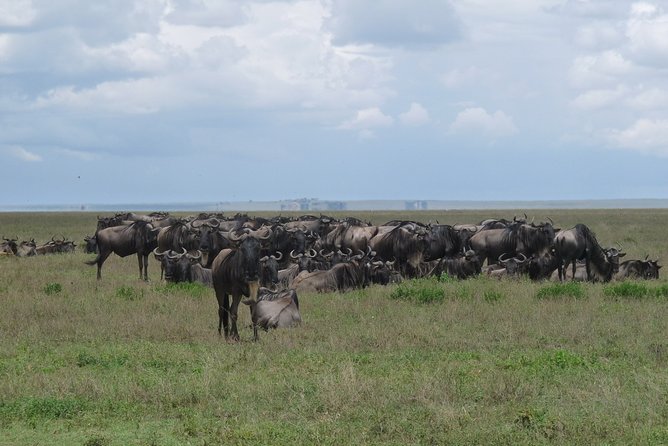
The migration is not a single event that happens at one fixed place and hour. It is a moving cycle driven by rain, grass, water, breeding, and calving. That makes this safari exciting, but it also means the most famous scene, a wildebeest river crossing, remains a matter of luck.
The package is designed around the northern Serengeti and the Mara River from roughly mid-June to September. July and August are presented as the strongest period for a possible crossing from Tanzania toward Kenya. September and October can bring movement in the opposite direction.
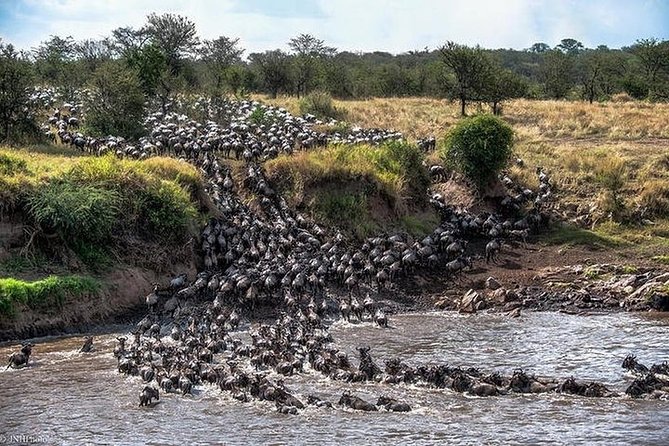
If you picture thousands of animals charging into the water on cue, adjust that picture now. Herds may wait for hours, turn back, split apart, or cross when your vehicle is elsewhere. The reward is not only the crossing itself. A quiet plain filled with moving herds, zebra companions, and watchful crocodiles can be just as memorable.
I like that this route gives the migration several days rather than one rushed game drive. You first enter the Serengeti through the central plains, then move north toward Kogatende and the Mara River, before returning through Lobo and Seronera. That creates a better chance of seeing both moving herds and resident wildlife.
More Serengeti Safaris in Kilimanjaro
- Safari Serengeti And Ngorongoro
★ 5.0 · 288 reviews - 5 Days Camping Tarangire, Serengeti & Ngorongoro crater & Visiting Maasai
★ 5.0 · 58 reviews - 4 Days Group Joining Camping Safari to Tarangire Serengeti Ngorongoro Crater
★ 5.0 · 50 reviews
Day 1: Tarangire’s elephants and baobabs
The safari begins at about 8 a.m. with pickup from your hotel in Moshi or Arusha. From Arusha, the drive to Tarangire is about 150 kilometers and takes roughly three hours, followed by a game drive that lasts until late afternoon.
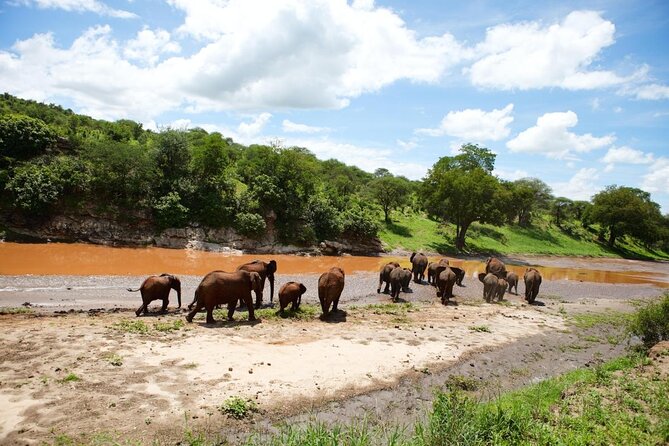
Tarangire is a useful first stop because it offers more than a warm-up. The park is known for its large elephant population, and the route gives you a chance to watch family groups interact. The huge baobabs add a striking sense of scale. Even a giraffe can look small beside some of these old trees.
The park covers about 3,000 square kilometers and takes its name from the Tarangire River. Its nine vegetation zones help explain why the animal sightings can change as you drive. The supplied plan includes a picnic lunch during the game drive, then dinner and an overnight stay at your camp or lodge.
The practical point is that this is a long opening day. You spend about seven hours on the activity, not counting all driving and stops. If you are arriving in Tanzania after a long flight, the early start and rough park roads may feel demanding. Still, Tarangire earns its place because elephants and baobabs give you a strong first day even before you reach the Serengeti.
Day 2: Entering the endless Serengeti plains
After breakfast, you set out for Serengeti National Park. The approach takes you across broad grasslands, and the sheer distance is part of the experience. The name Serengeti is commonly translated as endless plains, and the park’s area of about 14,763 square kilometers makes that description feel earned.
The first Serengeti day combines a transfer with game viewing. The plan allows about four hours for the initial stop and another four hours around the Seronera area. That means you should expect a full day in the vehicle, with a lot of open-country scenery between animal sightings.
Seronera is central Serengeti territory and one of the best areas on this route for year-round wildlife. The Seronera River provides water, which draws animals into the area. It is also known for lion prides, leopards, and other big cats. Watch the rocky kopjes too. These granite outcrops rise from the grass and provide shelter and lookout points for animals.
The Serengeti is famous for the Big Five, but it is better to keep your expectations broad. Lions and leopards are a major focus here, while elephants, buffalo, and many other species may appear. A safari is built on patient searching, not a fixed checklist.
Day 3: Driving north toward Kogatende
Day 3 is the long northbound push. You leave central Serengeti around 8 a.m. and travel toward Kogatende, with a picnic lunch during the day. The plan allows about eight hours for the drive and game viewing.
This is one of the more tiring sections of the trip. You cover distance because location matters during migration season. The central plains gradually give way to more broken, hilly country in the north. That change keeps the drive interesting, but it also means fewer long periods parked in one place.
Along the way, you may see resident zebras, topi, gazelles, buffalo, lions, and leopards. These animals are not dependent on the migration, so northern Serengeti can still be worthwhile if the wildebeest are not at the river.
If you arrive near the Mara River early enough, the plan allows a few hours in the area. That is valuable time, but do not treat it as a crossing appointment. River activity depends on the herd’s location and behavior, as well as weather and road conditions.
Your overnight accommodation is in the northern area. This positioning matters. It cuts down the need to make a long return journey before searching for the herds the next morning.
More Serengeti Safaris in Moshi:
- 4 Day Private Tour Throughout Tarangire, Serengeti and Ngorongoro
★ 5.0 · 42 reviews - 7 Days Safari. Serengeti, Tarangire, Lake Manyara & Ngorongoro Crater.
★ 5.0 · 34 reviews - Safari in Tanzania 5 days: Manyara, Ngorongoro, Serengeti
★ 5.0 · 29 reviews - 5-Day Lake Manyara, Serengeti, Ngorongoro Crater and Tarangire
★ 5.0 · 28 reviews
Day 4: The Mara River and the uncertain crossing
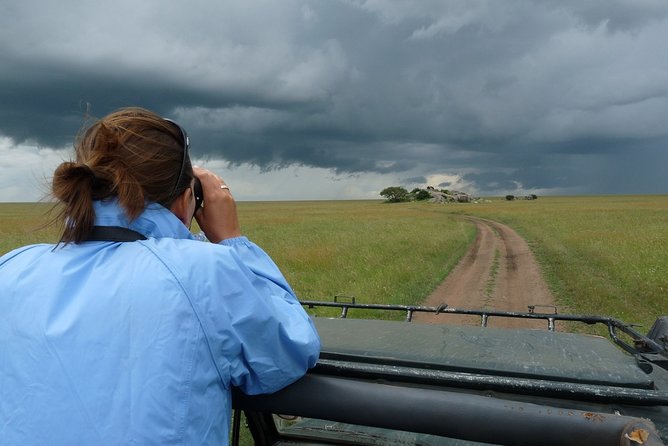
Day 4 is the heart of the migration plan. Between mid-June and September, the northern Serengeti and Mara River can offer some of the most dramatic wildlife viewing in East Africa.
The river is deep, rain fed, and dangerous. Wildebeest may crowd the bank, hesitate, and then surge into the current. Some animals drown, while crocodiles wait for opportunities. That raw struggle is part of the natural event, though it can be hard to watch.
The morning and afternoon are planned as separate four-hour game-drive periods, with a picnic lunch during the day. This gives you time to search the river area and also look for the northern Serengeti’s resident predators. Lions, leopards, and cheetahs are all possible, and permanent water sources help draw animals into the valley during the dry season.
I would treat this day as a chance to witness migration behavior, not as a promise of a crossing. You may see herds gathering, tracks, dust, calls, crocodiles, or a crossing itself. The tour’s value should still make sense to you if the river remains quiet.
Day 5: Returning through Lobo to Seronera
After breakfast, you head south toward central Serengeti. The drive back takes about four hours, and the route passes through the Mara River valley, hill country, Lobo woodlands, and finally the open terrain around Seronera.
This return leg may seem like a transfer, but it is also another game drive. You can see animals along the road, and the changing terrain offers a different feel from the northern section. Lobo’s woodlands and hills break up the long grasslands before Seronera opens out again.
Back in central Serengeti, the Seronera River once again becomes the main wildlife magnet. Lion prides are a special focus, and the area supports many species throughout the year. A picnic lunch is included during the drive, followed by dinner and another night at your accommodation.
The repeated time in Seronera is sensible. The area is not only a convenient midpoint. It gives you another chance to see cats and other wildlife after the migration search in the north.
Day 6: Leaving the Serengeti for Ngorongoro
Day 6 starts later, at about 9 a.m. You take a short morning game drive in the Serengeti, stop for a picnic lunch, and then travel toward the Ngorongoro Crater rim.
The drive from the Serengeti to the crater rim is about 75 kilometers and takes roughly two and a half hours. Game may appear along the way, but the main purpose is to reach the rim for the overnight stay.
Ngorongoro is a geological landmark as well as a wildlife area. The crater is the world’s largest inactive, intact, and unfilled volcanic caldera. From the rim, you are positioned for the early descent the next morning.
This day is shorter than some of the Serengeti drives, but it still totals about eight hours with game viewing and travel. The timing also gives you a chance to rest before the crater descent, which is useful after several long days on rough roads.
Day 7: Five hours on the Ngorongoro Crater floor
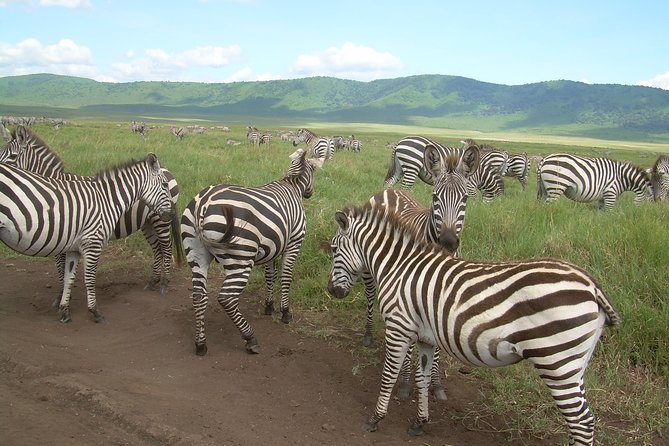
The final safari day starts early. After a quick breakfast, you descend into the crater at around 6:30 a.m. The game drive on the crater floor lasts about five hours.
The crater floor covers roughly 260 square kilometers and reaches more than 2,000 feet in depth. Its enclosed setting can make wildlife viewing feel concentrated. You may see elephants, buffalo, black rhinos, hippos, hyenas, cheetahs, and lions.
The included picnic lunch is planned at the hippo pool. After lunch, you make the steep climb back to the crater rim and continue toward the trip’s final destination, though the supplied schedule does not state the exact end point or arrival time.
The crater is a strong ending because it changes the rhythm of the safari. After days across huge open plains, you are watching wildlife inside a vast natural bowl. The drawback is the early start and the limited time on the crater floor. Five hours is worthwhile, but it is not an entire day of crater exploration.
What the private vehicle and meals add
Your group travels in a private 4×4 with a pop-up roof. That setup lets you stand or sit higher for views and photography, while the private format means only your group participates.
The vehicle includes a refrigerator and portable charging stations. Those are practical features on long drives. You can keep mineral water cold and recharge cameras or phones without relying only on your lodge room.
The package includes breakfast on six days, seven lunches, and six dinners. Mineral water is included throughout the safari. The schedule also mentions camp or lodge accommodation, but it does not give the names, room standards, or exact locations of the properties, so ask for those details before booking.
Guide Fredy is the guide name associated with this safari. One of the strongest personal touches in the supplied experience details is the mention of a personal chef on an earlier booking. Confirm whether a chef is included in your version, since the formal inclusions list confirms meals but does not clearly promise a private cook.
Is $4,185 a fair price?
At $4,185 per person, this is a major purchase. The price covers a private safari vehicle, guide services, park activities, meals, mineral water, lodge or camp accommodation, and Flying Doctors insurance for emergency evacuation during the safari.
The private vehicle matters most for value. You are not sharing the vehicle with an unknown group, and the guide can shape the day around your group’s interests. The refrigerator and charging points are small luxuries, but they become useful after several full days outside.
The route also covers three major wildlife areas rather than one park. Tarangire adds elephants and baobabs, the Serengeti provides several days for migration and predators, and Ngorongoro adds the crater experience.
The price is harder to judge without exact lodging details. Before booking, ask for the accommodation names, the number of nights, whether the package is truly seven or eight days, and what happens if the migration is in another part of the Serengeti. Also budget separately for international flights, alcoholic and soft drinks, tips, personal spending, travel insurance, and visa fees.
Visa fees are listed as $100 for American citizens and $50 for non-American citizens. International flights are not included.
Who should book this safari?
I would recommend it for someone who wants the migration to be the main reason for visiting northern Tanzania, but who also wants Tarangire and Ngorongoro included. It suits people comfortable with early starts, long drives, picnic lunches, and several hours on uneven roads.
The private format is a good fit for couples, families, or a small group that wants control over the pace. It is also useful if you care about photography, since the pop-up roof and private vehicle give your group more freedom than a large shared departure.
I would be more cautious if your schedule is tight or if you need luxury lodging with clearly specified rooms. I would also avoid booking solely for a guaranteed river crossing. The migration follows nature, not the calendar printed on a booking page.
Free cancellation is available when you cancel at least 24 hours before the local start time. Cancellations within 24 hours are not refunded, and late changes are not accepted.
FAQ
Where does the safari start?
Pickup is offered from hotels in Moshi or Arusha. The stated start time is 8:00 a.m.
How long is the safari?
The tour summary gives a duration of about seven days, while the package description calls it an eight-day lodge safari. The supplied daily schedule runs from Day 1 through Day 7, so confirm the exact duration and number of nights before booking.
Is this a private safari?
Yes. Only your group participates in the private tour or activity.
When is the best time for a Mara River crossing?
The supplied schedule identifies mid-June through September as the period when migration may be found near the Mara River. July and August are described as the strongest months for possible crossings toward Kenya, while September and October may bring movement in the opposite direction.
Is a river crossing guaranteed?
No. The information describes a chance to see a crossing and crocodile encounters, but does not guarantee either event.
Which parks and protected areas are included?
The route includes Tarangire National Park, Serengeti National Park, and the Ngorongoro Conservation Area.
What meals are included?
The package includes six breakfasts, seven lunches, and six dinners. Picnic lunches are scheduled during several game-drive days.
Is emergency evacuation cover included?
Yes. Flying Doctors insurance through AMREF is included for emergency evacuations during the safari. This does not replace general travel insurance.
Should you book it?
Book this safari if you want several serious days in the Serengeti, a private vehicle, and a route that combines migration country with Tarangire and Ngorongoro. The strongest value comes from the time spent moving through different wildlife zones, not from a guaranteed spectacle.
Before committing, get the lodging list and a written answer about seven versus eight days. If those details check out, the itinerary gives you a well-rounded northern Tanzania safari with a real chance of seeing the migration at the Mara River, plus excellent non-migration wildlife along the way.
Just added around Moshi
- Mt Kilimanjaro 6 days Marangu route hike★ 5.0 · 3 reviews
- Wildlife Extravaganza: Manyara, Tarangire & Ngorongoro in 3 Days★ 5.0 · 3 reviews
- Private Cycle to Kilimanjaro Bike Park Safari★ 5.0 · 6 reviews
- 3 Days Private E-Bike Tour in West Kilimanjaro★ 5.0 · 3 reviews
- West Kilimanjaro cycling Adventures★ 4.5 · 8 reviews
- machame route★ 5.0 · 16 reviews
- Kilimanjaro Climbing Umbwe Route★ 5.0 · 3 reviews
- Kilimanjaro Climb & Safari – Lemosho Route – 13 Day★ 5.0 · 10 reviews
Serengeti Safaris, compared.

Serengeti Balloon Safari and authentic bush breakfast
Read our review →
3 Days Serengeti & Ngorongoro Group Camping Safari
Read our review →
5-Day Highlights mid-Range Crater, Serengeti, Tarangire
Read our review →


Private 6-Day Tarangire Manyara Crater and Serengeti with Mid-Range Lodges
Read our review →
5 Days Camping Tarangire, Serengeti & Ngorongoro crater & Visiting Maasai
Read our review →
4 Days Join Group tour Tarangire Serengeti and Ngorongoro crater
Read our review →Browse the lists this tour appears in