
Reviewed · MACHAME ROUTE CLIMBS
Mt Kilimanjaro Climb – 7 days Machame
Kilimanjaro’s Machame Route gives you the mountain in chapters: ancient rainforest on day one, open moorland on Shira Plateau, strange alpine desert near Lava Tower, and a cold midnight push to Uhuru Peak. It is called the Whisky Route, but this is no casual stroll. You will work for the sunrise.
I like the thoughtful climb-high, sleep-lower pattern, which gives your body useful time to adjust. I also like that meals, tents, porters, transport, and a professional mountain crew are built into the price. The main caution is simple: seven days is still a serious physical challenge, and summit night begins around midnight after several demanding days.
Key points before you commit
- Five distinct mountain zones: Walk from rainforest to heath, moorland, alpine desert, and the icy upper slopes of Kibo.
- A useful acclimatization plan: Day three takes you to Lava Tower at about 4,640 meters before you sleep at Barranco Camp.
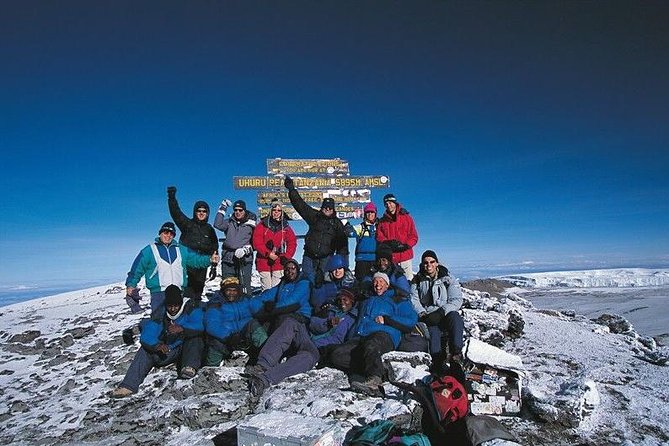
- A real summit night: Start around midnight, reach Stella Point after roughly 5 to 7 hours, then continue to Uhuru Peak at 5,895 meters.
- A full mountain support team: Guides, an assistant guide, cook, and porters are included, with salaries described as following KPAP guidelines.
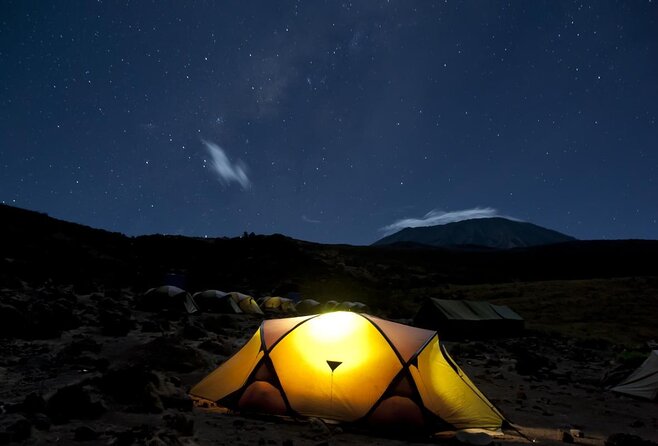
- Camping rather than lodge comfort: You receive tents, mattresses, and a mess tent, but you should expect cold nights and basic conditions.
- Strong reported guide support: Past climbers singled out Antipas, Amnaay, Musa, Satorine, Mo, and Robert for encouragement, care, and steady leadership.
Why the seven-day Machame Route works
The Machame Route is a good choice if you want more than a fast ascent. It gives you six nights on the mountain and uses a climb-high, sleep-lower rhythm that can help with altitude adjustment.
That does not make altitude sickness impossible. It simply gives your body more chances to respond before summit night. Your guide will monitor how you are doing, and the trip includes an oxygen cylinder and an oximeter for safety support. These are useful safeguards, not a guarantee that everyone reaches the top.
At $2,543.59 per person, this is a major purchase. The value comes from what is covered: park taxes, meals, drinking water, six nights of camping, transport to and from the gate, guides, porters, a cook, tents, mattresses, and a mess tent. You are not paying only for a walking route. You are paying for a coordinated mountain operation.
You still need to budget for tips, personal climbing gear, alcohol and soft drinks, travel insurance, and accommodation or airport transfers before and after the climb. The company can arrange pre and post accommodation and airport transfers on request, but those costs are not part of the stated rate.
More Kilimanjaro Climbs in Kilimanjaro
- Kilimanjaro climb by Lemosho Route (7-day)
★ 5.0 · 651 reviews - Kilimanjaro climb, Machame Route (7-day)
★ 5.0 · 262 reviews - Kilimanjaro Climbing Lemosho Route 8 Days.
★ 5.0 · 186 reviews
Day one: rainforest and Machame Camp
The first morning begins with pickup from Kilimanjaro Airport after breakfast, followed by transport to the Kilimanjaro National Park gate. The guide handles entrance paperwork while the mountain crew prepares the loads.
This gate scene is part of the experience. You will see different climbing teams sorting food, tents, and equipment before the trail begins. It is a useful first look at how much work happens behind a guided ascent.
The walk to Machame Camp takes about five to six hours. The trail passes through rainforest filled with old trees, ferns, lianas, and lichen. After the airport transfer and gate formalities, this first day can feel long, even though the scenery is generous.
Your accommodation is a mountain tent rather than a hotel room. Meals are prepared for you, and breakfast, lunch, and dinner are included. A vegetarian option is available, but you must request it when booking.
Day two: from forest to Shira Plateau
Day two is shorter than the opening walk, though you still start early. The green forest gives way to moor and heath, and the change is one of the clearest pleasures of the Machame Route.
You should reach camp around mid-afternoon after about seven hours of walking. The Shira Plateau camp brings wide mountain views, with Kibo’s glacier catching the evening light as the sun sets.
This day has a useful balance. You gain height, but you also arrive early enough to eat and rest. Do not treat the shorter day as a free pass. Your body is still adjusting to altitude, and the next two days will ask more from your legs.
Day three: Lava Tower, then Barranco Valley
Day three is the route’s key acclimatization day. You climb about 700 meters to Lava Tower, which sits near 4,640 meters, then descend to sleep at Barranco Camp at a level not much higher than the previous night.
This is exactly the kind of mountain planning you want on Kilimanjaro. You briefly reach a higher elevation, giving your body a chance to respond, but you do not sleep at the full height of Lava Tower.
The walk takes about six to seven hours and passes through alpine desert. The plants change again, with small lobelia and giant senecio plants appearing in the Barranco Valley. The scenery becomes more spare and unusual, and the route feels increasingly remote.
Lava Tower can be a difficult point for anyone feeling the altitude. Tell your guide about headaches, nausea, unusual fatigue, or shortness of breath. Quietly trying to hide symptoms is a bad plan on any high mountain.
More Machame Route Climbs in Kilimanjaro
- Climbing Kilimanjaro – Machame Route
★ 5.0 · 170 reviews - Climbing Kilimanjaro through 7 days Machame Route
★ 5.0 · 151 reviews - #1. Best Kilimanjaro Day hike Tour-Machame Route-ISMANI
★ 4.2 · 47 reviews - 7 Days Machame route – Kilimanjaro
★ 5.0 · 45 reviews
Day four: the Barranco Wall and the ridge walk
After breakfast, you tackle the famous Barranco Wall. This section may require you to use your hands for balance and grip, but the description makes clear that it is not a technical climbing section.
You should listen closely to the guides here. They know where to place each step and how to keep the group moving safely. The wall can look intimidating, especially when you are tired, but the key demand is careful walking rather than climbing skill.
The day includes repeated ascents and descents, followed by a walk along a mountain ridge. Kibo and its glacier remain in view, giving you a strong visual reminder of the summit ahead.
The stated walking time varies from three to four hours in the route description to about seven hours in the daily timing. Treat the schedule as approximate. Mountain pace, weather, rest stops, and group condition can all change the length of the day.
Day five: the high camp at Barafu
Barafu Camp is reached after about three to four hours, mainly through moon-like alpine desert. There is little softness to this part of the mountain. The surroundings are stark, exposed, and focused on the task ahead.
You have dinner, then try to sleep early. That rest matters because the summit attempt begins around midnight. In practice, this means your sleep may be short and broken, so use the afternoon to organize your clothing, water, headlamp, and summit gear.
This is also the point where personal equipment matters most. The tour does not include all personal mountain gear, so confirm what you need before arrival. One useful option mentioned by past climbers is hiring a sleeping bag locally rather than carrying one from home.
Day six: Stella Point and Uhuru Peak
Summit day begins just before midnight with tea and biscuits. The route to Stella Point takes roughly five to seven hours, followed by another one to two hours to Uhuru Peak at 5,895 meters.
You are aiming for sunrise from Africa’s highest mountain. The view is the reward, but the timing makes this the toughest part of the climb. You will walk in darkness, cold, and thin air after five days of trekking.
The final section is not just a matter of fitness. Sleep loss, altitude, temperature, and the slow pace all matter. Your guide’s job is to keep the group moving safely, watch for altitude problems, and help you make sensible decisions.
After Uhuru Peak, you descend by the same route to Barafu Camp, reached after another one to two hours according to the schedule. Snacks and refreshments are waiting there before you continue with the mountain team’s plan.
The supplied timing lists seven hours for the day, but the summit schedule alone can occupy much of the night and morning. You should plan mentally for a long, exhausting day rather than rely too closely on the printed estimate.
The past climbing accounts give the guide team much of the credit for successful summit days. Satorine is described as having more than 20 years of experience, while Antipas, Robert, Amnaay, Musa, Mo, and others are praised for encouragement, patience, and checking on people along the way. Names and crew assignments can change, but this gives you a sense of the support style to expect.
Day seven: rainforest descent and the Mweka gate
After breakfast, the mountain crew holds a traditional farewell ceremony. Then you walk for about two to three hours through rainforest to the Mweka gate.
A driver meets you there and returns you to your hotel. The day ends with a shower, a cold drink, a debrief, and a certificate of achievement. After the hard summit push, these simple comforts will feel well earned.
The final descent is easier than summit night, but tired knees can make it less pleasant than expected. Use your walking poles if you have them, move carefully, and do not rush simply because the finish is close.
Camping, food, and the working crew
You spend six nights in tents, with mattresses and a mess tent supplied. This setup gives you shelter and a shared dining space, but it is still camping at high altitude. You should pack for cold conditions and accept that comfort will be practical rather than luxurious.
Three meals a day are included. Drinking water, bottled water, coffee, and tea are also listed. Lunch is provided each day, while breakfast is included six times and dinner six times, matching the six nights on the mountain.
The crew includes a professional guide, assistant guide, cook, and porters. The company says team salaries follow fair and ethical pay guidelines associated with KPAP. That is important because a responsible climb is not only about reaching the summit. It is also about how the people carrying and running your trip are treated.
Tips are not included. The stated recommendations are $20 per day for the head guide, $12 to $15 for the assistant guide, $12 for the cook, and $5 to $8 for each porter, divided among everyone in the climbing group. Clarify the tipping process before you start so you are not trying to sort it out at the gate.
What the price really covers
The $2,543.59 rate is easiest to judge as an all-in mountain package. Park taxes alone do not create the value. The useful part is the combined support: permits, food, water, tents, camp equipment, transport, safety supplies, and a trained crew.
Hotel pickup and drop-off are included, but the details list pickup from the airport and transport back to your hotel after the descent. Pre and post accommodation, airport transfers outside this arrangement, personal gear, drinks, insurance, and tips remain extra.
For a private activity, only your own group participates. That can be valuable if you want the guide team to focus on your pace and condition rather than fit you into a large mixed party. Group discounts are offered, but the exact saving is not stated, so ask for the current rate before booking.
The tour also offers a mobile ticket and confirmation at booking. Those are small conveniences compared with the mountain work, but they make the start easier.
Who should book this climb
I would recommend this trip to someone with a moderate level of physical fitness who is ready to train seriously before arrival. You do not need to be a technical climber for the Barranco Wall, but you do need to handle long walks, uneven ground, early starts, cold, and a midnight summit attempt.
This route suits you if:
- You want seven days rather than a rushed ascent.
- You value a full support crew and prepared meals.
- You prefer private group arrangements.
- You are comfortable camping for six nights.
- You want several climate zones instead of one repeated trail.
- You can plan for extra costs such as tips, insurance, drinks, and personal equipment.
I would hesitate to recommend it if you want hotel comfort, a relaxed walking holiday, or a guaranteed summit. Kilimanjaro can be kind one hour and punishing the next. The itinerary is well paced for acclimatization, but no route removes the risks of altitude and fatigue.
Nyange Adventures receives a 5 out of 5 rating from 26 listed reviews, with 100 percent recommending the experience. The repeated strengths are clear: careful communication before departure, friendly and supportive guides, organized logistics, professional porters, and good encouragement on summit night.
Practical details to settle before booking
The experience is based in Moshi, Tanzania, and the stated meeting point is Kilimanjaro Airport and Kilimanjaro National Park. Operating hours are listed as Monday through Sunday, 7:00 AM to 6:30 PM.
A visa must be obtained at the border or airport. You should also arrange travel insurance, since it is not included. Ask specifically about personal gear, sleeping bag hire, airport transfers, and any nights before or after the climb.
Free cancellation is available up to 24 hours before the start time for a full refund. Cancellations or changes within 24 hours are not accepted for a refund, using local time as the cutoff.
Should you book the seven-day Machame climb?
I would book this trip if you want a serious but carefully supported Kilimanjaro attempt and you value the slower seven-day schedule. The climb-high, sleep-lower plan, full meal service, private group format, and strong attention to the crew make the price easier to justify.
Before paying, confirm the guide assignment, equipment rental, tipping arrangements, pickup details, and what happens if altitude prevents a summit attempt. If those answers suit you, this is a solid choice for a first major high-altitude climb, provided you arrive fit, properly equipped, and ready for a very cold night on the roof of Africa.
FAQ
How long does the Machame Route climb take?
The climb takes approximately seven days, including six nights on the mountain and the return to your hotel on day seven.
How high is Uhuru Peak?
Uhuru Peak is listed at 5,895 meters above sea level.
Is transport included?
Hotel pickup and drop-off are included, along with transport to and from the park gate. Pre and post accommodation and separate airport transfers are not included, though booking is available on request.
Are meals included?
Yes. Breakfast, lunch, and dinner are supplied during the climb. Coffee, tea, drinking water, and bottled water are also included.
Is camping included?
Yes. The package includes six nights of accommodation, tents, mattresses, and a mess tent.
Is personal climbing gear included?
No. You must provide or arrange your personal mountain climbing gear and equipment. Sleeping bag hire may be available, but confirm this before departure.
Is a vegetarian meal option available?
Yes. You need to advise the company when booking if you require vegetarian meals.
Are tips included in the price?
No. Tips for the guide, assistant guide, cook, and porters are extra. Suggested daily amounts are provided by the company.
What is the cancellation policy?
You can cancel at least 24 hours before the experience starts for a full refund. Cancellations or changes made within 24 hours are not refunded or accepted.
More Machame Route Climbs in Moshi
- The Best of Machame Route in 6 Days: Your World’s Summit Guide
★ 5.0 · 44 reviews - Best Kilimanjaro Adventure 7 days Machame route Trekking
★ 5.0 · 42 reviews - 6 Days Machame Route Kilimanjaro Climbing
★ 5.0 · 42 reviews - 6 Days Private Mount Climbing in Kilimanjaro Machame Route
★ 5.0 · 38 reviews
More Kilimanjaro Climbs in Moshi
- Kilimanjaro climb, Lemosho Route (8-day)
★ 5.0 · 148 reviews - Kilimanjaro climb, Lemosho Route (6-day)
★ 5.0 · 129 reviews - Kilimanjaro climb, Marangu route (6-day)
★ 5.0 · 72 reviews - Private Kilimanjaro Hike 7 Day Lemosho Route
★ 5.0 · 60 reviews
Just added around Moshi
- Mt Kilimanjaro 6 days Marangu route hike★ 5.0 · 3 reviews
- Private Cycle to Kilimanjaro Bike Park Safari★ 5.0 · 6 reviews
- Wildlife Extravaganza: Manyara, Tarangire & Ngorongoro in 3 Days★ 5.0 · 3 reviews
- 3 Days Private E-Bike Tour in West Kilimanjaro★ 5.0 · 3 reviews
- West Kilimanjaro cycling Adventures★ 4.5 · 8 reviews
- machame route★ 5.0 · 16 reviews
- Kilimanjaro Climb & Safari – Lemosho Route – 13 Day★ 5.0 · 10 reviews
- Kilimanjaro Climbing Umbwe Route★ 5.0 · 3 reviews
Machame Route Climbs, compared.



Climbing Kilimanjaro through 7 days Machame Route
Read our review →
7-Day Machame Kilimanjaro Summit Tour from Arusha
Read our review →
7 Days Kilimanjaro via Machame route affordable price
Read our review →
#1. Best Kilimanjaro Day hike Tour-Machame Route-ISMANI
Read our review →

The Best of Machame Route in 6 Days: Your World’s Summit Guide
Read our review →Browse the lists this tour appears in