
Reviewed · MACHAME ROUTE CLIMBS
Discover The Best 7-day Kilimanjaro climbing via Machame route
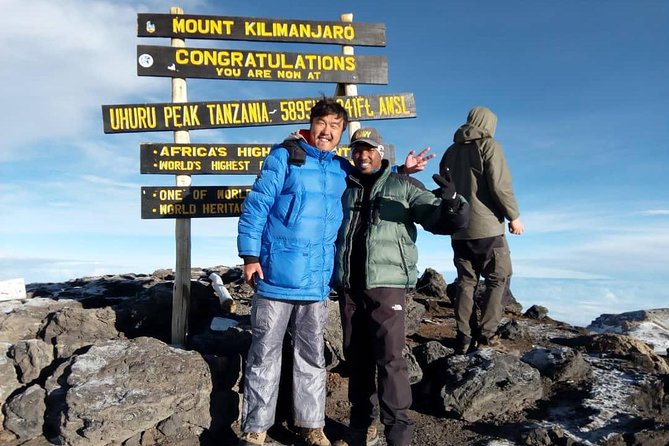
The Machame Route gives you Kilimanjaro in changing acts: wet rainforest, open moorland, volcanic rock, alpine desert, and a cold summit reached after a midnight start. The route is scenic, but it is not gentle. You gain altitude quickly, sleep in camps, and face a long summit day that can take up to 13 hours.
I like the practical setup: hotel pickup in Moshi, meals during the trek, camp lodging, a guide, and transport back to town. I also like the route’s rhythm, especially the Lava Tower climb followed by a descent to Barranco Camp, which helps your body adjust to height. The main drawback is that the advertised $1,200 price does not include park fees, hotel nights, tips, airport transfers, flights, or personal hiking gear.
Key Things to Know Before You Book
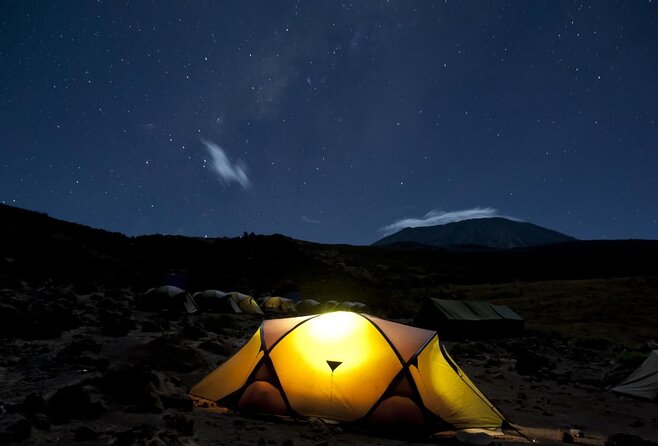
- The route changes habitat every day: You begin in rainforest and finish among volcanic rock and alpine desert.
- The summit push starts around midnight: Expect 7 to 8 hours uphill, followed by 4 to 6 hours descending.
- Lava Tower is a major acclimatization point: You climb high, then sleep lower at Barranco Camp.
- The Barranco Wall adds a hands-on section: It is steep, but the route is described as a trek rather than technical climbing.
- Moshi transfers are included: Pickup starts at your booked hotel, and the return vehicle meets you near Mweka Village.
- The group may be large: The maximum is 50 people, so ask how groups are divided and how many guides are assigned.
Machame Route Basics: Scenic, Steep, and Demanding
This seven-day Kilimanjaro climb begins and ends in Moshi. The route covers roughly 62 kilometers from gate to gate, with an elevation gain of about 16,000 to 17,000 feet. Those figures explain why this is not simply a long hill walk.
You should have a moderate level of fitness, but the tour is aimed at advanced hikers. The real challenge is not speed. It is the combination of steep ground, repeated altitude gain, cold, limited sleep, and the summit push.
The tour is offered as a group experience, with a maximum of 50 people. That can make the price attractive, especially for solo climbers who want company. It can also mean a slower or less personal experience if the group fills. Ask in advance about the actual group size, guide-to-climber ratio, and how the operator handles different walking speeds.
Guides associated with the operator include Solomon and Mathew, both praised for steady support and practical advice. Your own guide may be different, so treat those names as examples rather than a promise. The operator also supplies cooks and porters, and the strongest feedback centers on the mountain crew’s organization, food, encouragement, songs, and good humor.
More Kilimanjaro Climbs in Kilimanjaro
- Kilimanjaro climb by Lemosho Route (7-day)
★ 5.0 · 651 reviews - Kilimanjaro climb, Machame Route (7-day)
★ 5.0 · 262 reviews - Kilimanjaro Climbing Lemosho Route 8 Days.
★ 5.0 · 186 reviews
Day 1: Machame Gate to Machame Camp
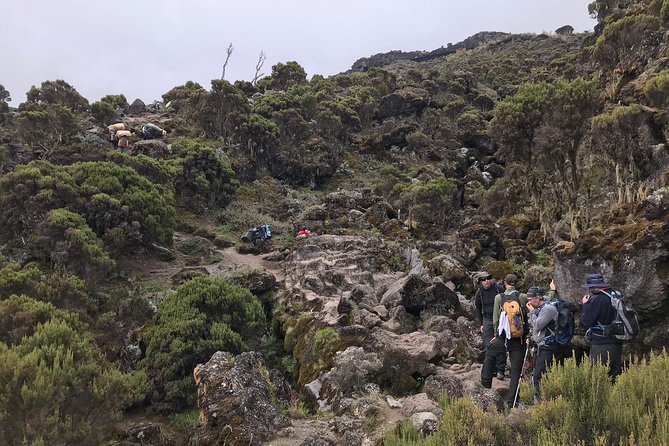
The morning begins with a drive of about 50 minutes from Moshi to Mount Kilimanjaro National Park Gate. The road passes through Machame village, set on the lower slopes of the mountain, before you start the formal trek.
From the gate, the trail winds uphill through rainforest and montane forest. You cover about 11 kilometers, climb from roughly 5,400 to 9,400 feet, and walk for 5 to 7 hours.
This first day is a useful test of your clothing, boots, pack, and pacing. The lower trail can be muddy and slippery, especially in wet weather. Gaiters and trekking poles are worth having here, even if you do not use them later.
The forest gives you shade and a sense of enclosure, but do not mistake the cool air for an easy day. You are climbing steadily from the start. Keep your pace slow, drink regularly, and avoid turning the first day into a fitness contest.
You sleep at Machame Camp. Camp lodging is included, but hotel accommodation in Moshi before or after the trek is not. Build those extra nights into your total budget.
Day 2: Machame Camp to Shira Camp
After breakfast, you leave the forest behind and enter moorland. The route climbs across a small valley, then follows a steep, rocky ridge covered with heather before turning west toward a river gorge and Shira Camp.
The day covers around 5 to 5.4 kilometers and takes approximately 4 to 6 hours. You rise from about 9,400 to 12,500 feet, so the short distance does not mean an effortless walk.
This is one of the route’s more rewarding transitions. The trees thin out, the air feels sharper, and the open slopes give you broad views toward the Shira Plateau. The setting feels much bigger than it did on day one.
Dinner and overnight lodging are provided at camp. Breakfast, lunch, and dinner are included during the trek, which removes the need to carry several days of food. Still, bring personal snacks if you have strong preferences or need extra calories on long walking days.
Day 3: Shira Camp, Lava Tower, and Barranco Camp
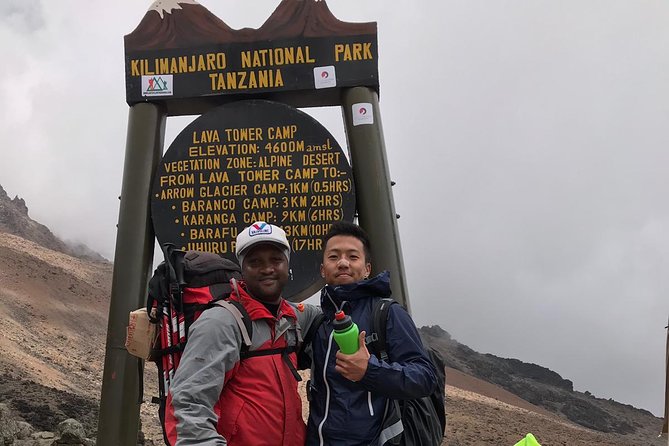
Day three is one of the most important parts of the itinerary. From the Shira Plateau, you walk east toward the peak, then turn southeast toward Lava Tower, also called the Shark’s Tooth.
The day covers about 10 kilometers and takes 5 to 6 hours. The route reaches roughly 13,000 feet, with a junction toward Arrow Glacier at about 16,000 feet, before descending to Barranco Camp.
The value here is the classic high-to-low acclimatization pattern. You climb to a higher point during the day, then sleep at a lower elevation. That gives you time at altitude without making your overnight camp as high as the day’s highest point.
Lava Tower is also a clear reminder that Kilimanjaro is a volcanic mountain. The rock formations and open moorland feel stark compared with the forest below. Weather can change quickly, so keep warm layers and rain protection close at hand.
The descent to Barranco is not a mere afterthought. It can feel tiring after the climb, and you may notice the altitude more than you expected. Eat dinner, drink, and rest rather than staying up late at camp.
More Machame Route Climbs in Kilimanjaro
- Climbing Kilimanjaro – Machame Route
★ 5.0 · 170 reviews - Climbing Kilimanjaro through 7 days Machame Route
★ 5.0 · 151 reviews - #1. Best Kilimanjaro Day hike Tour-Machame Route-ISMANI
★ 4.2 · 47 reviews - 7 Days Machame route – Kilimanjaro
★ 5.0 · 45 reviews
Day 4: Barranco Camp to Karanga Camp
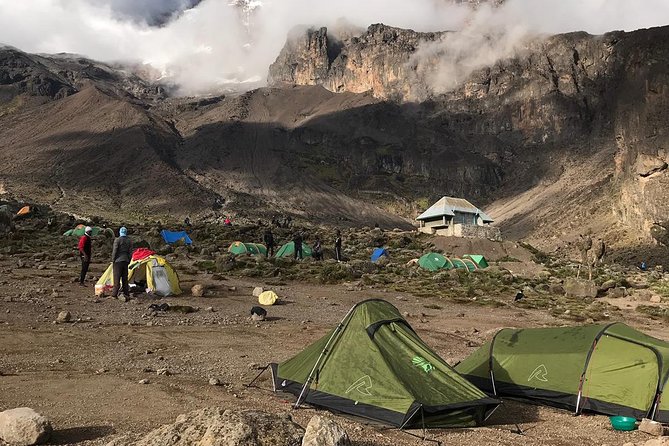
Day four is short by distance, but it includes one of the trip’s best-known physical sections. After breakfast, you climb the eastern wall toward the area below the Heim Glacier, then tackle the steep route up the Great Barranco Wall.
The trail covers about 5 kilometers and takes 4 to 5 hours. You gain only about 100 feet in camp elevation, moving from approximately 13,000 to 13,100 feet, but the path rises and falls along the way.
The Barranco Wall is steep and hands-on. The supplied information describes it as a challenging trek, not a technical rock-climbing pitch, but you should still expect to use your hands for balance in places. A guide’s pacing and route choices matter here.
After the wall, you descend into the alpine desert of the Karanga Valley and camp at Karanga. This short day is designed for acclimatization and recovery. That is welcome because the summit day is close.
The scenery around Barranco and Karanga is among the route’s strongest points. You get striking views of glaciers, volcanic slopes, and the changing shape of Kibo. Keep your camera accessible, but do not let photography distract from careful footing.
Day 5: Karanga Camp to Barafu Camp
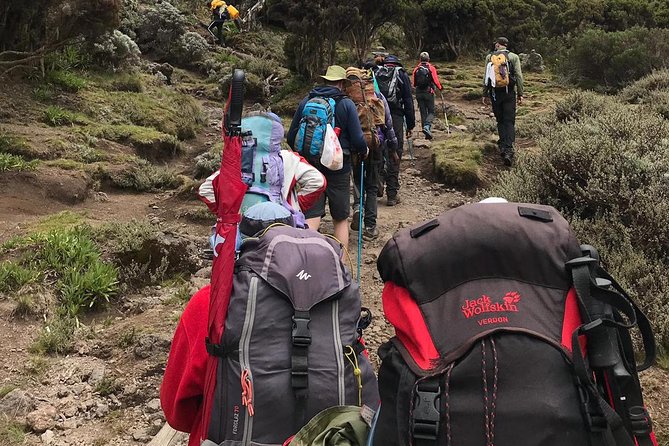
The route from Karanga to Barafu is short, about 3 to 4 kilometers, and takes 3 to 4 hours. You climb from around 13,100 to 15,300 feet through alpine desert.
You pass the junction with the Mweka Trail and complete the southern circuit. From Barafu, the two main peaks, Mawenzi and Kibo, are visible. The camp also gives you summit views from several angles, which makes this a memorable place to pause.
Do not judge this day by mileage alone. Barafu is high, exposed, and the point where you prepare for the summit attempt. You will eat dinner, organize warm clothing, sort your headlamp and water, and try to sleep before the midnight start.
The short walking time is useful, but the schedule can feel compressed. You may arrive at camp, eat, prepare, and then have only a brief rest before leaving again. Keep your summit-day equipment ready before dinner if possible.
Day 6: Barafu Camp to Uhuru Peak to Mweka Camp
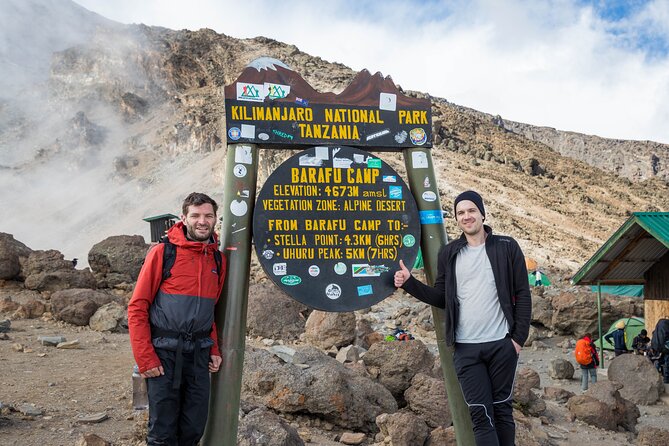
This is the hardest day by far. You usually leave between midnight and 2:00 a.m. and climb toward the crater rim between the Rebmann and Ratzel glaciers.
The ascent covers about 5 kilometers and takes 7 to 8 hours. You move over steep scree toward Stella Point at approximately 18,600 feet. From there, it is about another hour to Uhuru Peak, the highest point on Kilimanjaro.
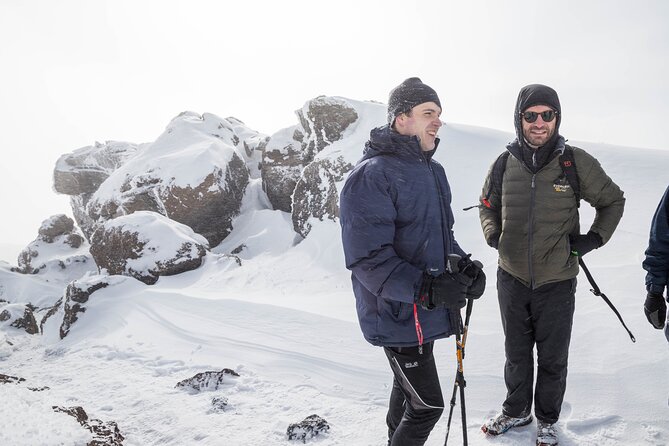
The sunrise from Stella Point can be spectacular if the weather cooperates. It is also a cold, tiring moment, so keep a warm layer, gloves, and head protection handy. The climb is slow and mental as much as physical. You may take several steps, pause, then repeat the process.
The supplied schedule lists a total of about 13 hours for the summit day, including a 4 to 6 hour descent to Mweka Camp. That long descent is easy to underestimate. Your legs may feel spent after reaching the summit, and loose volcanic ground can make the way down awkward.
Your guide should make safety the priority. A summit certificate is included after you descend to the Mweka Gate, but the certificate is not the main measure of a successful climb. Turning back for altitude symptoms or exhaustion is a responsible decision, not a failure. One account connected with this operator describes an earlier attempt ending just short of Gilman’s Point in extreme cold, followed by a later successful climb with guide support.
Day 7: Mweka Camp to Moshi
The final day descends through rainforest from about 10,000 feet to 5,400 feet. You walk around 9 to 10 kilometers, with an estimated time of 4 to 5 hours, though one schedule gives approximately 3 hours for the walking portion.
The lower trail may be wet and muddy. Gaiters and trekking poles are useful again. As you lose altitude, shorts and a T-shirt may feel comfortable, but keep rain gear and warmer clothing within reach until you know what the weather is doing.
After reaching Mweka Gate, you receive your summit certificate. The itinerary then describes another hour to Mweka Village, where a vehicle meets you and drives you back to your Moshi hotel.
That final transfer is a small but important convenience. After seven days on the mountain, you will probably appreciate not having to arrange transport while tired and dirty.
What the $1,200 Price Really Covers
At $1,200 per person, this is an appealing starting price for a seven-day Kilimanjaro trek. Included are breakfast, lunch, and dinner during the climb, hotel pickup in Moshi, the return transfer from Mweka, a briefing, camp lodging, guide support, and a trekking certificate.
The price does not cover all the costs you will face. Park fees are excluded and may be paid directly to the park or through the tour operator. You also need to budget for:
- Moshi hotel accommodation
- Kilimanjaro Airport pickup and drop-off
- International and domestic flights
- Tips for the mountain crew
- Personal hiking equipment
This matters because a low advertised price can look very different once the full trip is assembled. Ask for a written breakdown of park charges, crew arrangements, food, tents, and any required pre-trek hotel nights before paying.
The included meals and transfers add real value. So does the seven-day schedule, since the extra day compared with shorter versions of the Machame Route gives you more time for acclimatization. The price is strongest for a prepared hiker who already owns suitable gear and is comfortable with a group format.
Food, Crew Support, and Camp Life
Meals are included three times daily during the trek. Several accounts connected with the operator give special credit to the cooks, with food described as excellent and the crew as organized.
You should still expect basic mountain camping rather than comfort. The information does not specify tent style, bathroom facilities, menu details, or luggage limits, so ask those questions before booking.
Porters and cooks are part of the wider support team, and guides such as Solomon and Mathew have been praised for encouragement and practical help. Some trip accounts also describe a cheerful crew that used songs and jokes to keep spirits up. That human side can matter greatly on the long summit night.
Tipping is not included. Ask the operator for current guidance on customary tips and how the money is distributed among guides, cooks, and porters.
Who Should Choose This Kilimanjaro Trek?
This climb suits you if you have regular hiking experience, can manage several hours of uphill walking, and accept that altitude is the main challenge. You do not need to be a competitive athlete, but you should be comfortable with long days and rough, muddy, rocky trails.
It is a good fit for solo hikers who want a group and for couples or families with suitable fitness. Past trip accounts include families, couples, and repeat climbers, suggesting that the operator can work with different types of groups.
It is less suitable if you want private guiding, hotel comfort, short walking days, or a guaranteed summit. A maximum group size of 50 is significant. If personal attention matters to you, request a smaller departure or confirm how many guides will be available.
Book well ahead if your dates are fixed. This experience is booked, on average, about 45 days in advance, and the listed operating period runs through June 18, 2026.
Practical Gear Advice for the Machame Route
Bring trekking poles and gaiters for the muddy sections in the rainforest and on the final descent. Use layered clothing because the route moves from warm forest to cold, exposed high ground.
Your summit kit should include warm clothing, rain protection, a headlamp, sturdy footwear, and gloves. The provided information does not give a full packing list, so request one from Africa Natural Tours before departure.
Pack light enough for comfort, but keep daily essentials with you. Water, snacks, sun protection, rain gear, and warm layers should be easy to reach rather than buried in a larger bag.
The most useful habit is steady pacing. Walk slowly from day one, eat even when your appetite drops, and tell your guide promptly if you feel unwell at altitude.
Should You Book the 7-Day Machame Route?
I would consider this tour if you want a scenic, demanding Kilimanjaro route with meals, camp arrangements, Moshi transfers, and a group price of $1,200. The itinerary has a sensible high-and-low acclimatization day at Lava Tower, a recovery day before Barafu, and a full seven-day schedule rather than a rushed climb.
I would not book it without first confirming the park-fee total, group size, guide ratio, equipment requirements, hotel arrangements, and tipping expectations. If those details are clear and you are fit for long mountain days, this is a strong value option for an ambitious first Kilimanjaro climb.
Free cancellation is available up to 24 hours before the start time for a full refund. Changes or cancellations made inside that window are not accepted or refunded.
FAQ
How long is the Kilimanjaro Machame Route tour?
The experience lasts approximately seven days, beginning and ending in the Moshi area.
Where does the climb start?
The tour starts with pickup from your booked hotel in Moshi and a drive to Machame Gate at Mount Kilimanjaro National Park.
Is hotel pickup included?
Yes. Pickup from the hotel you booked in Moshi town is included.
Is transport back to Moshi included?
Yes. After the descent from Mweka Gate, a vehicle meets you at Mweka Village and drives you back to your Moshi hotel.
Are meals included during the trek?
Breakfast, lunch, and dinner are included during the trekking portion of the experience.
Are park fees included in the $1,200 price?
No. Mount Kilimanjaro park fees are not included and may be paid directly to the park or through the tour operator.
Is accommodation in Moshi included?
No. Hotel accommodation costs in Moshi are not included.
What fitness level do I need?
You should have a moderate physical fitness level. The route is described as difficult and suited to advanced hikers.
How many people can join the group?
The activity has a maximum of 50 participants. Ask the operator about the expected group size and guide arrangements for your departure.
More Machame Route Climbs in Moshi
- The Best of Machame Route in 6 Days: Your World’s Summit Guide
★ 5.0 · 44 reviews - Best Kilimanjaro Adventure 7 days Machame route Trekking
★ 5.0 · 42 reviews - 6 Days Machame Route Kilimanjaro Climbing
★ 5.0 · 42 reviews - 6 Days Private Mount Climbing in Kilimanjaro Machame Route
★ 5.0 · 38 reviews
More Kilimanjaro Climbs in Moshi
- Kilimanjaro climb, Lemosho Route (8-day)
★ 5.0 · 148 reviews - Kilimanjaro climb, Lemosho Route (6-day)
★ 5.0 · 129 reviews - Kilimanjaro climb, Marangu route (6-day)
★ 5.0 · 72 reviews - Private Kilimanjaro Hike 7 Day Lemosho Route
★ 5.0 · 60 reviews
Just added around Moshi
- Mt Kilimanjaro 6 days Marangu route hike★ 5.0 · 3 reviews
- Wildlife Extravaganza: Manyara, Tarangire & Ngorongoro in 3 Days★ 5.0 · 3 reviews
- Private Cycle to Kilimanjaro Bike Park Safari★ 5.0 · 6 reviews
- 3 Days Private E-Bike Tour in West Kilimanjaro★ 5.0 · 3 reviews
- West Kilimanjaro cycling Adventures★ 4.5 · 8 reviews
- machame route★ 5.0 · 16 reviews
- Kilimanjaro Climb & Safari – Lemosho Route – 13 Day★ 5.0 · 10 reviews
- Kilimanjaro Climbing Umbwe Route★ 5.0 · 3 reviews
Machame Route Climbs, compared.



Climbing Kilimanjaro through 7 days Machame Route
Read our review →
7-Day Machame Kilimanjaro Summit Tour from Arusha
Read our review →
7 Days Kilimanjaro via Machame route affordable price
Read our review →
#1. Best Kilimanjaro Day hike Tour-Machame Route-ISMANI
Read our review →

The Best of Machame Route in 6 Days: Your World’s Summit Guide
Read our review →Browse the lists this tour appears in