
Reviewed · 4-DAY EXPERIENCES
4-day Tanzania Safari
Tanzania’s best-known wildlife parks fit into one busy but rewarding route here: Tarangire for elephants, Ngorongoro Crater for dense animal sightings, and Serengeti for wide-open country and the chance to see predators. You get four full days on safari, plus airport transfers and overnight stays before and after the drive.
I like the practical setup: a private group in a well-equipped Land Cruiser, with park fees, meals, drinks, lodging, and airport transfers folded into the price. I also like the guide-led approach. Guides such as Fidelis, Noel, Aaron, and Allan have been praised for sharp animal spotting, steady driving, and clear explanations.
The main drawback is the pace. This is sold as a four-day safari, but the complete program takes about six days, and the road between parks can be long and rough. At $3,296.40 per person, it offers a great deal of included service, but it is still a serious investment.
Key points at a glance
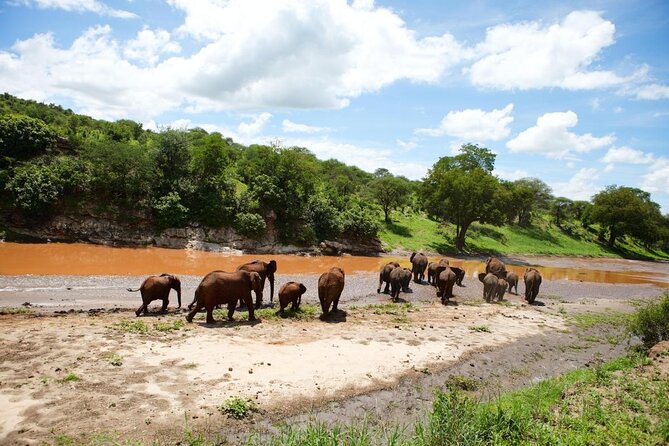
- Elephant country in Tarangire: The Tarangire River draws large herds during dry periods, and elephants often come close to the vehicle.
- A concentrated wildlife day: Ngorongoro Crater places many animals within a relatively small area, making it one of the best stops for a short safari.
- Two days in central Serengeti: The extra time around Seronera gives your guide more room to search for lions, leopards, buffalo, and other animals.
- A private vehicle for your party: Only your group participates, using a Land Cruiser with a pop-up roof, refrigerator, power sockets, and comfortable seats.
- A mostly handled package: Park fees, five breakfasts, four lunches, five dinners, lodging, bottled water, soft drinks, hot drinks, and airport transfers are included.
- Strong guide service: Guide names associated with this program include Fidelis, Noel, Aaron, Allan, Valance, and Cathbert, though your assigned guide will depend on scheduling.
What the six-day schedule really means
The title suggests a four-day Tanzania safari, and that is accurate if you count only the full game-drive days. The complete program lasts about six days because the first day is for airport pickup and the final day is for rest and departure.
That distinction matters. You are not spending six full days watching wildlife. You are spending four substantial days in Tarangire, Ngorongoro, and Serengeti, with hotel nights on either side to make the airport connection easier.
The itinerary begins with a pickup at Kilimanjaro International Airport, known by its code JRO. An Altezza representative takes you to a hotel in Arusha. The listed starting time is 9:00 AM, but the arrival transfer is flexible, so you should provide your flight details and confirm the exact timing before you go.
The first hotel night includes breakfast only. Check-in starts at 2:00 PM, and early check-in costs extra if arranged ahead of time. On the last day, checkout is at 10:00 AM. A late checkout is available for an additional fee if your flight leaves in the evening.
This arrangement is useful after a long international flight. You can sleep in Arusha before the first early safari pickup instead of trying to reach a park on arrival day.
A few more Moshi trips to weigh up
- Safari Serengeti And Ngorongoro
★ 5.0 · 288 reviews - Big Five Safari In Tanzania
★ 5.0 · 99 reviews - Unforgettable Tanzania Safari And Zanzibar Beach
★ 5.0 · 97 reviews
Day 1: Arrive through Kilimanjaro Airport and settle in Arusha
Your first day is simple by design. You are met at JRO and taken to an Arusha hotel, with Mount Meru Hotel listed in the schedule.
There is no game drive on this day, so think of it as a buffer night. That buffer protects the safari from flight delays and gives you a little time to rest before leaving after breakfast the next morning.
The hotel cost includes breakfast, but not every extra service. If you want to enter your room before the normal 2:00 PM check-in, arrange and budget for early access in advance.
This is also the right time to check your safari gear, charge cameras, and confirm the next morning’s pickup. The vehicle has power sockets, but you should still arrive with your devices charged.
Day 2: Tarangire’s elephants and baobab country
After breakfast, pickup is planned for about 7:30 AM. The drive to Tarangire takes you into the first full safari day, with arrival at the park expected around 10:00 AM.
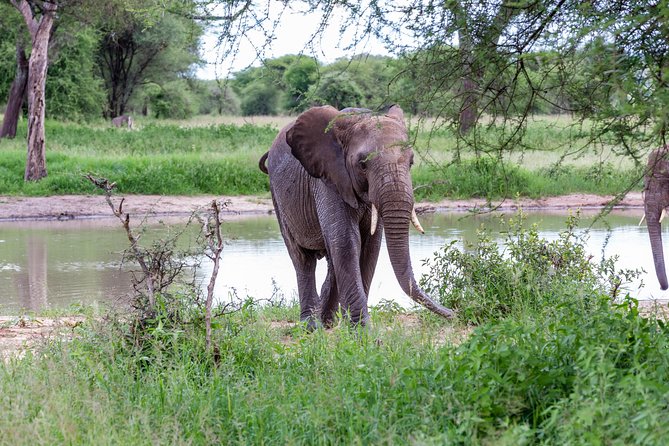
Tarangire is a smart first stop because its wildlife focus differs from the Serengeti. During dry periods, the Tarangire River can be the only dependable drinking water for many kilometers. Large elephant herds gather here, particularly from June through October and again from December through March.
The elephants are the headline attraction. They often approach safari vehicles closely, which can feel startling when you first see a large animal at eye level through the open roof. Your guide’s job is to position the vehicle safely and explain the animals’ behavior. The experience is close, but it is not a petting-zoo encounter, and you should follow instructions carefully.
Tarangire also gives you a good introduction to the rhythm of a game drive. You may spend time watching one herd, then stop for a distant animal or a change in the light. The supplied information emphasizes elephants, but the park is part of the wider Big Five route, so you may also see buffalo, lions, leopards, or other species.
The scheduled park time is about seven hours. That sounds generous, but it includes a lot of driving and wildlife searching. Safari vehicles move at a pace set by the terrain and animal sightings, not by a fixed sightseeing timetable.
The first day is a strong match for anyone who wants elephants and a park with a clear seasonal pattern. The tradeoff is that you must leave Arusha in the morning and spend much of the day on the road and in the vehicle.
Day 3: Ngorongoro Crater, Tanzania’s natural wildlife bowl
The Ngorongoro day begins with a drive toward the conservation area and a descent into the crater. The descent takes about half an hour, passing through forest with attractive views before reaching the crater floor.
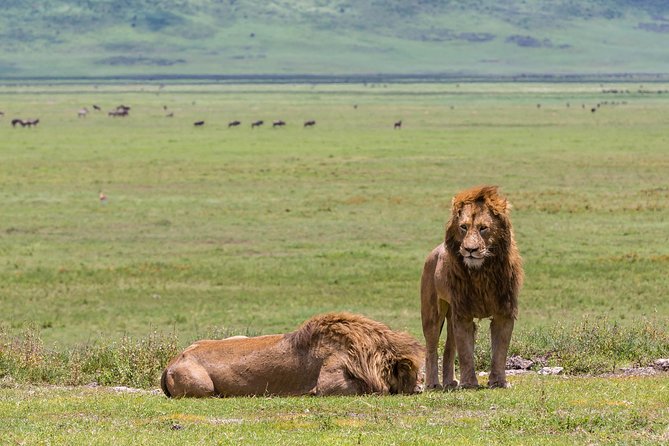
The crater is the most concentrated wildlife stop on this route. A huge ancient volcano left behind a broad enclosed basin, and large numbers of animals live within it. Because the area is contained, you can often see several species within a relatively short distance of one another.
That concentration is especially valuable on a short safari. You do not need to cover the enormous distances found in Serengeti, so the day can feel productive even if you have limited time in Tanzania.
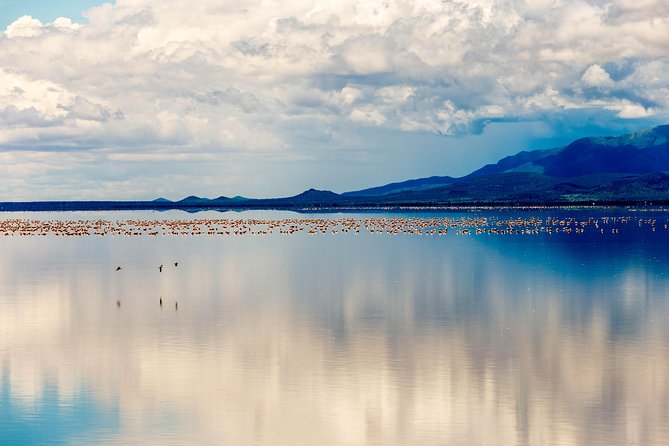
A picnic stop near Lake Magadi breaks up the morning drive. You receive a snack and time to rest beside the lake. The area adds a change of setting to the crater floor, though the real appeal remains the number of animals and the dramatic volcanic surroundings.
Ngorongoro is also the day when expectations should be realistic. No safari can promise all five members of the Big Five. The route improves your odds, but leopard and rhino sightings remain uncertain. One of the supplied accounts specifically describes missing a leopard and planning to return, which is a useful reminder that wildlife stays wild.
The seven-hour schedule makes this a full day, not a quick viewpoint stop. You will spend time on uneven roads and may feel the bumps. Comfortable seats help, but anyone with back problems should ask the operator about the vehicle and road conditions before booking.
Same country, a completely different kind of safari:
- Kilimanjaro climb by Lemosho Route (7-day)
★ 5.0 · 651 reviews - Kilimanjaro climb, Machame Route (7-day)
★ 5.0 · 262 reviews - Kilimanjaro Climbing Lemosho Route 8 Days.
★ 5.0 · 186 reviews - Climbing Kilimanjaro – Machame Route
★ 5.0 · 170 reviews
Days 4 and 5: Central Serengeti around Seronera
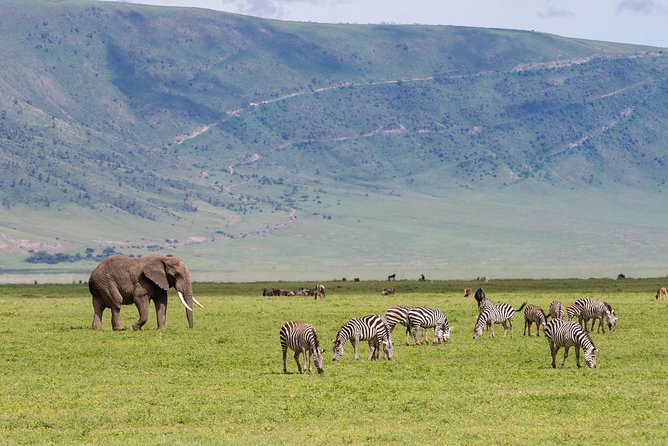
After breakfast, you head toward central Serengeti, especially the Seronera area. This is where the trip opens out. Tarangire has its river and elephant herds, Ngorongoro has its compact crater, while Serengeti gives you huge distances and a constantly changing search for wildlife.
Your guide will focus on the animals you most want to see. That flexibility is important. If lions are your priority, tell the guide early. If you are hoping for a leopard, rhino, cheetah, or a particular bird, say so. Guides such as Fidelis, Noel, Aaron, and Allan have been praised for spotting animals and explaining what you are seeing, but communication with your guide still makes a difference.
Around lunchtime, you may stop at the Serengeti Visitor Centre. A lunchbox is provided, and the center offers information about animal populations and the park’s past. Hyraxes can also be seen in this area. They are small, furry animals with a surprising biological link to elephants, making them a fun detail to notice between larger sightings.
You have two basic ways to handle the middle of the day. You can continue through the park toward the visitor center, or return to camp for lunch and a short nap before going out again later. The second option may suit you if you are tired from several long days in the vehicle. The first keeps you out in the park and may suit anyone eager to maximize wildlife time.
The late afternoon is especially appealing for photography. The light turns warmer, and the open plains take on a softer color. The schedule allows you to continue toward sunset, although exact timing depends on park rules, driving conditions, and the guide’s plan.
The second Serengeti day gives you something the shorter versions of this route cannot: time. Serengeti is too large to understand in one day. A second full day lets your guide try different areas and gives you another chance at animals missed earlier.
The park is also tied to the annual Great Migration and is a UNESCO World Heritage Site. The migration is seasonal, so you should not assume it will be nearby during your dates. Still, the Serengeti’s animal population and open plains make it worthwhile even when the herds are elsewhere.
By dinner on Day 5, you return to a hotel in Arusha. That final drive is another long transfer, but it places you near the airport for departure.
The Land Cruiser and what four days in a vehicle feels like
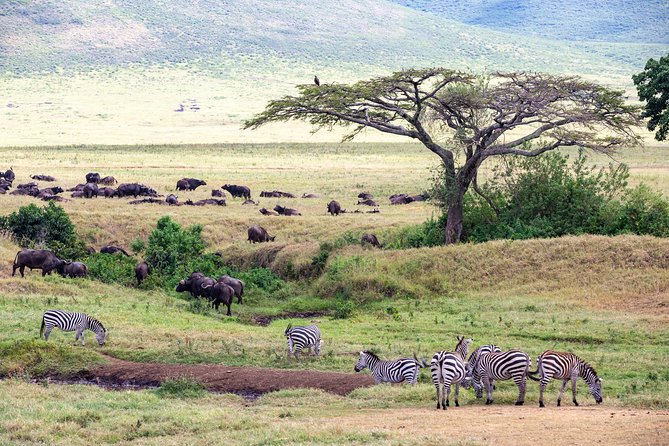
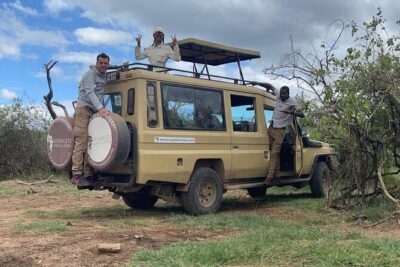
The safari vehicle is a 2016 to 2022 Land Cruiser with a pop-up roof, ergonomic seats, refrigerator, power sockets, and room for binocular use. One pair of binoculars is supplied per vehicle.
The pop-up roof is central to the experience. You can stand or sit while looking out across the plains, which gives you a much better view than a standard closed vehicle. The refrigerator helps keep drinks cool, and bottled water, soft drinks, hot coffee, and tea are supplied during safari drives.
The vehicle is comfortable by safari standards, but comfort has limits. Roads in the parks can be rough, and one especially candid description calls the bumpy ride part of the deal. Pack soft luggage if possible, keep camera equipment secure, and wear clothing that can handle dust.
Wi-Fi is listed as free, but the signal is available in only about 60 to 75 percent of the areas traveled. You should not plan on constant internet access. That is useful for setting expectations, especially if you need to contact family or work during the trip.
The tour is private, meaning only your own group participates. That gives you more control than a large shared departure. You can discuss animal priorities, rest breaks, and the choice between returning to camp or continuing toward the visitor center.
Lodging, meals, and what the price covers
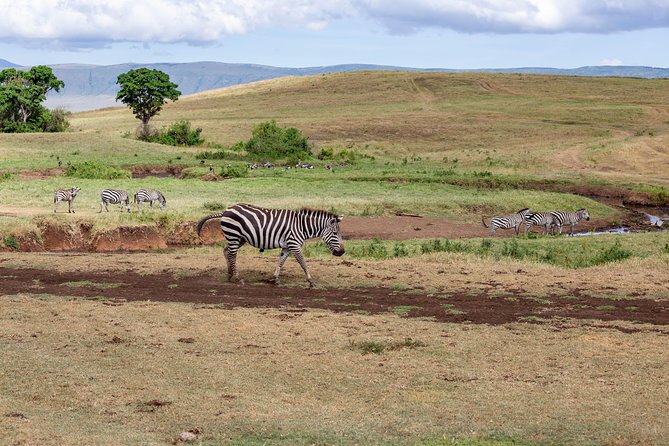
The package costs $3,296.40 per person. That is not a budget safari, but the price includes many expenses that can add up quickly when arranged separately.
Included are accommodation before and after the safari, lodges listed in the program, park entry and concession fees, airport pickup and drop-off, a certified English-speaking guide, and the vehicle. You also receive five breakfasts, four lunches, and five dinners.
The lodging level is described as comfortable three- to four-star accommodation, including lodges in Serengeti National Park. This is a middle ground between basic camping and high-end luxury camps. You get more comfort after long drives, but you should not book this expecting an ultra-luxury safari.
Drinks are covered in the vehicle, including bottled water, soft drinks, coffee, and tea. Some lodge charges for tea, coffee, and soft drinks may not be included, so check each property with your tour manager. Alcohol is not included.
You must also budget for airfare, travel insurance, visa fees, and tips for the guide. Travel insurance is particularly important for an expensive international trip. The package does include AMREF Flying Doctors air ambulance service and a medical kit, but those provisions do not replace ordinary travel insurance.
At this price, the value comes from convenience and the number of services bundled together. You are paying for four national park days, a private vehicle, experienced staff, park fees, meals, accommodation, airport transfers, and support by phone and email at any hour. If you prefer to compare each lodge and arrange every transfer yourself, you might find a lower total. If you want one company handling the moving parts, the package is easier to justify.
Guides and the quality of the safari day
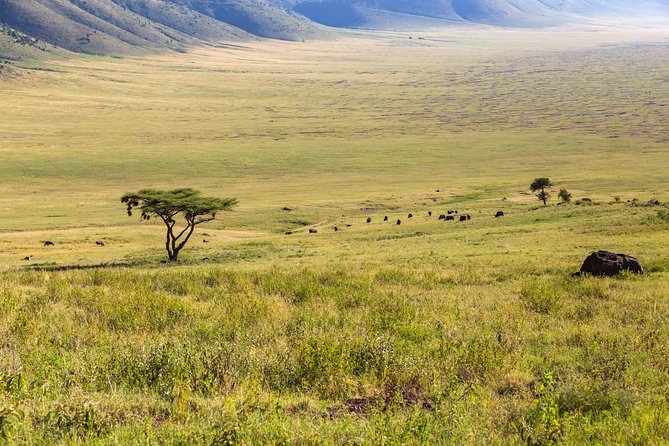
A safari guide can make a major difference. The best part of this program is not just reaching the parks, but having someone who can spot movement at a distance, identify animals, read the route, and explain what you are seeing.
The guide names associated with trips on this route include Fidelis, Noel, Aaron, Allan, Valance, Cathbert, Pascal, Joseph, and Noel. Fidelis has been praised for both wildlife spotting and handling rugged roads. Noel has been described as friendly, communicative, and particularly good at making animal sightings memorable. Aaron has also been praised for a warm manner and strong spotting skills.
You cannot choose a specific guide from the information provided, so treat these names as examples rather than a promise. You can, however, tell Altezza what matters to you before departure. If this is part of a longer Kilimanjaro trip, the company can also coordinate the transition from climbing to safari, an arrangement that has been used successfully by families and small groups.
The included phone and email support gives you a contact point before and during the trip. That matters when flight times, hotel arrangements, or accommodation preferences change.
Who should book this Tanzania safari
I would recommend this program if you want the main Northern Tanzania parks but do not have time for a longer circuit. It works well for couples, families, and small private groups who want a fixed plan with a guide rather than a self-drive trip.
Families should note that the itinerary includes long drives and full days in a vehicle. The supplied information says most people can participate, but it gives no specific age policy or medical guidance. Ask before booking if anyone in your party needs special support.
This is also a good choice after a Kilimanjaro climb. The airport transfers, hotel nights, meals, and established route reduce the amount of planning you need after a demanding trek.
You may want a different style of safari if you prefer slow travel, several nights in one camp, or a luxury tented experience. The route covers three major areas in a short time, so you gain variety but give up some leisure.
Booking advice and cancellation terms
Confirm the exact lodging names, daily pickup times, and whether your preferred drinks are included at each lodge. The itinerary lists a 9:00 AM start time, while the first safari pickup is planned for about 7:30 AM, so your actual schedule should be confirmed with the tour manager.
A full refund is available when you cancel at least six full days before the start time. Cancellation two to six full days ahead receives a 50 percent refund. Cancellations less than two full days before departure are not refunded, and changes inside that period are not accepted.
Should you book it?
Book this safari if your priority is seeing three famous Northern Tanzania parks with strong logistical support and four full game-drive days. Tarangire brings elephant herds, Ngorongoro offers dense wildlife viewing, and the two Serengeti days give you the best chance to find animals you miss earlier.
Think carefully about the cost and pace. At $3,296.40 per person, this is a substantial purchase, but much of the hard-to-price work is already included: the private Land Cruiser, park fees, meals, lodges, airport transfers, support, and guide.
I would choose it for a first Tanzania safari when time is tight and convenience matters. I would not choose it if you dislike long vehicle days or want a slow, luxury-focused stay in one area. Set your expectations correctly, listen to your guide, and remember that even a well-planned route cannot promise a leopard or every member of the Big Five.
FAQ
How long does the complete Tanzania safari take?
The full program lasts approximately six days. It includes an arrival hotel night, four full safari days, and a final hotel rest and airport-transfer day.
Which national parks and protected areas are included?
The route includes Tarangire National Park, the Ngorongoro Conservation Area, and Serengeti National Park.
Is airport pickup included?
Yes. Pickup from Kilimanjaro International Airport and drop-off there after the tour are included.
Is this a private safari?
Yes. Only your group participates in the tour or activity.
What type of vehicle is used?
The safari uses a 2016 to 2022 Land Cruiser 4×4 with a pop-up roof, ergonomic seats, a refrigerator, and power sockets.
Are meals included?
Yes. The package includes five breakfasts, four lunches, and five dinners.
Are park fees included?
Yes. National park entry fees and concession fees for the entire tour are included.
Is Wi-Fi available during the safari?
Free Wi-Fi is included, but signal is available in only about 60 to 75 percent of the areas traveled.
What is not included in the price?
Airfare, travel insurance, visa fees, guide tips, alcohol, and some tea, coffee, and soft drinks at safari lodges are not included.
Just added around Moshi
- Mt Kilimanjaro 6 days Marangu route hike★ 5.0 · 3 reviews
- Wildlife Extravaganza: Manyara, Tarangire & Ngorongoro in 3 Days★ 5.0 · 3 reviews
- Private Cycle to Kilimanjaro Bike Park Safari★ 5.0 · 6 reviews
- 3 Days Private E-Bike Tour in West Kilimanjaro★ 5.0 · 3 reviews
- West Kilimanjaro cycling Adventures★ 4.5 · 8 reviews
- machame route★ 5.0 · 16 reviews
- Kilimanjaro Climb & Safari – Lemosho Route – 13 Day★ 5.0 · 10 reviews
- Kilimanjaro Climbing Umbwe Route★ 5.0 · 3 reviews
4-Day Experiences, compared.


4 Days Join Group tour Tarangire Serengeti and Ngorongoro crater
Read our review →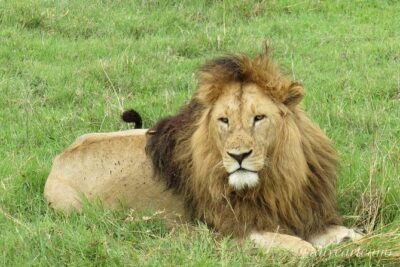
4-Day Safari from Arusha: Tarangire, Serengeti and Ngorongoro
Read our review →
4 Days Tarangire, Serengeti and Ngorongoro Mid-Range Group Safari
Read our review →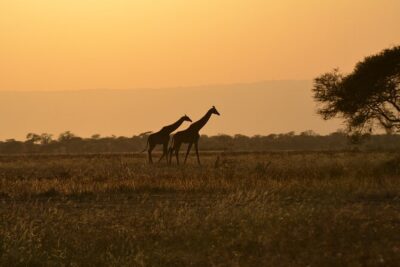
4 Days Tanzania Lodge Safari With Two Nights at Serengeti
Read our review →
Browse the lists this tour appears in