
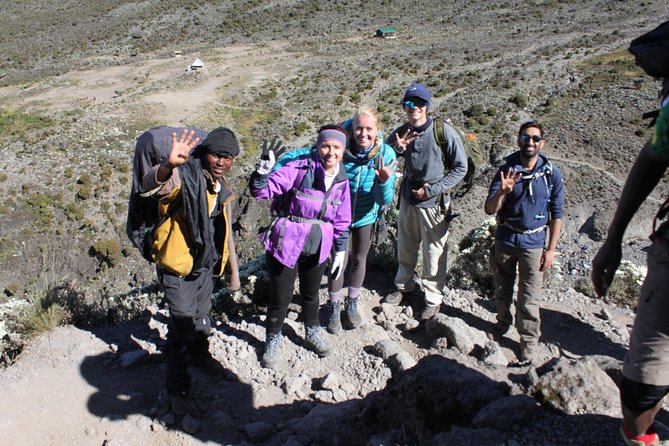
Reviewed · MACHAME ROUTE CLIMBS
Kilimanjaro Machame Route 7 Days
Kilimanjaro’s Machame Route takes you from tropical forest to cold volcanic heights in one demanding week. The gradual acclimatization plan is the smart part: you climb high to Lava Tower, then sleep lower at Barranco before the summit push. I also like that the package includes airport transfers, mountain meals, safety equipment, and time in Moshi, so you are not piecing together the trip yourself.
The strongest practical features are the attentive mountain team and the serious safety kit, including oxygen, radios, a Gamow Bag, and daily pulse-oximeter checks. The main caution is simple: seven days is still a hard schedule, and the summit night is physically taxing. The price is also substantial, so confirm exactly which hotel nights are included before paying.
Key points to know before booking
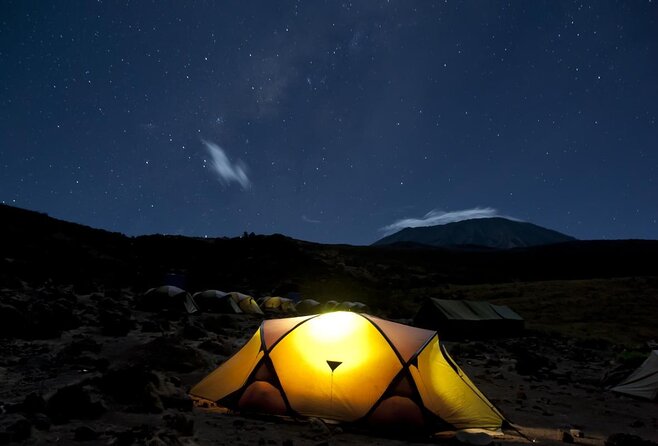
- Six full walking days cover about 62 kilometers, moving through rainforest, alpine zones, volcanic terrain, and the glacial zone.
- Lava Tower at 4,630 meters gives you an important high-altitude acclimatization walk before sleeping at Barranco Camp.
- The summit attempt begins from Barafu Camp, with Uhuru Peak at 5,895 meters as the goal.
- Safety support is unusually detailed, with emergency oxygen, VHF radios, a Gamow Bag, rescue fees, and pulse-oximeter monitoring included.
- Meals, tents, sleeping mats, wash water, and a private toilet are provided on the mountain.
- Airport transfers and Moshi accommodation are included, but the description lists both classic and comfort hotel nights, so ask for a precise room plan.
Why the Machame Route is a strong seven-day choice
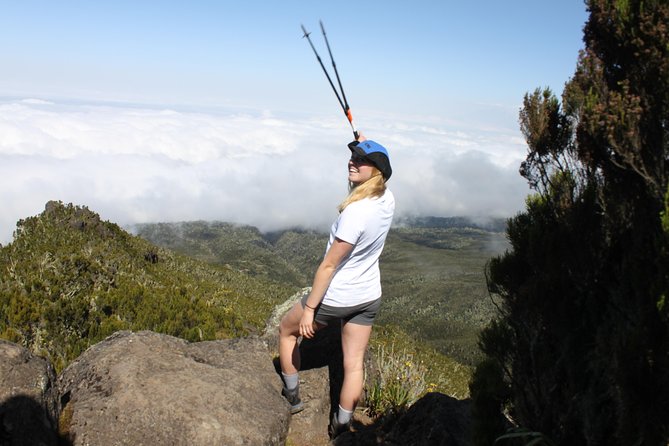
Machame is popular for good reason. It gives you changing scenery almost every day, rather than sending you through one long, repetitive corridor. You start in the equatorial rainforest, cross the open Shira plateau, pass beneath volcanic cliffs, and finish among barren upper slopes and ice-covered summit terrain.
The route is not easy. It is described as suitable for experienced and less experienced climbers, but that should not be confused with gentle. You need a moderate level of fitness, patience, and the willingness to walk slowly for hours at a time. The high point is not technical climbing, but altitude can turn ordinary walking into serious work.
This seven-day version earns its price partly through its pacing. Day 3 takes you up to Lava Tower at 4,630 meters, then down to Barranco Camp at 3,976 meters. That climb high and sleep lower pattern is useful for your body. Day 4 is shorter, giving you time to recover before the route reaches Barafu and the summit attempt.
The private format is another advantage. Only your group participates, so the pace and daily support are handled within your party rather than around a large mixed group. That can make a difference when one person needs a slower morning or extra encouragement.
More Machame Route Climbs in Kilimanjaro
- Kilimanjaro climb, Machame Route (7-day)
★ 5.0 · 262 reviews - Climbing Kilimanjaro – Machame Route
★ 5.0 · 170 reviews - Climbing Kilimanjaro through 7 days Machame Route
★ 5.0 · 151 reviews
From Moshi to the Machame Gate on Day 1
Your mountain program begins with a drive from Moshi to Machame Gate at about 1,640 meters. This is the first shift from town life to the mountain. After park entry formalities, you begin walking through the rainforest toward Machame Camp, also called Machame Hut in the schedule.
The first day covers about 11 kilometers and takes roughly five to six hours. The rainforest zone is a fitting opening, with a cooler, shaded setting and a clear sense that you are leaving roads and buildings behind. The route climbs steadily, so it is wise to keep your pace controlled from the start.
Machame Camp sits at roughly 2,850 meters. You will sleep in waterproof tents, with sleeping mats, lighting from high-powered solar LED units, and a toilet tent. Warm water for washing is supplied each day, a small comfort that becomes surprisingly welcome after several hours outside.
The mountain crew handles camp equipment while you walk, and a porter carries your day pack during the summit attempt. Confirm before departure what you must carry on the earlier days, since the package specifically mentions day-pack support for the summit push rather than promising a porter for every personal item throughout the trek.
Shira Camp and the first real altitude test
Day 2 climbs from Machame Camp to Shira Camp 2, at about 3,810 meters. It is only around 5 kilometers, but the altitude makes this more than a short stroll. The route leaves the rainforest and enters the low alpine zone, where the vegetation thins and the views open.
This is one of the itinerary’s shorter walking days. That matters because your body is still adjusting to height, and a short distance does not mean an easy day. Walk slowly, drink the purified water provided, and eat even if your appetite drops.
Food is a strong part of the package. Breakfast, lunch, and dinner are supplied on the mountain, with large portions of fresh, nutritious food. The menu is described as plentiful and vegetable-heavy, which is useful on a trek where you need steady fuel rather than fancy meals.
At Shira, conditions are colder and more exposed than in the forest. Pack layers that you can add or remove without emptying your bag. The seven-day route gives you a sensible buildup, but no itinerary can remove the effects of altitude entirely.
Lava Tower and Barranco Camp on Day 3
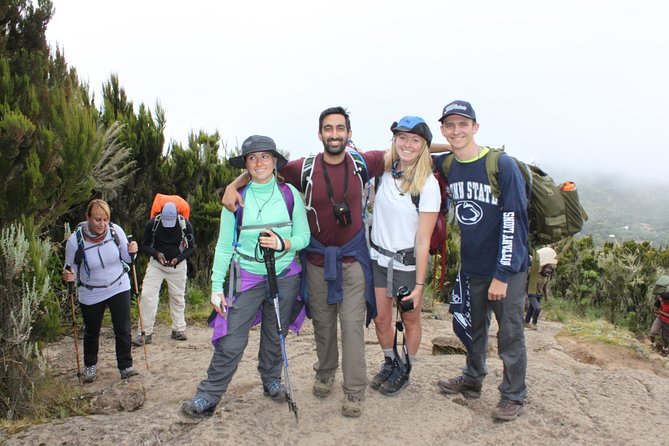
Day 3 is the route’s longest and most useful acclimatization day. You climb from Shira Camp 2 toward Lava Tower at 4,630 meters, then descend to Barranco Camp at 3,976 meters. The total walk is about 10 kilometers and takes eight to nine hours.
The climb to Lava Tower brings you into the high alpine zone. You may feel the altitude here, even if you are fit at home. That is the point of the day. You spend time at a higher elevation, then sleep lower at Barranco, allowing your body to begin adjusting without putting you at the highest camp too early.
This day may be the hardest before the summit attempt because of its length and altitude. You should not judge your chances at Uhuru Peak by how fast you move here. The better approach is slow walking, regular water, food at stops, and honest communication with your guide.
Barranco Camp is at about 3,976 meters. The setting is one of the route’s memorable points, with the large Barranco Wall nearby and a more rugged volcanic feel than the forest or Shira plateau. The next morning is shorter, which gives this long day a practical payoff.
More Machame Route Climbs in Moshi:
- #1. Best Kilimanjaro Day hike Tour-Machame Route-ISMANI
★ 4.2 · 47 reviews - 7 Days Machame route – Kilimanjaro
★ 5.0 · 45 reviews - The Best of Machame Route in 6 Days: Your World’s Summit Guide
★ 5.0 · 44 reviews - Best Kilimanjaro Adventure 7 days Machame route Trekking
★ 5.0 · 42 reviews
Barranco to Karanga, a shorter day with less distance
Day 4 travels from Barranco Camp to Karanga Valley Camp. The distance is about 4 kilometers, with four to five hours of hiking. You remain in the high alpine zone at roughly 3,995 meters.
The mileage looks modest, but this is not a flat path. The route includes the Barranco Wall, and the day can feel more demanding than the numbers suggest. You should expect some hands-on scrambling over rock, although this is presented as a trek rather than a technical climbing route. Exact conditions depend on weather and the route chosen by the guide.
I like this day because it breaks up the climb to Barafu. After the long Lava Tower day, you are not forced straight into the summit camp. Karanga gives you another night at altitude, with a shorter walking schedule and time to prepare mentally for the final ascent.
The camp is not a place for a long rest in the usual sense. You still need to eat, drink, organize your clothing, and sleep as much as possible. The summit attempt is close, so keep essential cold-weather gear accessible instead of burying it in your luggage.
Karanga to Barafu Camp before the summit
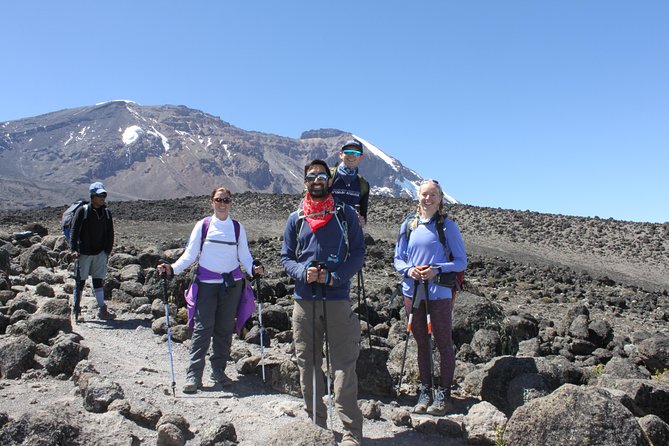
On Day 5, you climb about 4 kilometers from Karanga Valley Camp to Barafu Camp, at approximately 4,673 meters. The walk takes around four hours and stays in the high alpine zone.
Barafu means snow in Swahili, and the name gives you a fair idea of the harsher setting. At this altitude, the terrain is sparse and the air thin. The camp is the launching point for Uhuru Peak, so the day is less about covering distance and more about arriving with enough strength for the night ahead.
The schedule usually allows time at Barafu to eat and rest before the summit attempt. Your guide team should explain the timing and check your condition. The included pulse oximeter, emergency oxygen, and radio system are useful here, but they are not a promise that altitude sickness can be prevented. If you feel seriously unwell, tell the guide at once.
The included Gamow Bag, also called a portable hyperbaric chamber, is a significant safety provision. Rescue fees on the mountain are included as well. These items do not make the climb risk-free, but they show that the operator has planned for medical and communication needs rather than focusing only on reaching the peak.
Uhuru Peak and the descent to Mweka Camp
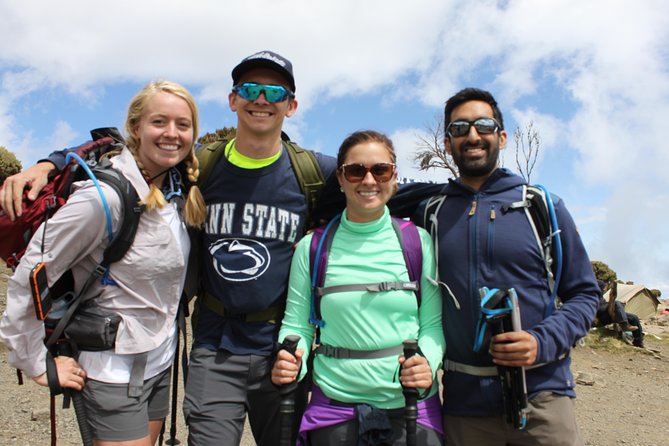
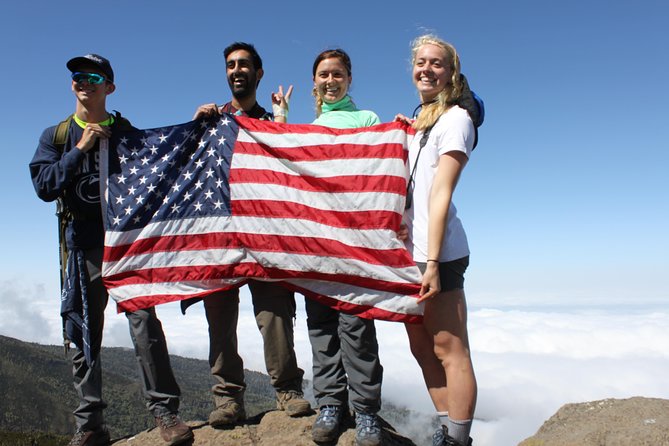
Day 6 is summit day. You climb to Uhuru Peak at 5,895 meters, the highest point on Kilimanjaro, then descend to Mweka Camp. The listed summit walking time is four to six hours, with about 12 kilometers of distance, though the complete day includes the descent and can feel much longer in practice.
This is the part that demands the most from you. The air is thin, the cold is serious, and every step can take effort. The guide team’s role becomes especially important. Previous groups praised the steady pace, encouragement, organization, and close support from the Kilimanjaro Brothers team. George Mtaki is identified as a senior guide and director, while other named team members in the feedback include Mo and Kelvin.
The summit itself is the reward for all the slow preparation. You pass through the glacial zone and the earlier alpine zones as you descend. The trip description calls the final destination Uhuru Peak, but reaching it depends on weather, health, and the guide’s safety judgment.
After the peak, the descent to Mweka Camp is a major physical task. Many climbers focus so heavily on reaching the summit that they underestimate the return walk. Keep drinking, protect your knees, and do not treat the descent as an afterthought.
Mweka Gate and the return to Moshi
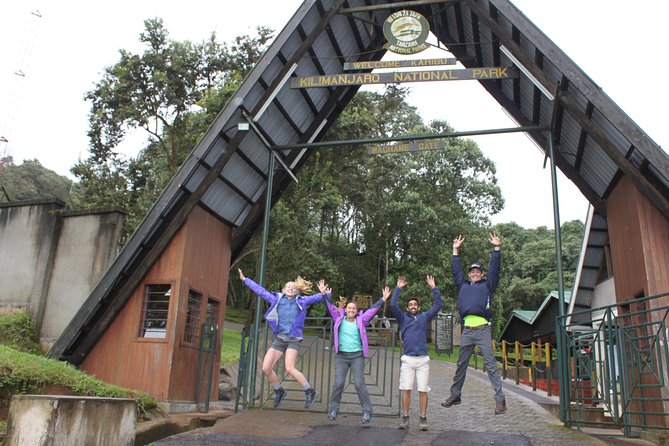
Day 7 takes you from Mweka Camp down through the rainforest to Mweka Gate. The schedule gives two different distance figures, one saying 4 kilometers and another saying 10 kilometers, so ask the operator to clarify the exact walking distance. It lists roughly three to five hours of descent.
At the gate, you complete the mountain exit and transfer back to your previous hotel. A certificate and summit party ceremony are included in the return plan. After several days of tents and high-altitude walking, a hotel room, proper washing facilities, and a relaxed meal will feel well earned.
The package includes arrival and departure transfers, plus transportation in the destination area. Pickup is offered, which removes one common source of stress after a long international flight. The description refers to both classic standard and comfort hotel accommodation, with one night before and after the trek for each category. Since the wording is not fully clear, get the exact number of hotel nights and the accommodation level in writing.
Food, camp comfort, and safety support
This is not a luxury trek, but it includes more comfort than a bare-bones mountain package. You sleep in waterproof tents with mats, eat at aluminum dining tables, and sit on large aluminum chairs with backs and armrests. A portable personal flash toilet and toilet tents are also supplied.
Warm washing water arrives each day. You should still expect basic mountain conditions, not a hotel bathroom at 4,000 meters. The comfort comes from good organization and clean camp routines rather than indoor facilities.
Meals are full board on the mountain, with breakfast, lunch, and dinner included. The food is described as fresh, healthy, plentiful, and rich in vegetables. Several accounts also praised the taste and quantity. Carrying snacks may still be sensible, but the supplied meals are intended to provide the main fuel.
Safety is a major selling point:
- Emergency oxygen tanks
- VHF handheld radios
- A Gamow Bag
- Pulse-oximeter checks
- Mountain rescue fees
- Purified drinking water
- Experienced English-speaking guides
The operator also states that porters receive fair and ethical treatment. That is worth asking about directly when you meet the team, since porter welfare is an important part of responsible climbing on Kilimanjaro.
What the $2,669.88 price really covers
At $2,669.88 per person, this is a serious investment. The price includes park entrance fees and government taxes, all mountain meals, tents, mats, safety equipment, porters, guides, transfers, and hotel accommodation. Those inclusions reduce the number of surprise expenses during the climb.
The value is strongest if you want a handled trip rather than a low-cost trek assembled from separate bookings. Airport transfers, gear checks, lodging, meals, rescue fees, and camp equipment all matter when you are managing a demanding climb in a foreign country.
You still need to budget for tips, a Tanzania visa on arrival, personal spending, laundry, telephone use, drinks, and optional add-ons such as a safari. The package also lists seven breakfasts, seven lunches, and seven dinners, so ask how those meals line up with the hotel nights and mountain days.
The group discount may improve the price for larger parties. Since this is a private activity, you should also ask how the per-person rate changes with group size and how many guides and porters will accompany you.
Who should book this Kilimanjaro climb?
I would recommend this route to you if you want Kilimanjaro’s major scenery in one week and prefer a company that handles the practical work. It fits people with moderate fitness who can walk for several hours, tolerate cold and basic camping, and follow a slow pace.
It is also a good match for friends, families of suitable fitness, and company groups. The private format keeps the experience within your own party, while the guide team’s reported strengths include encouragement, punctuality, gear checks, clean tents, and careful organization.
You should think twice if you want a relaxed holiday with only light walking. This is a strenuous high-altitude trek, not a sightseeing tour with occasional hikes. You also need to accept that no operator can guarantee a summit, even with good preparation and safety equipment.
Cancellation is flexible up to 24 hours before the start time for a full refund. If bad weather cancels the experience, you are offered another date or a full refund. Last-minute changes made within 24 hours are not accepted.
Should you book the seven-day Machame Route?
Book this climb if you value strong logistical support, careful acclimatization, and an all-in package more than the lowest possible price. The Lava Tower and Barranco schedule is a sensible feature, and the included safety equipment is more reassuring than a simple guide-and-tent arrangement.
Before booking, confirm the hotel details, the day-by-day walking times, the Day 7 distance, porter arrangements, and the tipping expectations. If those points are clear, Kilimanjaro Brothers offers a well-supported way to take on Africa’s highest free-standing mountain.
FAQ
Where does the Kilimanjaro Machame Route climb begin?
The experience is based in Moshi, Tanzania. You are driven to Machame Gate, at about 1,640 meters, to begin the trek.
How long does the experience last?
The climb lasts approximately seven days. The itinerary includes six full days of walking and accommodation in Moshi before and after the trek.
How far do I walk in total?
The stated total distance is about 62 kilometers, or 37 miles. Some individual itinerary entries contain different figures, particularly for the final descent, so confirm the exact route details with the operator.
What is the highest point reached?
The summit is Uhuru Peak at 5,895 meters, or 19,341 feet.
Are meals included?
Yes. Breakfast, lunch, and dinner are included on the mountain. The package also lists seven breakfasts, seven lunches, and seven dinners.
Is accommodation included?
Yes. The package includes hotel accommodation before and after the trek, as well as tents and sleeping mats on the mountain. It lists both classic standard and comfort hotel accommodation, so confirm which option applies to your booking.
Is this a private tour?
Yes. Only your group participates in the activity.
What is not included?
Tips, a Tanzania visa on arrival, personal expenses such as laundry, telephone use, and beverages, and optional tours such as a safari are not included.
More 7-Day Experiences in Moshi
- Kilimanjaro climb by Lemosho Route (7-day)
★ 5.0 · 651 reviews - Private Kilimanjaro Hike 7 Day Lemosho Route
★ 5.0 · 60 reviews - 7-Day Magical Tanzania Safari -Premium High End Package
★ 5.0 · 53 reviews - Kilimanjaro climb, Rongai Route (7-day)
★ 5.0 · 40 reviews
Just added around Moshi
- Mt Kilimanjaro 6 days Marangu route hike★ 5.0 · 3 reviews
- Private Cycle to Kilimanjaro Bike Park Safari★ 5.0 · 6 reviews
- Wildlife Extravaganza: Manyara, Tarangire & Ngorongoro in 3 Days★ 5.0 · 3 reviews
- 3 Days Private E-Bike Tour in West Kilimanjaro★ 5.0 · 3 reviews
- West Kilimanjaro cycling Adventures★ 4.5 · 8 reviews
- machame route★ 5.0 · 16 reviews
- Kilimanjaro Climb & Safari – Lemosho Route – 13 Day★ 5.0 · 10 reviews
- Kilimanjaro Climbing Umbwe Route★ 5.0 · 3 reviews
Machame Route Climbs, compared.



Climbing Kilimanjaro through 7 days Machame Route
Read our review →
7-Day Machame Kilimanjaro Summit Tour from Arusha
Read our review →
7 Days Kilimanjaro via Machame route affordable price
Read our review →
#1. Best Kilimanjaro Day hike Tour-Machame Route-ISMANI
Read our review →

The Best of Machame Route in 6 Days: Your World’s Summit Guide
Read our review →Browse the lists this tour appears in