
Reviewed · MACHAME ROUTE CLIMBS
Kilimanjaro Trek 7 Days – Machame Route
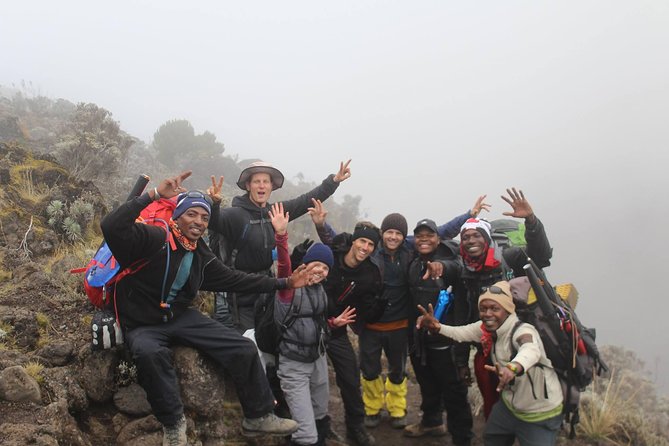
The Machame Route gives you the full Kilimanjaro story in seven demanding days: tropical forest, open moorland, volcanic rock, high desert, glaciers, and a midnight walk to Africa’s highest point. It is often called the Whiskey Route, a playful contrast with the easier-sounding Marangu Route, but the name should not fool you. This is a serious high-altitude trek.
I like the changing scenery, which keeps each day fresh, and the smart climb-high, sleep-lower pattern on Day 3 at Lava Tower and Barranco Camp. I also like the level of support: tents, meals, a cook, porters, guides, a portable toilet, oxygen for emergencies, and hotel nights in Moshi are included.
The main drawback is the compressed schedule. Seven days is enough for the route, but you still gain altitude quickly, and summit night can last eight hours before the descent even begins. You need solid fitness, patience, and a willingness to walk slowly in cold, dark conditions.
Key points to know before booking
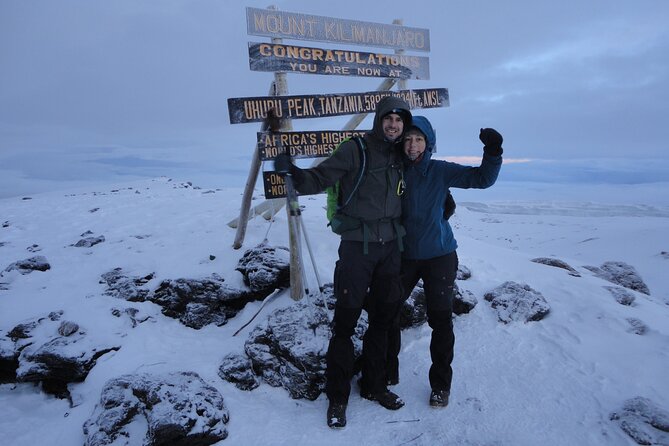
- The route crosses five major habitat zones, from rain forest to Arctic conditions near Uhuru Peak.
- Lava Tower at 4,603 meters provides useful acclimatization before you descend to Barranco Camp.
- Summit night begins around midnight, followed by the climb to Stella Point and Uhuru Peak.
- This is a private tour, so only your own group participates.
- The $2,890 price includes major park and camp costs, crew, meals, tents, transfers, airport transport, and hotel nights.
- You must budget separately for equipment and tips, including sleeping bags, boots, walking sticks, and crew gratuities.
Why Machame is Kilimanjaro’s popular scenic route
Machame is known for better scenery than the Marangu Route, and the route earns that reputation day by day. Instead of repeating one trail up and down, you move through different sides of the mountain and see Kilimanjaro change as you climb.
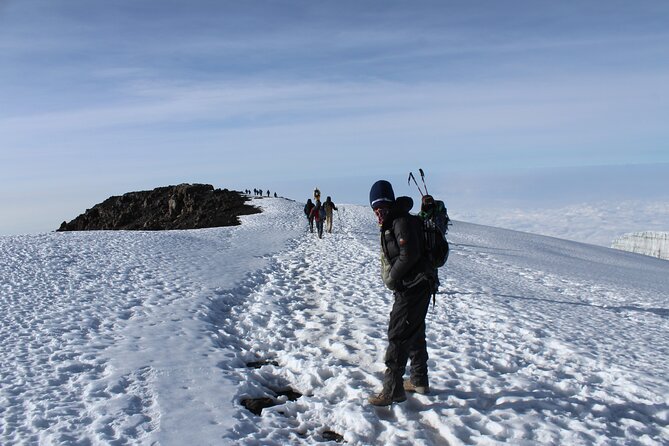
The path starts in thick rain forest. Higher up, trees give way to heather, open moorland, volcanic rock, and the strange giant senecio plants around Barranco. Near the summit, the color drains away into a severe world of ice, stone, wind, and darkness.
The route is also popular because it can be completed in seven days while still including a useful acclimatization day. That does not make it easy. The itinerary has several short-distance days, but the altitude makes those distances feel much longer than they look on paper.
You should also understand the camping style. You sleep in tents rather than huts, with a dining tent, tables, chairs, lanterns, and a foam mattress. A portable flush toilet with a toilet tent is included, which is a welcome touch on a mountain where basic facilities are part of the challenge.
More Kilimanjaro Climbs in Kilimanjaro
- Kilimanjaro climb by Lemosho Route (7-day)
★ 5.0 · 651 reviews - Kilimanjaro climb, Machame Route (7-day)
★ 5.0 · 262 reviews - Kilimanjaro Climbing Lemosho Route 8 Days.
★ 5.0 · 186 reviews
Day 1: Moshi to Machame Camp through the rain forest
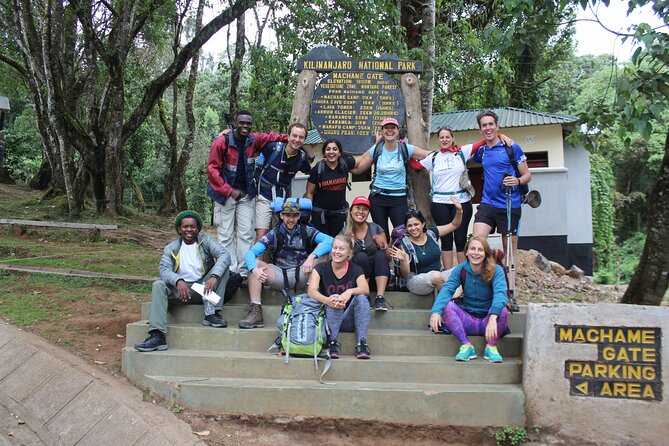
After breakfast, you leave your hotel in Moshi for the drive to Machame Gate. The transfer takes about an hour and passes through Machame village on the lower slopes of Kilimanjaro.
At the gate, you register before entering Kilimanjaro National Park. This start can take some time because park entry and crew arrangements must be handled before you walk, so do not expect to be on the trail the moment you arrive.
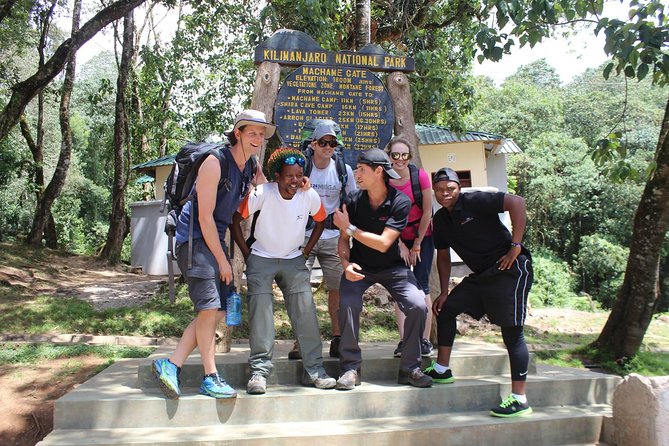
The first day covers about 11 kilometers and takes five to seven hours. The trail winds through dense rain forest, climbing steadily along a ridge toward Machame Camp at 2,833 meters.
This is a good opening day because the forest gives you shade and a strong sense of entering a different world. The air is humid, the path can be muddy, and roots and uneven ground demand attention. You are not yet facing the cold upper mountain, but you are already working.
The camp altitude is high enough for your body to begin adjusting. Keep the pace slow from the start. A common mistake on Kilimanjaro is to treat the first day like a normal hike because the scenery feels welcoming.
Day 2: Heather and open moorland on the way to Shira
Day 2 is shorter, covering about five kilometers in four to six hours. The route leaves the forest and climbs toward a steep, rocky ridge.
The change in scenery is quick and striking. Trees thin out, then disappear, replaced by heather and open moorland on the Shira Plateau. This is one of the reasons I prefer Machame to a more repetitive route. You feel the mountain opening around you.
You cross a large river gorge before reaching Shira Cave Camp. The habitat is listed as heath, but the experience is more exposed than Day 1. There is less shelter, more rock, and a greater awareness that you are climbing into a high-altitude environment.
Because the distance is short, you may reach camp with time to rest. Use it wisely. Eat, drink, organize your sleeping gear, and protect your energy for the harder days ahead. The comfortable feeling of a short day can be misleading. Altitude, not mileage, is the main issue.
Day 3: Lava Tower, Senecio Forest, and Barranco Camp
Day 3 is one of the most valuable days on the route. You climb east along a ridge toward Lava Tower, a volcanic rock formation about 300 feet tall and located at 4,603 meters.
The walk to Lava Tower covers roughly seven kilometers and takes four to five hours. The habitat is alpine desert, with sparse vegetation and bare volcanic surroundings. This section may feel tough because you are climbing well above the altitude where you will sleep.
After lunch, you descend about three kilometers to Barranco Camp at 3,953 meters. The descent passes through the Senecio Forest, known for its unusual giant plants and stark high-altitude beauty.
This is the classic climb-high, sleep-lower pattern. You spend time at Lava Tower to help your body adjust, then finish the day at a lower camp. The beginning and end of the day are at similar elevations, but the time spent higher is the point.
You should expect this day to test your breathing and patience. Walk slowly, listen to your guide, and tell the crew if you develop symptoms that concern you. The schedule is designed for acclimatization, but no route can remove the risks of high altitude.
More Machame Route Climbs in Kilimanjaro
- Climbing Kilimanjaro – Machame Route
★ 5.0 · 170 reviews - Climbing Kilimanjaro through 7 days Machame Route
★ 5.0 · 151 reviews - #1. Best Kilimanjaro Day hike Tour-Machame Route-ISMANI
★ 4.2 · 47 reviews - 7 Days Machame route – Kilimanjaro
★ 5.0 · 45 reviews
Day 4: Climbing the Barranco Wall to Karanga
Day 4 begins with a descent to the base of the Great Barranco Wall. From there, you climb the steep cliff, which rises nearly 900 feet.
The wall is non-technical, meaning you do not need climbing ropes or technical mountaineering skills according to the supplied tour details. Still, it is steep and can feel intimidating. You use your hands at points for balance, and the pace is naturally slow.
From the top, the trail crosses a series of hills and valleys before descending sharply into Karanga Valley. You pass the Karanga River, described as the last water point, then climb again to Karanga Camp.
The day covers about five kilometers and takes four to five hours. You arrive around lunchtime, followed later by a shorter acclimatization walk.
This is a compact but demanding day. The short distance does not mean an easy stroll. The repeated climbing and descending makes it feel like a mountain day rather than a transfer between camps. The Barranco Wall is also one of the route’s memorable physical landmarks, and reaching its top gives you a clear sense of progress.
Day 5: Barafu Camp and preparation for summit night
From Karanga Camp, you pass the junction with the Mweka Trail and continue across rocky ground to Barafu Hut. The distance is about four kilometers, with four to five hours of walking.
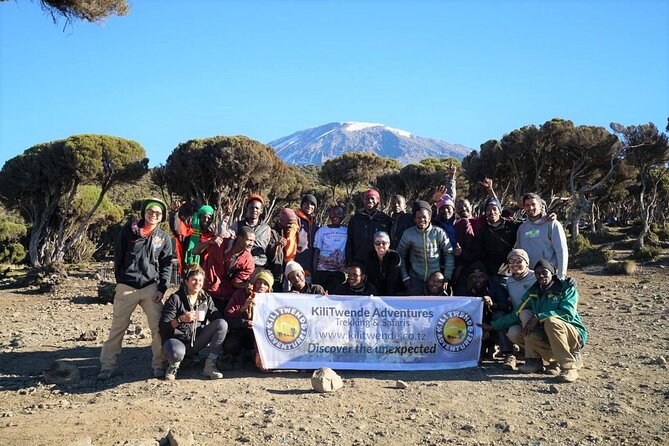
Barafu means ice in Swahili, and this high camp marks the end of the Southern Circuit. From here, you have approached the summit from several angles and can sometimes see both Mawenzi and Kibo when the weather clears.
The afternoon is mainly for rest and preparation. You have an early dinner, organize your warm layers, and try to sleep before the midnight start.
Barafu is not the place to discover that your gloves are buried at the bottom of your bag. Keep your summit clothing, headlamp, water, snacks, and camera ready. The supplied information does not list a headlamp or personal clothing among the included items, so you must bring or arrange those yourself.
The short walking distance is deceptive. This day is physically easier than some earlier sections, but the camp altitude and anticipation of summit night can make it psychologically demanding.
Day 6: Stella Point, Uhuru Peak, and the long descent
Summit day starts around midnight. You climb in darkness for several hours, stopping briefly along the way. Wind and cold are part of the challenge, even if conditions lower on the mountain have been mild.
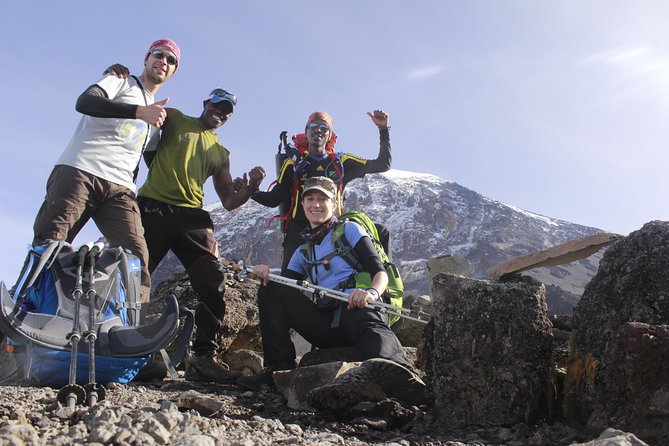
The first major goal is Stella Point at about 5,760 meters, or 18,900 feet, where you aim to arrive around sunrise. From Stella Point, you continue along the crater rim to Uhuru Peak at 5,895 meters, the highest point in Africa.
The summit section is listed at about five kilometers and seven to eight hours. That sounds manageable until you consider the altitude, steep ascent, cold, thin air, and lack of sleep. This is where a slow, steady pace matters most.
At Uhuru Peak, you have time for photographs before descending to Barafu Camp. The summit moment may be brief. You should not linger too long in the cold, especially if you feel unwell.
The day does not end at Barafu. You continue down to Mweka Camp, around 3,100 meters, covering another 12 kilometers in four to six hours through rain forest. In practical terms, this is the hardest day because it combines the summit climb with a major descent.
You may feel elated at the top and exhausted by the time you reach camp. Eat, drink, and rest. The support team’s role is especially important here, and the tour includes guides, cooks, porters, meals, emergency oxygen, and rescue fees.
Day 7: Mweka Gate and return to Moshi
The final morning includes breakfast and a three-hour descent through rain forest to Mweka Gate. The stated distance is about 10 kilometers.
At the gate, you sign out with the national park authority and collect summit certificates. A vehicle then waits to transfer you back to your hotel in Moshi.
The last walk is easier than summit day, but tired knees can make the descent feel long. Walking poles are useful, though they are not included unless you arrange them separately.
You have one hotel night before the trek and one night after it, both with bed and breakfast. That post-trek night is valuable. A shower, a proper bed, and a quiet place to sort your gear can feel like a luxury after several nights in camp.
What the $2,890 price covers
At $2,890 per person, this is not a budget trek. The price makes more sense when you look at what is bundled into it.
Park entry fees, camping fees, forest fees, rescue fees, and 18 percent VAT on tour services are included. Fair wages for the crew are also listed as part of the package, which matters on a trek that depends on guides, cooks, porters, and camp staff.
You receive a sleeping tent, dining tent, foam mattress, table, chairs, lanterns, and a portable toilet tent. Three meals a day are provided during the climb, along with airport transfers, mountain-gate transfers, and hotel accommodation before and after the trek.
The package also includes round-trip transfers from Kilimanjaro International Airport. That reduces the number of separate arrangements you need to make, particularly if you are arriving in Tanzania for the first time.
The price does not cover tips for guides, porters, cooks, and waiters. It also excludes international and domestic flights, visas, insurance, camera costs, laundry, and hotel lunches, dinners, and drinks.
Personal equipment costs extra. The supplied prices list a sleeping bag at $40, a duffle bag at $35, hiking boots at $40, and walking sticks at $10. Confirm current rental prices before you commit, since equipment quality and availability matter more than saving a few dollars.
Food, comfort, and crew support
The camping setup is more organized than carrying your own minimal kit and cooking for yourself. A cook prepares three meals a day, and the dining tent gives you a place to eat away from your sleeping space.
Several people who used this company described the food as generous and said dietary restrictions were accommodated. That is useful information, but you should still discuss allergies and diet needs before departure rather than waiting until the first camp.
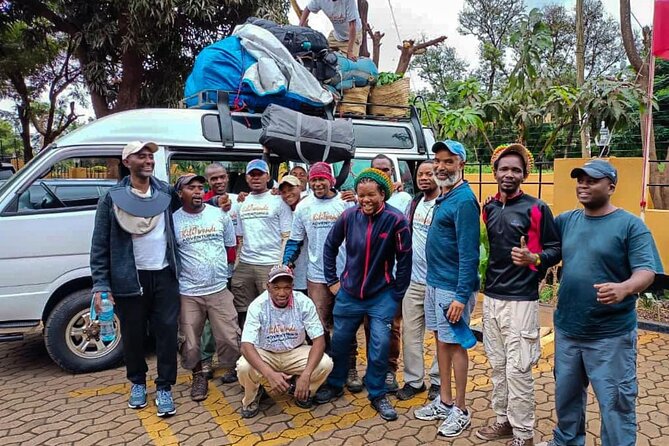
The company’s staff named in past experiences include Bobby, Robert, Jerry, Joseph, and Sadhi, though your exact guide team is not specified. Ask who will lead your group, how many porters are assigned, and how tipping is handled before you leave Moshi.
The included oxygen tank is for emergencies, not for making an unsafe ascent possible. You still need travel insurance that covers high-altitude trekking and evacuation.
Who should choose this seven-day trek
I would suggest this route to a fit adult who wants Kilimanjaro’s varied scenery and prefers a private group. The private format can make it easier to set a comfortable pace and discuss food, equipment, and concerns with the guide team.
It may suit you if you have hiking experience and can handle long days, steep ground, cold conditions, and basic camping. You do not need technical climbing skills for the Barranco Wall, but you do need stamina and a sensible attitude toward altitude.
The trek is less suitable if you want a relaxed holiday, dislike camping, or expect the seven-day label to mean seven easy walking days. The summit day alone is a major physical test.
A seven-day route also leaves less spare time than a longer Kilimanjaro itinerary. If your priority is giving yourself more time to adjust to altitude, ask about longer options before booking. The supplied tour is specifically built around seven days.
Practical details before you book
The start time is listed as 8:30 a.m., with pickup offered. Confirmation is provided at booking, and the activity requires moderate physical fitness.
Because this is a private tour, only your own group participates. That is useful for couples, families, or friends who want a shared schedule, but the supplied information does not state a maximum group size.
Free cancellation is available up to 24 hours before the local start time for a full refund. Changes made inside that 24-hour window are not accepted, and poor weather may lead to a new date or a full refund.
Should you book the Machame Route?
Book it if you want the scenic side of Kilimanjaro, value a private group, and like having transport, meals, camping equipment, hotel nights, and a full support crew arranged in one package.
Think twice if you are choosing it only because seven days sounds short or because the price appears to include everything. You still need personal gear, insurance, documents, flights, and a generous tip budget.
For a fit person who understands the demands of summit night, this is a well-supported way to approach Uhuru Peak. The best reason to choose it is not the catchy Whiskey Route name. It is the steady change from rain forest to Arctic summit, with Lava Tower providing a useful acclimatization stop along the way.
FAQ
How long is the Kilimanjaro Machame Route trek?
The trek lasts approximately seven days, including the final descent to Mweka Gate and the transfer back to Moshi.
What is the price per person?
The listed price is $2,890 per person.
Is this a private tour?
Yes. Only your group participates in the activity.
Is hotel accommodation included?
Yes. One hotel night before the trek and one night after the trek are included on a bed-and-breakfast basis.
Are airport transfers included?
Yes. Round-trip airport transfers to and from Kilimanjaro International Airport are included, along with transfers to and from the mountain gates.
Are meals included during the climb?
Yes. Three meals a day are provided during the climb. Hotel lunches, dinners, and drinks in Moshi are not included.
Is personal hiking equipment included?
No. Personal gear is not included. Listed rental examples include a sleeping bag for $40, a duffle bag for $35, hiking boots for $40, and walking sticks for $10.
How fit do I need to be?
The activity requires a moderate physical fitness level. You should also be prepared for steep trails, high altitude, cold conditions, and a midnight summit climb.
Can I cancel for a full refund?
You can cancel up to 24 hours before the experience start time for a full refund. If poor weather causes the company to cancel, you are offered another date or a full refund.
More Machame Route Climbs in Moshi
- The Best of Machame Route in 6 Days: Your World’s Summit Guide
★ 5.0 · 44 reviews - Best Kilimanjaro Adventure 7 days Machame route Trekking
★ 5.0 · 42 reviews - 6 Days Machame Route Kilimanjaro Climbing
★ 5.0 · 42 reviews - 6 Days Private Mount Climbing in Kilimanjaro Machame Route
★ 5.0 · 38 reviews
More Kilimanjaro Climbs in Moshi
- Kilimanjaro climb, Lemosho Route (8-day)
★ 5.0 · 148 reviews - Kilimanjaro climb, Lemosho Route (6-day)
★ 5.0 · 129 reviews - Kilimanjaro climb, Marangu route (6-day)
★ 5.0 · 72 reviews - Private Kilimanjaro Hike 7 Day Lemosho Route
★ 5.0 · 60 reviews
Just added around Moshi
- Mt Kilimanjaro 6 days Marangu route hike★ 5.0 · 3 reviews
- Wildlife Extravaganza: Manyara, Tarangire & Ngorongoro in 3 Days★ 5.0 · 3 reviews
- Private Cycle to Kilimanjaro Bike Park Safari★ 5.0 · 6 reviews
- 3 Days Private E-Bike Tour in West Kilimanjaro★ 5.0 · 3 reviews
- West Kilimanjaro cycling Adventures★ 4.5 · 8 reviews
- machame route★ 5.0 · 16 reviews
- Kilimanjaro Climbing Umbwe Route★ 5.0 · 3 reviews
- Kilimanjaro Climb & Safari – Lemosho Route – 13 Day★ 5.0 · 10 reviews
Machame Route Climbs, compared.



Climbing Kilimanjaro through 7 days Machame Route
Read our review →
7-Day Machame Kilimanjaro Summit Tour from Arusha
Read our review →
7 Days Kilimanjaro via Machame route affordable price
Read our review →
#1. Best Kilimanjaro Day hike Tour-Machame Route-ISMANI
Read our review →

The Best of Machame Route in 6 Days: Your World’s Summit Guide
Read our review →Browse the lists this tour appears in