
Reviewed · KILIMANJARO TOURS
Kilimanjaro 360
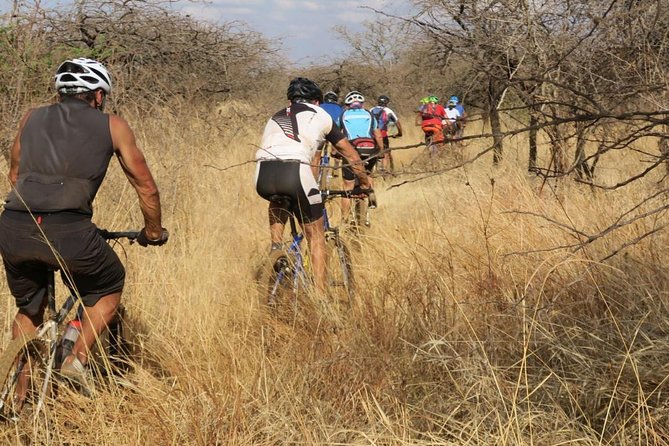
Cycling around Mount Kilimanjaro is a fine answer for anyone who wants the mountain without climbing it. Over six riding days, you pass from coffee and banana farms to dry Maasai plains, wildlife routes, crater lakes, forest edges and Chagga villages. The mountain keeps changing shape as you circle it.
I like the mix of cultures and scenery, from Olpopongi Maasai village to Marangu’s Chagga country. I also like the full support setup, with bikes, mechanic, cook, support vehicle, camping gear, meals and airport transfers covered.
The main caution is the physical demand. Distances reach 73 kilometers, with steep climbs and rougher dirt sections, so this is not a casual bike holiday. I would also confirm the payment and refund terms directly before sending a large deposit.
Key points to know before booking
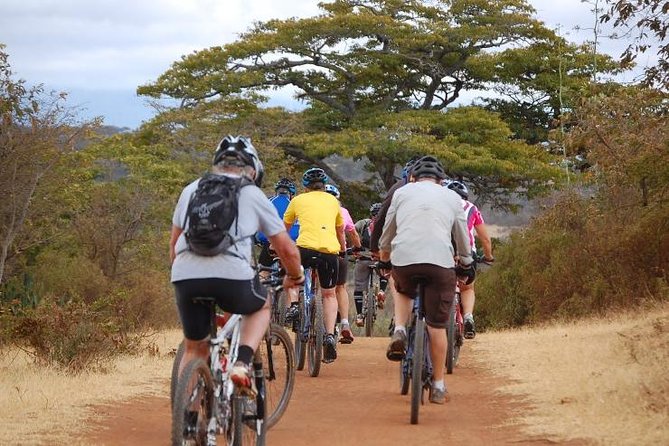
- Six days on the bike: The eight-day trip includes arrival, departure and six full cycling days around Kilimanjaro.
- A real cultural route: You move between Maasai country in the west and Chagga villages on the mountain’s southern and eastern slopes.
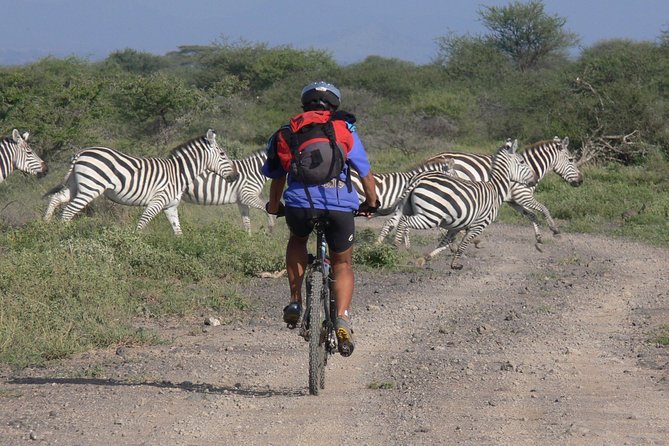
- Wildlife without a safari game drive: Enduimet Wildlife Management Area is an important route for elephants and other animals, though wildlife sightings are not guaranteed.
- Camping is part of the adventure: Nights include Simba Farm, Snowcap Cottages and Lake Chala Campsite, with tents, sleeping bags, mattresses, tables and chairs supplied.
- Good logistical support: A guide team, bike mechanic, driver, cook and support vehicle travel with the group, which matters on long rural rides.
- A demanding but adjustable trip: The tour requires moderate fitness, and private groups have previously adjusted the route to suit their ability.
What the Kilimanjaro 360 route really offers
This is not a mountain-biking loop made up only of dramatic descents. It is a multi-day cross-country journey on tarmac and dirt roads, with long distances, changing elevations and plenty of time in rural Tanzania.
The route circles the lower world of Kilimanjaro rather than climbing toward the summit. That gives you a broader look at life around the mountain. You see farms, villages, open grassland, acacia trees, wildlife corridors and forest. You also meet the two cultures most closely tied to the route: the Maasai of the western plains and the Chagga of the foothills.
The price is $2,690 per person. That is a serious sum, but it covers a great deal: airport pickup and return transfer, two hotel stays, camping, meals, snacks, fruit, two to three liters of water daily, mountain bikes, helmets, entry charges, a support vehicle, guides, a mechanic, driver and cook. You are paying for a staffed expedition, not simply a bike rental and a road map.
Other Moshi days people book alongside this one:
- Kilimanjaro climb by Lemosho Route (7-day)
★ 5.0 · 651 reviews - Safari Serengeti And Ngorongoro
★ 5.0 · 288 reviews - Kilimanjaro climb, Machame Route (7-day)
★ 5.0 · 262 reviews
Day 1: Airport pickup and bike fitting in Moshi
Your trip begins with pickup at Kilimanjaro International Airport, followed by a transfer to Moshi. The town sits at the foot of Mount Kilimanjaro and is the base for the first and final hotel nights at Keys Hotel.
The first day is useful preparation, not wasted time. You meet the guide, receive a briefing and get the bike fitted. If your flight arrives in the morning or afternoon, there may be time for a short test ride through nearby sugar cane plantations and villages.
That test ride is worth taking. It gives you a chance to check saddle height, gears, brakes and general comfort before the longer days begin. Tell the staff early if the bike does not feel right. A small problem on day one becomes a painful problem on day four.
Dinner is included. The start time is listed as 7 a.m., so plan to be ready early each morning and confirm the exact departure routine during your briefing.
Day 2: From coffee farms to Maasai country
The first major riding day crosses from the greener southern side of Kilimanjaro toward the drier west. The opening section runs through coffee and banana plantations, showing how fertile the lower slopes can be.
As you pedal farther west, the scenery becomes more open. Acacia woodland and dry grassland replace dense cultivation, and the views toward Kilimanjaro become more expansive. This contrast is one of the best reasons to choose the full circuit instead of a short mountain ride.
The cultural focus is Olpopongi, a Maasai cultural village and museum. The area is known as Maasai land, where pastoral communities live alongside wildlife. The visit gives the route a human dimension, although you should approach it with the same care you would bring to any cultural encounter. Listen, ask questions respectfully and remember that this is a living community, not just a photo stop.
The day lasts about six hours. The supplied details do not give a distance for this section, so the time matters more than a precise kilometer count. You finish with dinner and an overnight stay, though the accommodation details for this night are not fully specified in the supplied plan.
Day 3: Elephant country in Enduimet
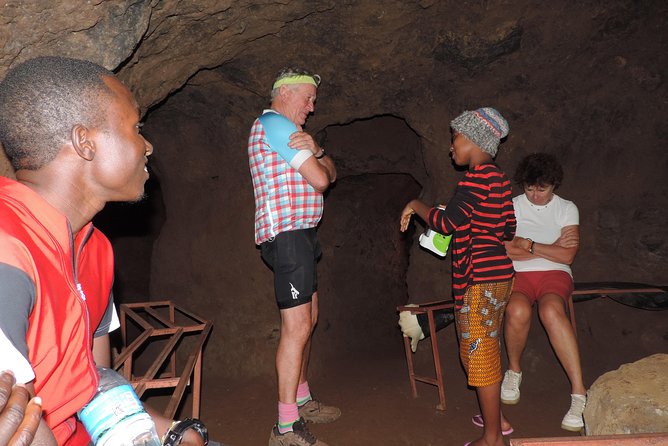
Day three enters Enduimet Wildlife Management Area, one of the most interesting parts of the route. Enduimet borders Kenya’s Amboseli National Park and serves as a migration route for elephants.
You begin on open plains dotted with acacia trees. As the ride moves toward the lower slopes of Kilimanjaro, the area becomes greener and more cultivated. The change is gradual, which makes it easy to appreciate how altitude, water and farming shape the region.
The area is mainly Maasai country, but Chagga, Meru and Pare communities also live here. That mixture adds depth to the ride. You are not simply circling a famous peak. You are passing through a working region with several communities and different ways of using the land.
The cycling ends at Simba Farm, above wide wheat and barley fields. It is a striking change from the dry plains earlier in the day. The six-hour ride is long enough to feel like a proper stage, but the route is spread across the day rather than treated as a race.
Wildlife is an important part of the setting, but do not book this as a guaranteed animal-watching trip. You are cycling through a wildlife area, not taking a dedicated safari with scheduled game drives. Keep your expectations sensible and your attention on the road.
Same country, a completely different kind of safari:
- Kilimanjaro Climbing Lemosho Route 8 Days.
★ 5.0 · 186 reviews - Climbing Kilimanjaro – Machame Route
★ 5.0 · 170 reviews - Climbing Kilimanjaro through 7 days Machame Route
★ 5.0 · 151 reviews - Kilimanjaro climb, Lemosho Route (8-day)
★ 5.0 · 148 reviews
Day 4: Rongai forest and the long 73-kilometer stage
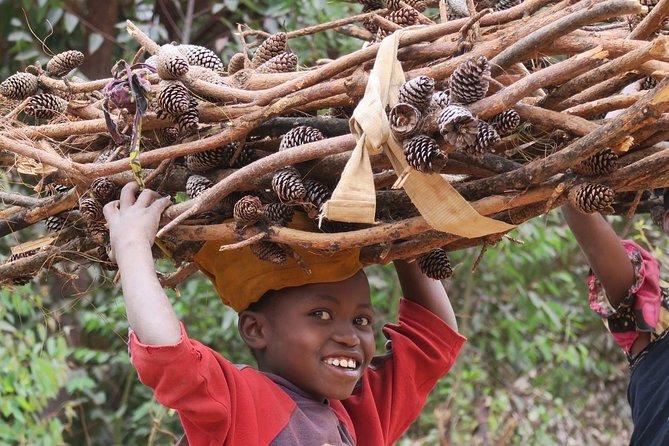
Day four is the longest stated ride, at 73 kilometers. You head northeast toward Nalemoru, close to the Kenyan border, and the village where the Rongai route up Kilimanjaro begins.
The ride passes open farmland and several towns. Behind you, the western plains open into broad mountain views. Ahead, the route climbs toward the Rongai forest. The surface is a mix of tarmac and dirt road, so a mountain bike is the sensible choice.
This is a day for pacing. The distance is substantial, and the route heads toward higher ground. Use the included water, snacks and fruit steadily rather than waiting until you feel depleted. The support vehicle is especially valuable here, since it gives the crew a way to carry supplies and provide help if a rider has trouble.
The night is spent camping at Snowcap Cottages on the edge of the Rongai forest. On a clear day, you may see Kilimanjaro’s Kibo and Mawenzi peaks. Weather controls that view, so treat it as a bonus rather than a promise.
The accommodation description combines camping with the name Snowcap Cottages, so ask the operator exactly what sleeping arrangement applies to your departure. The general camping package includes tents, sleeping bags, mattresses, tables and chairs.
Day 5: A downhill run to Lake Chala
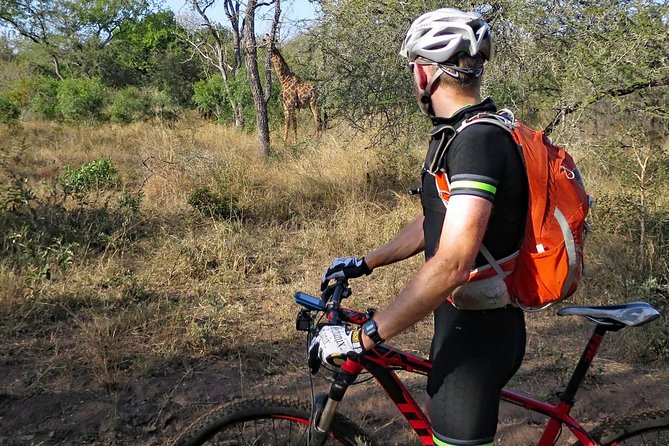
After the demanding climb toward the northeast, day five brings a downhill ride toward Lake Chala. The stated distance is 65 kilometers, on a mix of tarmac and dirt road.
Lake Chala sits on the Tanzania and Kenya border in a volcanic caldera. Its blue-green water is supplied by underground springs from Mount Kilimanjaro, and the crater walls create a dramatic setting for the night.
This is one of the route’s strongest scenic changes. You leave high farmland and forest-edge country for a quiet lake surrounded by plants, trees and wildlife. The campsite sits beside the caldera, making it a natural place to rest after several hard days.
The word downhill should not make you assume the day is effortless. The overall ride is still 65 kilometers, and dirt surfaces can slow you down. Still, the direction of travel gives your legs a welcome break after day four.
Camping at Lake Chala is included, along with breakfast, lunch and dinner. Pack a small dry bag for clothing and electronics. The tour provides camping equipment, but keeping your personal items organized and protected makes repeated camp changes much easier.
Day 6: Marangu, coffee, bananas and Kinukamori Waterfalls
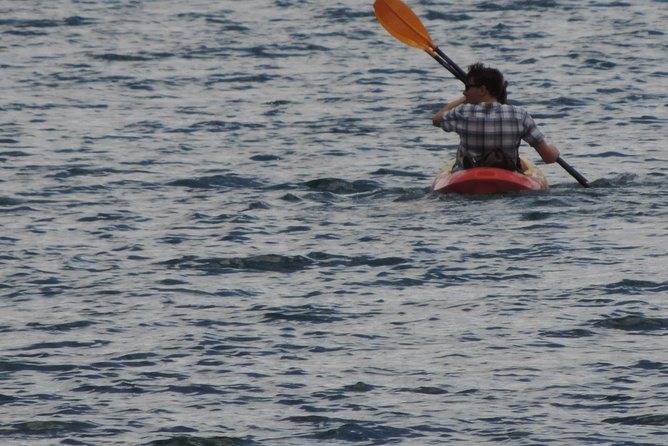
Day six is shorter but described as challenging. You ride uphill to Marangu village on the southern foothills of Kilimanjaro, passing coffee and banana plantations.
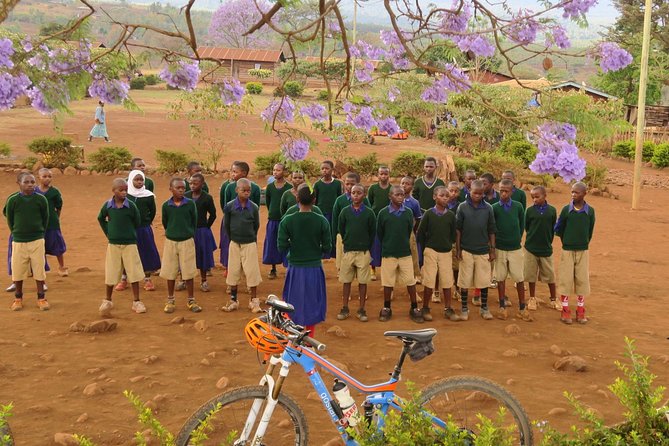
Marangu offers a close look at Chagga life. The route passes through villages where local people may greet riders with Jambo. This is one of the more social portions of the circuit, and it feels different from the open Maasai plains.
A detour leads to Kinukamori Waterfalls. You leave the bikes and walk down to the base, where a local Chagga guide explains the area, local traditions and the legend linked to the falls. This stop gives the day a useful pause and adds context that you cannot get from riding past farms alone.
The climb can be tough, particularly after four previous cycling days. You do not need to treat every section as a test of pride. Ride at a steady pace, use the support available and save energy for the final day.
The supplied details do not state a distance for day six. Breakfast, lunch and dinner are included, and the overnight arrangement is part of the camping portion of the trip.
Day 7: The final 37 kilometers into Moshi
The last riding day covers 37 kilometers and returns you to Moshi. The first half includes several steep ascents and descents through villages and plantations on Kilimanjaro’s slopes.
The second half becomes a gradual downhill ride toward town. You use back roads through Moshi’s suburbs and outskirts before reaching Keys Hotel, where the six-day cycling journey ends.
This final stage is short compared with days four and five, but the repeated climbs can still test tired legs. The downhill finish helps, and the shorter distance gives the group a reasonable chance to arrive together without turning the day into a sprint.
The evening ends with a celebratory dinner and sparkling wine. That is a small touch, but it suits the trip. Six days of riding around Africa’s highest mountain deserves a proper finish.
Day 8: A quiet morning before departure
The final day is free for rest, last-minute shopping or a walk around Moshi, depending on your flight time. Breakfast is included, as is the transfer to the airport.
This flexible ending is useful if your international flight leaves later in the day. Do not count on a full sightseeing program, though. The stated plan leaves the day open, so your time in Moshi depends on your departure schedule.
Bikes, support and group size
The tour includes mountain bikes and helmets. Bike fit matters more than fancy equipment on a route like this, so use the first-day fitting carefully. The operator has provided multiple bike sizes for past bookings, and locks and helmets have been available without an extra charge in some arrangements. Confirm the current equipment setup before departure.
The support team includes guides, a bike mechanic, driver and cook. George and Baraka have led trips, while Richard and Yasin have also been praised in connection with the riding crew. Staff assignments can change, but the key point is that this is designed as a supported group ride rather than a self-guided trip.
The maximum group size is 16. That is large enough for a social ride but small enough for a guide team to keep track of the group. If you want a private departure or need a gentler pace, ask about customization. A private group has previously adjusted the route to match its ability.
Food, camping and daily comfort
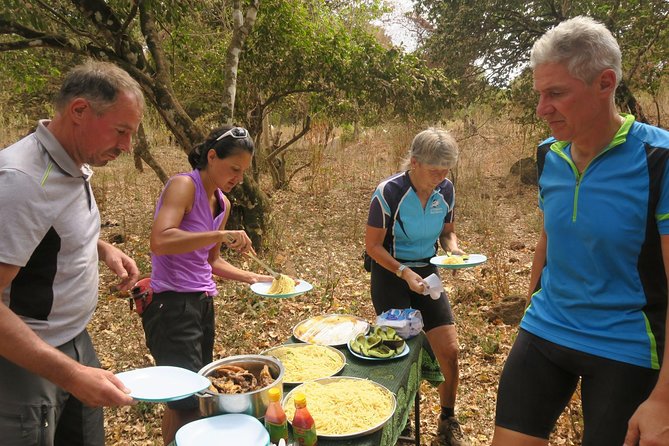
Meals are included throughout the eight days, with breakfast, lunch and dinner listed for the trip. Snacks, fruit and two to three liters of water per day are also included.
That coverage matters. Rural cycling days make it difficult to buy dependable food and water at convenient times, so having supplies handled by the crew lets you focus on riding. A cook is included, although the supplied details do not provide sample menus or information about special diets. If you have allergies or dietary restrictions, raise them before booking.
The camping package includes the basic furniture and sleeping equipment needed for organized camps. Hotel accommodation before and after the circuit is at a three-star level, with Keys Hotel listed in Moshi.
You should still pack personal cycling clothes, sun protection, toiletries, any medication you need and a way to keep electronics dry. Laundry is not included.
Who should book this Kilimanjaro cycling tour?
I would recommend it to a fit cyclist who wants variety more than speed. You should be comfortable riding for roughly six hours a day and handling both tarmac and dirt roads. Moderate fitness is the stated minimum, but the 73-kilometer day and repeated climbs make regular riding a sensible preparation.
Families can consider it too. One past group included children aged 15 and 18, and the route was described as a mix of good bike paths and busier village roads. That does not make it easy for every teenager, so assess fitness honestly.
This is less suitable if you want luxury hotels every night, a guaranteed safari, or a relaxed sightseeing tour with only occasional pedaling. It is also not the right choice if you dislike camping or long days in the saddle.
The strongest praise has focused on route planning, bike quality, staff support, food, unusual campsites and the way the hard sections are spaced. Those are exactly the areas that matter most on a trip like this.
Price, booking care and cancellation
At $2,690 per person, the tour offers solid value if you use the full package. Airport transfers, two hotel stays, several camp nights, all meals, water, entry fees, bikes, a support vehicle and a complete crew would cost a great deal to arrange separately.
I would not call it a bargain. The price is justified by staffing and logistics, not by luxury. Ask for the exact room and tent arrangements, bike specifications, group size for your dates and the payment schedule before committing.
The stated cancellation policy allows a full refund when you cancel at least 24 hours before the start time. Changes or cancellations inside that window are not refunded, and poor weather may lead to a new date or a full refund.
Because one serious public payment dispute has been associated with this experience, I would keep all payment, cancellation and refund promises in writing. That does not erase the many positive operational details, but it is a sensible precaution for an expensive trip. Travel and medical insurance is not included and is strongly recommended.
Should you book Kilimanjaro 360?
Book this tour if you want a demanding, well-supported ride that shows the communities and countryside around Kilimanjaro, not just the mountain itself. The Maasai plains, Enduimet wildlife corridor, Rongai forest, Lake Chala and Chagga foothills give the route real variety.
I would book it for the support team, cultural stops and carefully staged change of scenery. I would pause if you are not ready for long rides, steep sections, dirt roads and several nights under canvas.
For a fit cyclist who sees camping as part of the story, this can be a memorable way to circle Kilimanjaro. Confirm the current guide team, equipment, camp setup and refund terms, then make the call with clear expectations.
FAQ
How long is the Kilimanjaro 360 tour?
The full trip lasts approximately eight days. Six of those days are cycling days, with one arrival day and one departure day.
Where does the tour start?
The tour starts with pickup at Kilimanjaro International Airport, followed by transfer to Moshi. The first hotel stay is at Keys Hotel.
How many people can join the tour?
The maximum group size is 16 people.
What level of fitness do I need?
A moderate physical fitness level is required. The route includes long rides, steep ascents and descents, and mixed tarmac and dirt roads.
What is the longest cycling day?
Day four is listed at 73 kilometers. It runs toward Nalemoru village and the Rongai forest near the Kenyan border.
Are bikes and helmets included?
Yes. Mountain bikes and helmets are included in the tour price.
Is camping equipment provided?
Yes. The package includes tents, sleeping bags, mattresses, tables and chairs. Camping is listed at Snowcap Cottages and Lake Chala Campsite, with other camping included during the route.
Are meals and airport transfers included?
Yes. Airport pickup and transfer back to the airport are included, along with breakfast, lunch and dinner throughout the tour. Snacks, fruit and two to three liters of water per day are also included.
Just added around Moshi
- Mt Kilimanjaro 6 days Marangu route hike★ 5.0 · 3 reviews
- Wildlife Extravaganza: Manyara, Tarangire & Ngorongoro in 3 Days★ 5.0 · 3 reviews
- Private Cycle to Kilimanjaro Bike Park Safari★ 5.0 · 6 reviews
- 3 Days Private E-Bike Tour in West Kilimanjaro★ 5.0 · 3 reviews
- West Kilimanjaro cycling Adventures★ 4.5 · 8 reviews
- machame route★ 5.0 · 16 reviews
- Kilimanjaro Climb & Safari – Lemosho Route – 13 Day★ 5.0 · 10 reviews
- Kilimanjaro Climbing Umbwe Route★ 5.0 · 3 reviews
Kilimanjaro Tours, compared.






Climbing Kilimanjaro through 7 days Machame Route
Read our review →
