
Reviewed · MACHAME ROUTE CLIMBS
Best 7 Days Machame Route group hiking on Kilimanjaro
Kilimanjaro’s Machame Route gives you the mountain’s full changing scenery, from wet rainforest to cold moorland, high volcanic rock, glaciers, and the sunrise summit at Uhuru Peak. It is called the Whiskey Route for good reason: this is not the easiest way up, especially on the shorter six-day plan.
I like the route’s dramatic scenery and its climb-high, sleep-lower acclimatization day at Lava Tower and Barranco. I also like the human side of the trip: the crew, guides, porters, and chef receive repeated praise, with Nalisis named as a key organizer and Omary praised for helping a group reach the summit.
The main caution is the pace. The six-day version combines Barranco to Karanga and Karanga to Barafu into one long day, leaving less time to adjust to altitude. You should be fit, comfortable with steep hiking, and ready for cold, mud, early starts, and a hard summit night.
Key points to know before booking
- Machame gives you Kilimanjaro’s best range of scenery, beginning in rainforest and crossing the Shira Plateau before reaching the southern ice fields.
- The six-day schedule is demanding, because it skips an overnight stop at Karanga.
- Summit night begins around midnight to 2 a.m., followed by a steep ascent to Stella Point and Uhuru Peak.
- The route climbs to 5,895 meters, so altitude, not just fitness, is the main challenge.
- Meals, transport, park fees, and airport pickup are included, but tipping, visas, flights, and personal hiking equipment are extra.
- The advertised price is $2,080 per person, a substantial package price that should be compared with the length, crew support, and included services.
Why the Machame Route is so popular
Machame approaches Kilimanjaro from the south. You drive from Moshi toward Machame Village, register at Machame Gate, then enter the forest almost at once.
The route is popular because it does not simply march straight uphill through one type of scenery. Each day feels different. The lower forest is damp and thick, while the upper sections become open, rocky, and exposed. From the Shira Plateau, you begin to understand the mountain’s scale.
The route also joins the Southern Circuit, which takes you beneath Kilimanjaro’s southern ice fields. You see Kibo, Mawenzi, glaciers, ridges, and volcanic rock from changing angles before reaching the summit approach at Barafu.
That variety is the great reward. The price is a harder trail. Machame has steep sections and a shorter itinerary than the more gradual seven-day version. If you have no hiking or high-altitude experience, the extra day is worth serious consideration.
More Machame Route Climbs in Kilimanjaro
- Kilimanjaro climb, Machame Route (7-day)
★ 5.0 · 262 reviews - Climbing Kilimanjaro – Machame Route
★ 5.0 · 170 reviews - Climbing Kilimanjaro through 7 days Machame Route
★ 5.0 · 151 reviews
Day 1: Machame Gate and the wet rainforest
The day begins after breakfast, with pickup from the hotel. The supplied details give Shanty Town as the starting point and 8 a.m. as the start time, while the daily description refers to an early breakfast and pickup from Arusha at about 1,400 meters. Because those details do not perfectly match, confirm your exact pickup location and time before setting out.
The drive continues to Machame Village. You can buy mineral water there and collect a packed lunch. Depending on road conditions, the vehicle may continue toward the gate. If the road is too muddy, you walk about three kilometers from the village, which takes roughly an hour.
After registration at Machame Gate, the trail enters the rainforest. This first section is not technically extreme, but wet weather can make it slow. Rain turns the path into mud, and roots and rocks become slippery. A waterproof jacket, pack cover, and shoes with good grip matter more here than fancy summit equipment.
The route takes about seven hours. A lunch stop comes roughly halfway, then you continue toward the first camp. The forest is the most humid part of the climb, and you may finish the day with damp clothing or muddy gaiters.
I would keep your rain gear easy to reach rather than buried in your pack. Trekking poles are useful from the start, especially if the trail is wet.
Day 2: Moorland and the cold Shira Plateau
You leave Machame Camp after breakfast. The first hour continues upward through the forest, then the trail reaches the moorland zone. The gradient becomes gentler for about two hours, giving you a welcome chance to settle into a steady walking rhythm.
After lunch and a rest, the path climbs along a rocky ridge toward the Shira Plateau. This is where the route begins to feel more open and exposed. You can look east toward the Western Breach and its glaciers, with Kibo now ahead of you.
Shira Camp sits at about 3,840 meters. The altitude is already significant, even though the day lasts about six hours. At camp, porters boil water for drinking and washing, and dinner follows.
Expect a much colder night than at Machame. Temperatures can fall well below freezing at this exposed camp. Your sleeping bag, warm layers, gloves, hat, and dry socks are not optional comforts. They help you sleep, which becomes increasingly important as the climb gains height.
This day is one reason the route is so scenic. The forest is behind you, and Kilimanjaro’s upper slopes begin to dominate the view. The tradeoff is that the open camp offers little shelter from cold or weather.
Day 3: Lava Tower, altitude practice, and Barranco
Day three is one of the most useful days for acclimatization. From Shira, you climb east along a ridge, passing a junction toward Kibo. The route then bends southeast toward Lava Tower, also called the Shark’s Tooth.
The day reaches about 16,000 feet at the Arrow Glacier junction before descending to Barranco Camp at approximately 13,000 feet. You spend around six hours on the trail.
That climb and descent can feel strange. You work hard to gain height, then finish the day at nearly the same elevation where you began. The point is not distance. It is giving your body time at a higher altitude before the summit attempt.
Lava Tower can be a demanding section. You may feel the thinner air, and the rocky route requires patience. Move slowly and tell your guide if you feel unwell. The correct pace is the one that helps you continue safely, not the one that gets you to camp first.
Barranco is memorable because the mountain feels more rugged here. You rest, eat dinner, and prepare for the next day’s steep ridge. The camp also sets up one of the most recognizable sections of the Machame Route, the Barranco Wall.
More Machame Route Climbs in Moshi:
- #1. Best Kilimanjaro Day hike Tour-Machame Route-ISMANI
★ 4.2 · 47 reviews - 7 Days Machame route – Kilimanjaro
★ 5.0 · 45 reviews - The Best of Machame Route in 6 Days: Your World’s Summit Guide
★ 5.0 · 44 reviews - Best Kilimanjaro Adventure 7 days Machame route Trekking
★ 5.0 · 42 reviews
Day 4: Barranco Wall and the long push to Barafu
The morning begins with the Barranco Wall. It is steep, but the description does not present it as a technical rock climb. You use your hands at times and follow the guide carefully as the path works upward across the ridge.
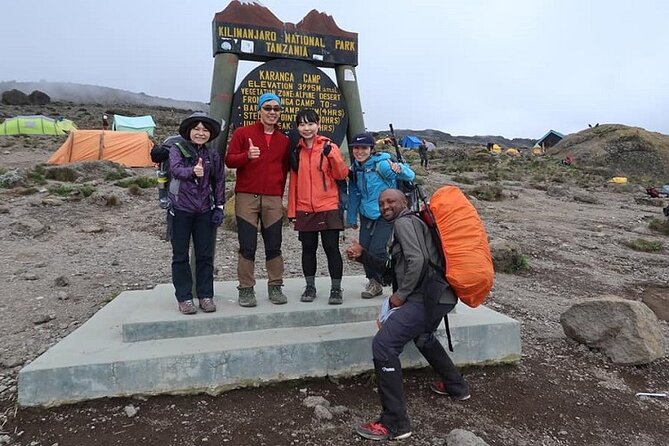
After the wall, you descend and climb through the Karanga Valley. On the full seven-day version, Karanga is used as an overnight camp. On this six-day itinerary, you continue onward, joining the Mweka Trail before climbing to Barafu Hut.
This is the key difference between six and seven days. Combining Barranco to Karanga with Karanga to Barafu makes day four long and tiring. It saves one night and may suit hikers with a strong base of fitness, but it provides less recovery time before summit night.
At Barafu, the Southern Circuit is complete. You have seen the summit from several angles, and both Mawenzi and Kibo are visible from camp. The setting is exposed and high, with little room for a casual evening stroll.
Dinner comes before an early rest. You should prepare your summit clothing, water, headlamp, snacks, gloves, and camera before lying down. There is no leisurely morning ahead. The summit attempt begins around midnight to 2 a.m.
Day 5: Stella Point, Uhuru Peak, and the hardest hours
Summit day is the physical and mental center of the climb. You start in darkness and climb between the Rebmann and Ratzel glaciers, heading northwest through heavy scree toward Stella Point on the crater rim.
The route to Stella Point is steep and tiring. Scree shifts underfoot, and the night start can make the distance feel endless. Cold, darkness, altitude, and fatigue all arrive at once. Your guide’s pace and encouragement matter greatly here. Omary is one guide named in the supplied feedback, while Nalisis is identified with the organization of the climbs.
At Stella Point, about 18,600 feet, you take a short rest. If the weather cooperates, sunrise is the great payoff. From there, you may encounter snow during the roughly one-hour walk to Uhuru Peak.
Uhuru Peak is at 5,895 meters, the highest point on Kilimanjaro and in Africa. Reaching it is a major achievement, but you should not underestimate the return journey. Summit day includes the ascent from Barafu, time at the top, the descent to lower camp, and the strain of moving at altitude.
The supplied schedule lists about six hours for this day, but summit-day timing can vary with pace, conditions, and time spent at the top. Treat that figure as an approximate itinerary marker, not a promise that the entire day will feel short.
If you reach the summit, keep your photographs brief and follow your guide’s instructions. The cold and altitude make lingering unpleasant, even with a clear sunrise.
Day 6: Mweka descent and return to Moshi
After breakfast, you descend toward Mweka Park Gate. The lower trail can be wet and muddy, particularly after the colder upper sections have been replaced by warmer, wetter forest.
Gaiters and trekking poles are useful on this day. You may be comfortable in shorts and a T-shirt at lower elevations, but keep rainwear and warmer clothing within reach. Weather can change before you finish.
At Mweka Gate, you receive your summit certificates. A vehicle then takes you back to your Moshi hotel. After several days of cold camps and early starts, that drive marks a sharp return to ordinary travel.
The six-day plan finishes quickly after the summit. If you want more time to recover before a safari or flight, allow yourself a sensible buffer rather than scheduling an immediate onward connection.
The six-day and seven-day choice
The product is described as a six to seven-day Machame climb, but the detailed plan is six days. The six-day version combines the Karanga sections and does not include a night at Karanga Camp.
The seven-day option normally gives you more time on the mountain, but you should confirm exactly what is offered, including camp nights, departure date, and the number of hiking days. Do not assume the longer option is included at the same price or follows the same daily schedule.
I would choose six days only if you already hike regularly and accept a tougher fourth day. If you are new to high-altitude trekking, the seven-day schedule is the more sensible question to ask about. More time does not guarantee a summit, but a slower plan gives you more opportunity to adjust.
What the $2,080 price covers
At $2,080 per person, this is not a budget day hike. It is a full mountain package with park fees, private transportation, airport pickup, six lunches, six breakfasts, and five dinners included.
That package matters because Kilimanjaro logistics are complicated. You are not simply paying for a trail permit. You are paying for transport, food, camp support, and the crew needed to move people and supplies up the mountain.
The price does not include a visa, flights, tips for the crew, or personal hiking equipment. Budget separately for waterproof clothing, warm layers, suitable footwear, a sleeping bag if one is not supplied, and other personal gear. The supplied information does not specify which camping equipment is provided, so ask for a written equipment list.
Tips are also a real part of the final cost. The amount is not provided here, so request the company’s current guidance rather than guessing.
The experience is described in places as a group-joining climb, but the additional information also calls it a private activity in which only your group participates. That is an important difference. Ask whether you will hike with other booked parties, your maximum group size, and how guides and porters are assigned.
Food, transport, and camp routine
Meals include breakfast each morning, packed or supplied lunches, and dinner on five nights. The description also says porters boil water for drinking and washing at camp.
That is useful support, but the exact menus and water arrangements are not stated. Ask whether drinking water is treated, how much you should carry each day, and whether dietary requirements can be handled.
Private transportation and airport pickup are included. The vehicle transfer from the gate area back to Moshi is also described. Since pickup information refers both to Arusha and Shanty Town, clarify the actual meeting point before booking.
The confirmation is sent at booking, and the tour is marked as suitable for most participants. That should not be read as a promise that altitude will be easy. Most people can participate in the sense that no special technical climbing skill is listed, but the trail remains steep, cold, and physically demanding.
What the praise tells you about the crew
The strongest pattern in the supplied feedback is praise for the team. The names Nalisis and Omary appear in connection with successful climbs, and the crew is repeatedly described as caring, welcoming, and well organized.
That matters on this route. A guide does more than point out the trail. The guide sets the walking pace, helps you handle the Barranco Wall, monitors the summit push, and keeps the group moving when the scree becomes frustrating.
The porters and chef are also repeatedly singled out. Good food and reliable camp support become much more valuable after a wet forest day or a freezing night on Shira Plateau.
Still, a high success claim in promotional feedback should not replace practical questions. Ask about guide qualifications, emergency procedures, crew welfare, group size, and the exact plan if someone cannot continue. Those answers tell you more than a string of five-star comments.
Who should book this climb
I would recommend this Machame trip to you if you want:
- A scenic route rather than the shortest possible approach
- A serious physical challenge with steep sections
- A guided climb with meals, transport, and camp support included
- The experience of hiking with an international group, if group joining is confirmed
- A clear goal at Uhuru Peak, with a sunrise attempt from Stella Point
I would be cautious if you dislike mud, cold, basic camps, or very early starts. I would also think twice about the six-day schedule if this is your first long hike or your first experience above 3,000 meters.
The route is called difficult for a reason. Fitness helps, but it cannot fully predict how your body will respond to altitude. Your best preparation is steady hiking, a patient pace, and an honest willingness to turn back if your guide says it is unsafe.
Should you book the Rede Tours Machame climb?
Book it if the combination of scenery, crew support, included transport and meals, and a direct summit goal fits your priorities. The repeated praise for the guide and support team is encouraging, and the Southern Circuit gives you a varied route rather than a simple up-and-down walk.
Before paying, confirm four points: six days or seven, private or group joining, the exact pickup point, and the equipment supplied. If the six-day plan is the only option, make sure you are comfortable with the long Barafu approach after Barranco.
For an experienced hiker who wants the classic Machame experience and accepts a demanding schedule, $2,080 can represent solid package value. For a first-time high-altitude trekker, ask for the seven-day version and compare the extra cost against the benefit of one more night for acclimatization.
FAQ
Where does the Machame Route climb begin?
The climb begins at Machame Gate after transport from the Moshi or Arusha area. The meeting information gives Shanty Town as the starting point.
How long does the climb last?
The experience is described as six to seven days, while the detailed itinerary covers six days. Confirm the exact duration when booking.
What time does the activity start?
The listed start time is 8 a.m. The daily description also refers to an early breakfast and pickup, so confirm your exact pickup time with the operator.
How high is Uhuru Peak?
Uhuru Peak is listed at 5,895 meters, the highest point on Mount Kilimanjaro and in Africa.
Is the Machame Route difficult?
Yes. The route is described as steep, difficult, and challenging, especially on the shorter itinerary. Hiking or high-altitude experience is recommended.
What happens on summit day?
You begin around midnight to 2 a.m., climb toward Stella Point at about 18,600 feet, then continue for roughly an hour toward Uhuru Peak, depending on conditions and pace.
Is airport pickup included?
Yes. Airport pickup is included in the package.
Are meals included?
Yes. The package includes six breakfasts, six lunches, and five dinners.
Are flights and visas included?
No. Visa costs and flights are excluded. Personal hiking equipment and crew tips are also not included.
Can I cancel for a full refund?
You can cancel at least 24 hours before the experience start time for a full refund. Cancellations or changes made less than 24 hours before the start time are not accepted or refunded.
More 7-Day Experiences in Moshi
- Kilimanjaro climb by Lemosho Route (7-day)
★ 5.0 · 651 reviews - 7-Day Magical Tanzania Safari -Premium High End Package
★ 5.0 · 53 reviews - Kilimanjaro climb, Rongai Route (7-day)
★ 5.0 · 40 reviews - 7-Day Tanzania Odyssey Safari- High End Tour
★ 5.0 · 35 reviews
More Hiking & Trekking in Moshi
- Private Kilimanjaro Hike 7 Day Lemosho Route
★ 5.0 · 60 reviews - Best Kilimanjaro hiking day trip tour with Kilinge Adventures
★ 4.5 · 54 reviews - Kilimanjaro 7 Day Private Trekking Experience
★ 5.0 · 40 reviews - The Best & Unique Kilimanjaro Hiking tour 7 days Machame route
★ 5.0 · 34 reviews
Just added around Moshi
- Mt Kilimanjaro 6 days Marangu route hike★ 5.0 · 3 reviews
- Private Cycle to Kilimanjaro Bike Park Safari★ 5.0 · 6 reviews
- Wildlife Extravaganza: Manyara, Tarangire & Ngorongoro in 3 Days★ 5.0 · 3 reviews
- 3 Days Private E-Bike Tour in West Kilimanjaro★ 5.0 · 3 reviews
- West Kilimanjaro cycling Adventures★ 4.5 · 8 reviews
- machame route★ 5.0 · 16 reviews
- Kilimanjaro Climb & Safari – Lemosho Route – 13 Day★ 5.0 · 10 reviews
- Kilimanjaro Climbing Umbwe Route★ 5.0 · 3 reviews
Machame Route Climbs, compared.



Climbing Kilimanjaro through 7 days Machame Route
Read our review →
7-Day Machame Kilimanjaro Summit Tour from Arusha
Read our review →
7 Days Kilimanjaro via Machame route affordable price
Read our review →
#1. Best Kilimanjaro Day hike Tour-Machame Route-ISMANI
Read our review →

The Best of Machame Route in 6 Days: Your World’s Summit Guide
Read our review →Browse the lists this tour appears in