
Reviewed · 6-DAY EXPERIENCES
6-Day Northern Safari
Tarangire’s elephant herds, the open plains of the Serengeti, and the wildlife-filled bowl of Ngorongoro Crater make this six-day Northern Safari a strong first look at Tanzania. You get three major parks without adding a rushed side trip to Zanzibar or Mount Kilimanjaro.
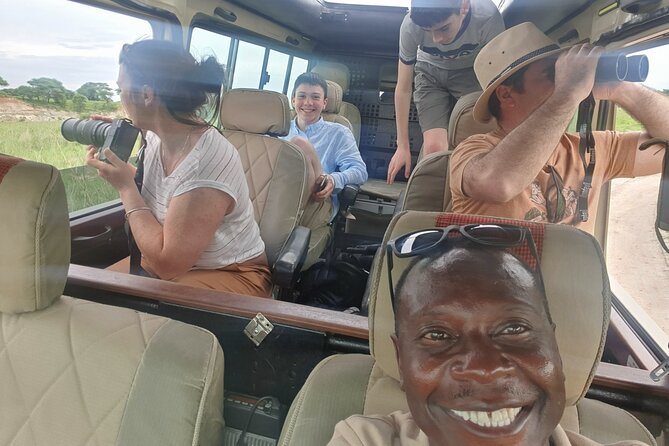
I like the smart route and the private format. You spend a full day in the Serengeti rather than treating it as a quick stop, and the mix of lodge rooms and a furnished tent gives you both comfort and a closer feel for the bush. The main drawback is road time: several days include long drives, and the schedule leaves little room for rest.
Key points before you book
- Three famous wildlife areas: Tarangire, Serengeti, and Ngorongoro Crater all appear in one carefully linked route.
- A full Serengeti game day: Day four allows up to 10 hours in the park, giving you time to search for big cats and other wildlife.
- Private touring: Only your own group takes part, which gives you more say over stops, pacing, and photography.
- Comfortable mixed accommodation: You stay at Pazuri Inn, Eileen’s Tree Inn, and Tanzania Bush Camp, with a cottage-style suite and a furnished tent.
- Meals are covered: Six breakfasts, five lunches, five dinners, plus fees and taxes, are included in the listed $2,600 price.
- A flexible wildlife season: March through May brings green scenery, while June through October usually offers concentrated game around water sources.
Why this Northern Circuit route works
Tanzania’s Northern Circuit is popular for good reason. The parks sit close enough to link by road, yet each has a different feel and wildlife pattern.
Tarangire is the first proper safari day. Serengeti supplies the huge horizons and famous predator sightings. Ngorongoro Crater gives you a compact wildlife setting where many species can be seen in a single day.
I like this progression. You begin with elephants and baobabs, move into the broadest setting, then finish in a volcanic caldera. It feels varied rather than like three versions of the same park.
The price is $2,600 per person. That is not a casual add-on to a Tanzania holiday, but the value depends on what you would otherwise need to arrange separately. This rate covers airport pickup, private transport during the activity, accommodations, park-related fees and taxes, and most meals. You still need to budget for your visa and travel insurance.
Because this is a private tour, the cost may make more sense for couples, families, or a small group sharing the vehicle. A solo participant should ask how the private pricing works before booking.
A few more Moshi trips to weigh up
- Safari Serengeti And Ngorongoro
★ 5.0 · 288 reviews - Big Five Safari In Tanzania
★ 5.0 · 99 reviews - Unforgettable Tanzania Safari And Zanzibar Beach
★ 5.0 · 97 reviews
Day one: a gentle start in Arusha
Your safari begins with pickup at Kilimanjaro International Airport at about 7:30 a.m. A representative takes you to Pazuri Inn, on the western outskirts of Arusha near the lower slopes of Mount Meru.
Your first night is in a cottage-style suite. That matters because the first day is not packed with sightseeing. You can arrive, settle in, and get ready for several early starts instead of being pushed straight into a park.
The listed duration is about eight hours, but the actual shape of the day depends on your flight arrival and transfer. Confirm your pickup details and arrival time before you fly.
Arusha is the gateway for this circuit, but the program does not set aside time for town sightseeing. If you want a city tour, a market visit, or extra time around Mount Meru, you would need to arrange that separately.
Day two: elephants and baobabs in Tarangire
From Arusha, you drive west for about two hours to Tarangire National Park. The park is often overshadowed by Serengeti and Ngorongoro, but I would not treat it as a filler stop.
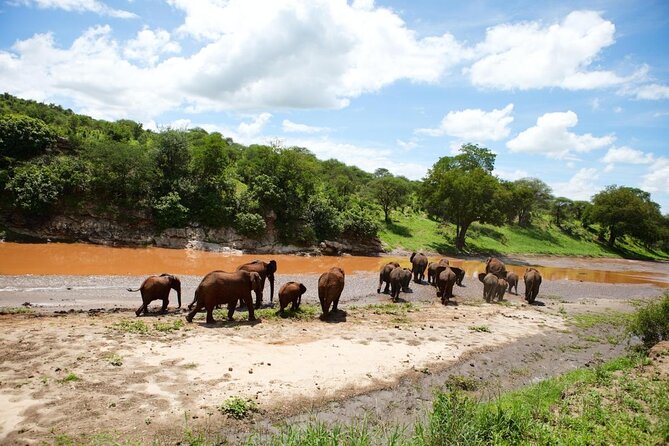
Tarangire is particularly appealing for its elephants. The park is known for encounters with large herds, and the setting adds plenty of character. During the green season, the baobabs carry fresh leaves and the park takes on a softer, greener look.
The dry season brings a different show. Buffalo, wildebeest, and zebra may gather in very large numbers, especially as animals concentrate around dependable water. The exact sightings can never be promised, but Tarangire gives you a good chance to see both large mammals and the park’s distinctive plant life.
You spend the day on a game drive with a picnic lunch. The listed duration is about eight hours, so this is a full park visit rather than a quick photo stop.
Afterward, you settle into Eileen’s Tree Inn in Karatu. Karatu is a useful base between the parks, though the move means you will spend part of the day on the road. Pack your camera and water where you can reach them, not buried under your luggage.
Day three: crossing the Ngorongoro highlands to Serengeti
You leave early and drive north for about three hours, passing through the Ngorongoro Conservation Area before entering the Serengeti from the south.
The drive is part of the experience. You begin to grasp the size of the wider ecosystem as the route opens toward the Serengeti. The park covers about 1.5 million hectares, with open plains, scattered trees, and riverine forests.
Your game drives focus on the Seronera area near the center of the park. This is a practical choice for a short safari because it places you in a central section with a strong chance of finding several of the species people come to Tanzania to see.
You spend the night at Tanzania Bush Camp in a roomy tent. It includes an oversized bed, running water, and views across the surrounding area. This is not a bare-bones camping night, but it is still different from a conventional lodge room. If you prefer a solid-walled hotel every night, take note.
Day three is another roughly eight-hour day. The combination of a long drive and an initial game drive can feel tiring, but it also gets you into the Serengeti without wasting a full day on the transfer.
Same country, a completely different kind of safari:
- Kilimanjaro climb by Lemosho Route (7-day)
★ 5.0 · 651 reviews - Kilimanjaro climb, Machame Route (7-day)
★ 5.0 · 262 reviews - Kilimanjaro Climbing Lemosho Route 8 Days.
★ 5.0 · 186 reviews - Climbing Kilimanjaro – Machame Route
★ 5.0 · 170 reviews
Day four: give the Serengeti the time it deserves
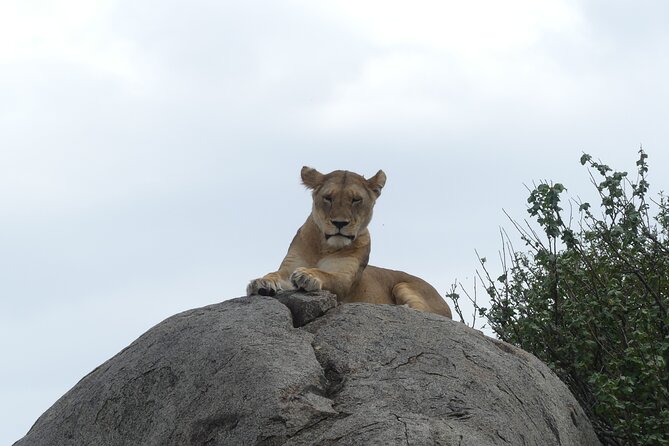
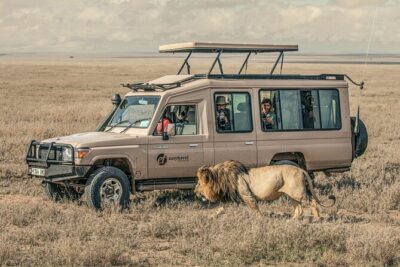
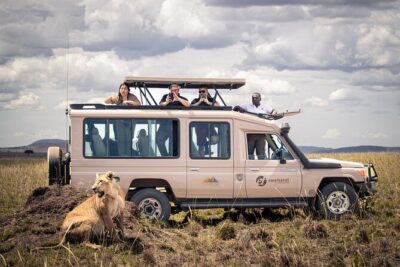
Day four is the heart of the program. You spend up to 10 hours on a full-day game drive in Serengeti National Park.
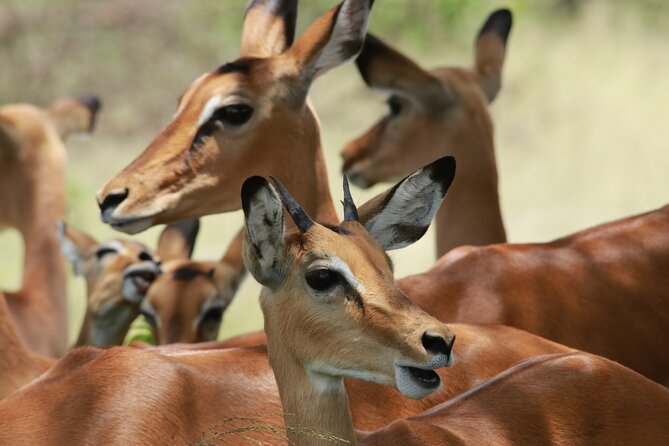
That long window gives you a better chance to search patiently for lion, leopard, cheetah, spotted hyena, giraffe, eland, and gazelle. Big cats do not appear on schedule, and a full day gives your guide more flexibility to move between sightings instead of calling it a day after a short drive.
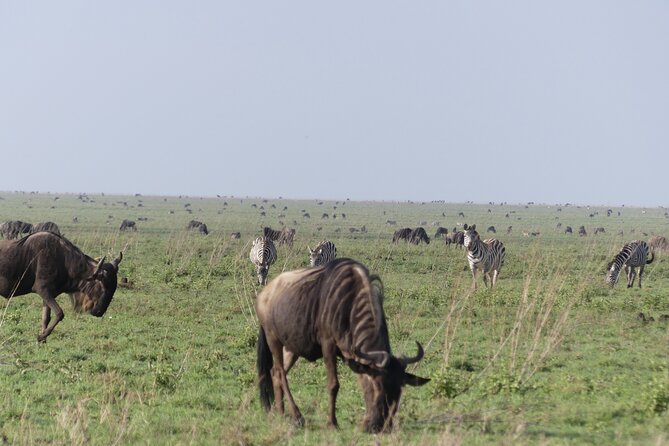
You can also expect wildebeest and zebra. If your dates line up with the Great Migration, the scale can be astonishing, with huge numbers of animals moving across the plains. Still, you should book for the Serengeti itself, not for a guaranteed migration sighting. The animals move according to rain and grazing conditions.
Birdwatchers have a reason to pay attention too. The park is home to more than 500 bird species. You do not need to be an expert to enjoy the variety, but a small notebook or bird identification app could add another layer to the day.
The tradeoff is simple: 10 hours in a safari vehicle is a long stretch. I would choose comfortable clothes, sun protection, and a camera battery plan. The private format helps here because your group can discuss how long to stay at a sighting and when to move on.
Day five: sunrise, one last drive, and Ngorongoro Crater
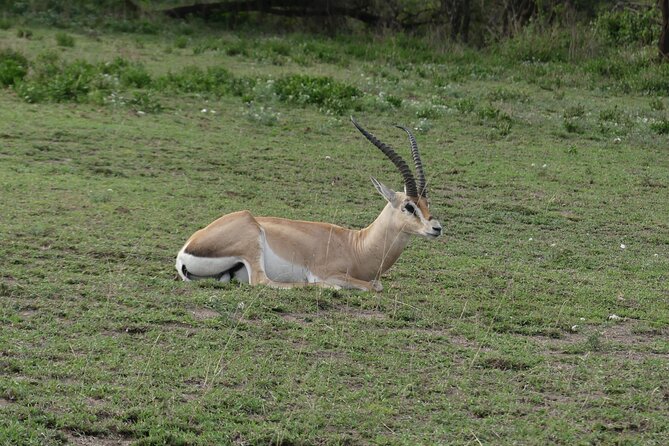
The morning begins with sunrise over the Serengeti and a hot mug of tea. You then pack up and take one more game drive while leaving the park.
This is a fine use of the exit route. Instead of treating the transfer as dead time, you have another chance to see animals in the morning, when the light is attractive and activity may be high.
The route returns through the Ngorongoro highlands for a little over two hours. Ngorongoro Crater formed at least two million years ago after a volcanic explosion. Today, the caldera is a protected area with important populations of threatened animals, including black rhinoceros and cheetah.
The crater gives you a different kind of safari setting. The area is enclosed by steep walls, so the wildlife experience can feel more concentrated than the wide-open Serengeti. That does not mean every animal is guaranteed, but it can make a single day feel very productive.
After the crater visit, you return to Eileen’s Tree Inn in Karatu. The day is listed at about eight hours, and you should expect another early start followed by a full day of activity.
Day six: a quiet breakfast and airport return
The final morning is deliberately easy. You have a light breakfast beside the pool at Eileen’s Tree Inn, with garden views and birdsong before the drive back to Arusha.
The road portion is about two hours, followed by your return to Kilimanjaro International Airport for your departure flight. The schedule works best if your flight leaves late enough to allow for road delays. The supplied timing does not promise a fixed airport arrival hour, so match your flight carefully with the return drive.
If your international departure is early, consider adding a separate night in Arusha rather than forcing the safari schedule around a tight flight.
Lodging, meals, and daily comfort
The accommodation is a useful middle ground between basic camping and high-end safari lodges. Pazuri Inn offers a cottage-style suite, Eileen’s Tree Inn provides lodge accommodation in Karatu, and Tanzania Bush Camp gives you a furnished tent with running water and a large bed.
That tent night is one of the more memorable parts of the route for anyone who wants a closer connection to the setting. It may be less appealing if you need the same hotel-style room every night.
You receive six breakfasts, five lunches, and five dinners. That covers the full six-day schedule for breakfast, while lunch and dinner are included on five days. The second day includes a picnic lunch during the Tarangire drive.
The food receives especially warm praise in the supplied comments. Boniface, also called Boni, is named as a cook who prepared very good meals, with particular appreciation for fruits and vegetables. Since staff assignments can change, treat those names as examples rather than guarantees for your departure.
Guides and the private-tour advantage
The operator is Chalema Tanzania Safaris, a small local company led by Joel. Joel is described as responsive during planning and able to communicate in French, which may be useful if you prefer French-language preparation or guiding.
Several guides are named in the supplied material, including Chaban, Chabane, Shaban, Harouna, Aruna, Georges, and Praygod. The comments repeatedly highlight attentive guiding, safe driving, strong park knowledge, and the ability to position the vehicle for photographs. Your exact guide is not specified, so ask for the name before departure if that matters to you.
The tour is private. Only your group participates, which is a real benefit on safari. You can spend more time at a sighting, ask questions without competing with a busload of people, and discuss your preferred pace with the guide.
A private vehicle does not remove the physical demands of the route. You still face long drives, rougher park roads, early mornings, and long hours outside. But it gives you more control over how those demands are handled.
Best season for this six-day safari
The itinerary can operate throughout the year, but the experience changes with the calendar.
From March through May, the green season brings lush foliage and fresh color around Tarangire and the wider Northern Circuit. This period can be appealing if you care about scenery and softer light.
From June through October, the dry season often concentrates animals and can produce large herds of buffalo, wildebeest, and zebra in Tarangire. The Serengeti may also offer strong game viewing during these months.
The Great Migration is not a fixed attraction that appears in one place all year. Your chances depend on the timing and location of the herds, so ask the operator for current guidance when you choose dates.
Who should book this safari?
I would choose this trip if you want Tanzania’s headline parks in a compact six-day plan, especially if this is your first safari. It suits couples, families, and small private groups who value personal guiding and do not mind early mornings.
It also works for solo visitors who want a private experience, but the price may feel high when paid by one person. Ask for the exact solo rate before committing.
I would hesitate if you want a slow holiday with long afternoons at one lodge. This is an active program with substantial road time and several full days outdoors.
The $2,600 price is strongest for someone who values convenience. Having pickup, transport, lodging, meals, and park fees arranged in one package removes much of the planning burden. It is less attractive if you are comparing it only with a low-cost camping trip and are prepared to arrange every part yourself.
Should you book it?
Book this Northern Safari if you want a well-shaped introduction to Tarangire, Serengeti, and Ngorongoro, with a full Serengeti day and a private guide. The strongest reasons are the route, the mix of accommodation, the included meals, and the chance to work with a small local operator.
Before paying, confirm your guide, exact lodging, airport transfer timing, and the flight time on day six. If you accept the long drives and active schedule, this is a practical way to see three of Tanzania’s most important wildlife areas in less than a week.
FAQ
Where does the safari begin?
The safari begins with pickup at Kilimanjaro International Airport in Tanzania. The listed start time is 7:30 a.m.
Where does the safari end?
On day six, the tour returns you to Kilimanjaro International Airport for your departure flight.
How long does the safari last?
The experience lasts approximately six days.
Which parks are included?
The route includes Tarangire National Park, Serengeti National Park, and Ngorongoro Crater.
Is the tour private?
Yes. Only your own group participates in the activity.
What meals are included?
The price includes six breakfasts, five lunches, and five dinners. All fees and taxes are also included.
Is airport pickup available?
Yes. Pickup is offered, and the itinerary specifies pickup at Kilimanjaro International Airport.
Are visa costs and travel insurance included?
No. Visa expenses and travel insurance are not included in the price.
Just added around Moshi
- Mt Kilimanjaro 6 days Marangu route hike★ 5.0 · 3 reviews
- Wildlife Extravaganza: Manyara, Tarangire & Ngorongoro in 3 Days★ 5.0 · 3 reviews
- Private Cycle to Kilimanjaro Bike Park Safari★ 5.0 · 6 reviews
- 3 Days Private E-Bike Tour in West Kilimanjaro★ 5.0 · 3 reviews
- West Kilimanjaro cycling Adventures★ 4.5 · 8 reviews
- machame route★ 5.0 · 16 reviews
- Kilimanjaro Climbing Umbwe Route★ 5.0 · 3 reviews
- Kilimanjaro Climb & Safari – Lemosho Route – 13 Day★ 5.0 · 10 reviews
6-Day Experiences, compared.

Private 6-Day Tarangire Manyara Crater and Serengeti with Mid-Range Lodges
Read our review →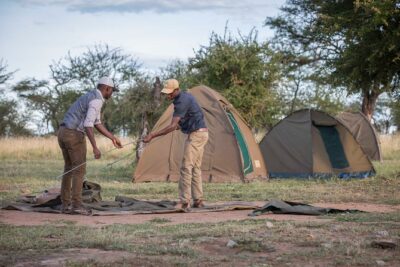



Browse the lists this tour appears in