
Reviewed · EVENING EXPERIENCES
6 Days 5 Night Safari
The big draw here is the sweep of Tanzania’s northern safari circuit in just six days: Lake Manyara, the Serengeti, Olduvai Gorge, Ngorongoro Crater, and Tarangire. You get forests, open grassland, an ancient archaeological site, a volcanic crater, and some of Africa’s best-known animals in one trip.
I like the fact that park entrance fees, a driver-guide, camping equipment, and full-board meals are built into the $2,772 price. I also like the small maximum of 12 people, since a compact group makes wildlife stops and photo opportunities easier to manage. The main point to clarify is airport transport: it is listed as a feature, but the exclusions say transfers to and from the airport are not included.
- Lake Manyara’s tree-climbing lions: Search the woodland and open areas for lions resting in the branches.
- Serengeti wildlife country: Follow a professional guide through the park associated with the annual wildebeest and zebra migration.
- Olduvai Gorge on the route: Add a major human-origins site to a trip otherwise focused on animals.
- Ngorongoro Crater’s Big Five chance: Look for black rhino, elephant, lion, buffalo, and leopard in a remarkable natural setting.
- Tarangire’s dry-season wildlife: Visit a park where the Tarangire River can become the key water source for animals.
- Small-group format: The group limit is 12 people, with mobile tickets and pickup offered.
Five Nights Across Tanzania’s Northern Safari Circuit
This is an ambitious safari. In six days, you move through several very different protected areas rather than spending the whole trip in one park. That variety is the reason to choose it, but it also means you should expect regular road travel and a fairly full schedule.
The route begins from Kilimanjaro Airport near Moshi. A driver collects you and takes you to the campsite, pointing out scenery and explaining any animals seen along the way. The first day is less about a major game drive and more about getting into safari rhythm.
From there, the trip builds toward the Serengeti and Ngorongoro, then finishes at Tarangire. The order gives you a strong mix of famous sights and varied habitats. I would choose this plan if you want a broad first look at northern Tanzania and do not want to spend extra days in just one park.
Day One: From Kilimanjaro Airport to Camp
The first day is deliberately simple. Your driver picks you up and takes you safely to camp, with wildlife explanations and scenic views along the route.
Because the exact camp location and sightseeing schedule are not specified, do not expect a full park visit on this opening day. The useful part is having transport and a guide from the start, rather than having to arrange your own way to the safari base.
This is also the day to settle practical questions. Confirm the airport transfer, since the tour information gives two different signals about whether it is included. Ask where the first night is spent, what type of accommodation is planned, and how the camping equipment fits with the description of lodge safari and double-occupancy lodging.
A few more Moshi trips to weigh up
- Safari Serengeti And Ngorongoro
★ 5.0 · 288 reviews - Big Five Safari In Tanzania
★ 5.0 · 99 reviews - Unforgettable Tanzania Safari And Zanzibar Beach
★ 5.0 · 97 reviews
Day Two: Lake Manyara and Its Tree-Climbing Lions
Lake Manyara National Park makes a fine early safari stop because it offers several habitats in a compact area. Approaching from the east, the Rift Valley escarpment rises behind the lake. The view gives the park a strong sense of place before you begin looking for animals.
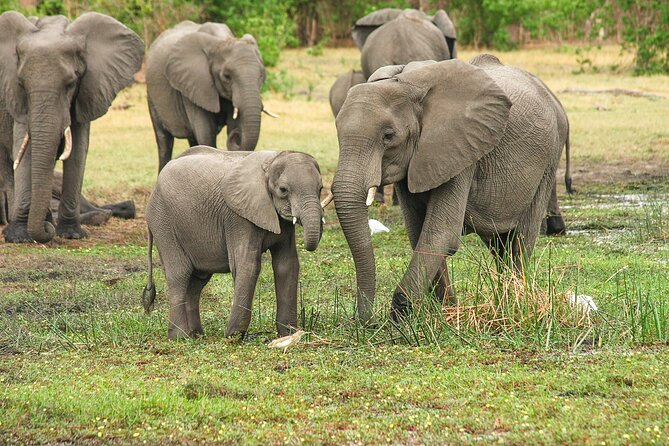
The groundwater forest is known for monkeys moving through tall trees, while elephants may rest in the shade along the escarpment. Around the lake and nearby meadows, you might find hippos, leopard, storks, pelicans, and both greater and lesser flamingoes.
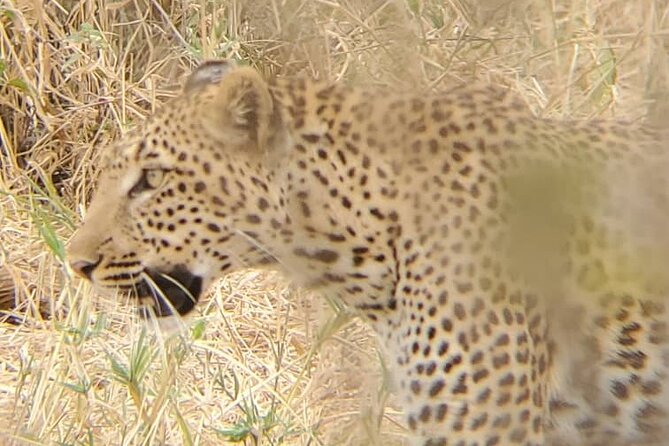
The park’s signature sight is its tree-climbing lions. Seeing one is never guaranteed, but the guide will search the woodland and explain what you are seeing at different levels of the park. This is one of the places where a good driver-guide matters. The strongest praise attached to this company centers on guides who spot animals, position the vehicle for photographs, and remain patient when people want a better view.
Lake Manyara is also a good reminder that a safari is not only about the Big Five. Birds, monkeys, changing vegetation, and the escarpment make this stop worthwhile even if the lions stay on the ground.
Day Three: The Serengeti and the Great Migration Route
The Serengeti is the trip’s largest name, and for many people it will be the emotional high point. The park is famous for the annual movement of wildebeest and zebra as they seek fresh pasture, with herds moving north from breeding areas in the southern plains.
Your professional guide accompanies you through the park and explains the animals and their setting. The Serengeti is not a zoo, so wildlife sightings vary by season, weather, and location. The migration is a moving process, not a single event that occurs in one fixed place all year.
That is important when you set expectations. You may see large herds, but the precise location depends on timing. You might also see lions, elephants, buffalo, leopard, and other animals, since the park supports far more than migrating grazers.
The open grassland can make animal spotting easier, but the distances are large. A day here may involve long drives between sightings. I would bring patience, spare phone or camera power, and realistic expectations about how much time you spend on the road.
The driver-guide is central to the experience. People praised guides including Danny, Tenga, Arnold, and Peter Minja for being friendly, alert, and helpful with photo angles. Guide assignments are not guaranteed, but those names show the type of personal service the company is known for on safari.
Day Four: Olduvai Gorge and the Ngorongoro Rim
Day four adds an important change of pace. On the way toward Ngorongoro, you pass Olduvai Gorge, often called the Cradle of Mankind because of its importance in the study of early human beings.
This stop gives the safari more depth. You are not only looking at present-day wildlife. You are also visiting a place connected with the story of human origins. The information provided does not specify the length of the stop or whether a separate museum visit is included, so ask your guide how much time is planned there.
Later, you reach the Ngorongoro area. The crater is the world’s largest intact caldera, formed after a huge volcanic collapse. The scale is hard to grasp from a written description: you look across a vast enclosed basin where wildlife lives below the crater rim.
This day combines road travel, archaeology, and scenery. It may be one of the busier days of the trip, but it gives you context before the crater game drive.
Same country, a completely different kind of safari:
- Kilimanjaro climb by Lemosho Route (7-day)
★ 5.0 · 651 reviews - Kilimanjaro climb, Machame Route (7-day)
★ 5.0 · 262 reviews - Kilimanjaro Climbing Lemosho Route 8 Days.
★ 5.0 · 186 reviews - Climbing Kilimanjaro – Machame Route
★ 5.0 · 170 reviews
Day Five: Ngorongoro Crater and the Big Five
Ngorongoro Crater is the safari’s strongest bet for concentrated wildlife viewing. Its enclosed setting can bring many animals into one broad area, and the tour specifically focuses on the possibility of seeing all five classic African animals: black rhino, elephant, lion, buffalo, and leopard.
No responsible safari can promise the complete Big Five. Still, the crater is a logical place to look for them, especially because black rhino can be difficult to find elsewhere. You may also see other animals and birds during the drive.
The crater offers a different feel from the Serengeti. The Serengeti gives you wide-open movement and long horizons. Ngorongoro gives you a more contained setting, with the crater walls framing the wildlife area. That contrast is a major strength of this itinerary.
Expect an early or full day around the crater, depending on the final schedule. The details provided do not give exact departure times, so ask how the crater visit is divided between driving, meals, and accommodation. If wildlife photography matters to you, tell the guide early. The company’s guides are praised for seeking better angles, and clear communication helps them understand what you hope to photograph.
Day Six: Tarangire’s River and Birdlife
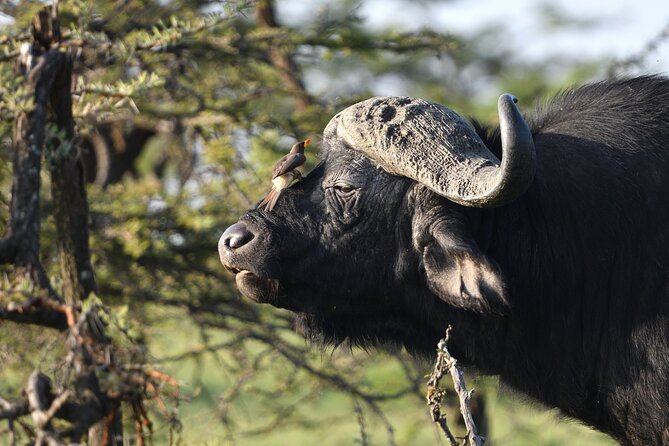
The final day moves to Tarangire National Park, a useful finish because it offers a different setting from the crater and Serengeti. Tarangire is known as a strong birding destination and also supports large numbers of game.
The Tarangire River matters most during the dry season, when it may be the only water source in the area. That can draw animals toward it and make the park especially rewarding for wildlife viewing at that time of year.
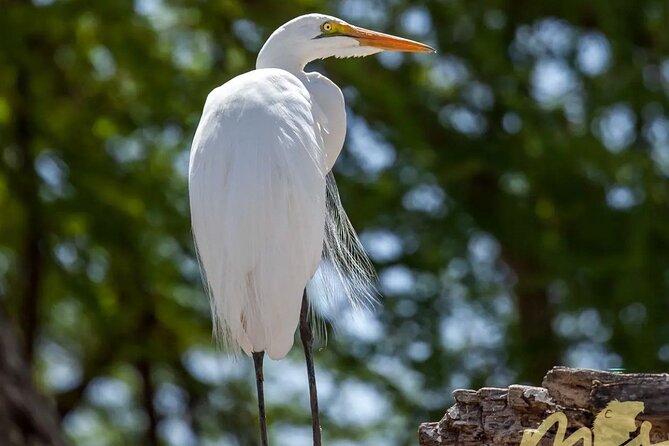
The tour description does not promise a particular animal list for Tarangire, so treat this as a chance to see a broad range of game rather than a guaranteed final Big Five stop. Bird lovers should pay close attention here. Storks, pelicans, flamingoes, and many other bird species are part of the wider northern Tanzania safari experience.
Since this is the final day, confirm where the trip ends and how you will connect with your next accommodation or transport. The stated meeting point is Kilimanjaro Airport, but the included and excluded transfer details conflict.
What the $2,772 Price Really Covers
At $2,772 per person, this is not a low-cost park visit. It is priced as a multi-day safari with several national parks, transport, guiding, meals, accommodation, equipment, and entrance charges included.
The included items are substantial:
- National park entrance fees
- Transport with driver-guide or guides
- Camping equipment
- Full-board accommodation on a double-occupancy basis
- Five breakfasts
- Six lunches
- Six dinners
The food plan is especially useful on a route where arranging meals independently would be awkward. Strong praise has been directed at the food and lodging, including comfortable beds and good meals at the accommodation used on safari. At the same time, the lodging is described as both lodge-based and somewhat wild or rustic, so you should not assume a luxury hotel standard every night.
The wording about accommodation deserves clarification. The inclusions refer to camping equipment and also describe full-board lodge safari accommodation. Ask for the exact names and types of properties before booking. You want to know if nights are in tents, permanent camps, or lodges, and whether rooms are shared only with your booked companion.
You still need to budget for guide tips, personal expenses, visa fees, travel insurance, and airport transfers if the exclusion applies to your booking. Those costs can affect the final price, so include them when comparing this safari with similar six-day routes.
The Driver-Guide Can Make or Break the Trip
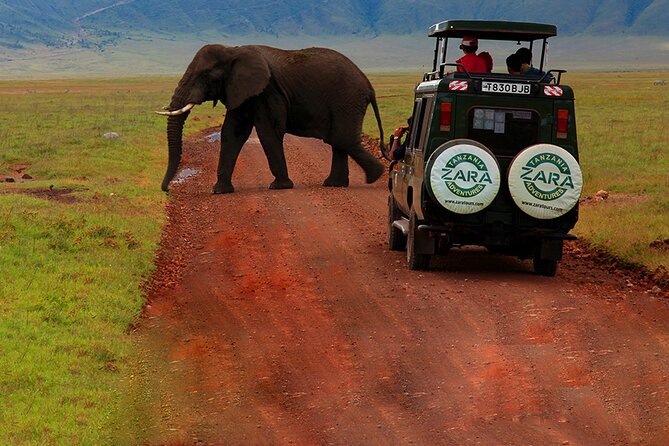
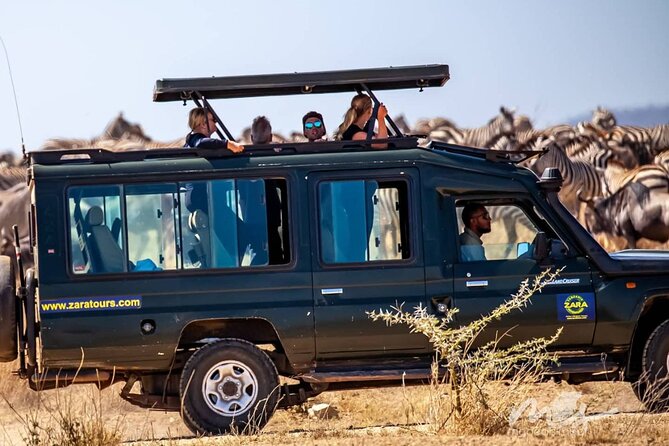
A safari vehicle is only part of the experience. Your guide controls the pace, explains animal behavior, handles the roads, and decides where to stop when something interesting appears.
This company’s strongest praise focuses on its staff. Guides are described as friendly, safe, helpful, and good at finding animals. They also receive credit for stopping to help, sharing local culture, and working hard to improve photo opportunities.
Names connected with especially positive feedback include Danny, Tenga, Arnold, and Peter Minja. Peter Minja was singled out for an energetic style, expertise, and humor during a family safari. You cannot assume one of these guides will lead your trip, but you can ask Zara Tours whether a requested guide is available.
The group maximum is 12 people. That is a useful limit, but the actual comfort of the ride depends on vehicle size and how many people share it. Ask how many people are normally assigned to each vehicle, whether seats are guaranteed, and how the company handles requests to pause for photographs.
Lodging, Meals, and the Feel of Camp
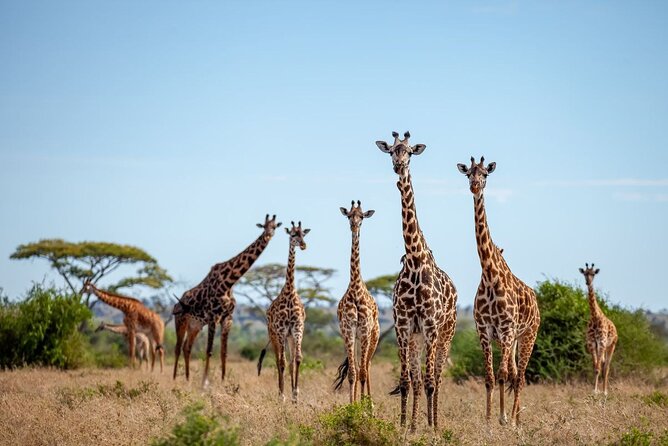
The accommodation appears to balance comfort with a rustic safari setting. Some stays may feel like a standard lodge, while others may be closer to camp life. The available information describes good food, comfortable beds, and settings where you might see giraffes nearby or watch a striking sunset from your room.
Those details point to a safari that is not strictly bare-bones. Still, the phrase full board does not mean a luxury dining program, and camping equipment does not tell you the level of bathroom or room facilities. Get the lodging list before you commit.
Vegetarian meals are available if you request them when booking. That is worth doing early rather than waiting until arrival. Breakfast, lunch, and dinner are listed for the trip, with five breakfasts and six lunches and dinners included.
Who Will Like This Safari Most
I would recommend this route to you if you want a strong first safari with several famous destinations packed into one trip. It suits people who want the Big Five, migrating herds, birdlife, scenery, and a major archaeological site without building the route themselves.
It is also a good fit for photographers. The guides are praised for finding animals and helping with better viewing angles. The smaller group cap should help, though you should still ask about vehicle arrangements.
You may want a slower itinerary if you dislike long drives or prefer several nights in one camp. Six days is enough to see a lot, but it does not allow much slack for bad weather, slow roads, or a missed wildlife sighting.
The itinerary works for most people, and the information says most participants can take part. It also offers mobile tickets and pickup. Exact physical demands are not described, so ask Zara Tours about walking, vehicle access, and camp conditions if you have mobility concerns.
Booking Details to Confirm Before Paying
Confirmation is provided at booking, and the maximum group size is 12. The listed starting point is Kilimanjaro Airport in Tanzania.
The airport policy needs a direct question. Airport transfer appears among the highlights, while the exclusions say transfer to and from the airport is not included. Ask for written confirmation of exactly what pickup is covered, where it occurs, and where the safari finishes.
The cancellation terms are strict near departure. Cancel at least six full days before the local start time for a full refund. Cancellation two to six full days ahead receives a 50 percent refund, while cancellation less than two full days ahead receives no refund. Changes inside those cutoffs are not accepted.
Should You Book the Six-Day Safari?
I would book this safari if you value range and convenience over a slow, single-park stay. Lake Manyara’s forest and birds, the Serengeti’s open country, Olduvai Gorge, Ngorongoro’s crater wildlife, and Tarangire’s dry-season river give you a well-rounded look at northern Tanzania.
The $2,772 price can be fair when you count park fees, meals, transport, guides, camping gear, and five nights of accommodation. The decision depends on the lodging standard and airport transfer question, so get both points settled first.
Choose it for a first safari, a small group setting, and a good chance at major wildlife sightings. Choose another plan if you want luxury lodging, a relaxed pace, or guaranteed time in one particular migration zone. For most people seeking a compact northern Tanzania overview, this is a strong and practical route.
FAQ
Where does the safari start?
The listed starting point is Kilimanjaro Airport in Tanzania, near Moshi.
How long is the safari?
The safari lasts approximately six days and includes five nights.
Which national parks and sites are included?
The route includes Lake Manyara National Park, Serengeti National Park, Ngorongoro Crater, and Tarangire National Park. It also passes via Olduvai Gorge.
Is airport pickup included?
Pickup is offered and airport transfer appears among the tour highlights, but the exclusions also say transfer to and from the airport is not included. Confirm the exact airport arrangement with Zara Tours before booking.
Are park entrance fees included?
Yes. National park gate fees are included in the tour price.
Are meals and accommodation included?
Yes. Full-board accommodation on a double-occupancy basis is included, along with five breakfasts, six lunches, and six dinners. Camping equipment is also listed as included.
What is the cancellation policy?
You receive a full refund if you cancel at least six full days before the local start time. Cancellation two to six full days ahead receives a 50 percent refund, and cancellation less than two full days ahead is nonrefundable. Changes inside the stated cutoffs are not accepted.
More 6-Day Experiences in Moshi
- Kilimanjaro climb, Lemosho Route (6-day)
★ 5.0 · 129 reviews - Kilimanjaro climb, Marangu route (6-day)
★ 5.0 · 72 reviews - The Best of Machame Route in 6 Days: Your World’s Summit Guide
★ 5.0 · 44 reviews - 6 Days Machame Route Kilimanjaro Climbing
★ 5.0 · 42 reviews
Just added around Moshi
- Mt Kilimanjaro 6 days Marangu route hike★ 5.0 · 3 reviews
- Wildlife Extravaganza: Manyara, Tarangire & Ngorongoro in 3 Days★ 5.0 · 3 reviews
- Private Cycle to Kilimanjaro Bike Park Safari★ 5.0 · 6 reviews
- 3 Days Private E-Bike Tour in West Kilimanjaro★ 5.0 · 3 reviews
- West Kilimanjaro cycling Adventures★ 4.5 · 8 reviews
- machame route★ 5.0 · 16 reviews
- Kilimanjaro Climb & Safari – Lemosho Route – 13 Day★ 5.0 · 10 reviews
- Kilimanjaro Climbing Umbwe Route★ 5.0 · 3 reviews
Evening Experiences, compared.
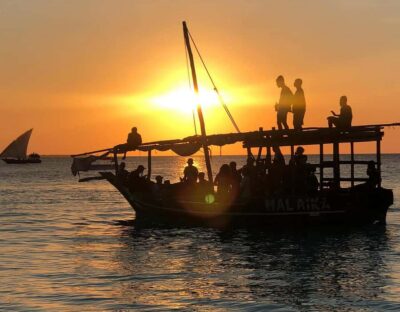
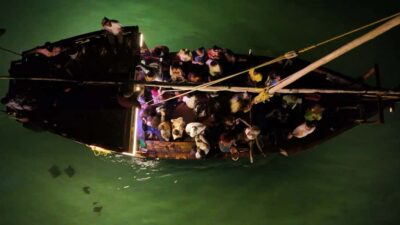
Sunset party cruise in Zanzibar with BoomBoom Boat
Read our review →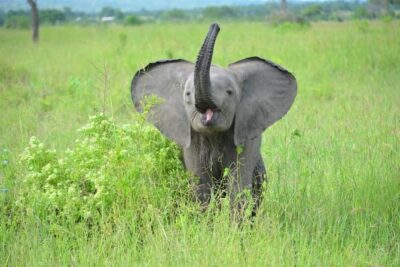
2 Days 1 Night Mikumi National Park from Dar es salaam
Read our review →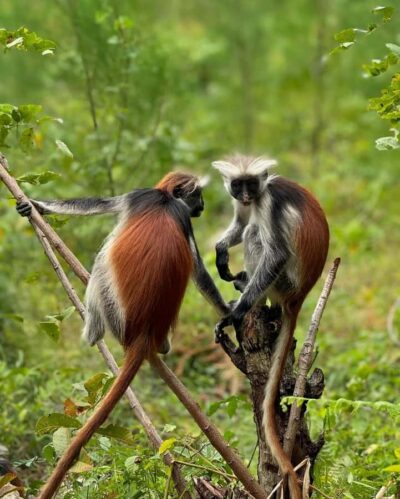
Jozani Forest, Salaam & Maalum Caves and Sunset
Read our review →
Browse the lists this tour appears in